Last updated: October 2026
Most Indian adults need 0.8–1.0g of protein per kg of body weight daily — that's 48–60g for a 60kg person. Yet the average Indian diet, heavy on cereals and low on protein-dense foods, delivers far less.ICMR-NIN's 2024 Dietary Guidelines set the baseline, but your actual requirement depends on age, activity level, and health goals. Here's how to calculate yours.
The Simple Formula: Protein Per Kg of Body Weight
Multiply your body weight in kg by 0.8–1.0 to get your daily protein need in grams. That's the baseline for a healthy, sedentary adult. Active individuals, seniors, and those building muscle need more.
|
Your Profile |
Protein Per Kg/Day |
Example (60kg person) |
|
Sedentary adult |
0.8–1.0g |
48–60g |
|
Regularly active adult |
1.0–1.2g |
60–72g |
|
Strength training / muscle gain |
1.4–2.0g |
84–120g |
|
Endurance athlete |
1.2–1.6g |
72–96g |
|
Pregnant women |
1.1–1.5g |
66–90g |
|
Breastfeeding women |
1.3–1.5g |
78–90g |
|
Adults over 60 |
1.0–1.2g |
60–72g |
|
Recovering from illness/surgery |
1.2–1.5g |
72–90g |
Sources: Baseline RDA fromICMR-NIN 2024 guidelines. Athletic ranges from theInternational Society of Sports Nutrition position stand. Elderly recommendations from thePROT-AGE study group.
Don't want to do the maths? Use ourprotein calculator to find your exact daily target.
Why Most Indians Don't Get Enough Protein
Nearly 50% of the protein Indians consume comes from cereals — which are among the poorest quality protein sources. ACEEW study found that while total protein intake numbers look adequate on paper, the quality is severely lacking.
The problem isn't just quantity — it's quality and distribution:
|
Issue |
What Happens |
|
Cereal-heavy diet |
Roti, rice, and chapati provide bulk calories but incomplete protein |
|
Skipped protein at breakfast |
Poha, idli, upma have 3–5g protein vs 20g+ needed per meal |
|
Protein bunching at dinner |
One dal serving at dinner can't compensate for a protein-empty day |
|
Low pulse/legume intake |
Despite India producing 26M tonnes of pulses annually, per-capita consumption is declining |
The vegetarian challenge: A fully vegetarian Indian diet can absolutely meet protein needs — but it requires deliberate planning. Two rotis with dal gives about 12g of protein. You'd need 4–5 such meals to hit 60g, which most people don't eat.
Forsigns that you may not be getting enough protein, check our guide.
How to Hit Your Protein Target on an Indian Diet
The key is spreading protein across all three meals and one snack — not loading it all into dinner. Research suggests 20–30g of protein per meal maximises muscle protein synthesis; going beyond 40g in a single sitting may offer diminishing returns.

Breakfast (Target: 15–20g)
-
2 moong dal chilla (14g) + 1 glass milk or soy milk (7–8g)
-
2 besan chilla (12g) + curd (6g)
-
Oats withplant protein powder (10–15g) + nuts (5g)
Lunch (Target: 20–25g)
-
1 bowl rajma/chole (15g) + 2 roti (6g) + curd (4g)
-
1 bowl dal (10g) + paneer sabzi (14g) + rice
-
Sprouts salad (12g) + 2 roti (6g) + dal (8g)
Snack (Target: 10–15g)
-
1 scoop plant protein in warm water (10–15g)
-
Handful of roasted chana (10g) + peanuts (7g)
-
Paneer cubes (100g = 18g protein)
Dinner (Target: 20–25g)
-
Dal + sabzi + roti (15–18g) + curd (6g)
-
Tofu stir fry (16g) + rice + dal (8g)
Total: 65–85g — enough for most active adults weighing 55–70kg.
For a structured approach, see our7-day meal plan and list ofprotein-rich Indian foods.
Do You Need a Protein Supplement?
If you consistently fall 20g+ short of your daily target through food alone, a supplement fills the gap more reliably than adding another meal. This is especially true for:
-
Vegetarians and vegans hitting 1.4g/kg+ for muscle gain
-
Seniors over 60 with reduced appetite (need 1.0–1.2g/kg but eat less)
-
Busy professionals who skip breakfast or eat cereal-heavy meals
-
Pregnant and breastfeeding women who need 15–25g extra daily
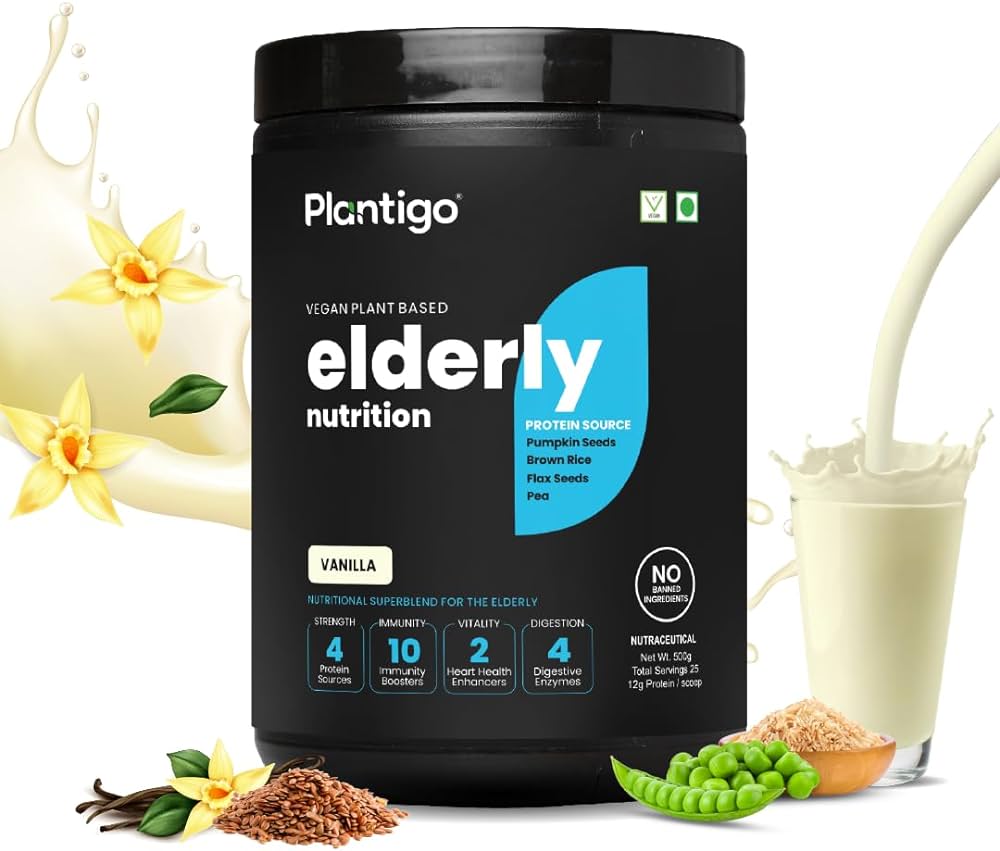
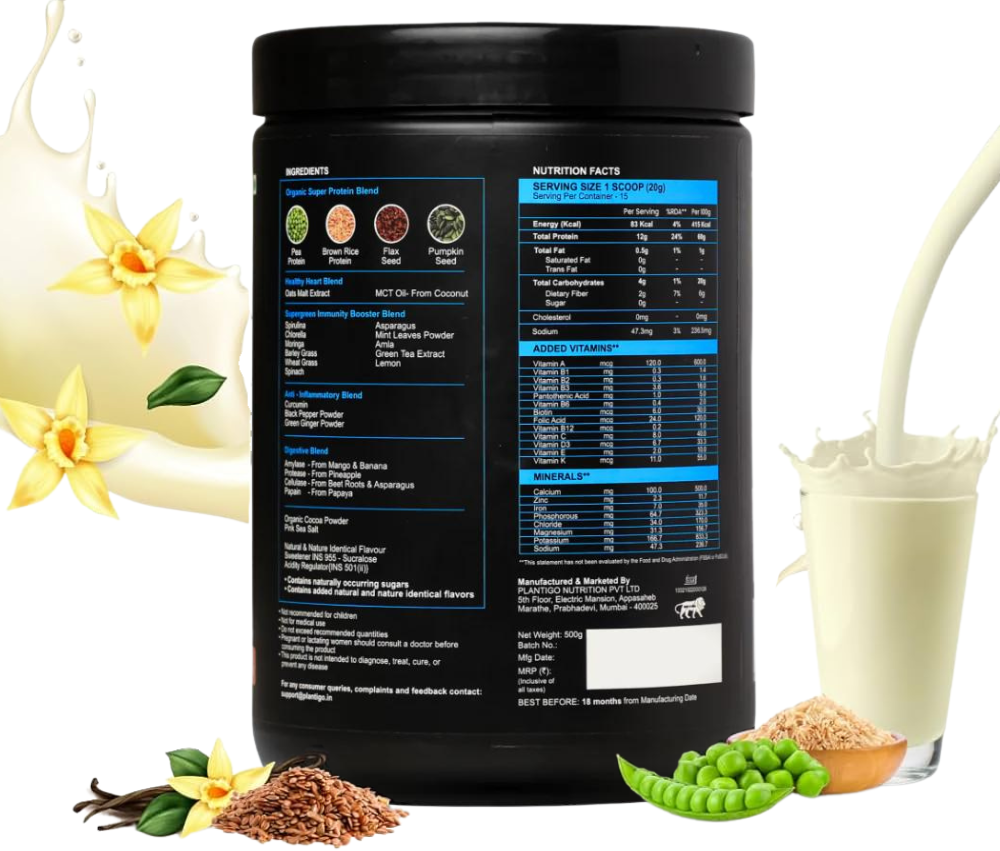
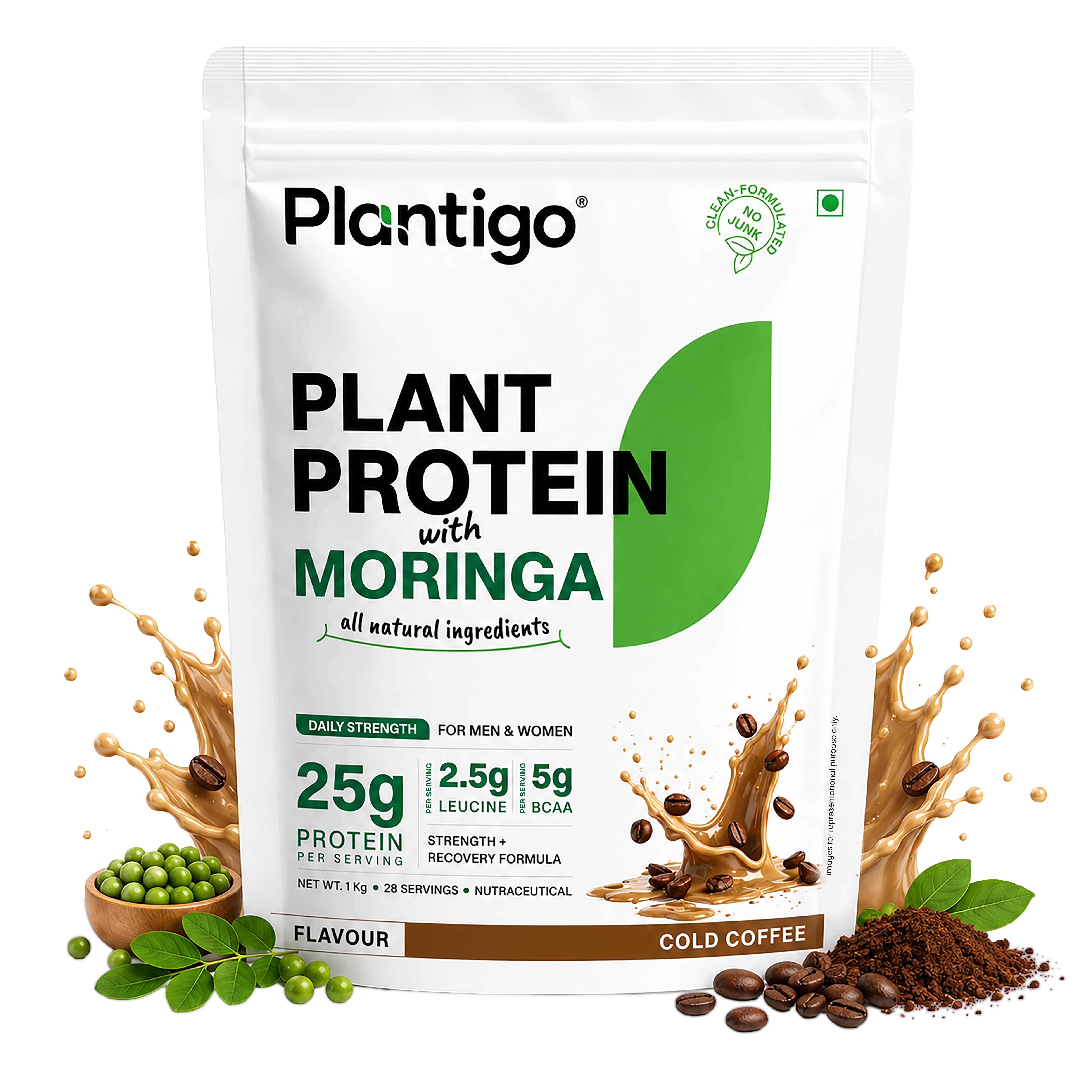
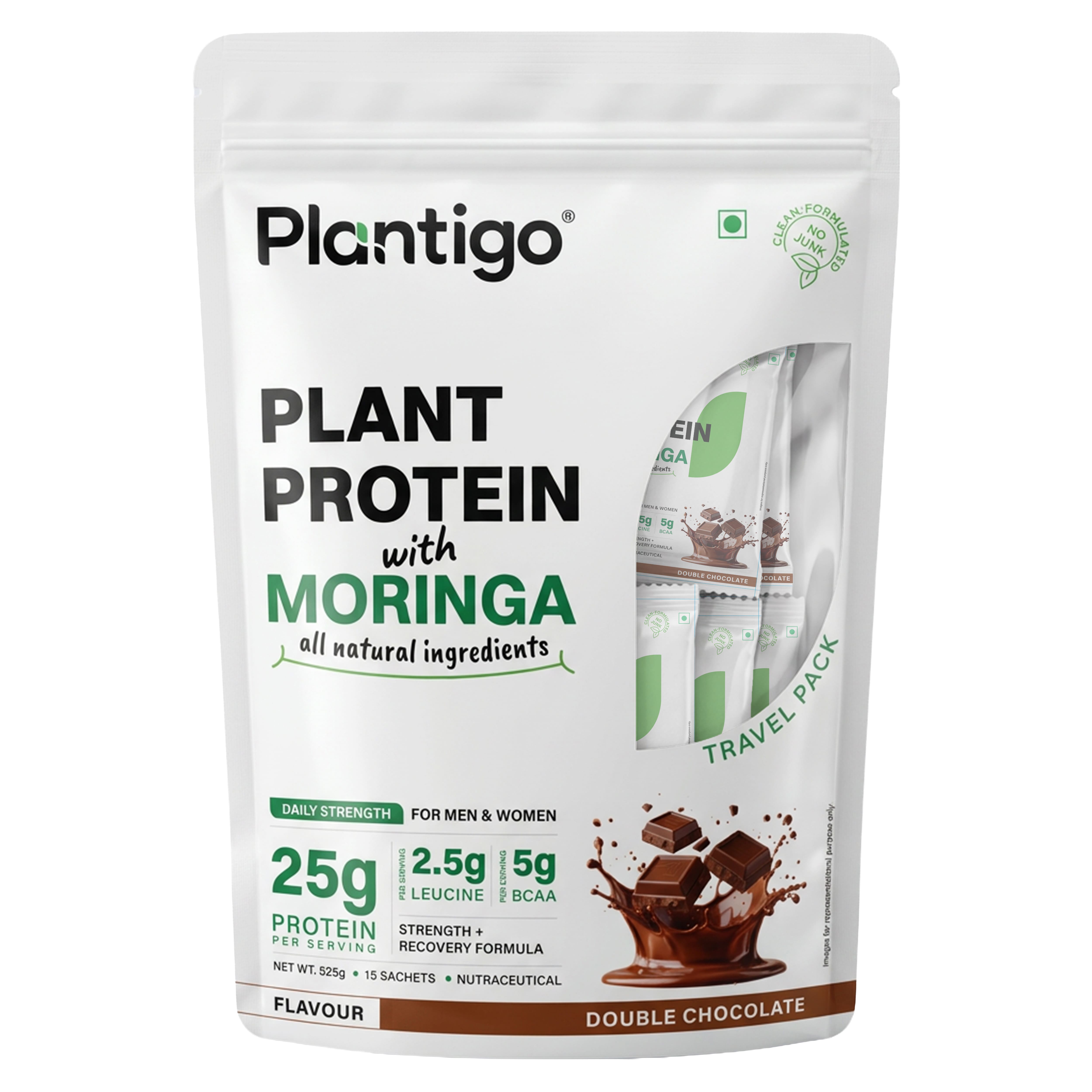
A single scoop ofplant protein powder adds 10–25g without extra calories from fat or carbs. For those focused on building muscle, aplant protein for muscle gain formula with 20g+ per serving and added BCAAs is the most efficient option.

ICMR's position on supplements: The 2024 ICMR guidelines recommend meeting protein needs through food first. Supplements are not a replacement for a balanced diet — they're a tool to close a specific gap. If your diet already hits target, you don't need one.
For how plant protein compares to whey, see ourplant protein vs whey protein guide.
Common Protein Myths in India
"Dal-roti is enough protein" is the most damaging nutrition myth in India. It's partially true — dal does have protein — but the amounts are far lower than most people assume.
|
Myth |
Reality |
|
"Dal-roti gives enough protein" |
1 bowl dal + 2 roti = ~12g. You need 50–80g/day. |
|
"Only gym people need protein powder" |
Anyone with a 20g+ daily gap benefits |
|
"Too much protein damages kidneys" |
No evidence in healthy kidneys; only a concern with pre-existing kidney disease |
|
"Vegetarians can't build muscle" |
They can — it just requires deliberate protein planning |
|
"Protein makes you bulky" |
Protein supports lean muscle, not bulk — that requires heavy training + caloric surplus |
|
"Paneer is the best protein source" |
100g paneer = 18g protein but also 20g fat; dal and legumes are leaner |
Protein Needs by Life Stage
Your protein requirement isn't static — it changes with age, activity, and life events. Here's a quick reference:
|
Life Stage |
Why More Protein? |
Daily Target (60kg person) |
|
Teenager (13–18) |
Growth and development |
50–65g |
|
Adult (19–50) |
Maintenance and repair |
48–60g |
|
Active adult / gym-goer |
Muscle repair and growth |
84–120g |
|
Pregnancy |
Fetal development, especially 2nd & 3rd trimester |
66–90g |
|
Breastfeeding |
Milk production requires extra amino acids |
78–90g |
|
Senior (60+) |
Counteracting muscle loss (sarcopenia) |
60–72g |
|
Post-surgery / illness |
Tissue repair and immune recovery |
72–90g |
Pair your protein withcalcium-rich foods for bone support, especially during pregnancy and after 50.
The Verdict
Most Indian adults need 48–80g of protein daily, depending on weight and activity level. The typical Indian diet delivers 30–45g — a gap that adds up over months and years as fatigue, muscle loss, and slow recovery.
The fix is simple:
-
Spread protein across 3 meals + 1 snack
-
Add a legume or dairy source to every meal
-
Use a plant protein supplement to close a 15–25g daily gap
-
Track for a week to see where you actually stand
👉Shop Plantigo's plant protein range
Disclaimer: This article is for educational purposes only and is not a substitute for medical or nutritional advice. Consult a dietitian for personalised protein targets.
FAQs
1. How much protein does a 60kg Indian adult need daily?
48–60g for a sedentary adult (0.8–1.0g/kg). If you exercise regularly, aim for 60–72g. For muscle building, 84–120g.
2. Can vegetarians get enough protein without supplements?
Yes — with deliberate planning across meals using dal, paneer, chana, sprouts, soy, and nuts. A supplement helps if you consistently fall 20g+ short.
3. Is 100g of protein a day too much?
Not for active adults or those building muscle. It may be excessive for sedentary individuals under 60kg. There's no kidney risk in healthy adults.
4. What's the best time to eat protein?
Spread it across meals — 20–30g per sitting. A protein-heavy dinner can't compensate for a protein-empty breakfast and lunch.
5. Does cooking reduce protein in food?
Minimally. Cooking denatures protein (changes its shape) but doesn't destroy it. Boiled dal has roughly the same protein as raw dal per serving.
6. How do I know if I'm protein deficient?
Fatigue, muscle loss, slow wound healing, brittle nails, and frequent illness are common signs. Track your intake for a week to check.