Last updated: October 2026
India has some of the most protein-dense vegetarian foods in the world — soy chunks deliver 52g per 100g, paneer gives 18g, and even everyday moong dal packs 24g per 100g raw. The challenge isn't availability — it's knowing which foods to combine and how much to eat. This complete list covers 30+ Indian foods with exact protein content sourced from theIndian Food Composition Tables (IFCT 2017), so you can build a high-protein Indian meal plan that actually hits your daily target.
Pulses and Dals: India's Protein Backbone
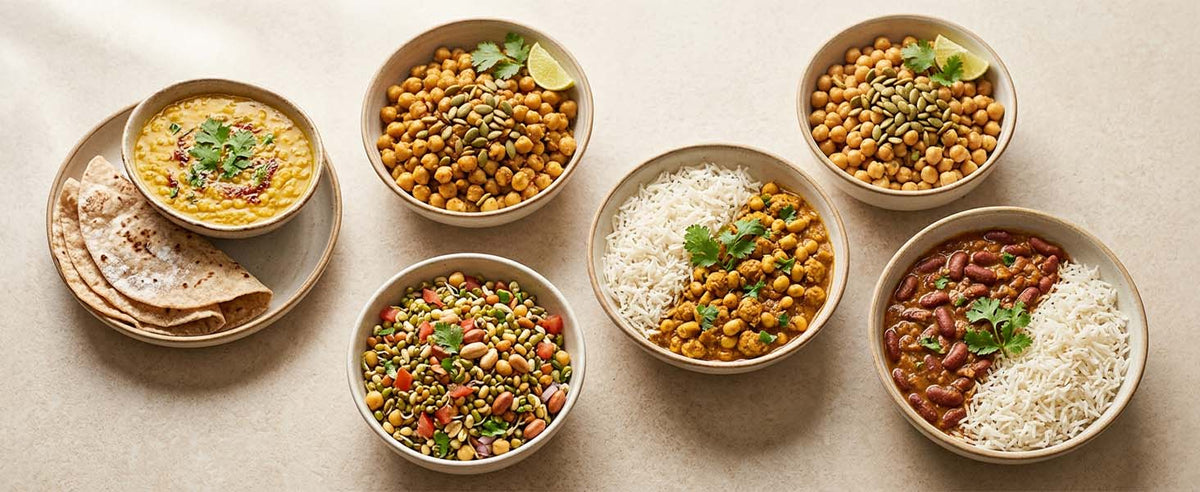
Dal is the most consumed protein source in India, but most people underestimate how much they need to eat to get meaningful protein. One standard bowl of cooked dal (150ml) delivers only 8–10g of protein — far less than the 20–25g per meal most adults need.
|
Pulse / Dal |
Protein per 100g (raw) |
Protein per 1 cooked bowl (~150ml) |
|
Masoor dal (red lentil) |
25.4g |
~9g |
|
Urad dal (black gram) |
25.2g |
~9g |
|
Moong dal (green gram) |
24.0g |
~8g |
|
Rajma (kidney beans) |
24.0g |
~8g |
|
Chana dal (split chickpea) |
22.5g |
~8g |
|
Toor dal (pigeon pea) |
22.3g |
~8g |
|
Kabuli chana (chickpea) |
19.3g |
~7g |
Values per 100g raw fromIFCT 2017, NIN Hyderabad. Cooked values approximate — dal absorbs water, reducing protein per volume.
The takeaway: Dal is a solid base, but you need to combine it with other sources at every meal to hit your daily target. For how to calculate your exact daily protein need, see our guide on how much protein per day.
Soy-Based Foods: The Highest Protein Vegetarian Options
Soy chunks (meal maker) are the most protein-dense vegetarian food available in India — delivering 52g of protein per 100g dry. For vegetarians trying to hit 80g+ daily, soy is hard to beat on numbers alone.
|
Soy Food |
Protein per 100g |
|
Soy chunks (meal maker) |
52g |
|
Soy flour |
36g |
|
Tofu (firm) |
17g |
|
Soy milk |
3.3g |
|
Tempeh |
19g |
Important note: Soy is atop-8 allergen. If you have soy sensitivity or thyroid concerns, pea-rice protein blends are a safer alternative. A2021 meta-analysis of 41 studies confirmed soy does not affect testosterone levels at normal intake — so the estrogen concern is not supported by research.
Dairy: Paneer, Curd, and Milk
Paneer is India's go-to high-protein vegetarian food — but it comes with significant fat. 100g of paneer gives 18g protein alongside 20g fat. Curd and milk are leaner options.
|
Dairy Food |
Protein per 100g |
Fat per 100g |
|
Paneer |
18g |
20g |
|
Greek yoghurt |
10g |
0–5g |
|
Curd (dahi) |
3.5g |
4g |
|
Milk (toned) |
3.3g |
3g |
|
Milk (full fat) |
3.5g |
6g |
|
Buttermilk (chaas) |
1.6g |
1g |
The lactose factor: About3 in 4 Indians are lactose intolerant. If dairy causes bloating, gas, or discomfort, plant-based sources — dal, soy, chana, sprouts, andplant protein powder — deliver the same amino acids without the digestive issues.
Nuts, Seeds, and Dry Fruits
Nuts and seeds are protein-rich but calorie-dense — treat them as a top-up, not a primary source. A handful (30g) of almonds gives 6g protein but also 170 calories.
|
Nut / Seed |
Protein per 100g |
Protein per handful (30g) |
|
Pumpkin seeds |
30g |
9g |
|
Peanuts |
26g |
8g |
|
Almonds |
21g |
6g |
|
Cashews |
18g |
5g |
|
Flaxseeds |
18g |
5g |
|
Chia seeds |
17g |
5g |
|
Walnuts |
15g |
4.5g |
|
Sesame seeds (til) |
18g |
5g |
Best use: Add pumpkin seeds or peanuts to salads, smoothies, or chaat for a quick 5–9g protein boost between meals. Foriron-rich options, pumpkin seeds and sesame seeds double as excellent iron sources.
Sprouts and Legumes
Sprouting increases protein digestibility and bioavailability — making sprouts one of the most efficient vegetarian protein sources. Sprouted moong is easier to digest than cooked dal and works as a raw snack or salad base.
|
Sprout / Legume |
Protein per 100g |
|
Sprouted moong |
7g (cooked equivalent) |
|
Sprouted moth (matki) |
6.5g |
|
Sprouted chana (kala chana) |
8g |
|
Green peas (fresh) |
5g |
|
Edamame |
11g |
Tip: A bowl of mixed sprout chaat (150g) with peanuts (30g) gives about 18–20g protein — nearly a full meal's worth.
Grains That Add Up
Grains alone can't meet protein needs, but some contribute meaningfully when combined with dals or legumes. The classic dal-rice or dal-roti combination works because grains complement the amino acid gaps in legumes.
|
Grain |
Protein per 100g |
|
Amaranth (rajgira) |
14g |
|
Quinoa |
14g |
|
Oats |
13g |
|
Bajra (pearl millet) |
11g |
|
Ragi (finger millet) |
7g |
|
Wheat flour (atta) |
11g |
|
Rice (raw) |
7g |
Key insight: Amaranth and quinoa are the only grains with a near-complete amino acid profile. They're especially useful for gluten-free diets. Forcalcium-rich options, ragi is one of the best grain-based calcium sources.
How to Combine Foods for Complete Protein
No single vegetarian Indian food (except soy) has all essential amino acids in ideal proportions — but combining two categories solves this completely. This is called protein complementation, and Indian cuisine does it naturally.

|
Combination |
Why It Works |
Example Meal |
|
Dal + Grain |
Lysine (dal) + Methionine (grain) |
Rajma-chawal, dal-roti |
|
Legume + Seed |
Lysine (legume) + Methionine (seed) |
Chana chaat with pumpkin seeds |
|
Soy + Grain |
Complete + extra methionine |
Soy chunks biryani |
|
Sprouts + Nuts |
Balanced BCAAs |
Sprout salad with peanuts |
You don't need to eat complementary proteins in the same meal. Research suggests spreading them across the day works just as well. The goal is hitting your total daily target with variety.
For a structured approach to combining these foods, see our list ofprotein-rich Indian foods and use ourprotein calculator to set your daily target.
When Food Isn't Enough: Closing the Gap
If you're consistently 20g+ short of your daily protein target through food alone, a supplement is the most efficient way to close the gap. This is common for vegetarians targeting 1.2g/kg+ for muscle gain or seniors with reduced appetite.
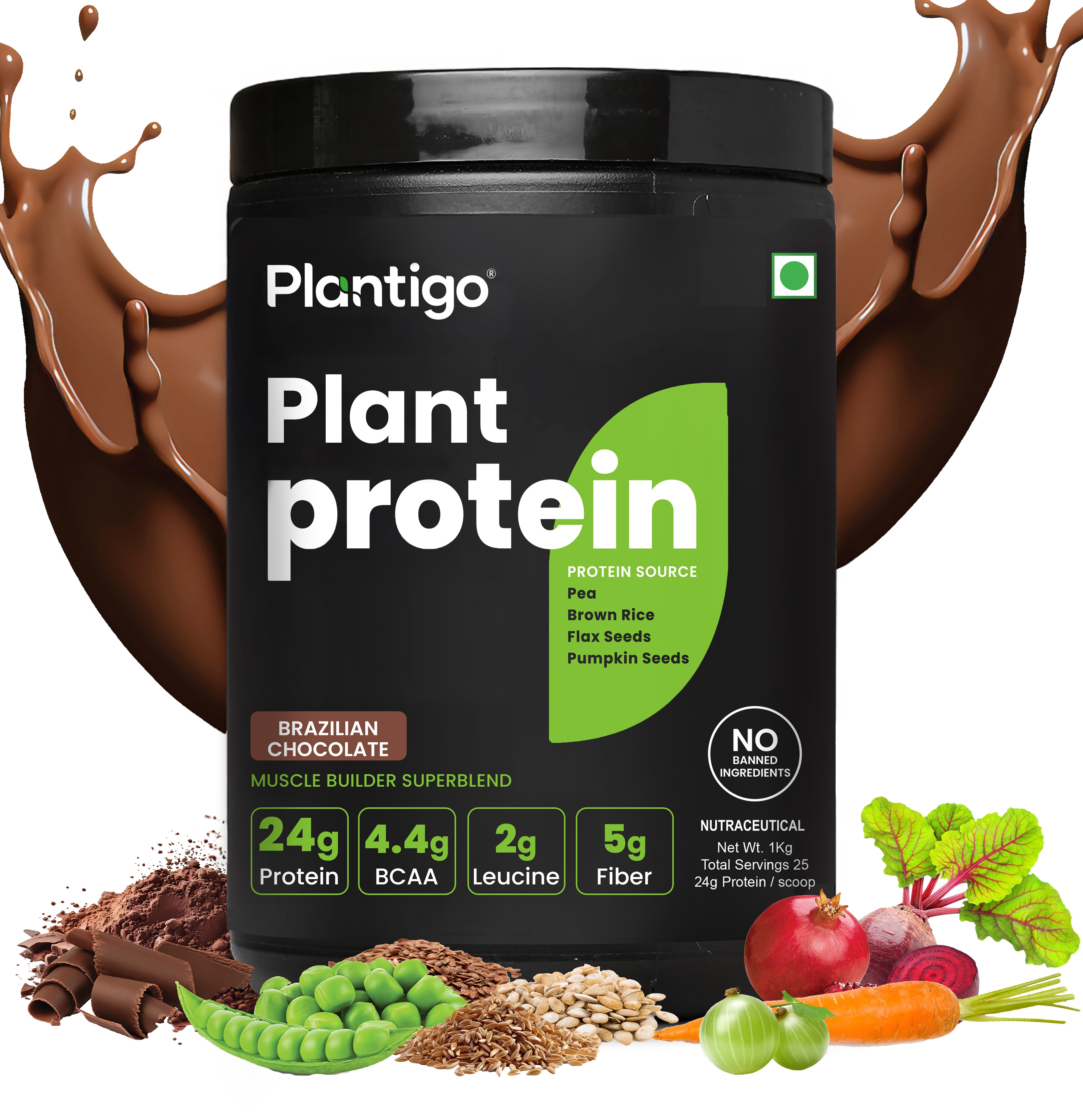
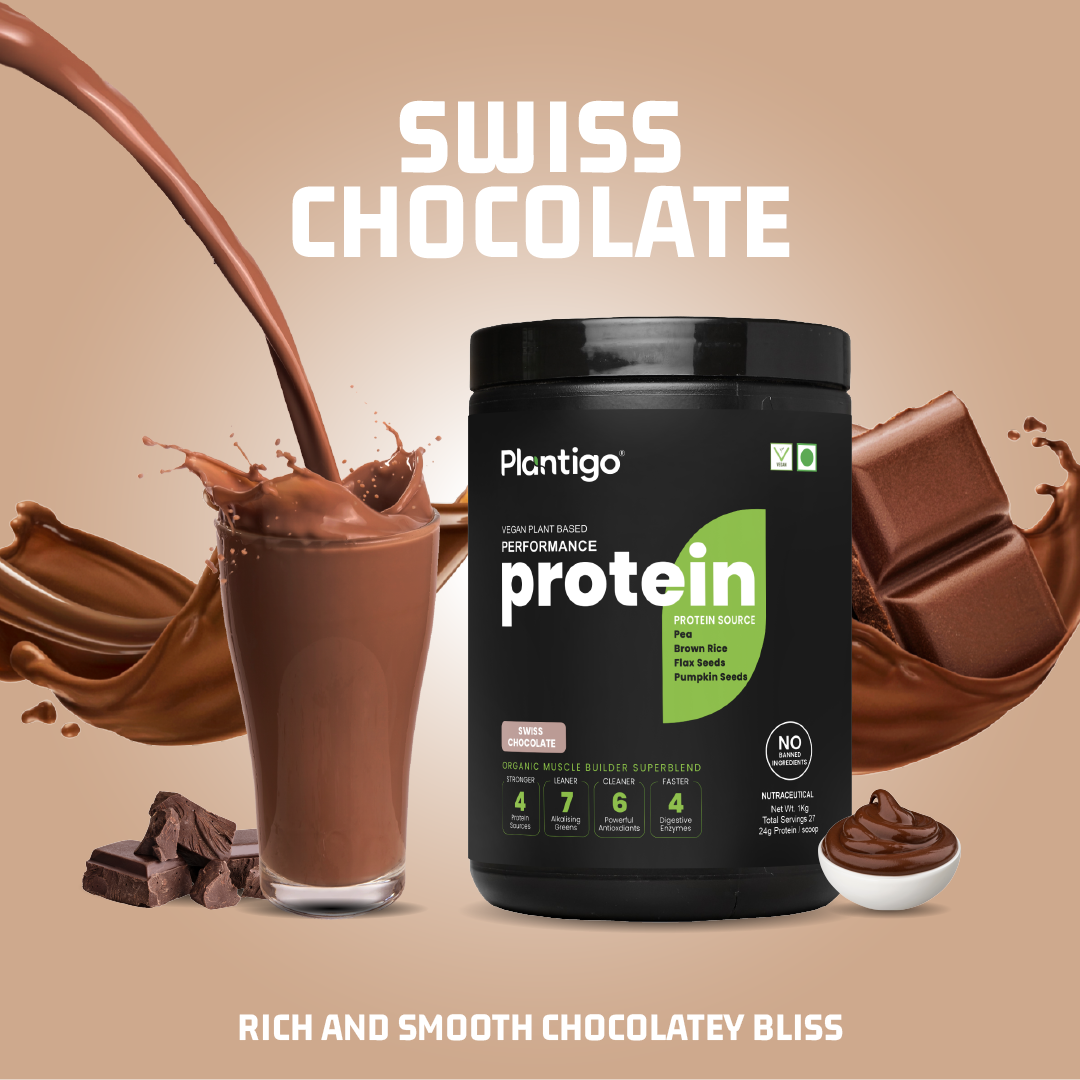
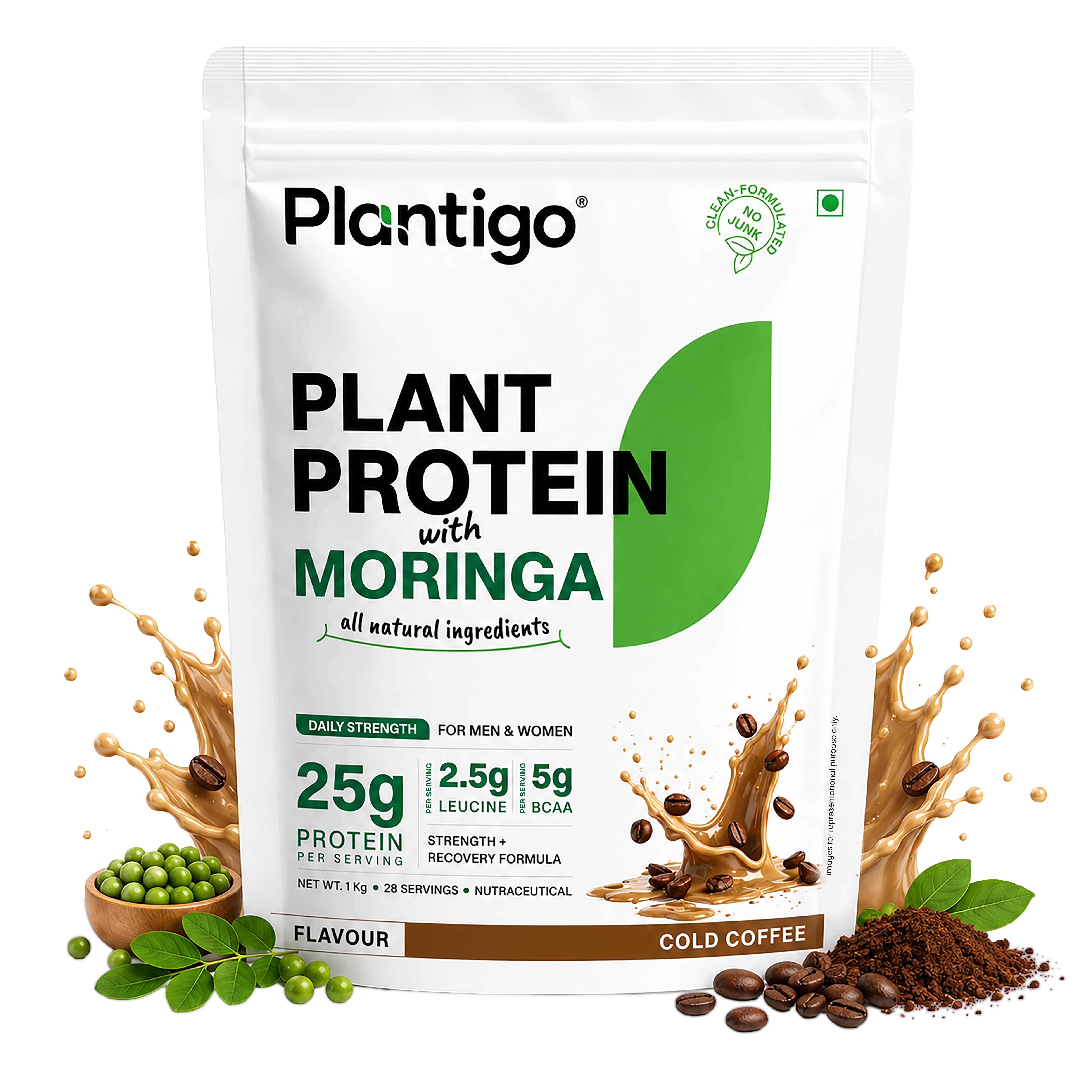
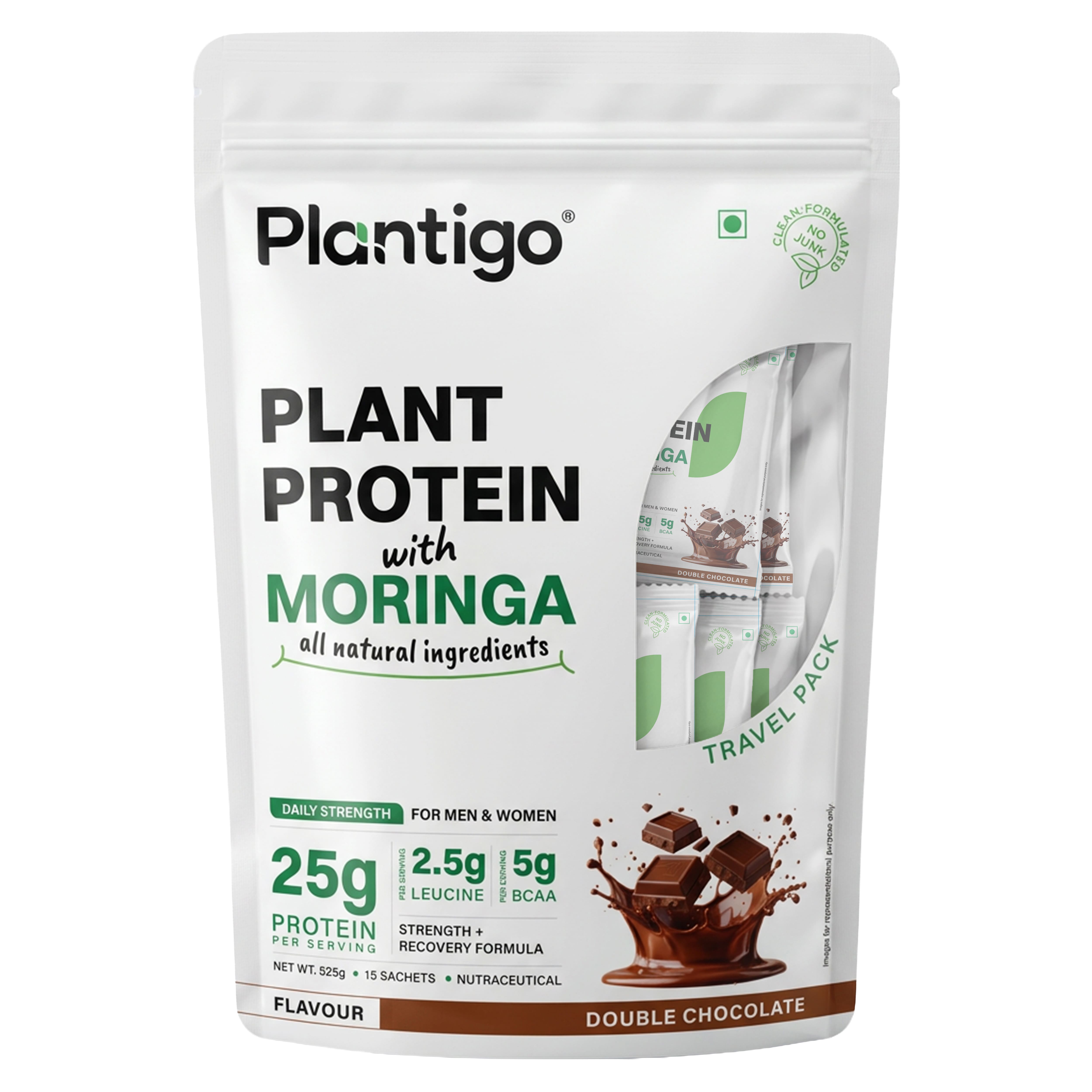
One scoop ofplant protein powder adds 10–25g without the extra fat and carbs that come with adding another paneer dish. For those focused on building muscle, aplant protein for muscle gain formula with pea-rice protein and added BCAAs is the most effective plant-based option available.

If you're unsure whether you're getting enough, watch forsigns of protein deficiency — fatigue, muscle loss, slow healing, and brittle nails are the earliest indicators.
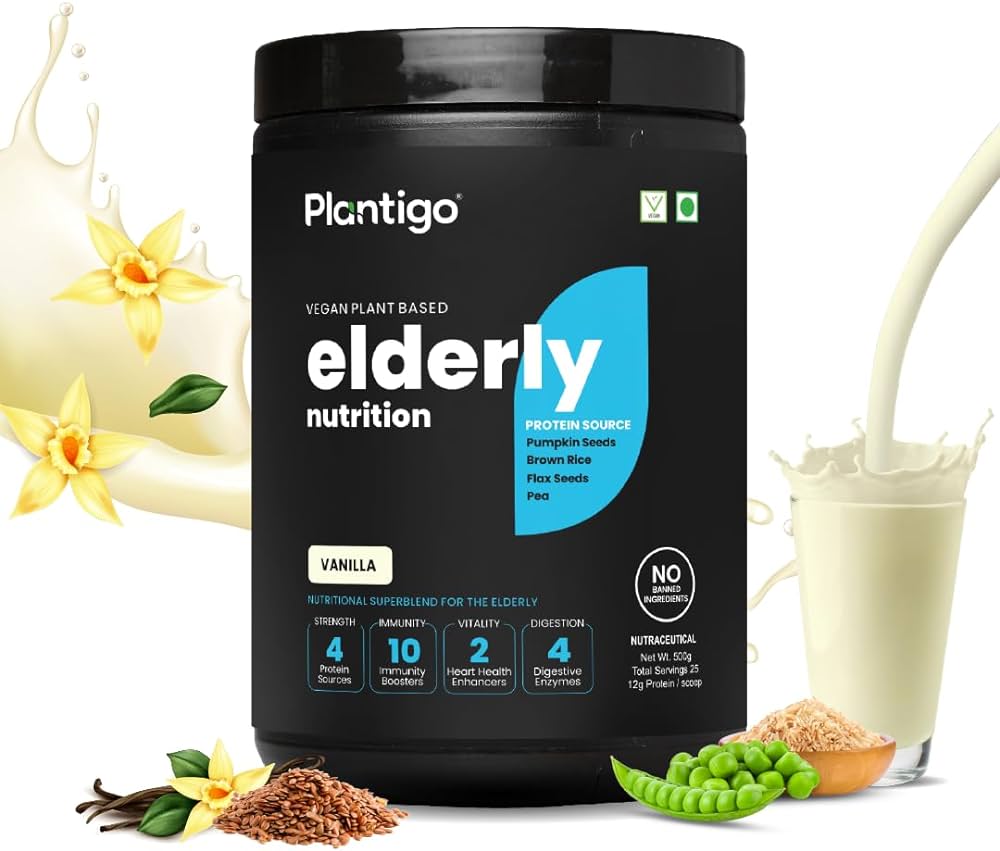
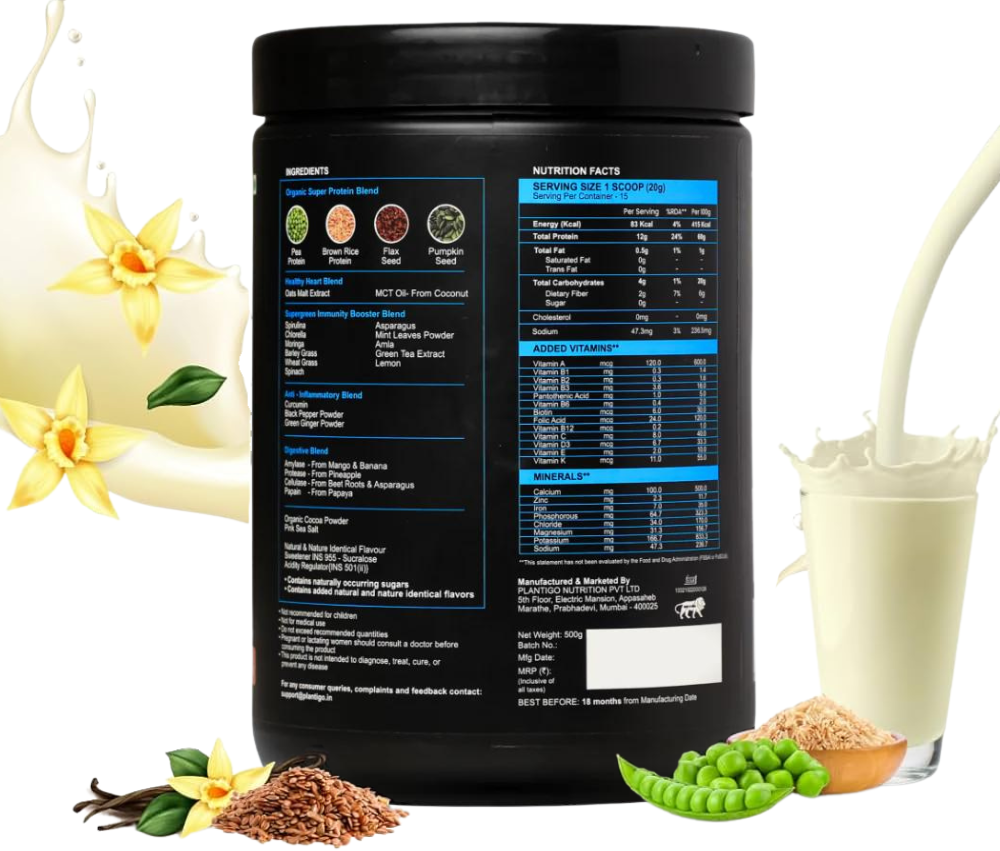
👉Shop Plantigo's plant protein range
Disclaimer: This article is for educational purposes only. Protein values are approximate and vary by preparation method. Consult a dietitian for personalised nutrition advice.
FAQs
1. Which Indian food has the highest protein?
Soy chunks (meal maker) at 52g per 100g dry. Among everyday foods, masoor dal (25.4g/100g raw) and peanuts (26g/100g) are the highest.
2. How can vegetarians get 80g protein per day in India?
Combine dal at every meal (25–30g), add paneer or soy (15–20g), snack on peanuts/chana (10g), and use a plant protein scoop (10–15g).
3. Is paneer a good protein source?
Yes — 18g per 100g. But it also has 20g fat per 100g, so it shouldn't be your only source. Balance it with leaner options like dal and sprouts.
4. Do sprouts have more protein than dal?
No — sprouting improves digestibility and bioavailability but doesn't significantly increase total protein. Dal has more protein per 100g raw.
5. Which dal has the most protein?
Masoor dal at 25.4g per 100g raw, followed by urad dal at 25.2g. Both are higher than toor and moong dal.
6. Can I get enough protein without dairy in India?
Yes — dal, soy chunks, peanuts, sprouts, seeds, and plant protein powder together can easily hit 60–80g daily without any dairy.