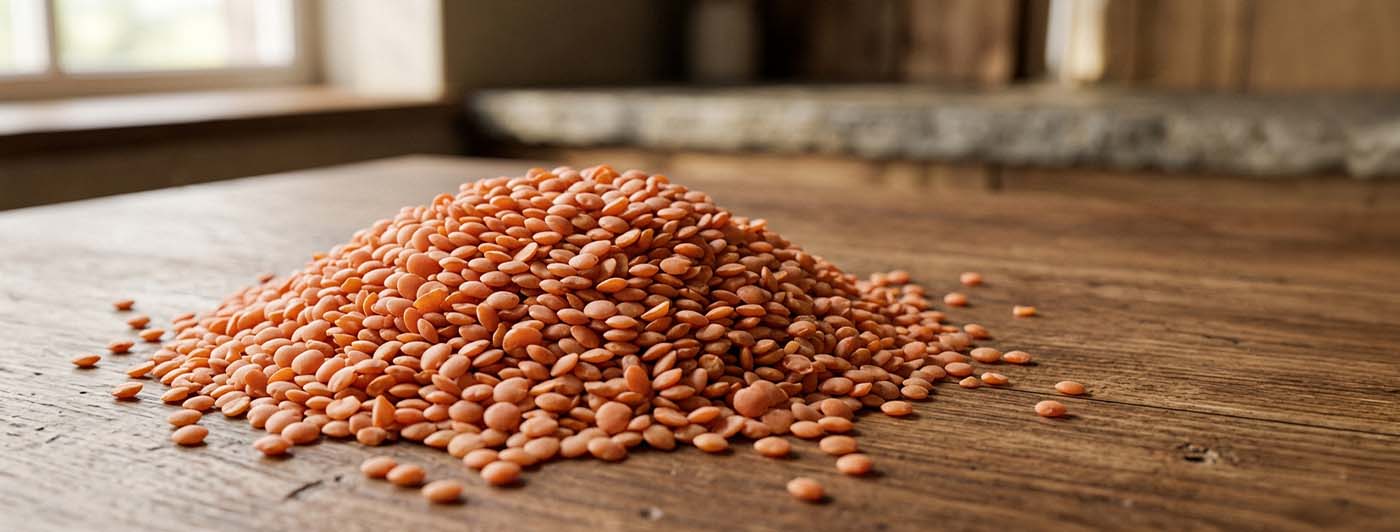
Masoor dal — the split red lentil — is the fastest-cooking, most accessible dal in any Indian kitchen. It needs no soaking, turns soft in 15 minutes, and costs less than most vegetables. Yet most Indians using masoor dal daily have no clear idea of its protein per 100g — or how it compares to moong, toor, and chana dal. Masoor dal protein per 100g is among the highest of all Indian dals, and its iron content is the highest. For Indians who want clean, dailyplant protein from affordable whole food, masoor dal is one of the most underrated sources in the Indian pantry.
How Much Protein Does Masoor Dal Have per 100g?
Masoor dal contains 24–26g of protein per 100g raw — one of the highest among Indian dals — and 9g per 100g cooked, as it absorbs approximately 2.5x its weight in water during cooking, perICMR-NIN food composition data. Masoor dal protein per 100g raw is comparable to moong dal (24g) and slightly below chana dal (25–27g), but masoor's faster cooking time, higher iron content, and lower antinutrient load make it nutritionally practical for daily Indian use. It is not a complete protein — methionine and cysteine are the limiting amino acids — but paired with rice or roti, masoor dal protein per 100g contributes a near-complete amino acid profile to a standard Indian meal.
Complete Nutritional Breakdown: Masoor Dal per 100g
1. Macronutrient Profile — Raw vs Cooked
|
Nutrient |
Masoor Dal Raw (per 100g) |
Masoor Dal Cooked (per 100g) |
Moong Dal Raw (per 100g) |
Toor Dal Raw (per 100g) |
|
Protein (g) |
24–26g |
9g |
24g |
22–23g |
|
Carbohydrates (g) |
59–65g |
20g |
59g |
62g |
|
Fibre (g) |
10–11g |
4g |
8g |
6–8g |
|
Fat (g) |
1–1.5g |
0.4g |
1.2g |
1.5g |
|
Calories (kcal) |
350–360 |
116 |
347 |
335 |
|
Iron (mg) |
7.6mg |
3.3mg |
4.4mg |
2.7mg |
|
GI |
~22–29 |
~22–29 |
~25–32 |
~22–29 |
Source: ICMR-NIN Indian Food Composition Tables 2017
2. Micronutrient Profile — Where Masoor Dal Leads
|
Micronutrient |
Masoor Dal (per 100g raw) |
Moong Dal (per 100g) |
Chana Dal (per 100g) |
Daily Requirement |
|
Iron (mg) |
7.6mg |
4.4mg |
5.3mg |
15mg (women) |
|
Folate (mcg) |
479mcg |
625mcg |
340mcg |
400mcg |
|
Potassium (mg) |
955mg |
789mg |
875mg |
3,500mg |
|
Magnesium (mg) |
122mg |
177mg |
115mg |
400mg |
|
Zinc (mg) |
3.3mg |
2.7mg |
3.4mg |
11mg |
|
Phosphorus (mg) |
451mg |
367mg |
372mg |
700mg |
Masoor dal's iron content — 7.6mg per 100g raw — is the highest among all common Indian dals, covering 50% of a woman's 15mg daily iron requirement per 100g. Combined with its protein and folate, masoor dal is the most complete nutritional package in the Indian dal family for women of reproductive age managing anaemia.
3. Amino Acid Profile of Masoor Dal Protein
Masoor dal protein is rich in lysine and arginine — two amino acids that are limiting in most Indian grains — making it an ideal complement to rice and roti, per aPMC lentil protein review.
|
Amino Acid |
Masoor Dal |
Compared to Grains |
|
Lysine |
High |
Compensates for rice and roti's lysine deficit |
|
Arginine |
High |
Cardiovascular and immune benefit |
|
Methionine + Cysteine |
Low (limiting) |
Compensated by rice/roti in same meal |
|
Leucine |
Moderate |
Adequate for general health |
|
Tryptophan |
Low |
Lower than ideal — pair with dairy or nuts |
The traditional Indian rice-dal or roti-dal meal is not accidental nutrition — it is amino acid complementarity built into the cuisine. Rice and roti are methionine-rich, lysine-poor; masoor dal is lysine-rich, methionine-poor. Together they form a complete protein. For the full lysine complementarity picture, see ourlysine-rich foods guide.
4. Masoor Dal Protein per 100g by Preparation
|
Preparation |
Serving |
Masoor Dal Protein |
Iron |
|
Raw masoor dal |
100g |
24–26g |
7.6mg |
|
Cooked masoor dal |
100g (cooked) |
9g |
3.3mg |
|
1 katori dal (cooked) |
150g |
~13.5g |
~5mg |
|
Masoor dal soup |
200ml |
~10–12g |
~4mg |
|
Masoor dal khichdi |
100g dal + 100g rice |
~9g dal + 2.7g rice |
~3.3mg |
|
Sprouted masoor |
100g |
~9–10g |
~3.5mg |
|
Masoor dal cheela |
2 pieces (50g each) |
~12–14g |
~4mg |
A standard 1 katori serving of cooked masoor dal — what most Indians eat at one meal — delivers approximately 13.5g protein and 5mg iron. For a vegetarian Indian adult needing 56g protein daily, one katori masoor dal covers ~24% of the daily target from a single food.
Masoor Dal vs Other Indian Dals: Which Is Better?
|
# |
Parameter |
Masoor Dal |
Moong Dal |
Chana Dal |
Toor Dal |
Winner |
|
1 |
Protein per 100g raw |
24–26g |
24g |
25–27g |
22–23g |
Chana / Masoor |
|
2 |
Iron per 100g |
7.6mg |
4.4mg |
5.3mg |
2.7mg |
Masoor |
|
3 |
Folate per 100g |
479mcg |
625mcg |
340mcg |
149mcg |
Moong |
|
4 |
Fibre per 100g |
10–11g |
8g |
17g |
6–8g |
Chana |
|
5 |
GI |
~22–29 |
~25–32 |
~8–12 |
~22–29 |
Chana |
|
6 |
Cooking time |
15 min (no soak) |
20 min |
30–40 min (soak) |
20–25 min |
Masoor |
|
7 |
Digestibility |
High |
Highest |
Moderate |
Moderate |
Moong |
|
8 |
Cost |
₹80–120/kg |
₹100–150/kg |
₹70–110/kg |
₹90–130/kg |
Masoor / Chana |
|
9 |
Antinutrients |
Low |
Lowest |
Moderate |
Moderate |
Moong / Masoor |
One-line verdict: Masoor dal wins on iron (highest of all dals), cooking speed, and low antinutrient load — making it the most practical daily-use dal for Indian vegetarians, particularly women managing anaemia. Chana dal leads on protein and fibre; moong leads on digestibility and folate. For the full moong dal comparison, see ourmoong dal protein guide.

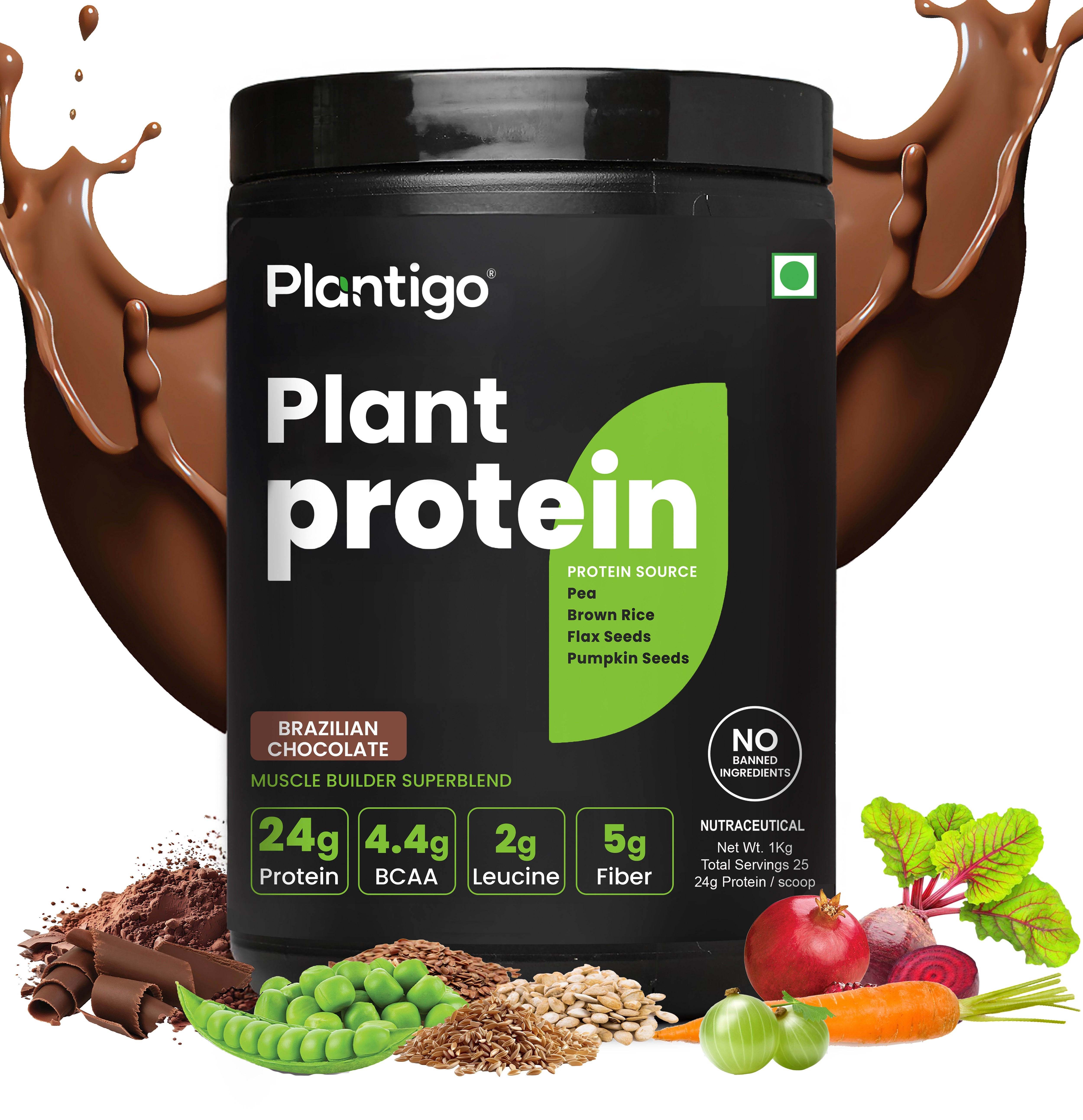
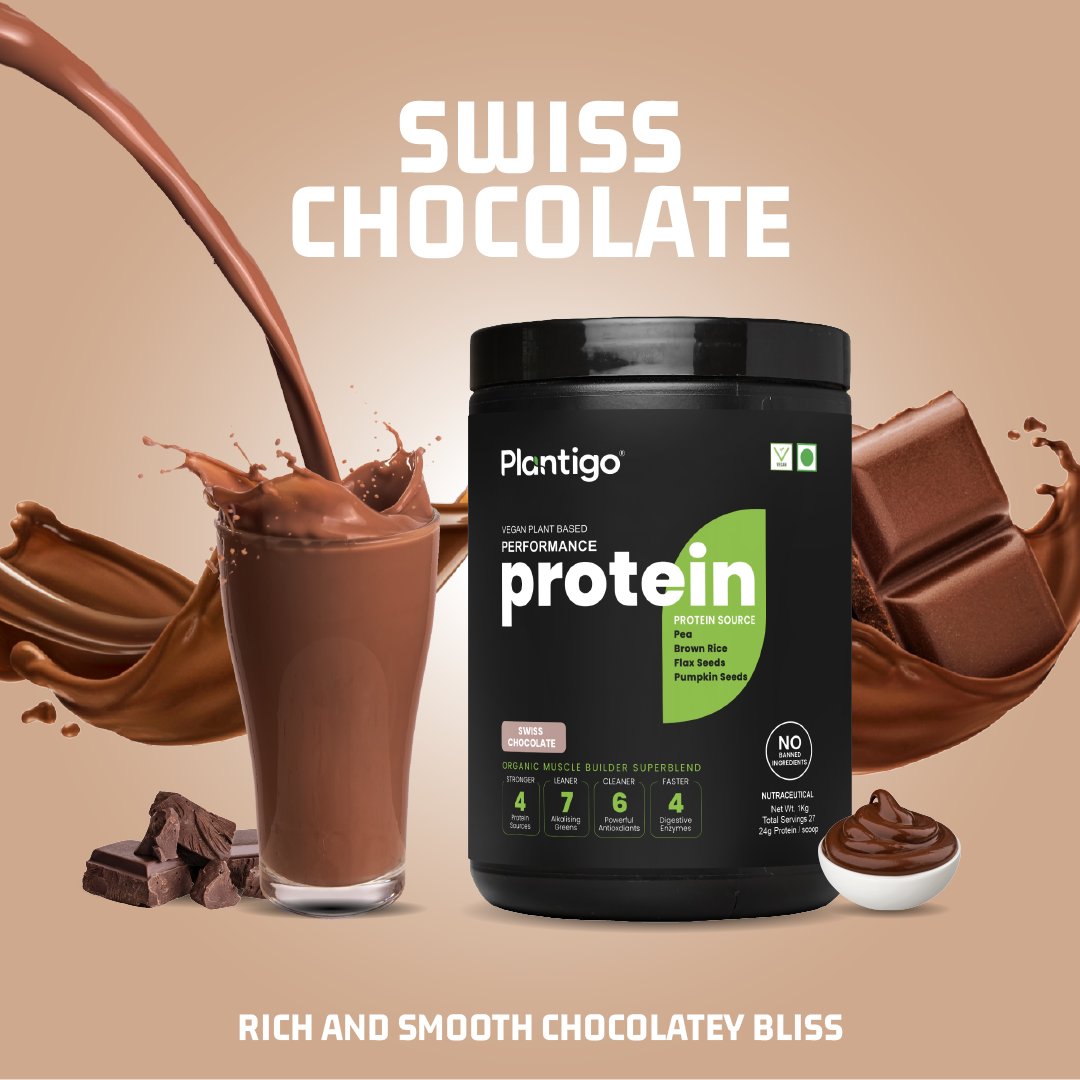
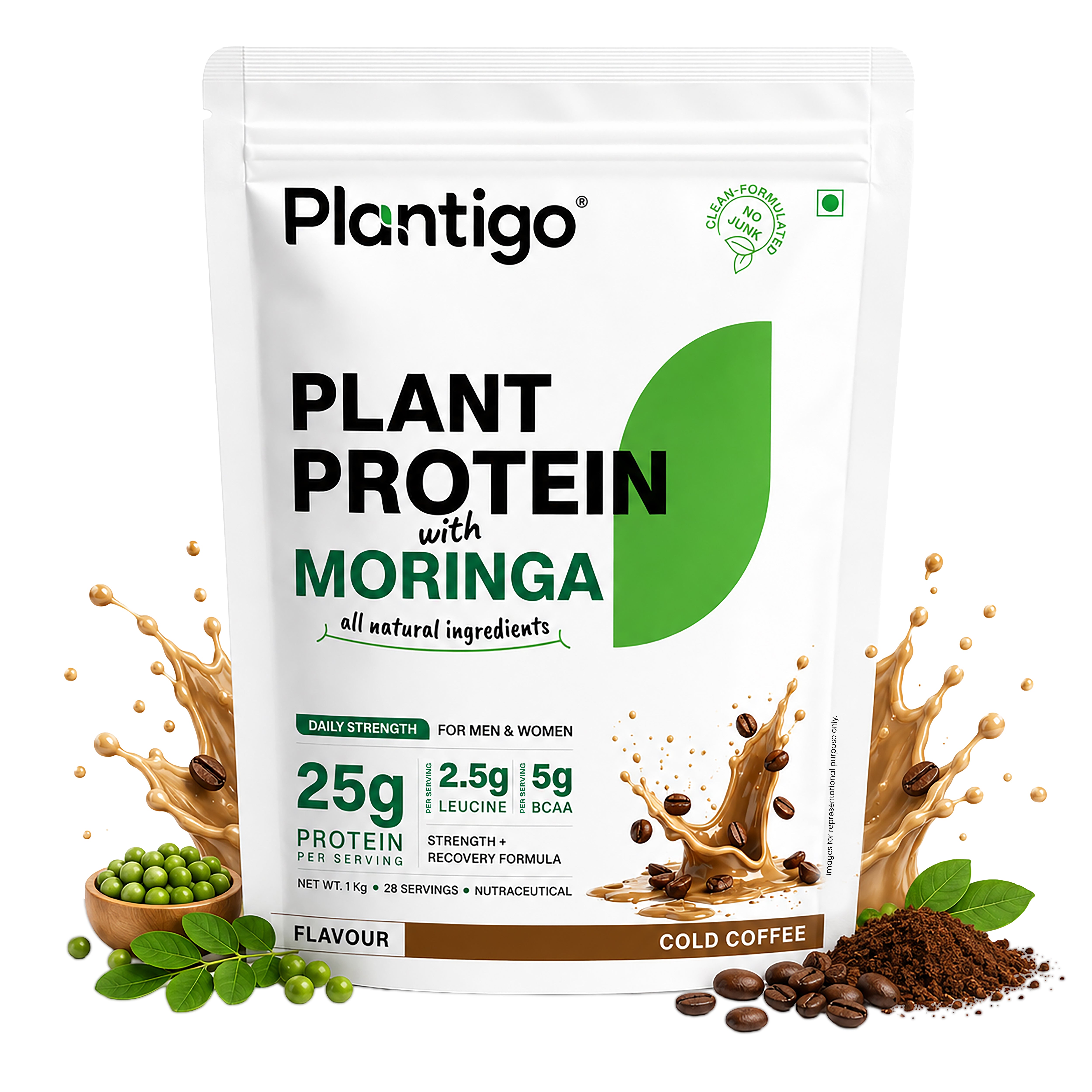
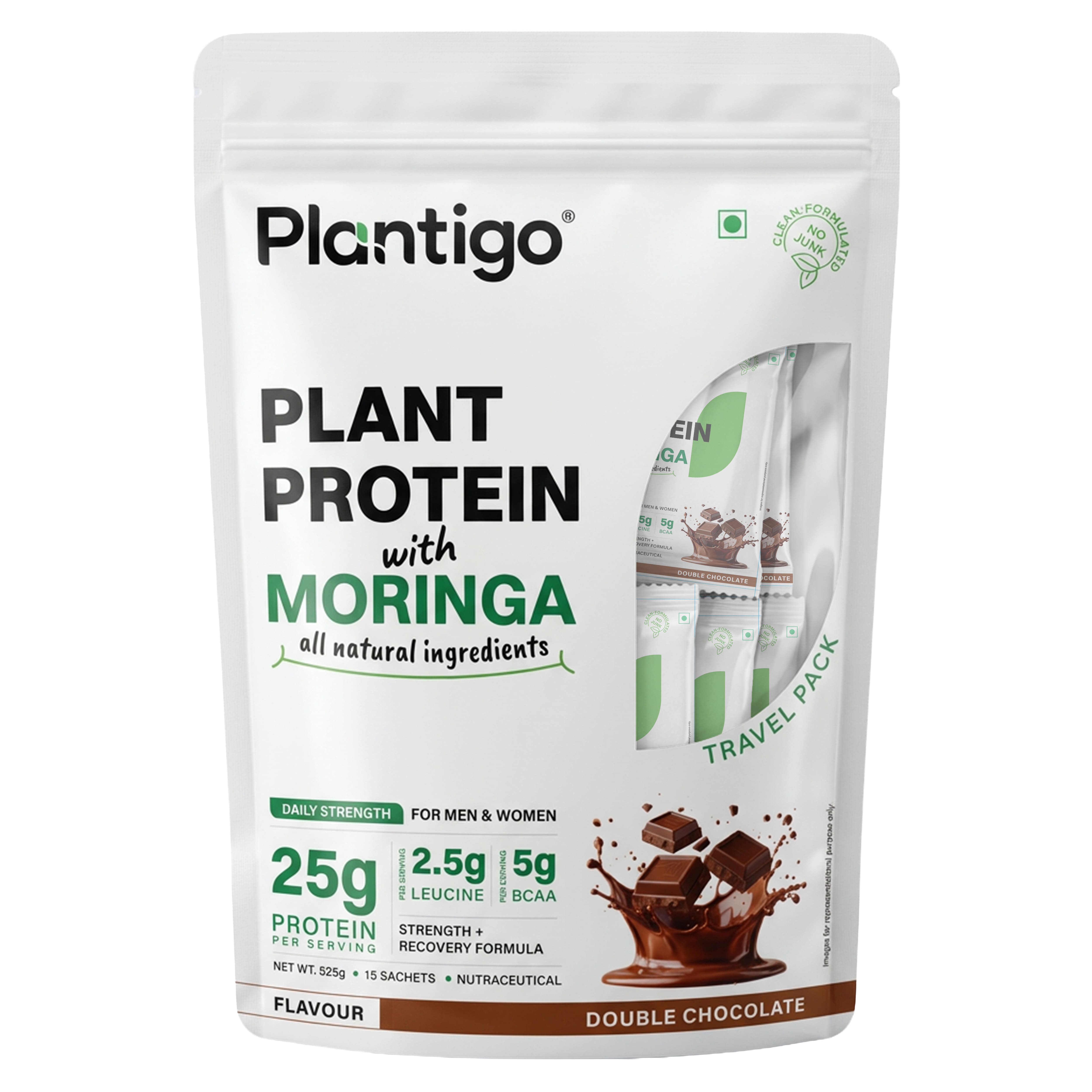
If masoor dal alone isn't closing your daily protein gap, Plantigo bridges it with a complete plant-based blend of Canadian Pea Isolate, Brown Rice, Pumpkin Seed, and Flaxseed — all 9 essential amino acids, zero Class 2 preservatives, Eurofins-tested, with a 30-day taste guarantee.View Plantigo Plant Protein
Benefits of Masoor Dal for Indian Vegetarians

1. Highest Iron Among Indian Dals
7.6mg iron per 100g raw — covering 50% of a woman's daily iron requirement per 100g, the highest of any Indian dal.
-
Pairs with vitamin C (lemon squeezed into dal, tomato tadka) to improve non-haem iron absorption 2–3x
-
Folate (479mcg/100g) supports red blood cell production alongside iron — doubly relevant for anaemic women
-
Relevant for 57% of Indian women of reproductive age with iron-deficiency anaemia
2. Fast Complete Protein
24–26g protein per 100g raw with no soaking required — the fastest complete protein source in any Indian kitchen.
-
Ready in 15 minutes from dry — faster than moong dal (20 min) and chana dal (40 min with soaking)
-
High lysine fills the amino acid gap left by rice and roti — creating complete protein at every Indian meal
-
Per alentil protein biofortification review, masoor dal protein is among the most digestible of all legume proteins
3. Blood Sugar Management
GI of ~22–29 — one of the lowest GI foods available in any Indian kitchen.
-
Dramatically lower than rice (GI 64–72), roti (GI 45–72), and poha (GI 70–80)
-
Soluble fibre slows glucose absorption — reducing post-meal insulin spike
-
Adding masoor dal to a rice meal reduces the overall meal GI by 15–25%
4. Heart Health
Masoor dal's polyphenols, potassium, and arginine collectively support cardiovascular health in Indian adults.
-
Potassium (955mg/100g) reduces blood pressure — particularly relevant for urban Indians with high-sodium diets
-
Arginine supports nitric oxide production — improving arterial elasticity
-
Fibre (10–11g/100g) reduces LDL cholesterol when eaten daily
5. Weight Management
At 116 kcal per 100g cooked with 9g protein and 4g fibre, masoor dal is one of the most calorie-efficient protein foods available.
-
High satiety per calorie — a 150g cooked katori satisfies for 3–4 hours at just 174 kcal
-
Low fat (0.4g per 100g cooked) means calories come entirely from protein and complex carbohydrate
-
Replacing a rice katori with a larger masoor dal serving maintains volume while reducing glycaemic load
How Much Masoor Dal Should You Eat Per Day?
1–2 katoris (150–300g cooked) daily is the evidence-based daily amount — delivering 13.5–27g protein and 5–10mg iron at 174–348 kcal.
1. Who Benefits Most
-
Women aged 18–45 with iron-deficiency anaemia — highest iron of any Indian dal
-
Vegetarian Indians needing fast daily protein without soaking or long cooking
-
Diabetics and pre-diabetics — GI of ~22–29 is among the lowest of any Indian staple
-
Weight managers needing high-satiety, low-calorie protein food
2. Who Should Be Cautious
-
People with kidney disease — potassium (955mg/100g) requires monitoring
-
Those with gout — purines in masoor dal may raise uric acid at very high quantities
-
Individuals with severe digestive issues — although masoor is lower in antinutrients than most dals, large quantities can cause gas in sensitive individuals
How to Include Masoor Dal Protein in Your Indian Diet
1. Daily dal tadka (15 minutes): Pressure cook 100g masoor dal in 3 cups water for 2–3 whistles. Temper with mustard, jeera, turmeric, and tomato. Delivers 24–26g protein per 100g raw. Fastest dal preparation in Indian cooking — no soaking required. See ourrajma protein guide for how to rotate dals across the week.
2. Masoor dal soup: Blend cooked masoor dal with onion, garlic, tomato, and coriander — a high-protein soup delivering 10–12g protein per 200ml serving. Drizzle lemon juice before serving to maximise iron absorption.
3. Masoor dal cheela: Soak 100g masoor dal for 2 hours, blend to batter with green chilli and ginger, cook like a chilla. Two pieces deliver 12–14g protein. For the full besan chilla comparison, see ourbesan protein guide.
4. Masoor dal khichdi: Equal parts masoor dal and rice cooked together — the fastest one-pot complete protein Indian meal. The rice fills masoor's methionine gap; masoor fills rice's lysine gap. Add a tsp ghee and salt — done in 20 minutes.
5. Sprouted masoor: Soak overnight, drain, and leave in a damp cloth for 24 hours. Sprouted masoor reduces antinutrients by 30–40% and increases protein bioavailability. Use in salads, chaat, or stir-fry. See oursprouts protein guide for the full sprouting nutrition case.
Masoor Dal vs Other Indian Protein Sources
1. Masoor Dal vs Moong Dal
Moong dal has similar protein (24g/100g) but lower iron (4.4mg vs 7.6mg) and higher folate (625mcg vs 479mcg). Moong is easier to digest and better for babies and elderly; masoor is better for iron-deficient adults. Both are daily-use dals — rotating them across the week covers both iron and folate.
Masoor advantage: 73% more iron, faster cooking, lower cost.
2. Masoor Dal vs Chana Dal
Chana dal has marginally more protein (25–27g vs 24–26g per 100g) and more fibre (17g vs 10–11g) but takes 40 minutes to cook with soaking and has higher antinutrient content. For daily-use convenience, masoor wins. See ourchana protein guide for the full chana nutrition case.
Masoor advantage: No soaking, 15-minute cooking, higher iron, lower antinutrients.
3. Masoor Dal vs Plant Protein Supplement
A 25g scoop of plant protein delivers 20–22g protein — comparable to a 100g raw serving of masoor dal. But masoor dal also provides iron, folate, fibre, and potassium that a supplement does not. The right approach is masoor dal as the primary daily protein food with a clean plant protein supplement closing the remaining gap.
Supplement advantage: Consistent 20–22g complete amino acids per serving, leucine-optimised for muscle synthesis, no cooking required.
The Bottom Line
Masoor dal protein per 100g raw is 24–26g — among the highest of all Indian dals — with the highest iron content (7.6mg/100g), lowest GI (~22–29), and fastest cooking time of any Indian legume. For Indian vegetarian women managing anaemia, diabetics needing low-GI protein, and anyone who wants daily protein without soaking or long preparation, masoor dal protein per 100g makes it the most practically complete dal in the Indian kitchen. Paired with rice or roti for amino acid complementarity and a clean plant protein supplement for consistent daily protein targets, masoor dal is the foundation of a protein-adequate Indian vegetarian diet.
Frequently Asked Questions
1. How much protein is in 100g cooked masoor dal?
100g cooked masoor dal contains approximately 9g protein — it absorbs 2.5x its weight in water during cooking. A standard 1 katori serving (150g cooked) delivers ~13.5g protein.
2. Is masoor dal high in protein?
Yes — 24–26g protein per 100g raw makes masoor dal one of the highest-protein Indian dals. At a cooked katori (150g), it delivers 13.5g — covering ~24% of a 70kg adult's 56g daily requirement.
3. Which is better, moong or masoor?
Moong leads on folate and digestibility — better for babies and elderly. Masoor leads on iron (7.6mg vs 4.4mg) and cooking speed — better for anaemic adults; rotating both across the week is optimal.
4. Is it OK to eat masoor dal every day?
Yes — 1–2 katoris of cooked masoor dal daily is safe and beneficial for most Indian adults. Those with kidney disease should monitor intake due to high potassium (955mg/100g raw).
5. Which dal is most powerful?
For overall nutrition, masoor dal leads on iron; chana dal leads on protein and fibre; moong dal leads on digestibility and folate. No single dal dominates all metrics — rotating across masoor, moong, and chana covers the widest nutritional base.
External Sources
Disclaimer: This article is for educational purposes only. If you have kidney disease, gout, or digestive conditions, consult your doctor or dietitian before making major dietary changes.