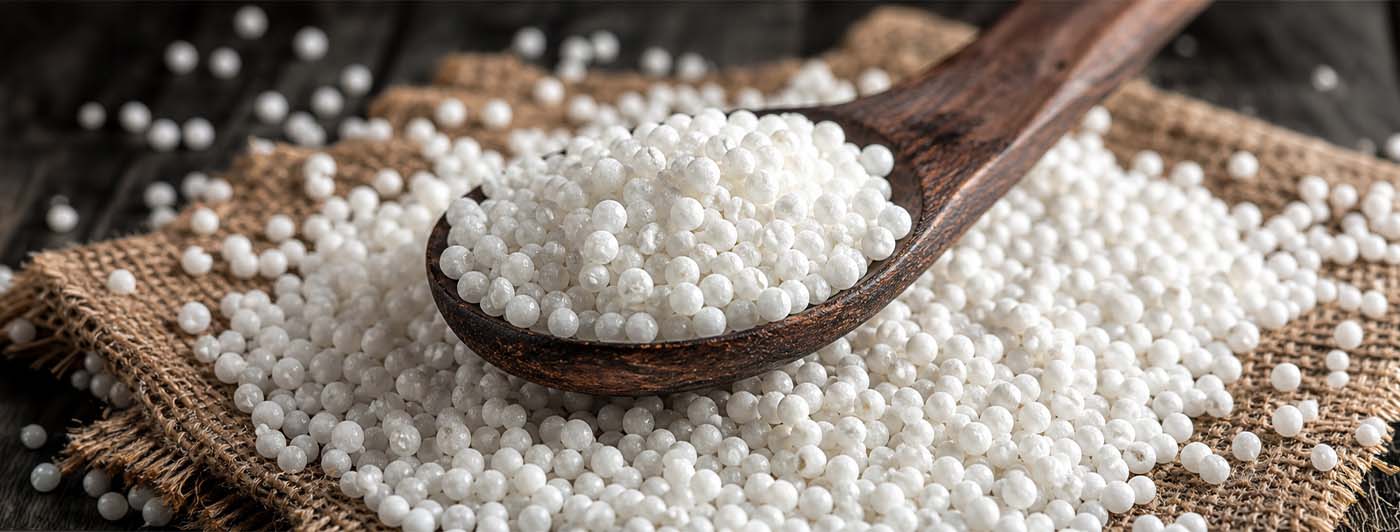
Sabudana is the default fasting food for millions of Indians — khichdi on Navratri, vada on Ekadashi, kheer on Shravan Mondays. It is accepted without question as a sattvic, fasting-safe food. What most Indians eating sabudana on fast days do not know is that sabudana protein is effectively zero — tapioca pearls are pure starch with trace amounts of protein, making sabudana one of the lowest-protein foods consumed in any quantity in the Indian diet. For Indians already running a daily protein deficit, a fast day built around sabudana makes it significantly worse. Understanding the sabudana protein picture — and what to pair it with — is the most practical nutrition upgrade available for fasting Indians. A cleanplant protein that is sattvic and fasting-compatible is the most direct fix.
How Much Protein Does Sabudana Have?
Sabudana contains approximately 0.2g protein per 100g raw — effectively zero — making it one of the least protein-dense foods consumed in any meaningful quantity in the Indian diet, confirmed in aAsian starch study that found tapioca starch has only trace amounts of protein after the extraction process removes virtually all non-starch components from the cassava root. Sabudana protein per serving is nutritionally irrelevant — 100g of raw sabudana (one standard khichdi serving) delivers the same protein as approximately 1ml of milk. The food is almost entirely carbohydrate: 88–94g per 100g raw, with negligible fat, zero fibre of significance, and near-zero protein. For fasting Indians relying on sabudana as a nutritious fast-day food, the honest nutritional picture is that it is a high-GI energy source — not a protein source by any definition.
Complete Nutritional Breakdown: Sabudana per 100g
1. Macronutrient Profile
|
Nutrient |
Sabudana Raw (per 100g) |
Sabudana Cooked (per 100g) |
White Rice Cooked (per 100g) |
Oats Raw (per 100g) |
|
Protein (g) |
0.2g |
0.1g |
2.7g |
13g |
|
Carbohydrates (g) |
88–94g |
26g |
28g |
66g |
|
Fibre (g) |
0.9g |
0.3g |
0.4g |
10g |
|
Fat (g) |
0.2g |
0.03g |
0.3g |
6.9g |
|
Calories (kcal) |
350–360 |
100 |
130 |
389 |
|
GI |
~70–85 |
~70–85 |
64–72 |
~55 |
Source: USDA FoodData Central; PMC Asian starch composition review
Sabudana is 99% carbohydrate by macronutrient split — it has no meaningful fat, fibre, or protein. Its GI of 70–85 places it among the highest-GI Indian foods, per anIndian food GI review.
2. Sabudana Protein by Preparation
|
Preparation |
Serving |
Sabudana Protein |
Total Calories |
|
Raw sabudana |
100g |
0.2g |
350–360 kcal |
|
Sabudana khichdi (plain) |
100g raw sabudana + peanuts |
0.2g + 6g (peanuts) = ~6g |
450–500 kcal |
|
Sabudana vada (1 piece) |
~30g sabudana + potato |
~0.5g |
100–140 kcal |
|
Sabudana kheer |
50g sabudana + 200ml milk |
0.1g + 6.8g = ~7g |
280–320 kcal |
|
Sabudana thalipeeth |
80g sabudana + peanuts |
~5g |
380–420 kcal |
|
Sabudana with curd |
100g raw + 100g curd |
~3–4g |
450 kcal |
Peanuts and milk — the two most common sabudana accompaniments — are the only meaningful protein sources in any sabudana preparation. The sabudana itself contributes nothing.
3. Sabudana vs Other Fasting Foods — Protein Comparison
|
Fasting Food |
Serving |
Protein |
Calories |
GI |
|
Sabudana khichdi |
100g raw sabudana |
~6g (from peanuts) |
450–500 kcal |
~75–85 |
|
Rajgira (amaranth) roti |
100g flour |
13–14g |
370 kcal |
~45–50 |
|
Kuttu (buckwheat) chilla |
100g flour |
13g |
340 kcal |
~40–50 |
|
Singhara (water chestnut) |
100g flour |
4g |
360 kcal |
~60 |
|
Makhana (fox nuts) |
50g |
4.5g |
180 kcal |
~55 |
|
Curd (fast-compatible) |
200g |
6–8g |
120–130 kcal |
~36 |
|
Peanuts (fast-compatible) |
30g |
7.8g |
170 kcal |
Low |
The most protein-rich fasting foods available to Indians are rajgira and kuttu — both with 13–14g protein per 100g flour. Sabudana at 0.2g per 100g is at the bottom of any fasting food protein ranking.
Sabudana vs Other Indian Protein Sources
|
# |
Parameter |
Sabudana |
Kuttu Flour |
Rajgira |
Peanuts |
Plant Protein |
Winner |
|
1 |
Protein per 100g |
0.2g |
13g |
13–14g |
26g |
75–85g |
Plant protein |
|
2 |
GI |
~75–85 |
~40–50 |
~45–50 |
Low |
Negligible |
Kuttu / Rajgira |
|
3 |
Fasting-compatible |
Yes |
Yes |
Yes |
Yes |
Yes (unflavoured) |
Draw |
|
4 |
Fibre |
0.9g |
10g |
7g |
8.5g |
2–4g |
Kuttu |
|
5 |
Sattvic |
Yes |
Yes |
Yes |
Yes |
Yes (plant-based) |
Draw |
|
6 |
Calorie density |
High (350/100g) |
Moderate (340/100g) |
Moderate (370/100g) |
High (567/100g) |
Low (120/serving) |
Plant protein |
|
7 |
Blood sugar impact |
High spike |
Low |
Low |
Very low |
Negligible |
Plant protein / Kuttu |
|
8 |
Indian fast-day availability |
Highest |
High |
Moderate |
Highest |
Growing |
Sabudana / Peanuts |
One-line verdict: Sabudana is the most commonly eaten fasting food and the worst protein source among all fasting-compatible Indian foods. Kuttu and rajgira deliver 65–70x more protein per 100g at a lower GI. For fasting Indians who want to maintain protein intake on fast days, switching even 50% of sabudana to kuttu or rajgira flour — or adding peanuts and curd generously — is the most practical protein upgrade. For the full peanut protein case, see ourgroundnut protein guide.

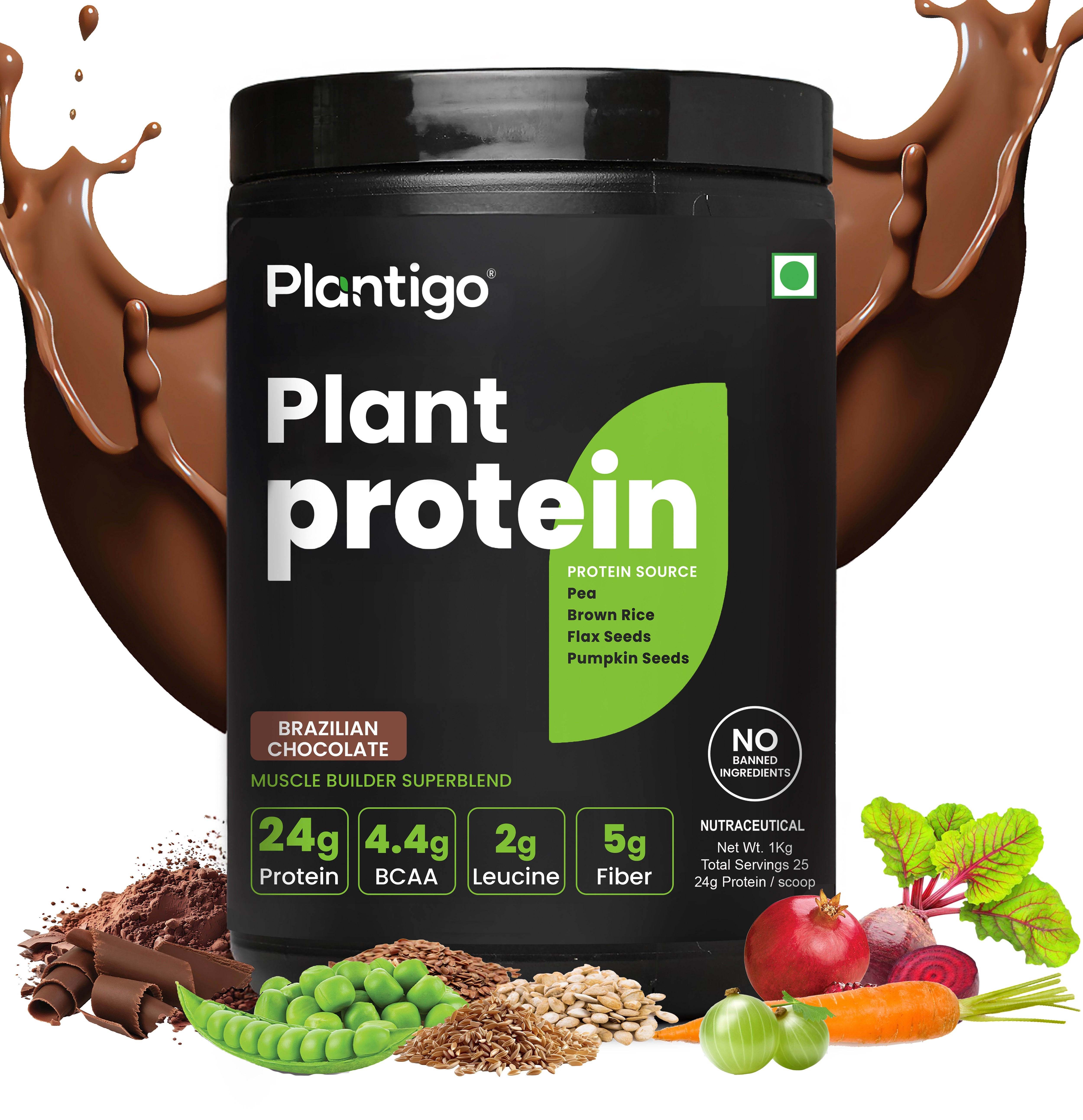
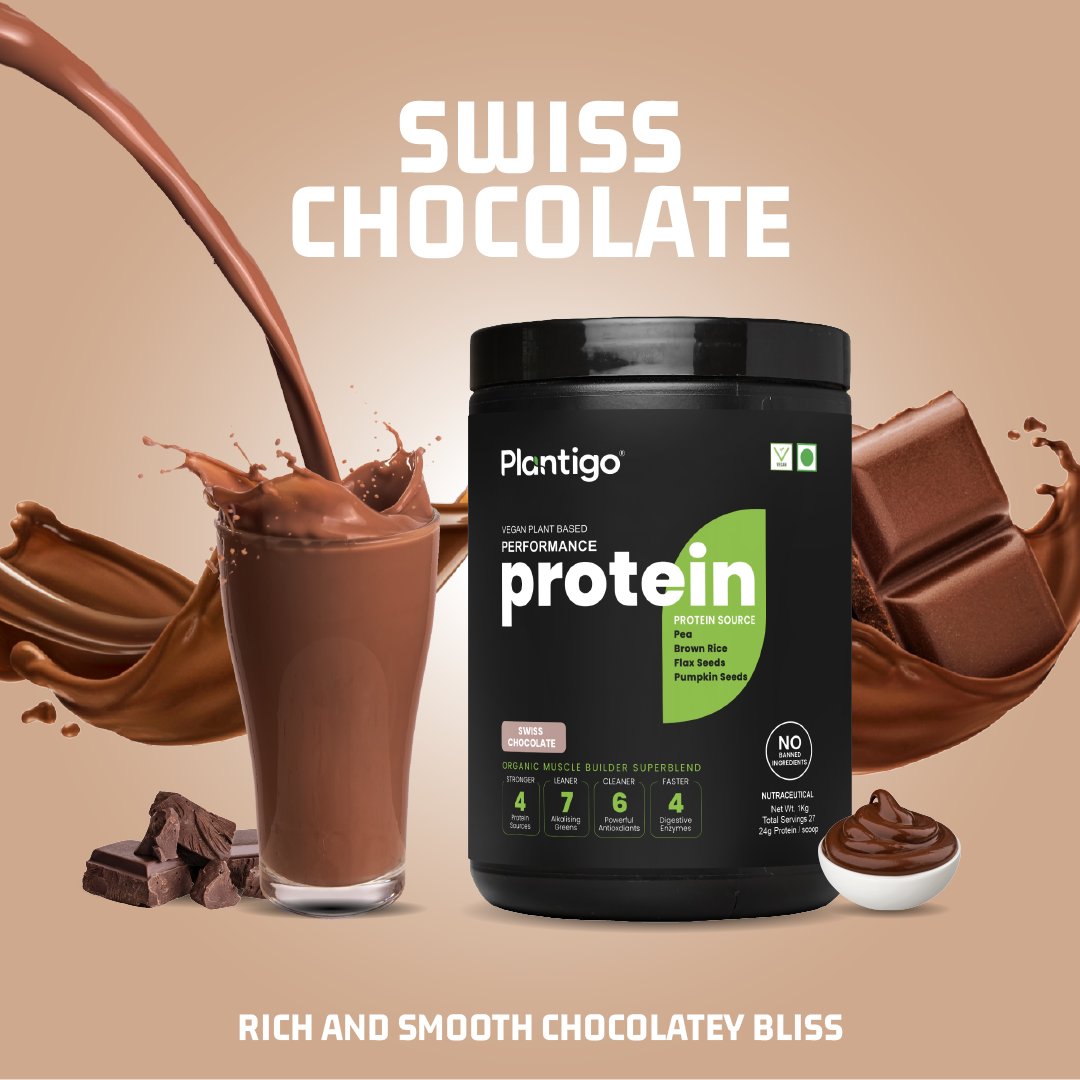
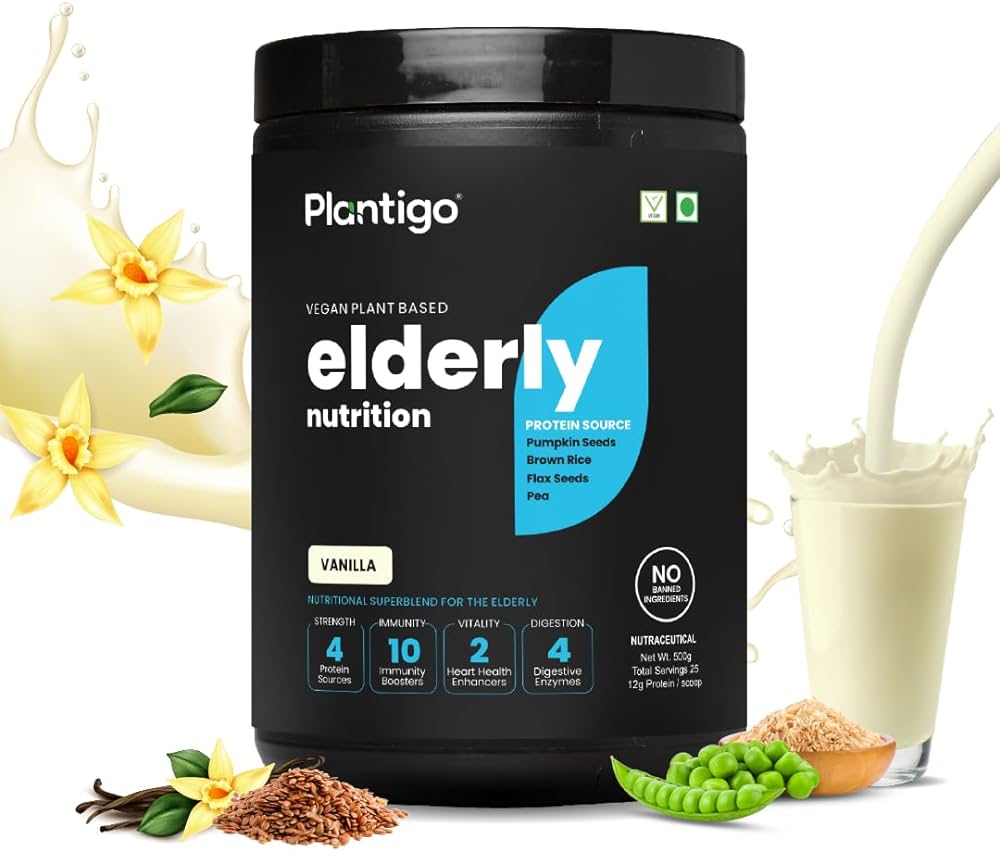
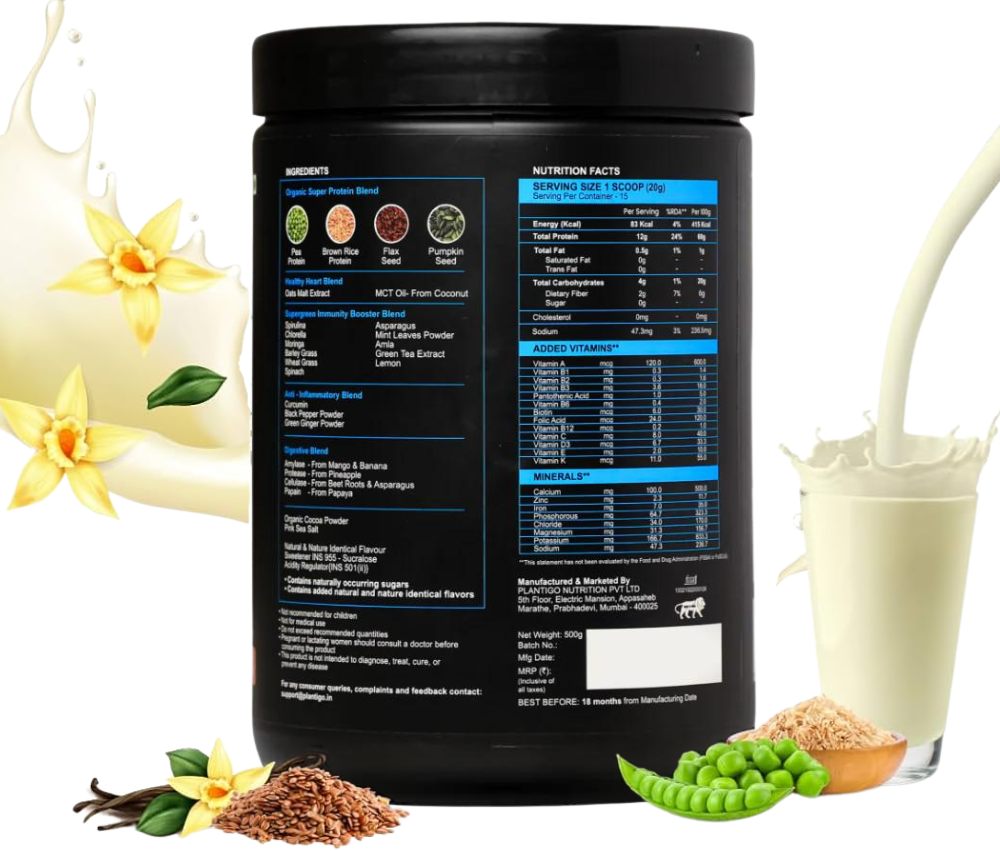
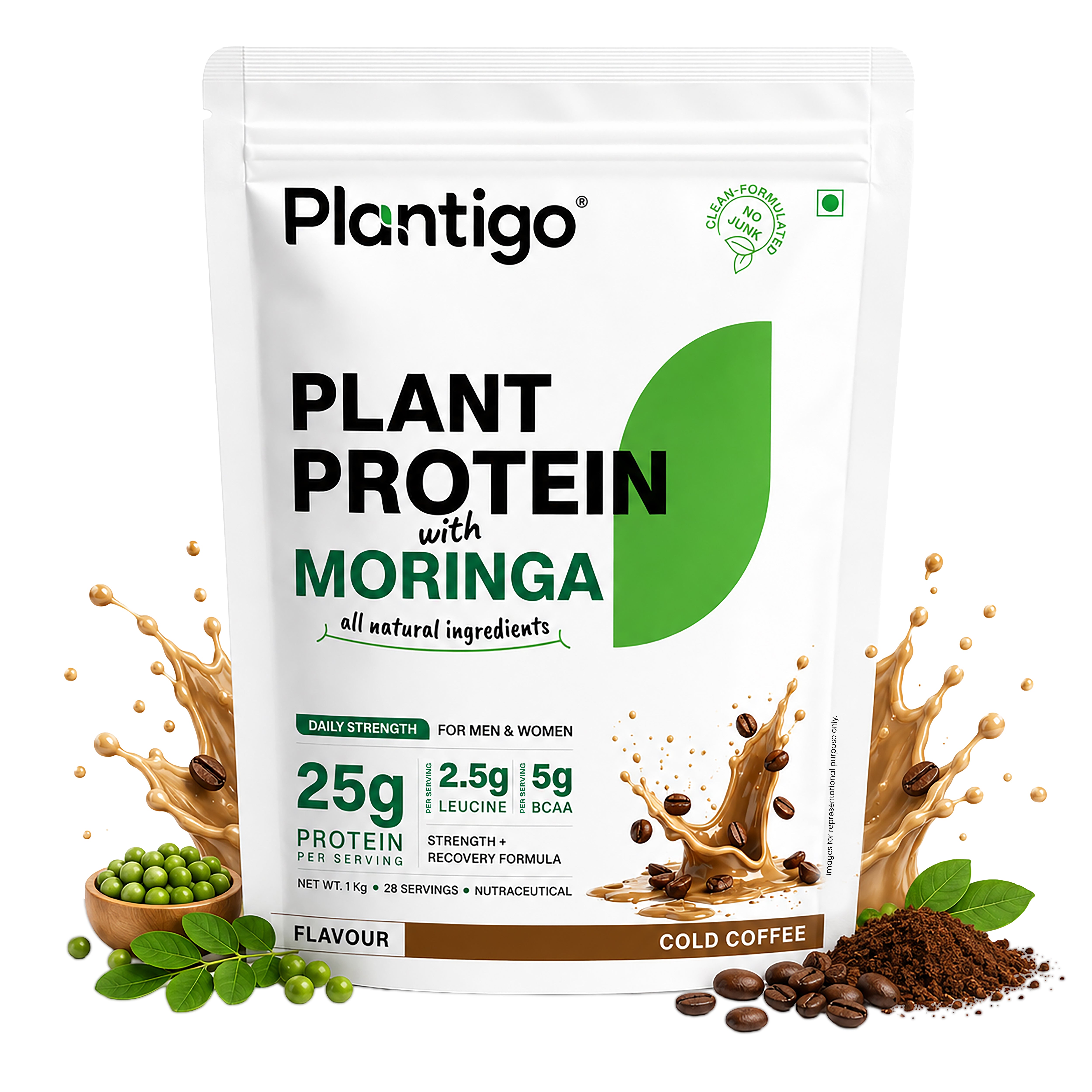
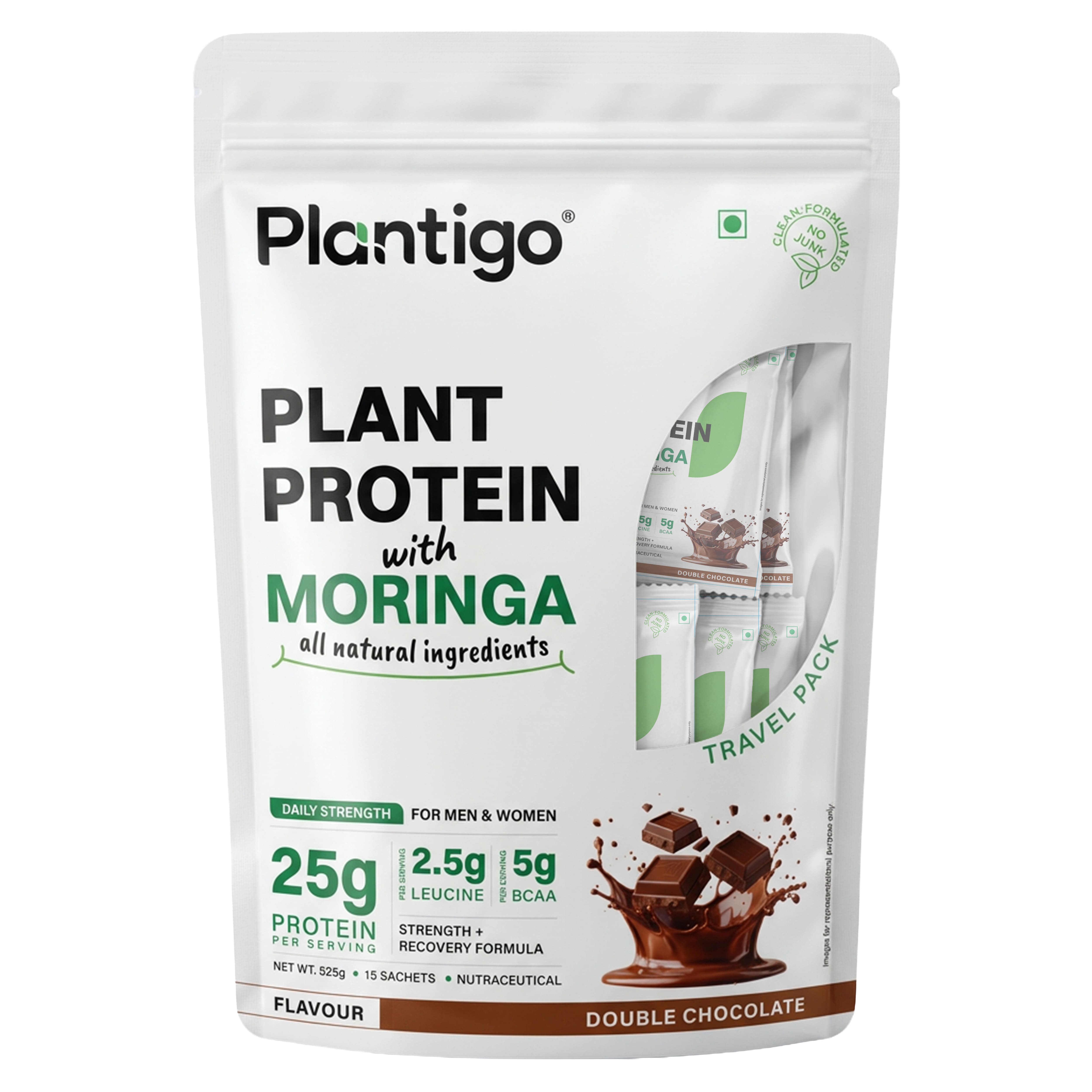
If your fast days are leaving a protein gap that sabudana cannot close, Plantigo bridges it with a complete plant-based blend of Canadian Pea Isolate, Brown Rice, Pumpkin Seed, and Flaxseed — all 9 essential amino acids, zero Class 2 preservatives, Eurofins-tested, with a 30-day taste guarantee.View Plantigo Plant Protein
What Sabudana Actually Does Well

1. Quick Energy for Fasting
88–94g carbohydrates per 100g raw — sabudana is a rapid, complete energy source for Indians who have not eaten since the previous evening.
-
Glucose from sabudana starch reaches the bloodstream within 30–45 minutes — faster than most Indian staples due to its highly processed starch structure, per atapioca starch study
-
Useful for active fasting Indians who need energy for morning prayers, household work, or exercise
-
The carbohydrate load sustains physical energy for 2–3 hours — though hunger returns quickly without protein
2. Easy Digestion
Sabudana is one of the most easily digestible foods in the Indian kitchen — relevant for elderly fasters and those with sensitive digestion.
-
Near-zero fibre means minimal digestive load
-
Gluten-free — safe for Indians with wheat sensitivity who fast on Ekadashi or Navratri
-
Bland, soft texture is soothing after overnight fasting
3. Fasting Compliance
Sabudana is widely accepted across Hindu fasting traditions — Navratri, Ekadashi, Mahashivratri, Shravan — without religious restriction.
-
Sattvic by classification — no onion, garlic, or non-vegetarian ingredients
-
Culturally non-negotiable for many Indian households during fasts
-
The only practical nutrition strategy is improving accompaniments, not eliminating sabudana
4. Where Sabudana Falls Short
Sabudana's protein deficit on fast days compounds an already existing daily protein gap.
-
Average Indian adult is already 15–25g protein deficient on a normal day
-
A sabudana-only fast day pushes this deficit to 40–50g or more
-
Repeated fasting on sabudana without protein compensation accelerates muscle loss — particularly for Indians over 40
How to Fix the Sabudana Protein Gap — 4 Methods
Method 1 — More peanuts in khichdi: Standard sabudana khichdi uses 1–2 tbsp peanuts. Doubling to 4 tbsp (40g) adds 10g protein at 226 kcal — the fastest protein fix for sabudana without changing the dish. See ourgroundnut protein guide for why peanuts are the highest-protein fasting addition available.
Method 2 — Curd as the accompaniment (not chutney): Replace coconut chutney with 200g plain curd alongside sabudana khichdi. Adds 6–8g protein at 120 kcal. Curd is sattvic, fasting-compatible, and probiotic. See ourcurd protein guide for the full protein case.
Method 3 — Replace 50% sabudana with kuttu or rajgira: Mix 50g sabudana + 50g kuttu or rajgira flour in khichdi batter. Protein rises from 0.2g to 7–8g from the flour alone. GI drops significantly. Kuttu and rajgira are both fasting-approved across all major Hindu fasting traditions.
Method 4 — Plant protein powder (unflavoured, sattvic): An unflavoured, additive-free plant protein powder — no artificial flavours, no Class 2 preservatives — is sattvic by ingredient composition. Stir into sabudana kheer alongside milk, or blend into a curd and sabudana smoothie. Adds 20–22g complete protein per scoop without violating fasting principles.
Sabudana Protein vs Other Indian Protein Sources
1. Sabudana vs Kuttu (Buckwheat)
Kuttu delivers 13g protein per 100g flour at GI ~40–50 — 65x more protein than sabudana at a significantly lower blood sugar impact. Both are fasting-approved across all major Hindu traditions. For diabetic Indians who fast, kuttu is unambiguously the better base flour. Sabudana has no protein argument against kuttu — the only advantage is texture preference and wider availability.
Kuttu advantage: 65x more protein, lower GI, more fibre — only disadvantage is slightly less common.
2. Sabudana vs Makhana (Fox Nuts)
Makhana delivers 4.5g protein per 50g serving — still 45x more than sabudana at equivalent calories. Makhana is increasingly popular as a fasting snack precisely because it offers protein, calcium, and magnesium that sabudana does not. The two are complementary rather than competing — makhana as a snack while sabudana forms the meal base.
Makhana advantage: Protein, calcium (60mg/100g), magnesium — meaningful micronutrient contribution sabudana cannot match.
3. Sabudana vs Plant Protein Supplement
A 25g scoop of plant protein delivers 20–22g complete protein — equivalent to eating nearly 11kg of raw sabudana for the same protein. On fast days specifically, a plant protein supplement is the most efficient single protein intervention available — no cooking, no preparation, sattvic-compatible when unflavoured and additive-free.
Supplement advantage: 110x more protein per gram consumed, complete amino acids, no additional calories from starch.
The Bottom Line
Sabudana protein is effectively zero — 0.2g per 100g raw, trace amounts that make no meaningful nutritional contribution. For millions of Indians fasting regularly on sabudana, this means fast days actively worsen an existing protein deficit rather than maintaining it. The fix is not to eliminate sabudana — it is cultural, traditional, and widely accepted — but to maximise protein from every other fasting-compatible food in the same meal: peanuts generously, curd as the accompaniment, kuttu or rajgira flour replacing 50% of the sabudana, and a clean unflavoured plant protein supplement on fast days for Indians who are serious about maintaining daily protein targets regardless of religious observance.
Frequently Asked Questions
1. Is sabudana high in protein?
No — sabudana has just 0.2g protein per 100g raw, making it one of the lowest-protein foods in Indian cuisine. It is almost entirely carbohydrate (88–94g per 100g) with trace fat and no fibre.
2. Is sabudana good for gym?
No — 0.2g protein per 100g makes sabudana counterproductive for gym-goers. On fast days, replace with kuttu or rajgira flour and add peanuts and plant protein to meet post-workout requirements.
3. Which is better, poha or sabudana?
Poha is significantly better — 6.6g protein per 100g raw vs sabudana's 0.2g, plus 20mg iron and meaningful fibre. Both are high-GI but poha is far more nutritionally complete.
4. How much protein is in sabudana vada per 100g?
One sabudana vada delivers approximately 0.5–1g protein per piece — negligible. Peanuts in the batter are the only meaningful protein source, contributing 2–3g per piece.
5. Is it safe to eat sabudana daily?
Safe but nutritionally incomplete — daily sabudana without protein-rich accompaniments causes progressive protein deficiency. Its high GI (~75–85) also makes daily consumption problematic for pre-diabetic Indians.
External Sources
Disclaimer: This article is for educational purposes only. If you have diabetes, kidney disease, or follow medically supervised fasting protocols, consult your doctor or dietitian before making major dietary changes.