By Aaryan | Last updated: August 2026
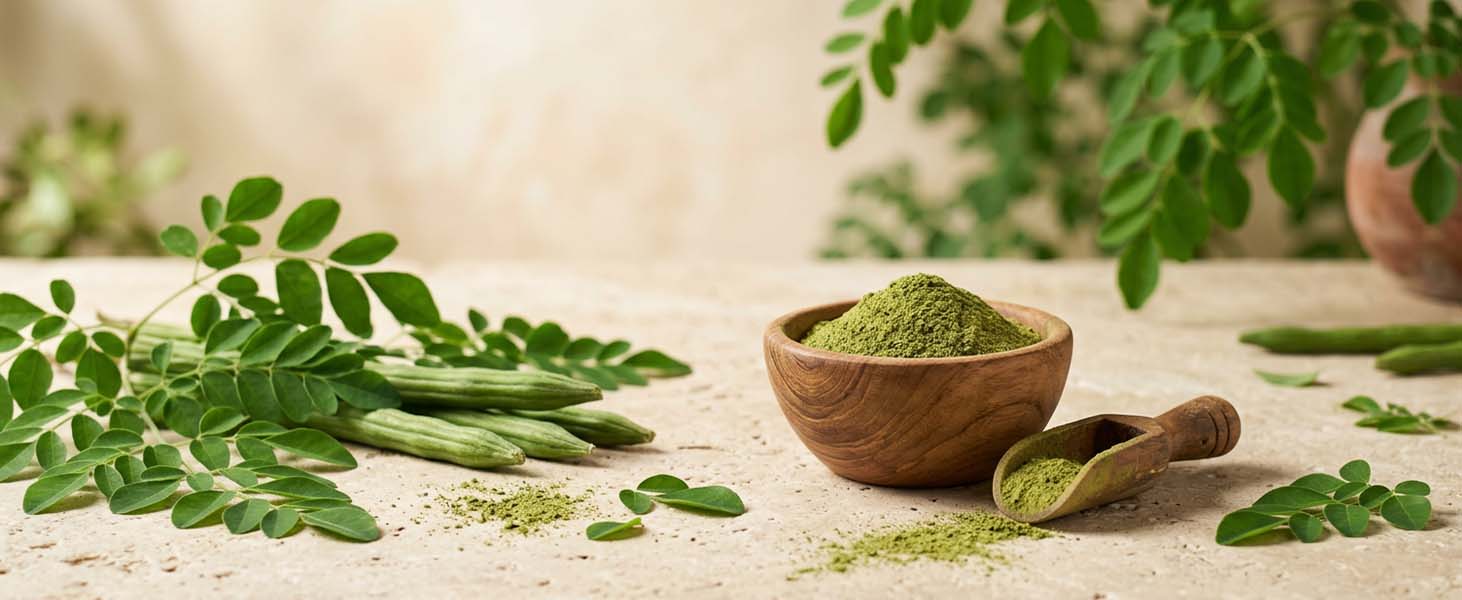
Moringa leaf powder contains approximately 25g of protein per 100g of dried powder, making it one of the most protein-dense plant foods available. However, a realistic serving of moringa is just 1–2 teaspoons (approximately 5–10g of powder), which delivers only 1.25–2.5g of protein per serving. That's why moringa works best as a nutrient booster inside a complete plant protein blend — not as a standalone protein source.
How Much Protein Is in Moringa?
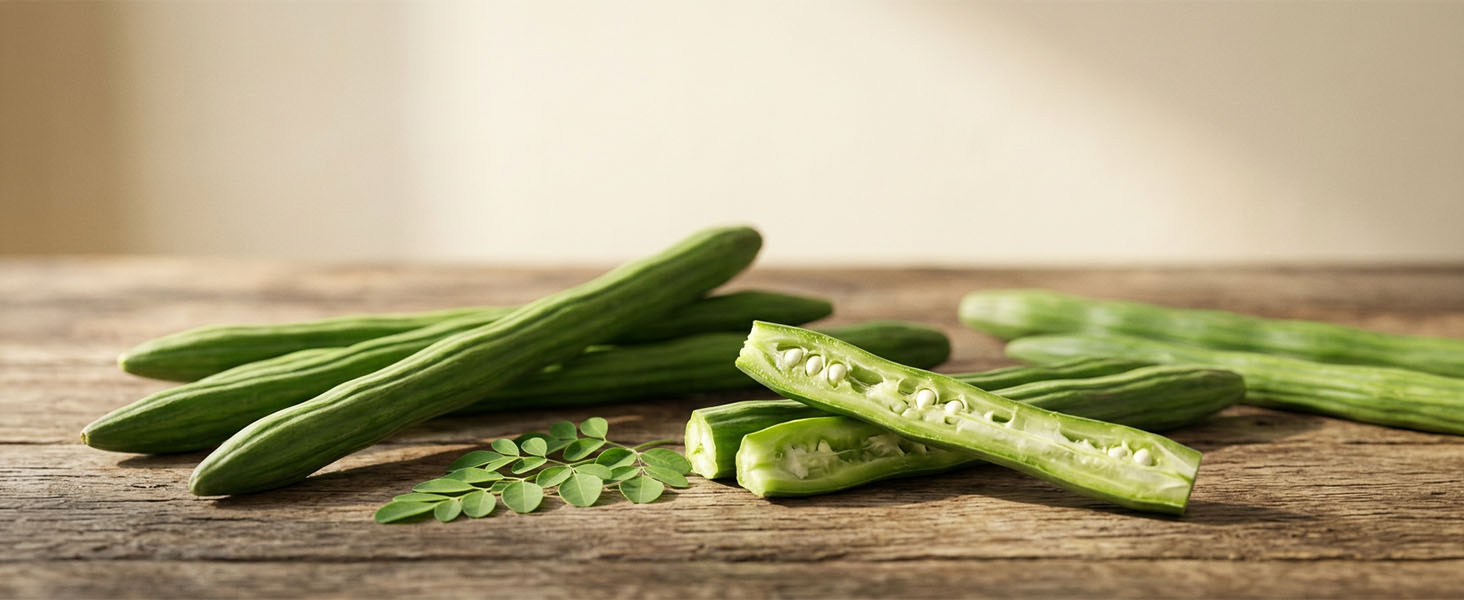
Moringa (Moringa oleifera), known as drumstick leaf in India, is widely recognised as a protein-rich plant food. But the headline numbers deserve context.
Per 100g of dried moringa leaf powder, protein content ranges between 22–27g depending on soil conditions, drying method, and harvesting season. According toUSDA FoodData Central and peer-reviewed nutritional analyses, the most commonly cited figure is approximately 25g of protein per 100g.
Here's where the distinction matters: nobody eats 100g of moringa powder in a day. A standard serving is 1 teaspoon (roughly 5g), which provides approximately 1.25g of protein. Even at a generous 2-teaspoon serving (10g), you're looking at about 2.5g of protein — roughly the same as a small handful of peanuts.
For perspective, an adult aiming for 50–60g of daily protein would need to consume over 200g of moringa powder to meet their entire protein requirement from moringa alone. That's neither practical nor advisable.
This is exactly why moringa is best positioned as a nutrient-rich ingredient within a complete protein formula — contributing micronutrients, antioxidants, and amino acid diversity to a base of high-protein sources like pea protein isolate and brown rice protein.
Moringa Nutrition: Full Breakdown
The table below presents the nutrition profile of dried moringa leaf powder per 100g, compiled fromUSDA FoodData Central data and peer-reviewed moringa composition studies (Leone et al., 2015;Amaglo et al., 2010).
|
Nutrient |
Amount per 100g |
Context |
|
Protein |
~25g |
Higher than most leafy greens; contains all 9 essential amino acids |
|
Fibre |
~12–19g |
Supports digestive health and satiety |
|
Iron |
~28mg |
Approximately 3.5× the iron in raw spinach per 100g |
|
Calcium |
~1,500–2,000mg |
Significantly higher than milk on a gram-for-gram basis |
|
Vitamin A (as β-carotene) |
~20–40mg |
Exceeds carrots per 100g |
|
Vitamin C |
~15–18mg (dried) |
Fresh moringa leaves contain more; some vitamin C is lost in drying |
|
Potassium |
~1,300–1,500mg |
Comparable to bananas on a per-weight basis |
Sources:USDA FoodData Central;Leone A. et al., International Journal of Molecular Sciences, 2015;Amaglo N.K. et al., Food Chemistry, 2010. Values represent dried moringa leaf powder. Actual figures vary by origin, soil, and processing.
Important note: these impressive per-100g numbers concentrate dramatically when you consider actual serving sizes. One teaspoon (5g) of moringa powder delivers roughly 1.4mg iron, 75–100mg calcium, and 1.25g protein — meaningful as a micronutrient top-up, but not as a primary source of any macronutrient.
Is Moringa a Complete Protein?
Yes — moringa leaf protein contains all nine essential amino acids, which technically qualifies it as a complete protein. This is relatively uncommon among plant foods and is one reason moringa receives attention in plant-based nutrition discussions.
However, the amino acid amounts per serving are modest. According to published amino acid profiles, moringa is lower in leucine and lysine compared to primary plant protein sources like pea or soy protein isolate. Leucine is the amino acid most directly responsible for triggering muscle protein synthesis, and research published in theJournal of the International Society of Sports Nutrition (2019) indicates that a protein dose should contain at least 700–3,000mg of leucine to stimulate meaningful muscle repair.
A single teaspoon of moringa powder provides a fraction of that leucine threshold. So while moringa is technically a complete protein, it functions better as an amino acid complement — adding breadth and micronutrient density to a protein base that delivers the volume your body needs.
Moringa vs Other Plant Proteins
To understand where moringa sits in the plant protein landscape, here's a direct comparison of protein content per 100g across common sources:
|
Source |
Protein per 100g |
Complete protein? |
Primary role |
|
Moringa leaf powder |
~25g |
Yes (all 9 EAAs, modest amounts) |
Nutrient booster, amino acid complement |
|
Pea protein isolate |
~80g |
Yes (low in methionine) |
Primary protein base in plant blends |
|
Soy protein isolate |
~90g |
Yes (PDCAAS score of 1.0) |
Standalone complete protein |
|
Brown rice protein |
~80g |
Yes (low in lysine) |
Complementary protein, pairs well with pea |
|
Hemp protein |
~50g |
Yes (lower digestibility) |
Whole-food supplement with omega-3s |
Sources:USDA FoodData Central;WHO/FAO/UNU amino acid requirement reports.
The comparison makes the picture clear. Moringa's protein density is high for a whole-leaf powder — roughly 3× that of fresh spinach — but it's not in the same category as protein isolates designed for concentrated supplementation. Pea protein isolate, for example, delivers more than 3× the protein of moringa per gram.
This is precisely why the most effective approach is to combine them: use a complete protein base (pea, rice, or soy isolate) for volume and amino acid adequacy, and layer in moringa for the micronutrient density, antioxidant compounds, and amino acid diversity that isolates lack.
Moringa in Plant Protein Powders — How It's Used
The trend in modern plant protein formulation is moving beyond single-source isolates toward multi-ingredient blends that combine protein volume with functional nutrition.
Moringa fits this model well. Rather than acting as the protein source, moringa contributes what isolated proteins can't: a broad spectrum of vitamins (A, C, E, and several B vitamins), minerals (iron, calcium, potassium), antioxidant compounds (quercetin, kaempferol, chlorogenic acid), and the isothiocyanate moringin — a bioactive compound from the same family studied extensively in broccoli.

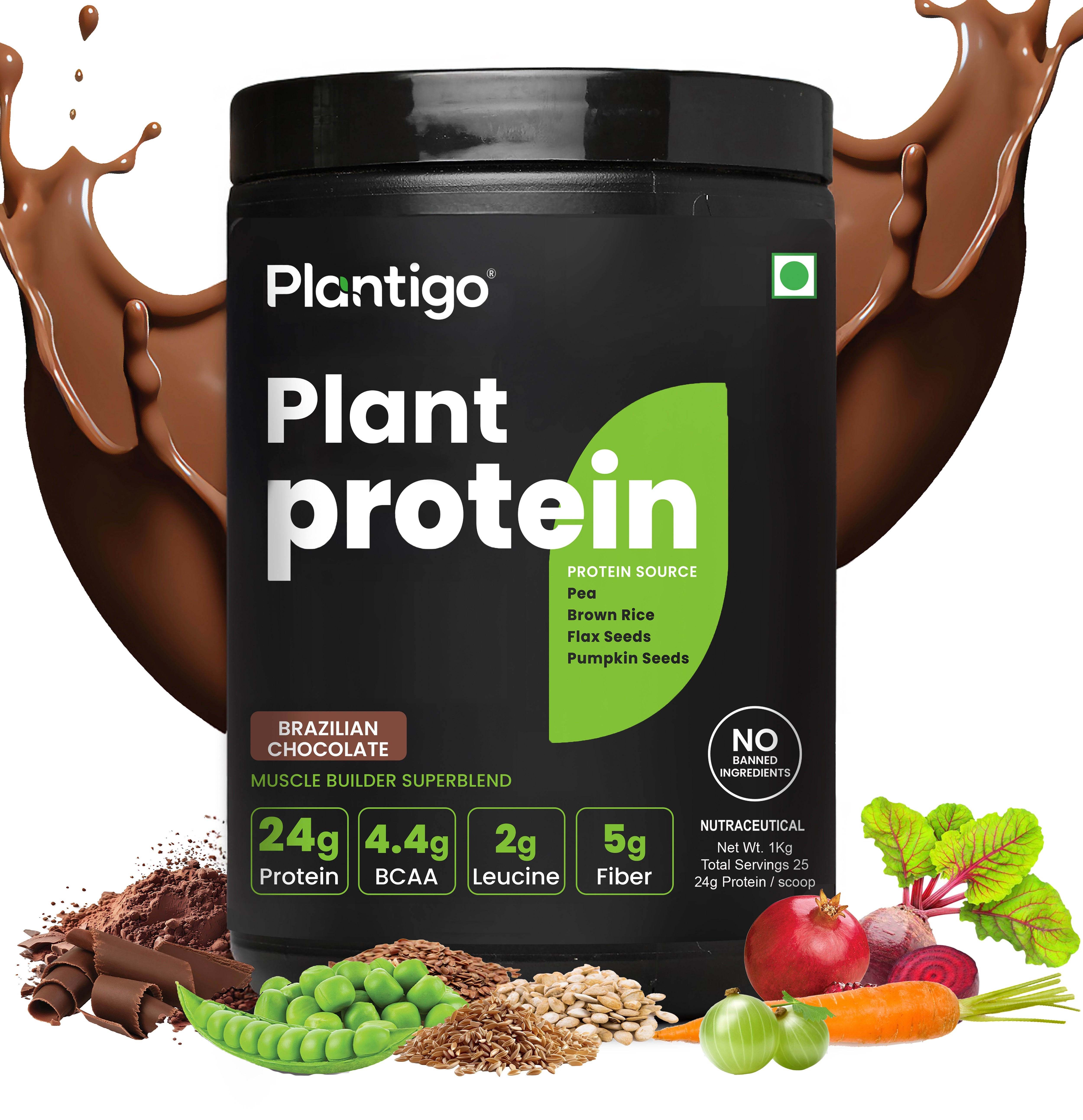
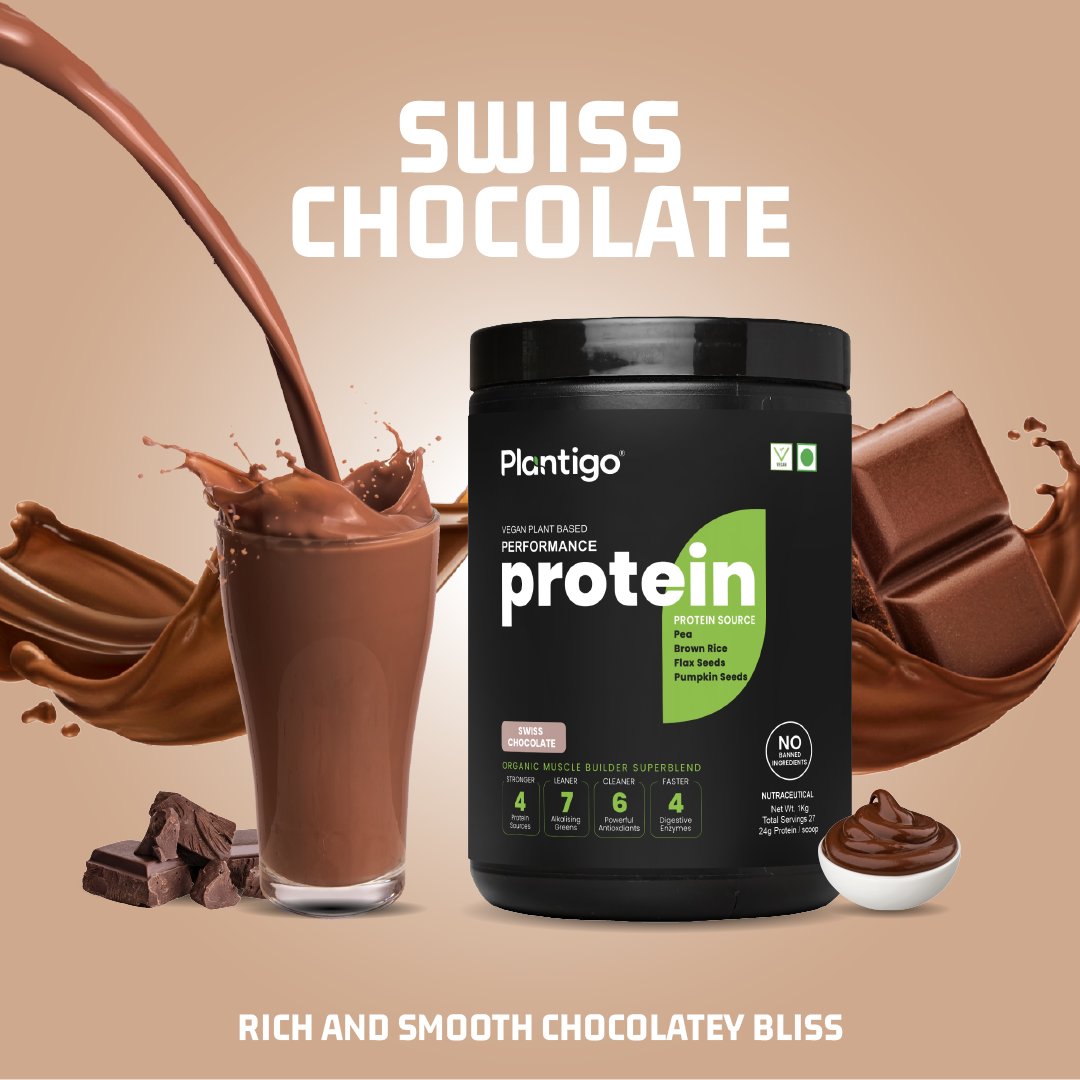
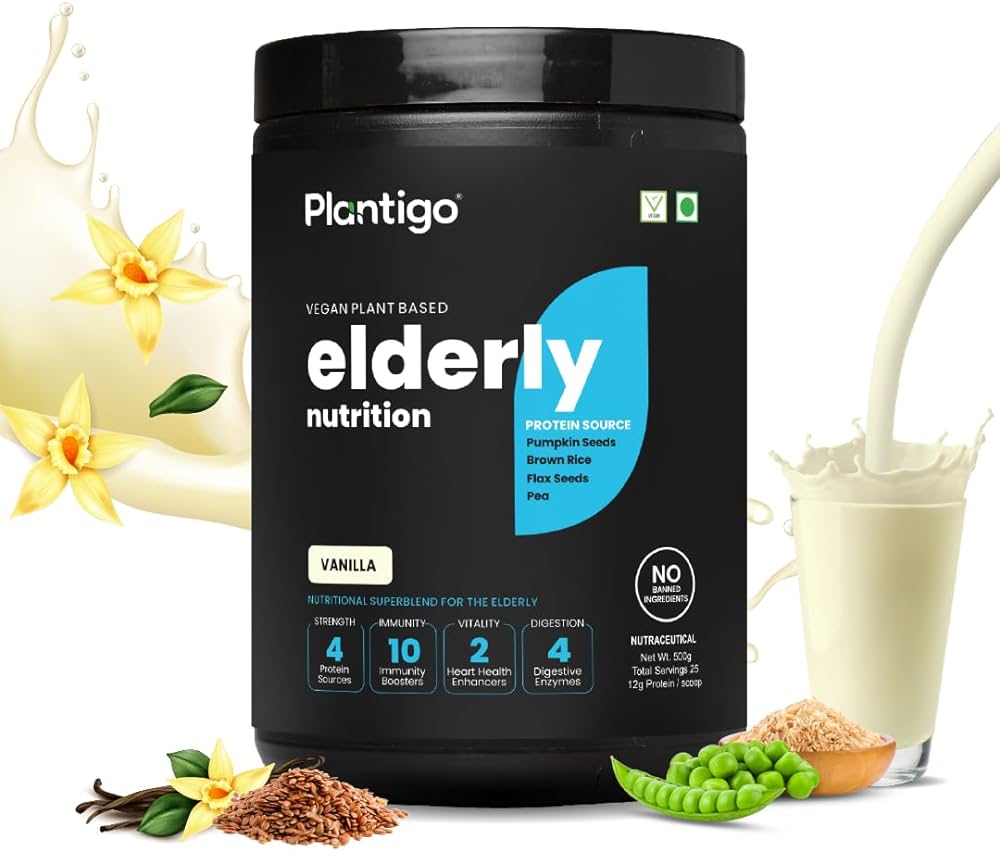
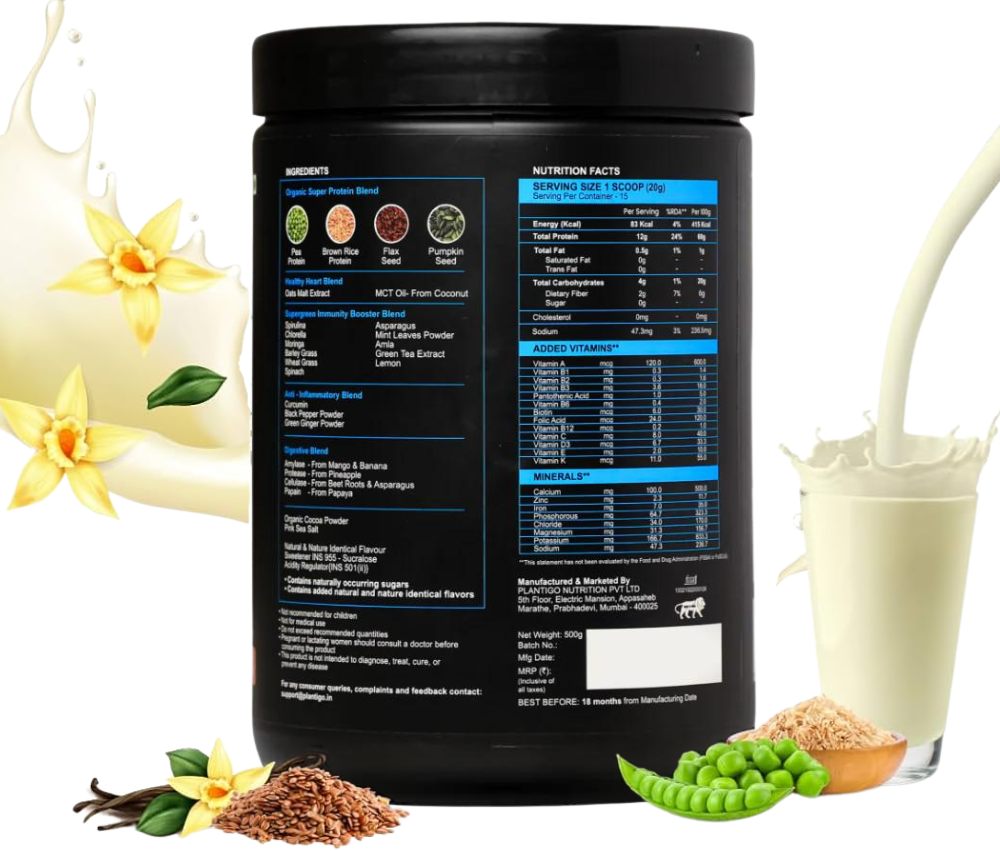
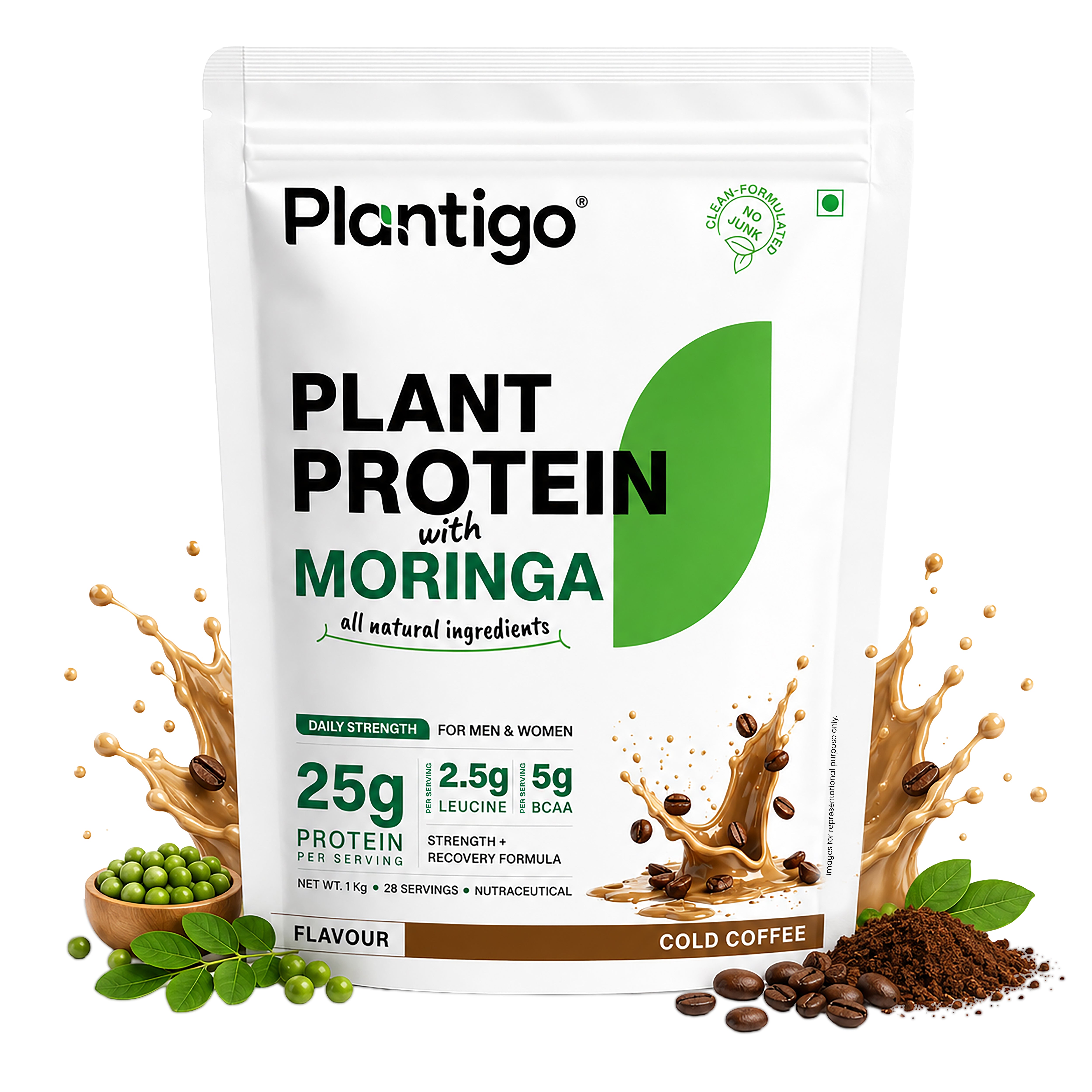
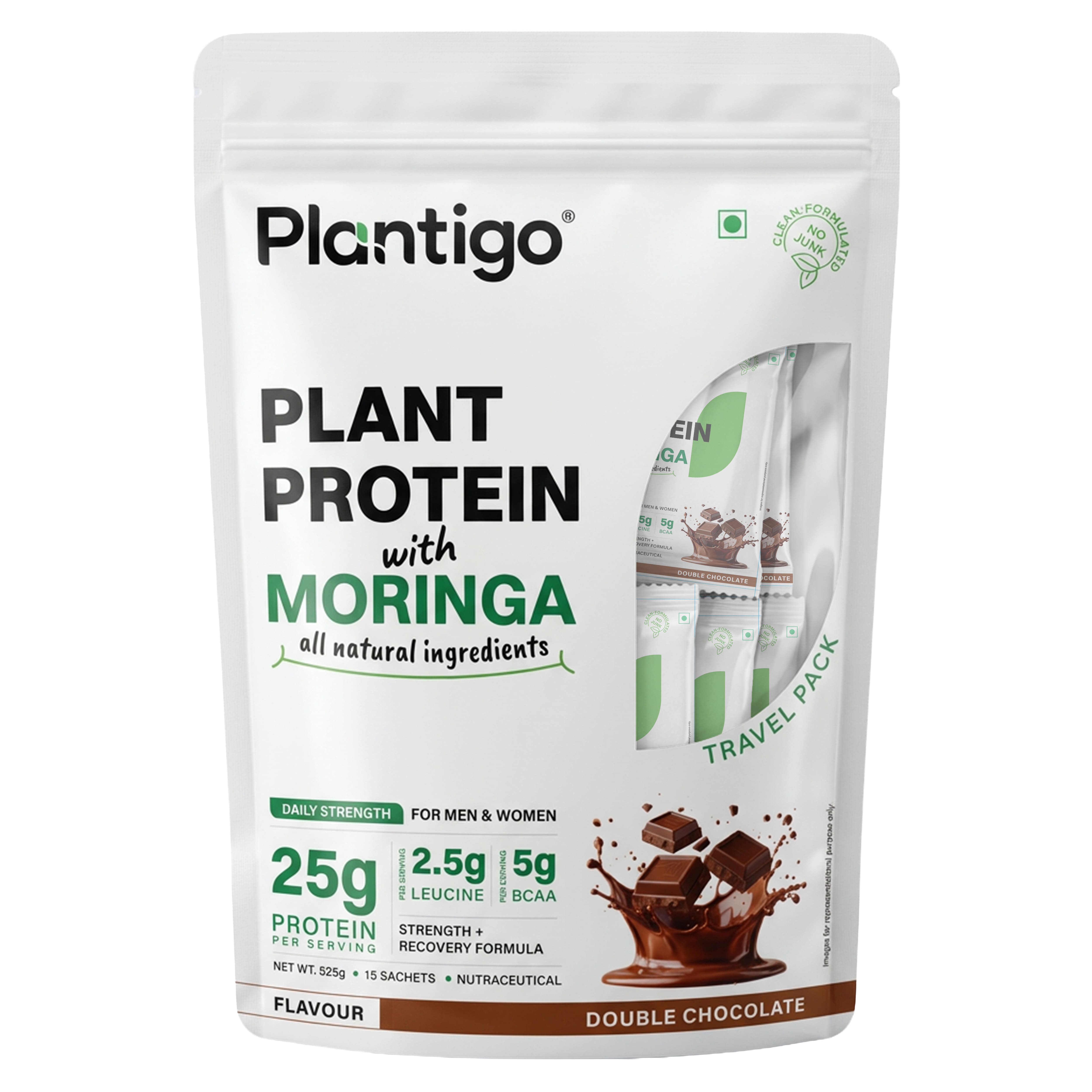
This is the thinking behind Plantigo'sPlant Protein, Powered by Moringa. The formula uses a complete protein base of pea protein isolate and brown rice protein for amino acid adequacy and muscle support, while moringa elevates the nutritional profile beyond what any single-source isolate can deliver on its own.
When evaluating a moringa protein powder, look for products where moringa is one ingredient within a complete protein blend — not the sole protein source. If the label lists moringa as the primary protein, the per-serving protein content will likely be too low for meaningful muscle support or daily protein adequacy.
How to Use Moringa for Protein
Moringa works best as a daily nutritional add-on rather than a protein replacement. Here are practical guidelines:

Dosage: Most research and traditional usage supports 1–2 teaspoons (5–10g) of moringa leaf powder per day. Higher doses have not been widely studied for safety in long-term use.
How to add it: Mix moringa powder into smoothies, stir it into warm water or milk, blend it into aprotein shake, or sprinkle it over salads and soups. The taste is mildly earthy with a subtle bitterness — it blends well into chocolate or banana-based smoothies.
Who it suits: Moringa supplementation is particularly useful for vegetarians and vegans who want to diversify their micronutrient intake, individuals looking to boost iron and calcium from plant sources, and anyone seeking a whole-food addition to their daily protein powder.
What moringa won't do: It won't replace a proper protein supplement or meet daily protein requirements on its own. For muscle building, recovery, or high-protein dietary goals, you need a concentrated protein source — moringa simply makes that protein source more nutritionally complete.
For a deeper look at what moringa seeds offer beyond the leaf, see our guide to10 health benefits of moringa seeds. And for more on how moringa and other drumstick-derived nutrients fit into an Indian diet, ourhigh-protein vegetables in India breakdown is worth a read.
Frequently Asked Questions
1. Is moringa high in protein?
Moringa leaf powder contains approximately 25g of protein per 100g — high for a leafy plant food. However, a typical 5–10g daily serving delivers only 1.25–2.5g of protein, so it's best understood as a nutrient booster, not a primary protein source.
2. How much protein is in one teaspoon of moringa?
One level teaspoon (approximately 5g) of dried moringa leaf powder contains roughly 1.25g of protein, according toUSDA FoodData Central. That's about 2.5% of the recommended daily protein intake for an average adult.
3. Can moringa replace protein powder?
No. Moringa delivers excellent micronutrients but only 1–2.5g of protein per serving, compared to 20–25g from a dedicated plant protein powder. It works best alongside a complete protein source, not instead of one.
4. Is moringa a complete protein?
Yes, moringa contains all nine essential amino acids — uncommon among plant foods. However, the amounts per serving are modest and leucine is low, so moringa should be combined with a concentrated protein source for practical adequacy.
5. How much moringa should I take per day for protein?
1–2 teaspoons (5–10g) per day is the most widely supported dosage in both traditional use and available research. For protein goals specifically, pair moringa with a completeplant protein powder that provides 20g or more per serving.
External links used: