
By Aaryan | Last updated: August 2026
Drumstick leaves (moringa) contain 9.4g of protein, 185mg of calcium, 4mg of iron, and 51.7mg of vitamin C per 100g of fresh leaves — making them one of the most nutrient-dense leafy greens available in India. Drumstick pods, while lower in protein at 2.1g per 100g, provide an exceptional 141mg of vitamin C per 100g, fulfilling over 150% of the daily requirement in a single serving.
Drumstick Nutrition Per 100g: Leaves vs Pods
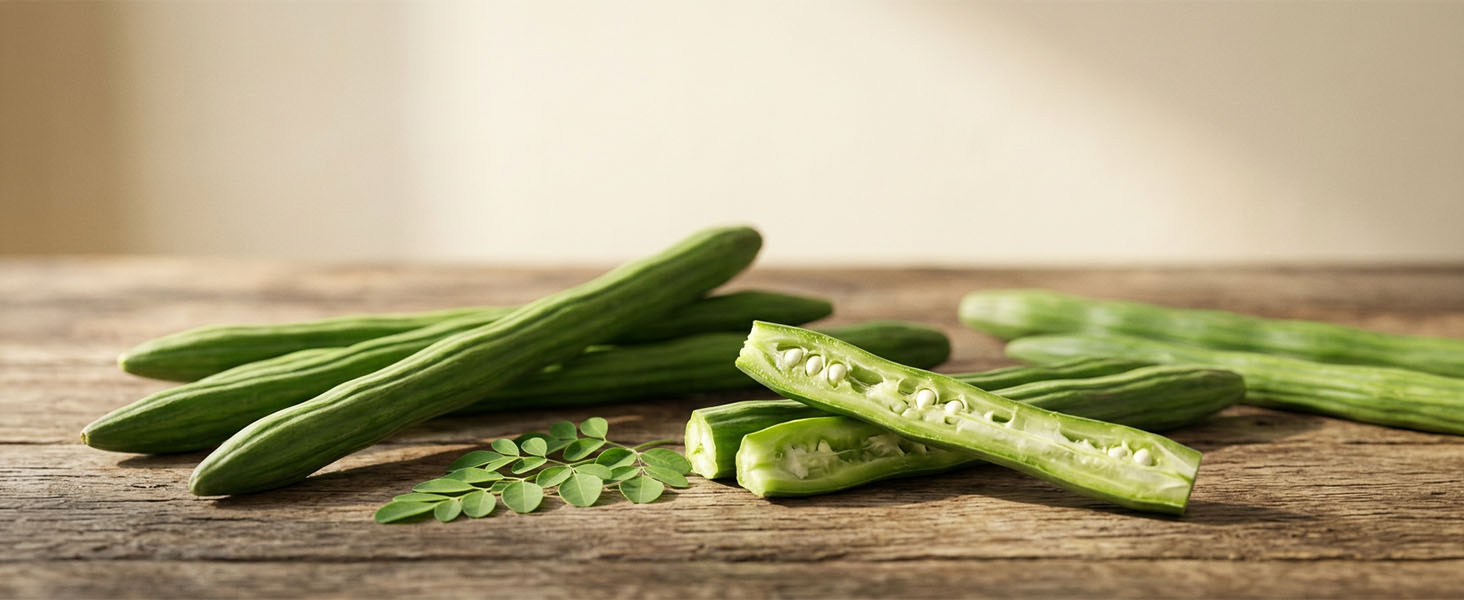
The term "drumstick" refers to two nutritionally distinct parts of the Moringa oleifera tree — the leaves (murungai keerai, sahjan ka patta) and the pods (sahjan ki phali, murungakkai). Most Indians are familiar with drumstick pods in sambar, but the leaves are actually the more nutrient-dense part of the plant.
Here's a side-by-side comparison using data fromUSDA FoodData Central (FDC ID 168416 for leaves; FDC ID 168417 for pods):
|
Nutrient |
Fresh Leaves (per 100g) |
Fresh Pods (per 100g) |
Winner |
|
Calories |
64 kcal |
37 kcal |
Pods (lower calorie) |
|
Protein |
9.4g |
2.1g |
Leaves (4.5× more) |
|
Carbohydrates |
8.28g |
8.53g |
Similar |
|
Fibre |
2.0g |
3.2g |
Pods |
|
Fat |
1.4g |
0.2g |
Pods (lower fat) |
|
Calcium |
185mg |
30mg |
Leaves (6× more) |
|
Iron |
4.0mg |
0.36mg |
Leaves (11× more) |
|
Vitamin C |
51.7mg |
141mg |
Pods (2.7× more) |
|
Vitamin A |
378µg RAE |
4µg RAE |
Leaves |
|
Vitamin B6 |
1.2mg |
0.12mg |
Leaves (10× more) |
|
Potassium |
337mg |
461mg |
Pods |
Source:USDA FoodData Central, raw values. Actual figures vary with variety, soil, and season.
The takeaway is straightforward: drumstick leaves are the protein, calcium, and iron powerhouse, while drumstick pods excel in vitamin C and fibre. Both contribute meaningfully to a balanced Indian diet, but they serve different nutritional roles.
For a broader look at how drumstick leaves compare to other Indian greens, see ourtop 20 high-protein vegetables in India — moringa leaves rank near the top at 9.4g protein per 100g, outperforming spinach (2.9g) and fenugreek leaves (4.4g).
Drumstick Leaves: Protein and Amino Acid Profile
At 9.4g of protein per 100g, fresh drumstick leaves contain more protein than most cooked vegetables and leafy greens. For context, spinach provides 2.9g, kale provides 4.3g, and broccoli provides 2.8g per 100g, according toUSDA FoodData Central.
What makes moringa leaves particularly notable is that they contain all nine essential amino acids — a rare trait among leafy vegetables. Research published byAmaglo et al. in Food Chemistry (2010) confirmed this amino acid completeness, though the absolute amounts per serving are modest compared to concentrated protein sources.
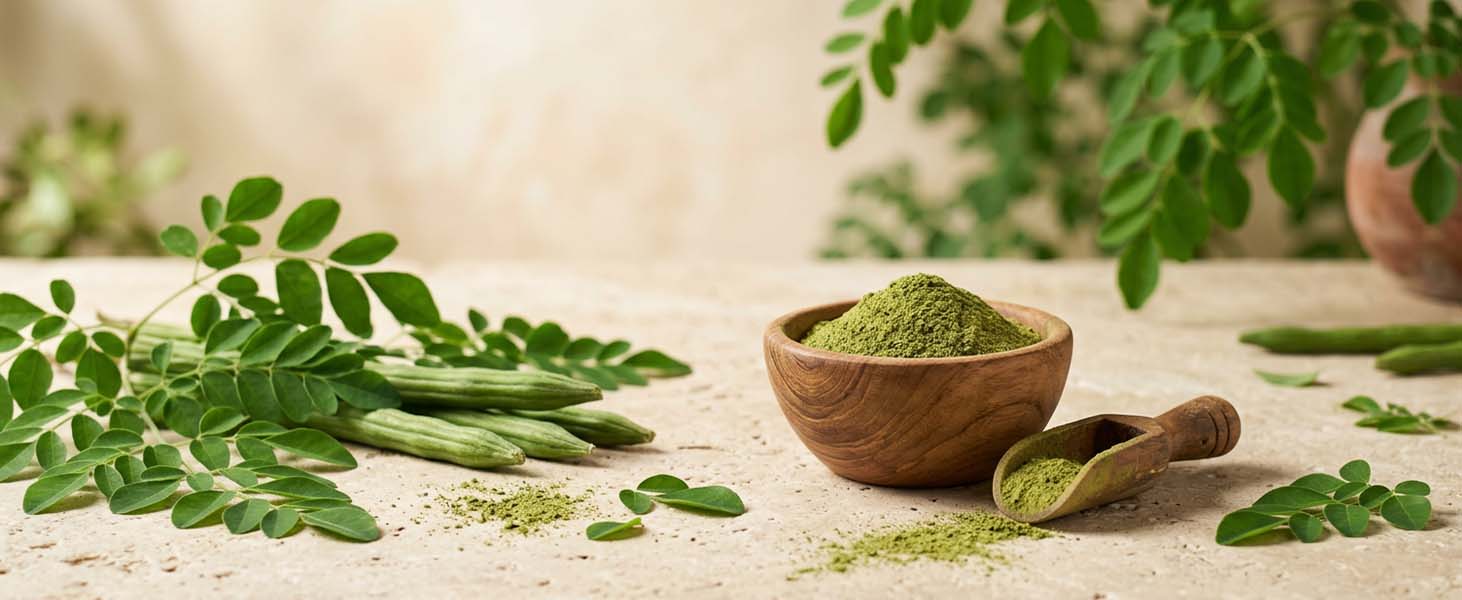
When moringa leaves are dried into powder, the protein concentrates significantly. Dried moringa leaf powder typically contains 22–27g of protein per 100g. However, because a practical daily serving of moringa powder is just 1–2 teaspoons (5–10g), the protein contribution per serving remains small at approximately 1.25–2.5g.
This is why moringa works best as a nutrient amplifier rather than a primary protein source. For a detailed breakdown of moringa's protein content and how it compares to pea, soy, and rice protein isolates, see our companion piece on moringa protein content.
Vitamins in Drumstick: What Makes It Stand Out
Drumstick — across both leaves and pods — delivers a remarkably broad vitamin profile. Here's what the research shows:
Vitamin C is where drumstick pods truly shine. At 141mg per 100g of raw pods, they provide nearly 2.5× the vitamin C of an equivalent weight of oranges (~53mg per 100g). According toUSDA data, fresh leaves also provide a solid 51.7mg per 100g, though some vitamin C is lost during drying and cooking. This makes drumstick one of the bestvitamin C rich foods available in Indian kitchens.
Vitamin A (as beta-carotene) is concentrated in the leaves. Fresh drumstick leaves provide approximately 378µg RAE per 100g — meaningful for eye health, immune function, and skin integrity. Published analyses (Leone et al., International Journal of Molecular Sciences, 2015) report even higher beta-carotene values in dried leaf powder.
Vitamin B6 (pyridoxine) in drumstick leaves is exceptionally high at 1.2mg per 100g, meeting approximately 92% of the daily value. This B vitamin plays a critical role in protein metabolism and red blood cell formation — particularly relevant for anyone on ahigh-protein vegetarian diet.
Other B vitamins present include riboflavin (B2), thiamine (B1), niacin (B3), and folate (B9). However, moringa leaves contain no vitamin B12 and no vitamin D — both of which are absent in all plant foods and must be sourced separately.
Minerals in Drumstick: Iron, Calcium & Potassium
The mineral profile of drumstick leaves is where the plant earns its reputation as a nutritional powerhouse, especially for vegetarians and vegans.
Iron: Fresh drumstick leaves provide 4mg of iron per 100g — approximately 1.5× the iron found in raw spinach (2.7mg per 100g). For those trackinghemoglobin-rich foods, moringa leaves are a strong addition. Pair them with vitamin C-rich foods (like the drumstick pods themselves or lemon) to improve non-haem iron absorption.
Calcium: At 185mg per 100g of fresh leaves, moringa provides more calcium than a glass of milk (~120mg per 100ml). Dried moringa leaf powder concentrates this further to an estimated 1,500–2,000mg per 100g, though daily servings are much smaller. This makes moringa relevant for anyone looking to increase calcium from plant sources — particularly women over 30 and the elderly.
Potassium: Drumstick pods provide 461mg per 100g, while leaves offer 337mg. Potassium supports fluid balance, nerve function, and blood pressure regulation.
Magnesium: Present in moderate amounts, contributing to enzymatic reactions and muscle function. Dried moringa powder is a more concentrated source.
Health Benefits of Drumstick (Moringa): What the Research Supports

Drumstick has been used in Ayurveda and traditional Indian medicine for centuries. Modern research is beginning to validate several of these uses, though many claims remain preliminary. Here's what the current evidence supports:
Antioxidant activity is well-documented. Moringa leaves contain quercetin, kaempferol, and chlorogenic acid — polyphenol compounds with demonstrated antioxidant properties in laboratory studies. Areview published in PMC (2022) confirmed that moringa leaf extracts show significant antioxidant activity across multiple assay types.
Anti-inflammatory compounds: The isothiocyanate moringin, found in moringa leaves, belongs to the same family of bioactive compounds studied in broccoli and other cruciferous vegetables. Early research suggests potential anti-inflammatory benefits, though large-scale human clinical trials remain limited.
Blood sugar regulation: Some clinical studies, including a small randomised controlled trial reported by Leone et al. (2015), have observed modest improvements in glycaemic control when moringa leaf powder was consumed regularly. These findings are promising but not yet sufficient for definitive clinical recommendations.
Immune support: The combination of vitamin C (especially from pods), vitamin A, iron, and zinc in drumstick provides the nutritional building blocks for normal immune function. This is a food-level benefit — not a therapeutic claim.
Bone and muscle support: The calcium, protein, and vitamin K content of drumstick leaves supports bone health. For those interested in preserving muscle mass through plant-based nutrition, moringa's amino acid profile complements concentratedplant protein sources well.
For a closer look at what moringa seeds specifically offer, see our guide to the10 health benefits of moringa seeds.
Drumstick Nutrition in Dried Moringa Powder vs Fresh Leaves vs Pods
Because drying removes water, the nutrients in moringa leaf powder are far more concentrated than in fresh leaves. Here's how the three forms compare:
|
Nutrient |
Fresh Leaves (100g) |
Dried Leaf Powder (100g) |
Fresh Pods (100g) |
|
Protein |
9.4g |
~25g |
2.1g |
|
Calcium |
185mg |
~1,500–2,000mg |
30mg |
|
Iron |
4.0mg |
~28mg |
0.36mg |
|
Vitamin C |
51.7mg |
~15–18mg |
141mg |
|
Fibre |
2.0g |
~12–19g |
3.2g |
Sources:USDA FoodData Central (fresh values);Leone et al., 2015 andAmaglo et al., 2010 (dried powder values). Drying method (shade, sun, freeze) affects final nutrient content.
Notice that vitamin C drops significantly in dried powder because it's heat- and air-sensitive. If vitamin C is your priority, fresh pods and fresh leaves are the better choice. If protein, iron, and calcium density matter more, dried powder is more practical for year-round use.
How to Include Drumstick in Your Daily Diet
Drumstick is one of the most versatile vegetables in Indian cuisine. Here's how to use each form:
Fresh drumstick pods: Add to sambar, rasam, dal, or any South Indian curry. The pods are typically boiled and the soft inner pulp is scooped out. A single sambar preparation with 2–3 drumstick pods adds meaningful vitamin C and fibre to your meal.
Fresh moringa leaves (murungai keerai): Use in poriyal (stir-fry with grated coconut), stir into dal, or add to rice preparations. Treat them like spinach — cook lightly to retain nutrients.
Moringa leaf powder: Stir 1–2 teaspoons into smoothies, warm milk, lassi, or chapati dough. The flavour is mildly earthy and works well in chocolate or banana-based shakes. Moringa powder is available year-round, making it a practical option when fresh leaves aren't accessible.

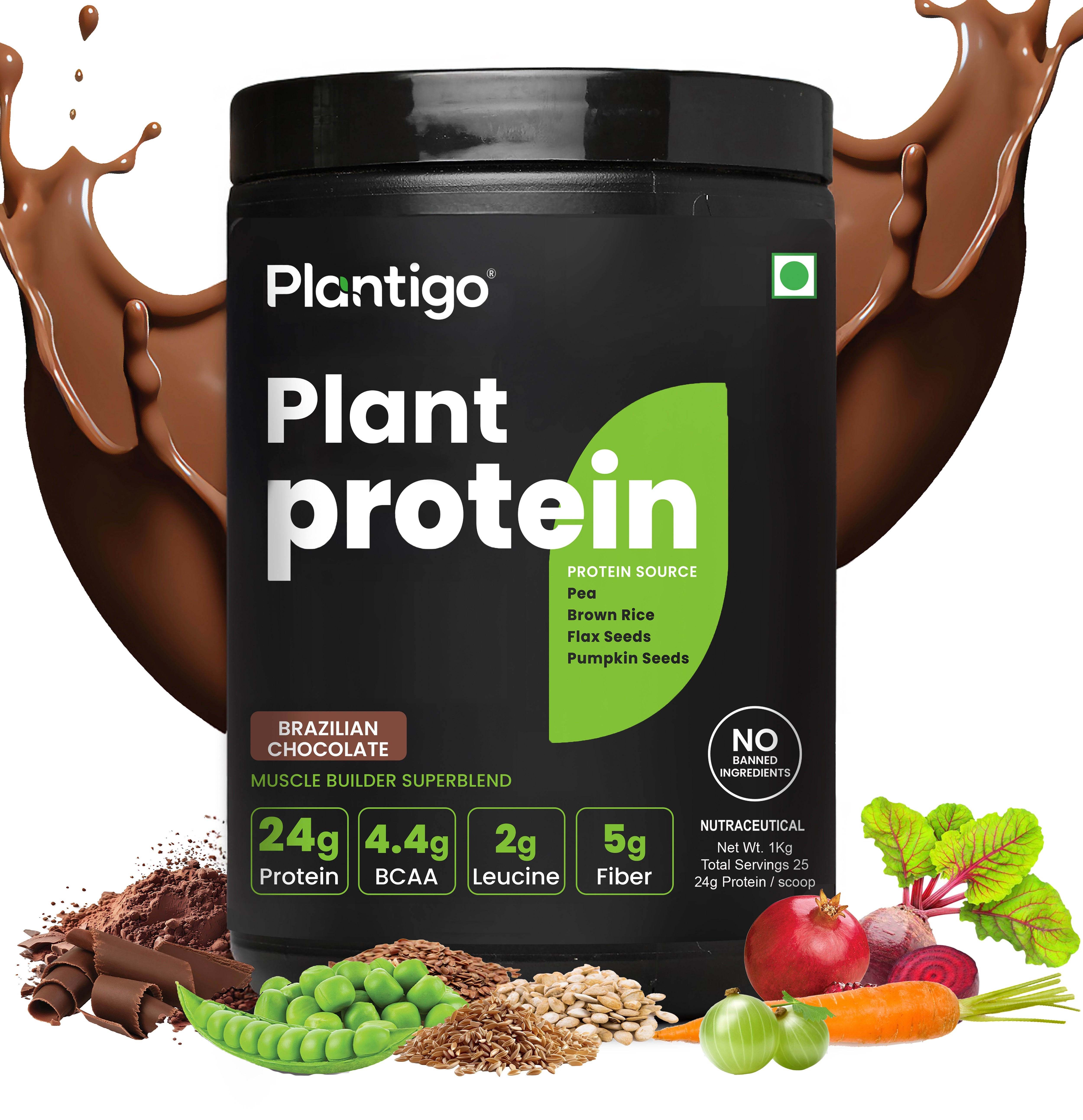
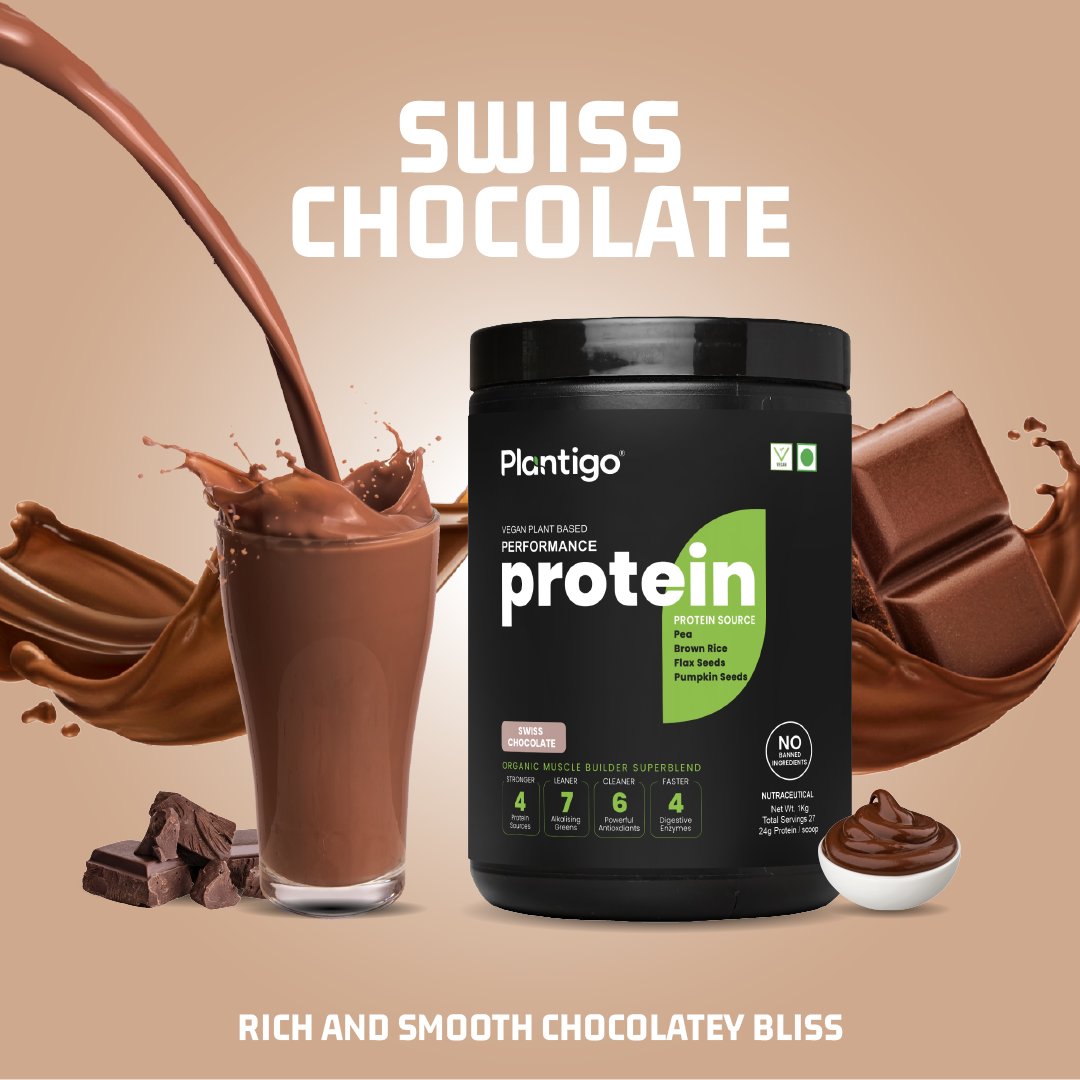
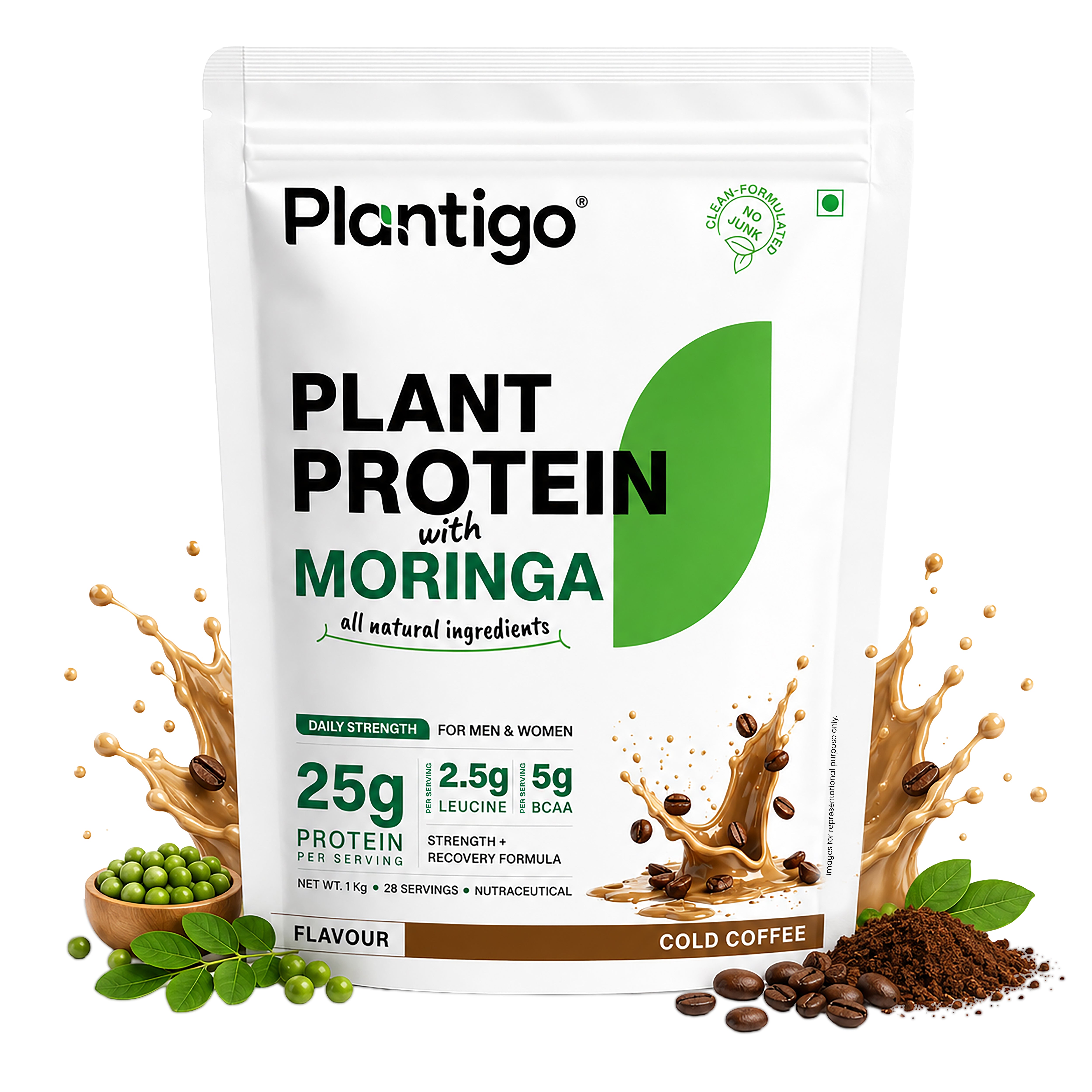
In a protein blend: The most efficient way to get moringa's micronutrient benefits alongside adequate protein is through aplant protein powder that includes moringa as a functional ingredient within a complete protein base. This delivers the vitamin, mineral, and antioxidant density of moringa alongside 20–25g of protein per serving from concentrated sources like pea protein isolate and brown rice protein.
Frequently Asked Questions
1. What is the nutritional value of drumstick per 100g?
Fresh drumstick pods provide 37 calories, 2.1g protein, 141mg vitamin C, 30mg calcium, and 3.2g fibre per 100g. Fresh drumstick leaves provide 64 calories, 9.4g protein, 185mg calcium, 4mg iron, and 51.7mg vitamin C per 100g (source:USDA FoodData Central).
2. Is drumstick high in protein?
Drumstick leaves are high in protein for a leafy green at 9.4g per 100g — more than 3× the protein in spinach. Drumstick pods are lower at 2.1g per 100g and are valued more for their vitamin C and fibre content.
3. What vitamins are in drumstick?
Drumstick provides vitamins C, A, B6, B1, B2, B3, and folate. Pods are richest in vitamin C (141mg/100g), while leaves lead in vitamin A and B6. Neither form contains vitamin B12 or vitamin D.
4. Is drumstick good for bones?
Drumstick leaves provide 185mg calcium per 100g — more than milk on a gram-for-gram basis. Combined with vitamin K and protein, they support bone health as part of a balanced diet.
5. Can I eat drumstick every day?
Yes. Both drumstick pods and leaves are safe for daily consumption as part of a varied diet. Traditional Indian diets, particularly in South India, include moringa leaves and pods regularly across multiple meals.
6. What is the difference between drumstick leaves and drumstick pods?
Leaves are higher in protein (9.4g vs 2.1g), calcium (185mg vs 30mg), and iron (4mg vs 0.36mg). Pods are higher in vitamin C (141mg vs 51.7mg) and fibre (3.2g vs 2g). Both parts are nutritious but serve different dietary roles.
External links used:

%20contain%209.4g%20of%20protein,%20185mg%20of%20calcium,%204mg%20of%20iron,%20and%2051.7mg%20of%20vitamin%20C%20per%20100g%20of%20fresh%20leaves%20%E2%80%94%20making%20them%20one%20of%20the%20mo...)