
By Aaryan | Last updated: August 2026
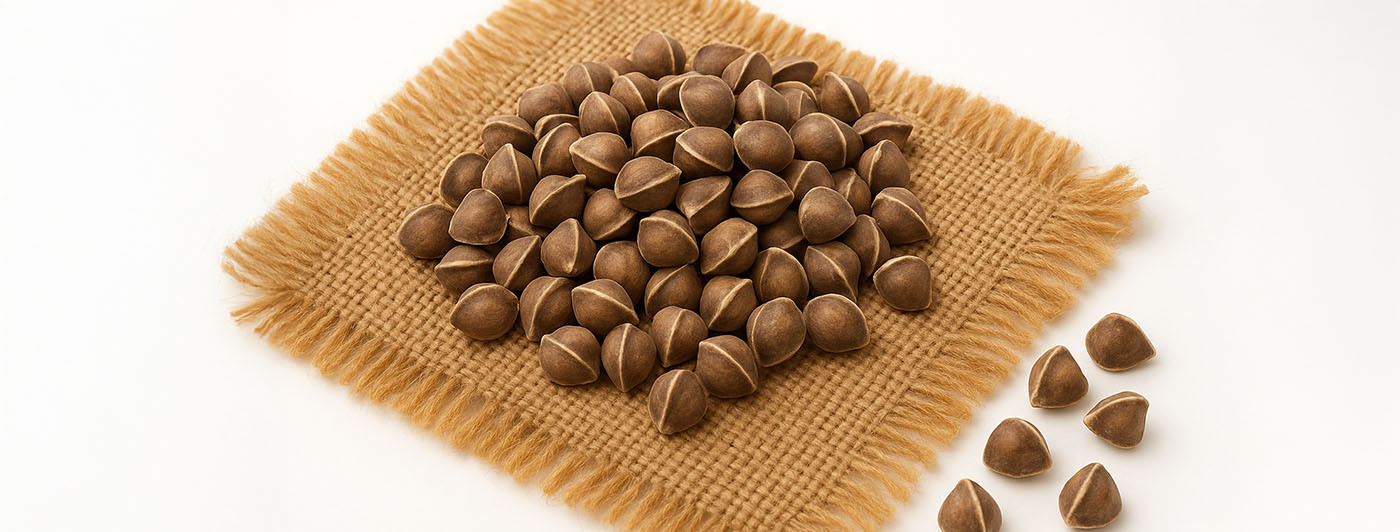
Moringa seeds are nutrient-dense seeds from the Moringa oleifera tree containing approximately 35–41% protein, 30–40% oil (rich in oleic acid), and all nine essential amino acids. They support antioxidant protection, blood sugar regulation, immunity, digestion, and cardiovascular health. A safe daily intake is 3–6 seeds, best consumed in the morning on an empty stomach. Pregnant and breastfeeding women should avoid them entirely.
Moringa Seeds Nutrition: What's Inside
Before understanding the benefits, it helps to know what moringa seeds actually contain. The nutritional profile below is compiled from peer-reviewed analyses, including a2025 review in Life (MDPI) and a2022 study in Foods (MDPI).
|
Nutrient |
Amount per 100g (dried seeds) |
Context |
|
Protein |
~35–41g |
Complete protein — all 9 essential amino acids present |
|
Fat (oil) |
~30–40g |
Predominantly oleic acid (monounsaturated), similar to olive oil |
|
Fibre |
~3–5g |
Supports gut motility and satiety |
|
Calcium |
~45–50mg |
Modest; leaves are a far richer calcium source |
|
Iron |
~5–6mg |
Meaningful for vegetarians alongside vitamin C for absorption |
|
Magnesium |
~260–380mg |
Supports muscle function and enzymatic reactions |
|
Zinc |
~3–5mg |
Supports immune response and testosterone production |
|
Potassium |
~640–750mg |
Supports fluid balance and blood pressure regulation |
|
Vitamin C |
~4–5mg |
Low; pods and fresh leaves are better sources |
Sources:Sharma et al., 2026;Pareek et al., PMC, 2022;Leone et al., Foods, 2022. Values vary by origin, soil, and processing.
The standout feature is the protein-to-fat ratio. Moringa seeds are one of the few plant seeds that deliver both high-quality complete protein and a significant dose of heart-healthy monounsaturated fat in a single food. The oil extracted from moringa seeds — known as ben oil — has been compared to olive oil for its oleic acid content and stability.
10 Health Benefits of Moringa Seeds

1. Antioxidant Protection
Moringa seeds contain flavonoids, polyphenols, and ascorbic acid that neutralise free radicals and reduce oxidative stress. A2024 PMC review confirmed significant antioxidant activity across moringa seed extracts, which may help protect cells from damage linked to ageing and chronic disease. Regular consumption supports the body's natural defence system.
2. Blood Sugar Regulation
Moringa seeds contain compounds that mimic insulin action and improve cellular glucose uptake. A2019 PMC review found that moringa supplementation showed modest but consistent improvements in glycaemic markers in both animal models and small human trials. This makes moringa seeds potentially useful for people managing type 2 diabetes or insulin resistance, though they should not replace prescribed medication.
3. Rich Source of Essential Minerals
Moringa seeds provide meaningful amounts of magnesium (260–380mg/100g), iron (5–6mg/100g), zinc (3–5mg/100g), and potassium (640–750mg/100g). The iron content makes them a valuable addition toiron-rich vegetarian diets, while the calcium, though modest compared to moringa leaves, still contributes todaily calcium intake from plant sources.
4. Immune System Support
The zinc and vitamin C in moringa seeds are both critical for immune cell development and antibacterial defence. Zinc activates T-cells responsible for fighting infection, while vitamin C acts as an antioxidant protecting immune cells from oxidative damage. According to aScienceDirect review, moringa's mineral and vitamin profile supports baseline immune function when consumed regularly as part of a varied diet.
5. Digestive Health
Moringa seeds are afibre-rich food that promotes gut motility and feeds beneficial gut bacteria. Their anti-inflammatory compounds may also help soothe bloating and indigestion. A2017 PubMed study documented anti-inflammatory activity in moringa extracts that could reduce symptoms associated with gastric irritation.
6. Skin and Hair Health
Moringa seed oil is rich in oleic acid (omega-9) and behenic acid, which help maintain skin moisture, elasticity, and barrier function. The oil's fatty acid profile supports scalp circulation and hair root strength. Moringa seeds also contain compounds related tobiotin (vitamin B7), which supports keratin infrastructure for hair and nails.
7. Cardiovascular Health
Ben oil from moringa seeds is rich in monounsaturated fatty acids — similar to olive oil — which help reduce LDL (bad cholesterol) and support HDL (good cholesterol). A2024 PMC review noted that moringa's antioxidant and anti-inflammatory properties may help prevent arterial plaque formation, reducing the risk of cardiovascular disease.
8. Brain Function and Cognitive Health
Moringa seeds provide iron for oxygen transport to the brain and zinc for neurotransmitter support. Their antioxidant content helps reduce oxidative stress in neural tissue, which is linked to age-related cognitive decline. For broader nervous system support, moringa seeds complementvitamin B12 sources in a plant-based diet, although B12 itself must come from fortified foods or supplements.
9. Liver Detoxification
Moringa seeds have demonstrated hepatoprotective properties in animal studies. The2025 Life (MDPI) review documented that moringa seed extracts may help reduce fat accumulation in liver cells and support regeneration pathways. Moringa seeds are also traditionally used in water purification due to their natural coagulant properties — the same mechanism supports toxin elimination within the body.
10. Complete Plant Protein Source
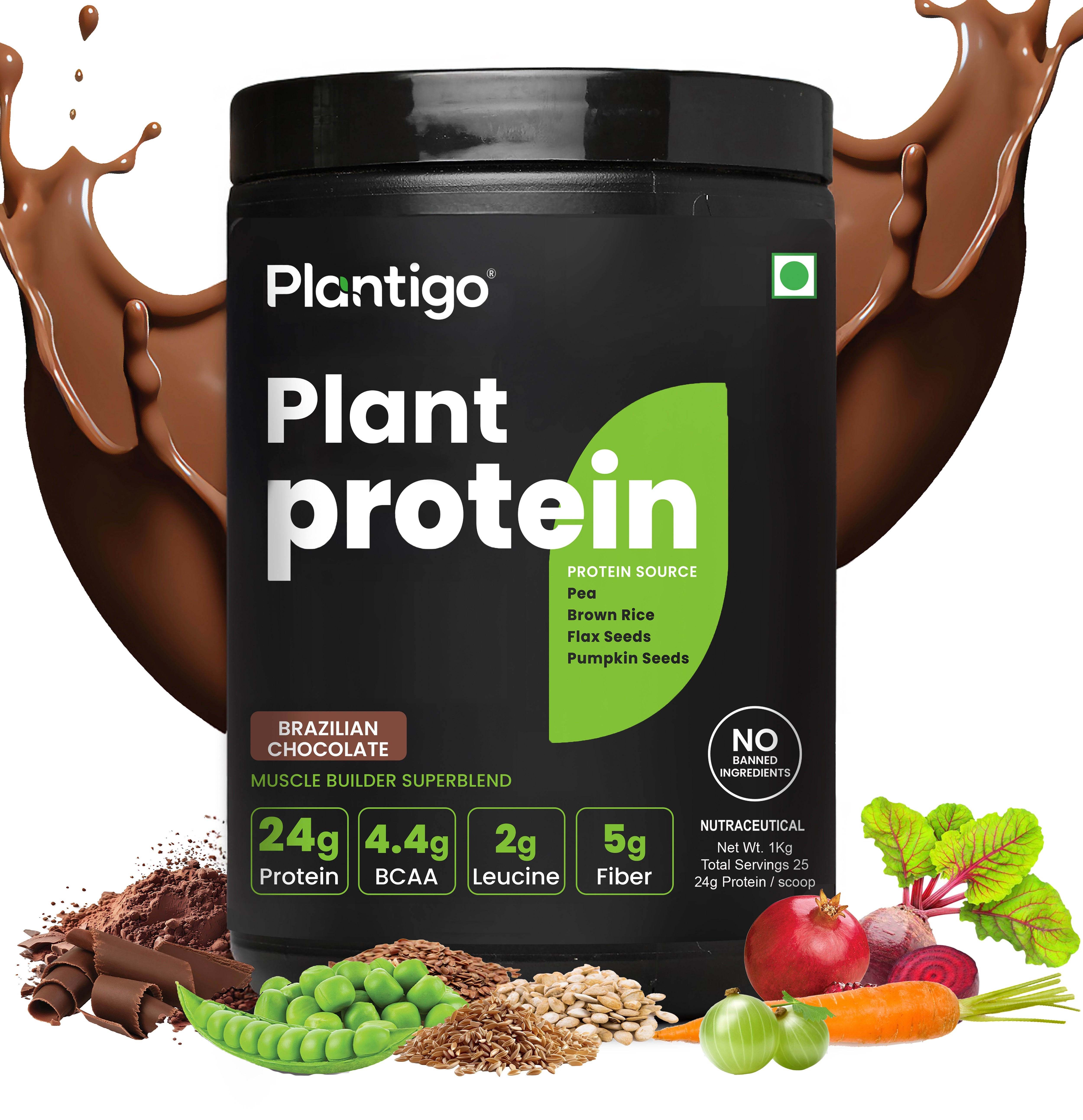
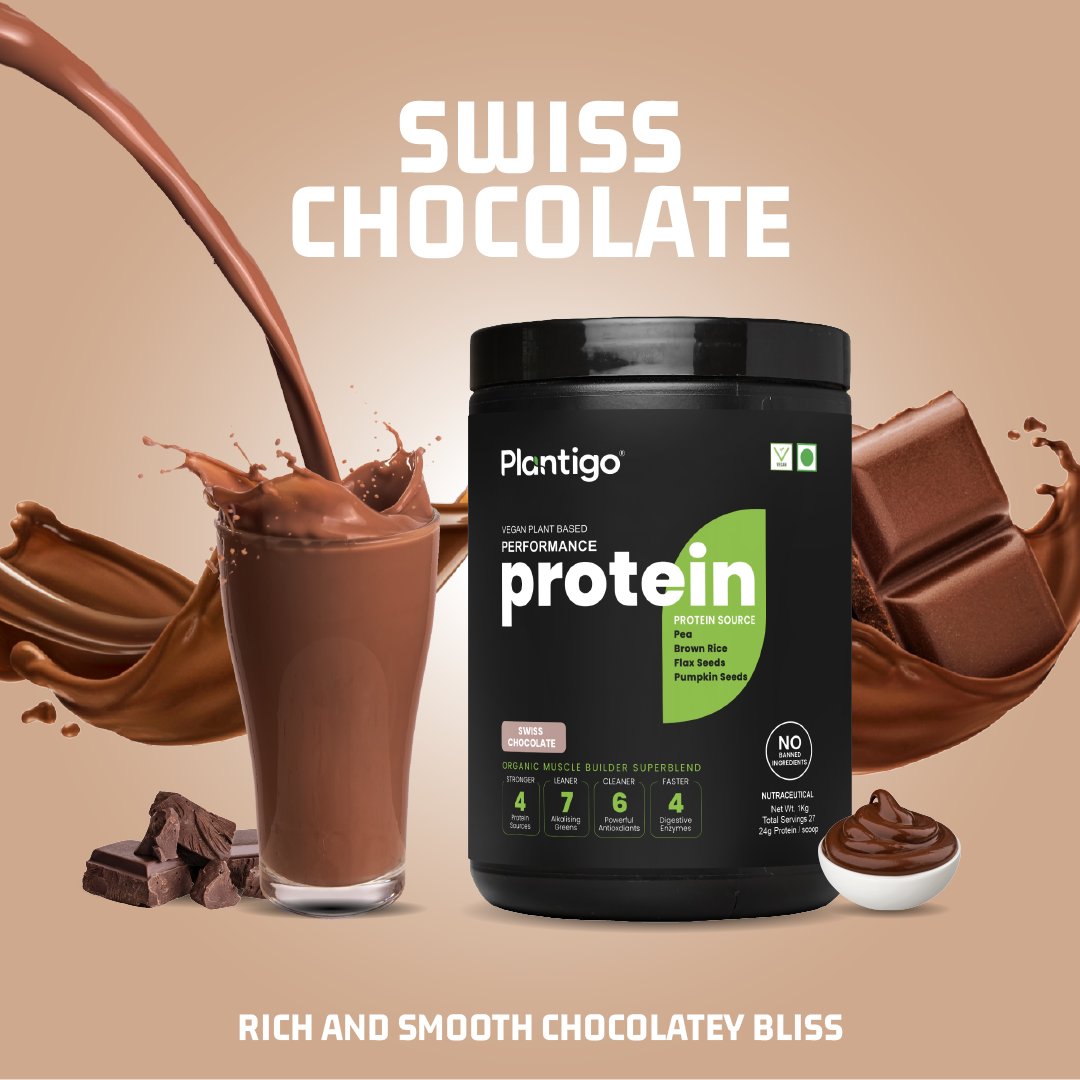
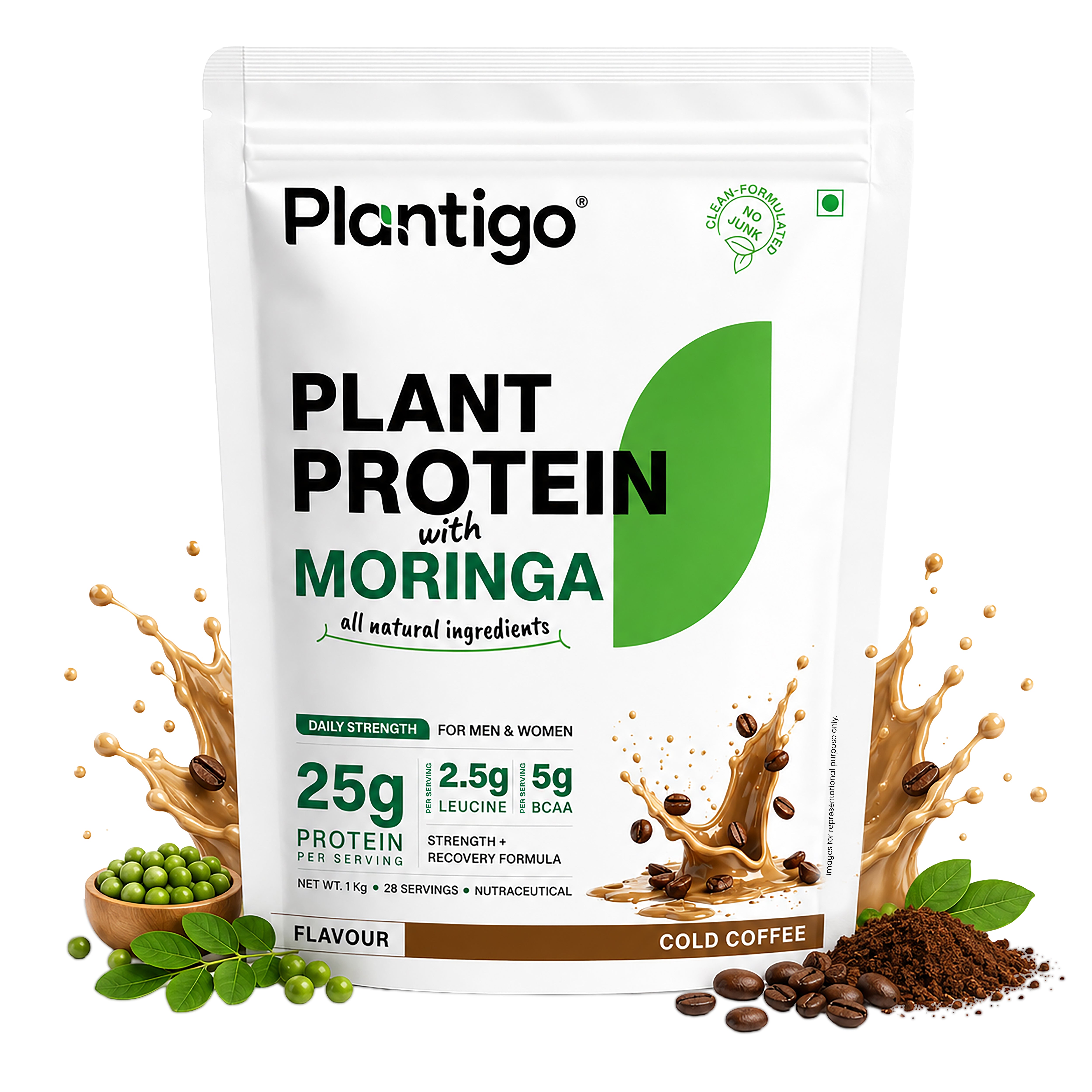
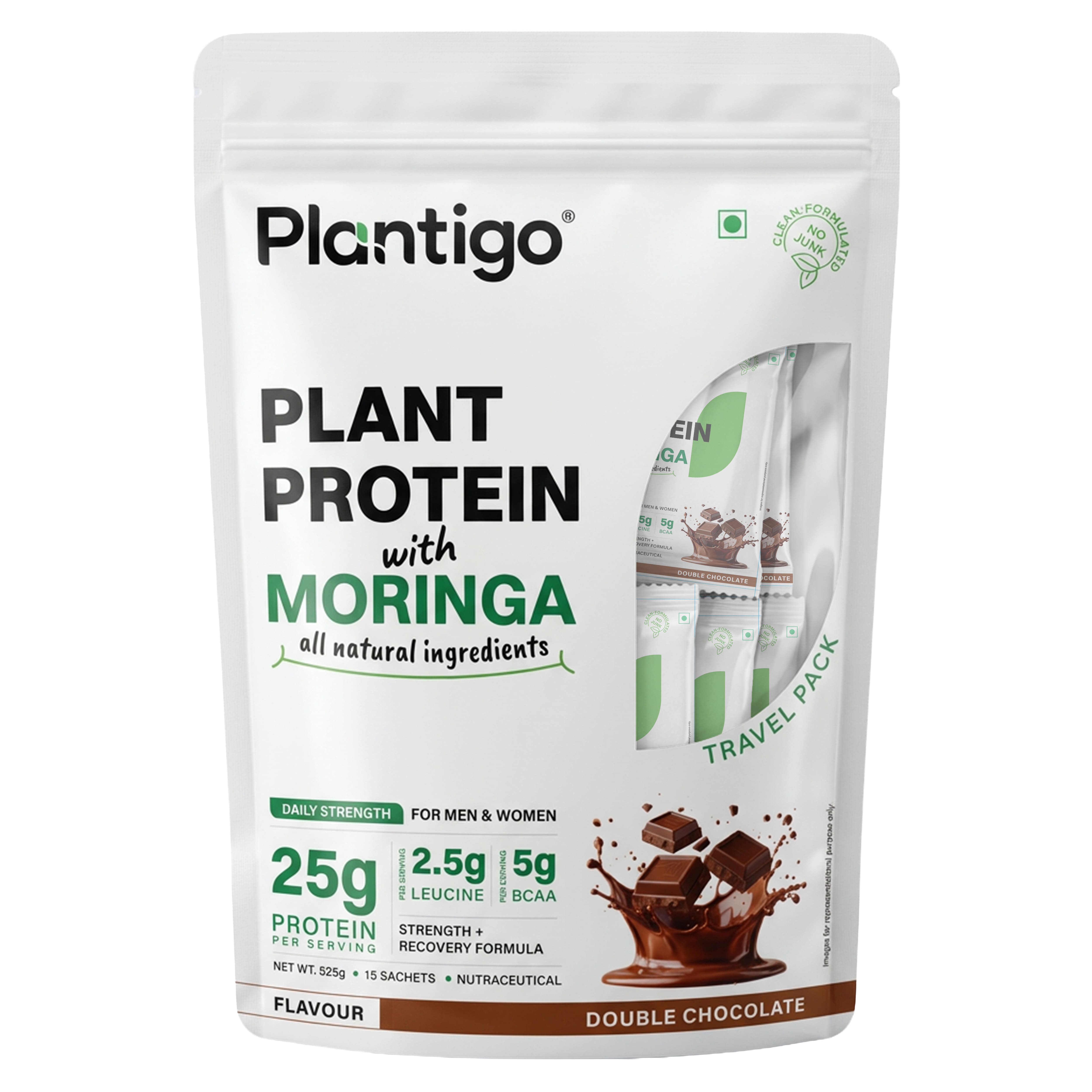
Moringa seeds contain all nine essential amino acids, qualifying them as a complete protein — rare among plant seeds. At 35–41g protein per 100g dried seeds, they offer meaningful protein density. However, a practical daily serving of 3–6 seeds provides only a small fraction of this. For anyone pursuing daily protein adequacy alongside moringa's micronutrient benefits, pairing with a concentratedplant protein powder is the most effective approach.
For a detailed look at how moringa's protein content compares to pea, soy, and rice isolates, see our breakdown of moringa protein per 100g and per serving.
Moringa Seeds vs Moringa Leaves: Key Differences
People often confuse moringa seeds and moringa leaves, but they serve different nutritional roles:
|
Attribute |
Moringa Seeds (per 100g dried) |
Moringa Leaves (per 100g fresh) |
|
Protein |
~35–41g |
9.4g |
|
Fat |
~30–40g |
1.4g |
|
Calcium |
~45–50mg |
185mg |
|
Iron |
~5–6mg |
4.0mg |
|
Vitamin C |
~4–5mg |
51.7mg |
|
Primary strength |
Protein, healthy fats, liver support |
Vitamins, calcium, iron, daily micronutrients |
|
How consumed |
3–6 seeds daily, raw or roasted |
Cooked in meals, or as dried powder |
Sources:USDA FoodData Central (leaves);Sharma et al., 2026 (seeds).
Seeds win on protein and healthy fats. Leaves win on vitamins, calcium, and everyday versatility. For the most complete moringa nutrition, use both — and for a full leaves and pods comparison, see our drumstick nutrition breakdown.
Moringa Seeds Benefits for Women
Moringa seeds offer specific advantages for women's health:
Iron support — at 5–6mg per 100g, moringa seeds help address iron deficiency, one of the most common nutritional gaps among Indian women. Pair with vitamin C-rich foods for better absorption. For more options, see ourhemoglobin-rich foods guide.
Bone health — magnesium and calcium in moringa seeds contribute to bone density maintenance, particularly important post-menopause.
Skin and hair — oleic acid and vitamin E in moringa seed oil support skin elasticity and hair follicle strength.
Hormonal balance — anti-inflammatory compounds may help reduce PMS-related symptoms.
Important: Pregnant and breastfeeding women should avoid moringa seeds entirely, as certain compounds may stimulate uterine contractions.
Moringa Seeds Benefits for Men
Muscle support — complete protein with all nine essential amino acids supports muscle repair and growth when combined with resistance training and adequate total protein intake.
Testosterone and reproductive health — zinc in moringa seeds supports healthy testosterone levels. Zinc deficiency is directly linked to reduced testosterone in clinical studies.
Heart health — monounsaturated fats from ben oil support cholesterol ratios. Men face elevated cardiovascular risk from age 40, making heart-healthy fats particularly relevant.
Energy and stamina — iron supports oxygen delivery during physical activity, supporting endurance and reducing exercise-related fatigue.
How to Eat Moringa Seeds
Raw — chew 1–2 seeds directly. Bitter taste but maximum nutrient retention. Best for first-time users starting slow.
Roasted — dry roast on a pan for 2–3 minutes. Reduces bitterness and improves digestibility. Best everyday option.
In smoothies — grind seeds into powder, add half a teaspoon to a morning smoothie with banana, spinach, andplant protein powder with moringa for a complete nutritional start.

Soaked overnight — soak 3–4 seeds in water overnight. Drink the water and eat the softened seeds in the morning. Gentle on digestion.
In soups or dal — add ground moringa seed powder to dal or soup during cooking. Nearly tasteless when cooked, easy daily habit.
Start with 1–2 seeds and increase gradually over 1–2 weeks to allow your digestive system to adjust.
How Many Moringa Seeds Per Day
|
Goal |
Daily Dose |
Best Time |
|
General wellness |
2–3 seeds |
Morning, empty stomach |
|
Blood sugar support |
3–4 seeds |
Before meals |
|
Immunity boost |
4–6 seeds |
Morning with warm water |
|
First-time users |
1–2 seeds |
Morning, gradually increase |
Never exceed 6 seeds per day. Moringa seeds are potent — smaller doses are often more effective than larger ones.
Moringa Seeds Side Effects
Digestive discomfort — consuming too many seeds at once can cause nausea, stomach cramps, and diarrhoea. Start with 1–2 daily and increase gradually.
Blood pressure drop — moringa seeds have natural hypotensive properties. People on blood pressure medication should consult a doctor to avoid unsafe drops.
Blood sugar interference — combining moringa seeds with diabetes medication may cause blood sugar to drop too low. Monitor levels carefully.
Pregnancy risk — certain compounds may stimulate uterine contractions, making them unsafe during pregnancy and breastfeeding.
Drug interactions — may interact with thyroid medications, blood thinners, and certain antibiotics. Consult a healthcare provider if you're on long-term medication.
Frequently Asked Questions
1. Is it safe to eat moringa seeds every day?
Yes, 3–6 seeds per day is considered safe for most adults. People on medication for diabetes, blood pressure, or thyroid conditions should consult a doctor first.
2. What are moringa seeds good for?
Moringa seeds support antioxidant protection, blood sugar regulation, immunity, digestion, heart health, and brain function. They are also a complete plant protein with all nine essential amino acids.
3. Can I chew moringa seeds raw?
Yes, though they taste bitter. Roasting or soaking overnight reduces bitterness and improves digestibility. Start with 1–2 seeds if trying for the first time.
4. What is the best time to eat moringa seeds?
Morning on an empty stomach is most effective for nutrient absorption and detoxification. They can also be taken before meals for blood sugar support.
5. Are moringa seeds safe for women?
Generally yes, but pregnant and breastfeeding women should avoid them as certain compounds may stimulate uterine contractions.
6. What is the difference between moringa seeds and moringa leaves?
Seeds are higher in protein (35–41g vs 9.4g/100g) and healthy fats, while leaves are richer in calcium (185mg vs 45mg), vitamin C, and vitamin A. Both are nutritious but serve different dietary roles.
External links used:
-
Life (MDPI), 2025 — moringa pharmacological review
-
Sharma et al., 2026 — seed nutrition meta-analysis
-
Pareek et al., PMC, 2022 — pharmacological and nutritional data
-
Foods (MDPI), 2022 — seed protein and oil data
-
PMC, 2024 — antioxidant and cardiovascular evidence
-
PMC, 2019 — glycaemic control evidence
-
ScienceDirect — immune support data
-
PubMed, 2017 — anti-inflammatory evidence
-
USDA FoodData Central — moringa leaves nutrition baseline
,%20and%20all%20nine%20es...)