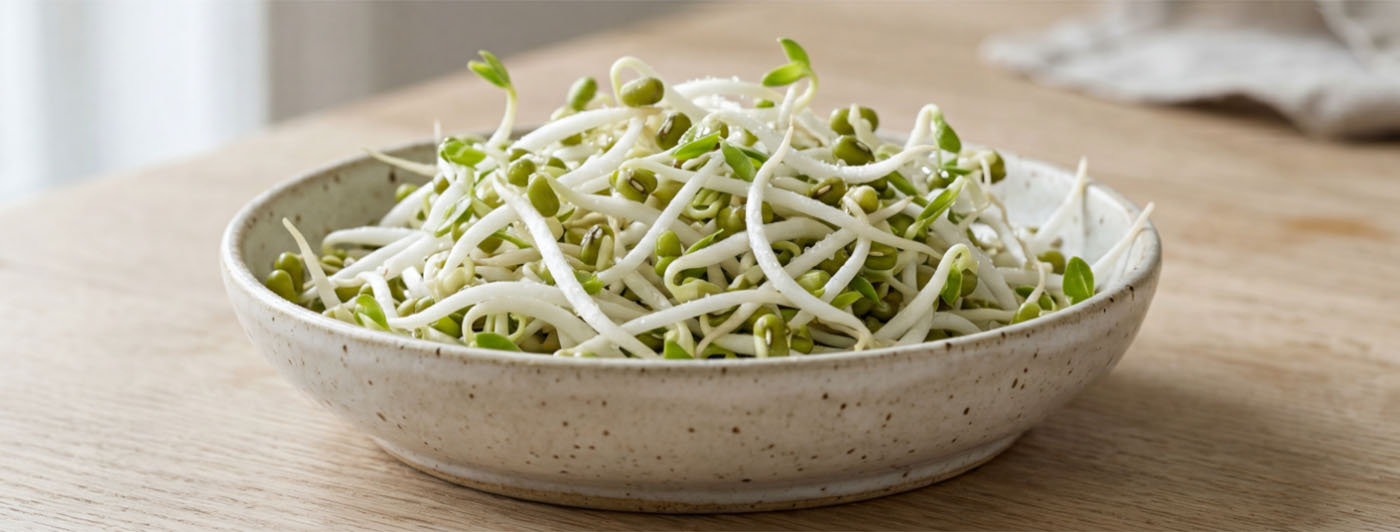
Protein in moong sprouts is one of those nutrition topics that most Indians misunderstand for the right reasons but misunderstand nutritionally. The common assumption is that sprouting dramatically increases protein — it does not. What sprouting does is meaningfully improve the quality and usability of the protein that was already there, while generating Vitamin C from zero, reducing the compounds that cause bloating, and producing anti-diabetic polyphenols that have been studied extensively for blood sugar management. For the 74 million diabetic Indians and the many more who are pre-diabetic, moong sprouts are not just a protein source — they are a functional food with measurable metabolic benefits.
How Much Protein Is in Moong Sprouts?
Moong sprouts contain 3.4g of protein per 100g fresh weight — significantly lower than unsprouted moong dal (23–24g per 100g dry), but with meaningfully higher protein bioavailability because sprouting reduces phytic acid by up to 50% and eliminates trypsin inhibitors — according to theICMR-NIN IFCT 2017. The lower per-100g figure is because moong seeds absorb water during germination and grow a shoot, increasing total mass while protein concentration per 100g falls. The total protein per seed is similar to the unsprouted form — what improves is how much of it the body can actually use.
Complete Data Breakdown: Protein in Moong Sprouts
1. Moong Sprouts Nutritional Profile per 100g
|
Nutrient |
Moong Sprouts (100g fresh) |
Moong Dal (100g dry) |
Change After Sprouting |
|
Protein |
3.4g |
23–24g |
Lower per 100g — higher bioavailability |
|
Carbohydrates |
5–6g |
59–63g |
Significantly lower |
|
Fibre |
1.5–2g |
16g |
Lower per 100g |
|
Fat |
0.2g |
1.2g |
Minimal |
|
Calories |
30 kcal |
347 kcal |
Much lower |
|
Vitamin C |
13–15mg |
0mg |
Generated during sprouting |
|
Iron |
1–1.5mg |
4.4mg |
Slightly lower per 100g but better absorbed |
|
Folate |
60–80mcg |
625mcg |
Lower per 100g |
|
GI |
~25 |
~25 (cooked) |
Maintained low |
Source: ICMR-NIN Indian Food Composition Tables 2017
2. Protein in Moong Sprouts by Serving Size
|
Serving |
Weight |
Protein |
Calories |
|
Small handful (chaat) |
50g |
1.7g |
15 kcal |
|
Standard bowl |
100g |
3.4g |
30 kcal |
|
Large bowl |
150g |
5.1g |
45 kcal |
|
Moong sprout chilla (2 pieces) |
~80g batter |
2.7g from sprouts |
~120 kcal total |
|
Moong sprouts + curd (100g each) |
200g |
3.4g + 3.5g = 6.9g |
130 kcal |
|
Moong sprouts + paneer (100g + 50g) |
150g |
3.4g + 9g = 12.4g |
180 kcal |
3. Moong Sprouts vs Other Common Sprouts
|
Sprout Variety |
Protein per 100g |
Calories |
Best For |
|
Moong sprouts |
3.4g |
30 kcal |
Diabetics, digestion, daily use |
|
Chana sprouts |
5–7g |
45 kcal |
Higher protein, folate |
|
Moth bean (matki) sprouts |
7–9g |
44 kcal |
Highest protein |
|
Lentil (masoor) sprouts |
4–5g |
38 kcal |
Iron, moderate protein |
|
Mixed sprouts |
4–6g |
40–50 kcal |
Daily variety |
For a full comparison of protein in moong sprouts vs other varieties, see oursprouts protein per 100g guide.
4. What Sprouting Does to Moong Dal's Protein
This is the section most Indian health content gets wrong. Sprouting does not increase protein per gram — it improves protein usability.
|
Effect of Sprouting |
Impact |
|
Reduces phytic acid by 30–50% |
More protein and minerals absorbed per gram eaten |
|
Eliminates trypsin inhibitors |
Digestive enzymes work more efficiently on moong protein |
|
Generates Vitamin C (0 → 13–15mg/100g) |
Enhances iron absorption from the same meal |
|
Reduces oligosaccharides |
Less bloating than cooked moong dal |
|
Produces anti-diabetic polyphenols (vitexin, isovitexin) |
Inhibits alpha-glucosidase — slows glucose absorption |
The anti-diabetic polyphenols deserve special attention. Amung bean polyphenols (PMC) confirmed that vitexin and isovitexin — generated during sprouting — show over 85% inhibitory activity against advanced glycation end-products (AGEs), directly relevant to HbA1c management.
Moong Sprouts vs Other Indian Proteins: Scored Comparison
|
# |
Parameter |
Moong Sprouts |
Verdict |
|
1 |
Protein per 100g |
3.4g |
Low — not a high-protein food by weight |
|
2 |
Protein bioavailability |
High |
Best among Indian plant foods for absorption efficiency |
|
3 |
GI |
~25 |
Lowest of any Indian food — ideal for diabetics |
|
4 |
Calories per 100g |
30 kcal |
Lowest calorie significant protein source in Indian diet |
|
5 |
Anti-diabetic compounds |
Vitexin, isovitexin |
Unique — no other Indian food has this profile |
|
6 |
Vitamin C |
13–15mg per 100g |
Generated from zero — not present in unsprouted form |
|
7 |
Digestibility |
Excellent |
Lowest bloating of any Indian legume |
|
8 |
Daily preparation |
Zero cooking needed |
Best convenience of any Indian protein food |
|
9 |
Cost |
₹5–15 per 100g sprouts |
Very affordable — grows from ₹80/kg raw moong |
|
10 |
Suitable for diabetics |
Yes — strongly |
Best daily legume food for Indian diabetics |
One-line verdict: Moong sprouts are not the highest-protein Indian food — moth bean or chana sprouts win on that. They are the best daily functional food for diabetic Indians, combining the lowest GI, the highest digestibility, unique anti-diabetic polyphenols, and zero-preparation convenience. For comparison with moong dal in its unsprouted form, read ourmoong dal protein guide.

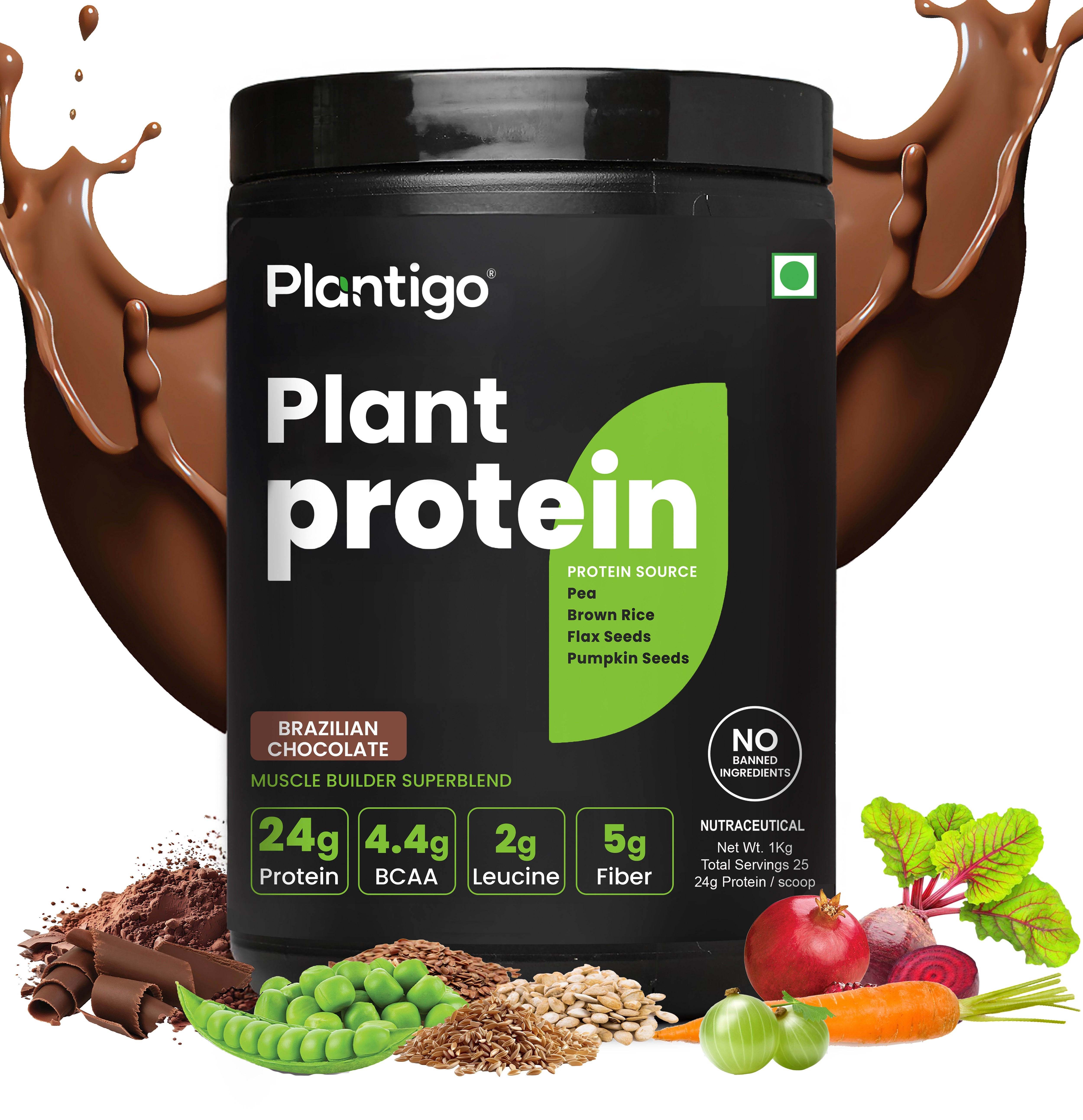
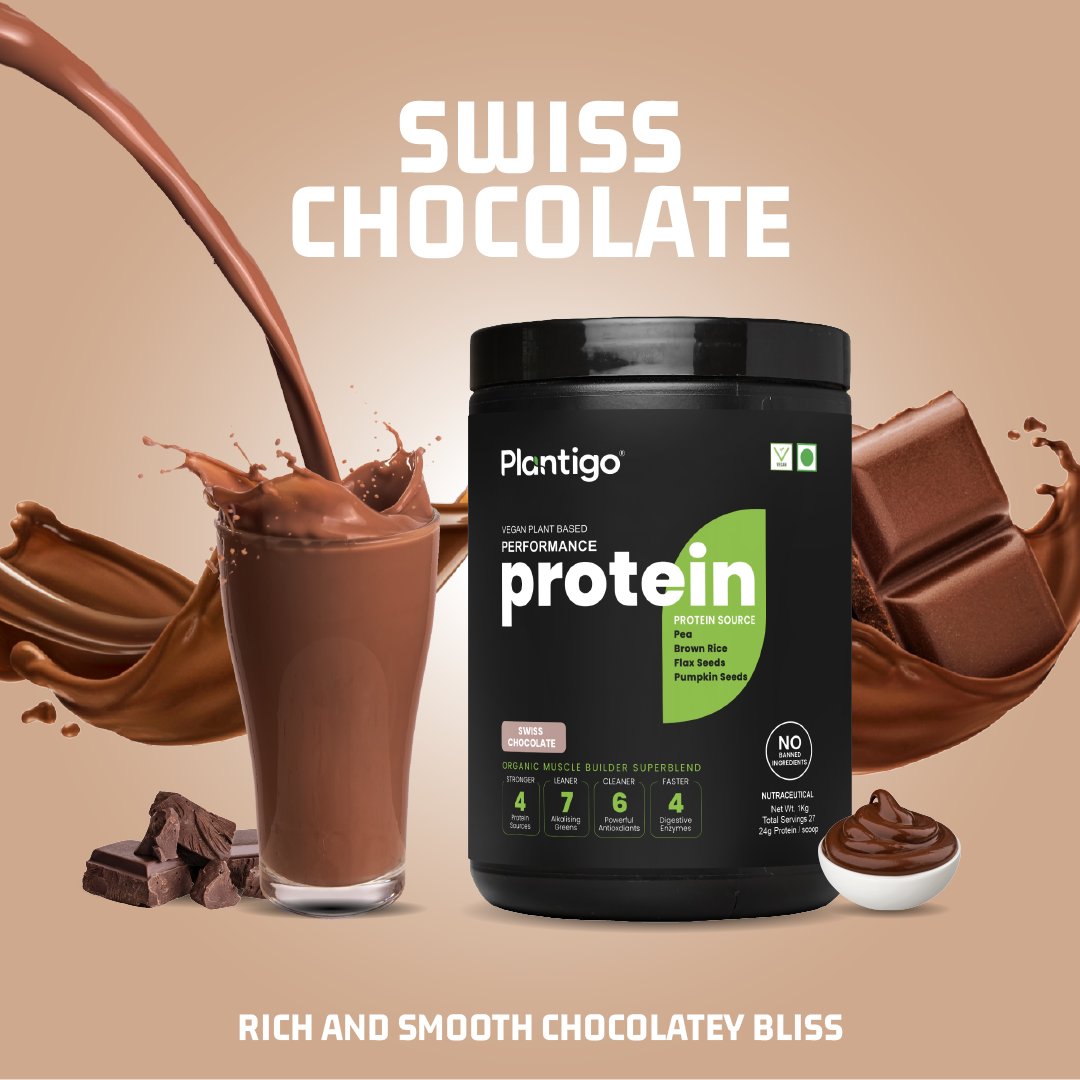
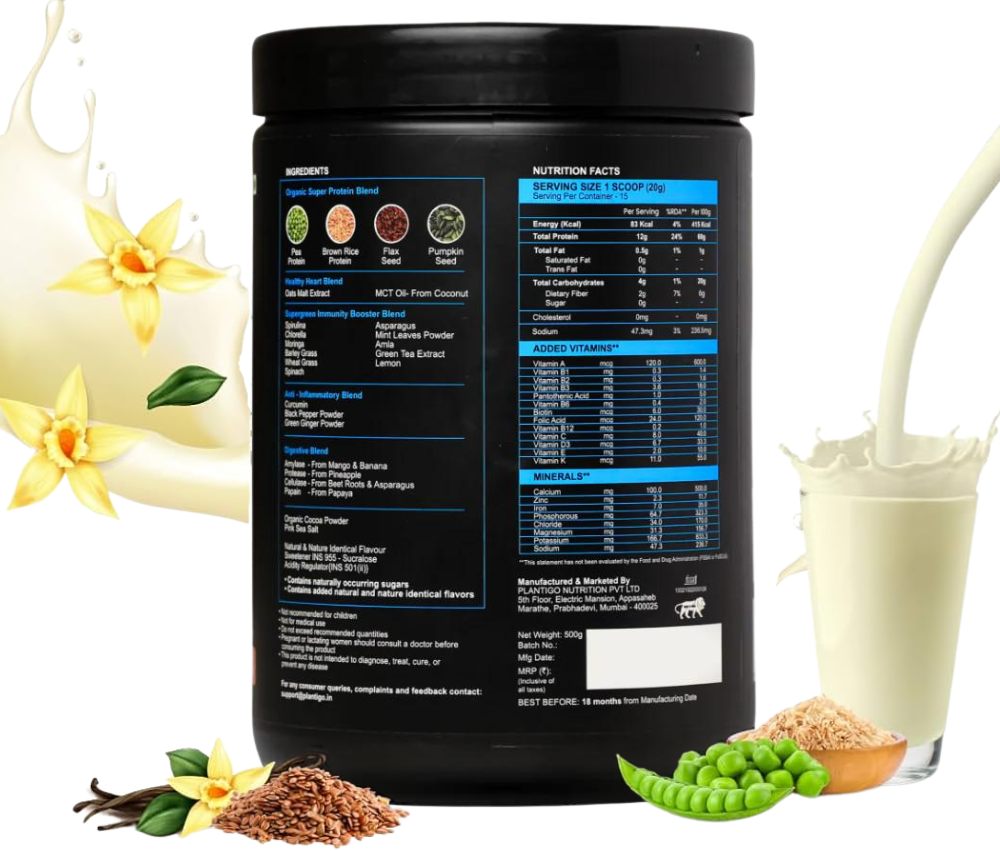
If moong sprouts and dal aren't closing your daily protein gap, Plantigo bridges it — a complete pea, rice, pumpkin seed, and flaxseed blend with all 9 essential amino acids, zero Class 2 preservatives, Eurofins-tested, and a 30-day guarantee.View Plantigo Plant-Based Protein
Benefits of Moong Sprouts for Indians

1. Best for Diabetics
Protein in moong sprouts comes with a GI of ~25 and polyphenols (vitexin, isovitexin) that inhibit alpha-glucosidase — slowing glucose absorption at the intestinal level, confirmed by asprouted mung bean GI study (PMC).
-
GI ~25 — no blood sugar spike at any reasonable serving
-
Reduces post-meal glucose spikes — directly supports HbA1c management over time
-
Zero fat, very low carbohydrates — safe at any meal for diabetic Indians
-
Zero preparation — most convenient diabetic-friendly food in the Indian kitchen
2. Easiest to Digest
Sprouting removes the oligosaccharides that cause gas after eating legumes — making protein in moong sprouts gentler on digestion than any cooked dal.
-
Lowest-bloating legume form in the Indian diet
-
Suitable for IBS, post-illness recovery, elderly adults, sensitive digestive systems
-
Trypsin inhibitor removal means digestive enzymes work at full efficiency — more protein absorbed per gram
3. Generates Vitamin C
Raw moong has zero Vitamin C. Protein in moong sprouts comes with 13–15mg Vitamin C per 100g — generated entirely during germination.
-
Doubles non-haem iron absorption when eaten alongside iron-rich foods
-
Practical daily iron booster for vegetarian Indian women — just add lemon
-
Antioxidant activity supports the anti-inflammatory polyphenols generated during sprouting
4. Lowest Calorie Protein Snack
At 30 kcal per 100g, protein in moong sprouts delivers the best calorie-to-protein ratio of any Indian snack food.
-
150g bowl = 5g protein at 45 kcal — unmatched in Indian food
-
High water content creates satiety beyond calorie count
-
Zero fat — no energy-density concern unlike nuts or seeds
-
100g before a meal reduces total calorie intake without hunger
5. Supports Recovery
Protein in moong sprouts is high in lysine and supports muscle repair — pair with 50g paneer or 1 scoop Plantigo post-workout to reach the 20–25g threshold. Read ourmoong dal post-workout guide for timing.
-
Anti-inflammatory polyphenols reduce exercise-induced oxidative stress
-
Low GI provides sustained energy — no spike-and-crash post-workout
How to Include Moong Sprouts in Your Indian Diet
1. Morning chaat (no cooking): 100g moong sprouts + chopped tomato, onion, lemon, chaat masala. 3.4g protein, 30 kcal, ready in 2 minutes. Best pre-breakfast or mid-morning snack for diabetics.
2. Add to dal: Stir 50g raw moong sprouts into any cooked dal just before serving. The residual heat softens them without destroying Vitamin C. Adds 1.7g protein and a texture contrast. See ourdal protein guide for the dal protein baseline.
3. Sprouts chilla: Blend moong sprouts with besan and spices. 2 chillas from ~80g sprout batter. See ourhigh-protein sprouts chilla recipe for exact proportions.
4. Moong sprouts + curd bowl: 100g sprouts + 150g curd = 3.4g + 5–6g = 8–9g protein at 130 kcal. Works as a light dinner or mid-morning meal for diabetics managing calorie intake.
5. Sprouted moong salad: 100g moong sprouts + cucumber + pomegranate seeds + lemon + black salt. The pomegranate adds Vitamin C — doubling iron absorption from the sprouts.
6. Ragi + moong sprouts combination: Mix sprouted moong into ragi dosa batter — the lysine from moong complements ragi's amino acid profile. Refer to ourragi protein guide for ragi's nutritional baseline.
Moong Sprouts for Diabetics: A Specific Guide
This section addresses the four most practical questions Indian diabetics are actually searching:
Do moong sprouts increase blood sugar? No — at a GI of ~25 and with alpha-glucosidase inhibitors that slow carbohydrate digestion, moong sprouts have one of the lowest glycaemic impacts of any food in the Indian diet. Multiple PMC studies confirm that mung bean and sprout preparations consistently lower rather than raise post-meal blood glucose.
Can I eat moong sprouts daily if I am diabetic? Yes — 100–200g daily is appropriate and beneficial. The anti-diabetic polyphenols accumulate their effect over time — daily consumption supports better glycaemic control more effectively than occasional eating.
Can moong sprouts help reduce HbA1c? Regular consumption can support HbA1c management indirectly by reducing post-meal glucose spikes — which are the primary driver of HbA1c elevation over 3 months. They are not a medical treatment and do not replace medication, but as a daily food habit, the polyphenol activity and low GI make them one of the most evidence-based dietary choices for HbA1c management among Indian plant foods.
When is the best time for diabetics to eat moong sprouts? Morning (pre-breakfast or breakfast) and evening (pre-dinner snack) are the most effective timings — replacing high-GI snacks at the two meal gaps where blood sugar tends to spike most in type 2 diabetics.
The Bottom Line
Protein in moong sprouts is 3.4g per 100g — modest by weight, but the most bioavailable of any Indian legume because sprouting removes the compounds that block absorption. For daily protein density, moth bean or chana sprouts deliver more per 100g. For diabetic Indians, moong sprouts are in a category of their own — the lowest GI food in the Indian diet, with anti-diabetic polyphenols that no other Indian snack food replicates, at 30 kcal per 100g and zero preparation required.
Eat them daily. The protein they contribute is modest. The metabolic benefit they deliver — particularly for the 74 million diabetic Indians and the many more managing blood sugar — is disproportionate to their size.
Frequently Asked Questions
1. How much protein is in 100g of moong sprouts?
3.4g per 100g fresh weight, per ICMR-NIN IFCT 2017. Lower than moong dal but higher bioavailability due to reduced phytic acid after sprouting.
2. Can diabetic patients eat moong sprouts?
Yes — GI of ~25 and anti-diabetic polyphenols (vitexin, isovitexin) that slow glucose absorption make daily consumption beneficial for blood sugar management.
3. Do moong sprouts increase blood sugar?
No — GI ~25 and alpha-glucosidase inhibition give moong sprouts one of the lowest glycaemic impacts of any Indian food.
4. Who should not eat moong sprouts?
Pregnant women, elderly, and immunocompromised individuals should eat them lightly cooked; kidney disease patients should moderate intake due to potassium content.
5. Can we eat 100g of moong sprouts daily?
Yes — 100–200g daily is safe for most adults; for diabetics it is specifically recommended as polyphenol benefits accumulate with regular intake.
6. How to reduce HbA1c naturally with diet?
Daily moong sprouts, replacing refined carbs with ragi or oats, increasing protein intake, and physical activity is the most evidence-based dietary approach for Indian adults.
External Sources
-
ICMR-NIN —Indian Food Composition Tables 2017
Disclaimer: This article is for educational purposes only. If you have diabetes, kidney disease, digestive issues, are pregnant, or are on medication, consult your doctor or dietitian before making major dietary changes.