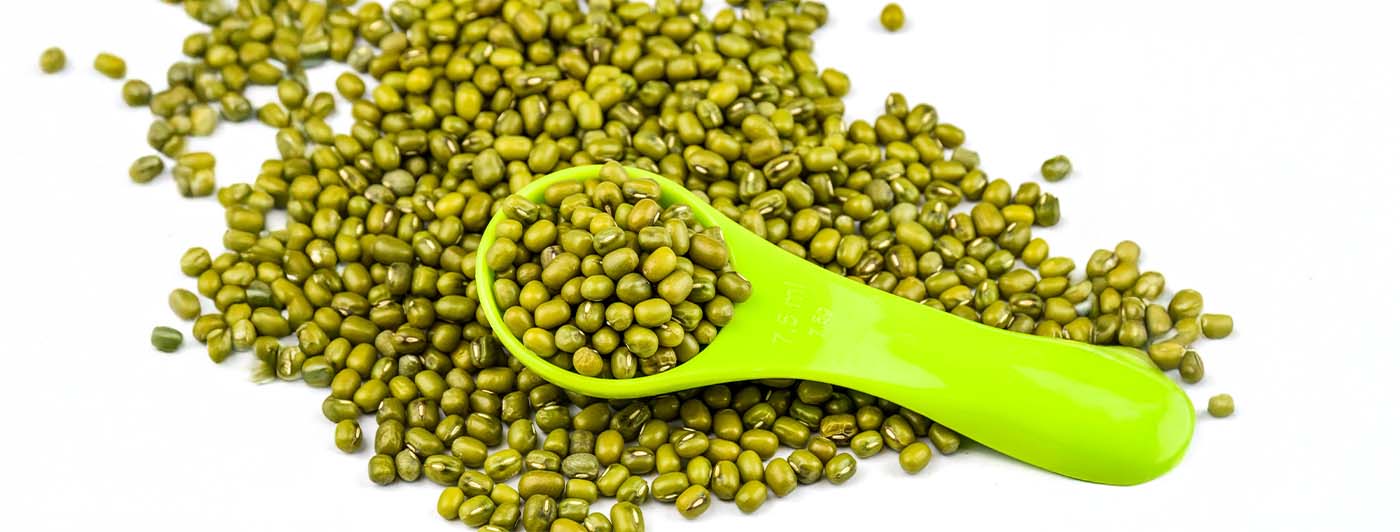
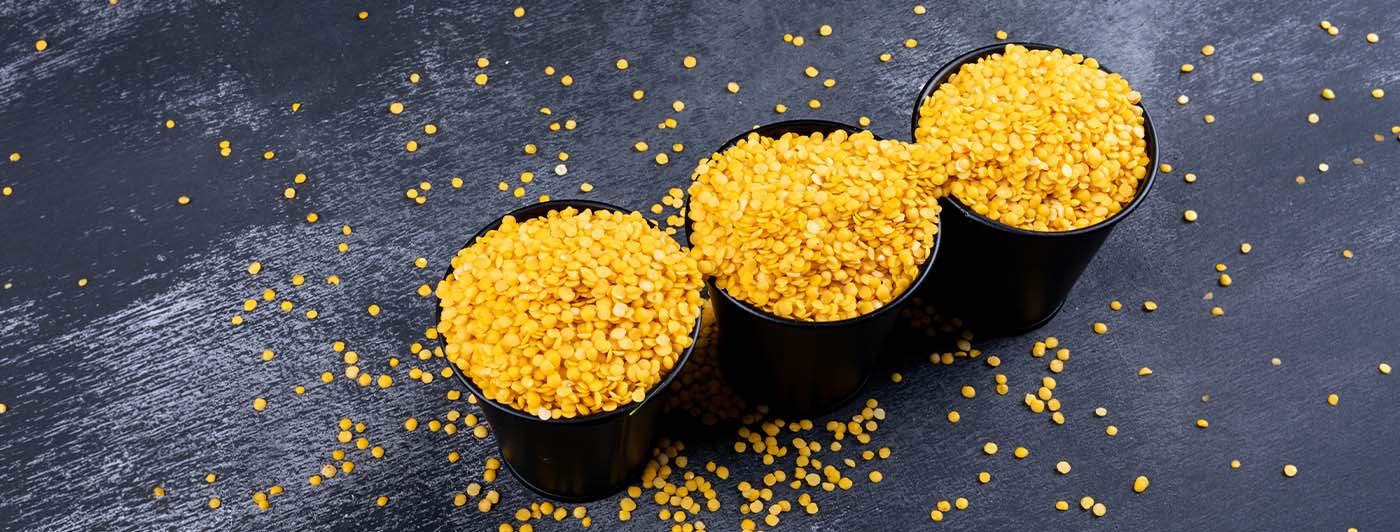
Yellow moong dal — split, hulled, and golden — is the moong dal most Indian households mean when they say "moong dal." It cooks in under 15 minutes without soaking, sits light in the stomach, and forms the base of khichdi, dal fry, cheela, and the classic invalid diet. For anyone tracking daily protein, the question is straightforward: how much protein does yellow moong dal protein per 100g actually deliver, how does it compare to green moong and other dals, and is it the right choice for diabetics? This article addresses all three.
How Much Protein Does Yellow Moong Dal Have per 100g?
Yellow moong dal protein per 100g is approximately 24.5g raw and 7g cooked — similar to other moong forms but with slightly higher protein concentration in raw form because dehulling and splitting removes the fibrous outer husk, concentrating protein per gram — according to theICMR-NIN IFCT 2017. A standard 150g katori of cooked yellow moong dal delivers 10–11g protein. Aglycaemic diet and T2DM (PMC 2023) confirms yellow moong dal's nutritional profile at 24.5g protein, 8.2g fibre, and 59.9g carbohydrates per 100g raw.
Complete Data Breakdown: Yellow Moong Dal Protein
1. Protein by Form and Serving Size
|
Form/Serving |
Protein |
Calories |
Notes |
|
Raw yellow moong dal (100g) |
24.5g |
347–348 kcal |
Dehulled, split — slightly higher concentration than whole |
|
Cooked yellow moong dal (100g) |
7g |
105 kcal |
Standard boiled |
|
1 katori cooked (150g) |
10–11g |
157 kcal |
Standard daily serving |
|
200g cooked (double serving) |
14–15g |
210 kcal |
Safe for most healthy adults |
|
Khichdi (100g rice + 50g dal, cooked) |
5g rice + 12g dal = 17g |
~350 kcal |
Most protein-complete one-pot meal |
Source: ICMR-NIN IFCT 2017
2. Full Nutritional Profile per 100g (Raw)
|
Nutrient |
Yellow Moong Dal |
|
Protein |
24.5g |
|
Carbohydrates |
59.9g |
|
Fibre |
8.2g |
|
Fat |
1.2g |
|
Calories |
347–348 kcal |
|
Iron |
4.4mg |
|
Magnesium |
170mg |
|
Folate |
520–600mcg |
|
Potassium |
1,100mg |
|
GI (cooked) |
39–50 (low-moderate) |
Yellow moong dal has less fibre than whole green moong (8.2g vs 16g per 100g raw) because dehulling removes the husk — but this is also what makes it faster to cook and easier to digest.
3. Yellow Moong Dal vs Green Moong Dal vs Other Dals
|
Dal |
Protein per 100g Raw |
Fibre |
GI (cooked) |
Best For |
|
Yellow moong dal |
24.5g |
8.2g |
39–50 |
Daily use, khichdi, fastest cooking |
|
Green moong dal (whole) |
24g |
16g |
26–50 |
Diabetics, higher fibre |
|
Masoor dal |
25g |
11g |
~31 |
Iron, weight loss |
|
Toor dal |
21–22g |
15g |
~29 |
Most common Indian dal |
|
Urad dal |
24–25g |
18g |
~43 |
Highest calcium, south Indian use |
|
Chana dal |
19g |
17g |
8 |
Lowest GI of all dals |
Yellow moong dal is not the highest-protein dal — masoor edges ahead slightly. What sets it apart is the combination of speed (no soaking needed), digestibility (dehulled), moderate GI (39–50), and high folate. For a full ranking of which dal has the highest protein, see ourdal protein per 100g guide.
Yellow Moong Dal vs Other Indian Proteins: Scored Comparison
|
# |
Parameter |
Yellow Moong Dal |
Verdict |
|
1 |
Protein per 100g raw |
24.5g |
Mid-range — masoor slightly higher |
|
2 |
Protein per katori cooked |
10–11g |
Comparable to most Indian dals |
|
3 |
GI |
39–50 |
Low-moderate — safe for diabetics |
|
4 |
Cooking time |
10–15 min no soak |
Fastest of all common Indian dals |
|
5 |
Digestibility |
Excellent (dehulled) |
Best among dals for sensitive digestion |
|
6 |
Fibre per 100g raw |
8.2g |
Lower than whole green moong (16g) |
|
7 |
Folate |
520–600mcg |
High — comparable to green moong |
|
8 |
Best for |
Daily dal, khichdi, cheela, sick-day diet |
Most versatile everyday Indian dal |
|
9 |
Protein completeness |
Incomplete (low methionine) |
Pair with rice or roti |
|
10 |
Best preparation for diabetics |
Standard boiled or khichdi |
Moderate GI, high protein + fibre |
One-line verdict: Yellow moong dal protein per 100g is among the highest of Indian dals with the fastest cooking time and best digestibility. For diabetics, it is the most practical everyday dal — moderate GI, high folate, easy on the stomach, and no overnight soaking required.

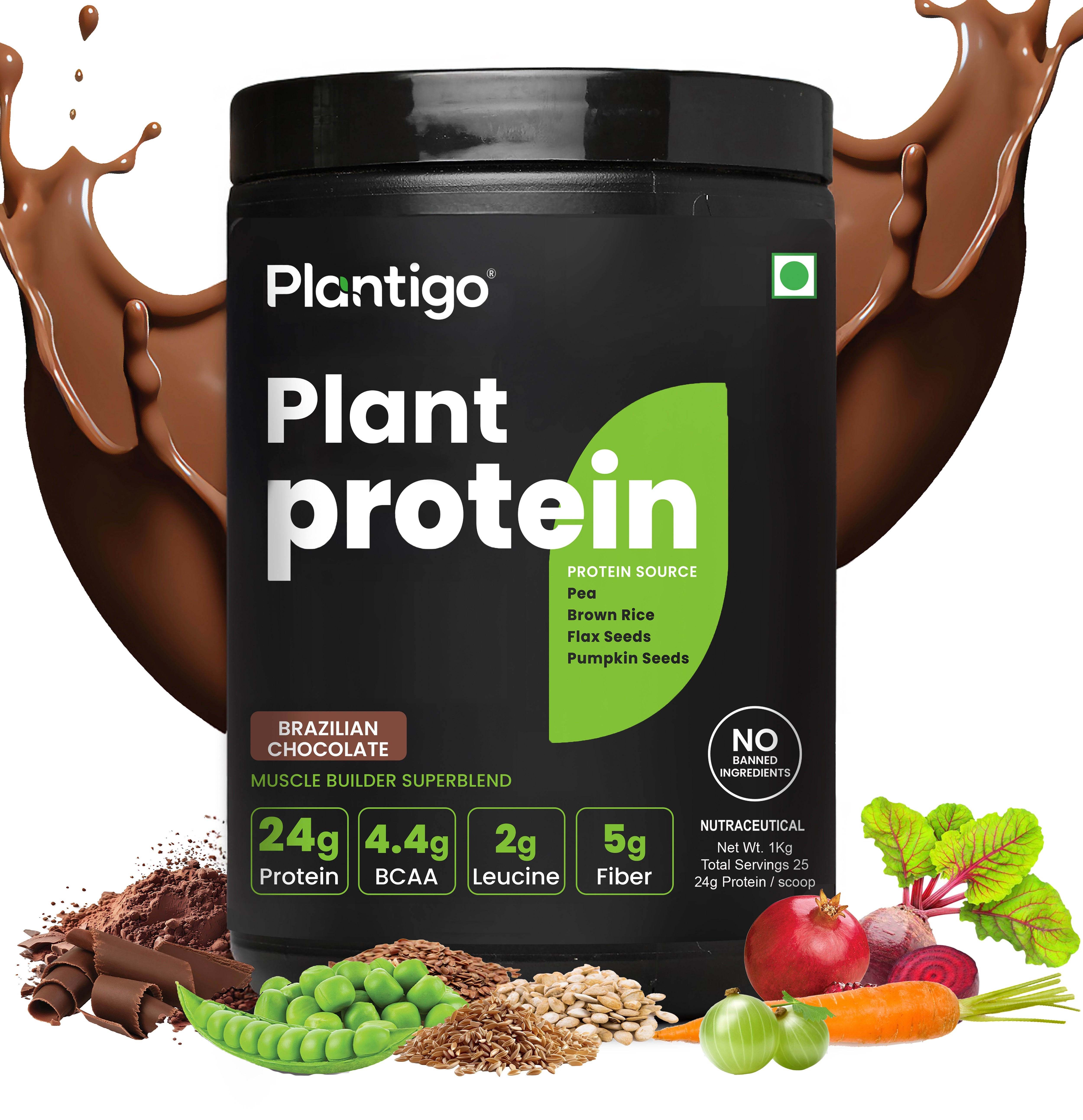
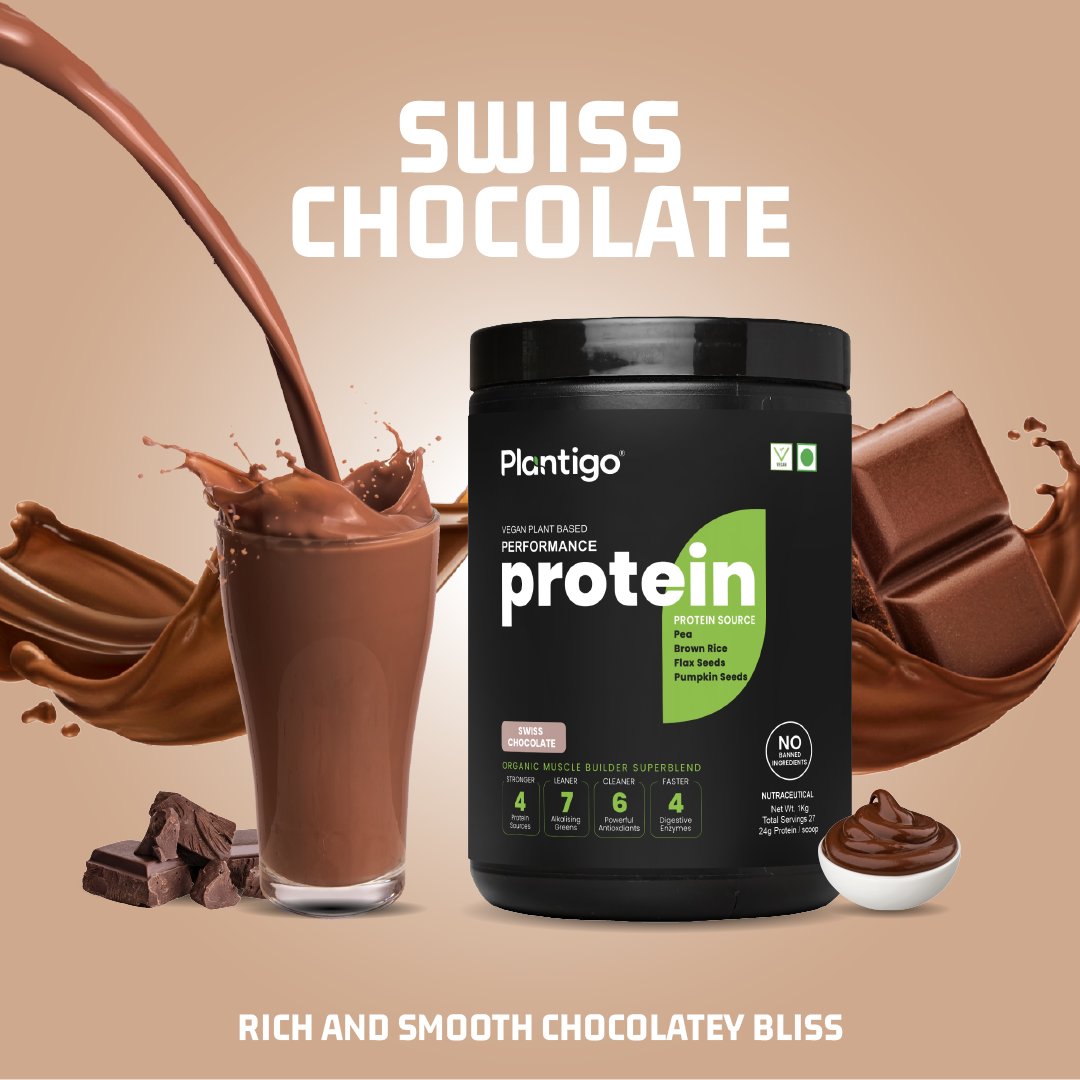
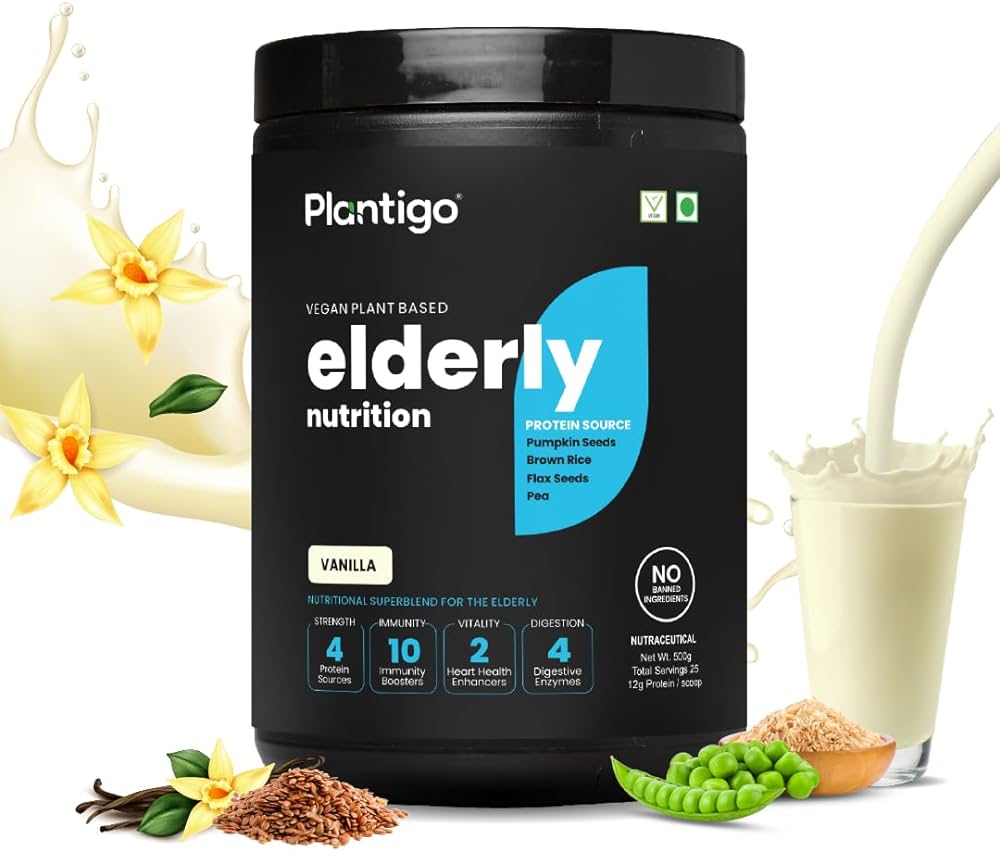
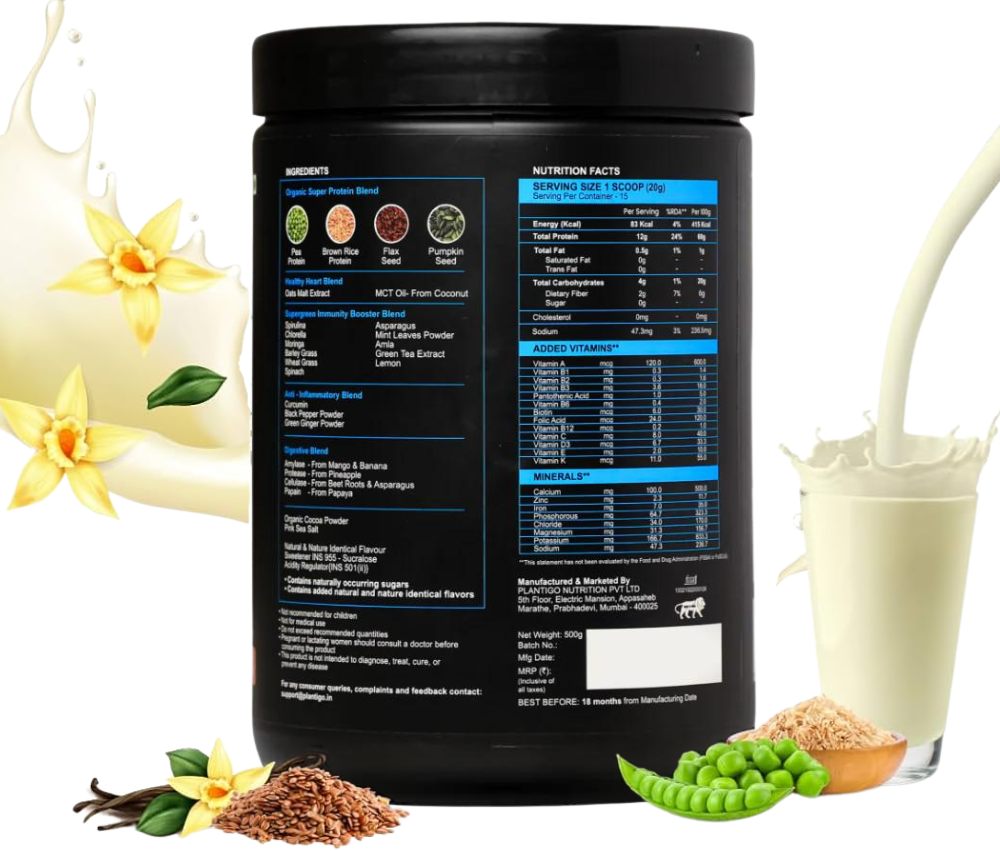
If yellow moong dal alone isn't closing your daily protein gap, Plantigo bridges it — a complete pea, rice, pumpkin seed, and flaxseed blend with all 9 essential amino acids, zero Class 2 preservatives, Eurofins-tested, and a 30-day guarantee.View Plantigo Plant-Based Protein
Benefits of Yellow Moong Dal for Indians

1. Fastest to Cook
No soaking, 10–15 minutes to cook — yellow moong dal delivers 10–11g protein per katori faster than any other Indian legume.
-
Practical for daily cooking without advance planning
-
Ideal for working adults, students, and elderly Indians who need quick, light meals
2. Easiest to Digest
Dehulling removes the fibrous outer husk — the primary cause of bloating and gas in whole legumes.
-
Recommended as the first dal for infants, post-surgery patients, and illness recovery
-
Lower oligosaccharide content than whole dals — significantly less gas
3. Safe for Diabetics
GI of 39–50 places yellow moong dal firmly in the low-to-moderate category, confirmed by aglycaemic diet and T2DM (PMC 2023).
-
High protein + fibre combination slows gastric emptying and glucose absorption
-
Amung bean glucose study (PMC 2024) confirmed mung bean supplementation improved lipid and glucose metabolism in diabetic models
-
Safe for daily consumption at 150–200g cooked without significant blood sugar impact
4. High Folate
520–600mcg folate per 100g raw — critical for pregnant women, those planning pregnancy, and adults managing cardiovascular risk.
-
1 katori covers approximately 55–65% of the daily 400mcg folate requirement
-
Iron (4.4mg/100g) alongside folate makes yellow moong dal important for anaemia management
How to Include Yellow Moong Dal in Your Diet
1. Plain dal (daily): 1 katori (150g cooked) = 10–11g protein. The most efficient daily preparation — temper with cumin, turmeric, and ginger.
2. Moong dal khichdi: 50g dry dal + 100g dry rice, pressure-cooked = 12g protein from dal + 5g from rice = 17g complete protein per 300g cooked serving. The most protein-complete one-pot Indian meal. For the rice contribution, ourdal protein guide covers the full dal-rice combination.
3. Moong dal cheela: 50g dry yellow moong dal batter = 12.5g protein in 2 cheelas. Faster than idli, more protein than poha. For a recipe, see ourprotein-rich moong dal cheela guide.
4. Moong dal soup: Thin, seasoned with lemon and coriander — ideal post-illness or light dinner. 200g cooked = 14–15g protein at ~210 kcal.
5. Add Plantigo to dal: 1 scoop stirred into tempering before serving adds 25g protein to the katori invisibly — pushing the meal from 10–11g to 35–36g.
Yellow Moong Dal for Diabetics: A Specific Guide
Can diabetic patients eat moong dal? Yes — yellow moong dal's GI of 39–50 and high protein + fibre content make it one of the safest daily legumes for blood sugar management.
Which dal is best for diabetics? Chana dal has the lowest GI (8) making it the most blood-sugar-safe. Yellow moong dal is the most practical — faster to cook, easier to digest daily, and with comparable protein per serving.
Can we eat 200g moong dal daily? Yes — 200g cooked (about 1.5 large katoris) delivers 14–15g protein and is safe for most healthy adults. Those with kidney disease should moderate due to potassium content (1,100mg/100g raw).
How to reduce HbA1c naturally? Consistent low-GI eating over 3 months reduces post-meal glucose spikes — the primary driver of HbA1c. Daily yellow moong dal, replacing refined carbs with khichdi, increasing overall protein intake, and physical activity form the most evidence-based approach.
The Bottom Line
Yellow moong dal protein per 100g is 24.5g raw and 7g cooked — comparable to most Indian dals, with the highest practical advantage being speed (no soaking, 10–15 minutes) and digestibility (dehulled). For daily Indian use, it is the most convenient high-protein dal available. For diabetics, its moderate GI of 39–50, combined with mung bean's documented benefits on lipid and glucose metabolism, makes it a safe and practical daily choice. One katori at lunch and one at dinner covers 20–22g protein toward the daily target — a meaningful base before supplements and other protein foods contribute.
Frequently Asked Questions
1. How much protein is in 100g of yellow moong dal?
24.5g per 100g raw and 7g per 100g cooked, per ICMR-NIN IFCT 2017. A standard 150g katori delivers 10–11g protein.
2. Can diabetic patients eat moong dal?
Yes — yellow moong dal has a GI of 39–50 and is confirmed safe for diabetics in a 2023 PMC glycaemic diet study; its protein and fibre slow glucose absorption significantly.
3. Which dal has the highest protein per 100g?
Masoor dal (25g) edges ahead, followed by yellow moong (24.5g), urad (24–25g), and toor (21–22g). For a full ranking, see ourdal protein guide.
4. Can we eat 200g of moong dal daily?
Yes — 200g cooked daily is safe and delivers 14–15g protein; kidney disease patients should moderate due to high potassium content.
5. How to reduce HbA1c naturally?
Daily low-GI foods like yellow moong dal, replacing refined carbs with khichdi, increasing protein intake, and physical activity is the most evidence-based dietary approach.
6. How to get 80–100g protein a day from an Indian vegetarian diet?
2 katoris yellow moong dal (20–22g) + 100g paneer (18–20g) + 50g roasted chana (12.5g) + 2 scoops Plantigo (50g) = 100–104g daily.
External Sources
-
ICMR-NIN —IFCT 2017
Disclaimer: This article is for educational purposes only. If you have diabetes, kidney disease, digestive issues, are pregnant, or are on medication, consult your doctor or dietitian before making major dietary changes.