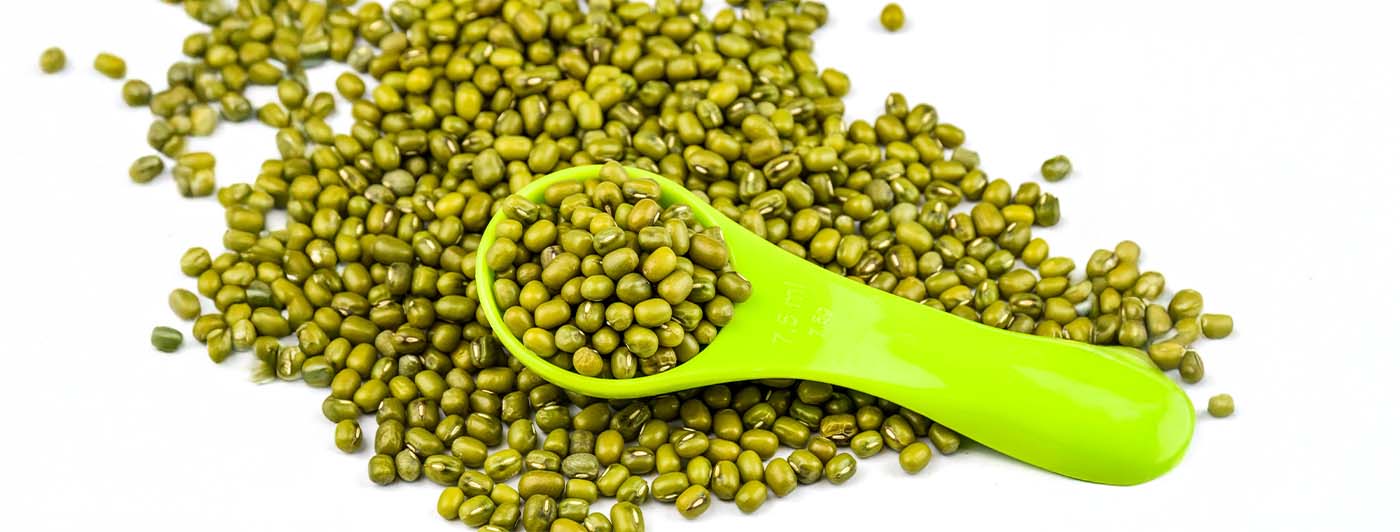
Green moong dal — whole sabut moong with its dark green husk intact — is the version most Indian households reach for during illness, fasting, or when they want something that sits light in the stomach. It is also one of the most searched legumes for protein content, yet most articles repeat the same raw-vs-cooked numbers without addressing the question that actually matters for daily use: which preparation method gives you the most usable protein with the least blood sugar impact. A 2024 study answers this directly, and it changes how green moong dal should be cooked.
How Much Protein Is in Green Moong Dal per 100g?
Green moong dal protein per 100g is approximately 24g raw and 7–8g once cooked — the drop reflects water absorption during cooking, not protein loss, according to theICMR-NIN IFCT 2017. A standard 150g katori of cooked green moong dal delivers 10–12g protein. What most articles miss is that how you cook it changes more than the protein number — a 2024 study found germinated and steamed mung bean had the lowest glycaemic index of any preparation method tested, a detail with direct relevance for diabetics.
Complete Data Breakdown: Green Moong Dal Protein
1. Protein by Form and Preparation
|
Form |
Protein per 100g |
Notes |
|
Raw whole green moong (sabut) |
24g |
Husk intact — highest fibre of all moong forms |
|
Cooked green moong dal |
7–8g |
Standard boiled preparation |
|
Sprouted green moong |
3.2–3.8g (fresh weight) |
Lower concentration, higher bioavailability |
|
Pressure-cooked |
7–8g |
Highest starch digestion rate of cooked forms |
|
Germinated + steamed |
7–8g |
Lowest GI among all preparations — see Section 3 |
Source: ICMR-NIN IFCT 2017
2. Full Nutritional Profile per 100g (Raw)
|
Nutrient |
Green Moong Dal (Raw, per 100g) |
|
Protein |
24g |
|
Carbohydrates |
62–63g |
|
Fibre |
16g |
|
Fat |
1.2g |
|
Calories |
347 kcal |
|
Folate |
625mcg |
|
Iron |
6.7mg |
|
Magnesium |
189mg |
|
Phosphorus |
367mg |
|
Potassium |
1,246mg |
Folate at 625mcg per 100g is among the highest of any Indian legume — a 150g cooked katori delivers approximately 270mcg, covering over 60% of the daily 400mcg requirement.
3. The 2024 Study: Which Cooking Method Is Best for Diabetics?
This is the section that differentiates green moong dal protein from a database entry into something practically useful. A 2024 Frontiers in Nutrition study tested multiple cooking and storage methods on mung bean and measured the resulting glycaemic index and glycaemic load:
|
Preparation Method |
Glycaemic Index |
Glycaemic Load |
Verdict |
|
Germinated + steamed |
26.28 |
18.14 |
Lowest GI — best for diabetics |
|
Pressure-cooked |
Higher |
Higher |
Faster starch digestion — higher glucose response |
|
Boiled (standard) |
Moderate |
Moderate |
Most common method — acceptable but not optimal |
The study attributed the low GI of germinated and steamed mung bean to high resistant starch and insoluble fibre content, which slow down starch digestion significantly compared to pressure-cooking.
Practical takeaway: for diabetics specifically, sprouting green moong dal before steaming (rather than pressure-cooking it dry) measurably lowers the blood sugar impact of the same food.
Green Moong Dal vs Other Indian Legumes: Scored Comparison
|
# |
Parameter |
Green Moong Dal |
Verdict |
|
1 |
Protein per 100g raw |
24g |
Mid-range — masoor (25g) and urad (24–25g) comparable |
|
2 |
Protein per 100g cooked |
7–8g |
Comparable to most cooked legumes |
|
3 |
Fibre per 100g raw |
16g |
High — among the best of common Indian dals |
|
4 |
Folate |
625mcg |
Highest among commonly eaten Indian legumes |
|
5 |
True protein digestibility |
84% |
Comparable to chickpea (83%); higher than most plant proteins |
|
6 |
GI (germinated + steamed) |
26.28 |
Lowest of any tested mung bean preparation |
|
7 |
Digestibility (whole food) |
Excellent |
Lowest-bloating legume in Indian diet |
|
8 |
Antinutrient content |
Low |
Lower phytic acid and trypsin inhibitors than most legumes |
|
9 |
Iron |
6.7mg per 100g |
Strong — useful for vegetarian anaemia management |
|
10 |
Best preparation for diabetics |
Germinated + steamed |
Backed by 2024 cooking-method study |
One-line verdict: Green moong dal protein per 100g sits in the same range as most Indian legumes, but its true protein digestibility (84%) and the 2024 cooking-method data make it one of the most diabetes-practical legumes when prepared correctly — germinated and steamed, not pressure-cooked dry.

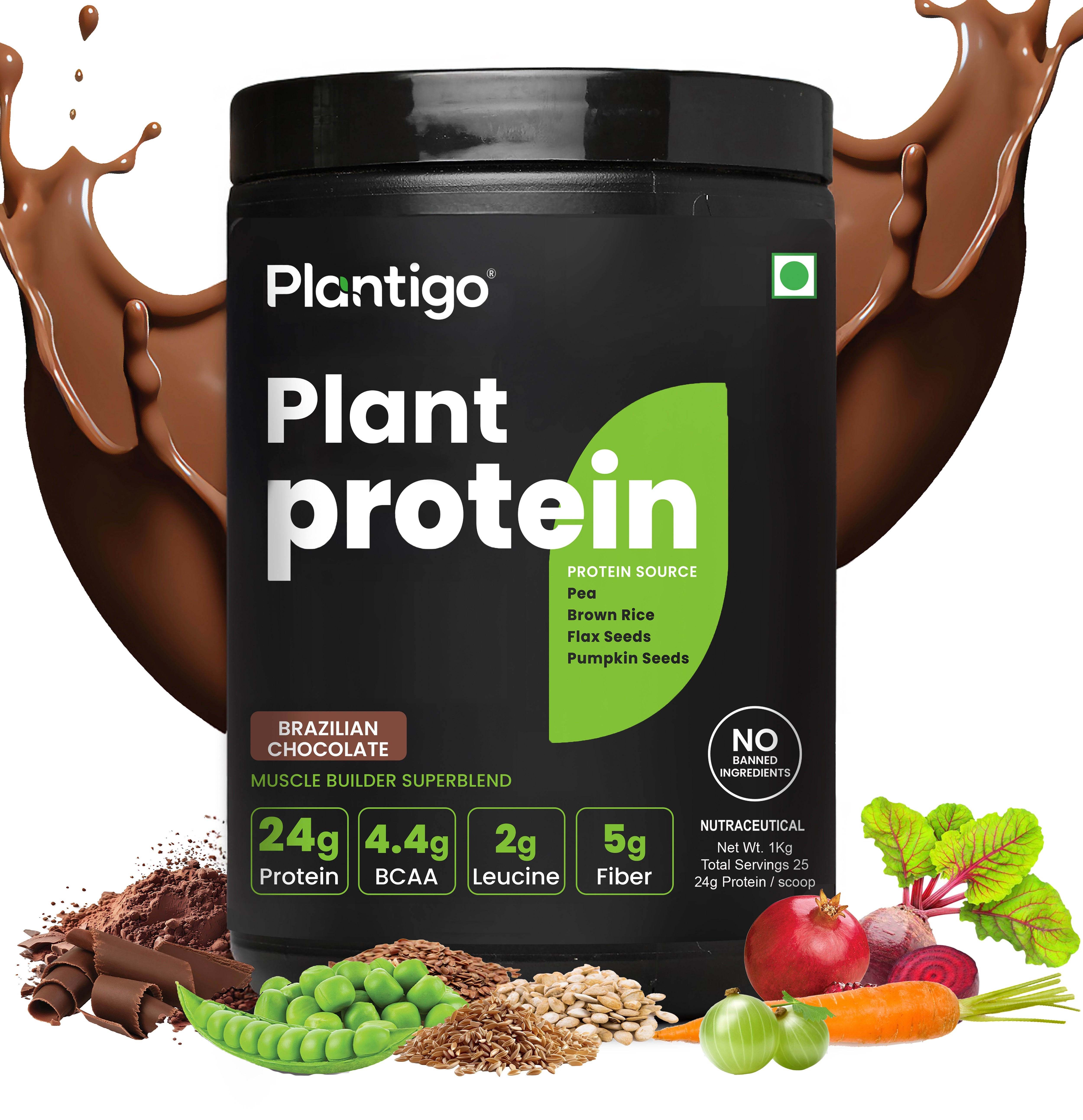
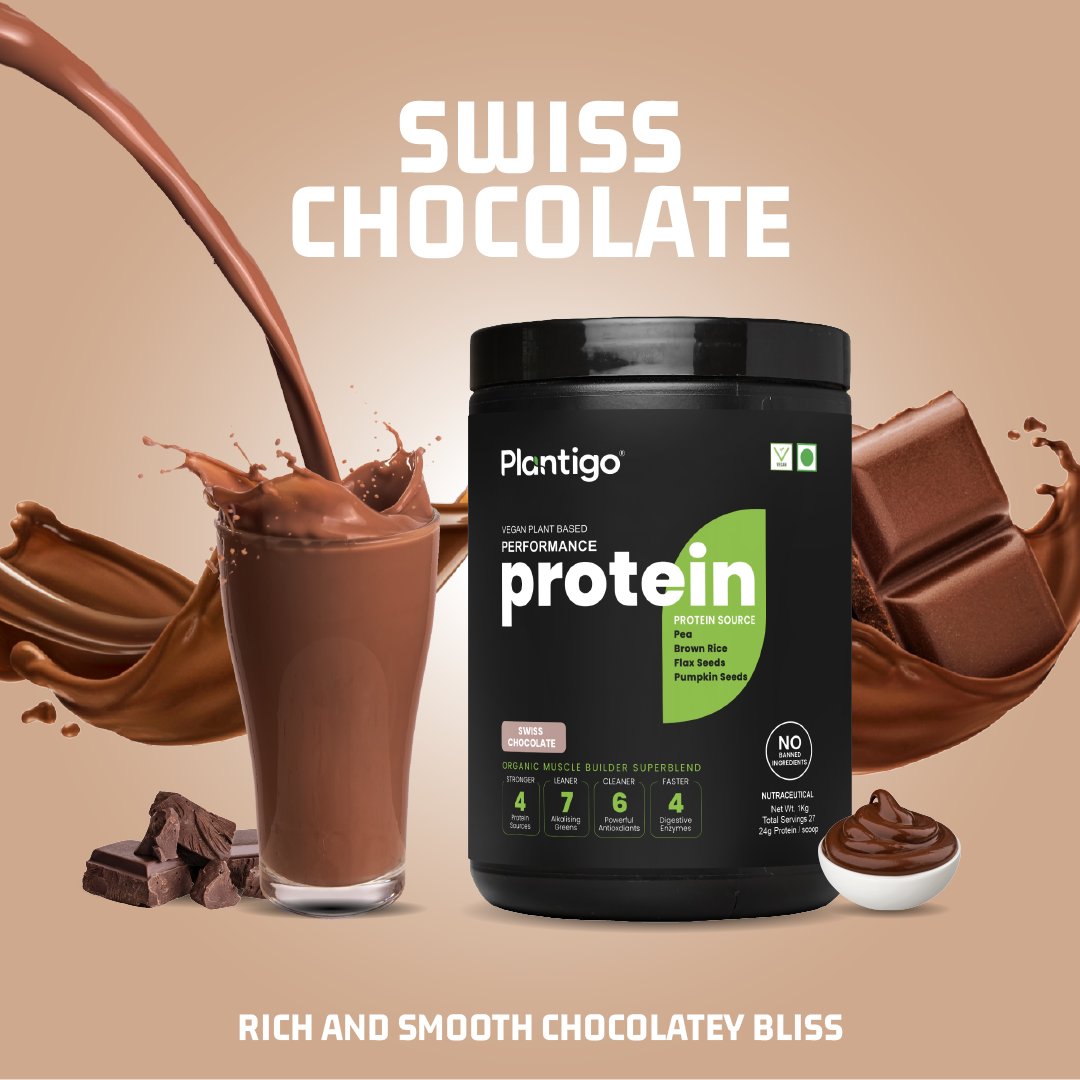
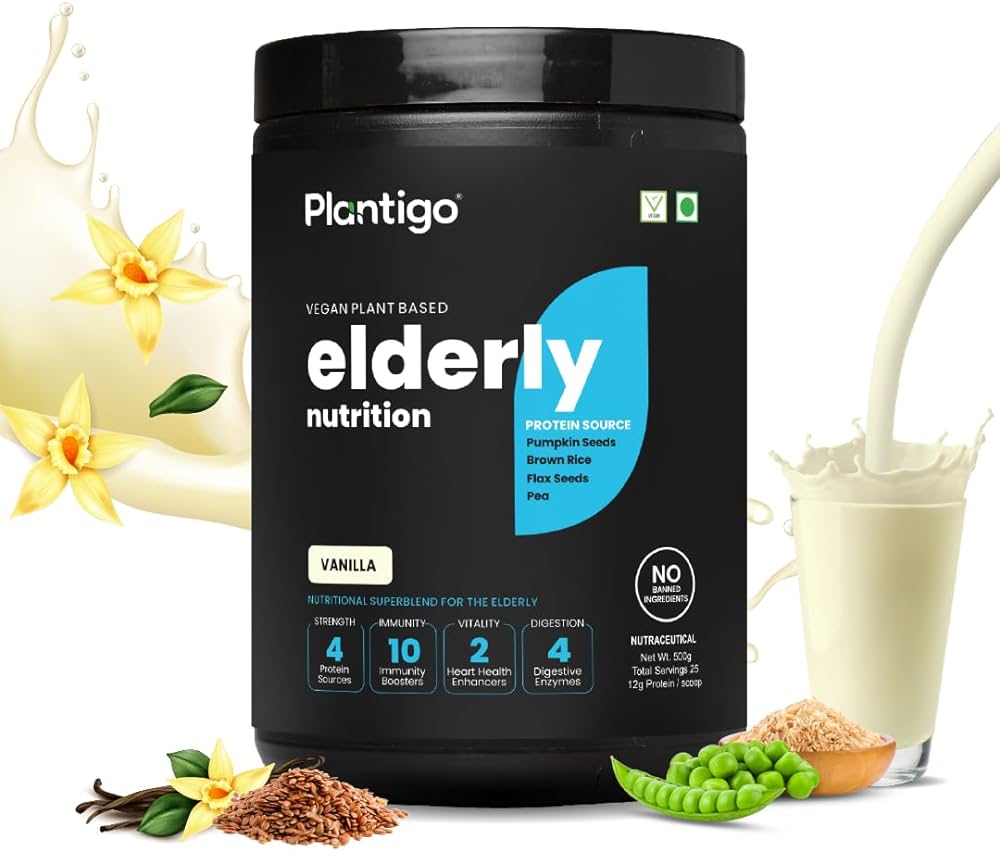
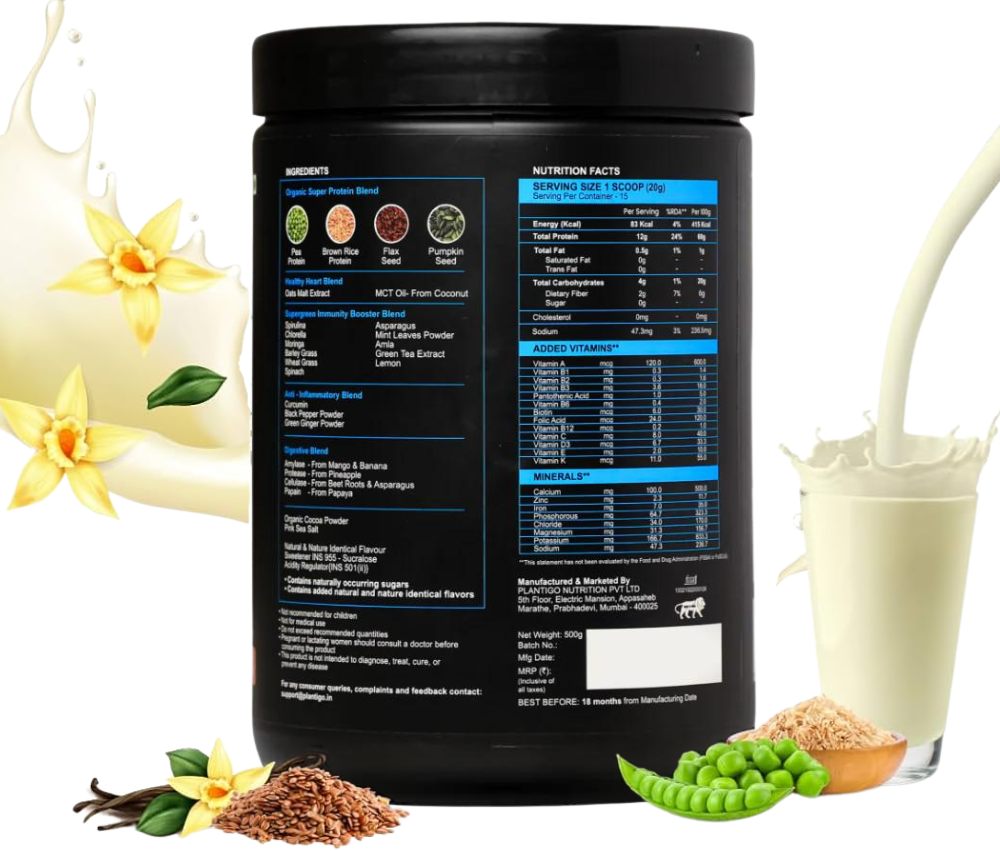
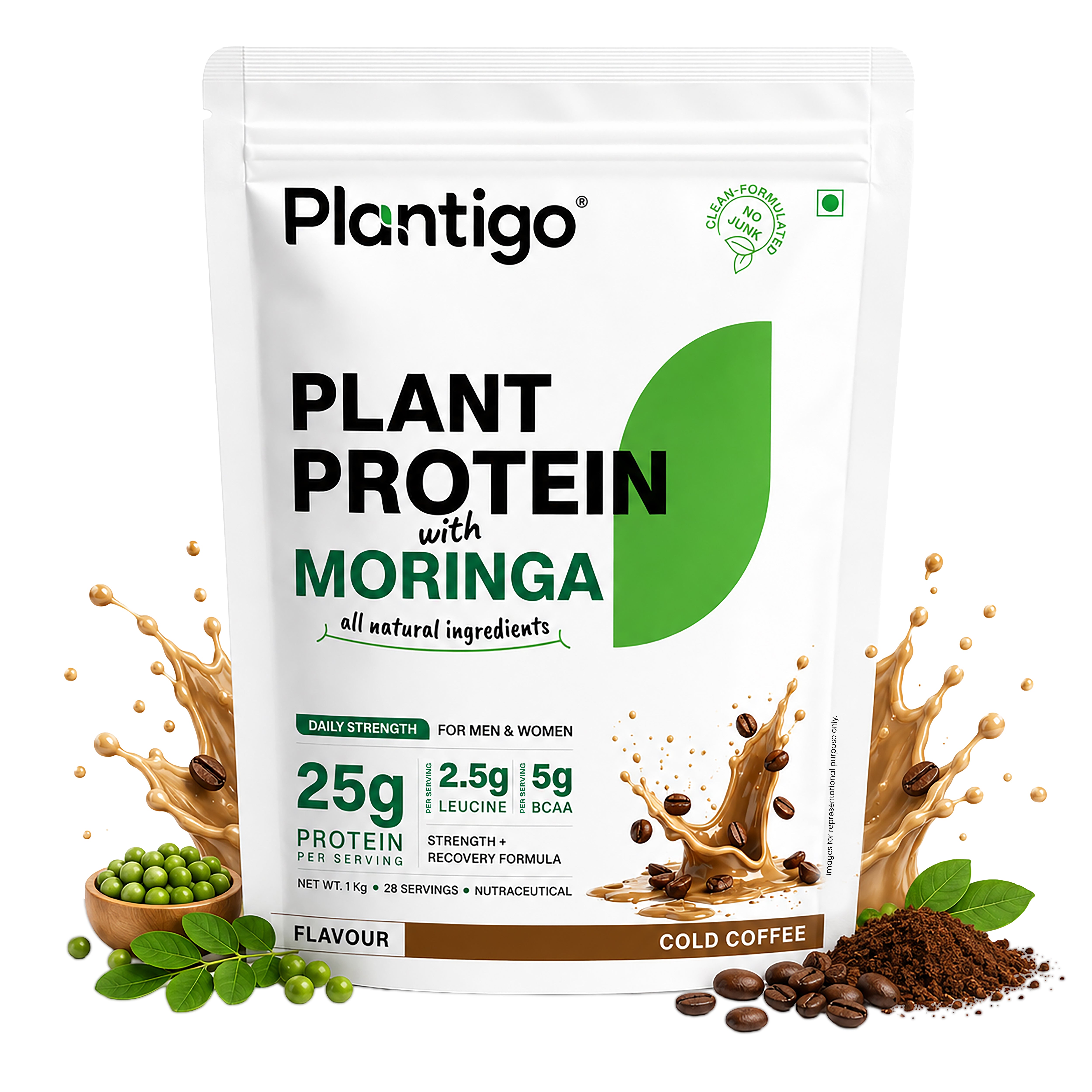
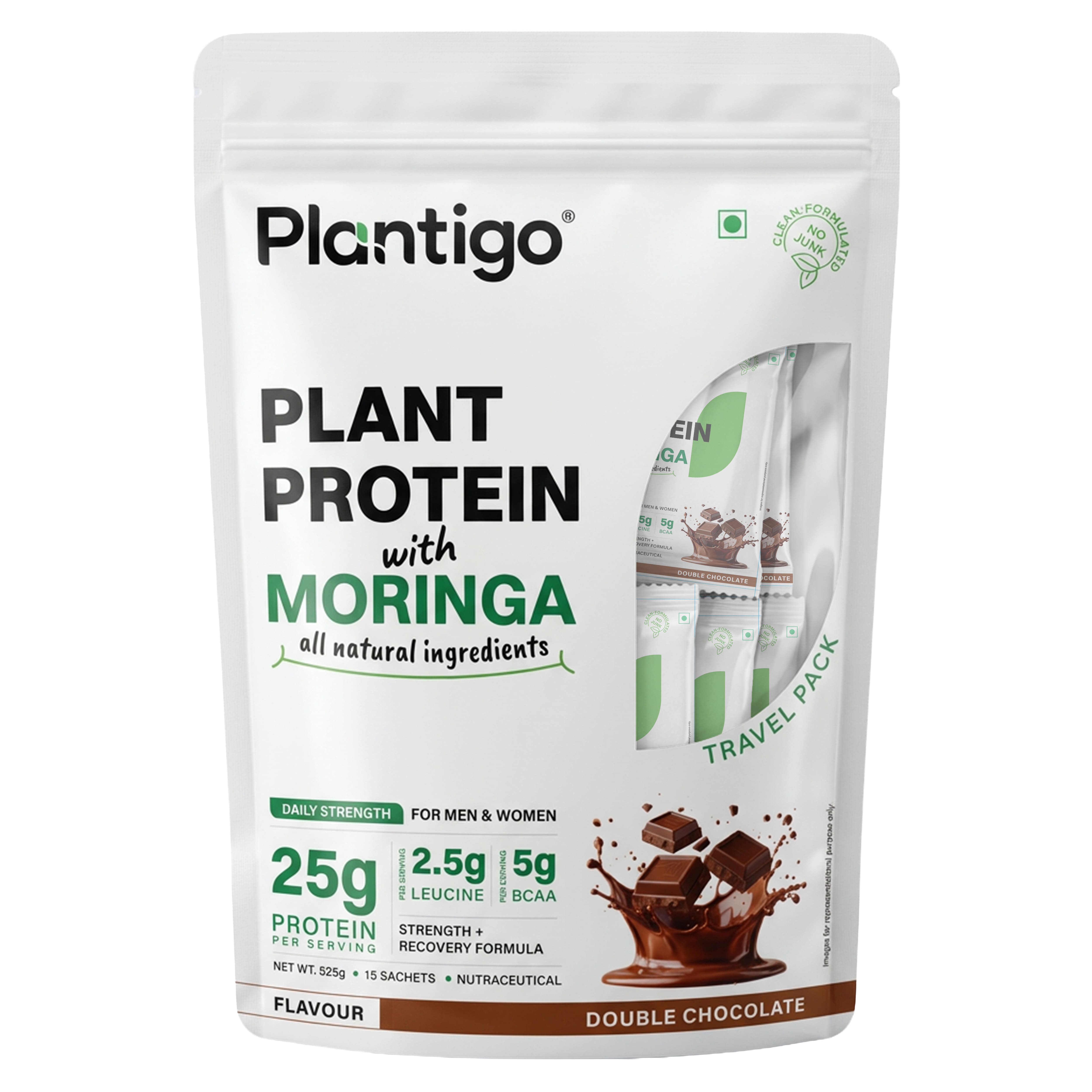
If green moong dal alone isn't closing your daily protein gap, Plantigo bridges it — a complete pea, rice, pumpkin seed, and flaxseed blend with all 9 essential amino acids, zero Class 2 preservatives, Eurofins-tested, and a 30-day guarantee.View Plantigo Plant-Based Protein
Benefits of Green Moong Dal for Indians

1. High Digestibility
True protein digestibility of green moong dal is 84% — comparable to chickpea and notably high among plant proteins.
-
A higher percentage of the 24g raw protein is actually absorbed than in most legumes
-
Lower phytic acid and trypsin inhibitors mean fewer absorption blockers
2. Best for Diabetics — If Prepared Right
Green moong dal protein per 100g pairs with a GI as low as 26.28 when germinated and steamed — among the lowest of any carbohydrate food.
-
Germinate before cooking, then steam rather than pressure-cook dry
-
High resistant starch and fibre slow glucose absorption significantly
3. Highest Folate Among Indian Legumes
625mcg folate per 100g raw — a 150g cooked katori covers over 60% of the daily requirement.
-
Critical for pregnant women and adults managing homocysteine levels
-
Pairs well with iron (6.7mg/100g) for anaemia management
4. Gentlest on Digestion
Green moong dal is the lowest-bloating commonly eaten Indian legume.
-
Suitable for illness recovery, elderly adults, and sensitive digestive systems
-
Cooling effect makes it traditionally favoured in summer months
How to Include Green Moong Dal in Your Diet
1. Whole moong dal curry: 1 katori (150g cooked) = 10–12g protein. The standard preparation — pressure-cook with turmeric and minimal spices.
2. Germinated and steamed (diabetic-friendly): Soak 12 hours, let sprout for 24 hours, then steam rather than pressure-cook. Based on the2024 cooking study, this method delivers the lowest glycaemic response.
3. Moong dal khichdi: Combine with rice for a complete amino acid profile — moong's lysine complements rice's methionine. Adds 4–5g rice protein to the dal's 10–12g.
4. Add to salads: Cooked, cooled green moong dal tossed with cucumber, tomato, and lemon — a light, high-folate addition to any meal.
5. Plantigo in a side of curd: 1 scoop added to 150g curd alongside the dal adds 25g protein — closing the gap toward 80–100g daily targets.
Green Moong Dal for Diabetics: A Specific Guide
Can diabetic patients eat dal? Yes — dal, including green moong dal, is one of the safest carbohydrate-protein combinations for diabetics due to low GI and high fibre slowing glucose absorption.
Can I eat 100g of moong dal daily? Yes — 100g cooked daily (delivering 7–8g protein) is safe and beneficial; for diabetics, the germinated-and-steamed method specifically improves the glycaemic outcome.
How to reduce HbA1c naturally? Consistent reduction of post-meal glucose spikes over 3 months through low-GI foods like germinated moong dal, combined with overall protein increase and physical activity, is the most evidence-based dietary approach.
What is the true enemy of diabetes? Refined carbohydrates and sugars that spike blood glucose rapidly — not fat or protein. Replacing white rice or refined flour portions with high-fibre legumes like green moong dal directly addresses this.
The Bottom Line
Green moong dal protein per 100g is 24g raw and 7–8g cooked — figures that match most Indian legumes. What sets green moong dal apart is its 84% true protein digestibility, its 625mcg folate (the highest among common Indian legumes), and a 2024 study showing that germinating and steaming — rather than pressure-cooking — produces the lowest glycaemic index of any tested preparation. For diabetics specifically, how green moong dal is cooked matters as much as how much of it is eaten.
Frequently Asked Questions
1. How much protein is in 100g of boiled green moong dal?
7–8g per 100g boiled, down from 24g raw due to water absorption during cooking, per ICMR-NIN IFCT 2017.
2. Can diabetic patients eat dal?
Yes — green moong dal's fibre and low GI (as low as 26.28 when germinated and steamed) make it one of the safest legumes for blood sugar management.
3. Can I eat 100g of moong dal daily?
Yes — 100g cooked daily is safe and beneficial; for diabetics, germinating before steaming improves the glycaemic outcome further.
4. How to reduce HbA1c naturally?
Daily low-GI foods like germinated and steamed moong dal, combined with increased protein intake and physical activity, is the most evidence-based dietary approach.
5. What is the true enemy of diabetes?
Refined carbohydrates and sugars that spike blood glucose — replacing them with high-fibre legumes like green moong dal directly helps.
6. Is green moong dal high in protein?
Yes — 24g per 100g raw is among the highest of any Indian legume, though cooked it settles at 7–8g per 100g due to water absorption.
7. How to get 80–100g protein a day from an Indian vegetarian diet?
2 katoris green moong dal (20–24g) + 100g paneer or curd (18–20g) + 50g roasted chana (12.5g) + 2 scoops Plantigo (50g) = 100–106g daily.
External Sources
-
ICMR-NIN —IFCT 2017
-
ICMR-NIN —RDA for Indians 2020
Disclaimer: This article is for educational purposes only. If you have diabetes, kidney disease, digestive issues, are pregnant, or are on medication, consult your doctor or dietitian before making major dietary changes.