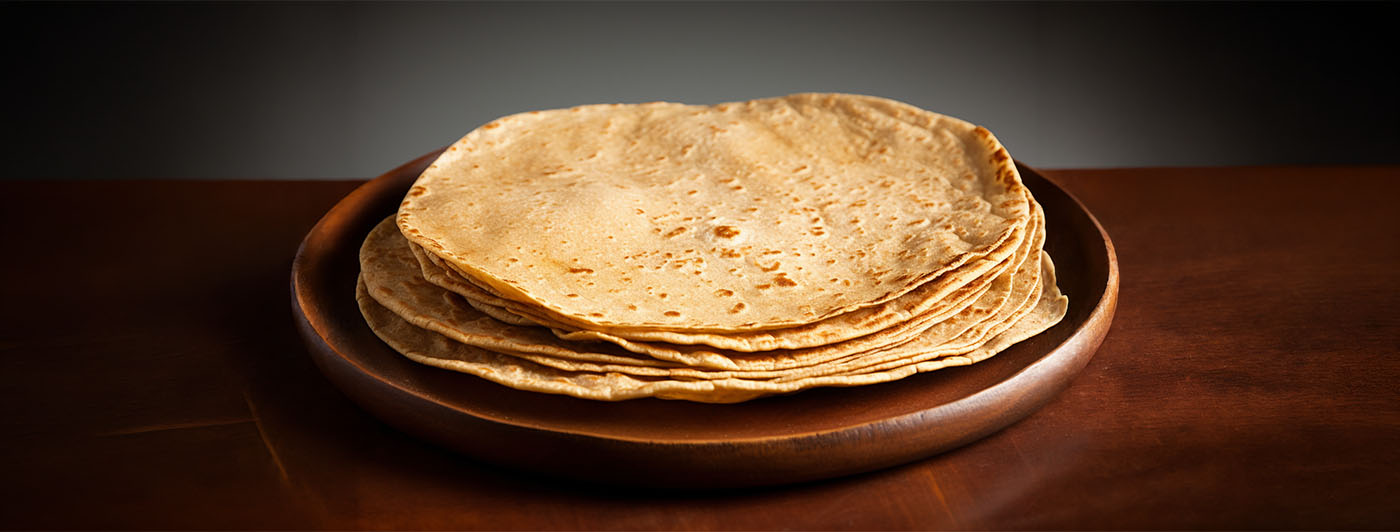
Chapati is the most eaten bread in India — thinner than a paratha, lighter than a naan, cooked without oil on a tawa. For anyone tracking daily nutrition, the question of how much protein in chapati comes with a follow-up: how many calories am I getting alongside that protein? Unlike most protein articles that focus on protein alone, this guide covers the calories and protein in chapati together — because that is how most Indians actually track their food.
How Much Protein Is in Chapati?
Protein in chapati made from whole wheat atta is approximately 3.1–3.5g per medium piece (35–40g) and 7.9g per 100g of cooked chapati — according to theICMR-NIN IFCT 2017. Awhole grain wheat review (PMC 2020) confirmed that whole wheat retains the bran and germ layers — where most of the fibre, B vitamins, and a significant portion of the protein are concentrated — making whole wheat chapati nutritionally superior to maida-based flatbreads. Protein in chapati is not the reason to eat it; fibre, complex carbohydrates, and micronutrients are. But it contributes meaningfully to daily protein when eaten consistently across meals.
Complete Data Breakdown: Protein in Chapati
1. Chapati Protein and Calories — by Size
|
Chapati Size |
Weight |
Protein |
Calories |
Carbohydrates |
|
Small (thin, 25g) |
25g |
2g |
62 kcal |
12g |
|
Medium (standard, 35g) |
35g |
3.1g |
88 kcal |
17g |
|
Large (thick, 40g) |
40g |
3.5g |
100 kcal |
19g |
|
Extra large (restaurant) |
50g |
4.3g |
125 kcal |
24g |
|
With ghee (1 tsp added) |
35g + 5g ghee |
3.1g |
133 kcal |
17g |
|
Per 100g cooked chapati |
100g |
7.9g |
252 kcal |
48g |
Source: ICMR-NIN IFCT 2017
The ghee addition changes calories by 45 kcal per teaspoon but does not change protein in chapati at all — only the fat content increases.
2. Protein in Chapati by Flour Type
|
Flour |
Protein per Chapati (35g) |
Calories |
Best For |
|
Whole wheat atta |
3.1–3.5g |
88 kcal |
Daily use — standard |
|
Multigrain atta |
3.5–4g |
90 kcal |
Weight management |
|
Besan (chickpea flour) |
4.5–5g |
85 kcal |
Highest protein, diabetics |
|
Bajra flour |
3–3.5g |
92 kcal |
Blood sugar control |
|
Jowar flour |
2.8–3.2g |
84 kcal |
Gluten-free |
|
Ragi flour |
2.5–3g |
86 kcal |
Calcium, anaemia |
|
Soy-enriched atta |
5.5–7g |
95 kcal |
Gym diet, muscle building |
|
Missi roti (besan+wheat) |
4–5g |
95 kcal |
Traditional high-protein |
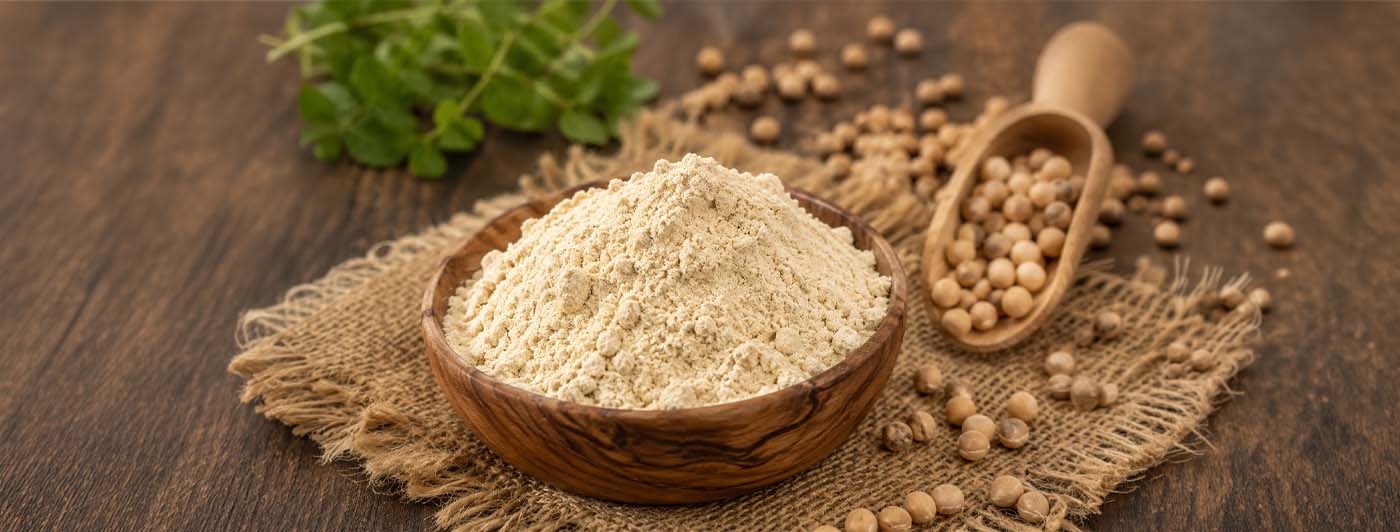
Besan chapati at 4.5–5g per piece has the best protein-to-calorie ratio of any common Indian flatbread — and a GI of approximately 28, making it the most diabetes-friendly option. For a full besan protein profile, see ourbesan protein breakdown.
3. Chapati Calories and Protein — Multiple Pieces
|
Number |
Whole Wheat (35g each) |
Protein |
Calories |
|
1 chapati |
35g |
3.1g |
88 kcal |
|
2 chapatis |
70g |
6.2g |
176 kcal |
|
3 chapatis |
105g |
9.3g |
264 kcal |
|
4 chapatis |
140g |
12.4g |
352 kcal |
|
5 chapatis |
175g |
15.5g |
440 kcal |
|
6 chapatis |
210g |
18.6g |
528 kcal |
3 chapatis at a meal provides 9.3g protein and 264 kcal — the most common North Indian lunch portion. Adding dal takes the protein to 17–21g at under 400 kcal total.
Chapati vs Other Indian Flatbreads: Scored Comparison
|
# |
Parameter |
Chapati |
Verdict |
|
1 |
Protein per piece (35g) |
3.1–3.5g |
Roti and chapati equal — same food, different name |
|
2 |
Calories per piece |
88 kcal |
Lower than paratha (150–200 kcal), higher than thin phulka (70 kcal) |
|
3 |
Fat content |
0.5g (no ghee) |
Lowest fat of any Indian flatbread without added oil |
|
4 |
Fibre per piece |
1.5–2g |
Higher than maida-based breads |
|
5 |
GI (whole wheat) |
62 |
Moderate — lower than white rice (72), higher than besan chapati (28) |
|
6 |
Protein completeness |
Incomplete (low lysine) |
Pair with dal — dal's lysine + chapati's methionine = complete protein |
|
7 |
Protein upgradability |
High |
Soy-enriched atta doubles protein per piece |
|
8 |
Calories with ghee |
+45 kcal per tsp |
Paratha already includes ghee — chapati allows controlled fat addition |
|
9 |
Satiety |
Moderate |
High fibre + protein creates satiety for 2–3 hours |
|
10 |
Best for weight loss |
Yes — when portion controlled |
2 chapatis + dal + sabzi = 300–350 kcal balanced meal |
One-line verdict: Chapati is the lowest-fat, most calorie-controlled Indian flatbread available — and its protein content doubles to 5–7g per piece with a simple flour switch. For how chapati protein compares specifically to roti by size and cooking method, read ourroti protein guide.

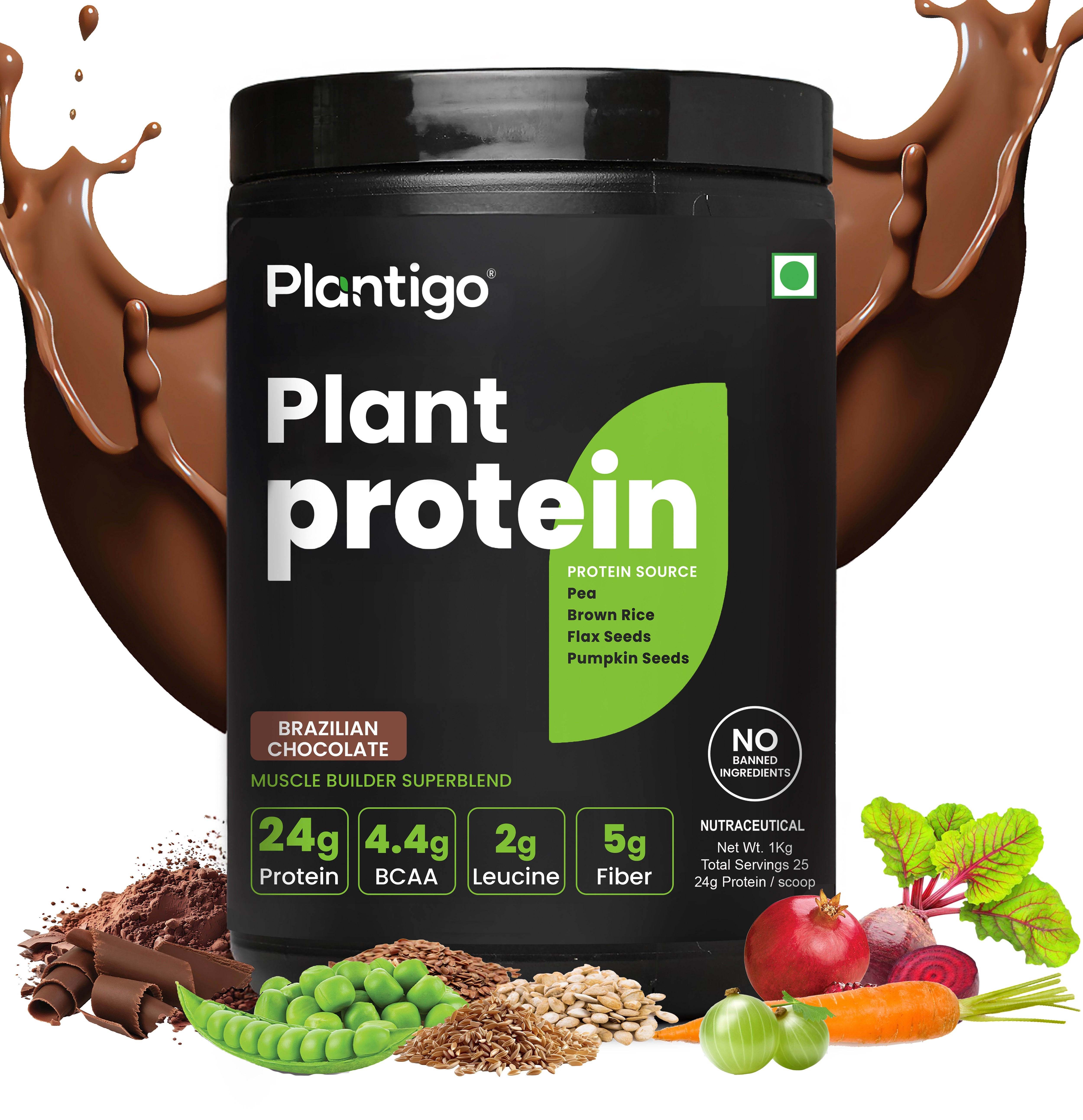
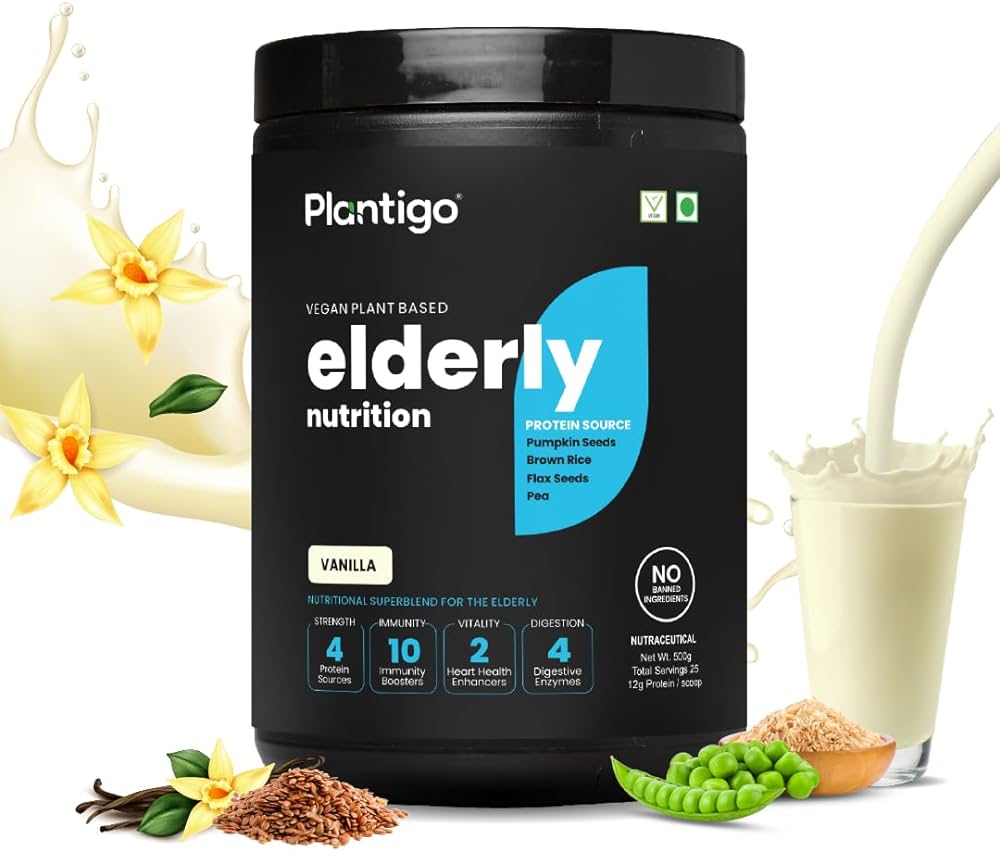
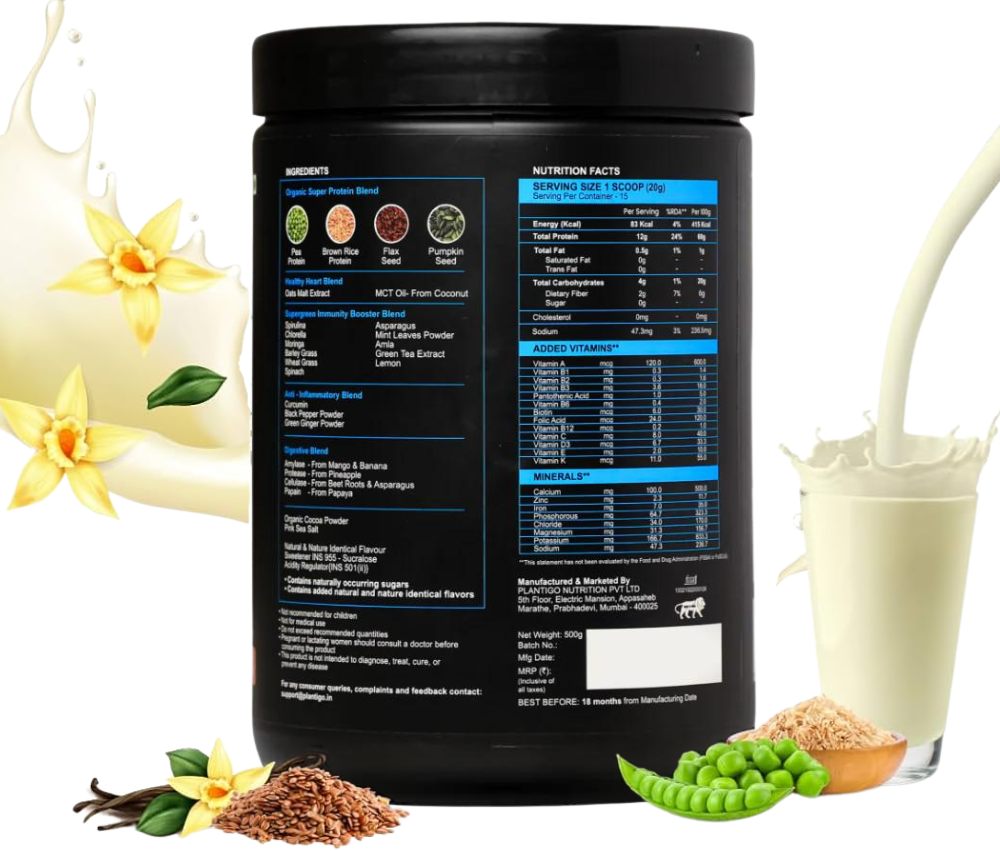
If chapati and dal together aren't closing your daily protein gap, Plantigo bridges it — a complete pea, rice, pumpkin seed, and flaxseed blend with all 9 essential amino acids, zero Class 2 preservatives, Eurofins-tested, and a 30-day guarantee.View Plantigo Plant-Based Protein
Benefits of Chapati Protein for Indians

1. Complete Protein with Dal
Chapati protein alone is low in lysine — but paired with any dal, it becomes amino acid-complete.
-
Dal's lysine + chapati's methionine = all 9 essential amino acids in one meal
-
2 chapatis + 1 katori dal = 6.2g + 10–12g = 16–18g complete protein at ~350 kcal
2. Steady Energy, Not Spikes
Whole wheat chapati GI of ~62 means slower glucose release than white rice (72) or maida bread (85).
-
High fibre content slows digestion and prevents the post-meal energy crash
-
Suitable as a pre-workout carbohydrate base — eaten 60–90 minutes before training
3. Easiest to Protein-Upgrade
No other Indian flatbread is easier to boost in protein than chapati — just change the flour.
-
Add 2 tbsp besan to regular atta: +0.5–1g protein per chapati, no taste change
-
Switch to soy-enriched atta: protein per chapati nearly doubles to 5.5–7g
-
For the besan contribution specifically, see ourbesan protein guide
4. Best for Weight Loss Among Indian Breads
At 88 kcal per medium chapati with 3.1g protein and 1.5g fibre, chapati is the most calorie-efficient Indian flatbread.
-
Paratha: 150–200 kcal per piece — 2x the calories for similar protein
-
Naan: 250–300 kcal per piece — 3x the calories
-
2 chapatis replace 1 paratha at half the calories with equivalent protein
How to Increase Protein in Chapati Without Changing the Taste
1. Add besan to dough (2 tbsp per cup atta): +0.5–1g protein per chapati. Invisible in taste, slightly nuttier flavour. Missi roti is the traditional version of this approach.
2. Switch to soy-enriched atta: +2–3.5g per chapati. Available commercially. Protein in chapati jumps to 5.5–7g per piece — equivalent to eating an extra half-egg per chapati.
3. Knead with milk instead of water: +0.5g protein per chapati from the milk. Also improves softness.
4. Make stuffed chapati (paneer or dal filling): +4–9g protein per chapati from the filling alone. Paneer paratha delivers 7–9g protein per piece including the chapati base. For moong dal stuffing, see ourmoong dal protein guide.
5. Add Plantigo to dal served alongside: +25g protein to the meal without changing the chapati. The most efficient protein upgrade available — chapati remains unchanged.
Chapati Protein for Specific Goals
Weight loss: 2 thin chapatis (25g each) + 1 katori dal + sabzi = 4g + 10–12g protein = 14–16g at 250–280 kcal. The optimal Indian weight-loss lunch. For women tracking protein for weight management, ourprotein plan for women incorporates chapati across all three meals.
Muscle gain: 3 soy-enriched chapatis + paneer bhurji + curd = 18–21g + 18–20g + 3g = 39–44g protein per meal. Achievable without supplements when flour choice is optimised.
Diabetes: Besan chapati (GI ~28) or jowar chapati (GI ~52) instead of whole wheat (GI ~62). Pair with non-starchy sabzi and avoid ghee excess. Dal accompaniment further lowers the meal GI.
Daily general health: 2 whole wheat chapatis + seasonal dal + sabzi = 16–18g complete protein, 300–350 kcal, 4–5g fibre. The most balanced Indian lunch available.
The Bottom Line
Protein in chapati is 3.1–3.5g per medium piece and 7.9g per 100g — modest as a standalone but meaningful across 3 meals with the right flour and accompaniments. The calorie story is equally important: at 88 kcal per medium chapati without ghee, it is the lowest-calorie Indian flatbread and the easiest to integrate into any diet without overthinking. Switch flour, pair with dal, and protein in chapati becomes a reliable base of 15–20g per meal — without any supplement required.
Frequently Asked Questions
1. How much protein is in 2 chapatis?
Two medium whole wheat chapatis (70g) contain 6.2g protein and 176 kcal. With 1 katori dal, the total rises to 16–18g complete protein.
2. How many rotis can a diabetic eat?
2–3 chapatis per meal is appropriate for most diabetics — preferably besan or jowar chapati (GI 28–52) over whole wheat (GI 62). Pair with non-starchy sabzi and dal to moderate the glycaemic response.
3. Can I eat 5 rotis a day?
Yes — 5 medium whole wheat chapatis deliver 15.5g protein and 440 kcal, which is safe and balanced when spread across 2–3 meals with dal and sabzi.
4. How to get 100% of daily protein from an Indian vegetarian diet?
3 chapatis across meals (9.3g) + 2 katoris dal (20–24g) + 100g paneer or curd (18–20g) + 1 scoop Plantigo (25g) = 72–78g — covering the full 58g daily requirement for a 70kg adult with margin.
External Sources
-
ICMR-NIN —IFCT 2017
Disclaimer: This article is for educational purposes only. If you have diabetes, kidney disease, digestive issues, are pregnant, or are on medication, consult your doctor or dietitian before making major dietary changes.