Most sattu articles tell you the same thing: 20–22g protein per 100g. What they don't tell you is how much protein is actually in the 2 spoons you put in your morning glass, whether drinking sattu daily for protein is genuinely effective, and what the honest disadvantages are. This guide covers sattu protein content in the way Indians actually consume it — by spoon, by glass, by daily portion — and answers the questions no other sattu article addresses directly.
What Is the Protein Content of Sattu?
Sattu protein content per 100g is 20–22g — confirmed by theICMR-NIN IFCT 2017 and supported by research showing Bengal gram sattu has 22% protein on dry weight basis with 80.6% protein digestibility, per asattu digestibility study (PMC). A 2024 review confirmed sattu is considered a supplement in rural India specifically because of its high protein content, shelf stability, and easy digestibility, perchickpea gut health review (PMC 2024). Sattu protein content is higher than most Indian dals per 100g — but the practical question is what you get per serving.
Sattu Protein Content by Serving
1. Protein by Spoon and Glass
This is what most Indians actually want to know — not the per-100g figure, but how much protein is in the 2–3 spoons they add to their morning drink.
|
Serving |
Weight |
Protein Content |
Calories |
|
1 teaspoon sattu |
~8g |
1.6–1.8g |
32 kcal |
|
1 tablespoon sattu |
~15g |
3–3.3g |
61 kcal |
|
2 tablespoons (standard drink) |
~30g |
6–6.6g |
122 kcal |
|
3 tablespoons |
~45g |
9–9.9g |
183 kcal |
|
1 glass sattu drink (30g sattu) |
~30g |
6–6.6g |
122 kcal |
|
50g sattu (generous serving) |
50g |
10–11g |
203 kcal |
|
100g sattu |
100g |
20–22g |
406 kcal |
Source: ICMR-NIN IFCT 2017
The practical reality: A standard 2-tablespoon sattu drink delivers 6–6.6g protein — meaningful but not a high-protein meal. To get 20g protein from sattu alone, you would need to consume 100g dry — impractical in a single drink. Sattu protein content contributes to the daily total; it does not replace a protein-focused meal.
2. Sattu Protein Content vs Other Indian Breakfasts
|
Food |
Standard Serving |
Protein Content |
Calories |
|
Sattu drink (2 tbsp) |
30g |
6–6.6g |
122 kcal |
|
Oats (50g) |
50g |
8.5–9g |
189 kcal |
|
Poha (80g dry) |
80g |
2g |
288 kcal |
|
2 whole wheat rotis |
70g |
6.2g |
176 kcal |
|
Moong dal cheela (2 pieces) |
~60g batter |
12–13g |
244 kcal |
|
Idli + sambar (2 + 150ml) |
~230g |
8–11g |
~200 kcal |
Sattu protein content per 30g serving (6–6.6g) is comparable to 2 rotis and slightly less than oats at equivalent calories — making it a good, not exceptional, breakfast protein. For the oats comparison in detail, see ouroats protein guide.
3. Sattu Protein Content vs Oats — Direct Comparison
|
Parameter |
Sattu (30g) |
Oats (30g) |
Verdict |
|
Protein content |
6–6.6g |
5–5.5g |
Sattu wins slightly |
|
Fibre |
2.1–2.4g |
2.5–3g |
Oats wins |
|
GI |
~40–55 |
~55 |
Comparable |
|
Preparation time |
2 minutes |
5–10 minutes |
Sattu wins |
|
Iron |
2.7–3mg |
1.5mg |
Sattu wins |
|
Protein digestibility |
80.6% |
~85% |
Comparable |
|
Calories |
122 kcal |
111 kcal |
Oats slightly lower |
|
Shelf life |
6 months |
6–12 months |
Draw |
Verdict: Sattu protein content edges oats per gram of serving. Oats has more fibre and marginally lower calories. For daily protein and iron specifically, sattu wins. For a filling breakfast base with more fibre, oats wins. The best approach is alternating both rather than choosing one.
Sattu Protein Content for Specific Goals
1. Can I Drink Sattu for Protein?
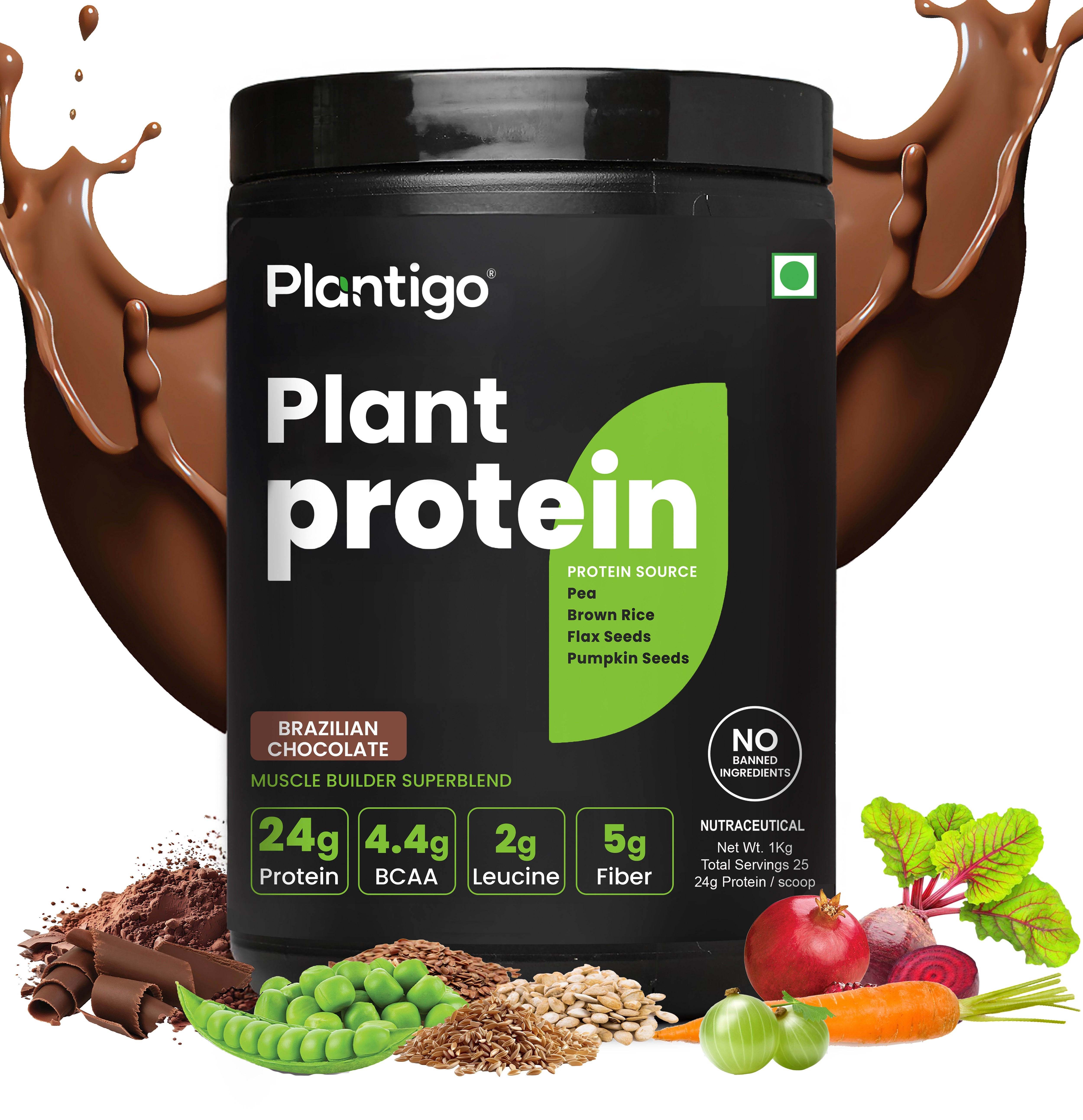
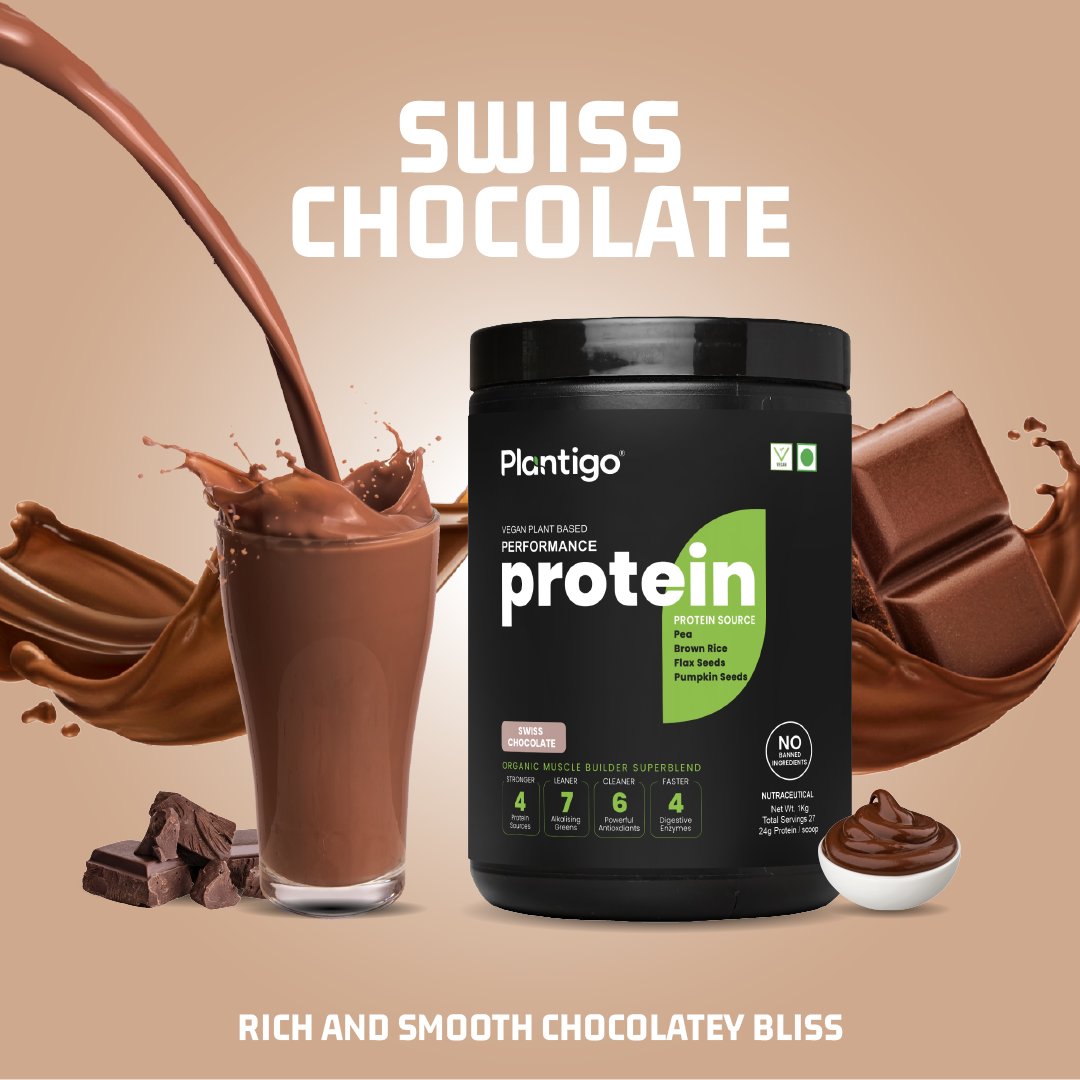
Yes — but set realistic expectations about the protein content per glass. A standard sattu drink (30g / 2 tablespoons) delivers 6–6.6g protein at 122 kcal. This is a meaningful daily protein contribution but covers only 10–11% of the 58g daily requirement for a 70kg adult perICMR-NIN RDA 2020. Sattu works well as a daily protein habit alongside — not instead of — other protein sources. Adding 1 scoop Plantigo to the sattu drink pushes it to 31–32g protein, making it a genuinely high-protein morning drink.
2. Can I Eat 100g Sattu Daily?
Yes — 100g sattu daily delivers 20–22g protein at 406 kcal. This is safe and nutritionally appropriate for most healthy adults. However, 100g in one sitting is impractical — spread across 2–3 preparations (morning drink + cheela + paratha) across the day rather than all at once to avoid digestive discomfort. People with kidney disease should moderate due to phosphorus content (350mg per 100g).
3. What Is the Right Time to Drink Sattu?
-
Morning on empty stomach: Best for digestion, energy, and blood sugar stabilisation. The low-moderate GI provides sustained energy through the morning.
-
Pre-workout (30–45 min before): Complex carbohydrates + protein = sustained workout fuel without blood sugar spike.
-
Post-workout: Less optimal than a higher-protein source — pair with curd or Plantigo to reach the 20–25g threshold for muscle protein synthesis.
-
Summer afternoons: The traditional cooling drink format — sattu with lemon, black salt, and cold water. Provides electrolytes and energy during heat.
Scored Comparison: Sattu vs Other Protein Sources
|
# |
Parameter |
Sattu |
Verdict |
|
1 |
Protein content per 100g |
20–22g |
Strong — higher than most dals |
|
2 |
Protein content per 30g drink |
6–6.6g |
Moderate — comparable to 2 rotis |
|
3 |
Protein digestibility |
80.6% |
High — better than whole legumes |
|
4 |
Preparation time |
2 minutes |
Unmatched convenience |
|
5 |
Cost per gram of protein |
₹3–6 |
Most affordable Indian protein |
|
6 |
Iron content |
9–10mg per 100g |
Outstanding — highest among Indian plant foods |
|
7 |
GI |
~40–55 |
Low-moderate — safe for diabetics |
|
8 |
Shelf life |
6 months, no refrigeration |
Unique advantage |
|
9 |
Amino acid completeness |
Incomplete (low methionine) |
Pair with milk, curd, or wheat roti |
|
10 |
Daily versatility |
Drink, cheela, paratha, laddoo |
High |
One-line verdict: Sattu protein content per 100g is among the highest of any traditional Indian food — but the practical protein per drink serving is 6–6.6g, which contributes meaningfully to daily targets without closing the gap alone. See oursattu protein per 100g guide for the full nutritional breakdown.

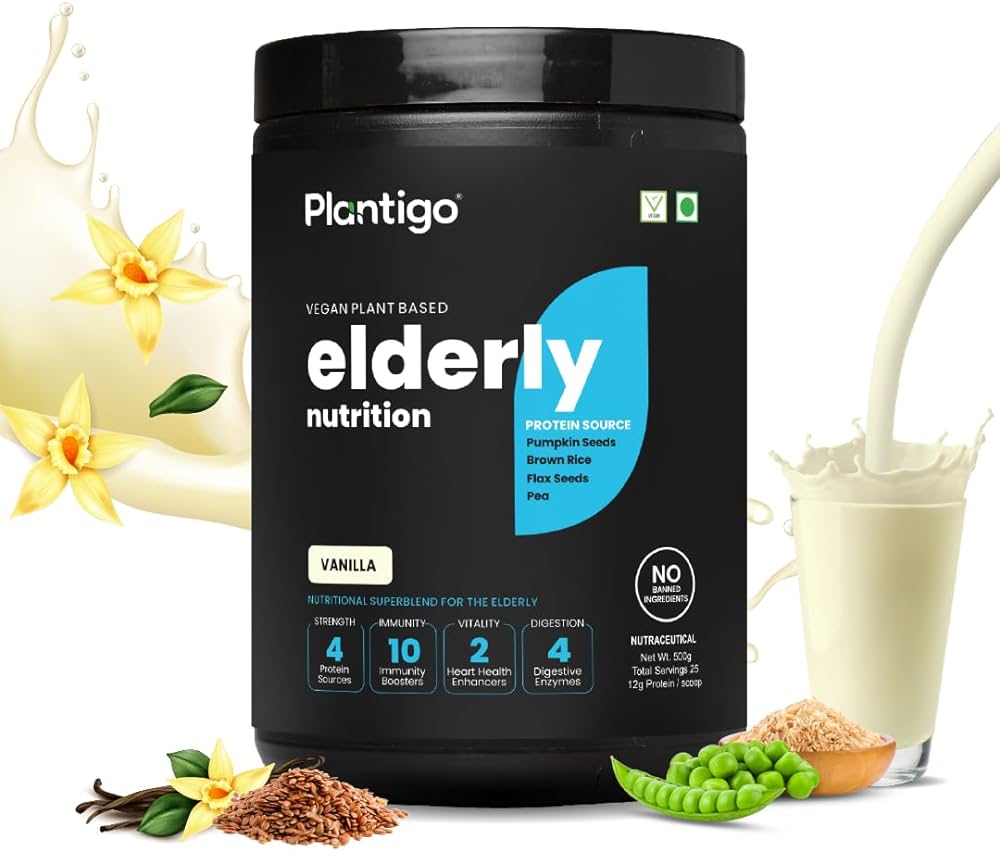
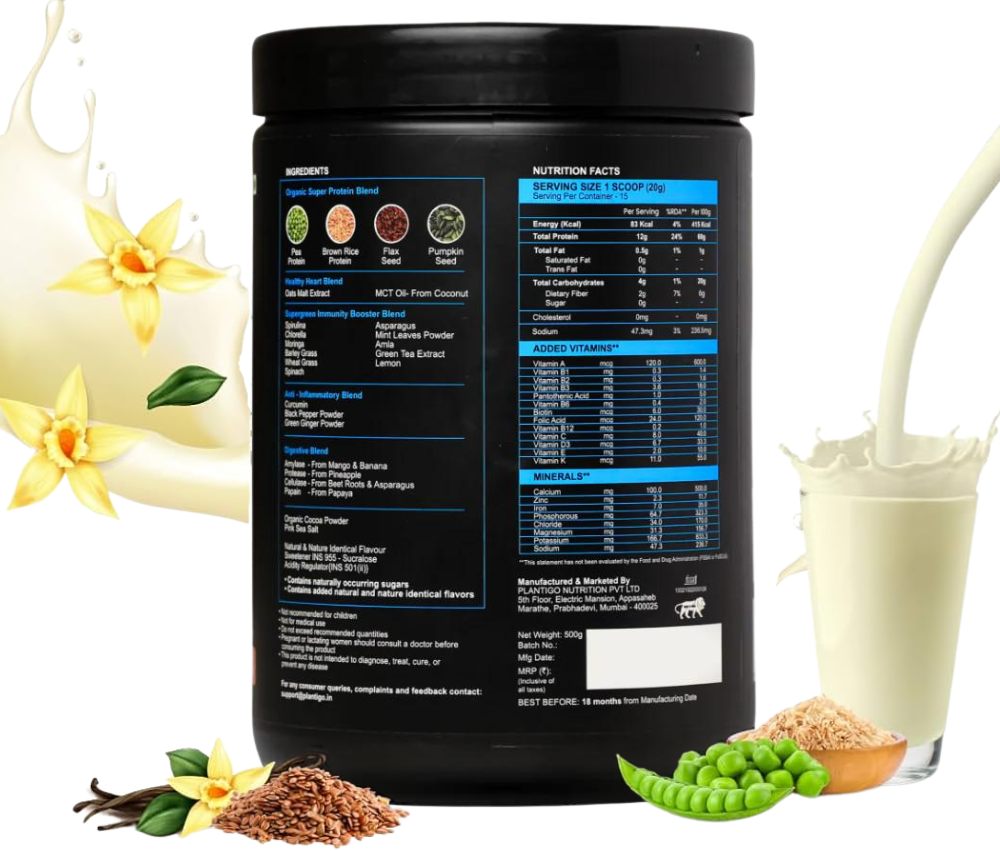
If sattu's 6–6.6g per drink isn't closing your daily protein gap, Plantigo bridges it — a complete pea, rice, pumpkin seed, and flaxseed blend with all 9 essential amino acids, zero Class 2 preservatives, Eurofins-tested, and a 30-day guarantee.View Plantigo Plant-Based Protein
Benefits of Sattu Protein Content

1. Most Convenient Plant Protein
2 minutes, no cooking, no refrigeration — sattu protein content is the most accessible of any Indian protein source.
-
Practical for office, travel, and daily routine without meal prep
-
Stable for 6 months without refrigeration — no other high-protein Indian food matches this
2. High Iron Alongside Protein
9–10mg iron per 100g — sattu delivers protein and iron simultaneously, rare among Indian foods.
-
Covers 55–65% of the daily 15mg iron requirement for women per 100g
-
Particularly valuable for vegetarian Indian women managing both protein and iron deficiency
3. Low GI — Suitable for Diabetics
GI of ~40–55 — sattu protein content comes with slow energy release, making it one of the safest protein foods for diabetics.
-
Confirmed suitable for diabetic and obese populations in peer-reviewed research
-
Protein + fibre combination slows gastric emptying further
4. Supports Weight Management
High protein content at only 122 kcal per 30g serving creates satiety without excess calories.
-
Morning sattu drink reduces between-meal hunger effectively
-
Higher protein-to-calorie ratio than most Indian breakfast options
What Are the Disadvantages of Sattu?
This is the question most sattu articles avoid. Here are the honest limitations of sattu protein content:
1. Low methionine — incomplete protein: Sattu protein content covers most essential amino acids but is low in methionine. Consumed alone, it is not a complete protein. Always pair with milk, curd, or wheat-based preparations to complete the amino acid profile.
2. Moderate protein per practical serving: Despite 20–22g per 100g, a standard 2-tablespoon drink gives only 6–6.6g protein. Reaching 20g from sattu alone requires 100g — impractical in one sitting. As a protein supplement, sattu contributes rather than leads.
3. High in carbohydrates: At 65g carbohydrates per 100g, sattu has a higher carb-to-protein ratio than a protein supplement. For strict low-carb or keto diets, sattu is not suitable.
4. Digestive discomfort at high doses: Consuming 80–100g in one sitting can cause bloating and gas — the fibre and oligosaccharides become excessive. Spread intake across the day.
5. Phosphorus load for kidney disease: 350mg phosphorus per 100g — those with chronic kidney disease (CKD) should avoid high-dose sattu consumption. Consult a nephrologist.
The Bottom Line
Sattu protein content is 20–22g per 100g — but 6–6.6g per standard 2-tablespoon drink. The gap between the database figure and the practical serving reality is what most people searching "sattu protein content" actually want to understand. Used daily as a drink, cheela, or paratha filling across 30–100g total, sattu is the most convenient, most affordable, and one of the most iron-rich traditional Indian protein sources. It cannot close the daily protein gap alone — but it is the best daily habit to build a protein-aware Indian diet around.
Frequently Asked Questions
1. How much protein is in 2 spoons of sattu?
2 tablespoons of sattu (~30g) contain 6–6.6g protein at 122 kcal, per ICMR-NIN IFCT 2017. 1 teaspoon (~8g) delivers 1.6–1.8g protein.
2. Can I eat 100g sattu daily?
Yes — 100g delivers 20–22g protein at 406 kcal and is safe for most healthy adults. Spread across 2–3 preparations rather than eating all at once to avoid digestive discomfort.
3. Can I drink sattu for protein?
Yes — a daily sattu drink contributes 6–6.6g protein per 30g serving. It supplements daily protein effectively but needs other protein sources to close the full daily gap.
4. Is sattu better than oats for protein?
Marginally yes — 6–6.6g vs 5–5.5g per 30g serving. Sattu also leads on iron (2.7mg vs 1.5mg per 30g) and preparation speed. Oats leads on fibre. Both are excellent — rotating between the two is better than choosing one.
5. What are the disadvantages of sattu?
Low methionine (incomplete protein unless paired with milk or curd), only 6–6.6g protein per practical drink serving, high carbohydrates (65g/100g), digestive discomfort at doses above 80g at once, and phosphorus load for kidney disease patients.
6. What is the right time to drink sattu?
Morning on an empty stomach for energy and digestion; 30–45 minutes pre-workout for sustained fuel; summer afternoons for cooling and electrolytes. Post-workout, pair with curd or Plantigo to reach 20–25g protein threshold.
External Sources
-
ICMR-NIN —IFCT 2017
-
ICMR-NIN —RDA for Indians 2020
Disclaimer: This article is for educational purposes only. If you have diabetes, kidney disease, digestive issues, are pregnant, or are on medication, consult your doctor or dietitian before making major dietary changes.