What are the nutrition facts for soya chunks per 100g?
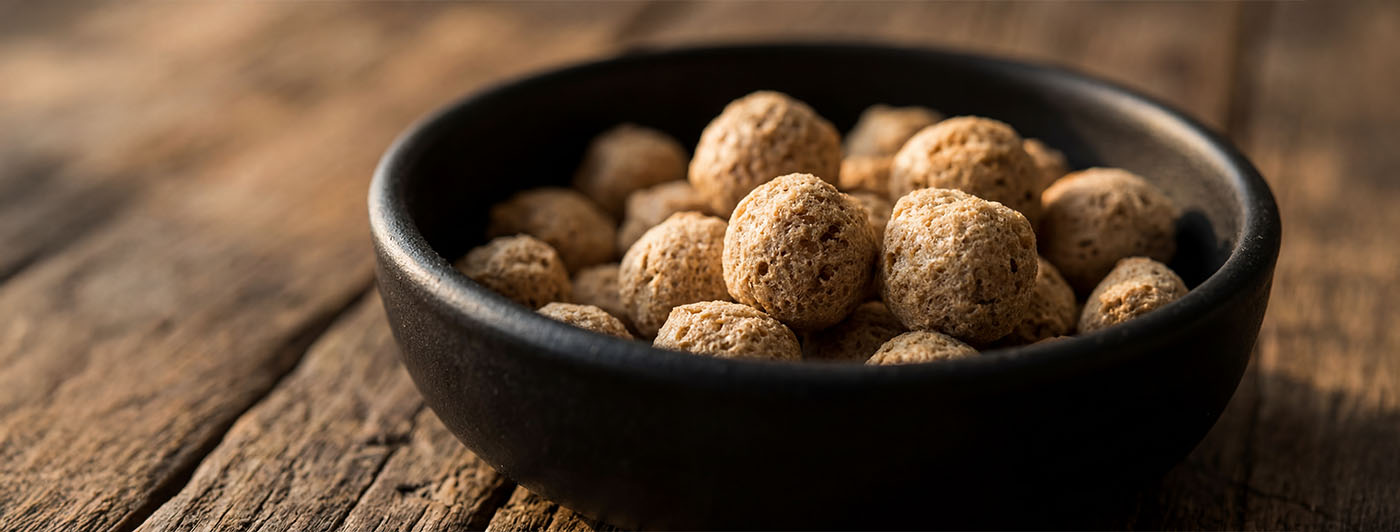
Soya chunks nutrition facts per 100g raw: 52g protein, 336 calories, 33g carbohydrates, 13g fiber, and 0.5g fat. Per 100g cooked and rehydrated: approximately 17g protein, 110 calories, 11g carbohydrates, and 4g fiber. The dramatic difference occurs because rehydration increases the weight of soya chunks by approximately 2.5–3x — concentrating the raw numbers into a larger, water-heavy cooked portion.
Introduction
Soya chunks are one of the highest-protein vegetarian foods available, providing around 52 grams of protein per 100 grams (raw, dry weight). They’re also considered a high-quality plant protein source, offering more protein per 100g than many common foods such as chicken breast and eggs. This is why soya chunks are popular among fitness enthusiasts, vegetarians, vegans, and budget-conscious eaters.
Despite their popularity, soya chunks are often misunderstood. The biggest confusion usually comes from the difference between raw vs cooked nutrition values. Many people see 52g protein on the packet, then compare it to cooked soya chunks without realizing that soaking and cooking increases weight through water absorption, which lowers the protein amount per 100g cooked.
Once you understand this raw vs cooked difference, along with their amino acid profile, micronutrients, and common concerns around soy consumption, soya chunks become much easier to evaluate as a practical plant protein option for daily nutrition.
In this guide, you’ll find the complete soya chunks nutrition facts, including calories, protein, carbs, cooked vs raw values, health benefits, and how to use them in a balanced diet.
Key Points Summary
-
Soya chunks nutrition facts per 100g raw: 52g protein — higher than chicken, eggs, and most dairy
-
Cooked soya chunks deliver approximately 17g protein per 100g — because rehydration increases weight by 2.5–3x
-
Soya chunks contain all nine essential amino acids — one of the few plant foods that qualifies as a complete protein independently
-
Isoflavone content in soya chunks is frequently misunderstood — current evidence does not support concerns about feminisation or hormonal disruption in men at normal dietary intake levels
-
Soya chunks are among the most affordable body building foods available in India — delivering elite protein density at fraction of the cost of animal protein
-
Iron (9mg/100g raw), calcium (350mg/100g), and folate make soya chunks a genuine micronutrient source beyond their protein contribution
-
Soya chunks are naturally low in fat (0.5g/100g raw) — making them one of the leanest complete protein sources available
What Are Soya Chunks and Why Do the Numbers Look So Different Raw vs Cooked?
Soya chunks — also called textured vegetable protein (TVP) or textured soy protein (TSP) — are defatted soy flour that has been extruded under high heat and pressure into a dense, dry, fibrous structure.
The extrusion process removes most of the fat from soybeans while concentrating the protein into a shelf-stable, lightweight form. This is why raw soya chunks show 52g protein per 100g — the fat and water have been largely removed, leaving protein and fiber as the dominant macronutrients.
When you rehydrate soya chunks in water, they absorb 2.5–3x their dry weight in water. A 100g dry portion becomes approximately 250–300g cooked. The protein content doesn't change — but it's now distributed across a much larger weight. Divide 52g of protein across 250–300g of rehydrated weight, and you arrive at 17–21g per 100g cooked — which is the number that matters for meal planning.
Understanding this is foundational to everything that follows in soya chunks nutrition facts.
Full Soya Chunks Nutrition Facts — Raw vs Cooked
|
Nutrient |
Per 100g Raw |
Per 100g Cooked |
|
Calories |
336 kcal |
110 kcal |
|
Protein |
52g |
17g |
|
Carbohydrates |
33g |
11g |
|
Dietary Fiber |
13g |
4g |
|
Total Fat |
0.5g |
0.2g |
|
Iron |
9mg (50% DV) |
3mg |
|
Calcium |
350mg (35% DV) |
115mg |
|
Folate |
94mcg |
31mcg |
|
Magnesium |
290mg (69% DV) |
95mg |
|
Potassium |
1800mg |
590mg |
|
Zinc |
2.9mg (26% DV) |
0.96mg |
|
Isoflavones |
~130mg |
~43mg |
Soya Chunks Protein vs Other Common Indian Protein Sources
Soya chunks nutrition facts only become fully meaningful in context — against the foods Indians commonly rely on for protein.
|
Food |
Protein per 100g |
Cost Efficiency |
|
Soya chunks (raw) |
52g |
Very high |
|
Soya chunks (cooked) |
17g |
Very high |
|
Chicken breast (cooked) |
31g |
Moderate |
|
Paneer |
18g |
Low-moderate |
|
Moong dal (cooked) |
8g |
High |
|
Eggs (whole) |
13g |
Moderate |
|
Tofu |
17g |
Moderate |
|
Lentils (cooked) |
9g |
High |
Cooked soya chunks at 17g/100g sit alongside paneer and tofu — but at a fraction of the cost of either. For anyone building a high-protein plant-based diet on a budget, this cost-to-protein ratio is unmatched in the Indian market.
Soya Chunks Amino Acid Profile — Complete Protein Confirmed
Soya chunks contain all nine essential amino acids in nutritionally significant quantities — making them one of the few plant foods that qualifies as a genuinely complete protein without requiring complementary pairing.
The amino acid profile per 100g raw:
|
Amino Acid |
Amount per 100g |
Role |
|
Leucine |
3.9g |
Muscle protein synthesis trigger |
|
Lysine |
3.2g |
Collagen, calcium absorption |
|
Valine |
2.5g |
Muscle repair, energy |
|
Isoleucine |
2.4g |
Muscle metabolism |
|
Phenylalanine |
2.5g |
Neurotransmitter production |
|
Threonine |
2.0g |
Immune function, gut lining |
|
Methionine |
0.7g |
Liver detoxification |
|
Tryptophan |
0.7g |
Serotonin precursor |
|
Histidine |
1.3g |
Immune response |
Leucine at 3.9g/100g raw is particularly significant — this is the branched-chain amino acid that most directly triggers muscle protein synthesis, and soya chunks deliver it at levels that compete directly with whey protein on a per-gram basis. This is why soya chunks have earned their reputation as one of the most effective body building foods in plant-based nutrition.
Soya Chunks and the Isoflavone Question — What the Science Actually Says
This is the section most people reading about soya chunks nutrition facts are really looking for — because the isoflavone debate has generated more confusion than almost any other nutrition topic in India.
Isoflavones are phytoestrogens — plant compounds that can weakly bind to oestrogen receptors in the human body. Soya chunks are among the most concentrated estrogen rich foods in the plant kingdom, containing approximately 130mg of isoflavones per 100g dry weight.
Here is what the evidence actually shows:
-
For men: Multiple systematic reviews — including a 2021 meta-analysis [1] found no significant effect of normal soy consumption on testosterone levels, sperm quality, or feminisation in men. The isoflavone concentrations required to produce measurable hormonal effects in human clinical studies are significantly higher than what normal dietary consumption delivers.
-
For women: Isoflavones may provide modest protective effects against certain oestrogen-sensitive conditions — but this is an area of ongoing research and individual variation applies.
-
The practical conclusion: Consuming 25–50g of dry soya chunks daily — the range most people eat — delivers isoflavone quantities well within the range considered safe by major nutrition bodies including the European Food Safety Authority and WHO.
Soya Chunks and Creatine — An Important Gap
Foods that contain creatine are almost exclusively animal-derived — red meat and fish lead, while plant foods including soya chunks contain negligible dietary creatine. This is a genuine and unavoidable nutritional gap that soya chunks — despite their extraordinary protein density — cannot bridge.
For plant-based eaters relying on soya chunks as a primary protein source, creatine monohydrate supplementation is the only evidence-backed way to address this gap. Soya chunks support muscle building through leucine-driven protein synthesis and lysine-mediated recovery — but creatine's specific ergogenic effects on strength and power output require direct supplementation.
Soya Chunks as Antioxidant-Rich Food
Most people think of soya chunks purely as a protein source. The antioxidant picture adds an entirely different dimension to soya chunks nutrition facts.
Soya chunks are among the most significant antioxidant rich foods in the plant-based category — containing phenolic acids, flavonoids, and isoflavones that collectively deliver meaningful free-radical protection. Genistein and daidzein [2] — the primary isoflavones in soya — have demonstrated antioxidant activity in multiple in-vitro studies, with particular relevance to oxidative stress reduction in cardiovascular and metabolic contexts.
This antioxidant activity complements the protein function of soya chunks: protein builds and repairs muscle tissue, while antioxidants reduce the oxidative damage that intense training sessions create. For athletes and active individuals, this combination is particularly valuable.
Pairing soya chunks with genuinely antioxidant-rich additions further amplifies this effect. Apple beetroot carrot juice benefits include significant antioxidant activity from betalains (beetroot), quercetin (apple), and beta-carotene (carrot) — making this juice a nutritionally intelligent companion to a soya chunk-based meal for anyone prioritising both protein and recovery nutrition simultaneously.
Soya Chunks Micronutrient Profile — Beyond Protein
Soya chunks nutrition facts extend well beyond protein into a micronutrient profile that rivals dedicated supplement formulations.
-
Iron — 9mg per 100g raw (50% daily value) Soya chunks are one of the richest plant sources of iron available. Non-haem iron absorption is enhanced by vitamin C — pair soya chunk dishes with tomato, amla, or lemon to maximise iron uptake. For vegetarian women managing iron status alongside protein intake, soya chunks are one of the most efficient dual-purpose foods available.
-
Calcium — 350mg per 100g raw (35% daily value) At 350mg calcium per 100g, soya chunks deliver meaningful bone-density support alongside their protein contribution — a combination rare in plant protein sources.
-
Magnesium — 290mg per 100g raw (69% daily value) Magnesium regulates muscle contraction, sleep quality, and over 300 enzymatic processes. For athletes using soya chunks as a primary plant protein source, this magnesium density supports training recovery in ways pure protein supplements cannot.
-
Zinc — 2.9mg per 100g raw (26% daily value) Zinc supports testosterone synthesis, immune function, and protein metabolism. Plant-based eaters frequently run low on zinc due to phytate interference — soya chunks' zinc content is a meaningful contribution, particularly when eaten with vitamin C sources that partially counteract phytate binding.
Practical Ways to Use Soya Chunks for Maximum Protein

-
Soya Chunk Curry — The High-Protein Main Course 50g dry soya chunks rehydrated and cooked in a tomato-onion curry delivers approximately 26g of protein per serving — before rice or roti is added. This is one of the fastest routes to 30g+ of meal protein in Indian plant-based cooking.
-
Soya Chunk Bhurji — Scrambled Protein Finely chopped rehydrated soya chunks stir-fried with onion, tomato, and spices creates a bhurji-style preparation that delivers 20–25g protein per serving. Pair with besan roti for a complementary amino acid combination that covers all nine essential amino acids completely.
-
Soya Chunks in Pulao — Protein-Upgraded Rice Adding 30–40g dry soya chunks to vegetable pulao increases the protein content of a standard rice serving by approximately 15–20g. The soya chunks absorb the spiced cooking liquid and become indistinguishable in texture from mushrooms in the finished dish.
-
Soya Chunk Salad — Cold Protein Base Rehydrated soya chunks cooled and tossed with vegetables, lemon, and chaat masala create a high-protein salad base delivering approximately 17g protein per 100g cooked weight — comparable to paneer at a fraction of the cost.
-
Soya Chunk Soup — Recovery Nutrition Blended into a vegetable soup base, soya chunks add protein density without altering the flavour profile significantly. Ideal post-training recovery nutrition when combined with the anti-inflammatory compounds in a vegetable-rich broth.
How Much Soya Chunks Should You Eat Daily?
There is no single universally correct answer — individual protein targets, dietary variety, and health context all apply. But here is a practical evidence-based framework:
-
For general health: 25–30g dry soya chunks daily (delivering approximately 13–16g protein) is a conservative, well-tolerated daily intake for most adults.
-
For muscle building: 50–75g dry soya chunks daily (delivering approximately 26–39g protein) across two meals is an effective muscle-building contribution within a diversified plant-based protein strategy.
-
For high-performance athletes: Use a protein intake calculator to establish precise daily targets based on body weight (typically 1.6–2.2g protein per kg), then factor soya chunks' 52g/100g raw protein into your daily tracking accordingly.
-
The isoflavone consideration: at 50g dry soya chunks daily, isoflavone intake is approximately 65mg — within the range considered safe by major regulatory bodies for healthy adults.
Soya Chunks vs Protein Supplements
Soya chunks nutrition facts make the supplement comparison inevitable — and the results are more nuanced than most people expect.

Plant based protein powder from pea isolate concentrates protein to 70–90g per 100g — significantly higher than even raw soya chunks. It also digests faster, making it more effective for the immediate post-workout protein synthesis window.
But soya chunks deliver something supplements cannot: iron, calcium, magnesium, zinc, fiber, and isoflavone antioxidants in a whole-food matrix that supports health beyond muscle protein synthesis. The honest position: soya chunks and protein supplements serve different nutritional functions and work most effectively as complements rather than substitutes.
Building a High-Protein Day Around Soya Chunks
|
Meal |
Soya Chunks Application |
Protein from Soya |
Total Meal Protein |
|
Breakfast |
Soya bhurji (50g dry) |
26g |
~32g with eggs or tofu |
|
Lunch |
Soya chunk curry (50g dry) |
26g |
~38g with dal + roti |
|
Snack |
Soya chunk chaat (30g dry) |
15g |
~18g with sprouts |
|
Dinner |
Soya pulao (40g dry) |
20g |
~30g with sabzi |
|
Daily Total |
170g dry soya chunks |
~87g |
~118g total |
Connecting Soya Chunks to Your Broader Nutrition Strategy
Soya chunks nutrition facts tell one part of a larger story. The complete plant-based protein picture includes dal, legumes, sprouts, seeds, and vegetables working together to cover all nine essential amino acids, all key micronutrients, and the caloric surplus that muscle growth requires.
Soya chunks are exceptional within that framework — but they work best as an anchor, not a sole source. Rotate with lentils, tempeh, tofu, and green peas to maintain amino acid diversity and avoid over-reliance on any single food's isoflavone load.
Conclusion
Soya chunks have been feeding India's vegetarian population for decades. The nutrition science that explains exactly why they work is now unambiguous.
At 52g of protein per 100g raw — with a complete amino acid profile, exceptional micronutrient density, documented antioxidant activity, and a cost that no animal protein can match — soya chunks nutrition facts make a compelling case for their place at the centre of any serious plant-based nutrition strategy.
The confusion around raw versus cooked numbers, isoflavones, and hormonal effects has obscured what is fundamentally a straightforward story: soya chunks are one of the best plant protein foods available in India. Use them accordingly.
FAQ
Q1: Is eating soya chunks daily healthy?
Yes — 25–50g dry soya chunks daily is safe for most healthy adults, delivering complete protein, iron, calcium, and magnesium. Rotate with other protein sources for amino acid variety.
Q2: How much protein is in 100g of soya chunks?
Soya chunks nutrition facts show 52g protein per 100g raw and approximately 17g per 100g cooked. The difference occurs because rehydration increases soya chunk weight by 2.5–3x.
Q3: Which is better — paneer or soya chunks?
Soya chunks deliver 52g protein per 100g raw versus paneer's 18g — superior on protein density. Paneer leads on calcium bioavailability. For protein return per rupee spent, soya chunks outperform paneer decisively.
Q4: How much protein is in 30g soaked soya chunks?
30g dry soya chunks deliver approximately 15.6g of protein. Once soaked, the same 30g expands to 75–90g in weight — delivering the same 15.6g protein across a larger portion.
Q5: Are soya chunks a complete protein?
Yes. Soya chunks nutrition facts confirm all nine essential amino acids in nutritionally significant quantities — making soya chunks one of the few plant foods that qualifies as a genuinely complete protein without requiring complementary food pairing.
References: