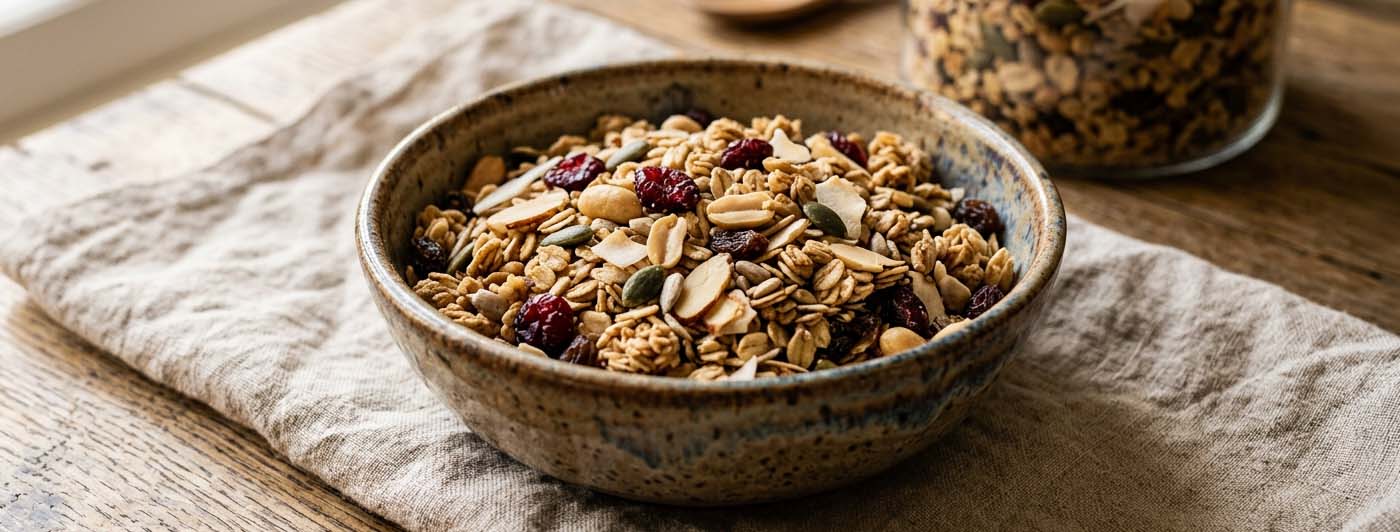
Muesli has quietly become the breakfast of choice for health-conscious Indians — urban professionals, diabetics on doctor's advice, and anyone looking to replace white bread or upma with something more nutritious. The muesli benefits are real: fibre, heart-healthy fats, iron, and slow-release carbohydrates. But most Indians eating muesli every morning overestimate one number — protein. At 8–12g protein per 100g dry muesli, the muesli benefits on the protein front are moderate at best, and a standard 50g serving delivers just 4–6g — leaving a large daily protein gap that muesli alone cannot close. Adding a cleanplant protein to your muesli bowl is the most practical way to convert a nutritious breakfast into a protein-complete one.
What Are the Nutritional Benefits of Muesli?
Muesli contains 8–12g protein per 100g, 6–10g fibre, and a GI of approximately 40–55 — significantly lower than cornflakes (GI ~81), white bread (GI ~70), or poha (GI ~70–80) — making the muesli benefits for blood sugar management among the strongest of any Indian breakfast food, as confirmed in aPMC study on muesli and coronary artery disease. The key muesli benefits come from its composite nature: rolled oats contribute beta-glucan fibre; nuts and seeds add protein, healthy fats, and minerals; dried fruit adds micronutrients. No single ingredient drives the muesli benefits — the combination does.
Complete Nutritional Breakdown: Muesli per 100g
1. Macronutrient Profile — Muesli vs Other Indian Breakfasts
|
Nutrient |
Muesli (per 100g) |
Oats (per 100g) |
Cornflakes (per 100g) |
Poha (per 100g) |
|
Protein (g) |
8–12g |
13g |
7g |
6.6g |
|
Carbohydrates (g) |
60–68g |
66g |
84g |
77.3g |
|
Fibre (g) |
6–10g |
10g |
1g |
1.2g |
|
Fat (g) |
5–8g |
6.9g |
0.4g |
1.2g |
|
Calories (kcal) |
350–380 |
389 |
357 |
346 |
|
GI |
~40–55 |
~55 |
~81 |
~70–80 |
|
Added Sugar |
Varies (0–20g) |
Zero |
Often high |
Zero |
Source: USDA FoodData Central; PMC muesli cardiovascular review
2. Micronutrient Profile — Where Muesli Benefits Are Strongest
|
Micronutrient |
Muesli (per 100g) |
Daily Requirement |
% Met |
|
Iron (mg) |
4–6mg |
15mg (women) |
27–40% |
|
Magnesium (mg) |
80–120mg |
400mg |
20–30% |
|
Zinc (mg) |
2–3mg |
11mg |
18–27% |
|
Potassium (mg) |
300–450mg |
3,500mg |
9–13% |
|
Vitamin E (mg) |
3–5mg |
15mg |
20–33% |
|
B vitamins |
Moderate |
Varies |
Useful contributor |
3. Muesli Benefits by Ingredient — Why Composition Matters
|
Ingredient |
Muesli Benefit |
Watch For |
|
Rolled oats |
Beta-glucan for cholesterol reduction and blood sugar |
Core ingredient — should be first on label |
|
Nuts (almonds, walnuts) |
Protein, Vitamin E, omega-3 (walnuts) |
High calorie — check quantity |
|
Seeds (pumpkin, sunflower) |
Zinc, magnesium, protein |
Beneficial — more is better |
|
Dried fruit (raisins, dates) |
Iron, potassium, antioxidants |
Natural sugar — check quantity |
|
Added sugar / honey |
Kills the muesli benefits |
First check: no added sugar above 5g/100g |
|
Chocolate chips / compound |
Empty calories |
Avoid entirely |
The single most important label check for Indians buying muesli: added sugar content. Commercial muesli in India ranges from 0g to 20g added sugar per 100g — the higher-sugar versions eliminate most muesli benefits on blood sugar and weight management.
Muesli Benefits vs Other Indian Breakfast Options
|
# |
Parameter |
Muesli (50g + 200ml milk) |
Poha (1 plate) |
Oats (40g cooked) |
Besan Chilla (2 pcs) |
Winner |
|
1 |
Total protein |
10–14g (with milk) |
5–6g |
5–6g |
16–18g |
Besan chilla |
|
2 |
Fibre |
3–5g |
1.2g |
4g |
3g |
Muesli / Oats |
|
3 |
GI |
~40–55 |
~70–80 |
~55 |
~28 |
Besan chilla |
|
4 |
Satiety (3–4 hrs) |
High |
Moderate |
High |
Moderate–High |
Muesli / Oats |
|
5 |
Heart health |
Excellent (beta-glucan) |
Poor |
Excellent |
Good |
Muesli / Oats |
|
6 |
Blood sugar management |
Very good |
Poor |
Very good |
Excellent |
Besan chilla |
|
7 |
Iron |
4–6mg/100g |
20mg/100g |
4.3mg/100g |
4mg/100g |
Poha |
|
8 |
Indian cultural fit |
Growing |
Very high |
Moderate |
High |
Poha |
One-line verdict: Muesli benefits are strongest for heart health, fibre, and blood sugar management — making it the best packaged breakfast for Indian diabetics and those managing cholesterol. For protein specifically, muesli with milk reaches 10–14g — useful but not sufficient alone. For the full oats comparison, see ouroats protein guide.

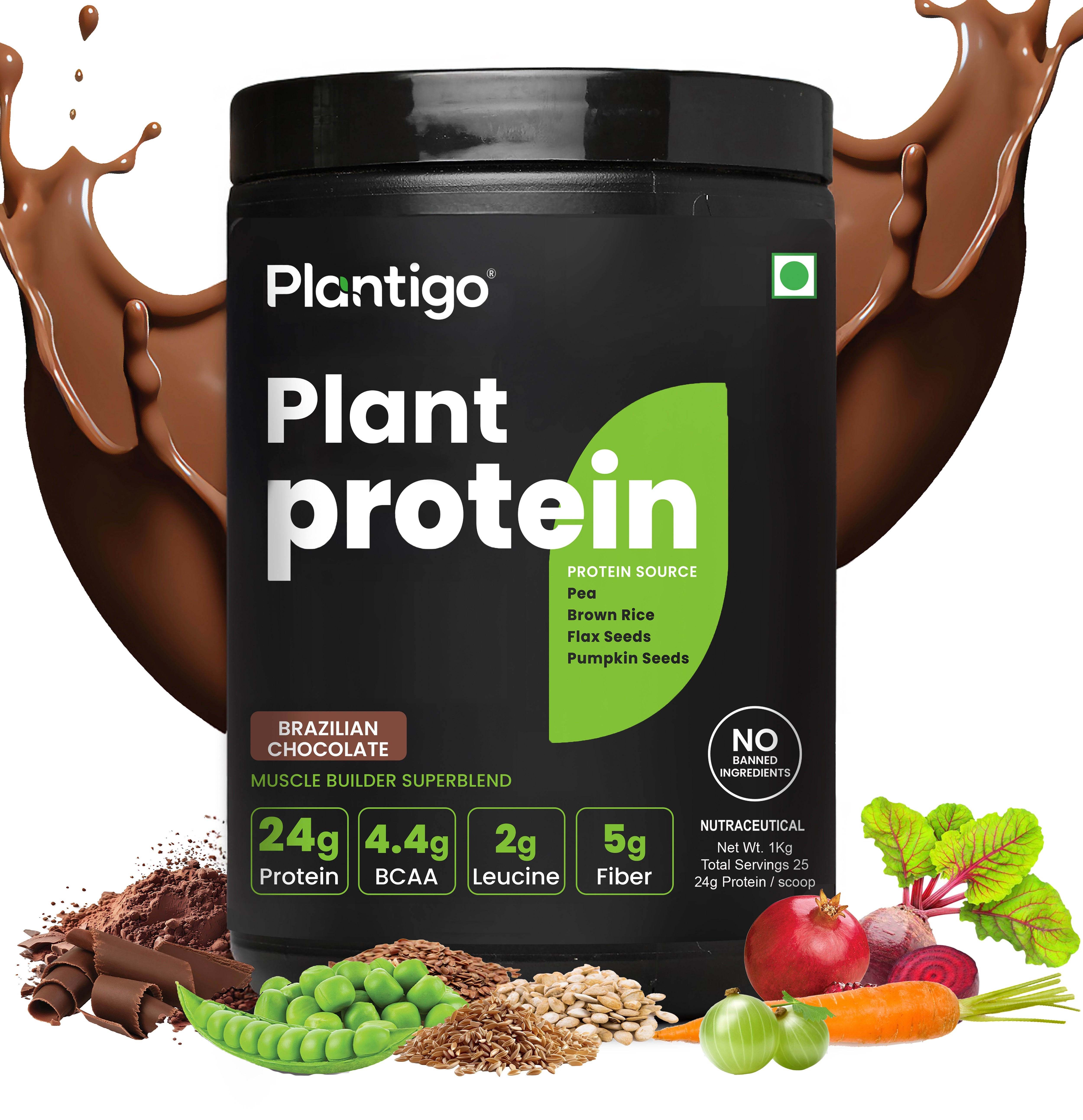
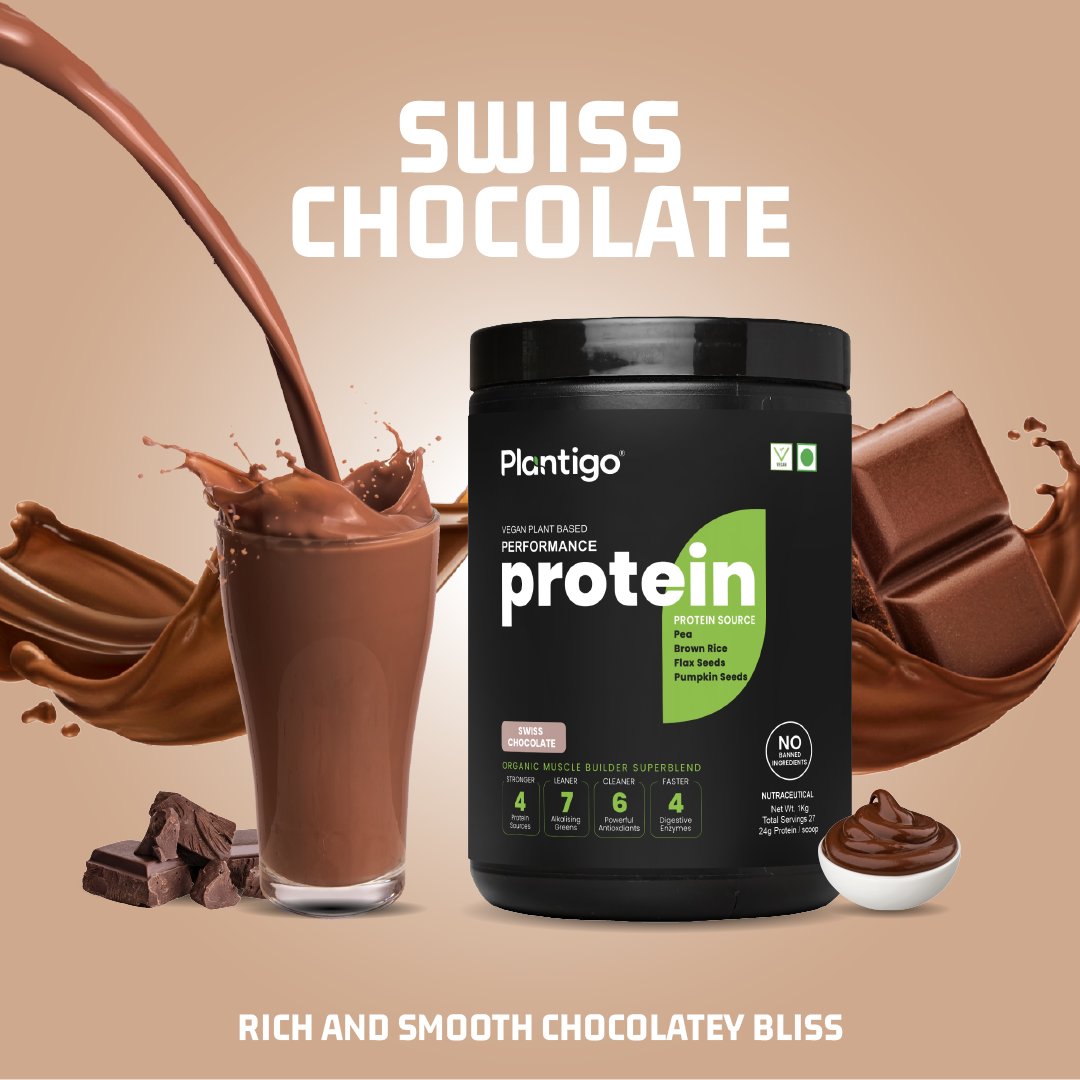
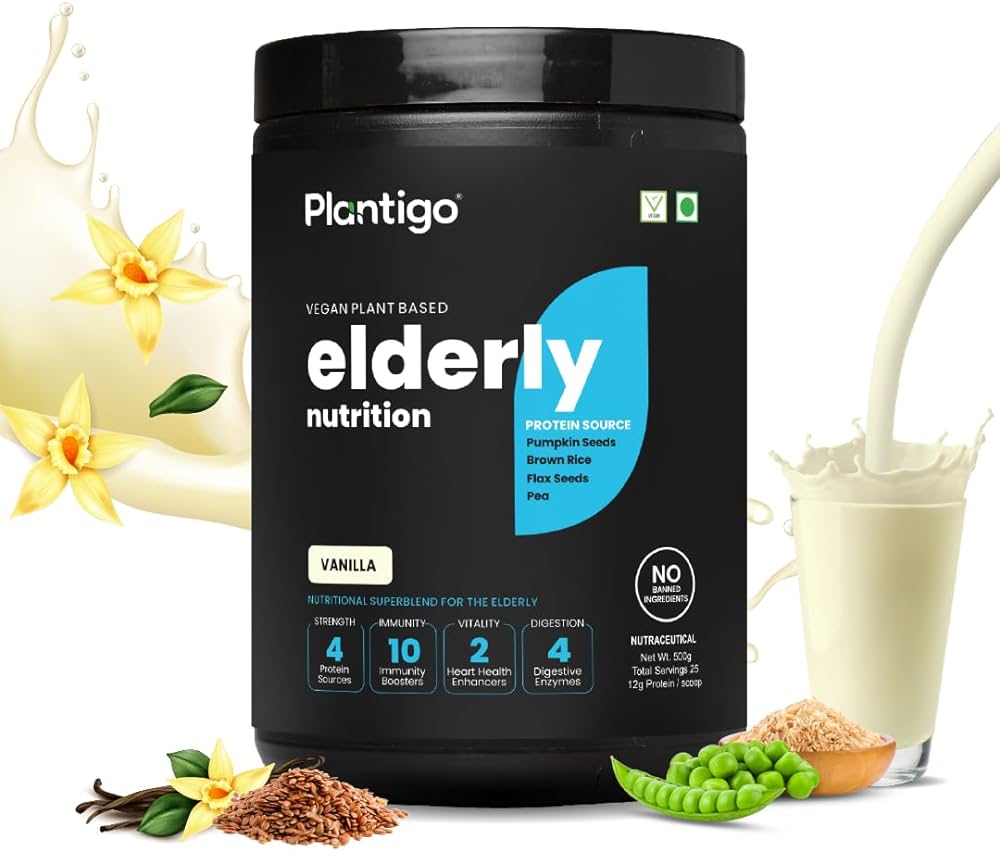
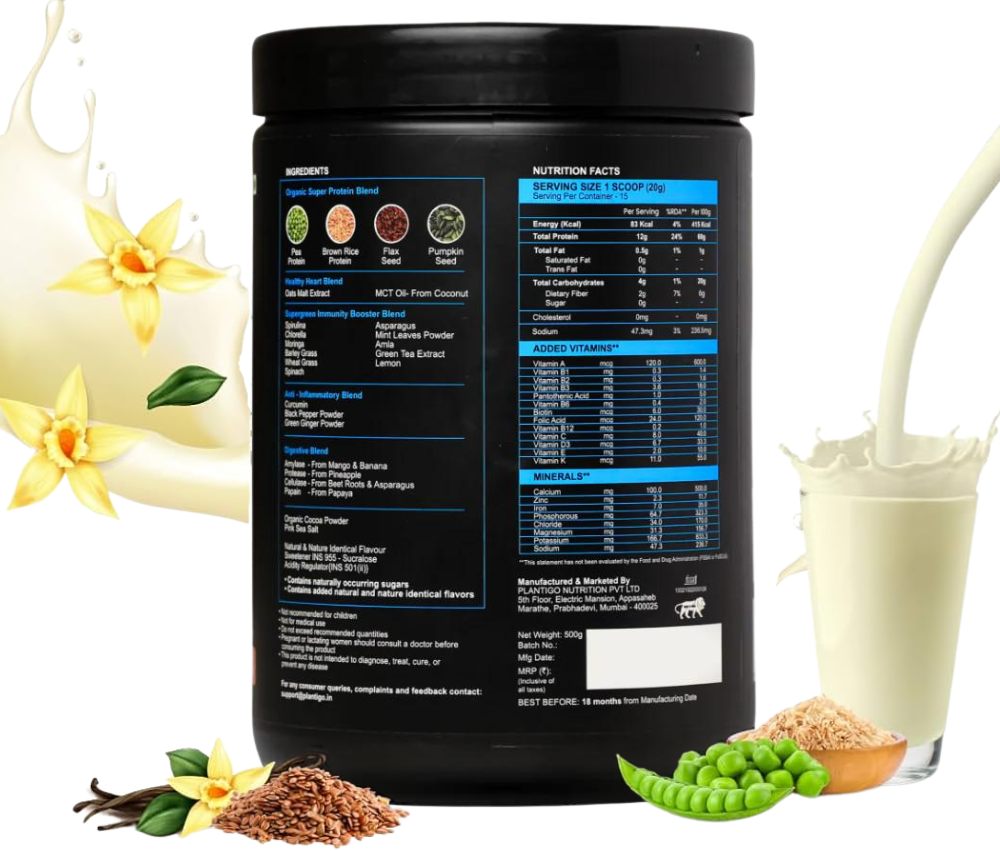
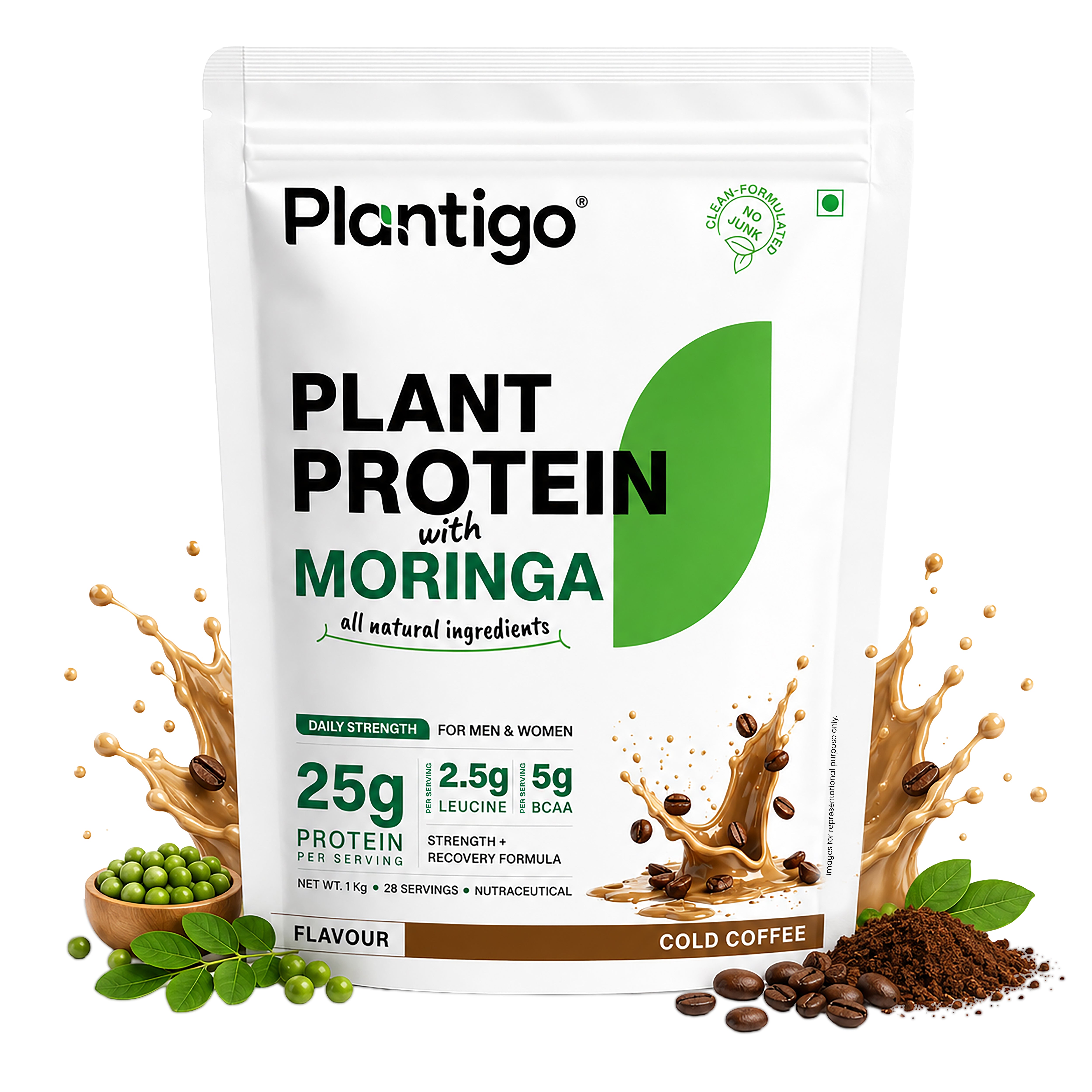
If your muesli breakfast isn't closing the daily protein gap, Plantigo bridges it with a complete plant-based blend of Canadian Pea Isolate, Brown Rice, Pumpkin Seed, and Flaxseed — all 9 essential amino acids, zero Class 2 preservatives, Eurofins-tested, with a 30-day taste guarantee. View Plantigo Plant Protein
Muesli Benefits for Indians

1. Heart Health
Muesli benefits for cardiovascular health are among the strongest of any breakfast food — confirmed in amuesli and coronary artery disease study.
-
Beta-glucan from oats reduces LDL cholesterol by 5–10% at 3g daily — achievable from a 50g muesli serving
-
Nuts and seeds add omega-3 fatty acids that reduce triglycerides and inflammation
-
Avenanthramides in oats reduce blood pressure by improving endothelial function
2. Blood Sugar Management
GI of ~40–55 makes muesli one of the lowest-GI packaged breakfast options for Indians.
-
Slow glucose release prevents the post-breakfast insulin spike common with cornflakes, poha, or white bread
-
Beta-glucan slows gastric emptying — extending glucose release over 3–4 hours vs 1–2 hours for high-GI cereals
-
For the 101 million Indians with diabetes, muesli benefits on blood sugar are clinically meaningful when a no-added-sugar version is chosen
3. Gut Health and Satiety
6–10g fibre per 100g — one of the highest among packaged Indian breakfast options.
-
Soluble fibre (beta-glucan) feeds Bifidobacterium and Lactobacillus — the dominant beneficial gut bacteria
-
Higher fibre creates satiety for 3–4 hours — reducing total daily calorie intake vs low-fibre breakfasts
-
Prebiotic effect of oat fibre supports microbiome diversity, which modulates immunity and metabolic health
4. Iron and Micronutrient Density
4–6mg iron per 100g — one of the stronger breakfast sources of non-haem iron for Indian vegetarians.
-
Pairing muesli with citrus fruit or a glass of amla juice improves non-haem iron absorption 2–3x
-
Zinc from seeds supports immune function and skin health — commonly deficient in Indian vegetarian diets
-
Magnesium from nuts and seeds supports muscle function and blood pressure regulation
5. The Protein Gap — Muesli's Limitation
At 8–12g protein per 100g raw, muesli's protein contribution per serving is moderate — not sufficient to anchor daily protein needs.
-
A 50g serving delivers 4–6g protein from muesli alone
-
With 200ml cow's milk, total rises to 10–14g — covering 18–25% of a 56g daily requirement
-
The muesli benefits do not include closing a protein gap — a plant protein addition is required for that
How to Maximise Muesli Benefits — 4 Methods
1. Add plant protein powder: Stir 1 scoop (25g) unflavoured plant protein into your muesli bowl before adding milk. Total protein rises from 10g to 30–32g — converting muesli from a moderate-protein breakfast to a high-protein one with no taste change.
2. Use high-protein milk alternatives: Replace regular cow's milk (3.4g protein per 100ml) with soy milk (3.5g/100ml) or add a tablespoon of nut butter (3–4g protein) into the bowl. Small protein additions stack quickly.
3. Add seeds directly: 2 tbsp pumpkin seeds (+5g protein) + 1 tbsp chia seeds (+2g protein) stirred into muesli adds 7g protein and significantly more zinc and omega-3. See ourchia seeds protein guide for why chia is the best seed addition to any muesli bowl.
4. Choose no-added-sugar muesli: The single most important label check — added sugar above 5g per 100g eliminates most muesli benefits on blood sugar and weight management. Look for muesli where rolled oats is the first ingredient and sugar does not appear in the first five ingredients.
Muesli Benefits vs Other Indian Protein Sources
1. Muesli vs Oats
Oats deliver 13g protein per 100g vs muesli's 8–12g — and oats have zero added sugar by default. The muesli benefits over plain oats are variety (nuts, seeds, dried fruit) and taste variety. For pure nutrition, oats win. Muesli wins on convenience and palatability for Indians transitioning from cornflakes. See ouroats protein guide.
Muesli advantage: More micronutrients, better taste variety, omega-3 from included seeds and nuts.
2. Muesli vs Besan Chilla
Besan chilla delivers 8–10g protein per piece (16–18g for 2 pieces) at a GI of ~28 — stronger protein and lower GI than muesli. The muesli benefits over besan chilla are convenience and fibre. For diabetics managing both protein and blood sugar, besan chilla is the superior breakfast — but muesli with plant protein can compete. See ourbesan protein guide.
Muesli advantage: Zero preparation, heart health benefit from beta-glucan, higher fibre.
3. Muesli vs Plant Protein Supplement
A 25g scoop of plant protein delivers 20–22g complete protein — equivalent to eating nearly 200g of dry muesli for the same protein. Muesli is a breakfast food; plant protein is a precision protein delivery tool. The best approach combines both: muesli for fibre, heart health, and micronutrients; plant protein to close the daily protein gap.
Supplement advantage: 4–5x more protein per serving, complete amino acids, zero added sugar.
The Bottom Line
Muesli benefits are real and substantial — heart health, blood sugar management, gut health, and iron are all meaningfully supported by daily muesli consumption when a no-added-sugar version is chosen. What muesli benefits do not include is closing India's daily protein gap: a 50g serving with milk delivers 10–14g protein against a daily requirement of 56g+. The most effective approach for Indian adults is muesli as the breakfast base — for fibre, GI management, and micronutrients — with a clean plant protein supplement stirred in to complete the protein picture.
Frequently Asked Questions
1. Is it okay to eat muesli every day?
Yes — daily muesli is associated with reduced heart disease risk and better blood sugar control. Choose zero added sugar versions with rolled oats as the first ingredient.
2. Which is better, muesli or oats?
Oats lead on protein (13g vs 8–12g per 100g) and have zero added sugar by default. Muesli leads on variety and micronutrients from nuts and seeds — easier to sustain daily, but nutritionally oats win.
3. Can I eat muesli with milk?
Yes — muesli with 200ml cow's milk raises total protein to 10–14g. For higher protein, stir in a scoop of plant protein powder before adding milk.
4. What are the benefits of muesli?
Muesli benefits include reduced LDL cholesterol (beta-glucan), blood sugar management (GI ~40–55), gut health (6–10g fibre), and iron from nuts and seeds. Choose no-added-sugar versions.
5. Are there any side effects of muesli?
Commercial muesli above 10g added sugar per 100g spikes blood sugar and negates the benefits. Those with gluten sensitivity should check for certified gluten-free oats — standard muesli may contain traces.
External Sources
Disclaimer: This article is for educational purposes only. If you have diabetes, coeliac disease, gluten sensitivity, or kidney disease, consult your doctor or dietitian before making major dietary changes.