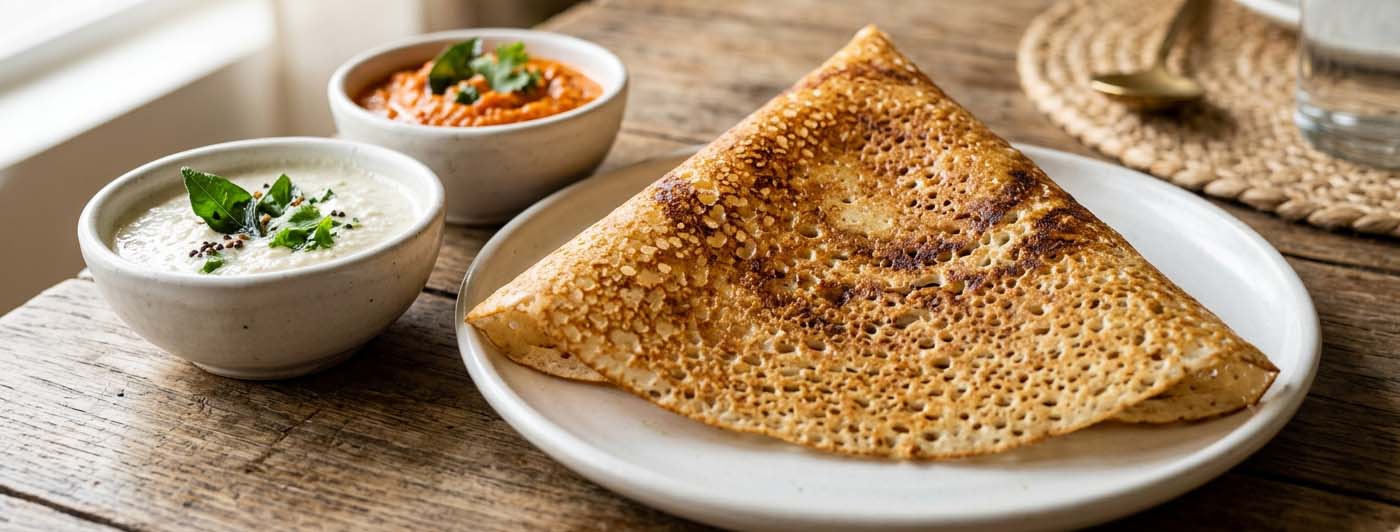
Dosa is eaten at breakfast across South India daily — thin, crispy, and light enough to eat two or three without guilt. Most South Indians have a rough sense that dosa calories are low, but the actual number changes significantly based on type: a plain dosa and a masala dosa are nutritionally very different meals, and a ghee roast is a different category entirely. Understanding the precise dosa calories by preparation — and the protein per piece, which is the number most people underestimate — tells you exactly how dosa fits into a weight loss, gym, or general health diet. For Indians who want to get more out of their dosa without changing the tradition, a cleanplant protein addition to the batter is the simplest upgrade available.
How Many Calories Does One Dosa Have?
One medium plain dosa (approximately 40–50g batter, no oil, 8-inch diameter) contains approximately 70–100 kcal and 2–3g protein — making it one of the lowest-calorie cooked Indian breakfast options — based on ICMR-NIN food composition data and confirmed in adosa glycaemic response study. Dosa calories increase sharply with preparation method: masala dosa adds 150–200 kcal from the potato filling and oil; ghee roast adds 200+ kcal; restaurant-sized dosas are typically 2–3x the size of a home dosa. The protein per plain dosa is 2–3g — lower than most Indians assume, which explains why a dosa-only breakfast creates hunger within 2 hours.
Dosa Calories: Complete Breakdown by Type
1. Calories per Dosa by Preparation
|
Dosa Type |
Approx Batter |
Dosa Calories |
Protein |
Fat |
Carbs |
|
Plain dosa (thin, no oil) |
40g |
70–80 kcal |
2–2.5g |
0.3g |
15g |
|
Plain dosa (medium, ½ tsp oil) |
50g |
90–110 kcal |
2.5–3g |
2.5g |
17g |
|
Masala dosa (potato filling) |
50g + 60g filling |
230–280 kcal |
4–5g |
8–10g |
38g |
|
Rava dosa |
50g |
100–120 kcal |
2g |
3–4g |
18g |
|
Set dosa (3 pieces) |
150g total |
270–330 kcal |
7–9g |
6–8g |
52g |
|
Ghee roast dosa |
50g + 2 tsp ghee |
190–220 kcal |
2.5g |
10–12g |
17g |
|
Egg dosa |
50g + 1 egg |
160–180 kcal |
8–9g |
7–8g |
17g |
|
Onion rava dosa |
55g |
120–140 kcal |
2.5g |
5–6g |
20g |
|
Cheese dosa (restaurant) |
50g + cheese |
250–300 kcal |
8–10g |
14–16g |
18g |
Source: ICMR-NIN Indian Food Composition Tables 2017; recipe calculations based on standard batter ratios
2. Dosa Calories vs Other South Indian Breakfast Options
|
Breakfast |
Serving |
Dosa Calories / Kcal |
Protein |
GI |
Fibre |
|
Plain dosa (1 medium) |
50g batter |
90–110 kcal |
2.5–3g |
65–77 |
0.5g |
|
Masala dosa |
Full serving |
230–280 kcal |
4–5g |
65–70 |
2g |
|
Idli (2 pieces) |
80g |
85 kcal |
3–4g |
65–70 |
0.8g |
|
Poha (1 plate) |
75g dry |
270–300 kcal |
5–6g |
70–80 |
1.2g |
|
Upma (1 bowl) |
150g |
200–220 kcal |
4–5g |
65–70 |
1g |
|
Besan chilla (1 piece) |
40g |
120–140 kcal |
8–10g |
~28 |
2g |
|
Oats (cooked, 1 bowl) |
40g dry |
150 kcal |
5–6g |
~55 |
4g |
Plain dosa has the lowest dosa calories among Indian breakfast foods — but also the lowest protein. Among South Indian breakfasts, dosa is the lightest calorie option and the weakest protein option simultaneously.
3. Restaurant Dosa Calories vs Home Dosa
|
Setting |
Dosa Size |
Dosa Calories |
Key Difference |
|
Home plain dosa |
8 inch, 40–50g batter |
70–110 kcal |
Minimal oil, controlled size |
|
Restaurant plain dosa |
14–16 inch, 90–100g |
180–220 kcal |
2x size, more oil on tawa |
|
Home masala dosa |
Standard |
230–280 kcal |
Controlled potato filling |
|
Restaurant masala dosa |
Large |
350–500 kcal |
Larger filling, butter on top |
|
Restaurant ghee roast |
Large |
400–500 kcal |
Heavy ghee application |
Restaurant dosa calories are typically 2–3x higher than home dosa calories — primarily due to larger size and more oil/ghee on the tawa. For weight loss, home-made dosa on a non-stick tawa with minimal oil is the practical approach to keeping dosa calories under control.
Dosa vs Other Indian Staples for Weight Loss
|
# |
Parameter |
Plain Dosa |
Chapati |
White Rice (1 katori) |
Poha (1 plate) |
Winner |
|
1 |
Dosa calories / kcal per serving |
90–110 |
70–80 |
195 |
270–300 |
Chapati / Dosa |
|
2 |
Protein per serving |
2.5–3g |
2.5–3g |
4g |
5–6g |
Poha / Rice |
|
3 |
GI |
65–77 |
45–72 |
64–72 |
70–80 |
Chapati |
|
4 |
Fibre |
0.5g |
2g |
0.6g |
1.2g |
Chapati |
|
5 |
Fermentation benefit |
Yes |
No |
No |
No |
Dosa |
|
6 |
Satiety (2–3 hrs) |
Low–Moderate |
Moderate–High |
Low |
Moderate |
Chapati |
|
7 |
Digestibility |
High (fermented) |
Moderate |
Moderate |
High |
Dosa |
|
8 |
South Indian versatility |
Highest |
Low |
High |
Moderate |
Dosa |
One-line verdict: Dosa calories are low — comparable to chapati at 90–110 kcal per piece — but dosa's protein (2.5–3g) and fibre (0.5g) are the weakest of all Indian breakfast staples. For weight loss specifically, dosa is a good calorie choice but must be paired with sambar and chutney for satiety. For the full chapati calorie comparison, see ourchapati calories guide.

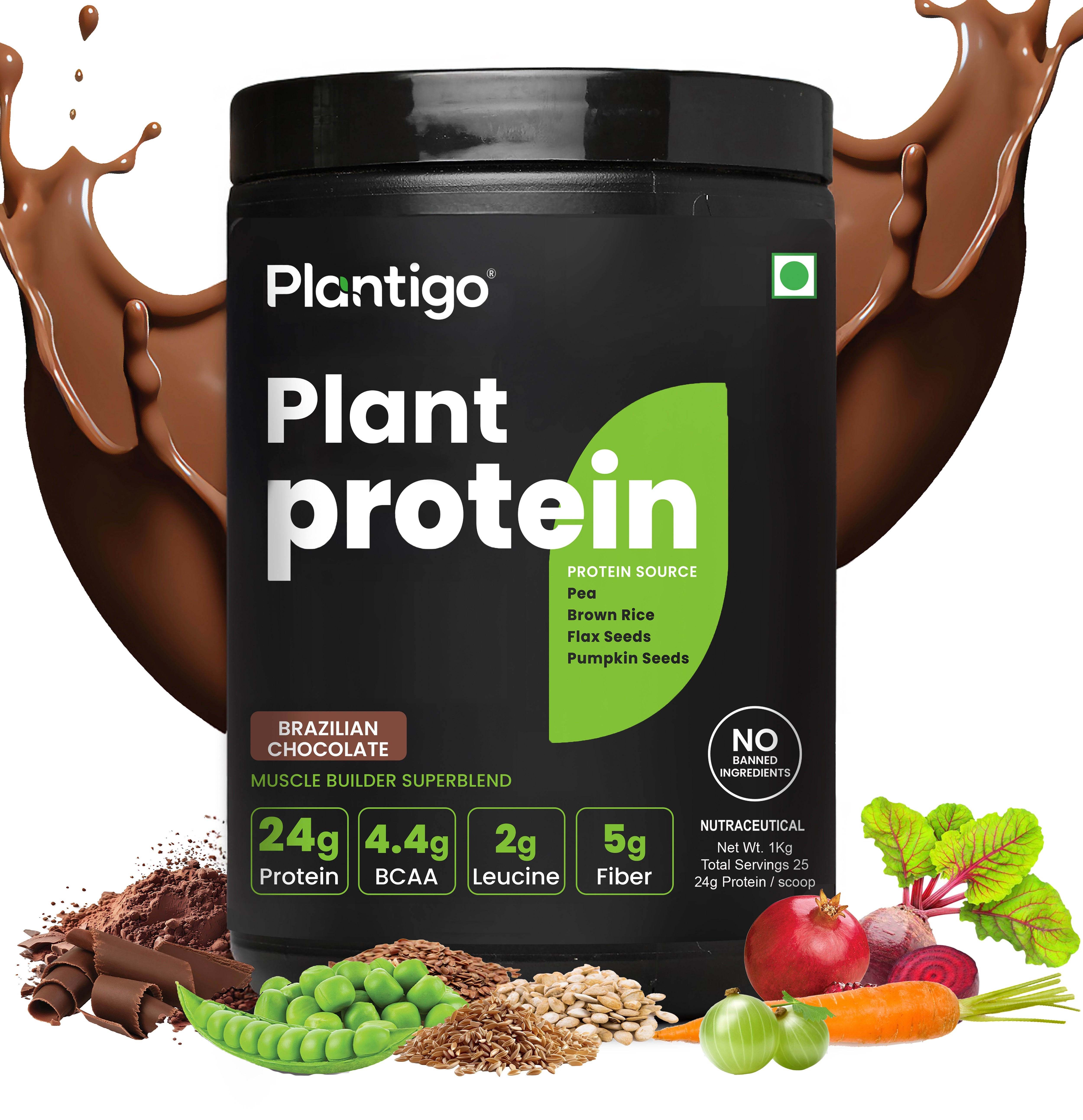
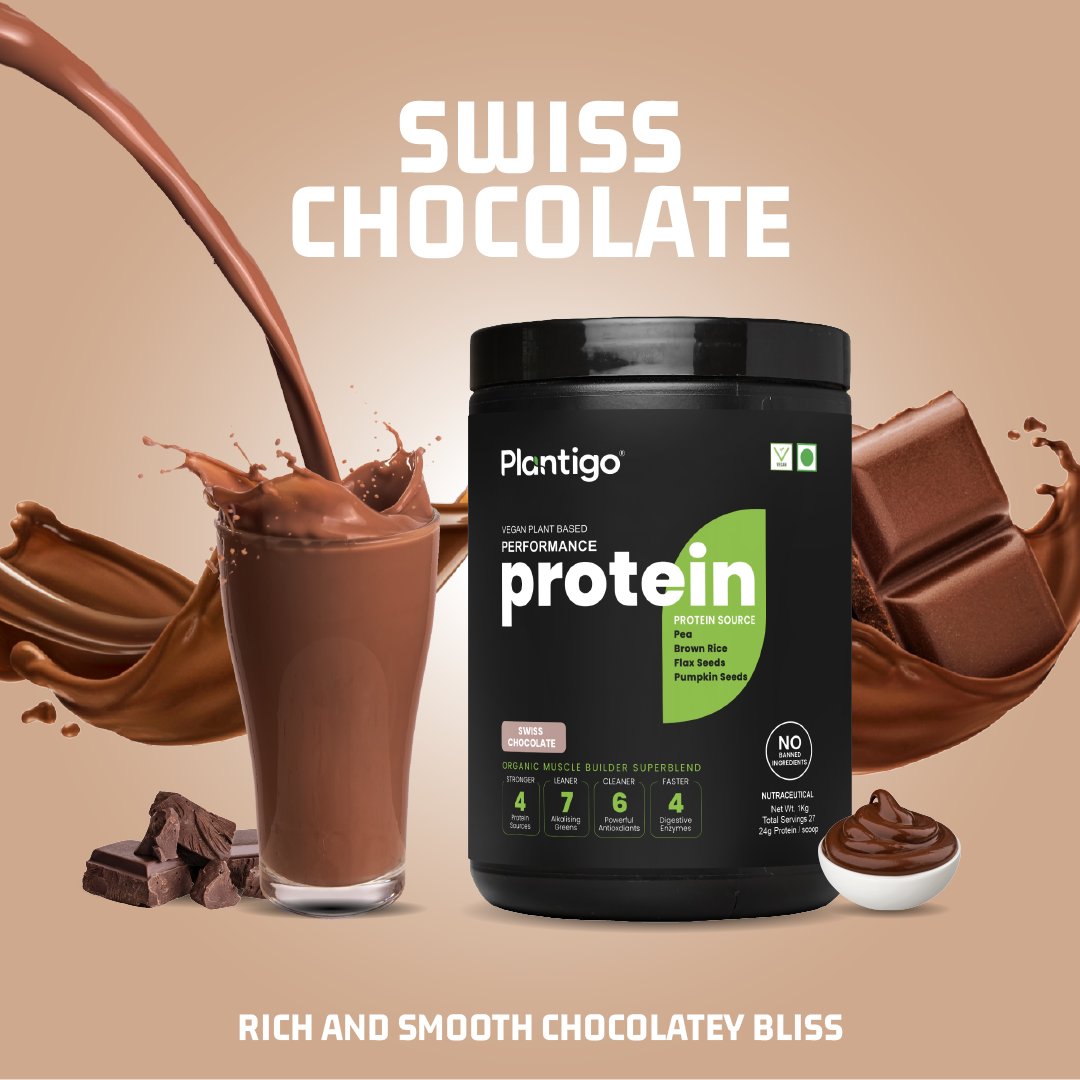
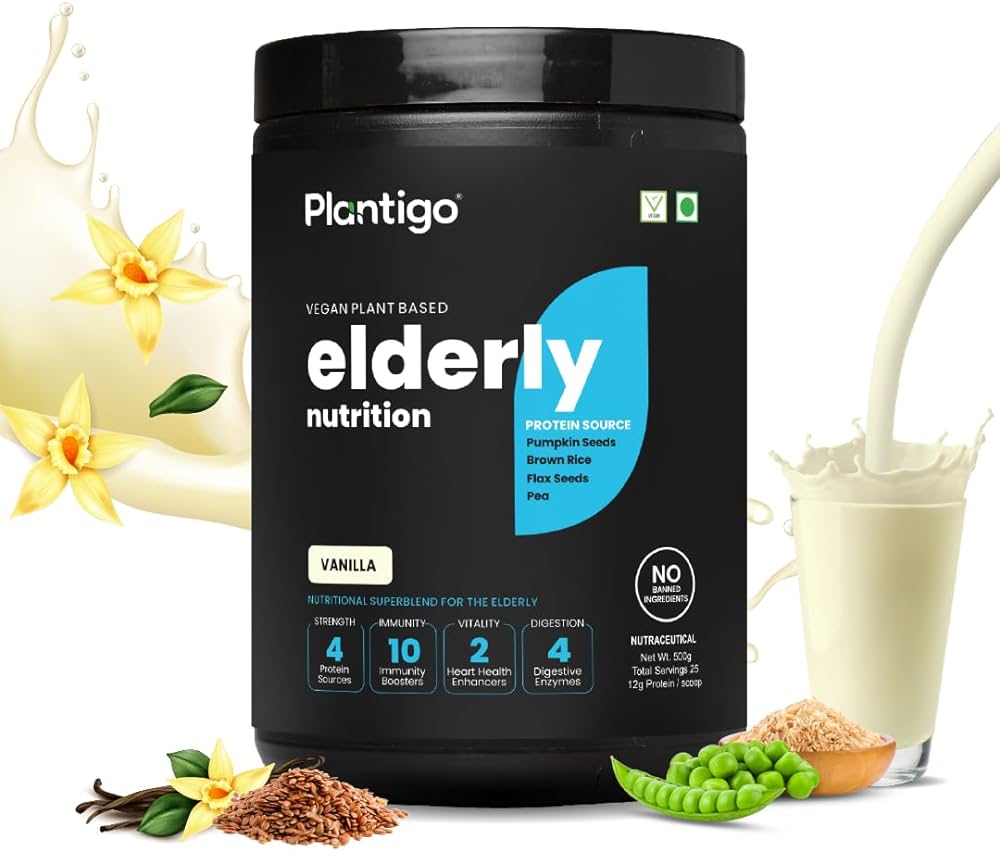
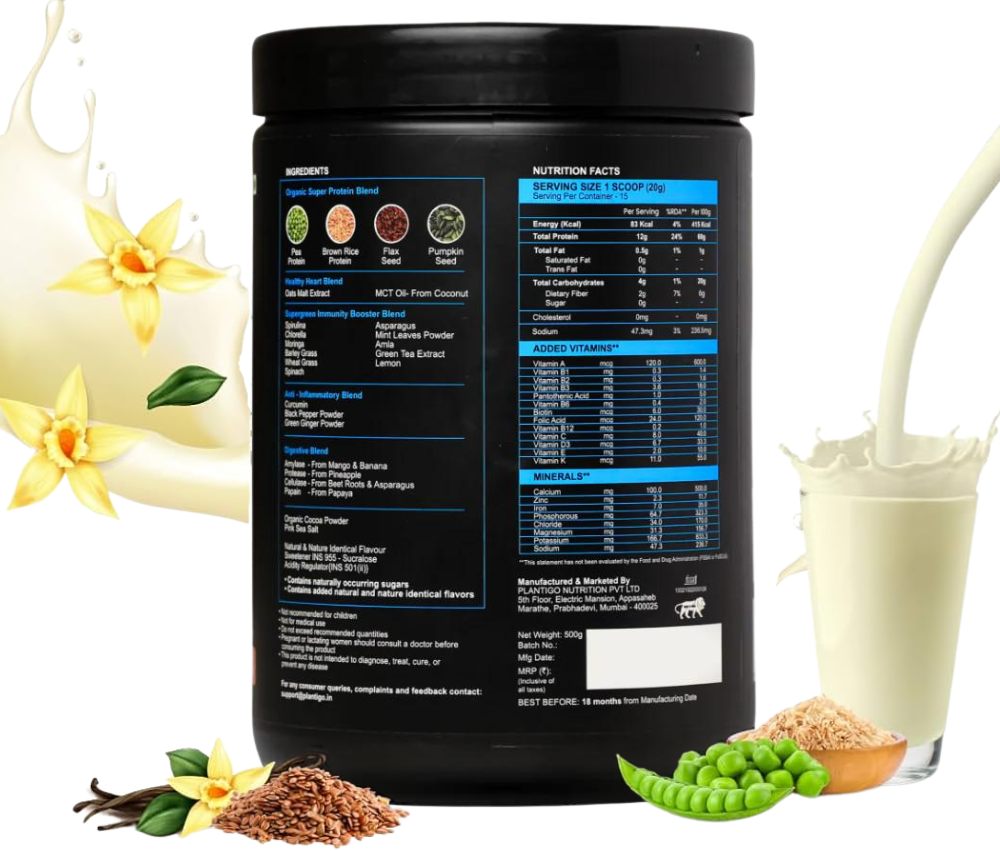
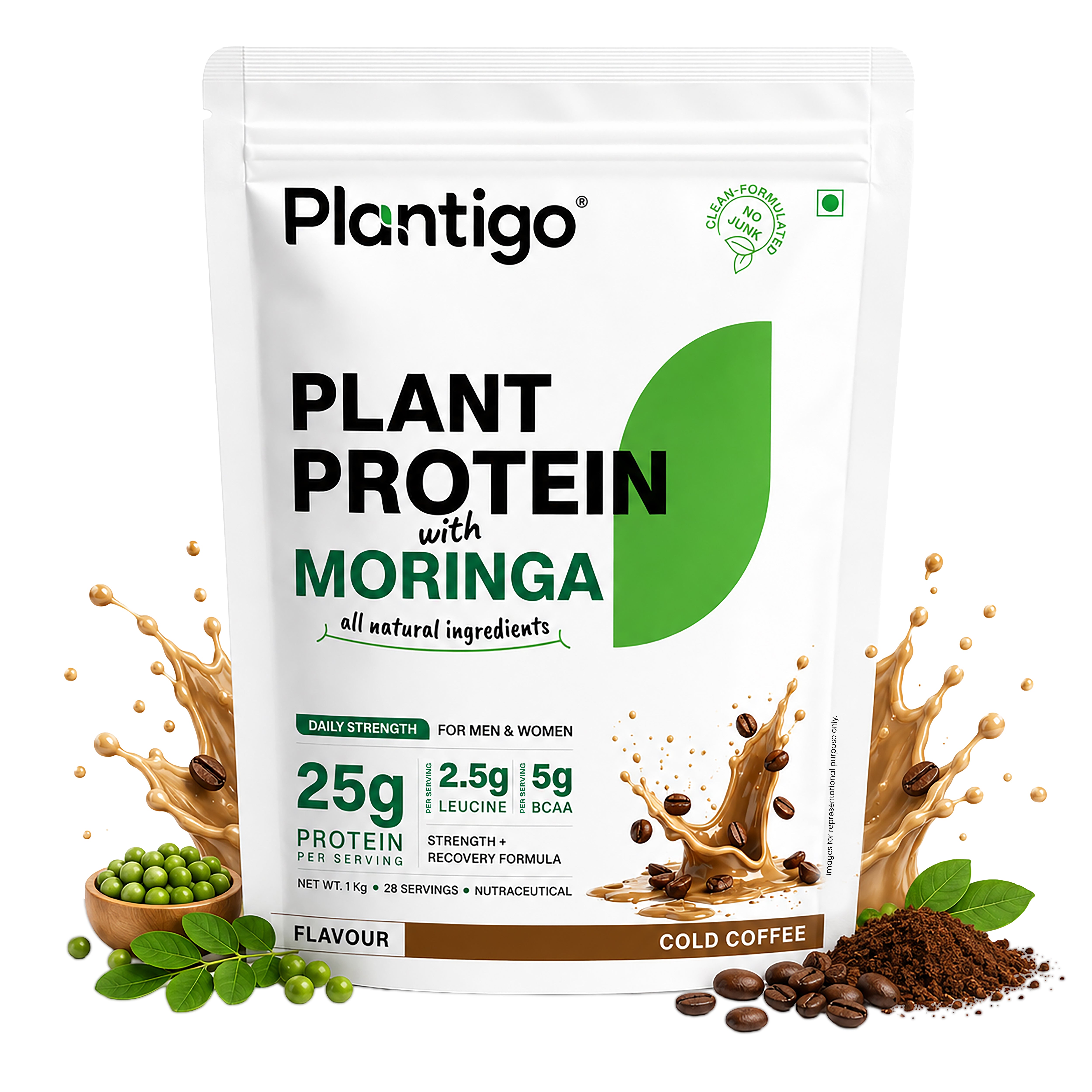
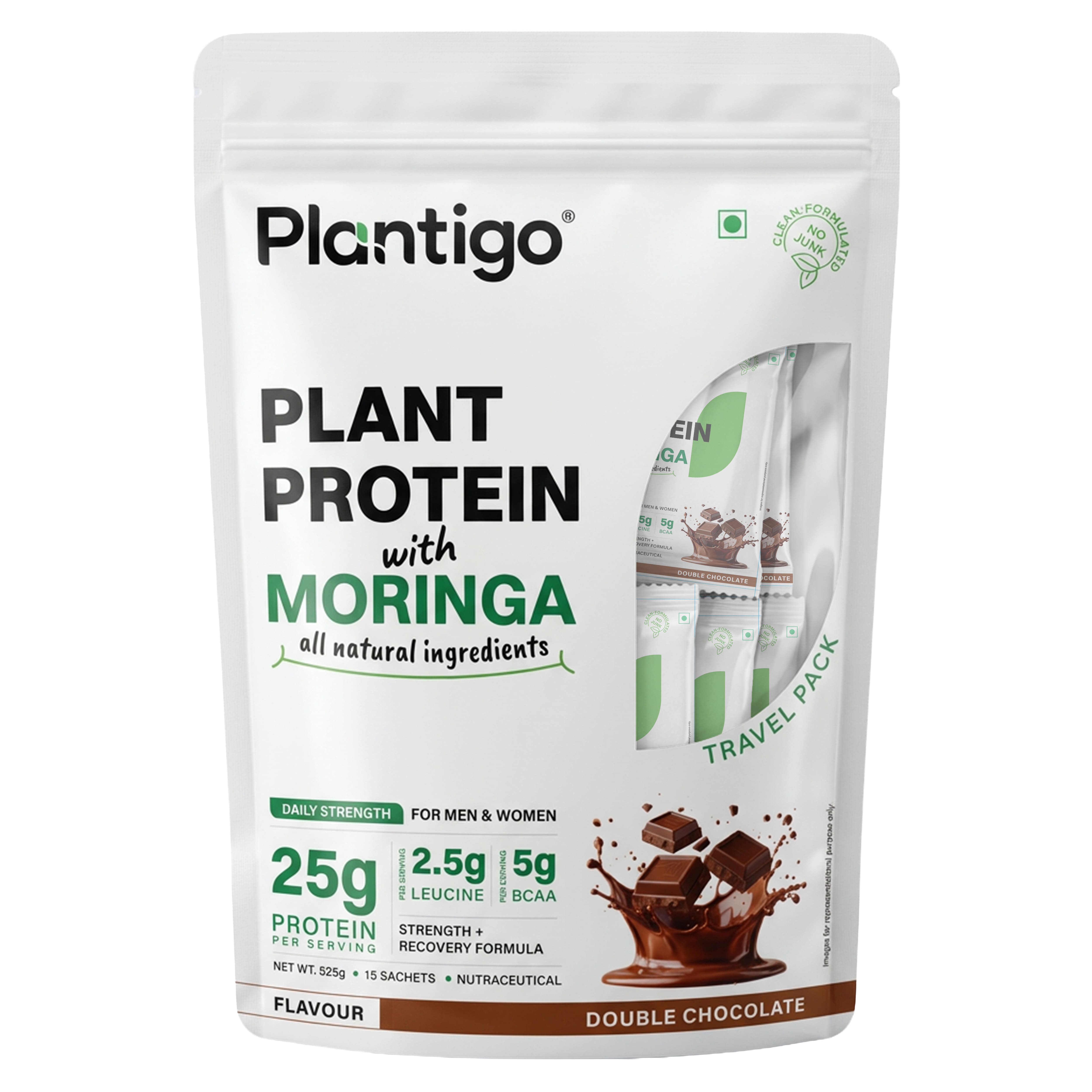
If your dosa breakfast isn't closing the daily protein gap, Plantigo bridges it with a complete plant-based blend of Canadian Pea Isolate, Brown Rice, Pumpkin Seed, and Flaxseed — all 9 essential amino acids, zero Class 2 preservatives, Eurofins-tested, with a 30-day taste guarantee.View Plantigo Plant Protein
Benefits of Dosa for Weight Loss and Health

1. Low Dosa Calories per Serving
At 90–110 kcal per plain dosa, dosa calories are among the lowest of any cooked South Indian breakfast.
-
2 plain dosas = 180–220 kcal — less than a single paratha or a bowl of poha
-
Dosa calories stay controlled when made on a non-stick tawa with minimal oil
-
Large volume per calorie creates visual satiety — relevant for portion-conscious South Indians
2. Fermentation Benefit
Fermented dosa batter contains Lactobacillus cultures that improve protein and carbohydrate digestibility, per afermented foods health review.
-
Fermentation reduces antinutrients — improving absorption of iron, calcium, and B vitamins from the batter
-
Probiotic activity seeds the gut microbiome — supporting immunity and glucose regulation
-
12–16 hour fermentation produces more bioavailable nutrients than short fermentation
3. Low Glycaemic Load per Dosa
GI of 65–77 is moderate — lower than white bread (GI 63–93) and manageable when paired with sambar.
-
Pairing dosa with sambar (dal-based) reduces the overall meal GI by 15–20%
-
Dosa calories are primarily complex carbohydrate — not refined sugar
-
Protein and fibre in sambar slow glucose absorption from dosa significantly
4. Gluten-Free
Standard rice-urad dosa is naturally gluten-free — suitable for the growing Indian population with wheat sensitivity.
-
No wheat, no maida — the batter is rice and urad dal
-
Safe for Indians with coeliac disease or gluten intolerance
-
Most flavoured dosa variations remain gluten-free when home-made
5. Protein Gap — The One Limitation
At 2–3g protein per plain dosa, dosa calories come almost entirely from carbohydrates.
-
3 plain dosas = 6–9g protein — leaving a 47–50g daily gap for a 70kg adult
-
Without sambar (6–8g protein) and protein augmentation, dosa is a carbohydrate breakfast
-
Adding plant protein to batter or eating protein-rich accompaniments closes this gap without changing dosa calories significantly
How to Reduce Dosa Calories and Boost Protein
1. Non-stick tawa, zero oil: Plain dosa on a good non-stick tawa with zero oil drops dosa calories from 110 to 70–80 kcal per piece. Saves 30–40 kcal per dosa — meaningful across 2–3 dosas.
2. Switch to protein dosa batter: Replace 30% of rice flour with besan or moong dal in the batter. Dosa calories stay similar (80–100 kcal) but protein per piece rises from 2.5g to 6–8g. For the full protein dosa method, see ourprotein dosa guide.
3. Add plant protein to standard batter: Stir 1 scoop (25g) unflavoured plant protein into 500ml dosa batter. Each dosa gains 3–4g protein with no taste change, no change in dosa calories. Total per dosa rises to 5–7g protein. See ourprotein dosa guide for the detailed method.
4. Pair with sambar (not just chutney): 2 plain dosas + 1 bowl sambar = 200 kcal from dosa + 60–80 kcal from sambar = 260–280 kcal total with 10–12g protein. Sambar is the protein component of a South Indian breakfast — not optional for satiety. For the best dal in sambar, see ourchana protein guide.
5. Skip masala dosa for weight loss: Masala dosa calories (230–280 kcal) come primarily from the potato filling and oil — not from extra nutrition. The potato adds 150 kcal with minimal protein or micronutrient value. On weight loss days, two plain dosas with sambar are nutritionally and calorically superior to one masala dosa.
Dosa Calories vs Other Protein Sources
1. Dosa vs Idli
Idli has 85 kcal for 2 pieces vs dosa's 90–110 kcal for 1 piece — similar calorie range, but idli is steamed (zero added oil by default) and produces more consistent dosa calories. Protein is similar: 3–4g per 2 idlis vs 2.5–3g per plain dosa. For pure weight loss, idli is marginally better because oil is never added in preparation.
Dosa advantage: Crispier texture, more versatile varieties, better for gym diet when protein batter is used.
2. Dosa vs Besan Chilla
Besan chilla delivers 8–10g protein at 120–140 kcal per piece — significantly more protein than dosa at similar dosa calories. For Indians managing weight and protein simultaneously, besan chilla is the stronger South Indian-adjacent breakfast. See ourbesan protein guide for the full case.
Dosa advantage: More culturally embedded, fermentation benefit, wider variety of preparations.
3. Dosa vs Plant Protein Supplement
A 25g scoop of plant protein delivers 20–22g protein at ~120 kcal — 8x more protein than a plain dosa at similar dosa calories. For gym diet purposes, adding one scoop to dosa batter raises the entire batch's protein without increasing dosa calories significantly. Dosa and plant protein together — not as alternatives.
Supplement advantage: 8x more protein per serving, complete amino acids, no additional cooking required.
The Bottom Line
Dosa calories range from 70–100 kcal for a plain home dosa to 350–500 kcal for a restaurant ghee roast — making dosa one of the most calorie-variable South Indian foods depending on preparation. At its lightest, dosa is an excellent weight loss breakfast. Its single nutritional limitation is protein: 2–3g per plain dosa leaves a large daily gap. The fix — protein batter (besan or moong dal substitution) or plant protein powder addition — keeps dosa calories unchanged while tripling or quadrupling the protein contribution. Dosa with sambar and a protein upgrade is one of the most balanced South Indian weight loss breakfasts available.
Frequently Asked Questions
1. How many kcal are in 2 dosas?
2 medium plain dosas (50g batter each, minimal oil) contain 180–220 kcal total. Restaurant-sized dosas at 2 pieces can be 400–500 kcal due to larger size and more oil.
2. Can I eat two dosas during weight loss?
Yes — 2 plain home dosas are 180–220 kcal and fit in a weight loss diet. Pair with sambar to add protein and fibre, which increases satiety and reduces mid-morning hunger.
3. Is dosa good for a gym diet?
Plain dosa alone is not — 2.5–3g protein per piece is too low for post-workout recovery. Add plant protein to batter or switch to moong dal dosa (8–10g per piece) to make dosa gym-appropriate.
4. Is dosa healthier than roti?
Both are comparable in calories (90–110 vs 70–80 kcal). Roti wins on fibre and GI; dosa wins on fermentation benefit, digestibility, and gluten-free status.
5. How many calories does 4 dosas have?
4 medium plain home dosas contain 360–440 kcal with minimal oil. 4 restaurant dosas can be 700–900 kcal depending on size and oil used.
External Sources
Disclaimer: This article is for educational purposes only. If you have diabetes, coeliac disease, kidney disease, or are on a medically supervised diet, consult your doctor or dietitian before making major dietary changes.