Most Indians eating paneer daily have no precise idea of how much protein they are actually getting. The number on a nutrition label is per 100g — but Indians rarely eat exactly 100g. A standard home serving is closer to 75–100g; a restaurant paneer tikka portion is often 150–200g. Understanding exactly what 200 gm paneer protein delivers — and how milk type, cooking method, and fat content change that number — tells you whether paneer is genuinely closing your daily protein gap or just making you feel like it is. For Indians who want to pair 200 gm paneer protein with a cleanplant protein to hit daily targets consistently, the numbers matter.
How Much Protein Is in 200 gm Paneer?
200 gm paneer protein delivers 36–40g of complete protein — all 9 essential amino acids, casein-dominant for slow digestion — making a 200g paneer serving one of the most protein-dense single-food meals available in an Indian vegetarian diet, according to apaneer composition review. The exact 200 gm paneer protein figure varies by milk source: full-fat cow milk paneer delivers 36g, buffalo milk paneer delivers 34g (higher fat dilutes protein percentage), and low-fat skimmed milk paneer delivers up to 44–48g per 200g. For a 70kg Indian adult needing 56g protein daily, 200 gm paneer protein alone covers 64–70% of the daily requirement in a single serving.
200 gm Paneer Protein: Complete Breakdown
1. Protein by Paneer Type at 200g Serving
|
Paneer Type |
Protein per 100g |
200 gm Paneer Protein |
Fat (200g) |
Calories (200g) |
|
Full-fat cow milk paneer |
18g |
36g |
40–44g |
530–560 kcal |
|
Full-fat buffalo milk paneer |
17g |
34g |
48–52g |
590–620 kcal |
|
Low-fat cow milk paneer |
20–22g |
40–44g |
16–20g |
360–400 kcal |
|
Skimmed milk paneer |
22–24g |
44–48g |
6–10g |
280–320 kcal |
|
Commercial packaged paneer |
17–18g |
34–36g |
44–50g |
580–620 kcal |
Source: ICMR-NIN Indian Food Composition Tables 2017;paneer nutritional analysis
2. How Cooking Affects 200 gm Paneer Protein
|
Preparation |
200 gm Paneer Protein |
Fat Added |
Total Calories |
Notes |
|
Raw / uncooked |
36–40g |
0 |
530–560 kcal |
Baseline |
|
Grilled / air-fried |
35–39g |
Minimal |
540–570 kcal |
~2–3% protein loss from heat |
|
Pan-fried (1 tsp oil) |
35–39g |
+14g fat |
650–680 kcal |
Oil adds calories, not protein |
|
Paneer tikka (tandoor) |
35–39g |
+5–8g fat |
600–640 kcal |
Marinade adds minimal calories |
|
Palak paneer (200g paneer) |
35–39g |
+10g fat (oil) |
680–720 kcal |
Dal and spinach add ~5g extra protein |
|
Butter paneer (restaurant) |
34–38g |
+20–30g fat |
800–950 kcal |
Heavy butter/cream adds significant calories |
|
Paneer bhurji (no butter) |
36–40g |
+5g fat |
590–630 kcal |
Best protein-to-calorie preparation |
200 gm paneer protein remains largely intact across cooking methods — heat does not significantly denature the casein protein. The variable is the oil and butter added during cooking, which increases calories without increasing 200 gm paneer protein.
3. 200 gm Paneer Protein vs Other Serving Sizes
|
Serving |
Protein |
Calories |
Best For |
|
50g paneer |
9–10g |
132–150 kcal |
Daily snack addition |
|
100g paneer |
18–20g |
265–300 kcal |
Standard home serving |
|
150g paneer |
27–30g |
400–450 kcal |
Active adults, post-workout |
|
200g paneer |
36–40g |
530–560 kcal |
High-protein meal anchor |
|
250g paneer |
45–50g |
660–700 kcal |
Near-complete daily protein from one food |
200 gm paneer protein at 36–40g is the sweet spot for Indian adults needing high protein — significant enough to anchor a day's intake without the 530+ kcal becoming problematic on a controlled calorie diet.
200 gm Paneer Protein vs Other Indian Protein Sources
|
# |
Parameter |
200 gm Paneer |
4 Eggs |
200g Tofu |
100g Soya Chunks (dry) |
1 Scoop Plant Protein |
|
1 |
Protein |
36–40g |
24g |
30–34g |
52g |
20–22g |
|
2 |
Calories |
530–560 kcal |
286 kcal |
152–288 kcal |
345 kcal |
120 kcal |
|
3 |
Saturated fat |
24–28g |
6.6g |
1.4–2g |
1g |
<1g |
|
4 |
Complete amino acids |
Yes |
Yes |
Yes |
Yes |
Yes (multi-source) |
|
5 |
Dairy-free |
No |
No |
Yes |
Yes |
Yes |
|
6 |
Cholesterol |
140–160mg |
744mg |
0mg |
0mg |
0mg |
|
7 |
Leucine content |
High (casein) |
High |
Moderate |
High |
High (pea isolate) |
|
8 |
Calorie efficiency |
Low (high fat) |
High |
Very high |
Moderate |
Very high |
One-line verdict: 200 gm paneer protein (36–40g) is the highest single-food protein delivery in Indian vegetarian cooking — but comes at 530+ kcal and 24–28g saturated fat. For protein-to-calorie efficiency, tofu and plant protein supplement outperform 200 gm paneer protein significantly. For the full tofu comparison, see ourtofu protein guide.

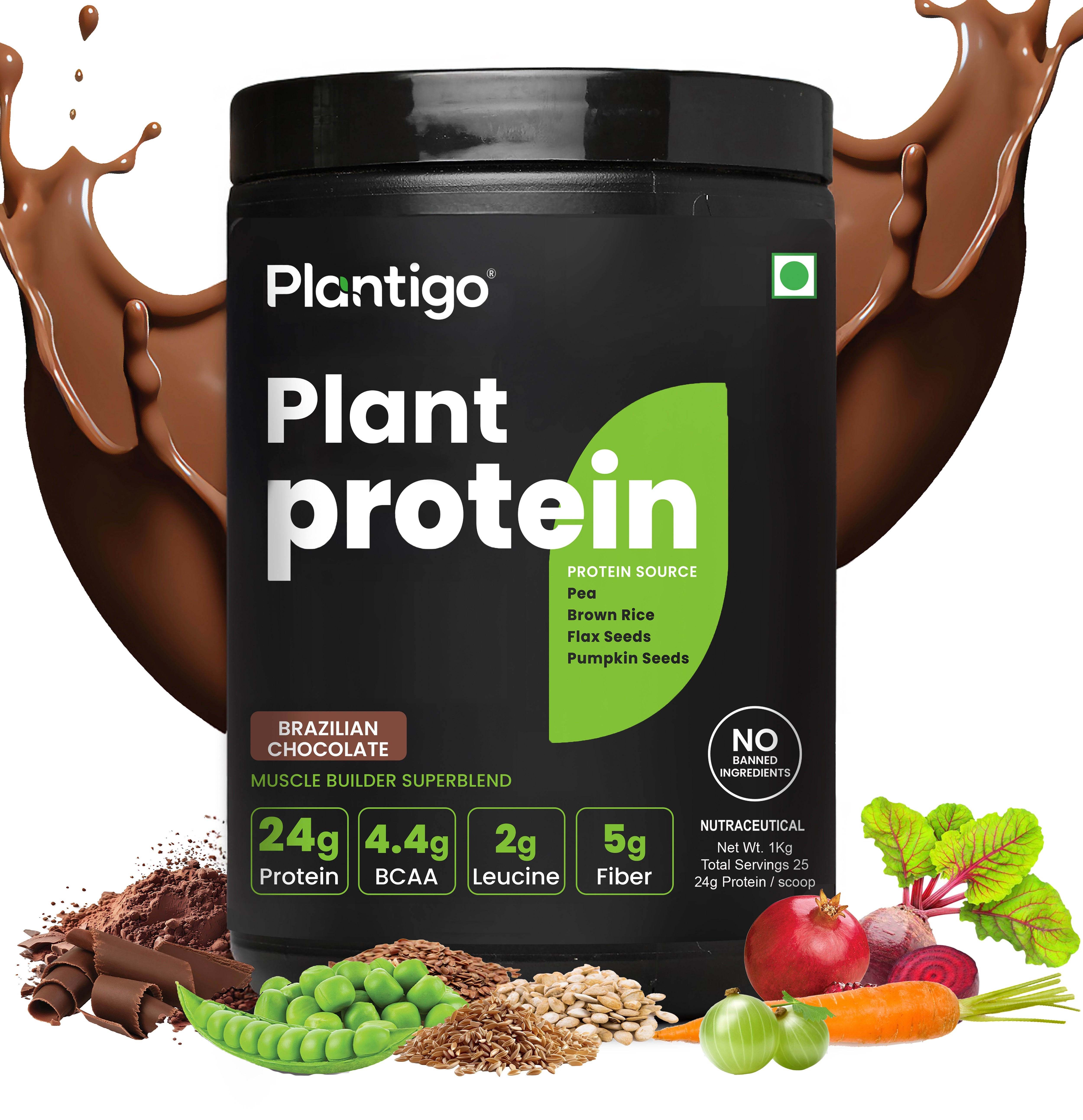
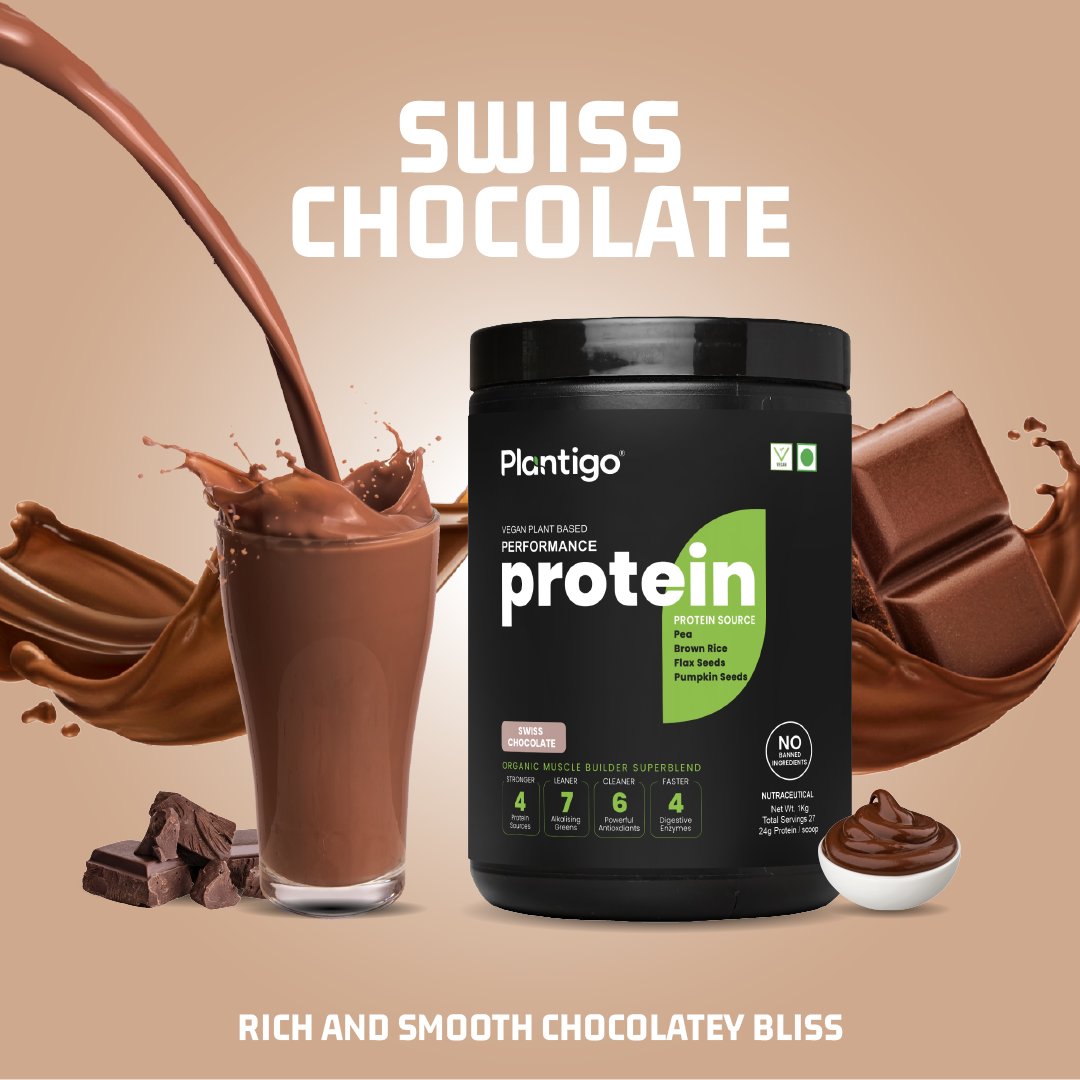
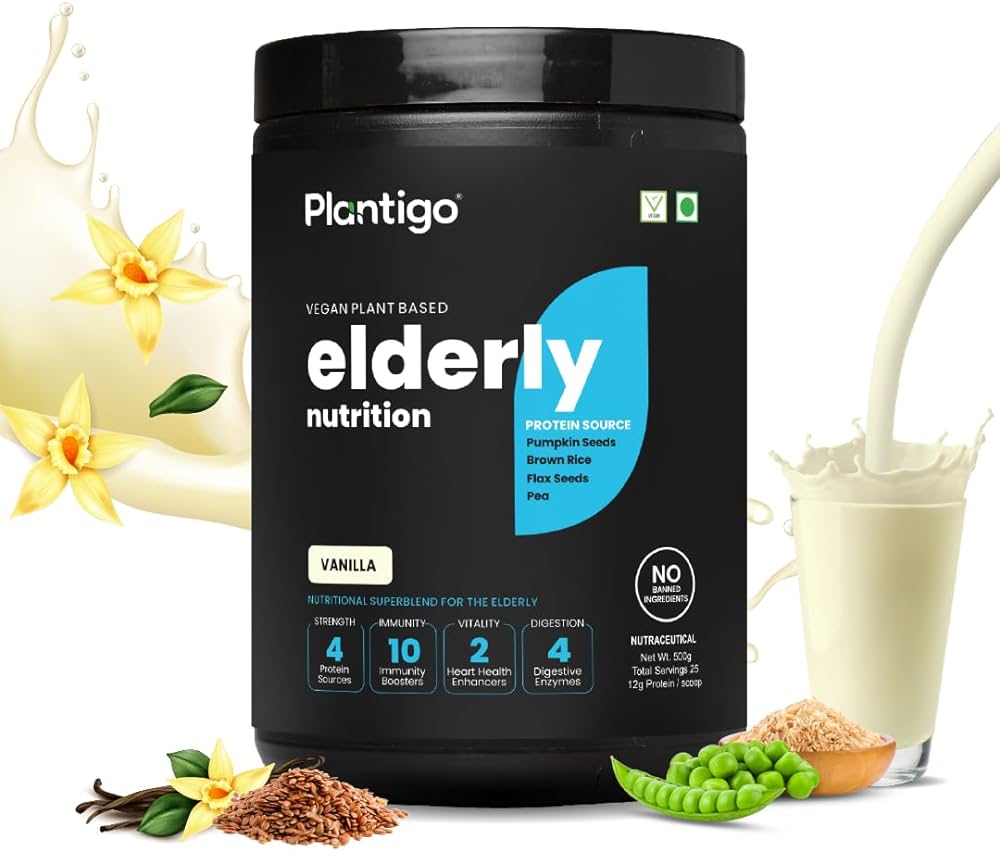
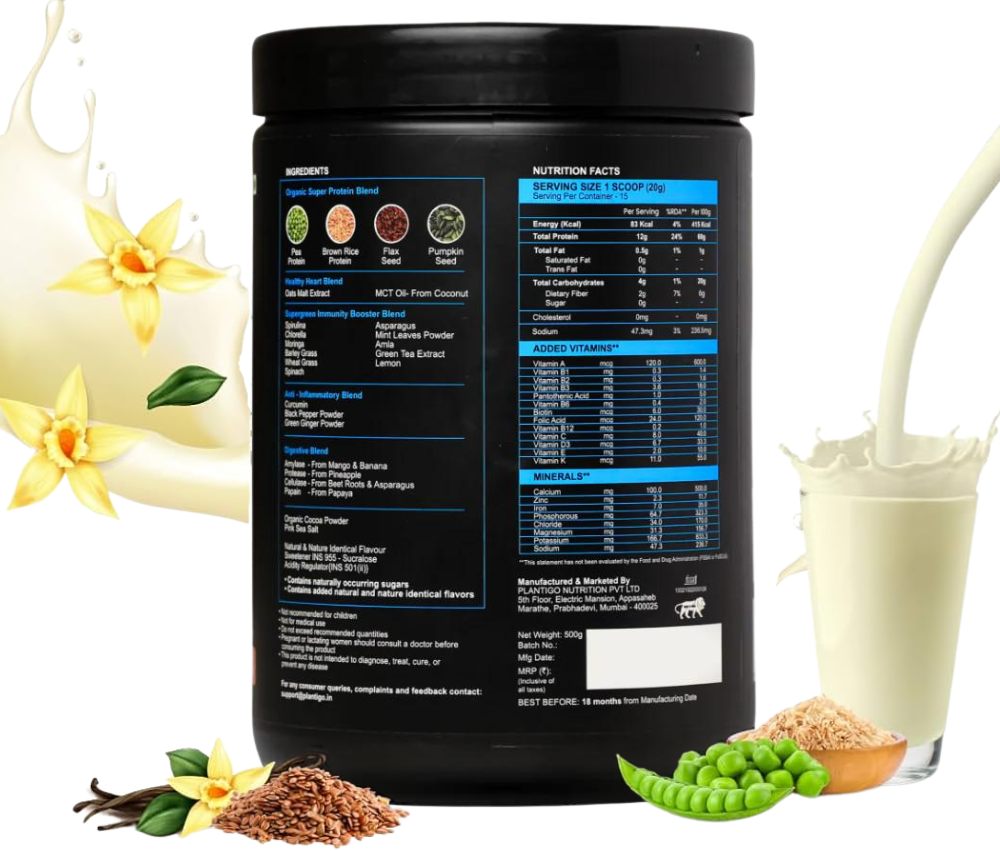
If 200 gm paneer protein alone isn't closing your daily gap, Plantigo bridges it with a complete plant-based blend of Canadian Pea Isolate, Brown Rice, Pumpkin Seed, and Flaxseed — all 9 essential amino acids, zero Class 2 preservatives, Eurofins-tested, with a 30-day taste guarantee.View Plantigo Plant Protein
Benefits of 200 gm Paneer Protein for Indians

1. Complete Amino Acid Coverage
200 gm paneer protein delivers all 9 essential amino acids in one serving — rare for a single Indian food.
-
Casein is ~80% of paneer protein — slow-digesting, sustained amino acid release over 5–7 hours
-
Leucine content triggers muscle protein synthesis — the same mechanism targeted by protein supplements
-
Lysine in paneer compensates for the lysine limitation in roti and rice — completing the meal's amino acid profile
2. Muscle Preservation
36–40g complete protein in one serving exceeds the leucine threshold for muscle protein synthesis at any meal.
-
Casein's slow release makes 200 gm paneer protein particularly effective before sleep for overnight muscle repair
-
For active Indians aged 35–55 losing muscle mass, one 200g paneer serving covers the protein need of a full meal
-
See ourpaneer weight loss guide for how to use 200 gm paneer protein in a caloric deficit
3. Bone Health
200g paneer delivers 416mg calcium — 42% of the 1,000mg daily adult requirement in a single serving.
-
Calcium + casein protein together form the bone matrix — more effective than calcium alone
-
Buffalo milk paneer reaches 480mg calcium per 200g — the highest dairy calcium source in Indian cooking
-
Relevant for post-menopausal Indian women where both protein and calcium are simultaneously critical
4. Satiety and Weight Management
Casein protein at 36–40g per serving suppresses appetite for 5–7 hours — the longest satiety window of any Indian food protein.
-
Ghrelin suppression from 200 gm paneer protein reduces total daily calorie intake by 300–400 kcal in studies
-
Low carbohydrate (2.4–6g per 200g) means no insulin spike — fat storage is not triggered
-
But: 530–560 kcal for 200g full-fat paneer is a significant calorie commitment — low-fat paneer at 360 kcal is the weight-loss-appropriate version
How Much Paneer Gives 30g of Protein?
A common target question: 30g protein from paneer alone requires approximately 150–165g of full-fat cow milk paneer. With low-fat paneer, 135–150g is sufficient.
|
Protein Target |
Full-Fat Paneer Needed |
Low-Fat Paneer Needed |
|
20g protein |
100–110g |
90–100g |
|
30g protein |
150–165g |
135–150g |
|
40g protein |
200–220g |
180–200g |
|
50g protein |
250–280g |
225–250g |
For Indians trying to get 50g protein purely from paneer, the calorie cost (660–840 kcal) and saturated fat content (30–37g) make this impractical daily. The right approach is 100–150g paneer for 18–30g protein, combined with dal and a plant protein supplement for the remaining gap.
How to Use 200 gm Paneer Protein Effectively
1. Post-workout paneer bhurji: 200g crumbled paneer with onion, tomato, turmeric, and cumin — zero butter, non-stick pan. Delivers 36–40g protein at ~570 kcal. Ideal as a post-workout meal for active Indians. For a dal complement that adds lysine, see ourrajma protein guide.
2. Paneer salad (lunch): 200g raw paneer cubed with cucumber, tomatoes, lemon juice, chaat masala, and coriander. 36–40g protein at 530 kcal — a high-protein lunch that requires no cooking. Pairs with 1 roti for a complete meal. See ourroti protein guide for the amino acid complementarity.
3. Low-fat paneer for weight loss: Switch from full-fat to skimmed milk paneer for the same 200 gm paneer protein (44–48g) at 280–320 kcal — saving 200–240 kcal per serving. This single substitution makes daily 200g paneer sustainable on a weight loss diet.
4. Split across two meals: 100g at lunch (18–20g protein) + 100g at dinner (18–20g protein) = same total 200 gm paneer protein but better distributed amino acid delivery than one large serving. Protein synthesis is more efficient when protein is spread across meals rather than eaten all at once.
200 gm Paneer Protein vs Other Sources
1. 200g Paneer vs 4 Eggs
4 eggs deliver 24g protein at 286 kcal — significantly fewer calories than 200 gm paneer protein (530+ kcal) for 12–16g less protein. For pure protein-to-calorie efficiency, eggs win. For vegetarians avoiding eggs, 200 gm paneer protein is the strongest single-food alternative.
Paneer advantage: 50–67% more protein per serving, lactose-tolerant Indians absorb casein efficiently, no egg allergy risk.
2. 200g Paneer vs Soya Chunks
100g dry soya chunks deliver 52g protein — more than 200 gm paneer protein — at 345 kcal and near-zero saturated fat. Soya chunks are the protein-efficiency winner. Paneer wins on taste versatility, cultural acceptance, and calcium content. See oursoya chunks guide.
Paneer advantage: Complete casein-based protein, 416mg calcium per 200g, wider Indian cooking versatility.
3. 200g Paneer + Plant Protein Supplement
Combining 100g paneer (18–20g protein) with 1 scoop plant protein (20–22g protein) gives 38–42g total protein at 385–420 kcal — nearly the same 200 gm paneer protein but with 110–170 fewer calories and significantly less saturated fat. This is the optimal daily combination for Indians who want paneer's cultural role with plant protein's efficiency.
Combined advantage: Same total protein as 200 gm paneer, 30% fewer calories, zero saturated fat from the supplement component.
The Bottom Line
200 gm paneer protein delivers 36–40g of complete, casein-based protein — the highest single-food protein contribution in Indian vegetarian cooking. At full-fat, it comes at 530+ kcal and 24–28g saturated fat, making it most practical as a post-workout meal or split across two servings of 100g each. Low-fat paneer raises 200 gm paneer protein to 44–48g at 280–320 kcal — the version Indians managing weight should default to. For the remaining daily gap after paneer, a clean plant protein supplement closes what even a generous paneer serving cannot.
Frequently Asked Questions
1. How much protein is in 200 grams of cooked paneer?
Cooked full-fat paneer retains 35–39g protein per 200g — heat causes only 2–3% protein loss. The preparation method changes calories (added oil), not the 200 gm paneer protein content.
2. Can I eat 200 gm paneer a day?
Yes — 200g of low-fat paneer daily is appropriate for most active Indian adults at 360–400 kcal and 40–44g protein. Full-fat paneer at 200g (530–560 kcal, 24–28g saturated fat) is better split across two meals.
3. How much paneer has 100g of protein?
Approximately 500–550g of full-fat paneer delivers 100g protein at 1,300–1,500 kcal — impractical daily. Combine paneer with dal and a plant protein supplement to hit 100g efficiently.
4. What if I eat 100 gm paneer daily?
100g daily delivers 18–20g protein at 265–300 kcal — covering 32–36% of a 56g daily requirement. A practical, sustainable daily amount that adds meaningful protein without significant calorie cost.
5. Is paneer high in fat?
Yes — full-fat paneer contains 20–25g fat per 100g (12–14g saturated fat). Low-fat or skimmed milk paneer drops this to 3–10g total fat — the right choice for weight loss or high cholesterol.
External Sources
Disclaimer: This article is for educational purposes only. If you have high cholesterol, kidney disease, lactose intolerance, or diabetes, consult your doctor or dietitian before making major dietary changes.