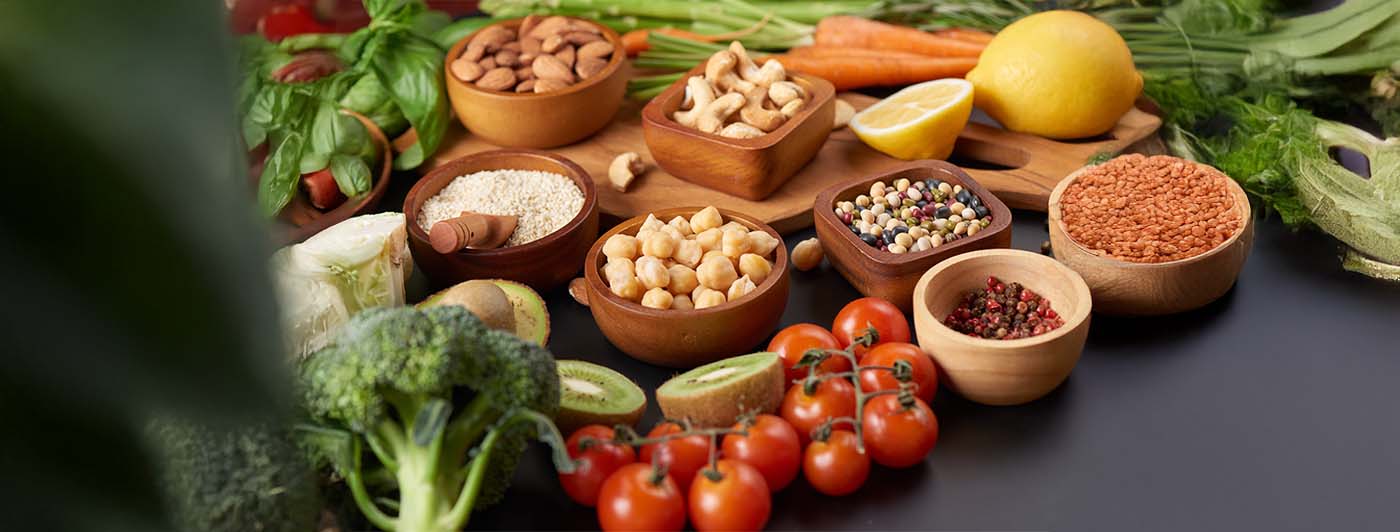
A plant-based diet plan for muscle gain should prioritise high-leucine protein sources — lentils, soybeans, quinoa, peas, and hemp seeds — distributed across 4–5 meals daily to maintain a positive muscle protein synthesis balance. Total daily protein intake should sit between 1.6g–2.2g per kilogram of body weight, with each meal delivering at least 25–40g of protein from complementary plant sources.
Introduction
Here's the question most people are secretly asking: can you actually build serious muscle on plants alone?
Not "maintain" muscle. Not "stay lean." Actually build — the kind of dense, functional muscle that shows up in performance, posture, and longevity.
The answer is yes. But it comes with a condition: you need to understand how plant protein works differently from animal protein — and then build your diet around that understanding. The biggest mistake plant-based athletes make isn't eating too little protein. It's eating the wrong combinations at the wrong times, leaving amino acid gaps that quietly undermine recovery and growth.
This article fixes that. What follows is a complete diet plan for muscle gain built entirely on plant foods — structured, practical, and backed by nutritional science. By the time you finish reading, you'll have a framework you can implement from your next meal onwards.
Key Points Summary
-
A well-structured diet plan for muscle gain on plants requires 1.6–2.2g of protein per kg of body weight daily
-
Leucine - the amino acid that directly triggers muscle protein synthesis - must be present in sufficient quantities at each meal
-
Plant protein digests slower than animal protein - meal timing and food pairing become more important, not less
-
Protein deficiency is not just about muscle loss - the disease caused by deficiency of protein includes kwashiorkor, muscle wasting, impaired immunity, and hormonal disruption
-
Micronutrients - particularly iron, selenium, and zinc - play critical supporting roles in muscle function that are often overlooked in muscle-building discussions
-
Caloric surplus matters as much as protein - muscle cannot be built in a consistent caloric deficit regardless of protein intake
-
Strategic use of dry fruits, seeds, and calorie-dense plant foods helps achieve the caloric surplus muscle growth demands
Why Plant Protein Works Differently - And Why That's Actually an Advantage
Most conversations about plant protein focus on what it lacks. That's the wrong lens entirely.
Yes — most individual plant proteins are lower in leucine than whey. Yes — some are not complete proteins independently. But here's what that framing misses entirely: plant protein comes packaged with fiber, phytonutrients, antioxidants, and anti-inflammatory compounds that animal protein simply doesn't deliver.
For muscle building, this matters more than most people realise. Inflammation is the enemy of recovery. Every hard training session creates microscopic muscle damage — and the speed at which your body repairs that damage determines how fast you grow. A diet high in anti-inflammatory plant foods accelerates recovery in ways that a meat-and-whey diet structurally cannot.
The research is increasingly clear on this. Athletes eating diverse plant protein sources alongside adequate calories recover comparably to — and in some inflammatory markers, better than — their omnivorous counterparts.
The key is structure. And structure starts with understanding your numbers.
Step 1: Calculate Your Protein and Calorie Targets
Before building any diet plan for muscle gain, you need two numbers: your daily protein target and your daily calorie target.
For muscle gain, the evidence-backed protein range is 1.6g–2.2g of protein per kilogram of body weight per day. For a 70kg individual, that's 112g–154g of protein daily — entirely achievable from plant sources with the right food selection.
Calorie target for muscle gain sits at approximately 250–500 calories above your Total Daily Energy Expenditure (TDEE). This surplus provides the raw energy substrate that muscle synthesis requires. Without it, even perfect protein intake cannot drive meaningful muscle growth.
Use a protein intake calculator to establish your precise targets based on your body weight, activity level, and training frequency before moving to the meal structure below. Guessing these numbers is the most common reason plant-based muscle building efforts stall.
Step 2: Understanding Protein Deficiency — What's Actually at Stake
Before building the diet, it's worth understanding what happens when protein intake is chronically insufficient — because the consequences extend far beyond slow muscle growth.
The disease caused by deficiency of protein in its severe clinical form is kwashiorkor — characterised by muscle wasting, oedema, impaired immune function, and stunted growth. While full kwashiorkor is rare in adults with food access, subclinical protein deficiency is far more common than recognised — and its effects are measurable: slower recovery between training sessions, increased injury susceptibility, hormonal disruption, and progressive loss of lean muscle mass.
For anyone following a plant-based diet plan for muscle gain, understanding this risk isn't alarmist — it's motivating. It reframes protein targets from abstract numbers into genuine biological necessities.
Step 3: The Core Plant Foods That Power This Diet Plan for Muscle Gain
1. Lentils
At ~25g protein per 100g (dry weight) and rich in lysine — the amino acid most commonly deficient in grain-heavy diets — lentils are the workhorse of any plant-based diet plan for muscle gain. Fast-cooking, inexpensive, and extraordinarily versatile, they form the protein backbone of at least one meal daily in this framework.
2. Soybeans and Tempeh
Soybeans deliver ~36g protein per 100g (dry) with a leucine content (2.97g/100g) that directly competes with animal protein for muscle protein synthesis triggering. Tempeh — fermented soybean — improves on this further by degrading antinutrients through fermentation, making its amino acids more bioavailable. If there's one food that anchors a plant-based diet plan for muscle gain, it's tempeh.
3. Quinoa
Unlike rice or wheat, quinoa delivers all nine essential amino acids including lysine. At ~14g protein per 100g (dry), it's not the most protein-dense food on this list — but its completeness and magnesium content (197mg/100g) make it the ideal grain base for muscle-building meals.
4. Oats
Oats protein per 100g sits at approximately 13–17g — significantly higher than most grains and with a particularly strong lysine profile for a cereal. Beyond protein, oats deliver beta-glucan fiber that supports sustained energy release across training sessions. They are one of the most underestimated foods in a plant-based diet plan for muscle gain — especially when combined with hemp seeds or nut butter to amplify amino acid breadth.
5. Peas and Pea Protein
Yellow split peas are the source of the globally dominant plant based protein powder category — and for good reason. Their leucine concentration rivals whey in clinical comparison studies — with research on plant-based protein isolate amino acid composition confirming that pea protein delivers a complete and competitive amino acid profile, making it the most evidence-backed plant protein option for post-workout recovery.

6. Hemp Seeds
Hemp seeds deliver all nine essential amino acids alongside an optimal omega-6 to omega-3 ratio of 3:1. Two tablespoons add 10g of complete protein to any meal with zero cooking and zero preparation. In a diet plan for muscle gain, they function as the easiest daily protein top-up available.
Step 4: The Micronutrient Stack — What Most Muscle-Building Plans Ignore
Protein gets all the attention. But muscle function, oxygen delivery to working muscles, and hormonal regulation depend on micronutrients that plant-based diets need to address deliberately.
Iron
Iron is essential for haemoglobin synthesis — the protein that carries oxygen to muscle tissue during training. Without adequate iron, training capacity drops measurably before any other symptom appears. The best iron rich foods vegetarian sources include lentils (6.6mg/100g), tofu (5.4mg/100g), pumpkin seeds (8.8mg/100g), quinoa (4.6mg/100g), and dark leafy greens. Always pair iron-rich plant foods with vitamin C sources — citrus, bell peppers, amla — to maximise non-haem iron absorption.
Selenium
Selenium supports thyroid function, testosterone production, and antioxidant enzyme activity — three systems directly involved in muscle recovery and growth. Selenium rich foods in a plant-based diet include Brazil nuts (the single most concentrated source at ~1917mcg/100g — one nut covers daily requirements), sunflower seeds, and whole grains. One Brazil nut daily is the simplest micronutrient intervention in this entire plan.
Zinc and Magnesium
Zinc supports testosterone synthesis and protein metabolism. Magnesium regulates muscle contraction, sleep quality, and over 300 enzymatic processes involved in energy production. Pumpkin seeds lead on both — delivering 7.81mg zinc and 592mg magnesium per 100g. Include them daily.
Step 5: Calorie-Dense Plant Foods for Muscle Gain Surplus
Building muscle requires a caloric surplus. For plant-based eaters — whose diets tend to be high in fiber and water content — achieving this surplus requires deliberate inclusion of calorie-dense foods.
The best dry fruits for weight gain and caloric surplus include dates (277kcal/100g, rich in fast-releasing glucose ideal for pre-workout), raisins (299kcal/100g), dried figs (249kcal/100g), and dried apricots (241kcal/100g). These aren't empty calories — dates and figs also deliver meaningful potassium and iron alongside their caloric density.
Nuts — almonds, cashews, walnuts — and nut butters add healthy fats and protein simultaneously. A tablespoon of almond butter adds 100 calories and 3.4g of protein with no preparation. These small additions compound across a day into the 250–500 calorie surplus muscle growth requires.
The 7-Day Plant-Based Diet Plan for Muscle Gain
Here is a structured weekly framework. Portions should be adjusted to meet your individual calorie and protein targets calculated in Step 1.
Day 1 — Monday: Foundation Day
|
Meal |
Food |
Approx. Protein |
|
Breakfast |
Oats (100g) + hemp seeds (2 tbsp) + almond butter |
22g |
|
Mid-Morning |
Edamame (150g) + handful of pumpkin seeds |
18g |
|
Lunch |
Lentil dal (200g cooked) + brown rice (150g) + spinach |
28g |
|
Snack |
Tempeh strips (100g) + hummus |
22g |
|
Dinner |
Tofu stir-fry (150g) + quinoa (100g dry) + broccoli |
32g |
|
Daily Total |
~122g |
Day 2 — Tuesday: Leucine Focus Day
|
Meal |
Food |
Approx. Protein |
|
Breakfast |
Soy milk smoothie + banana + chia seeds + dates |
18g |
|
Mid-Morning |
Roasted chana (100g) + Brazil nut (1) |
20g |
|
Lunch |
Tempeh curry (150g) + roti (2) + raita |
30g |
|
Snack |
Hemp protein shake + handful of raisins |
20g |
|
Dinner |
Moong dal khichdi (300g) + sautéed greens |
26g |
|
Daily Total |
~114g |
Day 3 — Wednesday: Recovery Day
|
Meal |
Food |
Approx. Protein |
|
Breakfast |
Quinoa porridge (100g dry) + hemp seeds + dried figs |
20g |
|
Mid-Morning |
Edamame (150g) + sunflower seeds |
19g |
|
Lunch |
Rajma (200g cooked) + brown rice + salad with lemon |
26g |
|
Snack |
Almond butter (2 tbsp) + whole grain toast + banana |
10g |
|
Dinner |
Lentil soup (300ml) + tempeh (100g) + roasted vegetables |
34g |
|
Daily Total |
~109g |
Day 4 — Thursday: High Protein Push
|
Meal |
Food |
Approx. Protein |
|
Breakfast |
Tofu scramble (150g) + whole grain toast + spinach |
24g |
|
Mid-Morning |
Soy yogurt (200g) + pumpkin seeds + dried apricots |
18g |
|
Lunch |
Chole (200g) + quinoa (100g dry) + cucumber raita |
28g |
|
Snack |
Edamame (150g) + walnuts |
20g |
|
Dinner |
Tempeh stir-fry (150g) + urad dal (150g cooked) + rice |
36g |
|
Daily Total |
~126g |
Day 5 — Friday: Anti-Inflammatory Day
|
Meal |
Food |
Approx. Protein |
|
Breakfast |
Oats (100g) + chia seeds + hemp seeds + berries |
22g |
|
Mid-Morning |
Roasted pumpkin seeds + dates (5) |
10g |
|
Lunch |
Moong dal (200g) + millet roti + stir-fried greens |
26g |
|
Snack |
Tempeh (100g) + hummus + vegetable sticks |
22g |
|
Dinner |
Black bean curry (200g) + quinoa + roasted broccoli |
30g |
|
Daily Total |
~110g |
Day 6 — Saturday: High Calorie Day
|
Meal |
Food |
Approx. Protein |
|
Breakfast |
Smoothie bowl — soy milk + banana + almond butter + hemp seeds |
22g |
|
Mid-Morning |
Trail mix — cashews, raisins, pumpkin seeds, dried figs |
12g |
|
Lunch |
Tempeh burger (150g) + whole grain bun + avocado |
30g |
|
Snack |
Soy yogurt (200g) + granola + walnuts |
16g |
|
Dinner |
Lentil and quinoa bowl (300g) + tahini dressing + greens |
32g |
|
Daily Total |
~112g |
Day 7 — Sunday: Reset and Replenish
|
Meal |
Food |
Approx. Protein |
|
Breakfast |
Quinoa upma (150g cooked) + tofu (100g) + turmeric |
28g |
|
Mid-Morning |
Edamame (150g) + Brazil nut (1) + dried apricots |
18g |
|
Lunch |
Dal makhani — urad dal (200g) + whole grain roti |
28g |
|
Snack |
Hemp seeds (3 tbsp) + oat energy balls |
14g |
|
Dinner |
Tempeh tikka (150g) + brown rice + cucumber salad |
30g |
|
Daily Total |
~118g |
Practical Tips: Making This Diet Plan for Muscle Gain Work Long-Term

-
Time your protein strategically. The post-workout window - within 90 minutes of training — is when muscle protein synthesis is most receptive. Prioritise your highest-leucine meals here: tempeh, tofu, lentils, or edamame.
-
Don't fear carbohydrates. Muscle glycogen - stored carbohydrate - is the primary fuel for resistance training. Depleted glycogen means reduced training intensity, which means reduced muscle stimulus. Rice, oats, quinoa, and sweet potato are not optional extras in a diet plan for muscle gain - they are structural necessities.
-
Batch cook weekly. The single biggest practical barrier to a successful diet plan for muscle gain is meal preparation time. Cook large batches of lentils, quinoa, and tempeh at the start of each week. This transforms diet plan for muscle gain execution from a daily decision into a simple assembly process.
-
Hydrate deliberately. High protein intake increases kidney filtration load. Aim for a minimum of 3 litres of water daily on training days - more in hot climates or during intense training blocks.
-
Track for the first 30 days. Most people significantly overestimate their protein intake. Logging meals for the first month of any new diet plan for muscle gain reveals gaps that feel invisible but compound significantly over weeks.
The Indian Kitchen Advantage
Indian cuisine is quietly one of the most muscle-building-friendly food systems on Earth - if you know how to use it.
Dal-chawal (lentils and rice) - a complete amino acid profile. Rajma-chawal (kidney beans and rice) — leucine and lysine covered. Idli-sambar (fermented urad dal and lentil broth) - fermentation amplifying bioavailability of every nutrient present. Chana chaat - arginine and fiber in a snack format.
The traditional Indian diet plan for muscle gain doesn't need to be reinvented. It needs to be understood - and then scaled to meet modern protein targets through portion awareness and strategic supplementation where gaps exist.
Connecting This Diet Plan for Muscle Gain to Long-Term Health
A plant-based diet plan for muscle gain delivers something that conventional bodybuilding diets structurally cannot: simultaneous optimisation of muscle growth and long-term metabolic health.
Research found that replacing animal protein with plant protein was associated with significantly reduced all-cause mortality. A separate analysis in Nutrients confirmed that diverse plant-based eating patterns reduce inflammatory markers — the same markers that determine recovery speed between training sessions.
Building muscle on plants isn't a compromise. For long-term athletes — people who want to train hard and stay healthy for decades — it may be the most intelligent dietary architecture available.
Conclusion
Building muscle on a plant-based diet isn't a question of whether it's possible - the science has settled that. It's a question of how well you execute the plan.
A successful diet plan for muscle gain on plants comes down to three non-negotiables: hitting your daily protein target consistently, pairing foods strategically to cover all nine essential amino acids, and maintaining the caloric surplus that muscle growth physically requires.
The foods in this plan - lentils, tempeh, quinoa, hemp seeds, and the dal traditions of the Indian kitchen - are not compromise options. They are genuinely competitive muscle-building foods that support long-term health in ways animal protein structurally cannot.
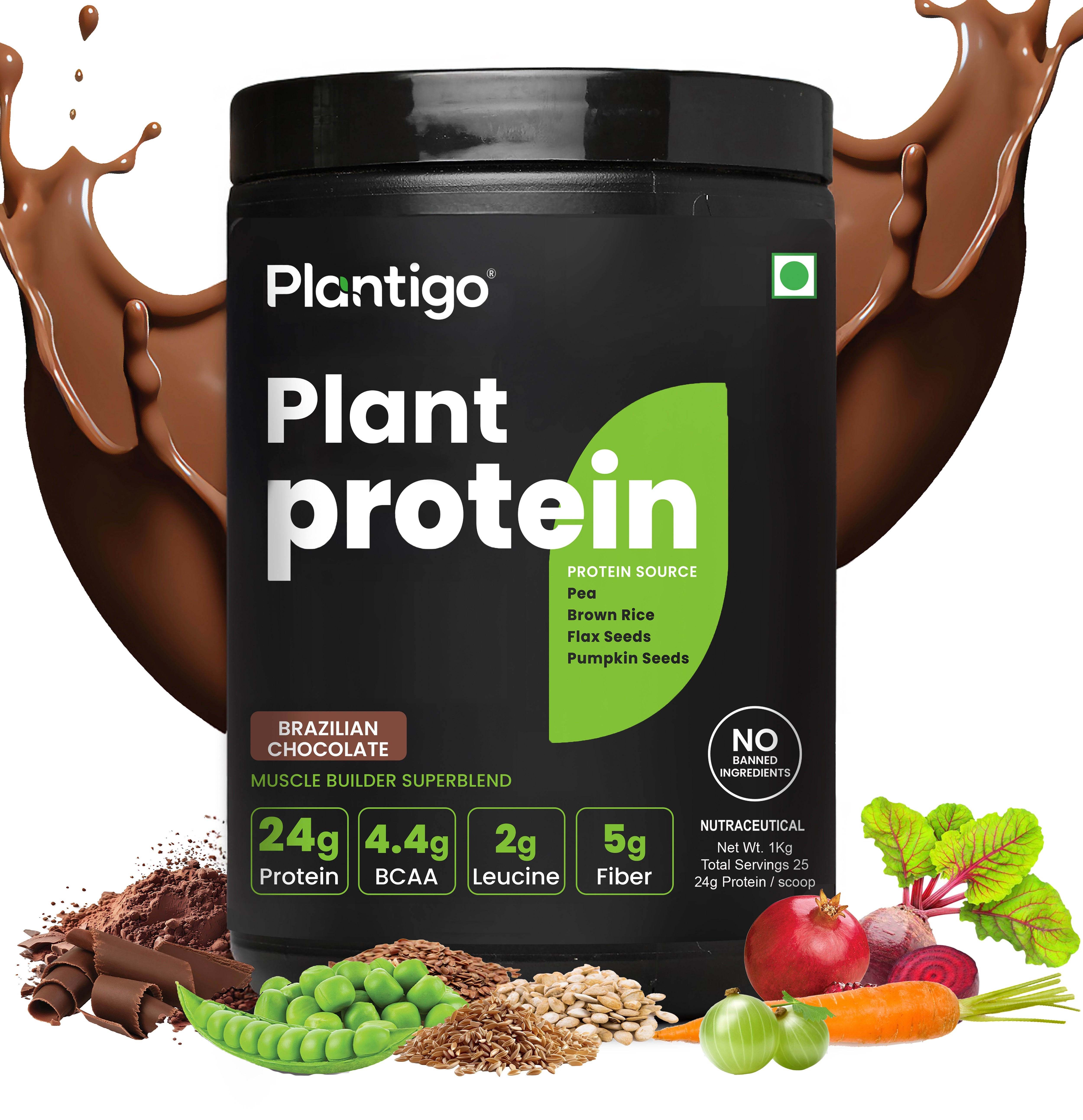
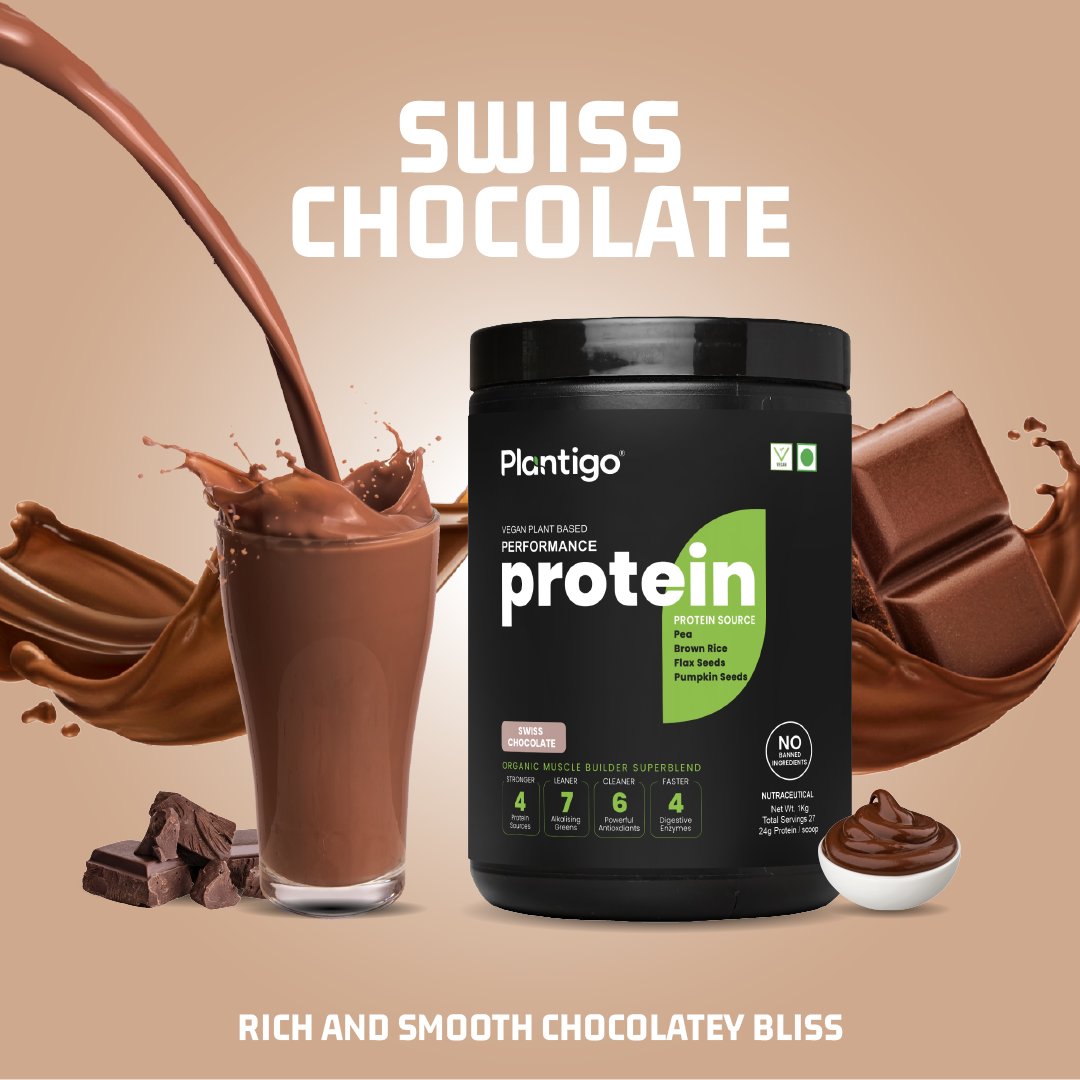
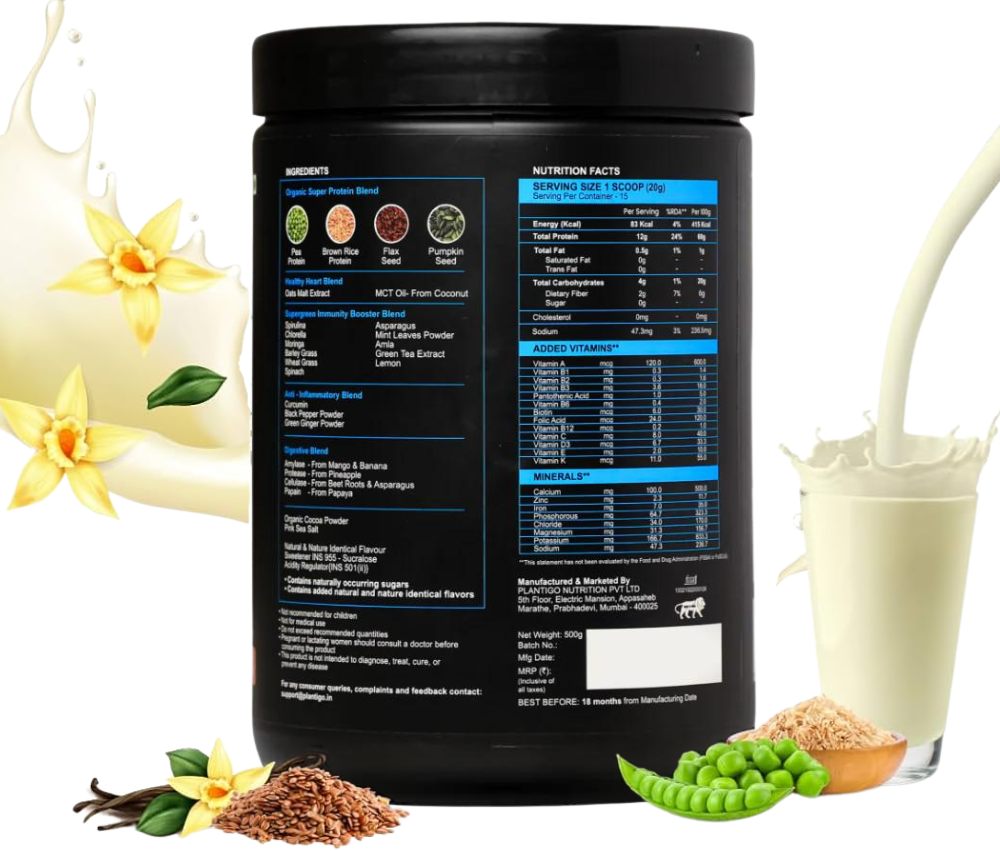
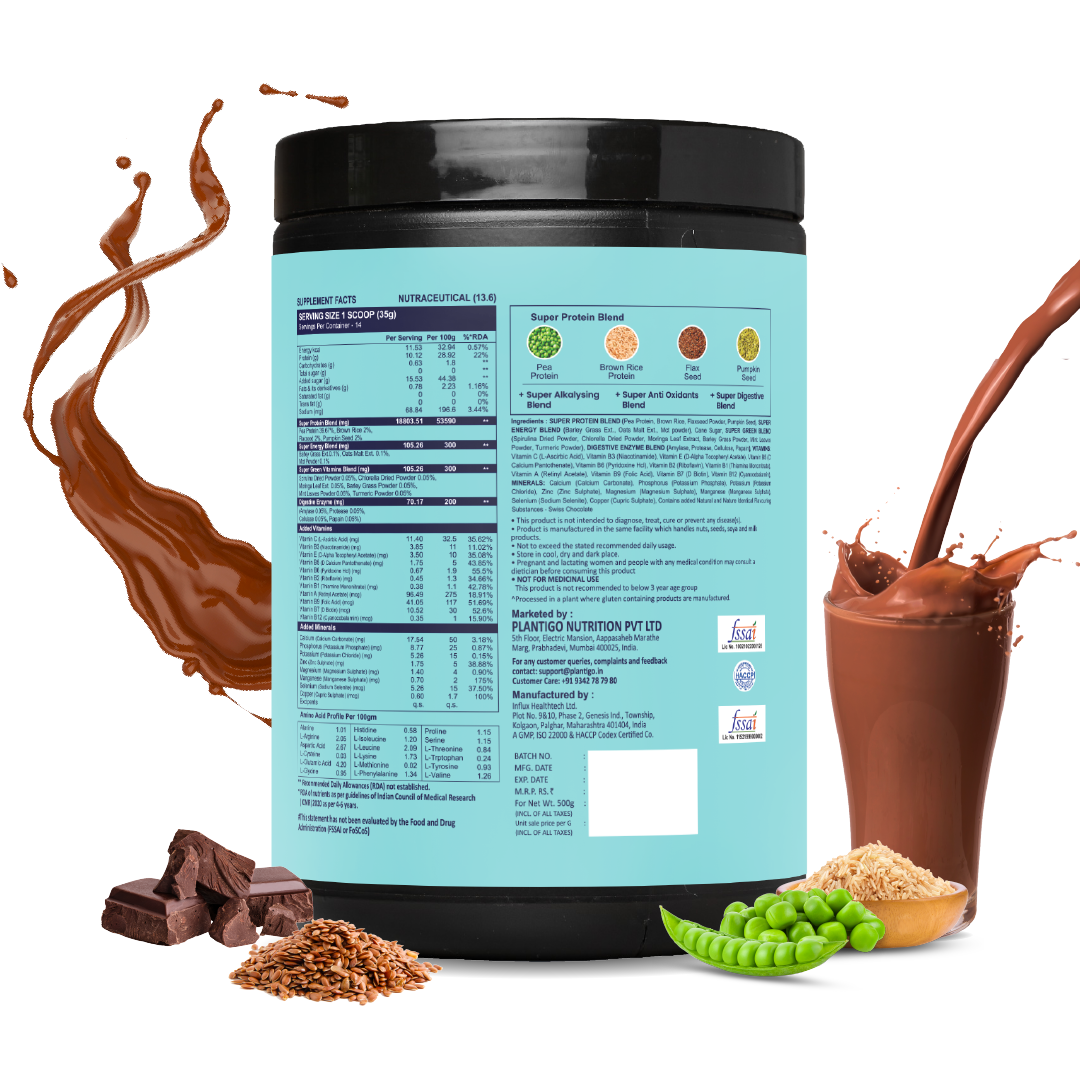
For days when whole food preparation isn't realistic - heavy training blocks, travel, or a demanding schedule - a reliable supplement bridges the gap between hitting your target and falling short. Plantigo's plant protein fits naturally here: a clean, plant-sourced option that complements the whole-food foundation this diet plan for muscle gain is built on.
Adjust portions to your targets, rotate foods for amino acid diversity, and track intake for the first 30 days. The results will follow.
FAQ:
Q1: How much protein do I need daily on a plant-based diet plan for muscle gain?
Aim for 1.6–2.2g of protein per kg body weight daily. For a 70kg individual, that’s 112–154g, ideally spread across 4–5 meals to support muscle protein synthesis.
Q2: Can a plant-based diet plan for muscle gain match a meat-based diet?
Yes. Studies show plant proteins like pea and soy can deliver similar muscle growth to whey when total protein and leucine intake are adequate.
Q3: What are the best plant foods for a diet plan for muscle gain?
Top choices include tempeh, lentils, soybeans, quinoa, hemp seeds, and peas. Pair with carbs like oats, brown rice, and sweet potato for energy.
Q4: How do I achieve a calorie surplus on a plant-based diet?
Focus on calorie-dense foods like nuts, seeds, nut butters, dried fruits, avocado, and coconut to increase intake without large food volumes.
Q5: Are supplements necessary on a plant-based muscle gain diet?
Vitamin B12 is essential. Vitamin D3, iodine, and omega-3 (algae-based) are recommended. Creatine monohydrate is highly effective for performance and strength.