What if one of the fruits most people fear for blood sugar is actually far less disruptive than believed? What if sweetness alone isn’t the villain it’s made out to be?
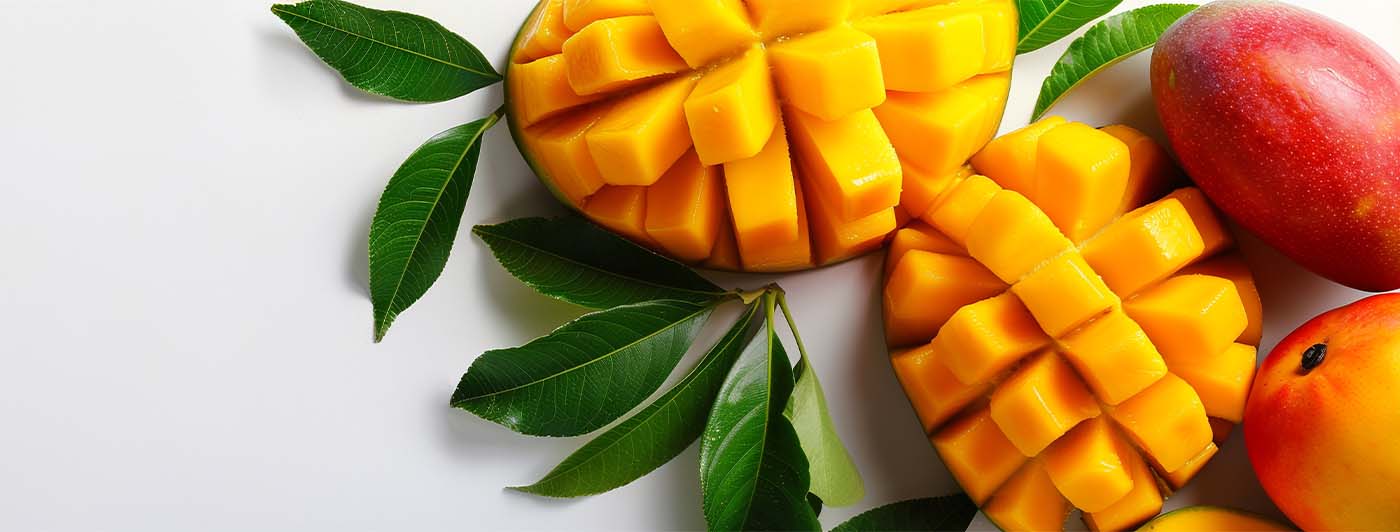
Mango is one of the most loved fruits in the world—and also one of the most misunderstood. Its rich sweetness often earns it a place on the “avoid” list for people concerned about blood sugar. But when you look deeper into nutrition science, the story becomes far more interesting—and a little surprising.
The truth is, the mango glycemic index is not as high or alarming as many assume. In fact, several biological, nutritional, and digestive factors work together to keep mango from causing the dramatic glucose spikes people fear. Just as balanced meals that include plant protein behave very differently in the body compared to refined carbohydrates alone, whole fruits like mango interact with digestion in more complex ways than their taste suggests.
Let’s explore the science-backed reasons behind mango’s misunderstood reputation—and why it behaves differently inside the body.
Understanding the Mango Glycemic Index Properly
Before diving into the reasons, it’s important to understand what glycemic index actually measures. The mango glycemic index reflects how quickly carbohydrates from mango are digested and absorbed into the bloodstream compared to pure glucose. Glycemic index is influenced by digestion speed, fiber content, and metabolic response—not by sweetness alone.
This distinction is supported by research that has examined mango specifically. In a study, researchers observed that consuming fresh mango did not lead to sharp post-meal blood sugar spikes and was associated with a stable glucose and insulin response when compared with other carbohydrate sources. The study suggested that mango’s fiber and bioactive plant compounds help slow carbohydrate absorption and moderate its glycemic effect, despite its naturally sweet taste.
Top 7 Reasons Mango Glycemic Index Is Low

1. Fiber Slows Sugar Absorption
One of the strongest reasons the mango glycemic index stays in the moderate range is fiber. Mango contains both soluble and insoluble fiber, which slows the movement of sugars through the digestive tract.
Fiber forms a gel-like structure during digestion, delaying carbohydrate breakdown and absorption. This means glucose enters the bloodstream gradually rather than all at once. When mango is eaten whole instead of juiced, this fiber remains intact and plays a protective role.
2. Polyphenols Improve Glucose Response
Mango contains bioactive plant compounds such as mangiferin, quercetin, and catechins. These polyphenols help improve insulin sensitivity and glucose uptake at the cellular level.
Because of this, the mango glycemic index reflects not just sugar content, but how efficiently the body handles that sugar. This mechanism is similar to how foods rich in chromium and magnesium support glucose metabolism—by improving how insulin works rather than eliminating carbohydrates entirely.
3. Natural Acids Slow Digestion
Mango naturally contains citric and malic acids. These organic acids slow gastric emptying, meaning food stays in the stomach longer before moving into the intestine where sugars are absorbed.
This delayed digestion reduces the speed at which glucose enters the bloodstream, helping keep the mango glycemic index lower than expected. It’s a subtle effect, but one that makes a meaningful difference metabolically.
4. Ripeness Has Minimal Impact
Yes, mango ripeness matters. Unripe mangoes contain more resistant starch, while ripe mangoes contain more natural sugars. However, even ripe mangoes maintain a moderate mango glycemic index when eaten in reasonable portions.
The presence of fiber, acids, and polyphenols prevents rapid sugar absorption. Portion size ends up being more important than ripeness alone.
5. Mango Promotes Satiety
Unlike refined sweets, mango contributes to fullness. The combination of fiber, water content, and natural plant compounds stimulates satiety signals in the body.
This means mango is less likely to trigger overeating later in the day—an important reason why the mango glycemic index doesn’t translate into poor blood sugar control in real life. Feeling full reduces the likelihood of additional carbohydrate intake from other sources.
6. Food Pairing Reduces Glycemic Impact
The mango glycemic index becomes even more favorable when mango is consumed alongside protein, fat, or complex carbohydrates.
For example, pairing mango with lentils or legumes—often discussed when people ask which dal has highest protein —slows glucose absorption further. This combination balances blood sugar response and improves overall meal quality
Similarly, mango eaten after meals behaves very differently from mango eaten alone on an empty stomach.
7. Real Meals Lower Glycemic Response
Glycemic index values are measured under strict laboratory conditions, typically after an overnight fast and with foods eaten in isolation. But real meals are mixed, complex, and influenced by digestion history.
That’s why the mango glycemic index should be interpreted as a guideline—not a warning label. In everyday diets, mango interacts with vegetables, fats, proteins, and micronutrients that collectively shape glucose response.
Mango in the Context of Other Fruits
Interestingly, many people carefully track 1 guava calories or compare fruits by sugar content alone, while ignoring glycemic response. Mango often gets singled out because of taste rather than physiology.
When evaluated fairly, mango performs comparably to many commonly accepted fruits—especially when eaten whole and in season.
Mango and Protein Pairing
Mango is frequently used in post-meal or post-workout contexts because moderate-GI carbohydrates help replenish glycogen without overwhelming insulin.

When paired with neutral protein sources—such as lentils or even a small serving of pea protein powder —mango supports energy restoration rather than glucose spikes. The presence of protein changes how carbohydrates behave metabolically.
This principle applies whether your protein comes from dairy, legumes, or plant protein sources.
Micronutrient Perspective Matters Too
People often search for vitamin b12 fruits and vegetables or vitamin d rich foods in india, expecting individual foods to solve nutrient needs. But nutrition works through dietary patterns, not isolated foods.
Mango contributes antioxidants, vitamin A precursors, and hydration—factors that indirectly support metabolic health and digestion, influencing the mango glycemic index response in the body.
Mango in Modern Nutrition Planning
In structured diets, people frequently rely on a protein intake calculator to determine macronutrient needs. Carbohydrates, however, are often oversimplified as “good” or “bad.”
The mango glycemic index shows why carbohydrate quality, digestion speed, and food pairing matter more than fear-based exclusion. Mango fits comfortably into balanced diets when consumed mindfully.
Even those who occasionally use a plant based protein powder can include mango without disrupting metabolic balance.
Can Mango Fit Blood Sugar–Conscious Diets?
Yes—with awareness. The mango glycemic index allows flexibility when three principles are followed:
-
Eat mango whole, not juiced
-
Combine it with meals
-
Keep portions realistic
When used this way, mango becomes a functional carbohydrate rather than a problematic one.
Final Takeaway
The fear surrounding mango is largely driven by assumptions, not evidence. The science behind the mango glycemic index reveals a different reality—one shaped by fiber, digestion, and metabolic context. Mango is not a sugar bomb; it’s a whole fruit designed to release energy gradually. When paired with protein—whether from dals, nuts, or a clean Plantigo plant protein source—it fits well into blood sugar–aware eating.
Instead of cutting foods out, start eating with intention. Focus on whole ingredients, smart pairings, and portions that work with your body. Let science—not fear—guide your choices, and bring mango back to the plate with confidence.
Frequently Asked Questions
1. Is mango high on the glycemic index?
No, mango is not high on the glycemic index. The mango glycemic index falls in the moderate range, meaning it raises blood sugar gradually rather than causing sharp spikes when eaten in reasonable portions.
2. Can people concerned about blood sugar eat mango?
Yes, people concerned about blood sugar can eat mango in moderation. Eating mango whole, pairing it with meals, and controlling portion size helps keep its glycemic impact balanced.
3. Does ripe mango raise blood sugar more than raw mango?
Ripe mango contains more natural sugars than raw mango, but its glycemic response remains moderate due to fiber and plant compounds. Portion size matters more than ripeness.
4. Is mango better eaten alone or with meals?
Mango is better eaten with meals. Pairing mango with protein, fats, or fiber-rich foods slows sugar absorption and improves overall blood glucose response.
5. Is mango healthier than refined sugar for energy?
Yes, mango is healthier than refined sugar. Unlike sugar, mango provides fiber, antioxidants, and nutrients that slow digestion and support steady energy release.