
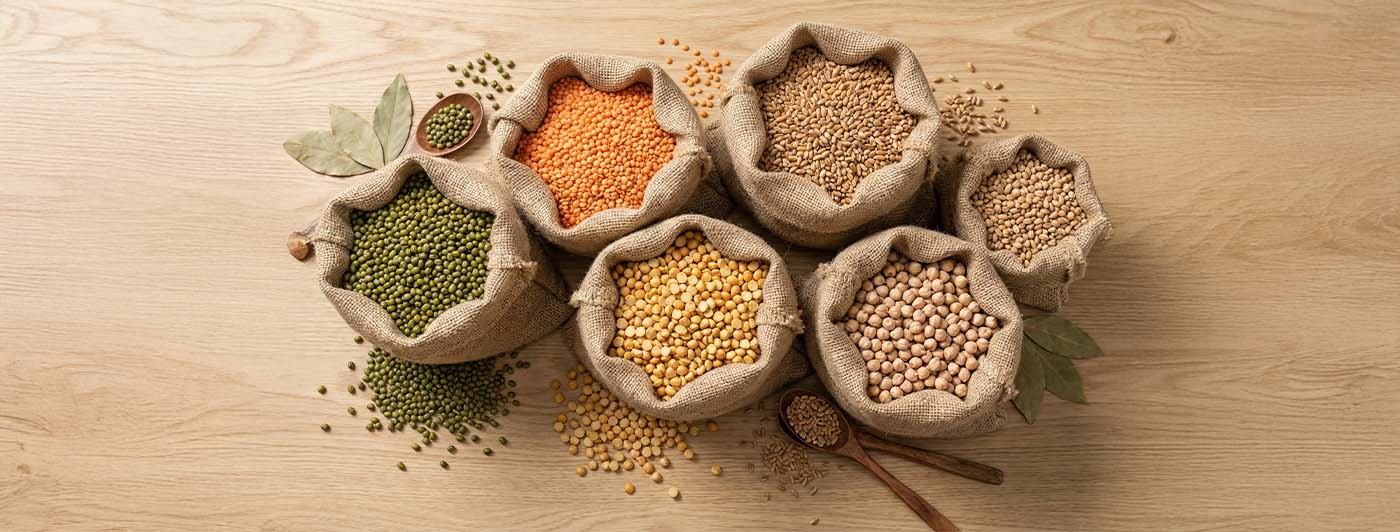
If you're wondering which dal has highest protein, the top contenders are urad dal and chana dal, both providing around 24–26 grams of protein per 100 grams (dry weight). Close behind are masoor dal, moong dal, and toor dal, which typically contain between 22–24 grams of protein per 100 grams.
Adding a mix of these lentils to your meals ensures steady protein intake, along with fiber, minerals, and complex carbohydrates. In some diets, people may also complement whole-food protein sources like dals with other sources of plant protein when trying to increase their overall daily protein intake.
Introduction
If you follow a vegetarian diet in India, one question comes up repeatedly: which dal has highest protein? Pulses have been the backbone of Indian meals for centuries, not only because they are affordable and versatile, but because they deliver an impressive nutritional punch.
When people try to build healthier diets today—whether for muscle health, weight management, or sustained energy—the curiosity about which dal has highest protein becomes even more relevant. After all, dals provide some of the most accessible and reliable sources of protein in a largely vegetarian cuisine.
The truth is that many Indian lentils contain significant protein, but a few stand out more than others. Understanding their nutritional differences can help you make smarter meal choices while enjoying traditional foods.
Key Takeaways
-
Among Indian pulses, urad dal and chana dal are among the highest in protein.
-
Most dals contain 22–26 grams of protein per 100 grams (dry).
-
Lentils are also rich in fiber, iron, and micronutrients.
-
Combining dals with grains improves protein quality.
-
Rotating different lentils helps create balanced nutrition.
Which Dal Has Highest Protein? A Nutritional Look at Indian Lentils
When nutritionists discuss vegetarian protein sources, Indian dals almost always lead the conversation. But understanding which dal has highest protein requires looking beyond tradition and examining their actual nutrient values.
Lentils belong to the legume family and have been cultivated in India for thousands of years. They are valued because they provide:
-
High protein density
-
Essential amino acids
-
Slow-digesting carbohydrates
-
Dietary fiber for gut health
-
Minerals such as iron and magnesium
For people following vegetarian or vegan diets, pulses often form the primary protein base of daily meals.
However, the answer to which dal has highest protein isn’t always obvious because different lentils have slightly different nutrient profiles.
Let’s compare them in detail.
Protein Content of Popular Indian Dals
Below is a simplified nutritional comparison of commonly eaten Indian lentils.
|
Dal |
Protein per 100g (dry) |
Key Nutritional Benefits |
|
Urad Dal |
~25 g |
Iron, magnesium |
|
Chana Dal |
~24 g |
Fiber, folate |
|
Masoor Dal |
~24 g |
Iron, antioxidants |
|
Moong Dal |
~23 g |
Easily digestible protein |
|
Toor Dal |
~22 g |
B vitamins, potassium |
From this comparison, it's clear that urad dal generally leads the list when people ask which dal has highest protein, with chana dal and masoor dal following closely.
1. Urad Dal
When nutrition experts discuss which dal has highest protein, urad dal frequently appears at the top.
Urad dal, also known as black gram, is widely used in Indian cooking. It forms the base of many iconic foods including idli, dosa batter, dal makhani, and papad.
Protein Content
Approximately 25 grams per 100 grams (dry).
Nutritional Highlights
-
Rich in iron and magnesium
-
Supports muscle health
-
Provides slow-release energy
Because of its high protein density, urad dal is often recommended for people who want to increase protein intake without relying on animal foods.
2. Chana Dal
Another strong answer when people ask which dal has highest protein is chana dal.
Chana dal is made from split Bengal gram and is known for its slightly nutty flavor and thick texture when cooked.
Many nutrition searches focus on protein in 100 gm chana, and the numbers explain why this dal is so popular in protein-focused diets.
Protein Content
About 24 grams per 100 grams (dry).
Additional Benefits
-
High fiber supports digestion
-
Helps maintain steady blood sugar levels
-
Rich in folate and iron
Chana dal is commonly used in dishes such as dal fry, chana dal tadka, and besan-based recipes.
3. Masoor Dal
Masoor dal is another excellent option when evaluating which dal has highest protein.
This reddish-orange lentil is particularly popular because it cooks quickly and absorbs flavors well.
Protein Content
Around 24 grams per 100 grams (dry).
Why It Stands Out
-
Fast cooking time
-
Rich in iron
-
High antioxidant content
Masoor dal is frequently used in soups and light curries, making it ideal for everyday meals.
4. Moong Dal
Many people assume moong dal contains less protein because it is easy to digest. However, it still ranks high when discussing which dal has highest protein.
Protein Content
The protein in moong dal per 100g is approximately 23–24 grams (dry weight).
Nutritional Advantages
-
Very easy on digestion
-
High in antioxidants
-
Supports gut health
Moong dal is often used in khichdi, soups, and sprouts.
Because it digests quickly, it is commonly recommended during illness recovery diets.
5. Toor Dal
Toor dal (arhar dal) is one of the most widely consumed pulses in Indian households.
Although it may not top the list when discussing which dal has highest protein, it still contributes significantly to daily protein intake.
Protein Content
About 22 grams per 100 grams (dry).
Nutritional Benefits
-
Rich in potassium
-
Provides B vitamins
-
Supports steady energy release
Toor dal forms the base of popular dishes like sambar and Gujarati dal.
Why Protein From Dal Is Important
Understanding which dal has highest protein matters because protein plays a central role in many body functions.
Protein helps with:
-
Muscle repair and growth
-
Enzyme and hormone production
-
Immune function
-
Skin and hair health
According to research, legumes and pulses are widely recognized as important sources of protein, fiber, and micronutrients in human diets.
When the body does not receive enough protein, it may start showing signs of low protein, which can include fatigue, muscle weakness, brittle hair, or slower recovery from exercise.
Including different lentils regularly helps prevent such nutritional gaps.
Dal in Daily Protein Requirements
Many people try to meet higher protein targets today, especially those following fitness programs.
For instance, someone attempting a 150 gm protein diet will often include multiple plant protein sources throughout the day.
Dals contribute meaningfully to this intake.
A typical serving may include:
-
1 bowl cooked dal → around 12–15 g protein
-
Additional grains and legumes → further protein
People often also ask how much protein in roti, and the answer is roughly 3–4 grams per roti, depending on size.
Together, these foods contribute to balanced protein intake.
Dal and Vegetarian Protein Diversity
Even though many people search for which dal has highest protein, the real strength of Indian cuisine lies in combining foods.
When dals are eaten with grains such as rice or wheat, the amino acids complement each other and improve overall protein quality.
Examples include:
-
Dal with rice
-
Dal with roti
-
Khichdi made from rice and lentils
These combinations have long been recognized as nutritionally balanced meals.
Using Dal in a High Protein Vegan Breakfast
Dals are not only for lunch or dinner—they can also help build a high protein vegan breakfast.
Some simple ideas include:
-
Moong dal chilla stuffed with vegetables
-
Idli made from fermented urad dal batter
-
Sprouted moong salad
-
Besan pancakes
These meals provide protein, fiber, and sustained energy for the morning.
Dal Compared With Other Plant Protein Sources
When discussing which dal has highest protein, it helps to compare lentils with other foods.
|
Food |
Protein per 100g |
|
Urad Dal |
~25 g |
|
Chana Dal |
~24 g |
|
Masoor Dal |
~24 g |
|
Moong Dal |
~23 g |
|
Oats |
~13 g |
While dals are excellent sources of plant protein, some diets also include other protein-rich foods such as nuts, seeds, soy products, or occasionally a plant based protein powder as part of a broader nutrition strategy.

Practical Tips to Increase Protein From Dal
If you want to maximize the benefits of lentils, here are some helpful tips.

1. Rotate Different Lentils
Instead of eating the same dal every day, rotating different varieties improves nutrient diversity.
2. Add Sprouted Pulses
Sprouting increases nutrient absorption and improves digestibility.
3. Pair With Whole Grains
Combining dal with grains improves amino acid balance.
4. Monitor Daily Protein Intake
Many people now use a protein intake calculator to estimate how much protein they should consume based on weight, age, and activity levels.
Dal and Long-Term Health
Even though discussions often focus on which dal has highest protein, lentils offer benefits that go beyond protein.
Scientific studies show that regular legume consumption is associated with improved cardiovascular health and reduced risk of chronic diseases.
They are known to support:
-
Heart health
-
Gut microbiome balance
-
Blood sugar stability
-
Long-term metabolic health
The fiber and slow-digesting carbohydrates in lentils help regulate energy levels and keep you full for longer.
Final Thoughts
So ultimately, which dal has highest protein? The answer typically comes down to urad dal and chana dal, closely followed by masoor dal, moong dal, and toor dal.
Each of these lentils offers a powerful combination of protein, fiber, and micronutrients that support overall health and help meet daily protein needs in vegetarian diets.
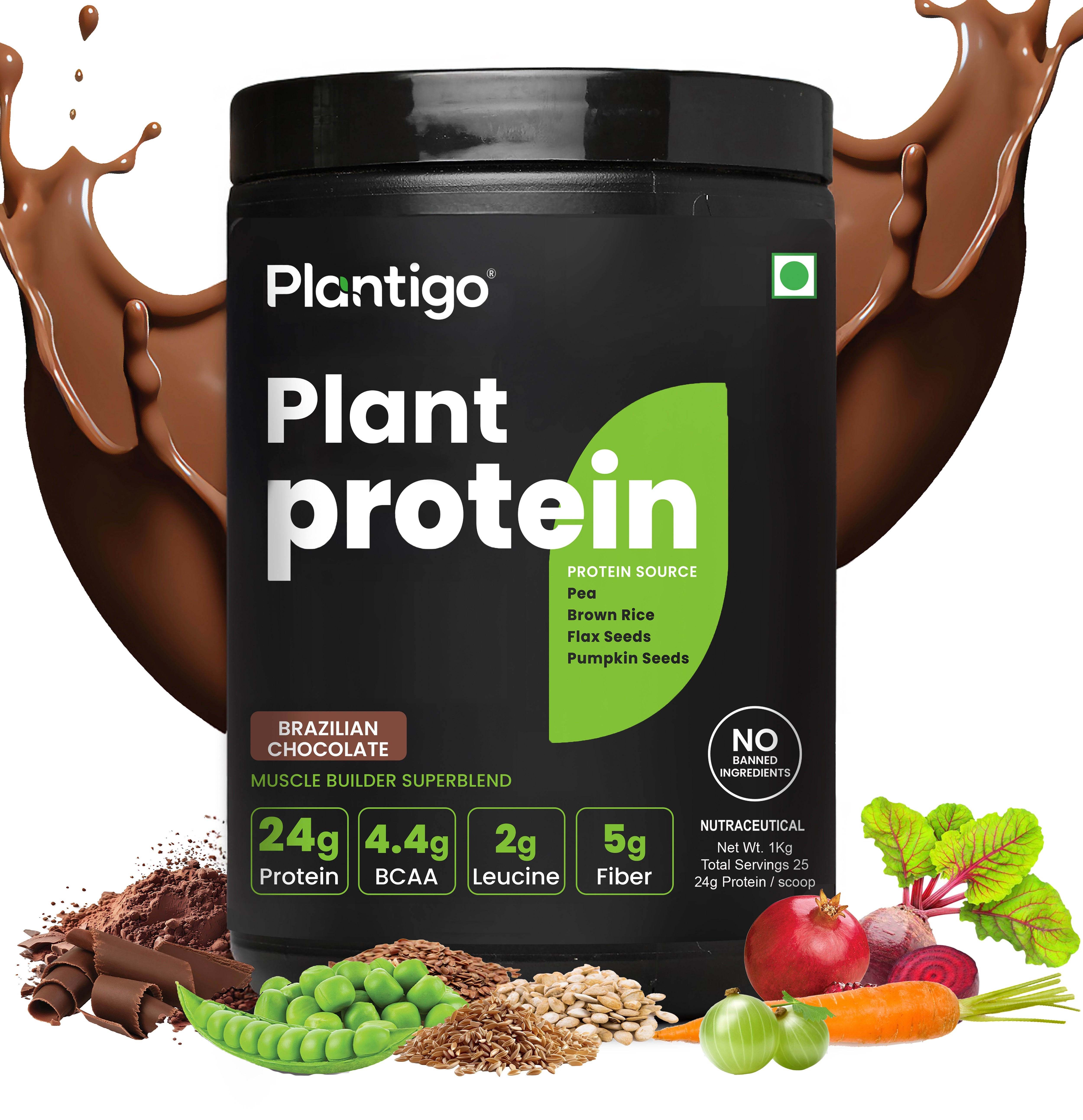
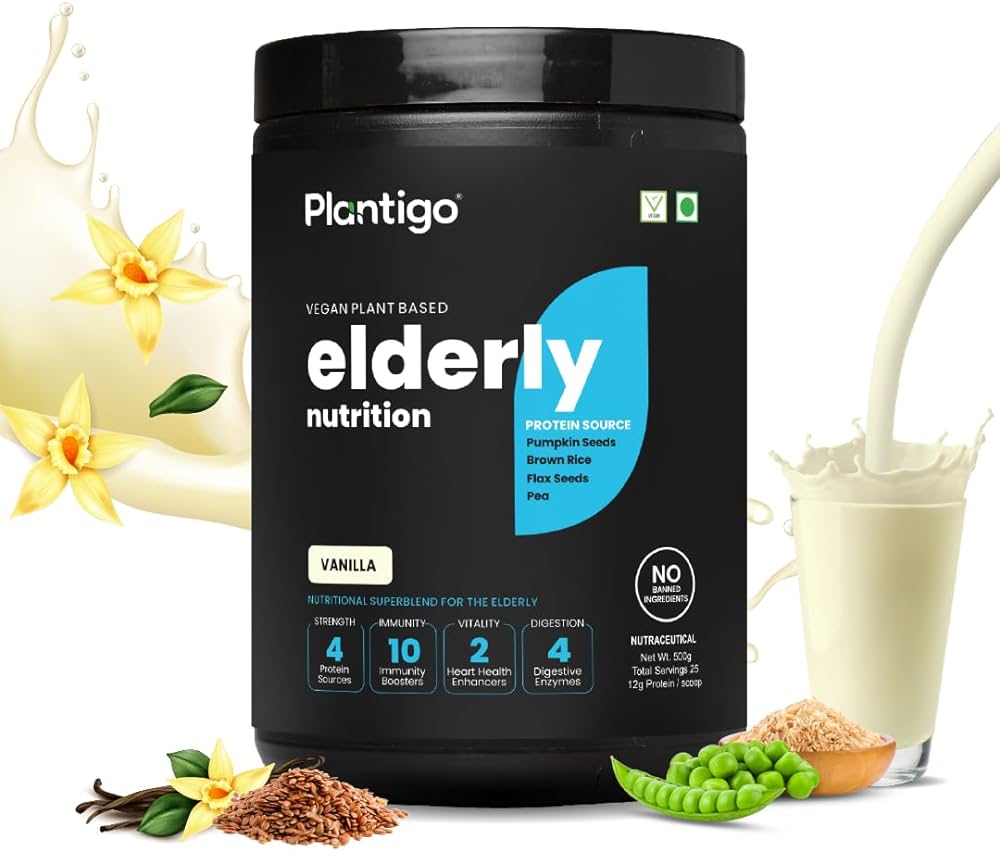
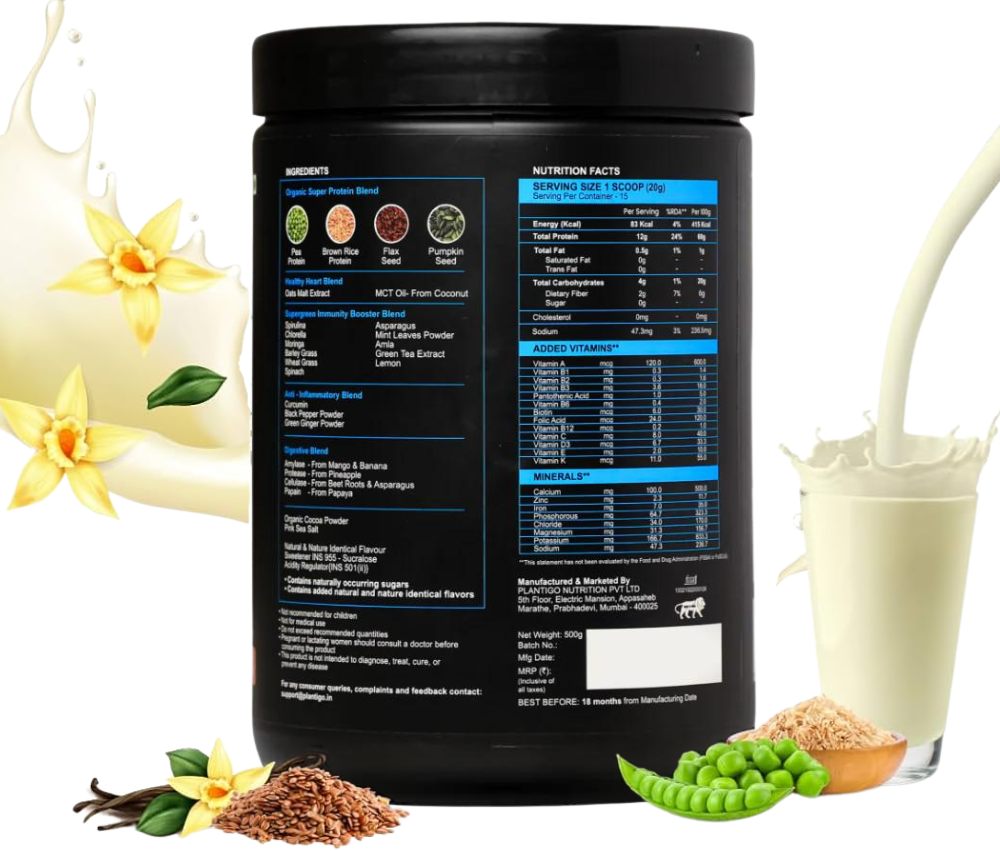
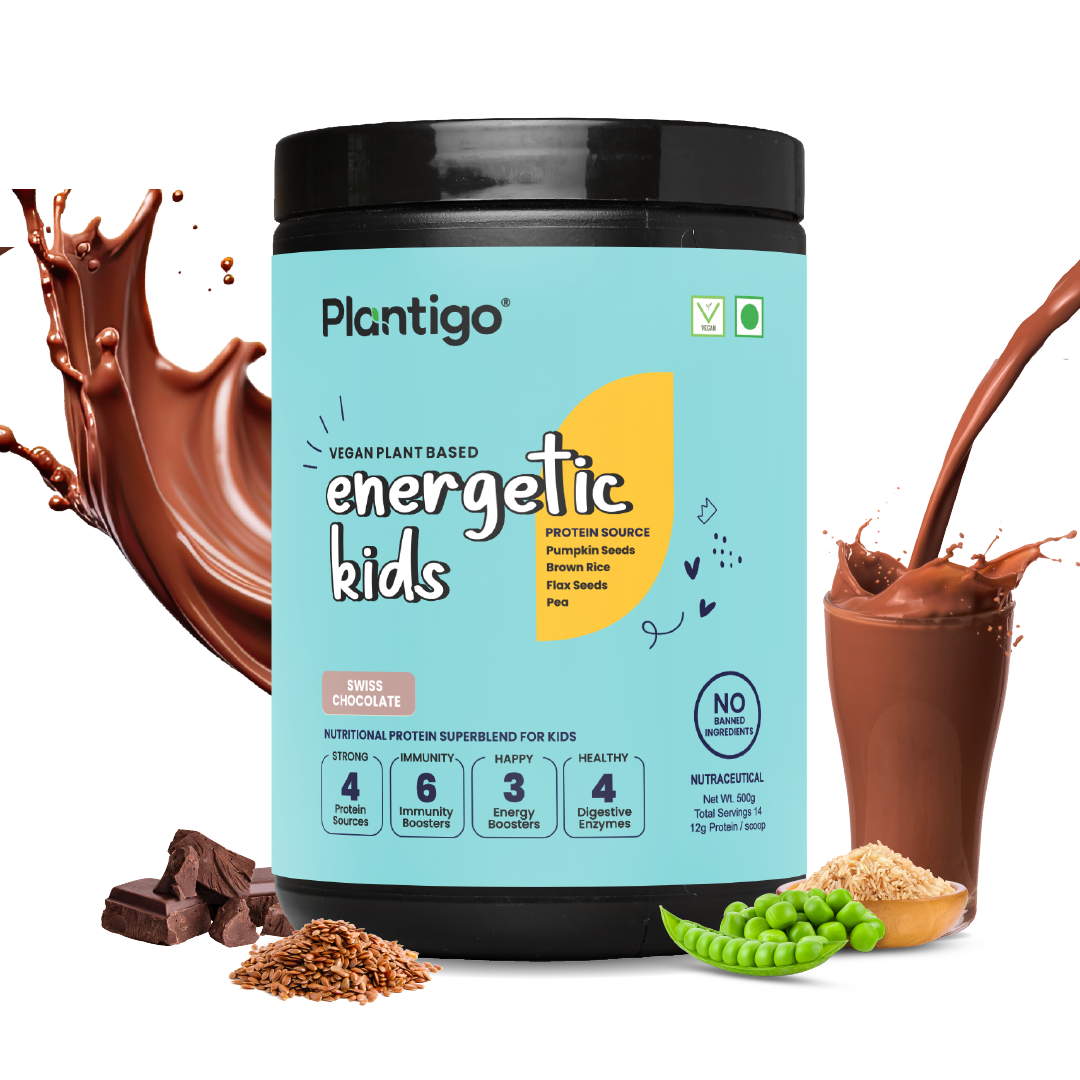
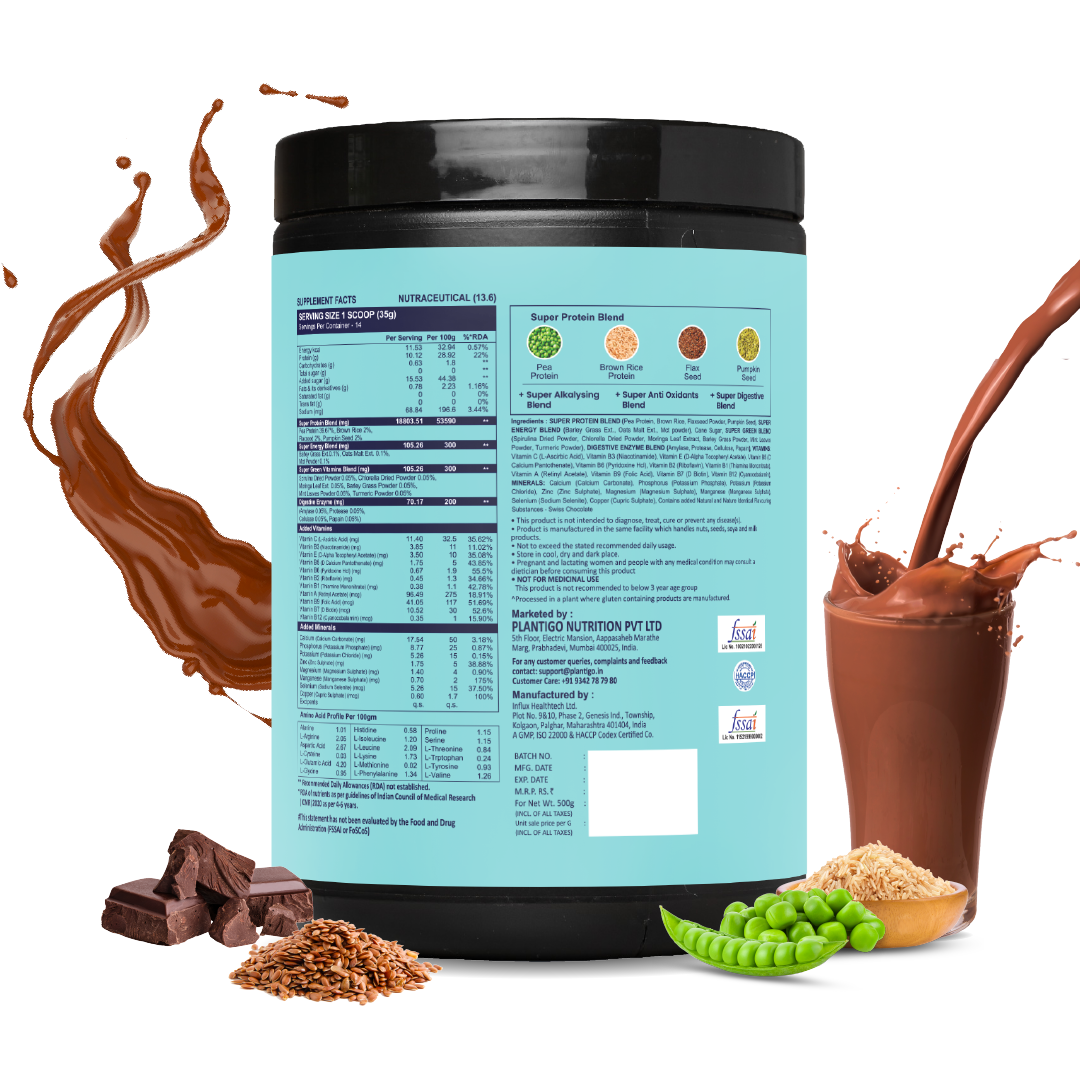
Instead of focusing on only one variety, rotating different dals in your meals helps create a more balanced diet while keeping meals interesting and nutritious. In modern diets, some people also complement whole food sources like lentils with additional options such as nuts, seeds, or products like Plantigo plant protein, depending on their overall protein requirements and lifestyle.
The next time you enjoy a bowl of dal, remember that you’re not just eating comfort food—you’re consuming one of the most nutrient-rich traditional foods in the Indian diet.
Frequently Asked Questions
1. Which dal has highest protein in India?
Among commonly eaten pulses, urad dal and chana dal provide some of the highest protein levels, usually around 24–26 grams per 100 grams (dry weight).
2. Which dal is best for muscle building?
When discussing which dal has highest protein, urad dal, chana dal, and masoor dal are often recommended because they contain higher protein levels compared with other lentils.
3. Is moong dal high in protein?
Yes. Moong dal contains around 23–24 grams of protein per 100 grams (dry) and is one of the easiest lentils to digest.
4. Can dal replace animal protein?
Dals provide significant plant protein, but combining them with grains and other plant foods helps improve amino acid balance and overall nutrition.
5. How much dal should you eat daily?
Nutrition experts generally recommend 1–2 servings of pulses daily as part of a balanced diet.

.%20Close%20behind%20are%20masoor%20da...)