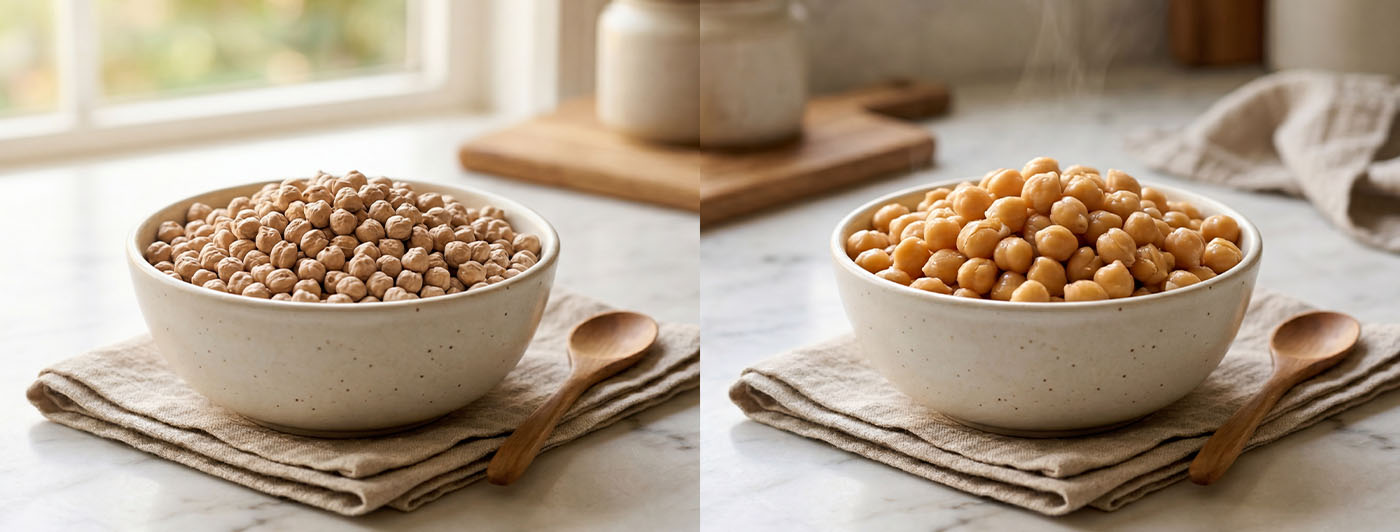
100g of cooked chana contains ~19g of protein, while raw dried chana provides ~25g. Sprouted chana offers ~22g with better absorption due to reduced antinutrients. The actual protein your body uses depends on preparation methods like soaking, sprouting, and proper cooking.
Key Takeaways
-
Chana protein per 100g delivers 19g cooked and 25g raw — among the highest in plant foods
-
Chana is a near-complete protein when paired correctly with grains
-
Preparation method significantly affects protein bioavailability
-
Both kala chana and kabuli chana offer strong protein profiles with key differences
-
Chana supports muscle building, weight management, and blood sugar regulation simultaneously
-
Consistent daily consumption produces measurable changes in body composition within 4–6 weeks
Introduction
Most Indians eat chana regularly without realising they're consuming one of the most powerful plant proteins on the planet — 19g of protein per 100g cooked, a glycemic index of 28, and a fiber content that rivals most commercial supplements.
Rajma-chawal gets the attention. Dal gets the credit. But chana — quietly, consistently — delivers a protein and fiber combination that rivals most commercial protein sources, at a fraction of the cost.
For those looking to go further, combining chana with a clean plant protein source bridges the gap between what chana provides and what your body actually needs for complete amino acid coverage.
This guide breaks down why the protein number matters, how it changes with preparation, which variety gives you more, and exactly how to build chana into a nutrition strategy that produces real results. Stay with this — because the preparation insight in section 6 is one that most nutrition guides completely skip. It changes how much protein your body actually absorbs from every bowl of chana you eat.
What Is Chana Protein per 100g?
Before the breakdown, the baseline numbers — because they vary more than most people realise.
Raw dried chickpeas (100g):
Protein: 25g
-
Carbohydrates: 63g
-
Fiber: 17g
-
Fat: 6g
-
Calories: 378
Cooked chickpeas (100g):
-
Protein: 19g
-
Carbohydrates: 27g
-
Fiber: 7.6g
-
Fat: 2.6g
-
Calories: 164
Sprouted chana (100g):
-
Protein: 22g
-
Carbohydrates: 31g
-
Fiber: 8g
-
Fat: 3g
-
Calories: 180
The chana protein per 100g number shifts significantly depending on preparation state. Raw dried chana is calorie-dense and not consumed directly. Cooked chana is the practical benchmark. Sprouted chana sits between the two — and delivers additional enzymatic benefits that cooked chana doesn't.
Chana Protein per 100g: Full Nutritional Breakdown
1. Kala Chana vs Kabuli Chana
Not all chana is equal — and the difference matters nutritionally.
Kala Chana (Black Chickpeas):
-
Protein per 100g cooked: ~19–20g
-
Higher iron content
-
Lower glycemic index (~28)
-
More antioxidants — particularly anthocyanins in the dark skin
-
Higher fiber density
Kabuli Chana (White Chickpeas):
-
Protein per 100g cooked: ~18–19g
-
Softer texture, faster cooking
-
Slightly higher caloric density
-
More widely used in restaurant cooking
Key differences:
-
Kala chana wins on fiber, iron, and antioxidant content
-
Kabuli chana wins on digestibility and versatility
-
Both deliver comparable chana protein per 100g — the difference is marginal
For body composition and metabolic health goals, kala chana has a slight nutritional edge. For digestive ease and culinary flexibility, kabuli chana is the practical choice.
2. Protein Quality - Is Chana a Complete Protein?
This is the question most chana nutrition articles don't answer clearly.
Chana is not a complete protein on its own. It's deficient in methionine — an essential amino acid critical for liver function, fat metabolism, and cellular repair.
However, chana protein per 100g becomes functionally complete when combined with grains. Wheat, rice, and oats contain the methionine that chana lacks. Chana provides the lysine that grains are deficient in.
This is why chana-roti and chana-rice combinations have been central to Indian nutrition for centuries — not by accident, but by accumulated nutritional wisdom.
Chana is also one of the richest foods rich in amino acids in the plant kingdom — delivering meaningful amounts of arginine, leucine, isoleucine, and valine alongside its primary protein content. These branched-chain amino acids (BCAAs) directly support muscle protein synthesis and recovery.
3. Chana vs Other Indian Protein Sources
How does chana protein per 100g stack up against other common Indian protein sources?
|
Food |
Protein per 100g (cooked) |
Fiber |
GI |
Best For |
|
Kala Chana |
19–20g |
7.6g |
28 |
Muscle, blood sugar |
|
Moong Dal |
24g (raw) |
8g |
25 |
Easy digestion |
|
Rajma |
24g (raw) |
15g |
29 |
Gut health |
|
Paneer |
18g |
0g |
Low |
Muscle building |
|
Eggs (2) |
12g |
0g |
Low |
Complete protein |
|
Curd |
11g per 200ml |
0g |
Low |
Gut health, protein |
|
Whole Wheat Roti |
3–4g per roti |
1.5g |
62 |
Fiber, energy |
Chana protein per 100g competes directly with paneer — at a fraction of the cost and with significantly higher fiber. For plant-based eaters, this comparison alone makes chana one of the most valuable foods in the Indian diet.
4. Signs You're Not Getting Enough Protein
Before optimising chana intake, it helps to understand whether protein deficiency is already affecting you.
Most people associate protein deficiency with extreme malnutrition. The reality is that subclinical protein deficiency is widespread — particularly among vegetarians, women, and older adults.
Common signs of protein deficiency include:
-
Persistent fatigue despite adequate sleep
-
Slow wound healing and frequent infections
-
Hair thinning and nail brittleness
-
Loss of muscle tone despite regular activity
-
Constant hunger even after meals
-
Mood instability and difficulty concentrating
If three or more of these sound familiar — protein intake is almost certainly a contributing factor. Running your numbers through a protein intake calculator often reveals a gap of 20–30g daily that people don't know exists.
Chana, consumed consistently, is one of the most accessible ways to close that gap within a traditional Indian diet.
5. Chana for Weight Management
Chana protein per 100g makes it one of the most effective weight management foods available — and the mechanism goes beyond simple calorie counting.
The combination of protein and fiber creates a dual satiety effect:
-
Protein stimulates peptide YY and GLP-1 — hormones that suppress appetite for hours
-
Fiber slows gastric emptying, extending the feeling of fullness
-
The low GI (28) prevents blood sugar spikes that trigger hunger and cravings
Chana is also one of the better high fiber foods in india — delivering 7.6g of fiber per 100g cooked. This places it among the top plant foods for digestive health, gut microbiome diversity, and cholesterol management.
A 150g serving of cooked chana at lunch delivers approximately 28g of protein and 11g of fiber — suppressing appetite through dinner without significant caloric cost.
6. How Preparation Affects Protein Absorption
This is the section most chana articles skip. And it's where most people are leaving significant nutrition unused.
Raw chana contains antinutrients — phytic acid, tannins, and enzyme inhibitors — that bind to protein and minerals, reducing how much your body actually absorbs. Research on phytic acid and nutrient absorption shows how these compounds can limit protein and mineral bioavailability. The preparation method determines whether you're accessing 60% or 90% of the chana protein per 100g you're consuming.
Preparation methods ranked by protein bioavailability:
-
Sprouting (best) — reduces phytic acid by up to 50%, increases bioavailable protein significantly
-
Overnight soaking + pressure cooking (excellent) — soaking activates phytase, cooking neutralises remaining inhibitors
-
Overnight soaking + boiling (good) — slower but effective
-
Direct pressure cooking without soaking (least effective) — fastest but lowest bioavailability
Practical tip: Soak kala chana for 8–12 hours before cooking. Discard the soaking water. Pressure cook until completely soft. This single habit meaningfully increases the protein and mineral return from every serving.
7. Chana for Muscle Building
For anyone building muscle on a plant-based diet, chana protein per 100g makes it a non-negotiable staple.
The leucine content — approximately 1.4g per 100g cooked — directly triggers muscle protein synthesis. While this is lower than whey protein, consistent chana consumption throughout the day provides a sustained amino acid supply that supports muscle repair continuously.
Key muscle-building benefits:
-
High leucine for muscle protein synthesis trigger
-
Arginine supports blood flow and nutrient delivery to muscles
-
Iron supports oxygen transport during training
-
Magnesium supports muscle contraction and recovery
For active individuals combining chana with training, pairing it with plant protein sources like hemp seeds, quinoa, or pea protein across the day creates a complete muscle-building amino acid profile without relying on animal protein.
8. Chana for Weight Gain
Chana isn't just for fat loss — it's equally effective for healthy weight gain when consumed strategically.
High calorie indian foods built around chana — like chana masala with ghee and rice, or chana-stuffed parathas with butter — create calorie-dense meals that deliver protein alongside the caloric surplus needed for muscle gain.
For those using food-first approaches to weight gain, pairing chana with calorie-dense additions:
-
Ghee adds 45 calories per teaspoon with fat-soluble vitamin benefits
-
Coconut milk in chana curry adds healthy fats and caloric density
-
Rice or roti alongside chana creates a complete protein and carbohydrate combination
Similarly, chia seeds for weight gain work well alongside chana-based meals — adding healthy fats, omega-3s, and additional calories without disrupting the protein-fiber balance that chana provides.
9. Chana and Blood Sugar Regulation
The glycemic index of kala chana at 28 is among the lowest of any high-carbohydrate food. This makes chana protein per 100g particularly valuable for anyone managing blood sugar, insulin resistance, or Type 2 diabetes.
The mechanism:
-
Fiber slows gastric emptying, moderating glucose absorption
-
Protein independently slows digestion, flattening the glucose curve further
-
Resistant starch in chana feeds gut bacteria that produce short-chain fatty acids improving insulin sensitivity
-
Clinical research shows that regular legume consumption — including chickpeas — reduces HbA1c levels in Type 2 diabetics over 12 weeks of consistent intake.
10. How to Build Chana Into Your Daily Diet
Getting consistent results from chana protein per 100g requires practical integration — not occasional use.

Breakfast options:
-
Sprouted kala chana chaat with lemon and spices
-
Besan chilla — made from chickpea flour, delivers 6g protein per serving
-
Chana mixed into poha or upma
Lunch options:
-
Kala chana curry with 2 rotis — delivers 25–30g combined protein
-
Chana rice bowl with curd — protein in curd adds approximately 5–6g per 100g, making this combination a genuinely complete protein meal
-
Chana salad with cucumber, tomato, and lemon
Dinner options:
-
Chana dal with sabzi and roti
-
Chana soup with vegetables — low calorie, high protein
-
Stuffed chana paratha with curd
Snack options:
-
Roasted chana — 100g delivers 19g protein, portable and convenient
-
Hummus with vegetables — blended kabuli chana with tahini
11. Complete Plant Protein Strategy With Chana
Chana protein per 100g is a powerful foundation — but it performs best within a complete plant protein strategy.

A full day built around chana:
-
Breakfast: Besan chilla + curd + fruit
-
Lunch: Kala chana curry + 2 rotis + salad
-
Dinner: Chana dal + rice + sabzi
-
Snack: Roasted chana + handful of nuts
This approach delivers 50–60g of plant protein across the day — covering most adults' requirements without animal protein.
For those with higher protein targets — active individuals, people building muscle, or those recovering from illness — supplementing with plant based protein powder alongside a chana-based diet bridges the gap efficiently without requiring significant dietary overhaul.
Quick Comparison: Chana Protein per 100g by Preparation
|
Preparation |
Protein per 100g |
Bioavailability |
Best For |
|
Raw Dried |
25g |
Low — antinutrients present |
Not consumed directly |
|
Soaked Overnight |
22g |
Moderate — phytic acid reduced |
Sprouting base |
|
Sprouted |
22g |
High — enzymes activated |
Maximum nutrition |
|
Pressure Cooked (soaked) |
19g |
High — inhibitors neutralised |
Daily cooking |
|
Pressure Cooked (unsoaked) |
19g |
Moderate — some inhibitors remain |
Quick cooking |
|
Roasted |
20g |
Moderate |
Snacking |
Conclusion
The chana protein per 100g story is not just about a number — it's about one of India's most accessible, affordable, and nutritionally complete plant foods being consistently underutilised.
19g of protein cooked. 25g raw. A glycemic index of 28. 7.6g of fiber. A BCAA profile that supports muscle synthesis. Blood sugar benefits backed by clinical research.
All from a food that's been central to Indian cuisine for thousands of years — for very good reason.
Soak it overnight. Sprout it when you can. Combine it with grains for complete protein. Build it into every meal strategically.
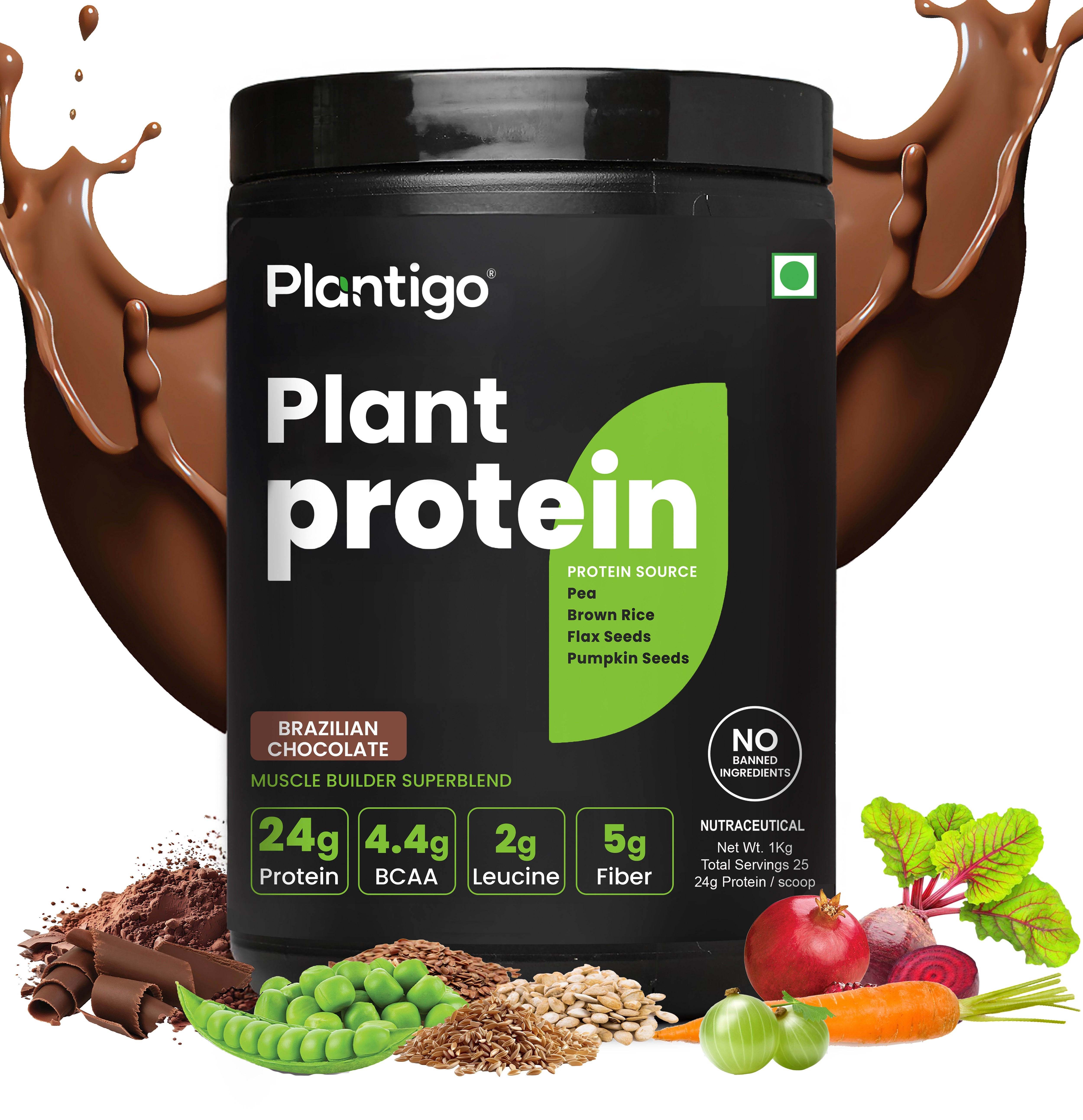
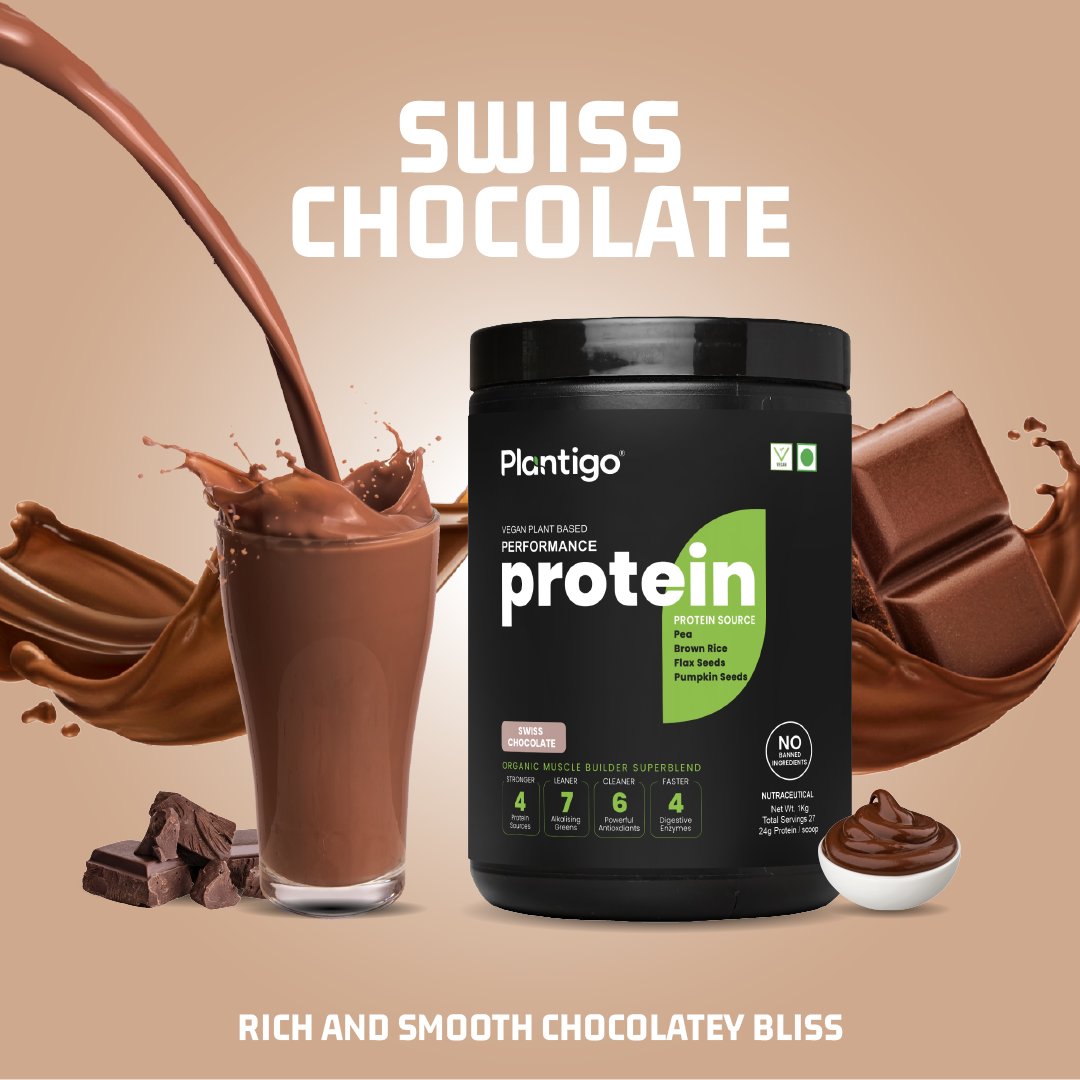
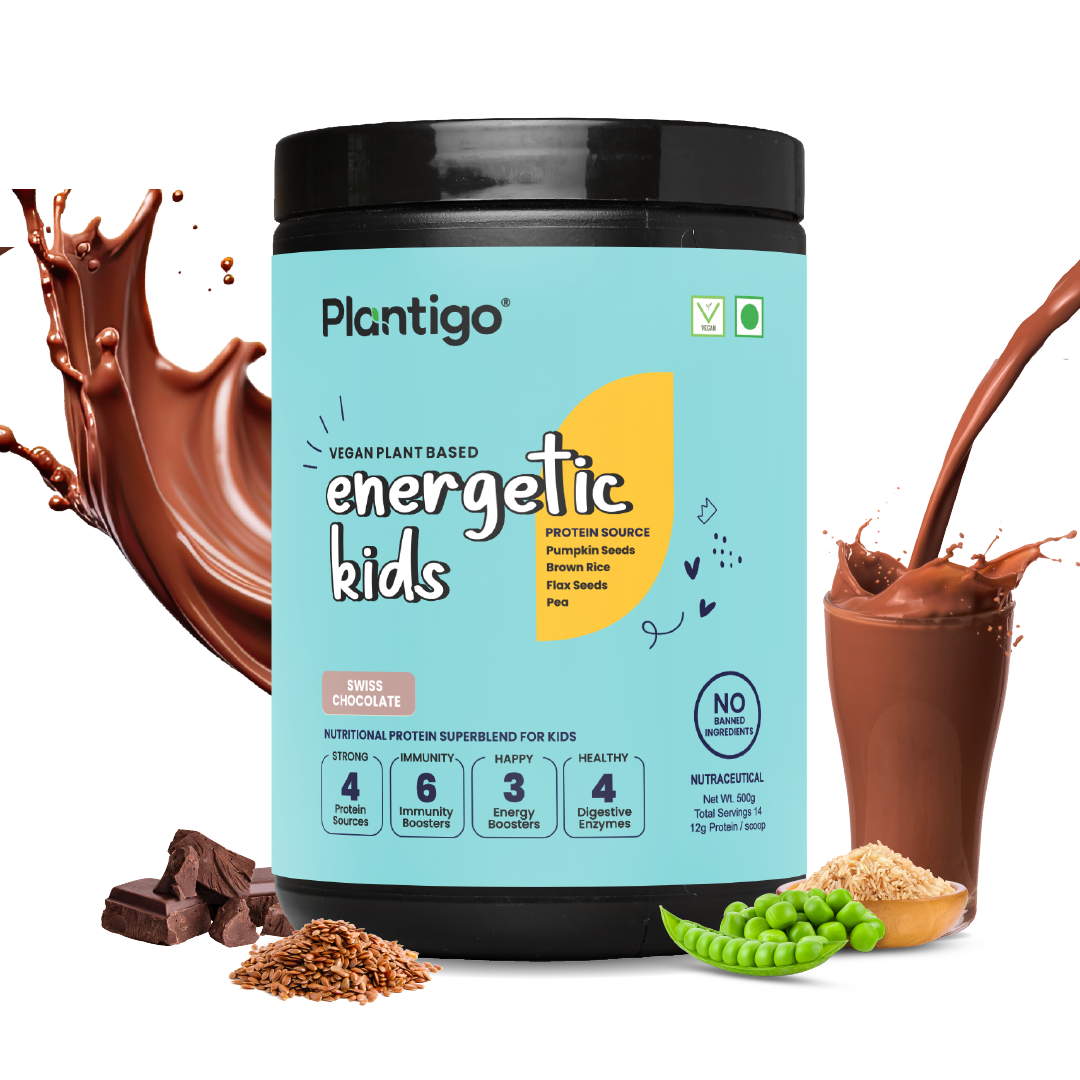
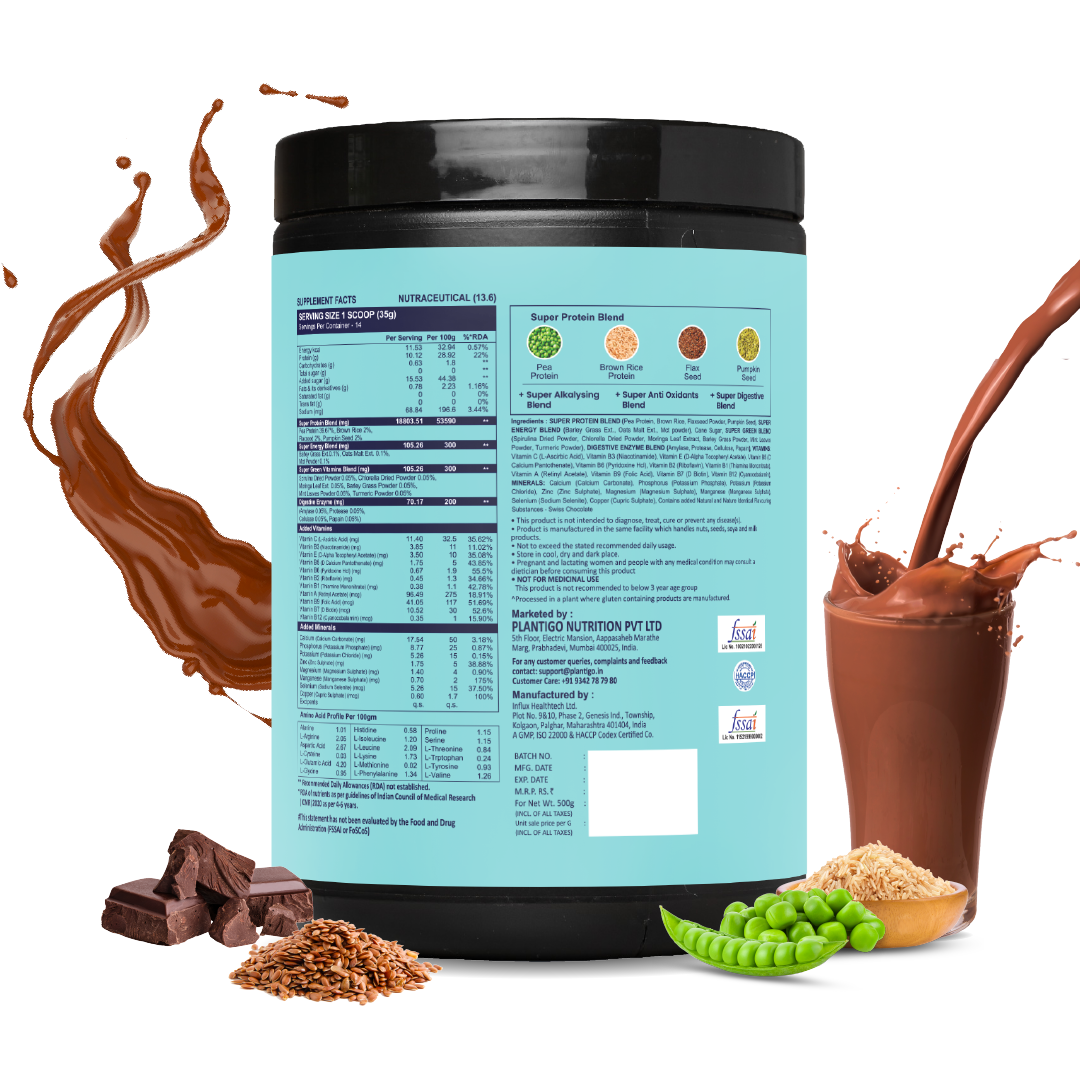
And if you're building a broader plant-based nutrition routine, Plantigo plant protein complements a chana-based diet naturally — providing the methionine that chana lacks and completing the amino acid profile that muscle repair, skin health, and metabolic function all depend on.
Start with chana. Build from there.
Frequently Asked Questions
Q1: How much protein is in chana per 100g?
Chana protein per 100g sits at approximately 19g cooked and 25g raw dried. Sprouted chana delivers approximately 22g — with higher bioavailability than either cooked or raw.
Q2: Is chana a complete protein?
No — chana is deficient in methionine. Pairing with grains like rice or roti creates a complete protein by combining complementary amino acid profiles. This is why chana-rice and chana-roti are nutritionally superior combinations.
Q3: Which is better - kala chana or kabuli chana?
Kala chana has a slight nutritional edge — higher fiber, more antioxidants, and a lower glycemic index. Kabuli chana is more digestible and versatile. Both deliver comparable protein per 100g.
Q4: How should I prepare chana for maximum protein absorption?
Soak overnight for 8–12 hours, discard soaking water, then pressure cook until completely soft. This reduces antinutrients significantly and maximises protein bioavailability.
Q5: How much chana should I eat daily for protein needs?
150–200g of cooked chana daily delivers 28–38g of protein — covering 50–65% of an average adult's daily requirement. Combined with other protein sources across the day, this supports most health and fitness goals.
References: