Chia seeds for skin improve hydration, reduce inflammation, support collagen production, and enhance skin texture due to their omega-3 fatty acids, antioxidants, and zinc content. Consistent use for 3–4 weeks delivers visible improvements in acne, dryness, and ageing.
Key Takeaways
-
Chia seeds for skin work from the inside out — nutrition drives results, not just topical application
-
Omega-3 fatty acids in chia seeds directly reduce skin inflammation and redness
-
The antioxidant profile neutralises free radicals responsible for premature ageing
-
Chia seeds support the gut-skin axis — better digestion visibly improves complexion
-
Results compound with consistency — 3–4 weeks of daily use produces measurable changes
-
Chia seeds work best as part of a broader nutrition strategy, not in isolation
Introduction
Most skincare routines focus on what goes on your skin. Serums, moisturisers, SPF, retinol — the industry is built around topical application. But the most persistent skin problems — chronic acne, dullness, premature ageing, stubborn dryness — almost always have an internal root cause.
This is where chia seeds change the conversation entirely.
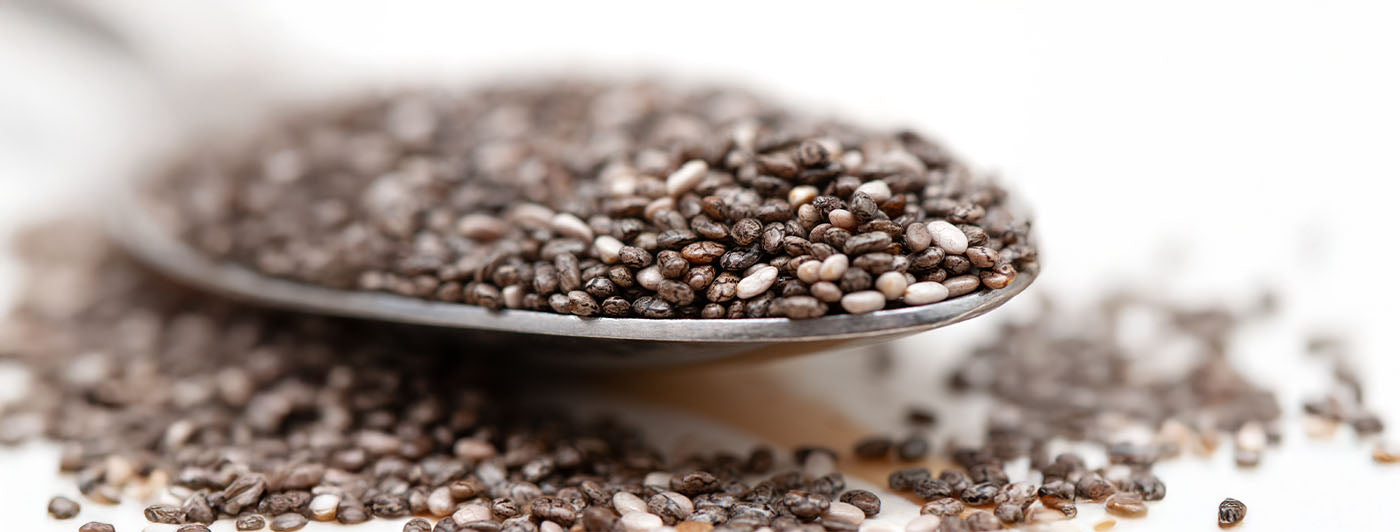
Chia seeds are one of the most nutritionally concentrated foods on the planet. Two tablespoons deliver omega-3 fatty acids, zinc, magnesium, antioxidants, complete plant protein, and more fiber than most people consume in an entire meal. Every single one of these nutrients plays a direct, documented role in skin repair, hydration, and collagen support.
But here's what most chia seed articles miss: it's not just about eating them. How you consume them, when you use them topically, and what you combine them with — especially alongside other clean plant protein sources — determines whether you get surface-level results or a genuine skin transformation.
In this guide, we're covering 11 specific ways chia seeds for skin can change your complexion — from cellular hydration to collagen support to acne reduction. Some of these will surprise you.
Stay with this — because way number 7 is the one most people never try. And it may be the most effective of all.
Why Chia Seeds Are a Skin Superfood
Before getting into the 11 ways, it helps to understand why chia seeds are so uniquely powerful for skin.
Most foods contribute one or two skin-relevant nutrients. Chia seeds contribute an unusually broad spectrum simultaneously — omega-3s, zinc, copper, selenium, vitamin E, and complete amino acids — all in a two-tablespoon serving that costs pennies.
The omega-3 to omega-6 ratio in chia seeds is approximately 3:1 — one of the most favourable ratios in the plant kingdom. This matters because most modern diets are heavily skewed toward omega-6, which drives systemic inflammation. That inflammation manifests visibly on skin as redness, acne, eczema, and accelerated ageing.
Correcting this ratio through regular chia seed consumption genuinely shifts the inflammatory baseline — and skin is one of the first places that shift becomes visible.
This is the foundation behind all 11 chia seeds for skin benefits that follow.
Top 11 Ways Chia Seeds for Skin Work
1. Hydrates Skin From Within
Dry skin is rarely just a surface problem. In most cases, it signals cellular dehydration — the body's cells aren't retaining water efficiently at the tissue level.
Chia seeds absorb up to 10–12 times their weight in water, forming a hydrogel that releases moisture slowly in the digestive tract. This sustained hydration reaches skin cells over hours, not minutes — unlike drinking a glass of water, which the kidneys process rapidly.
The mucilage — the gel-forming fiber in chia seeds — also supports the gut lining integrity that governs how efficiently nutrients and water are absorbed into circulation. Healthier gut lining means better cellular hydration across every tissue in the body, including skin.
Most people notice a visible reduction in skin dryness and tightness within the first 10–14 days of daily chia seed consumption.
2. Reduces Inflammation and Redness
This is arguably the most impactful of all chia seeds for skin benefits — and it's driven entirely by omega-3 fatty acids.
Alpha-linolenic acid (ALA) — the primary omega-3 in chia seeds — is a direct precursor to anti-inflammatory prostaglandins. These compounds regulate the inflammatory response at the cellular level, reducing the chronic low-grade inflammation that drives acne, rosacea, eczema, and persistent redness.
Two tablespoons of chia seeds provide approximately 5g of ALA — more than most fish oil supplements deliver per serving. For plant-based eaters who don't consume oily fish, chia seeds are one of the most accessible and concentrated sources available.
The reduction in skin redness and reactivity typically becomes noticeable within 2–3 weeks of consistent daily intake.
3. Slows Skin Ageing
Free radical damage is the primary driver of premature skin ageing — fine lines, loss of elasticity, uneven pigmentation. Chia seeds contain a powerful combination of antioxidants — quercetin, kaempferol, chlorogenic acid — that neutralise free radicals before they damage skin cell DNA.
Quercetin alone has been shown in clinical research to inhibit the enzymes that break down collagen — the structural protein responsible for skin firmness and elasticity.
Here's the angle most people miss: chia seeds for skin ageing work best when combined with adequate vitamin D. D3 rich foods and sunlight exposure support the skin cell regeneration that antioxidants protect — they work on the same pathway from different directions. Without sufficient D3, antioxidant protection is less effective at the cellular level.
Consistent chia seed intake, combined with D3 sufficiency, creates a genuinely powerful anti-ageing nutritional foundation.
4. Boosts Collagen Production
Collagen doesn't just keep skin firm — it determines skin texture, wound healing speed, pore appearance, and long-term structural integrity. And collagen production is nutrient-dependent — it requires specific cofactors to synthesise efficiently.
Chia seeds contribute copper and zinc — two minerals that are direct cofactors in collagen synthesis. Copper activates the enzyme lysyl oxidase, which cross-links collagen fibers to create the structural network that gives skin its firmness. Zinc supports collagen gene expression and accelerates skin repair after damage.
Most people don't consider seeds as a meaningful source of these minerals. But two tablespoons of chia seeds deliver approximately 0.5mg of copper (25% of daily requirement) and 1mg of zinc — meaningful contributions toward the daily threshold needed for active collagen production.
5. Clears Acne and Breakouts
Acne has multiple root causes — hormonal, bacterial, inflammatory, and dietary. Chia seeds address three of these four simultaneously, which is why they're particularly effective for acne-prone skin.
The omega-3s reduce the inflammatory response that makes existing breakouts more severe and visible. The zinc inhibits the growth of Cutibacterium acnes — the primary bacteria involved in acne formation — and regulates sebum production, reducing the excess oil that clogs pores.
The fiber in chia seeds also supports the gut microbiome balance that directly influences hormonal acne. The gut-skin axis is well established in dermatological research — disrupted gut flora elevates androgens and inflammatory markers that trigger breakout cycles.
This is also where diet quality beyond chia seeds matters. Many people searching for protein foods in india that support skin health overlook the connection between high-protein, low-glycemic eating and acne reduction. Dal, paneer, and legumes — combined with chia seeds — create a dietary environment that systematically reduces acne triggers.
6. Smoothens Skin Texture
Uneven skin texture — rough patches, enlarged pores, bumpy surface — is often a sign of sluggish cell turnover and micronutrient insufficiency.
Chia seeds contain vitamin E — a fat-soluble antioxidant that supports the lipid barrier of skin cells, keeping the outer layer smooth, supple, and intact. When the lipid barrier is compromised, skin becomes rough, reactive, and prone to moisture loss.
The complete amino acid profile in chia seeds also matters here. Skin cell turnover requires a continuous supply of amino acids — particularly glycine, proline, and hydroxyproline, which are the primary building blocks of new skin cells and collagen. Chia seeds provide all essential amino acids, making them one of the few plant foods that fully support this process.
For those supplementing with plant based protein powder to meet daily protein targets, combining it with chia seeds in a morning smoothie creates a complete amino acid and antioxidant foundation that visibly improves skin texture over 3–4 weeks.
7. Works as a Natural Face Mask
This is the way most people never try. And based on the nutritional profile, it makes complete sense why it works.
When chia seeds are soaked in water and form a gel, that gel contains concentrated omega-3s, zinc, antioxidants, and mucilage — all in a texture that adheres to skin naturally without harsh chemicals or fillers.
Applied as a face mask, chia gel delivers these compounds directly to the skin surface — bypassing digestion entirely. The mucilage acts as a natural humectant, drawing moisture into the skin. The omega-3s penetrate the lipid barrier and reduce surface inflammation within minutes of application.
How to use it: Soak 1 tablespoon of chia seeds in 3 tablespoons of water for 20 minutes. Apply the gel to clean skin. Leave for 15–20 minutes. Rinse with cool water. Use 2–3 times per week.
This topical application, combined with daily internal consumption, creates a dual-action chia seeds for skin approach that outperforms most single-method routines.
8. Balances Oil Production
Oily skin is paradoxically often a sign of dehydration — when skin is water-deficient, sebaceous glands overcompensate by producing more oil. Chia seeds address this at the root by improving cellular hydration, which signals sebaceous glands to reduce output.
The zinc content reinforces this mechanism. Zinc is one of the most clinically studied nutrients for sebum regulation — it inhibits the enzyme 5-alpha reductase, which converts testosterone to DHT, the primary hormonal driver of excess sebum production.
For anyone struggling with combination skin — oily T-zone, dry cheeks — chia seeds for skin oil balance work particularly well because they address both sides of the problem simultaneously: hydrating dry areas while reducing oil in overactive zones.
9. Heals the Gut-Skin Connection
This benefit is the one dermatologists are paying increasing attention to — and it explains why so many skin problems resist topical treatment alone.
The gut-skin axis describes the bidirectional communication between the digestive system and skin health. Disrupted gut microbiome diversity elevates systemic inflammation, increases intestinal permeability, and triggers immune responses that manifest visibly on skin as acne, eczema, psoriasis, and rosacea.
Chia seeds are one of the richest plant sources of prebiotic fiber — the indigestible fiber that feeds beneficial gut bacteria. Regular consumption measurably increases populations of Lactobacillus and Bifidobacterium — the bacterial strains most strongly associated with reduced skin inflammation and improved complexion.
This gut-skin connection also explains why b12 rich foods matter alongside chia seeds for skin health. B12 plays a critical role in skin cell DNA synthesis and red blood cell production — deficiency causes hyperpigmentation, pallor, and impaired skin healing. Ensuring adequate B12 intake alongside chia seeds creates a more complete internal skin support system.
10. Supports Weight and Skin Health
This connection surprises most people — but the relationship between body composition, metabolic health, and skin quality is well documented.
Excess visceral fat drives elevated cortisol and insulin — both of which accelerate skin ageing, trigger acne, and impair collagen synthesis. Managing body composition through a calorie deficit diet that includes chia seeds creates cascading skin benefits that no topical product can replicate.
Chia seeds support calorie deficit approaches particularly well. The combination of fiber, protein, and fat creates a satiety effect that makes eating less significantly easier — without the energy crashes that derail most deficit attempts.
Two tablespoons of chia seeds added to morning meals or drinks can reduce overall daily caloric intake by 150–200 calories through appetite suppression alone — a meaningful contribution to a sustainable deficit.
11. Repairs Skin With Plant Protein
This final benefit ties everything together — and it's the one most people overlook when thinking about seeds.
Chia seeds contain approximately 4.7g of protein per two-tablespoon serving — and crucially, it's a complete protein, containing all nine essential amino acids. This is rare in the plant kingdom. For skin specifically, complete protein means the body has every amino acid available for collagen synthesis, cell repair, and enzyme production simultaneously.
Plant protein from sources like chia seeds, hemp, and quinoa — speaking of which, quinoa nutrition per 100g delivers an impressive 14g of protein alongside all essential amino acids, making it another powerful skin-supportive food — forms the dietary foundation that skin repair processes depend on.

For those tracking intake, a protein intake calculator helps identify gaps in daily consumption that may be silently limiting skin repair capacity. Most people, particularly women, are significantly under-eating protein — and skin quality is one of the first visible indicators of that deficiency.
Understanding moong dal protein per 100g — approximately 24g dry weight — also helps build a complete plant-based protein strategy alongside chia seeds. Dal, quinoa, and chia together cover the full amino acid spectrum that skin regeneration requires.
How to Use Chia Seeds for Skin Daily
Getting consistent results from chia seeds for skin requires a structured approach — not occasional use.

Internal use:
-
2 tablespoons daily — soaked overnight in water, coconut water, or plant milk
-
Add to smoothies, oats, yoghurt, or morning drinks
-
Consume consistently for minimum 3–4 weeks before assessing results
Topical use:
-
Chia gel face mask 2–3 times per week
-
Mix with honey for added antibacterial and humectant benefits
-
Combine with rose water for a soothing, anti-inflammatory toner base
Timing: Morning consumption is optimal — the sustained hydration and nutrient release supports skin repair processes that peak during daytime cellular activity.
Chia Seeds for Skin: Quick Comparison by Skin Concern
|
Skin Concern |
How Chia Seeds Help |
Key Compound |
Timeline |
|
Dryness |
Cellular hydration via mucilage |
Fiber + Omega-3s |
1–2 weeks |
|
Acne |
Reduces inflammation + sebum |
Zinc + Omega-3s |
2–3 weeks |
|
Premature Ageing |
Neutralises free radicals |
Antioxidants + Vitamin E |
3–4 weeks |
|
Redness |
Anti-inflammatory ALA |
Omega-3 (ALA) |
2–3 weeks |
|
Uneven Texture |
Supports cell turnover |
Amino Acids + Vitamin E |
3–4 weeks |
|
Oily Skin |
Regulates sebum production |
Zinc |
2–3 weeks |
|
Dull Complexion |
Gut-skin axis support |
Prebiotic Fiber |
3–4 weeks |
Conclusion
The case for chia seeds for skin isn't built on one impressive nutrient — it's built on an unusually complete nutritional profile that addresses multiple skin concerns simultaneously, from the inside out.
Hydration, inflammation, collagen, acne, ageing, texture, oil balance — eleven distinct pathways, one small seed.
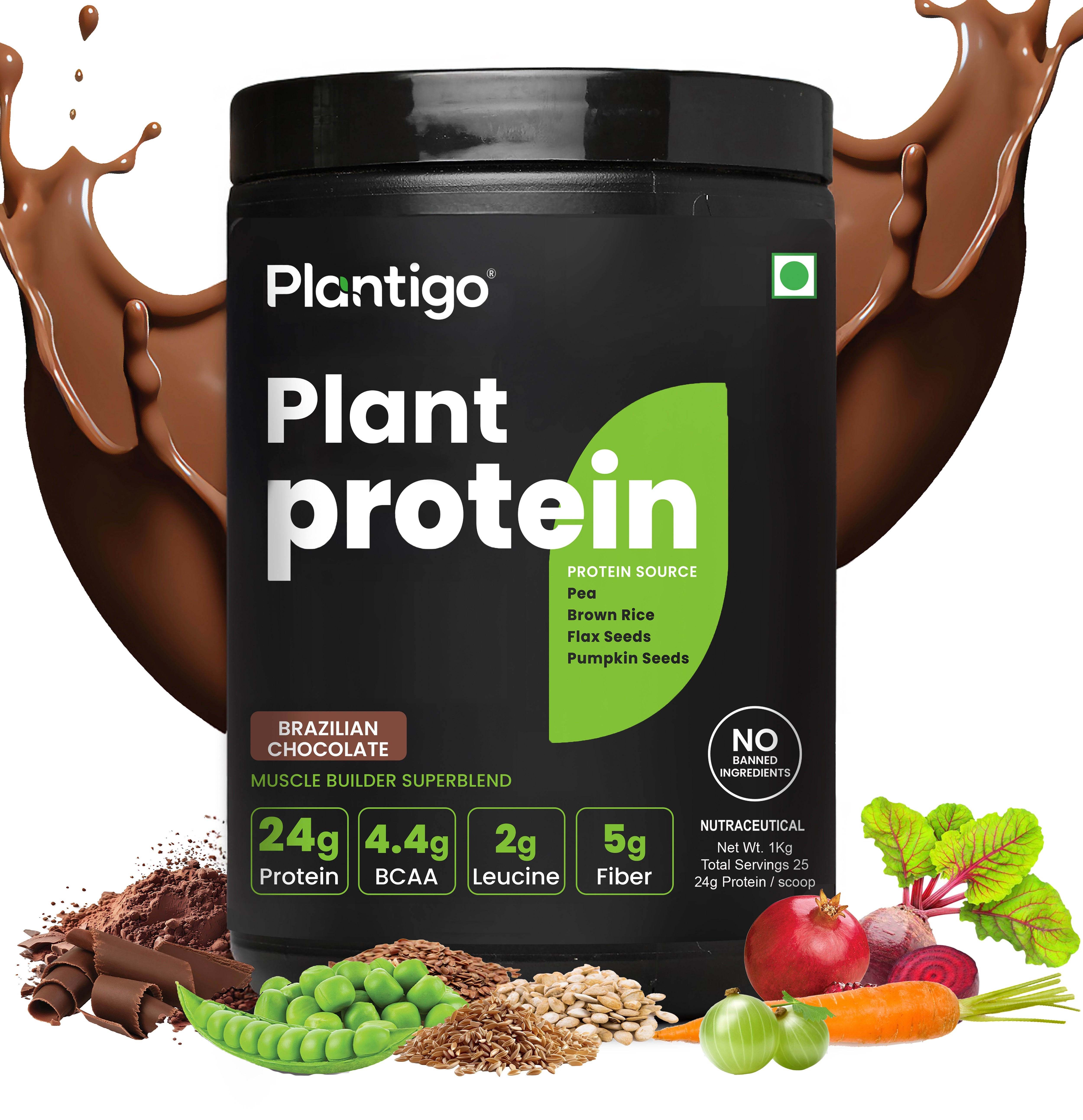
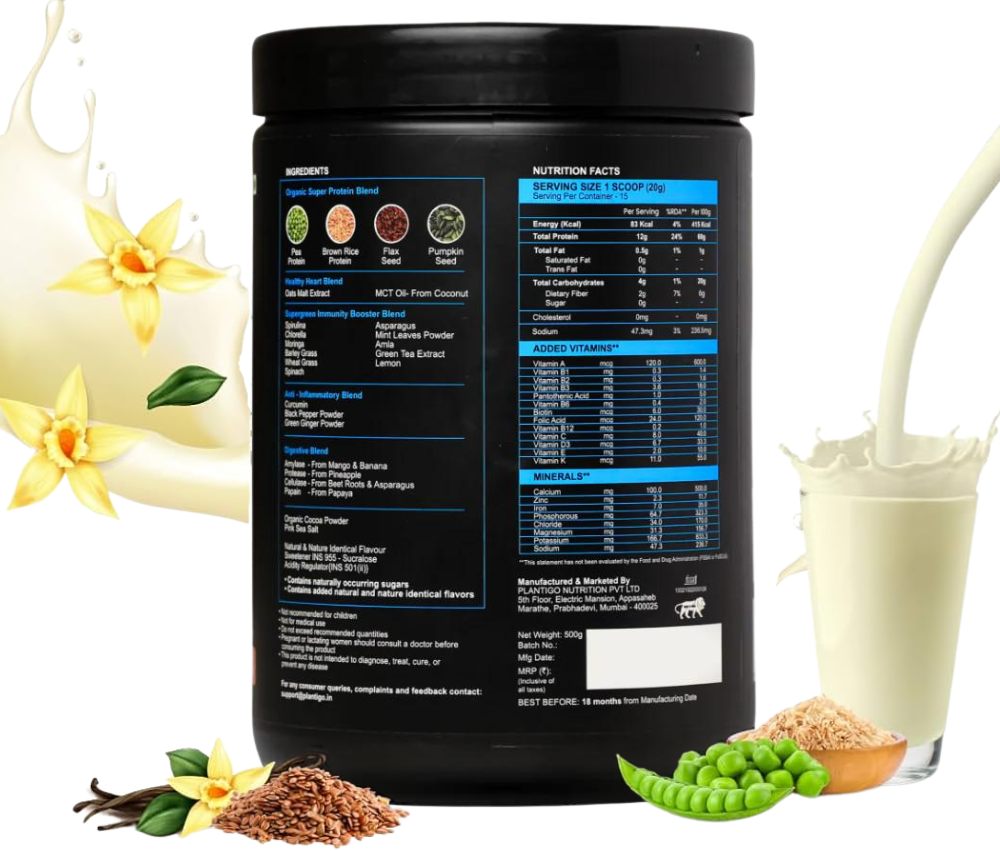
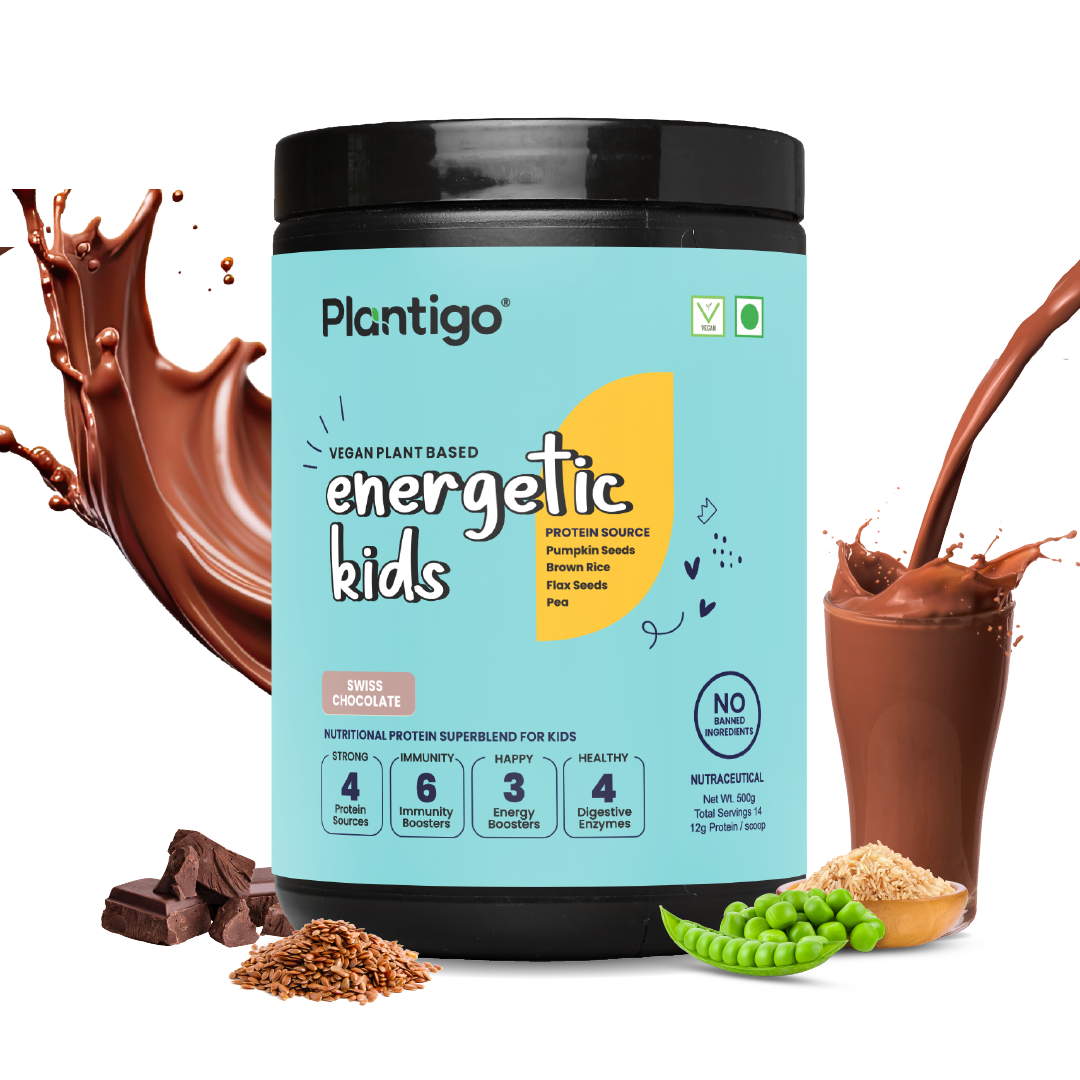
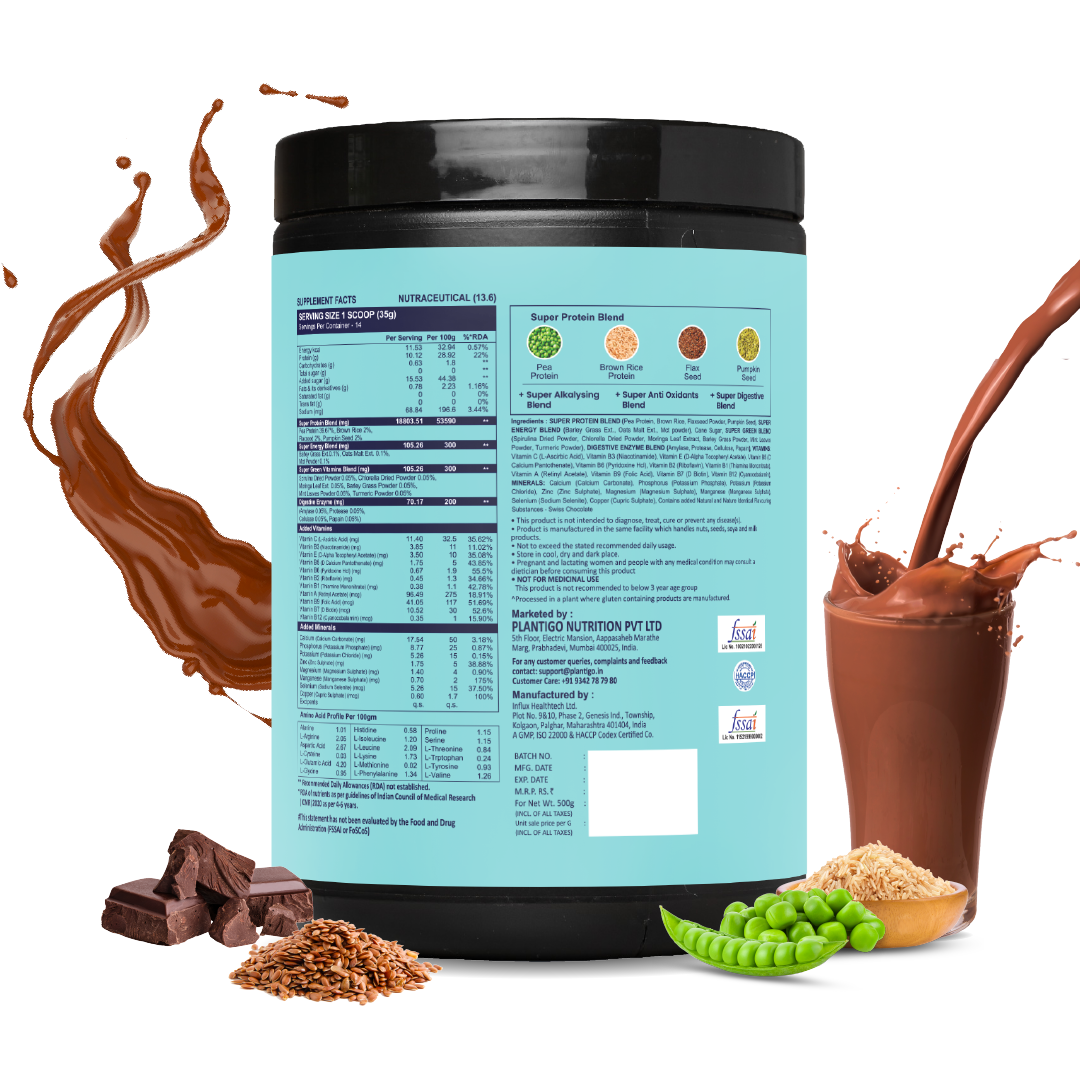
If you're building a plant-based skin nutrition routine, protein is the foundation everything else sits on. Plantigo plant protein pairs naturally with a chia seed morning routine — providing the complete amino acid profile that complements chia's omega-3 and antioxidant benefits, without unnecessary additives or fillers.
Start with two tablespoons daily. Add the topical mask twice a week. Stay consistent for 30 days.
Your skin will tell you the rest.
Frequently Asked Questions
Q1: How long do chia seeds take to improve skin?
Most people notice reduced dryness and redness in 1–2 weeks. Visible improvements in texture, acne, and ageing typically appear within 3–4 weeks with daily use.
Q2: Can I apply chia seeds directly to my face?
Yes. Soaked chia gel can be used as a face mask to deliver omega-3s, zinc, and antioxidants. Apply 2–3 times weekly for 15–20 minutes.
Q3: How much chia seeds should I eat daily for skin benefits?
Two tablespoons (about 28g) daily is recommended. This provides omega-3s, fiber, zinc, and protein without excess calories.
Q4: Are chia seeds good for acne-prone skin?
Yes. Omega-3s reduce inflammation, zinc controls sebum and acne bacteria, and fiber supports gut balance linked to acne.
Q5: Can chia seeds replace skincare products?
No. They complement skincare by addressing internal causes like inflammation and hydration, while products work on the surface.