
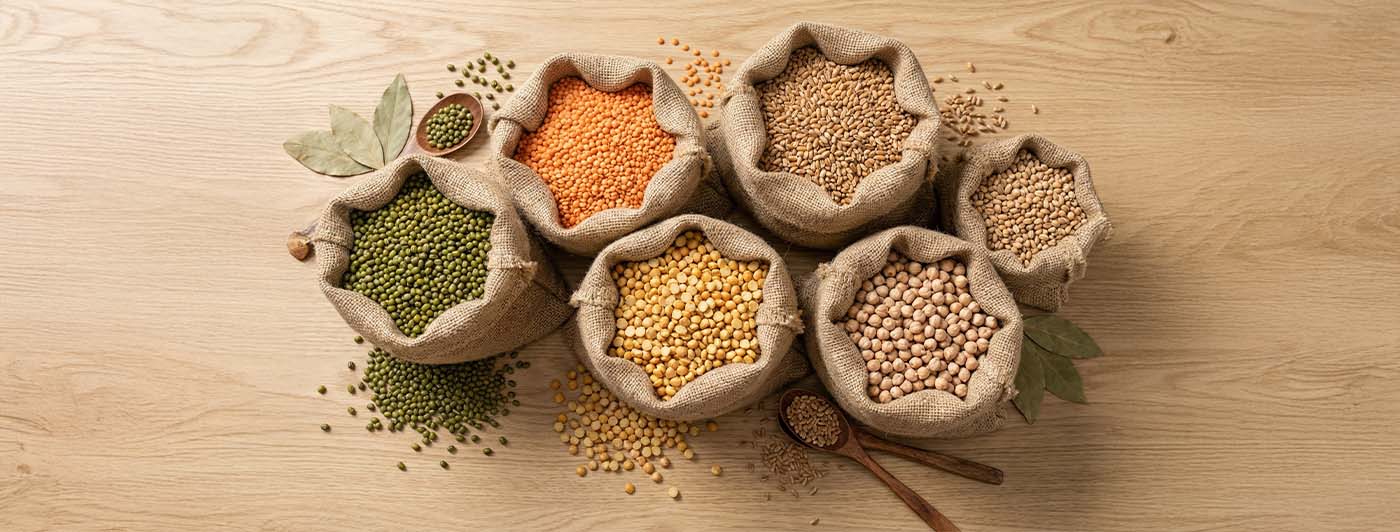
Which dal has highest protein?
Urad dal ranks among the highest-protein Indian dals with around 25g protein per 100g dry weight. Chana dal and kulthi dal (horse gram) also rank highly, making them strong options for vegetarians looking to increase protein intake.
Key Takeaways
-
Which dal has highest protein: urad dal and chana dal lead at 24–26g per 100g
-
Kulthi dal contains all essential amino acids — making it the most complete protein dal
-
Most dals deliver 22–26g protein per 100g dry weight
-
Combining dal with grains creates a complete protein — a practice Indian cuisine has followed for centuries
-
Rotating different dals across the week improves amino acid diversity and overall nutrition
-
Daily dal consumption supports muscle repair, gut health, blood sugar regulation, and heart health
Introduction
Every Indian household has a favourite dal, but very few people know which one delivers the most nutritional value. While many people ask which dal has the highest protein, the real answer goes beyond protein numbers alone.
Protein content varies across different dals, preparation methods can affect absorption, and some varieties offer added benefits like higher fibre, iron, or a better amino acid profile. That means the best dal is not always just the one with the biggest protein number.
This guide ranks the top protein-rich Indian dals and explains what makes each one valuable, so you can choose the right option for muscle gain, weight management, better nutrition, or everyday meals.
Dal has always been one of India’s most practical natural plant protein sources — affordable, versatile, and easy to include in daily diets. For those looking to increase protein intake further, combining dals with other whole foods or a clean plant protein source can help build a more balanced routine.
Stay with this guide, because one underrated dal lower in the list is often overlooked — and may be one of the smartest nutritional choices of all.
Why Dal Protein Matters More Than You Think
Protein is the most underconsumed macronutrient in the Indian vegetarian diet. Studies [1] consistently show that vegetarians in India consume 30–40% less protein than their body requires.
The consequences show up gradually — muscle loss, persistent fatigue, slow recovery from illness, hair thinning, and impaired immune function. Many people attribute these symptoms to ageing or stress. The actual cause is frequently inadequate protein intake.
Dal is the most accessible solution. It's affordable, culturally embedded, and available in every Indian kitchen. Understanding which dal has highest protein and consuming it consistently is one of the most impactful nutritional upgrades a vegetarian can make.
Which Dal Has Highest Protein: The Full Ranking
1. Urad Dal
When nutritionists are asked which dal has highest protein, urad dal is almost always the first answer.
Protein content: ~25g per 100g dry weight
Nutritional highlights:
-
One of the best iron rich indian foods in the legume category
-
High magnesium content supports muscle function and energy production
-
Provides slow-release energy through complex carbohydrates
-
Supports kidney function through potassium content
Popular dishes: Dal makhani, idli, dosa batter, papad, medu vada
Urad dal's iron content makes it particularly valuable for women — iron deficiency is one of the most widespread nutritional deficiencies in India, and urad dal addresses it alongside its protein contribution.
Best for: Muscle building, iron deficiency, sustained energy
2. Chana Dal
Chana dal is the second strongest answer to which dal has highest protein — and in several ways, it outperforms urad dal as an overall nutritional choice.
Protein content: ~24g per 100g dry weight
The gram nutritional value per 100g tells the full story — chana dal delivers not just protein but an exceptional fiber-to-calorie ratio that makes it one of the most satiating foods in the Indian diet.
Nutritional highlights:
-
Highest fiber content among commonly eaten dals — 10–12g per 100g dry
-
Low glycemic index (~28) — among the lowest of any high-carbohydrate food
-
Rich in folate — critical for cell repair and pregnancy nutrition
-
Supports steady blood sugar and reduces post-meal insulin spikes
Popular dishes: Dal fry, chana dal tadka, besan chilla, chana dal khichdi
Best for: Weight management, blood sugar control, digestive health
3. Masoor Dal
Masoor dal doesn't always get the credit it deserves in conversations about which dal has highest protein — but the numbers make a strong case.
Protein content: ~24g per 100g dry weight
Nutritional highlights:
-
Cooks faster than any other dal — no soaking required
-
High in iron and antioxidants — particularly polyphenols that reduce oxidative stress
-
Rich in B vitamins supporting energy metabolism
-
Excellent for skin health due to antioxidant content
Popular dishes: Masoor dal soup, red lentil curry, masoor dal tadka
What sets masoor dal apart is accessibility. It's the most beginner-friendly dal — quick to cook, mild in flavour, and easily incorporated into any meal.
Best for: Quick protein source, iron intake, skin health
4. Moong Dal
Most people underestimate moong dal when discussing which dal has highest protein. Its reputation as a light food creates a perception that it's nutritionally inferior. It isn't.
Protein content: ~23–24g per 100g dry weight
Nutritional highlights:
-
Easiest dal to digest — ideal for children, elderly, and illness recovery
-
High in antioxidants — particularly vitexin and isovitexin
-
Supports gut microbiome health through prebiotic fiber
-
Low fat, making it ideal for calorie-controlled diets
Popular dishes: Moong dal khichdi, sprouted moong salad, moong dal chilla
Sprouted moong dal deserves special mention. Sprouting increases protein bioavailability by breaking down antinutrients — making it one of the highest bioavailable plant protein sources available.
Best for: Digestive health, weight loss, elderly nutrition, post-illness recovery
5. Toor Dal
Toor dal may not win the which dal has highest protein competition outright — but it's the most consistently consumed dal in India. And consistency matters more than occasional perfection.
Protein content: ~22g per 100g dry weight
Nutritional highlights:
-
Rich in potassium — supports blood pressure regulation
-
Provides B vitamins including thiamine and folic acid
-
Complex carbohydrates deliver sustained energy
-
Supports healthy pregnancy due to folate content
Popular dishes: Sambar, Gujarati dal, toor dal tadka, rasam
Toor dal's widespread consumption means it contributes more protein to the average Indian diet than any other single dal — not because it has the highest protein, but because it's eaten most often.
Best for: Daily consumption, sustained energy, heart health
6. Kulthi Dal
This is the dal most people have forgotten. And that's a significant nutritional oversight.
Protein content: ~22–25g per 100g dry weight
Kulthi dal (horse gram) is one of the most nutritionally impressive legumes in Indian cuisine — yet it's disappeared from most urban kitchens over the past few decades.
Nutritional highlights:
-
Contains ALL essential amino acids — the most complete plant protein among Indian dals
-
Exceptionally high iron content
-
Traditionally used in Ayurvedic medicine for kidney stones and weight management
-
High polyphenol content — powerful antioxidant and anti-inflammatory effects
-
Rich in calcium — rare for a legume
Popular dishes: Kulith soup (Goa), horsegram rasam (Karnataka), kulthi dal (Himachal Pradesh)
When asking which dal has highest protein quality — not just quantity — kulthi dal wins. Its complete amino acid profile means every gram of protein it contains is more usable by the body than protein from incomplete sources.
Best for: Complete protein, weight management, kidney health, traditional medicine
7. Rajma
Rajma sits at the boundary between dal and legume — but it belongs in any honest answer to which dal has highest protein for an Indian diet.
Protein content: ~24g per 100g dry weight
Nutritional highlights:
-
High leucine content — the amino acid that directly triggers muscle protein synthesis
-
Excellent source of iron and folate
-
Rich in resistant starch — feeds gut bacteria and improves insulin sensitivity
-
Very high fiber — supports cholesterol reduction
Popular dishes: Rajma chawal, rajma curry, rajma tikki
For active individuals specifically — rajma's leucine content makes it one of the most muscle-supportive plant foods available.
Best for: Muscle building, gut health, cholesterol management
Complete Protein Comparison Table
|
Dal |
Protein per 100g (dry) |
Fiber |
GI |
Best For |
|
Urad Dal |
~25g |
8g |
43 |
Muscle building, iron |
|
Chana Dal |
~24g |
11g |
28 |
Weight management, blood sugar |
|
Masoor Dal |
~24g |
8g |
21 |
Quick cooking, skin health |
|
Moong Dal |
~23–24g |
8g |
25 |
Digestion, weight loss |
|
Toor Dal |
~22g |
7g |
29 |
Daily staple, heart health |
|
Kulthi Dal |
~22–25g |
9g |
Low |
Complete protein, weight management |
|
Rajma |
~24g |
15g |
29 |
Muscle building, gut health |
The Definitive Answer
If the question is which dal has highest protein by quantity — urad dal wins at ~25g per 100g.
If the question is which dal has highest protein quality — kulthi dal wins for its complete essential amino acid profile.
If the question is which dal delivers the best overall nutritional value — chana dal wins for its combination of protein, fiber, low GI, and micronutrient density.
The smartest approach isn't choosing one. It's rotating all seven across the week — each contributes different amino acids, minerals, and fiber types that complement the others.
How to Maximise Protein Absorption From Dal
Knowing which dal has highest protein is only half the equation. How you prepare it determines how much your body actually absorbs.

Soaking:
-
Soak all dals for 6–8 hours before cooking
-
Helps reduce phytic acid, a natural compound that can limit mineral absorption and digestibility. Research [2] on soaking and germination of legumes shows these methods may improve nutrient availability.
-
Discard soaking water to remove additional antinutrients
Sprouting:
-
Increases moong and chana protein bioavailability by 20–30%
-
Sprouted dal can be eaten raw in salads or lightly cooked
Combining with grains:
-
Dal + rice or dal + roti creates a complete protein
-
Grains provide methionine that dal lacks
-
Dal provides lysine that grains lack
Dal and Daily Protein Targets
Understanding which dal has highest protein is most useful when combined with knowing your daily protein target.
For someone following a 150 gm protein diet — increasingly common among fitness-focused individuals — dal alone cannot cover requirements. A strategic combination across the day is needed:
-
Breakfast: Moong dal chilla + curd
-
Lunch: Urad dal + 2 rotis + paneer sabzi
-
Snack: Roasted chana + nuts
-
Dinner: Rajma + rice + salad
Using a protein intake calculator to establish your exact daily target based on weight, activity level, and goal makes this strategy significantly more precise than following generic recommendations.
Dal in a Broader Plant Protein Strategy
Dal is the foundation — but a complete plant protein strategy layers multiple sources across the day.
Complementary sources that pair well with dal:
-
Paneer — 18g protein per 100g, complete protein
-
Curd — 5–6g per 100g, probiotics for gut health
-
Nuts — nuts for weight gain make excellent calorie-dense protein additions alongside dal-based meals. Cashews, almonds, and peanuts add healthy fats, protein, and caloric density for muscle-building phases
-
Dry fruits — vitamin b12 rich dry fruits like pistachios and dried figs complement dal's B vitamin content and provide micronutrients that plant-based eaters commonly lack

For those consistently finding it difficult to hit protein targets through food alone, a scoop of plant based protein powder added to a morning lassi or smoothie efficiently bridges the gap — without requiring significant changes to a traditional dal-based diet.
Weekly Dal Rotation Plan
This is the insight most single-dal nutrition guides miss entirely.
Every dal has a slightly different amino acid profile. Rotating across the week maximises protein diversity, amino acid coverage, and micronutrient intake simultaneously:
-
Monday / Thursday: Urad dal — protein and iron focus
-
Tuesday / Friday: Chana dal — fiber and blood sugar focus
-
Wednesday: Masoor dal — quick, accessible, antioxidant-rich
-
Saturday: Kulthi dal — complete protein, traditional preparation
-
Sunday: Moong dal khichdi — gut reset, digestive ease
Conclusion
The answer to which dal has highest protein depends on what you're optimising for.
For raw protein quantity — urad dal wins. For protein quality and completeness — kulthi dal wins. For overall nutritional value — chana dal wins. For daily practicality — toor dal wins by default.
But the real answer — the one that produces the best long-term results — is all of them, rotated strategically across the week.
Dal is not just comfort food. It's one of the most scientifically validated plant protein sources available — affordable, accessible, and proven across centuries of nutritional practice in India.
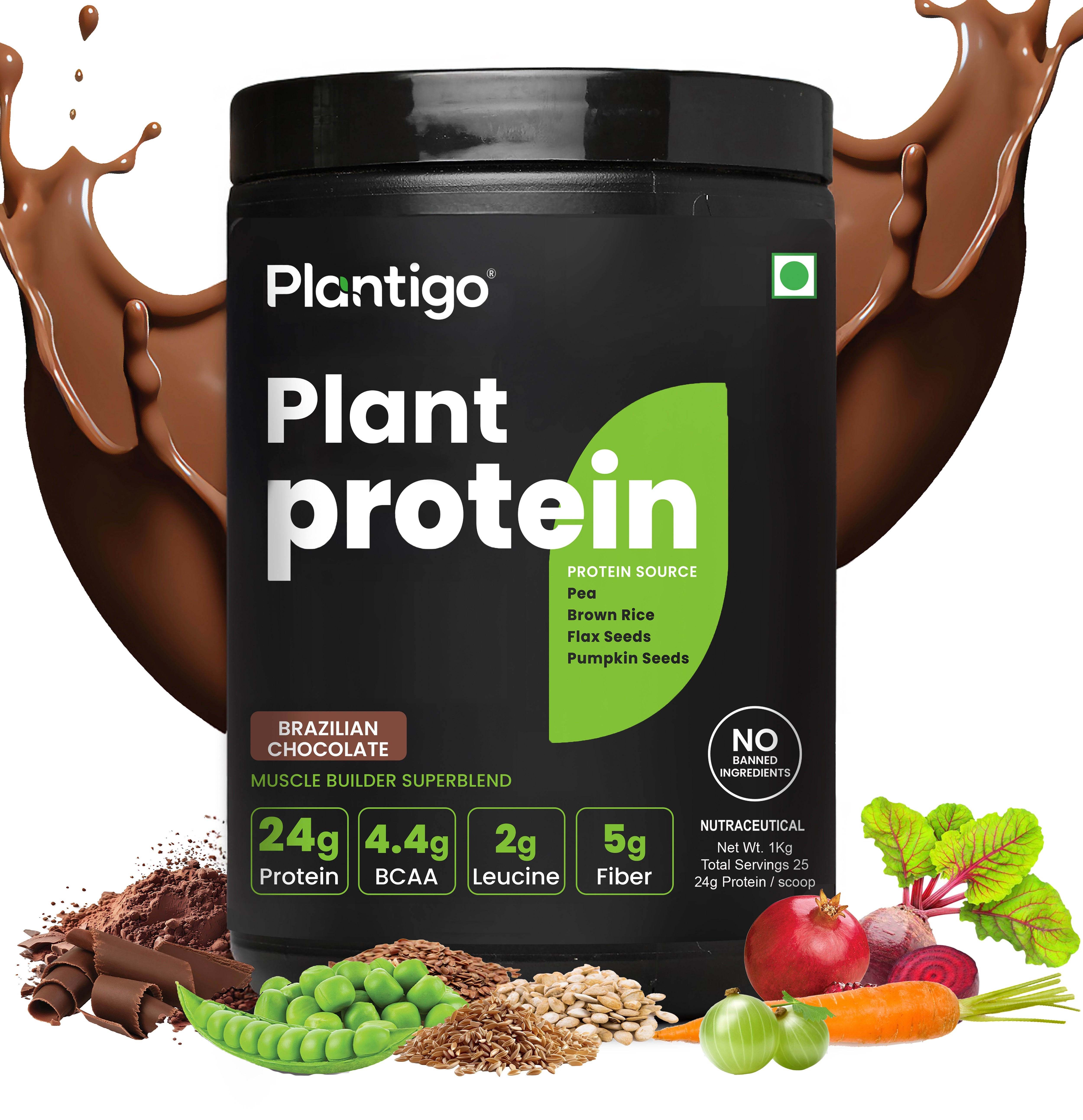
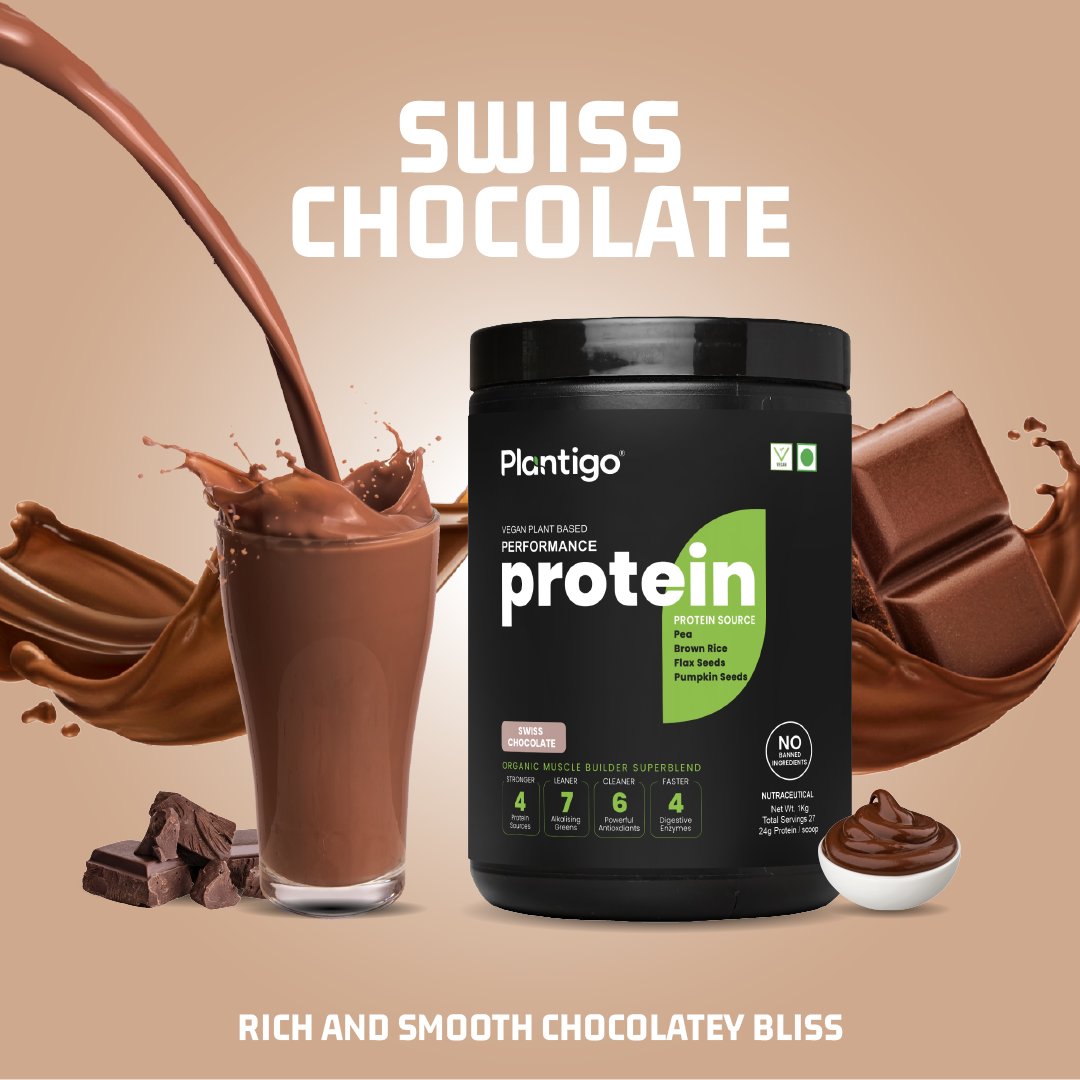
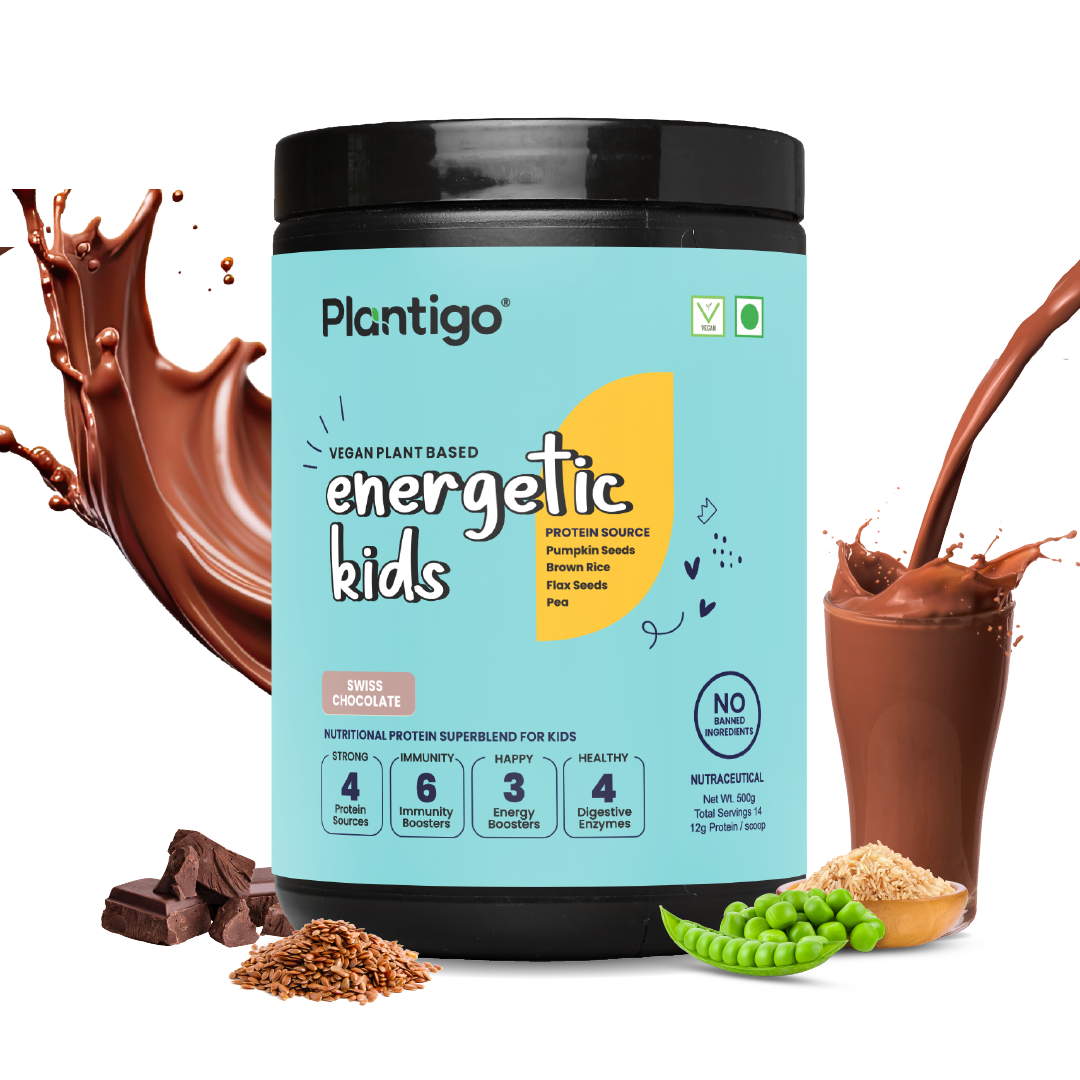
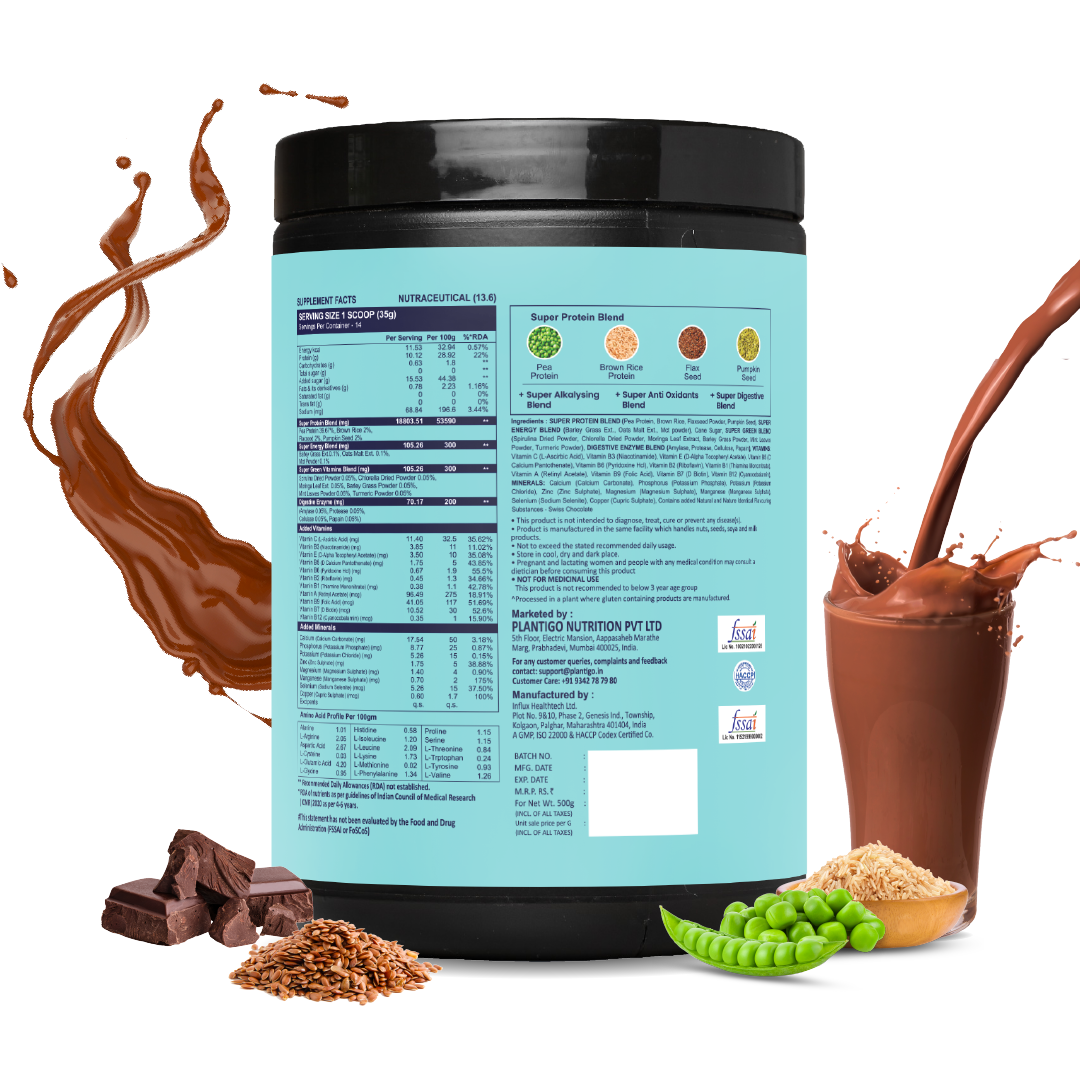
If you're building a complete plant-based protein strategy around dal, Plantigo plant protein complements a dal-based diet naturally — providing the amino acids that lentils alone don't fully cover, without requiring you to abandon the traditional food patterns that make eating sustainable.
Rotate your dals. Soak before cooking. Combine with grains. Stay consistent.
Your protein goals are closer than you think.
Frequently Asked Questions
Q1: Which dal has highest protein per 100g?
Urad dal leads with approximately 25g of protein per 100g dry weight. Chana dal and masoor dal follow closely at 24g. Kulthi dal ranges between 22–25g but wins on protein quality due to its complete amino acid profile.
Q2: Which dal is best for muscle building?
Urad dal, rajma, and kulthi dal are the strongest choices — urad and rajma for leucine content that triggers muscle protein synthesis, kulthi dal for its complete essential amino acid profile.
Q3: Is moong dal high in protein?
Yes — moong dal contains 23–24g of protein per 100g dry weight. Its reputation as a light food undersells its protein content. Sprouted moong dal has even higher bioavailable protein.
Q4: Which dal should I eat daily?
Rotating different dals daily is more beneficial than eating one variety. If forced to choose one, chana dal offers the best combination of protein, fiber, and low glycemic index for daily use.
Q5: Can dal alone meet daily protein requirements?
For most adults with moderate activity levels, 2–3 servings of different dals daily covers 40–60% of protein requirements. Active individuals need additional sources — paneer, curd, seeds, or supplements — to meet higher targets.
Q6: Does soaking dal increase protein content?
Soaking doesn't increase total protein — but significantly increases bioavailability by breaking down phytic acid and enzyme inhibitors. The protein was always there — soaking makes it accessible.
Q7: Which dal is easiest to digest?
Moong dal is universally recognised as the most digestible — ideal for children, elderly individuals, and illness recovery. Masoor dal is the second most digestible option.
References:

%20also%20rank%20highly,%20making%20them%20...)