Creatine rich foods support strength, power output, and muscular endurance by enhancing the body’s natural creatine production and ATP recycling. These plant-based foods provide arginine, glycine, methionine, magnesium, iron, and other essential nutrients required for efficient energy metabolism. When consumed consistently — alongside adequate plant protein for amino acid sufficiency and muscle repair — creatine rich foods can improve workout performance, recovery, and long-term physical resilience from within.
What if performance isn’t about adding more supplements — but about optimizing what your body already produces?
Creatine is a naturally synthesized compound that fuels short bursts of high-intensity activity. The real advantage lies in supporting the internal pathway that builds and regenerates it. By nourishing this system — including sufficient plant protein intake to maintain amino acid balance — you strengthen the metabolic engine that drives power, stamina, and recovery.
Let’s explore how creatine rich foods work — and which plant-based options deserve a place on your plate.
How Creatine Rich Foods Support Natural Creatine Production
When we refer to creatine rich foods in a plant-based framework, we mean foods that support:
-
Arginine supply
-
Glycine availability
-
Methionine metabolism
-
Magnesium-dependent ATP activation
-
Phosphocreatine recycling
Creatine is synthesized primarily in the liver and kidneys from amino acids. In plant-based individuals, dietary creatine intake is negligible, which makes internal production even more important. Research shows that vegetarians tend to have lower serum creatinine concentrations and reduced lean body mass and strength compared to omnivores, suggesting differences in creatine metabolism and availability between diets.
Unlike melanin rich foods that influence skin pigmentation, creatine-supportive foods influence cellular energy systems. They work at the level of ATP — the true currency of strength.
Now let’s explore the top plant-based sources that enhance this metabolic pathway.
Top 11 Natural Creatine Rich Foods
1. Pumpkin Seeds
Pumpkin seeds are one of the most strategic creatine rich foods in plant nutrition.
They provide:
-
High arginine content
-
Magnesium for ATP binding
-
Zinc for muscle repair
Arginine is a primary precursor in creatine synthesis. Without it, the pathway slows. Adding a handful of pumpkin seeds daily can support nitric oxide production and muscle efficiency simultaneously.
They also sit comfortably among iron rich foods vegetarian athletes rely on to maintain endurance and oxygen transport.
2. Lentils
Lentils contribute directly to glycine availability, another critical creatine precursor.
They also:
-
Improve iron status
-
Support red blood cell formation
-
Stabilize blood sugar
Stable oxygen delivery ensures that creatine’s rapid energy recycling system works efficiently during intense training sessions.
This makes lentils foundational when designing plant-based creatine rich foods protocols.
3. Quinoa
Quinoa provides all essential amino acids, supporting methionine metabolism.
Despite online confusion around “quinoa 100g protein,” its strength lies not in extreme protein density but in amino acid completeness.
Quinoa helps:
-
Sustain ATP production
-
Maintain muscle protein balance
-
Support internal creatine formation
When paired with seeds, it enhances the functional synergy of creatine rich foods.
4. Spinach
Magnesium is required for ATP to become biologically active. Without it, creatine cannot perform its job.
Spinach provides:
-
Magnesium
-
Iron
-
Nitrates for improved blood flow
It strengthens the biochemical environment that allows creatine rich foods to function effectively.
5. Beetroot
Beets improve oxygen utilization and mitochondrial performance.
They:
-
Reduce energy cost during exercise
-
Enhance blood circulation
-
Improve phosphocreatine turnover
This makes beetroot one of the most underrated creatine rich foods in endurance and strength programming.
6. Chickpeas
Chickpeas support methionine pathways essential for creatine synthesis.
They also:
-
Provide steady carbohydrates
-
Support insulin response
-
Maintain training intensity
Improved insulin sensitivity enhances creatine uptake into muscle cells. This is similar to how methi water benefits metabolic flexibility and glucose control.
7. Chia Seeds
Chia seeds provide glycine and omega-3 fats that improve mitochondrial function.
Often highlighted for chia seeds benefits for women, they also:
-
Improve hormonal balance
-
Reduce inflammation
-
Support recovery cycles
Efficient recovery ensures creatine stores replenish faster between workouts.
8. Oats
Creatine functions through rapid ATP regeneration. Without adequate carbohydrates, ATP levels decline.
Oats:
-
Provide slow-release glucose
-
Support glycogen storage
-
Sustain power output
They are the carbohydrate backbone supporting creatine rich foods systems.
9. Almonds and Cashews
Nuts provide:
-
Magnesium
-
Phosphorus
-
Healthy fats
Phosphorus supports ATP structure. Magnesium activates it. Together, they amplify the effectiveness of creatine-rich dietary patterns.
They also complement diets that emphasize foods that contain keratin, indirectly supporting connective tissue resilience.
10. Legume + Seed Combinations
Creatine synthesis requires multiple amino acids working together.
Examples:
-
Lentils + pumpkin seeds
-
Chickpeas + sesame
-
Quinoa + chia
These combinations create amino acid completeness, strengthening how creatine rich foods support muscle energy.
This is where intelligent plant protein strategy becomes powerful.
11. High-Quality Plant Protein Integration
Meeting overall protein needs is critical for creatine production.

Use a protein intake calculator to determine daily targets accurately.
Some athletes may include a clean plant based protein powder to support amino acid sufficiency. A serving of pea protein powder can contribute arginine and glycine without replacing whole foods.
The emphasis should remain on whole-food diversity first.
Why Plant-Based Athletes May Respond Better
Because baseline creatine stores are typically lower in vegetarians, optimized creatine-supportive nutrition may produce noticeable improvements in:

-
Strength output
-
Sprint capacity
-
Cognitive endurance
-
Recovery speed
Plant protein diversity enhances this effect. When amino acids, carbohydrates, and minerals are aligned, creatine systems operate efficiently.
The Bigger Metabolic Picture
Creatine works within a larger performance system involving:
-
Oxygen transport
-
Hormonal signaling
-
Cellular hydration
-
Mitochondrial density
-
Muscle contraction efficiency
Creatine rich foods do not operate in isolation. They work within nutritional architecture.
For example:
-
Iron from lentils supports oxygen
-
Magnesium from seeds activates ATP
-
Carbohydrates from oats regenerate energy
-
Glycine from chia supports synthesis
Together, they form a complete metabolic circuit.
Practical Plant-Based Creatine Strategy
To maximize results:
-
Combine legumes and seeds daily.
-
Ensure adequate total protein intake.
-
Include magnesium-rich greens.
-
Maintain carbohydrate sufficiency for ATP regeneration.
-
Focus on recovery nutrition post-training.
This integrated approach ensures creatine rich foods support performance naturally and sustainably.
Final Summary
-
Plant-based creatine rich foods enhance internal creatine synthesis
-
Arginine, glycine, methionine, magnesium, and iron are essential
-
Carbohydrates are required for ATP regeneration
-
Strategic food combinations outperform isolated nutrients
-
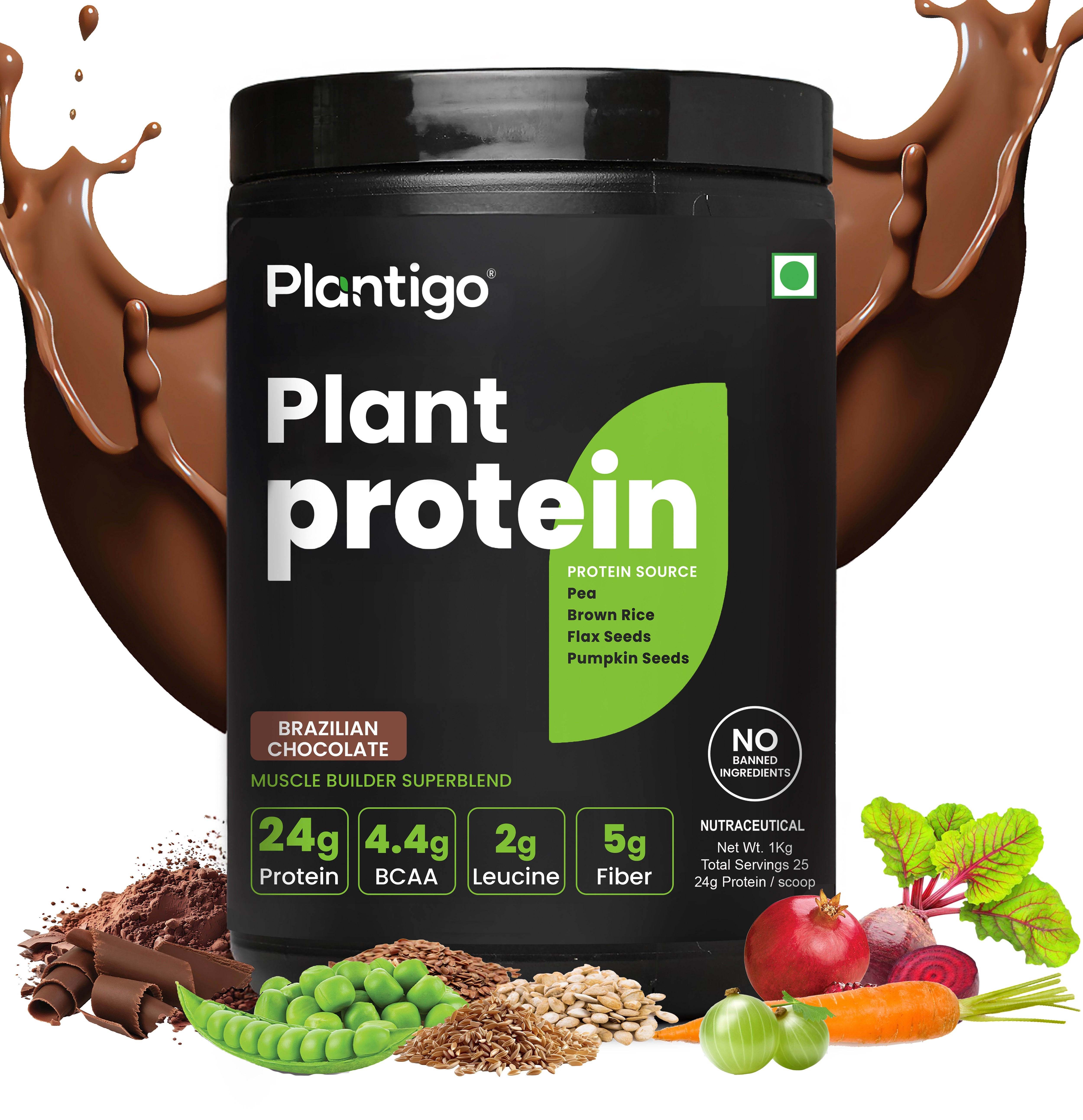
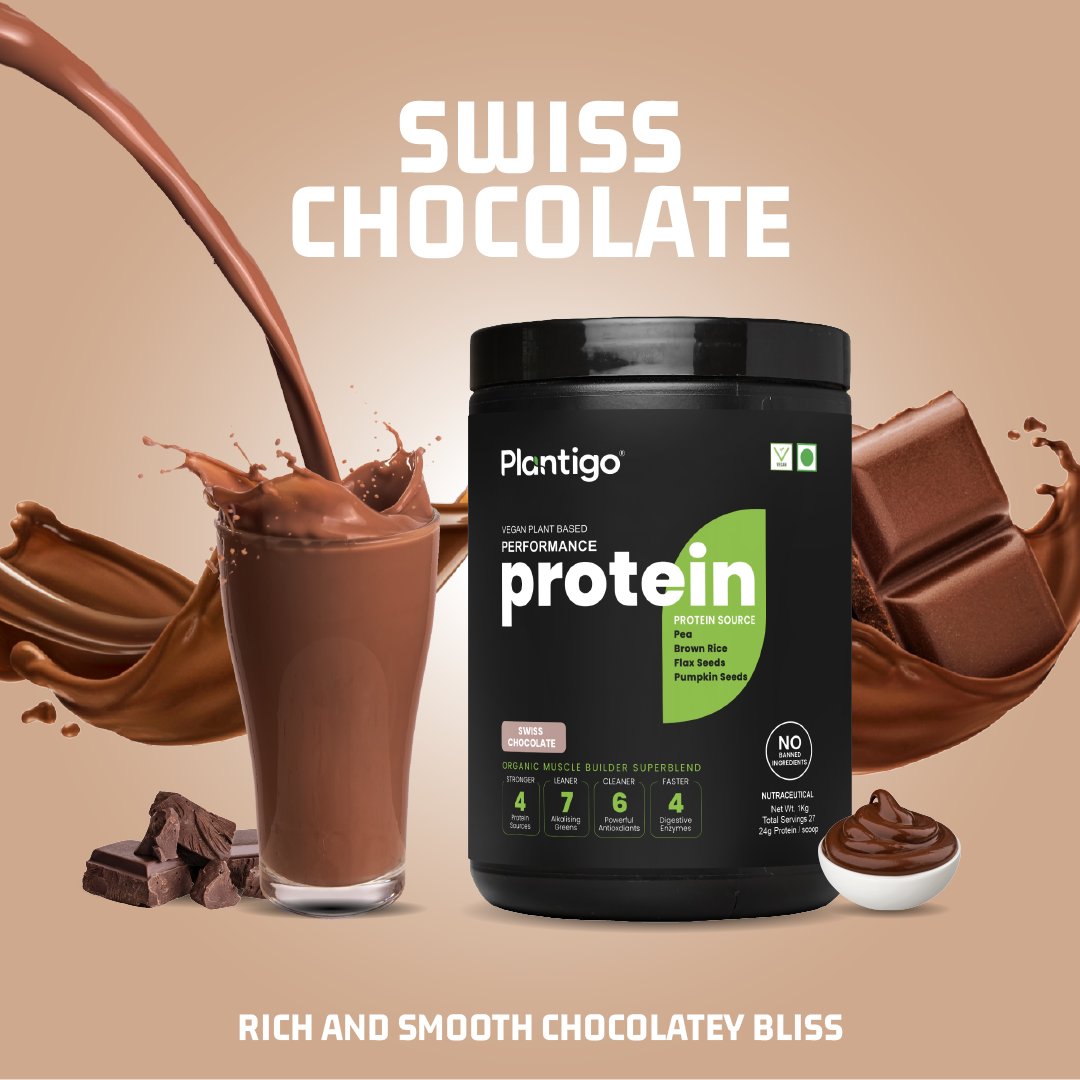
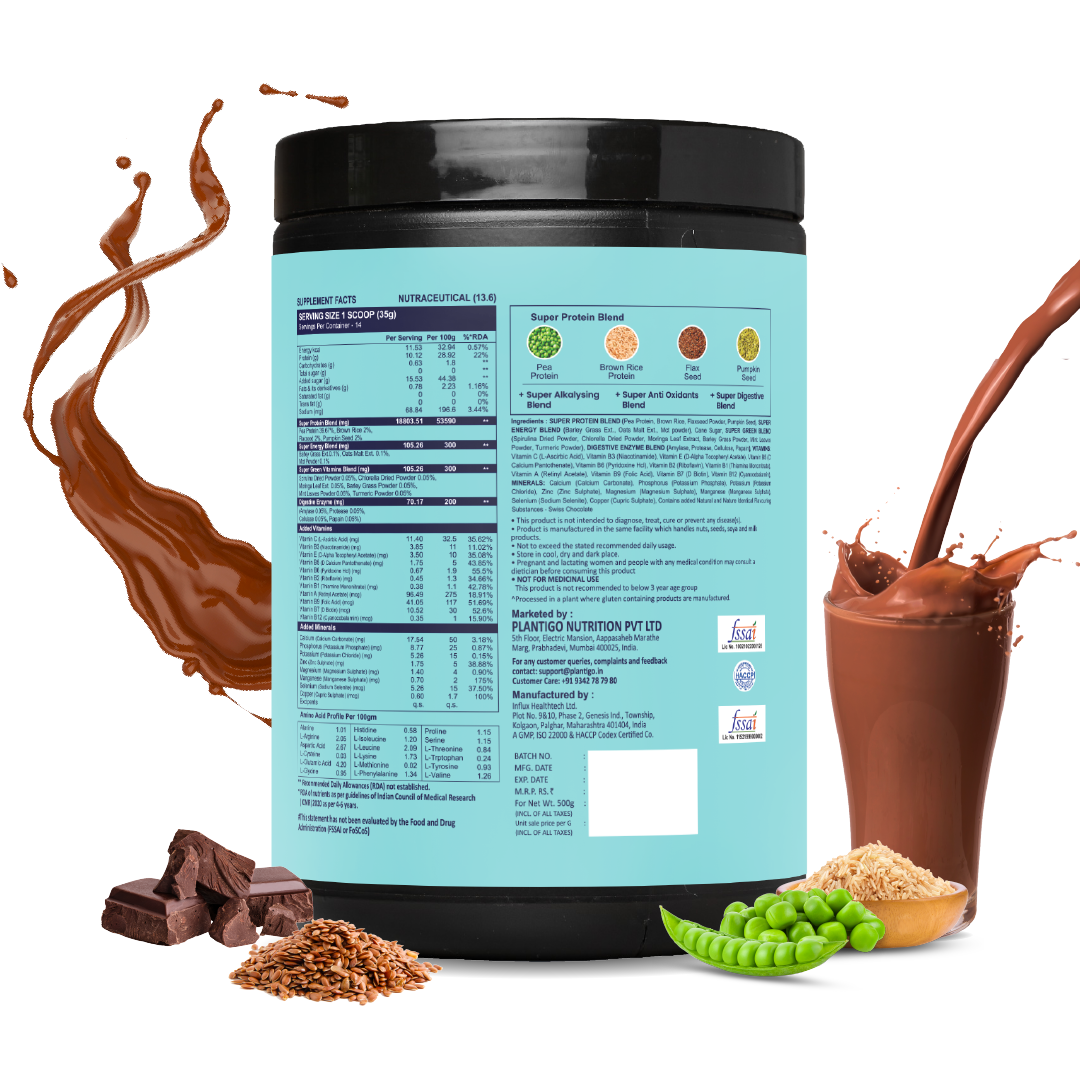
Proper protein intake — including high-quality plant protein such as Plantigo plant protein — is critical for supporting amino acid availability and creatine production
Creatine is not about one supplement or one ingredient.
It is about supporting the body’s energy system at its core.
When you understand how creatine rich foods function inside a plant-based physiology — and combine them with adequate plant protein intake for structural repair and metabolic balance — you move from random eating to performance engineering.
And that is where real strength begins.
FAQs
1. What are creatine rich foods in a plant-based diet?
Creatine rich foods in a plant-based diet support the body’s natural creatine production by providing key amino acids and minerals needed for ATP energy.
2. Do plant foods contain creatine?
Plant foods do not contain creatine directly, but certain creatine rich foods help the body synthesize creatine internally.
3. Why may vegetarians benefit more?
Vegetarians often have lower baseline creatine levels, so optimizing creatine rich foods may improve strength and recovery.
4. How do creatine rich foods improve performance?
They support ATP recycling, helping enhance strength, power output, and muscular endurance.
5. Is protein important for creatine production?
Yes. Adequate plant protein intake provides the amino acids required for natural creatine synthesis.