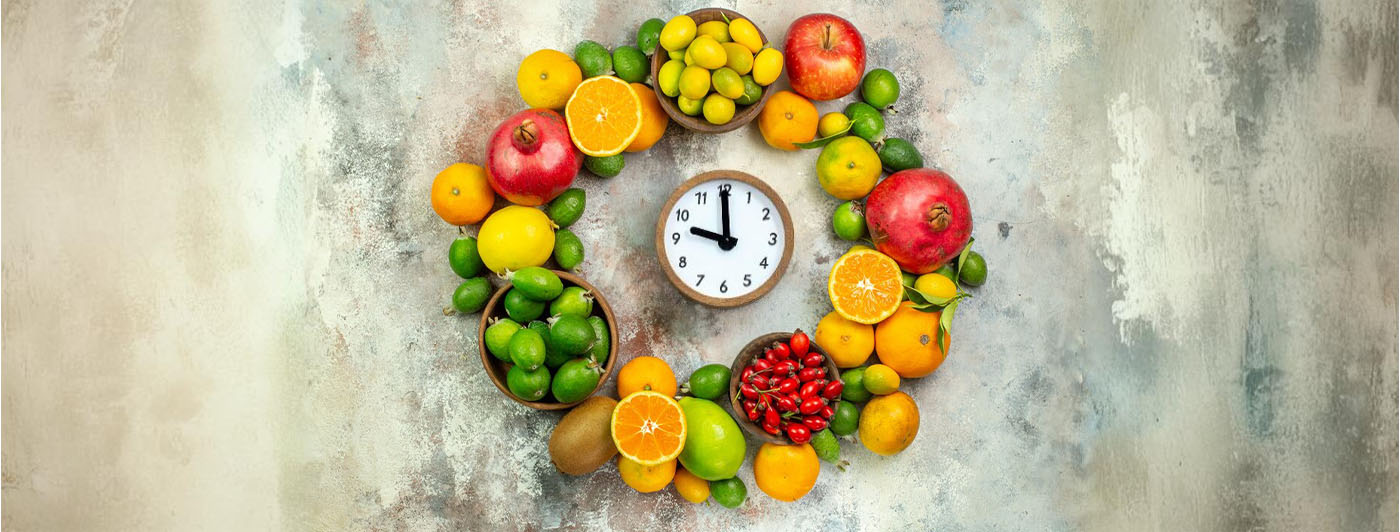
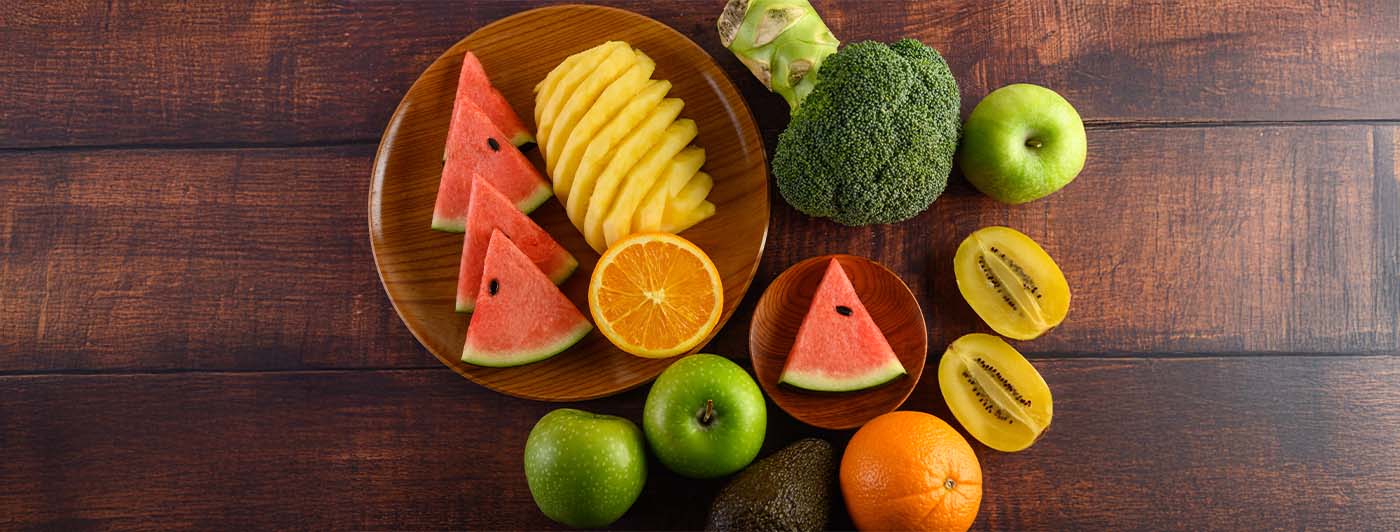
Watermelon, strawberries, grapefruit, papaya, guava and apples are the best low calorie fruits for weight loss. They range from 30 to 68 calories per 100g and provide fiber and water that reduce hunger and support a calorie deficit naturally.
Low calorie fruits are one of the smartest tools for sustainable weight loss because they provide volume, fiber, hydration, and essential nutrients with minimal energy density. When chosen strategically, low calorie fruits help reduce total calorie intake while keeping you full, satisfied, and metabolically supported. They allow you to eat generously without overloading your calorie budget — and that changes everything. When paired with adequate plant protein to preserve lean muscle and support satiety, their impact becomes even more powerful.
But here’s the real shift in thinking:
What if weight loss isn’t about eating less… but about eating foods that let you eat more?
Most people try to shrink portions. The smarter strategy is choosing foods naturally lower in calories per gram while ensuring sufficient plant protein intake to protect metabolism during a calorie deficit. That’s where fruits shine. Instead of relying only on a trendy fat loss drink or restrictive meal plans, understanding the science behind calorie density — and balancing it with protein — can completely transform your approach.
Let’s break this down properly.
Why Low Calorie Fruits Help With Fat Loss
Low calorie fruits work because of three biological advantages:
-
High water content
-
High fiber
-
Low energy density
Energy density refers to how many calories a food contains per gram. Foods high in water and fiber dilute calories. This allows you to consume satisfying portions without exceeding your energy needs.
Scientific research indicates that consuming fruits and other high-fiber foods enhances feelings of fullness and reduces overall calorie intake, which can support weight management and reduce hunger between meals. This is one reason diets higher in fruit intake are associated with lower BMI and reduced obesity risk over time
Fiber slows digestion, improves satiety hormones like GLP-1, and reduces post-meal hunger spikes. Hydration further enhances fullness by activating stretch receptors in the stomach.
Unlike processed snacks, low calorie fruits nourish while helping maintain a calorie deficit — the foundation of fat loss.
Now let’s explore the fruits that make this strategy effective.
Top 11 Low Calorie Fruits
1. Watermelon
Calories: ~30 per 100g
Watermelon is over 90% water, making it one of the most powerful low calorie fruits for volume eating.
Benefits:
-
Hydrates deeply
-
Reduces appetite
-
Contains citrulline for improved circulation
You can eat a generous bowl for fewer calories than a small processed snack.
2. Strawberries
Calories: ~32 per 100g
Strawberries offer natural sweetness with minimal sugar impact.
They:
-
Improve insulin sensitivity
-
Provide vitamin C
-
Support antioxidant balance
They pair well with yogurt or even a smoothie blended with a small amount of pea protein powder for improved satiety without excess calories.
3. Grapefruit
Calories: ~42 per 100g
Grapefruit has long been associated with weight management.
Research suggests it may:
-
Improve insulin response
-
Increase fullness
-
Reduce overall calorie intake when eaten before meals
It remains a staple in many structured low calorie fruits meal frameworks.
4. Papaya
Calories: ~43 per 100g
Papaya supports digestion thanks to papain enzymes.
Good digestion means:
-
Better nutrient absorption
-
Reduced bloating
-
Improved gut health
When your digestion improves, your metabolism becomes more efficient — a hidden benefit of including low calorie fruits regularly.
5. Guava
Calories: ~68 per 100g
Guava is slightly higher in calories but exceptionally rich in fiber.
It:
-
Slows glucose absorption
-
Improves satiety
-
Supports immune resilience
Interestingly, guava also contains micronutrients overlapping with selenium rich foods, supporting thyroid and metabolic balance.
6. Apples
Calories: ~52 per 100g
Apples contain soluble fiber called pectin.
Pectin:
-
Delays gastric emptying
-
Enhances fullness
-
Supports healthy gut bacteria
Eating an apple before meals can naturally reduce total calorie intake — a simple but powerful fat-loss habit.
7. Oranges
Calories: ~47 per 100g
Whole oranges outperform juice every time.
Why? Fiber.
Juice removes the structural fiber matrix, making it easier to overconsume calories. Whole oranges remain one of the most accessible low calorie fruits for daily weight management.
8. Blueberries
Calories: ~57 per 100g
Blueberries support metabolic signaling.
They:
-
Reduce oxidative stress
-
Improve insulin sensitivity
-
Enhance fat oxidation
When combined with balanced meals that include best sources of protein, they help stabilize hunger and energy.
9. Kiwi
Calories: ~61 per 100g
Kiwi supports digestion and nutrient absorption.
It also contains compounds linked to inositol natural sources, which play a role in insulin signaling and metabolic regulation.
Improved insulin control enhances fat utilization efficiency.
10. Pears
Calories: ~57 per 100g
Pears are rich in fiber and water.
They:
-
Increase fullness
-
Reduce post-meal cravings
-
Improve gut motility
Fiber diversity is often overlooked, yet it plays a major role in sustainable fat loss.
11. Pomegranate
Calories: ~83 per 100g
While slightly higher in calories, pomegranate offers exceptional antioxidant density.
It:
-
Supports cardiovascular health
-
Improves blood flow
-
Enhances recovery
Portion control makes it compatible with low calorie fruits planning.
Low Calorie Fruits Ranked: Calories, Fiber and Best Use
|
Fruit |
Calories per 100g |
Fiber per 100g |
Best For |
Indian Availability |
|
Watermelon |
30 |
0.4g |
Hydration, volume eating |
Summer, year round |
|
Strawberries |
32 |
2g |
Antioxidants, snacking |
Limited, urban stores |
|
Grapefruit |
42 |
1.6g |
Pre-meal appetite control |
Urban stores |
|
Papaya |
43 |
1.7g |
Digestion, gut health |
Year round |
|
Oranges |
47 |
2.4g |
Vitamin C, daily snack |
Year round |
|
Apples |
52 |
2.4g |
Satiety, blood sugar |
Year round |
|
Pears |
57 |
3.1g |
Fullness, gut motility |
Seasonal |
|
Blueberries |
57 |
2.4g |
Metabolism, antioxidants |
Limited, expensive |
|
Kiwi |
61 |
3g |
Digestion, insulin control |
Urban stores |
|
Guava |
68 |
5.4g |
Fiber, immunity |
Year round |
|
Pomegranate |
83 |
4g |
Antioxidants, recovery |
Seasonal |
Key insight: Guava gives the highest fiber per calorie of all fruits on this list — making it the most satiating low calorie fruit available in India.
Low Calorie Fruits in India: Best Local Options for Weight Loss
Most weight loss fruit guides recommend blueberries, grapefruit and strawberries — fruits that are expensive, seasonal or simply unavailable in most Indian markets. Here are the best low calorie fruits readily available across India:
Best Indian low calorie fruits for weight loss:
-
Watermelon (Tarbooz) — 30 calories per 100g. Widely available in summer across India at Rs 10-15 per kg. Best weight loss fruit by calorie density
-
Papaya (Papita) — 43 calories per 100g. Available year round, affordable at Rs 30-50 per kg. High in papain enzyme that improves digestion and reduces bloating
-
Guava (Amrood) — 68 calories per 100g but 5.4g fiber — highest fiber-to-calorie ratio of any Indian fruit. Available year round at Rs 40-80 per kg. Best satiety fruit for weight loss in India
-
Orange (Santra/Mosambi) — 47 calories per 100g. Available most of the year. Mosambi juice is a popular Indian drink but eat the whole fruit to retain fiber
-
Jamun — approximately 60 calories per 100g. Seasonal but excellent for blood sugar regulation — particularly useful for diabetics managing weight
-
Amla (Indian Gooseberry) — approximately 44 calories per 100g. Extremely rich in vitamin C and antioxidants. Available fresh seasonally and as dried powder year round
-
Muskmelon (Kharbooja) — approximately 34 calories per 100g. Available in summer alongside watermelon. Highly hydrating and filling
Budget guide for Indian low calorie fruits:
-
Under Rs 50 per kg: Watermelon, muskmelon, papaya, guava
-
Rs 50-100 per kg: Oranges, mosambi, amla
-
Rs 100+ per kg: Kiwi, pears, strawberries
How Much Low Calorie Fruit Should You Eat Daily for Weight Loss?
Even low calorie fruits can slow fat loss if eaten in excessive quantities. Here's a practical daily portion guide:
|
Fruit |
Daily Portion |
Calories |
Best Time |
|
Watermelon |
2 cups / 300g |
90 |
Midday snack |
|
Papaya |
1 cup / 140g |
60 |
Morning or evening |
|
Guava |
1 medium / 100g |
68 |
Afternoon snack |
|
Apple |
1 medium / 150g |
78 |
Before meals |
|
Orange |
1 medium / 130g |
61 |
Morning |
|
Pear |
1 medium / 150g |
86 |
Afternoon |
|
Kiwi |
2 medium / 150g |
92 |
Morning or post-meal |
|
Berries |
½ cup / 75g |
35-43 |
Breakfast or smoothie |
|
Pomegranate |
½ cup seeds / 87g |
72 |
Evening |
Daily target for weight loss: 2-3 servings of low calorie fruits daily — approximately 300-400 calories from fruit total. Distribute across meals rather than eating all at once to maintain steady blood sugar and satiety.
Important: Avoid juicing — juice removes the fiber that makes these fruits effective for weight loss. Always eat whole fruit.
The Volume + Protein Strategy
Low calorie fruits become even more effective when paired strategically.
For example:
-
Berries + Greek-style yogurt
-
Apple + nut butter
-
Kiwi + chia seeds
Pairing fruit with protein increases satiety and reduces muscle loss during calorie restriction.

Some individuals use plant based protein powder to meet protein targets during fat loss phases.
Maintaining adequate plant protein intake protects lean mass while reducing body fat.
If unsure about daily protein needs, use a protein intake calculator rather than guessing.
Comparing Calorie Density
Consider this comparison:
-
100 grams quinoa → ~120 calories
-
100 grams watermelon → ~30 calories
This is why understanding energy density matters more than fearing carbohydrates.
Low calorie fruits provide natural sugars packaged with fiber, water, and micronutrients — unlike refined sweets.
Facial Fat and Targeted Myths
Many people search for face weight loss exercises hoping to slim facial fat. The idea sounds logical — move the area, burn the fat.
But fat loss doesn’t work that way.
Spot reduction isn’t supported by biology. Exercises strengthen muscles, but they don’t directly burn fat from one specific area. Fat loss happens systemically, based on overall calorie balance, hormones, and genetics.
By using low calorie fruits to maintain a steady calorie deficit, total body fat gradually decreases — including facial fat. Over time, this leads to visible changes without extreme dieting.
Hydration from fruits can also reduce puffiness, which sometimes gets mistaken for facial fat.
The goal isn’t to target your face.
It’s to support your metabolism consistently.
Micronutrients and Metabolism
Weight loss is not just about calories.
Fruits contribute:
-
Potassium for fluid balance
-
Vitamin C for collagen support
-
Polyphenols for inflammation reduction
-
Hydration support
When dieting aggressively, people often neglect micronutrients. Low calorie fruits help prevent that mistake.
A Practical Daily Framework
To use low calorie fruits effectively:
-
Eat them whole, not juiced.
-
Pair them with protein.
-
Replace high-calorie desserts with fruit bowls.
-
Rotate varieties for nutrient diversity.
-
Plan portions instead of eliminating them.
This approach reduces cravings while maintaining energy.
The Bigger Picture of Fat Loss
Sustainable weight loss depends on:

-
Calorie balance
-
Adequate protein
-
Strength training
-
Sleep
-
Stress control
Fruits alone do not cause fat loss — but low calorie fruits make maintaining a calorie deficit easier and more enjoyable.
They provide psychological satisfaction through sweetness while protecting nutrient intake.
And that balance is what makes fat loss sustainable.
Final Summary
Low calorie fruits support weight loss by:
-
Lowering calorie density
-
Increasing satiety
-
Improving metabolic flexibility
-
Supporting hydration
-
Preserving micronutrient intake
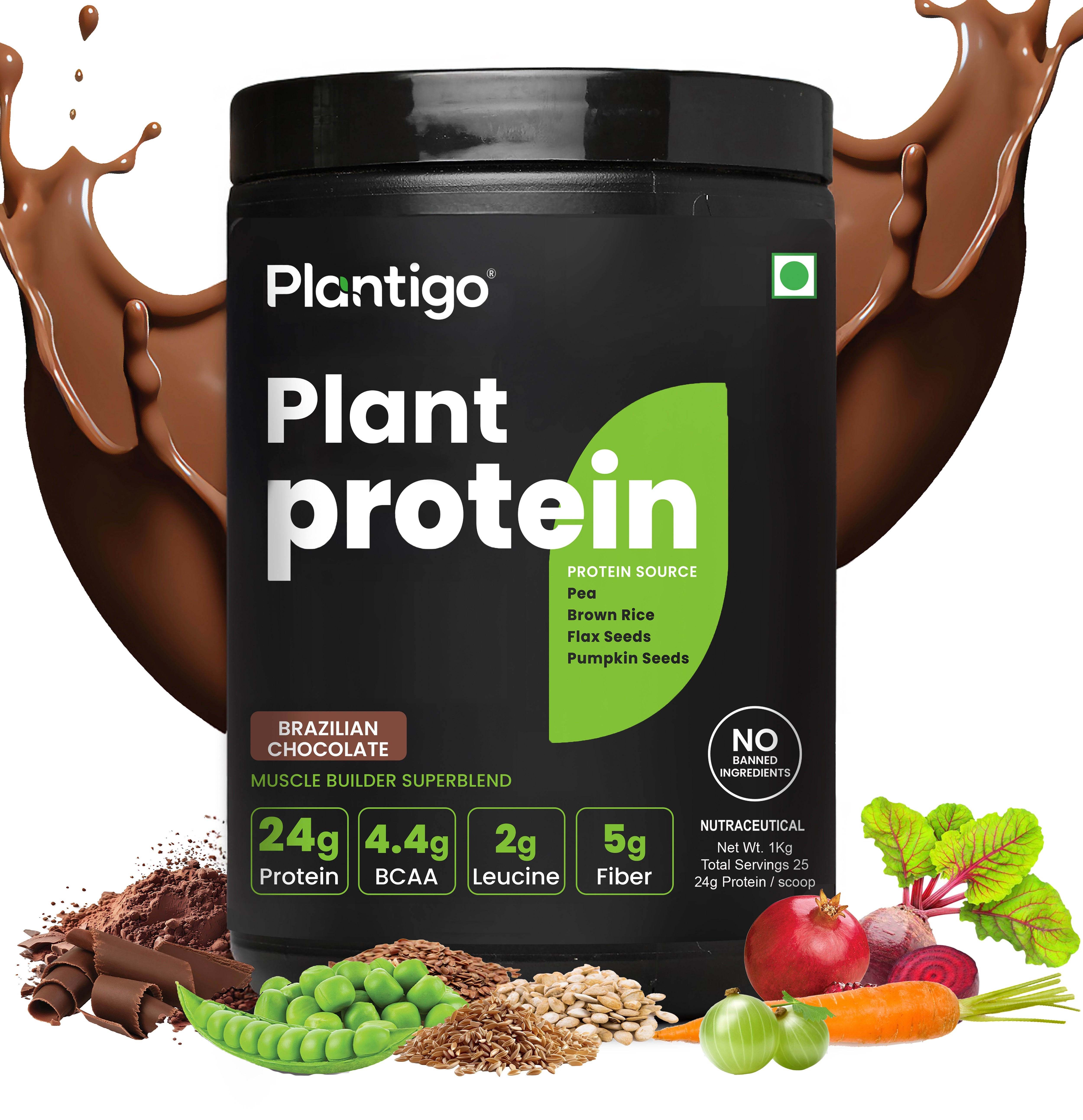
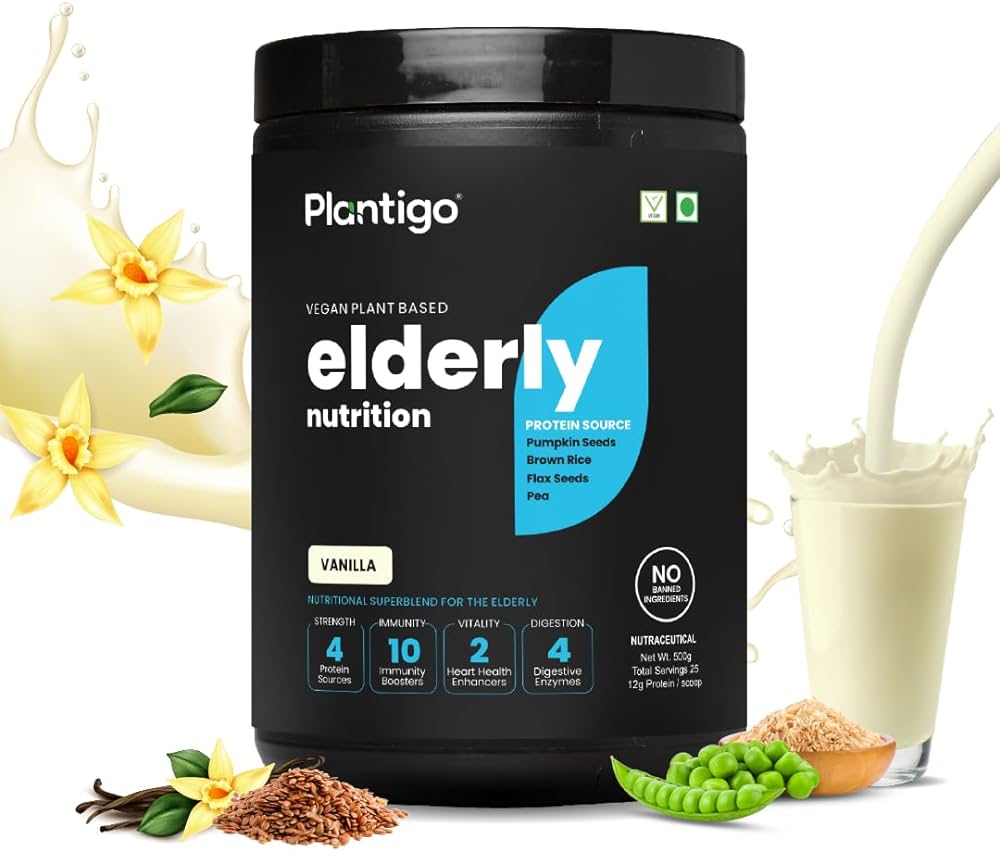
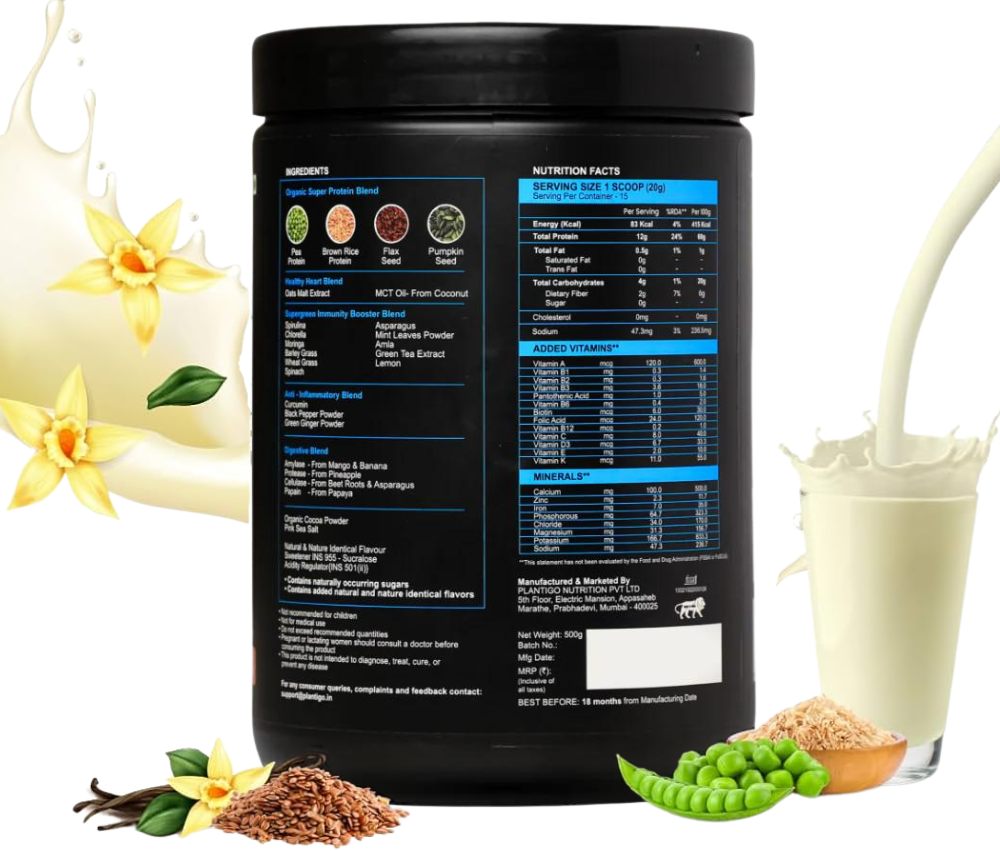
They allow you to eat more volume while consuming fewer calories — a powerful advantage in fat reduction. When combined with adequate protein intake, including high-quality options such as Plantigo plant protein to help preserve lean muscle during a calorie deficit, the results become even more sustainable.
Weight loss is not about restriction.
It is about intelligent substitution.
When you understand how low calorie fruits influence hunger hormones, insulin response, and energy density — and balance them with sufficient plant protein for metabolic support — you stop chasing extremes and start designing sustainable results.
And that’s where lasting transformation begins.
FAQs
Q1: Which fruit is lowest in calories?
Watermelon is the lowest calorie fruit at approximately 30 calories per 100g. Strawberries follow at 32 calories per 100g. Both are high in water and fiber making them ideal for weight loss.
Q2: What fruit is best for weight loss?
Grapefruit, apples and watermelon are consistently the most effective for weight loss. Grapefruit may improve insulin response, apples contain satiety-boosting pectin and watermelon provides maximum volume for minimum calories.
Q3: What is the 3-3-3 rule for losing weight?
The 3-3-3 rule refers to eating 3 meals, 3 snacks and drinking 3 litres of water daily to maintain steady metabolism and prevent overeating. Low calorie fruits work well as the snack component keeping calories low while maintaining fullness.
Q4: Which Indian fruit is best for weight loss?
Guava, papaya, jamun and amla are the best Indian low calorie fruits for weight loss. Guava is particularly effective — high in fiber at 68 calories per 100g, it slows glucose absorption and keeps you full longer.
Q5: Can I eat low calorie fruits at night?
Yes — fruits like watermelon, strawberries and kiwi are good evening options due to their low calorie and high water content. Avoid very sweet fruits like mangoes or bananas late at night if managing blood sugar.