
Protein in 100 gm chana is one of the reasons chickpeas have remained a staple in Indian kitchens for centuries. In fact, 100 grams of chana provides roughly 19 grams of protein, along with fiber, iron, and essential minerals that support muscle health, digestion, and long-lasting energy. Because of this impressive nutrient profile, chickpeas are widely considered one of the best vegetarian sources of plant protein.
For people following vegetarian or plant-focused diets, understanding protein in 100 gm chana can help build balanced meals that support fitness, metabolic health, and sustained energy throughout the day. Chickpeas provide a convenient and nutritious way to increase daily plant protein intake without relying heavily on processed foods.
Quick Key Takeaways
-
Protein in 100 gm chana is approximately 19 grams, making it a powerful plant protein source.
-
Chickpeas also provide fiber, iron, magnesium, and folate.
-
They support muscle repair, digestion, heart health, and blood sugar balance.
-
Chana is one of the most affordable vegetarian protein foods available globally.
-
It fits easily into diets for weight management, muscle gain, and overall wellness.
Compared with other legumes and grains, chickpeas provide a balanced mix of protein, fiber, and complex carbohydrates.
Understanding Protein in 100 gm Chana
When discussing vegetarian protein sources, the conversation often starts with lentils, dairy, or soy. However, protein in 100 gm chana deserves equal attention because chickpeas combine protein with high fiber and essential micronutrients.
Nutritional Breakdown of 100 g Chana (Dry)
|
Nutrient |
Amount |
|
Calories |
~364 kcal |
|
Protein |
~19 g |
|
Carbohydrates |
~61 g |
|
Fiber |
~17 g |
|
Fat |
~6 g |
|
Iron |
~6 mg |
|
Magnesium |
~79 mg |
|
Folate |
~557 mcg |
This nutrient density makes protein in 100 gm chana highly valuable for vegetarians looking to meet their daily protein needs without relying solely on dairy or supplements. According to the nutrition database, chickpeas contain around 19 grams of protein per 100 grams along with important minerals such as iron and magnesium.
The combination of protein and fiber also helps regulate hunger hormones and keeps you fuller for longer periods.
Why Protein in 100 gm Chana Is So Valuable
The nutritional quality of protein in 100 gm chana comes from the presence of essential amino acids that support muscle repair and metabolic function.
Although chickpeas are not a complete protein by themselves, they pair perfectly with grains like rice, roti, or quinoa to provide a more balanced amino acid profile.
This is why traditional Indian meals—such as chana with roti or rice—naturally create nutritionally complete plant protein meals without needing modern dietary strategies.
7 Powerful Benefits of Protein in 100 gm Chana
1. Supports Muscle Growth and Recovery
For individuals who exercise regularly, protein in 100 gm chana contributes significantly to muscle repair and recovery.
Protein helps rebuild muscle fibers that break down during strength training or physical activity. Chickpeas also contain magnesium and potassium, minerals that support muscle contraction and reduce fatigue.
While athletes often consider sources like eggs or whey, chickpeas provide a sustainable plant protein alternative.
Interestingly, some athletes also combine whole foods with a plant based protein powder to ensure adequate daily protein intake when training intensity increases.

2. Helps Maintain Long-Lasting Energy
One of the unique aspects of protein in 100 gm chana is that it comes packaged with complex carbohydrates and fiber.
This combination results in slow digestion and gradual glucose release, preventing sudden spikes and crashes in blood sugar levels.
Because of this, chickpeas are particularly beneficial for:
-
people with demanding work schedules
-
endurance athletes
-
individuals managing blood sugar levels
The steady energy release makes chickpeas ideal for sustained productivity throughout the day.
3. Supports Digestive Health
Chickpeas are rich in dietary fiber, which works alongside protein in 100 gm chana to support gut health.
Fiber acts as a prebiotic, feeding beneficial bacteria in the digestive system. Research on dietary fiber and gut health shows that fiber-rich foods help improve gut microbiota, digestion, and overall metabolic health.
Regular consumption of chickpeas may help:
-
improve bowel regularity
-
support beneficial gut bacteria
-
reduce digestive discomfort
This is why traditional cuisines around the world—from Indian to Mediterranean—feature chickpeas prominently in everyday meals.
4. Helps in Weight Management
The combination of fiber and protein in 100 gm chana makes chickpeas highly satisfying.
Protein increases satiety hormones such as peptide YY, while fiber slows digestion. Together, they reduce unnecessary snacking and overeating.
Studies have shown that diets rich in legumes like chickpeas can contribute to healthy weight management without extreme calorie restriction.
This makes chickpeas a practical addition to balanced meal plans designed for sustainable weight control.
5. Supports Heart Health
Another important advantage of protein in 100 gm chana is its role in cardiovascular health.
Chickpeas contain soluble fiber, which helps reduce LDL cholesterol levels by binding cholesterol in the digestive tract.
They also provide magnesium and potassium—minerals that help regulate blood pressure and support proper heart function.
When included regularly in meals, chickpeas may contribute to a heart-friendly dietary pattern.
6. Provides Essential Micronutrients
Beyond protein, chickpeas contain several nutrients required for optimal metabolic function.
These include:
-
iron for oxygen transport
-
folate for DNA synthesis
-
magnesium for nerve function
-
zinc for immune health
The nutritional density of chickpeas means that protein in 100 gm chana comes packaged with micronutrients that many people fail to consume in sufficient quantities.
7. Affordable and Accessible Protein Source
One reason chickpeas remain popular worldwide is their affordability.
Compared with other vegetarian protein foods, protein in 100 gm chana offers excellent nutritional value at a very low cost.
This accessibility makes chickpeas particularly important in regions where expensive protein foods may not be widely available.
Comparing Protein in Chana With Other Vegetarian Protein Foods
Understanding how protein in 100 gm chana compares with other plant foods can help people build balanced diets.
|
Food |
Protein (per 100g) |
|
Chickpeas |
~19 g |
|
Lentils |
~9 g |
|
Kidney beans |
~8.7 g |
|
Quinoa |
~14 g |
|
Paneer |
~18 g |
For example, rajma protein content is slightly lower per 100 grams compared with chickpeas, although both legumes remain valuable protein foods.
Similarly, paneer nutrition offers a comparable protein level but comes with higher fat content because it is a dairy product.
Another interesting comparison is 100 grams quinoa protein, which contains around 14 grams of protein and provides a complete amino acid profile.
Each food has its own advantages, but chickpeas remain one of the most versatile vegetarian protein sources.
How Chana Fits Into a Balanced Diet
Many people underestimate how easy it is to include chickpeas in everyday meals.
Common ways to enjoy chickpeas include:
-
chana masala
-
roasted chana snacks
-
hummus
-
chickpea salads
-
chickpea flour dishes
Because protein in 100 gm chana pairs well with grains and vegetables, it forms the foundation of many nutritionally balanced vegetarian meals.
For example, combining chickpeas with whole grains can improve amino acid balance and support muscle recovery after physical activity.
Chickpeas and Other Plant Protein Sources
While discussing vegetarian diets, people often explore a wide range of plant foods to diversify protein intake.
Foods such as lentils, chickpeas, beans, seeds, and nuts all contribute to daily protein intake.
Some people also combine legumes with high protein fruits and seeds to increase
nutrient diversity in their meals.
Breakfast options may include oats, where 50 gram oats nutrition provides moderate protein along with fiber and complex carbohydrates.
Among legumes, chickpeas are often considered one of the best dal choices for both nutrition and versatility.
How Much Protein Do You Actually Need?
The recommended protein intake varies depending on age, body weight, and activity level.
General guidelines suggest:
-
Sedentary adults: ~0.8 g protein per kg body weight
-
Active individuals: ~1.2–1.6 g protein per kg body weight
-
Strength training athletes: up to ~2.0 g protein per kg body weight
If someone wants to estimate their daily needs, using a protein intake calculator can provide a helpful starting point.
Understanding your daily requirements makes it easier to plan meals that incorporate protein in 100 gm chana alongside other protein sources.
Practical Ways to Include Chana in Daily Meals
Because chickpeas are incredibly versatile, they can be incorporated into meals in many creative ways.

1. Breakfast Ideas
-
chickpea flour pancakes
-
chana salad with vegetables
-
chickpea hummus on whole grain toast
2. Lunch Options
-
chickpea curry with brown rice
-
chickpea vegetable salad
-
roasted chickpea wraps
3. Dinner Meals
-
chickpea stir fry with vegetables
-
chickpea soup with herbs
-
Mediterranean chickpea bowls
These meals demonstrate how protein in 100 gm chana can easily become part of everyday eating patterns without complicated preparation.
The Role of Plant Protein in Modern Diets
Interest in vegetarian and vegan diets has grown significantly in recent years.
Health experts increasingly emphasize the importance of plant protein sources that provide nutrients without excessive saturated fat.
Chickpeas, lentils, beans, seeds, and whole grains form the foundation of these dietary patterns.
Among them, chickpeas stand out because of the balanced combination of protein, fiber, and micronutrients.
Final Thoughts
Chickpeas have remained a nutritional powerhouse for centuries, and modern nutrition science continues to validate their benefits.
Understanding protein in 100 gm chana reveals why this humble legume plays such an important role in balanced diets across cultures. With its combination of protein, fiber, vitamins, and minerals, chickpeas offer far more than simple nourishment.
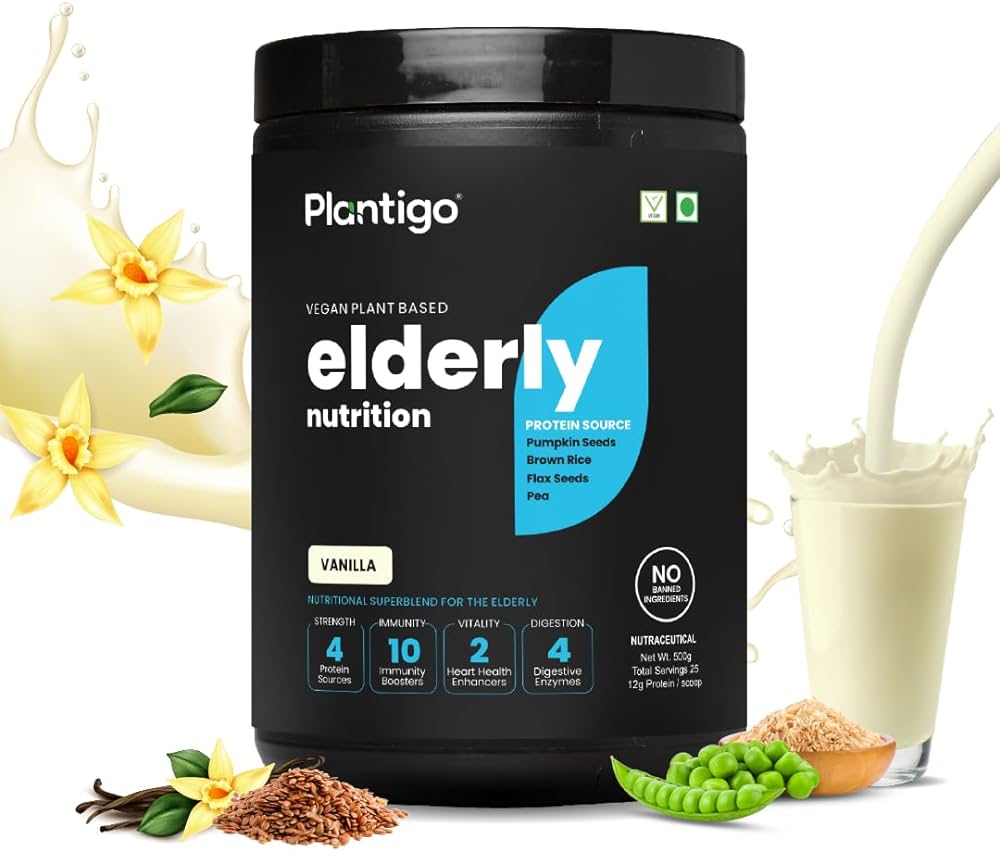
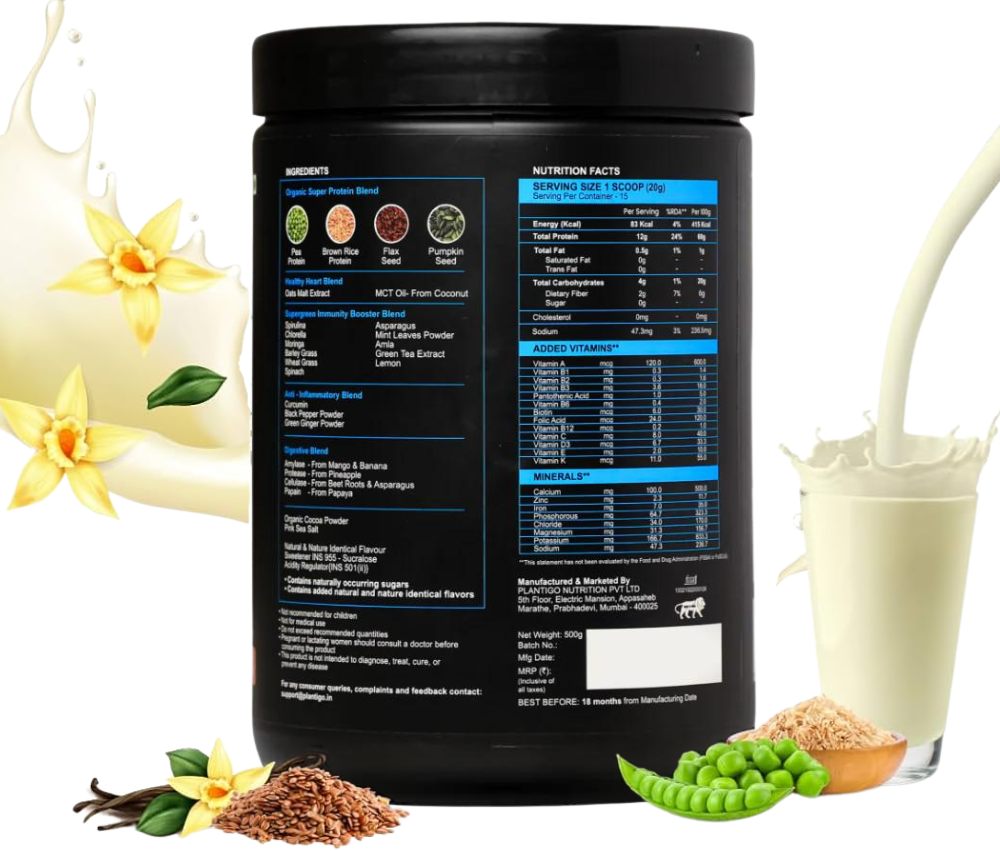
Whether used in traditional recipes or modern plant-based meals, protein in 100 gm chana provides a practical, affordable, and nutritious way to support muscle health, energy levels, and overall well-being. In many plant-focused diets today, chickpeas are often combined with other sources such as legumes, seeds, grains, or products like Plantigo plant protein to help people maintain adequate daily protein intake.
By incorporating chickpeas alongside other plant foods, individuals can build sustainable diets that promote both health and long-term vitality.
Frequently Asked Questions
1. How much protein is in 100 grams of chana?
Protein in 100 gm chana is approximately 19 grams, making chickpeas one of the richest vegetarian protein foods. They also provide fiber, iron, magnesium, and complex carbohydrates that support sustained energy and overall nutrition.
2. Is chana better than other legumes for protein?
Chickpeas contain slightly more protein than many other legumes. While lentils and kidney beans are also excellent protein sources, chickpeas provide a balanced mix of protein, fiber, and essential minerals.
3. Can chana help with muscle gain?
Yes. Protein in 100 gm chana supports muscle repair and growth, especially when combined with resistance training and a balanced diet that includes other protein-rich foods.
4. Is chana good for weight loss?
Yes. Chickpeas contain both protein and fiber, which help increase fullness and reduce overeating. This combination can support healthy weight management.
5. Can chickpeas replace animal protein?
Chickpeas can contribute significantly to daily protein intake. When combined with grains, nuts, and seeds, they can help provide a balanced plant-based protein profile.