What if a “natural” sweetener in your kitchen is raising blood sugar more than you expect? Jaggery has a healthy reputation, but its real impact depends on how it affects glucose levels in the body.
When it comes to sweeteners, jaggery is often seen as traditional, less processed, and richer in minerals than white sugar. But for people managing blood sugar, what matters most is not how natural it is — it’s how it behaves inside the body. That’s where the jaggery glycemic index becomes important.
Understanding this is especially useful for those building balanced meals that include fiber and plant protein, since overall meal composition influences blood sugar response. Let’s look at what science actually says.
Understanding the Jaggery Glycemic Index and Why It Matters
The jaggery glycemic index refers to how quickly jaggery raises blood sugar compared to pure glucose. Glycemic index (GI) is measured on a scale from 0 to 100. Foods with a high GI cause rapid spikes in blood sugar, while low-GI foods lead to slower, more controlled increases. Jaggery typically has a glycemic index in the range of 70–85, which places it in the high-GI category.
Many people assume jaggery is automatically safer because it is less refined. However, nutritionally, jaggery is still primarily made of sucrose, a form of sugar. Because of this, jaggery elicits a high glycemic response similar to other carbohydrate-rich foods, meaning it can elevate blood glucose quickly — something individuals with diabetes must monitor carefully.
Research on dietary glycemic index and load shows that high-GI foods are linked with faster post-meal glucose rises and greater demand on insulin, which is an important consideration for diabetes management.
Although jaggery contains trace minerals like iron and magnesium, its effect on blood sugar remains quite similar to regular sugar, and the jaggery glycemic index should be taken into account when planning meals for blood sugar control.
Top 9 Health Insights of Jaggery Glycemic Index

1. Natural but High Glycemic Index
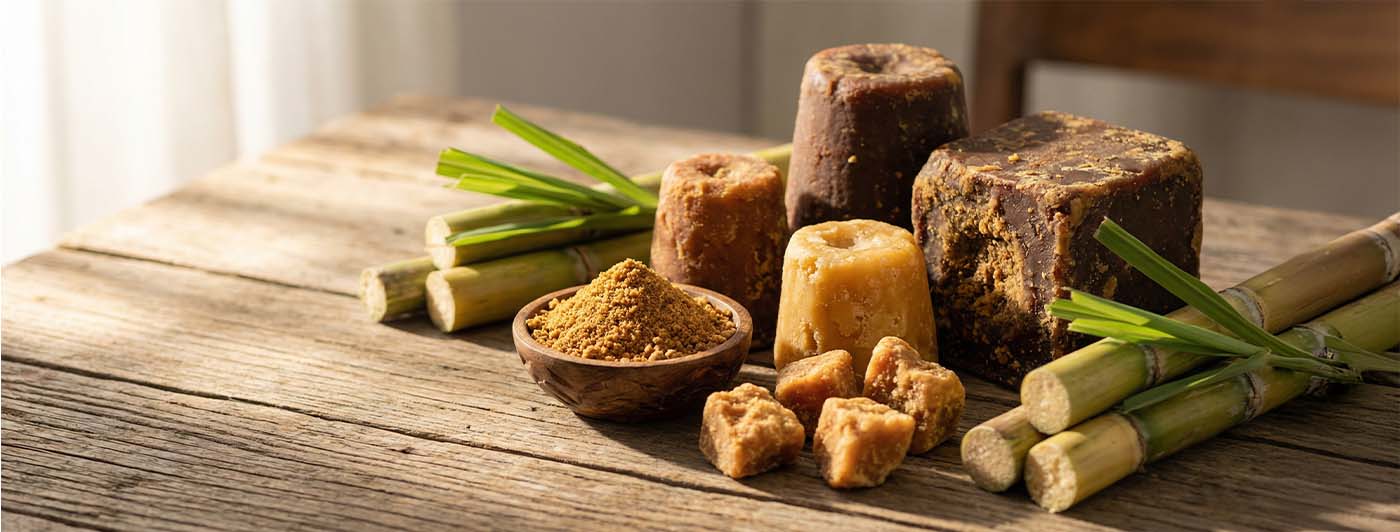
Jaggery is made by boiling sugarcane juice or palm sap until it thickens and solidifies. Because it is not chemically refined, it retains some nutrients. But the jaggery glycemic index remains high because those nutrients are present in very small amounts compared to the total sugar content.
For diabetes management, what matters most is how quickly carbohydrates are converted into glucose. From that perspective, jaggery behaves much more like table sugar than like a protective health food.
2. Jaggery Raises Blood Sugar Fast
Due to the high jaggery glycemic index, blood sugar levels can rise quickly after consuming even modest amounts. Rapid spikes may lead to increased insulin demand and can contribute to energy crashes after meals.
For individuals with Type 2 diabetes or insulin resistance, this becomes particularly important because their bodies already struggle to manage glucose efficiently. Scientific research shows that high-GI foods — those that cause rapid increases in blood glucose and insulin after eating — are linked with sharper post-meal glucose rises compared with low-GI foods, which raise glucose more gradually and improve postprandial control.
Regular exposure to sharp glucose spikes may worsen long-term blood sugar control, making it essential to monitor portion sizes and food choices carefully.
3. Portion Size Affects Glucose Levels
A small spoon of jaggery might seem harmless, but because of the elevated jaggery glycemic index, even small servings can influence glucose levels. Larger portions, especially when eaten alongside refined carbohydrates, can amplify the spike significantly.
Balancing jaggery with fiber-rich wholesome foods such as vegetables, seeds, or legumes may slow the absorption slightly. However, it does not remove the blood sugar impact completely.
4.Minerals Don’t Offset Sugar Impact
Jaggery does provide small amounts of iron, potassium, and magnesium. But to obtain meaningful quantities of these nutrients, you would need to eat more jaggery than is advisable for blood sugar control. The jaggery glycemic index therefore remains a more important consideration than its mineral profile.
This is similar to how people often focus on 100g oats calories while ignoring the fiber, which is actually what helps regulate blood sugar. In jaggery’s case, there is almost no fiber to slow glucose absorption.
5. Protein May Slow Sugar Absorption
Protein and fat slow digestion and can reduce how quickly sugar enters the bloodstream. Pairing jaggery with protein-rich foods may slightly moderate the blood sugar response.
For instance, including legumes, nuts, or dishes containing plant protein sources can help balance a meal. Some people add a small amount of jaggery to recipes that also include pea protein powder for texture or taste, though the sweetener should still be used sparingly.
It’s important to note that the jaggery glycemic index itself does not change — only the body’s response becomes slower when combined with other nutrients.
6. Jaggery in a Diabetic Diet
Diabetes care is not about completely eliminating all sweet flavors forever. It is about mindful planning. Because of the jaggery glycemic index, jaggery should be treated as an occasional sweetener rather than a daily ingredient.
Helpful strategies include keeping portions small, combining with fiber and protein, and avoiding multiple high-GI foods in the same meal. Just as someone tracking nutrition might use a protein intake calculator to balance meals, individuals managing blood sugar benefit from understanding how specific foods affect their glucose levels.
7. Blood Sugar Response Can Vary
Even though the jaggery glycemic index is considered high, real-life blood sugar responses can differ from person to person. Factors such as physical activity, insulin sensitivity, gut health, sleep, and meal timing all influence how the body processes carbohydrates.

Someone who exercises regularly, eats balanced meals, and includes adequate protein — sometimes from options like plant based protein powder — may tolerate small amounts of jaggery better than someone with a sedentary lifestyle. Tracking your own post-meal glucose levels often provides more useful insight than relying only on glycemic index charts.
8. Jaggery vs Sugar for Diabetes
Many people swap white sugar for jaggery assuming it is safer. However, the jaggery glycemic index shows that the body still processes it rapidly. The metabolic impact remains significant.
A more beneficial strategy is reducing overall dependence on sweet taste. Choosing complex carbohydrates like those studied under quinoa nutrition facts 100g provides fiber and protein, supporting steadier glucose control. Including foods rich in vitamin d3 foods and other micronutrients also contributes to better metabolic health.
9. Balanced Diet Supports Blood Sugar Control
Although jaggery itself does not provide strong blood sugar benefits, a balanced diet can improve overall glucose control. Meals rich in fiber, protein, and micronutrients enhance insulin sensitivity and reduce extreme spikes.
Including leafy greens and foods often discussed when people search for vitamin b12 fruits and vegetables, along with legumes and leucine foods, supports muscle maintenance and metabolic health. Using a balanced plant based protein powder in meals may also help stabilize appetite and reduce sugar cravings.
Over time, these habits make the impact of an occasional small serving of jaggery less disruptive to blood sugar balance.
Final Thoughts
Jaggery may be traditional and flavorful, but the jaggery glycemic index shows it can raise blood sugar quickly, much like refined sugar. For those managing diabetes, it’s not about complete avoidance — it’s about mindful use in small amounts.
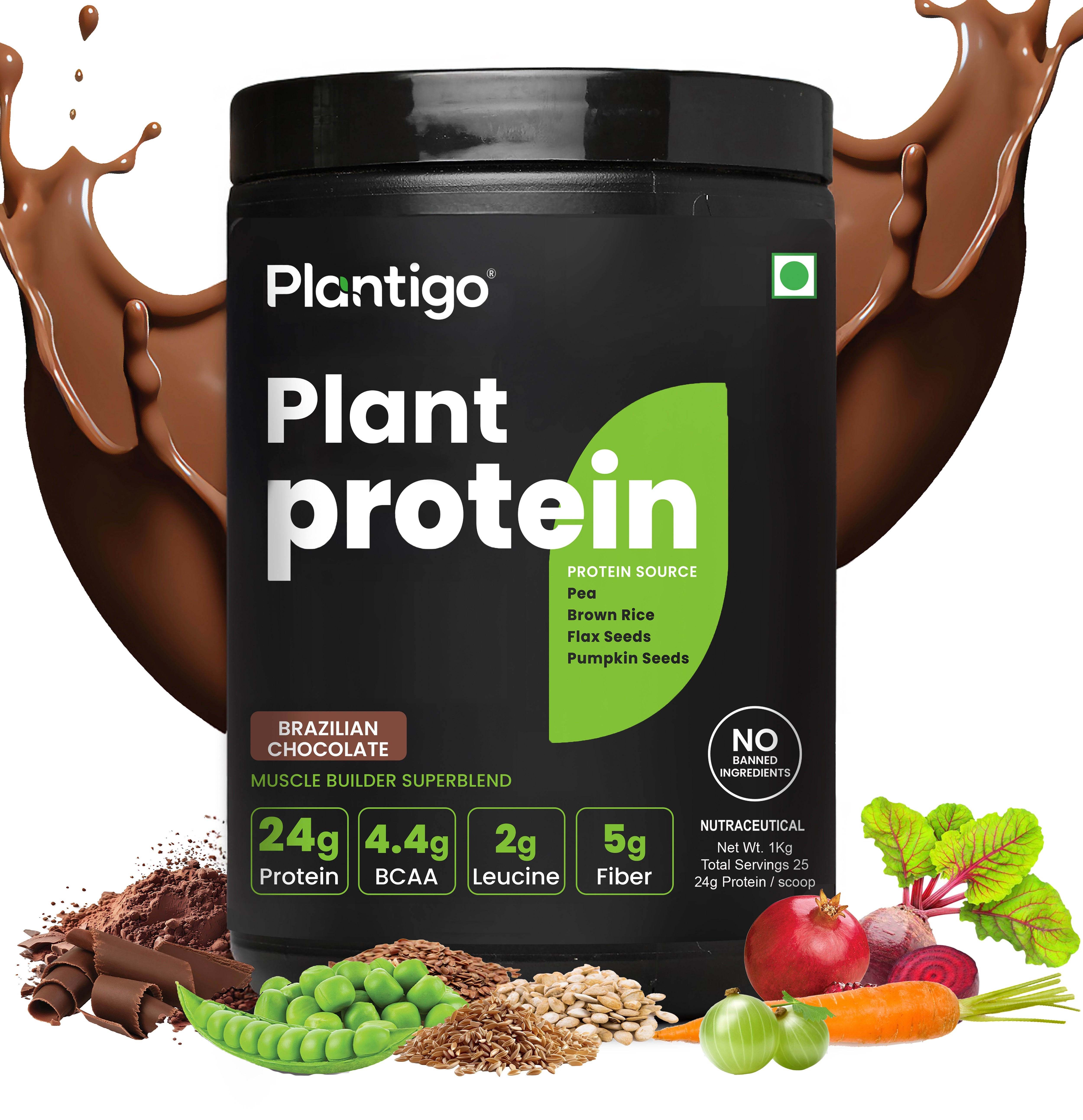
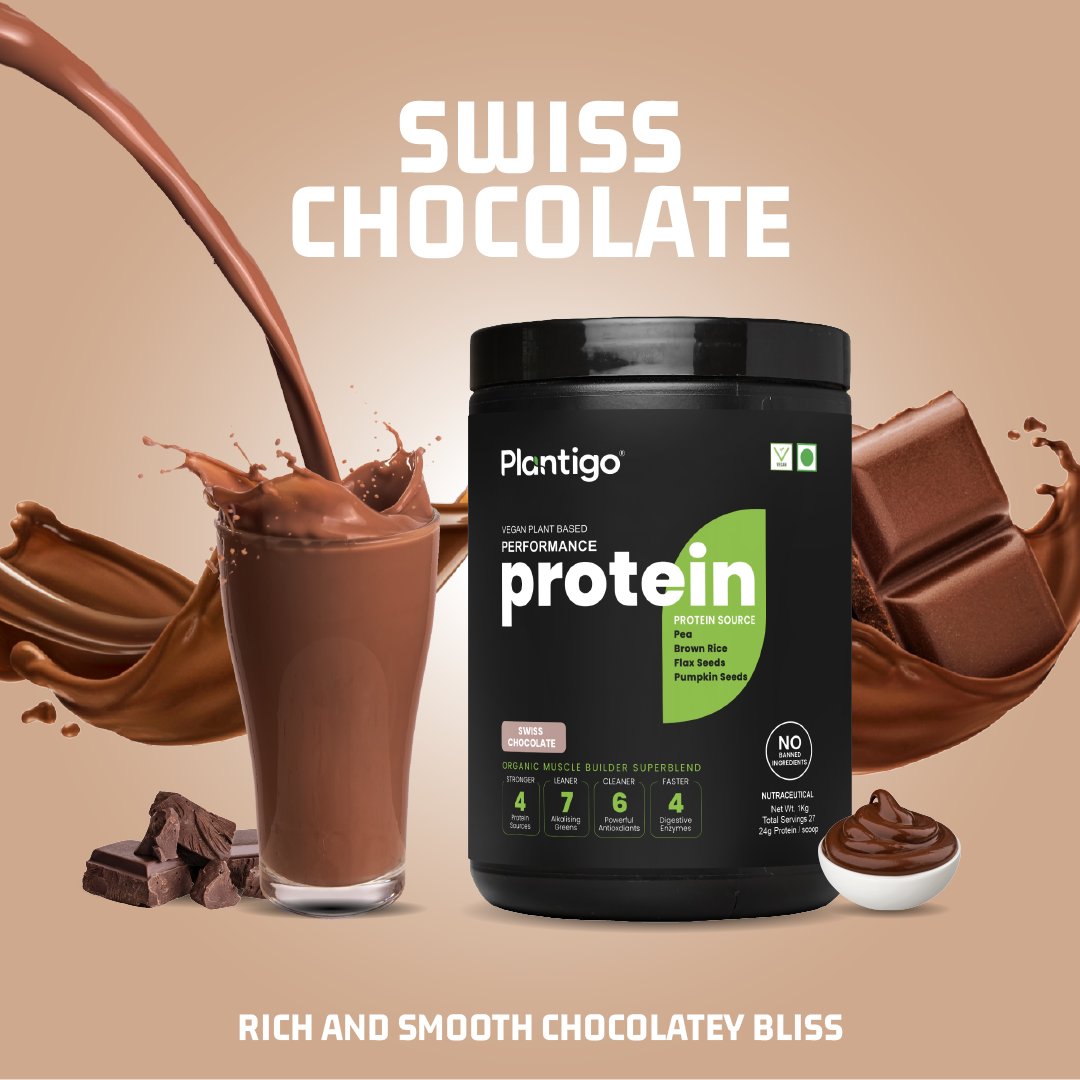
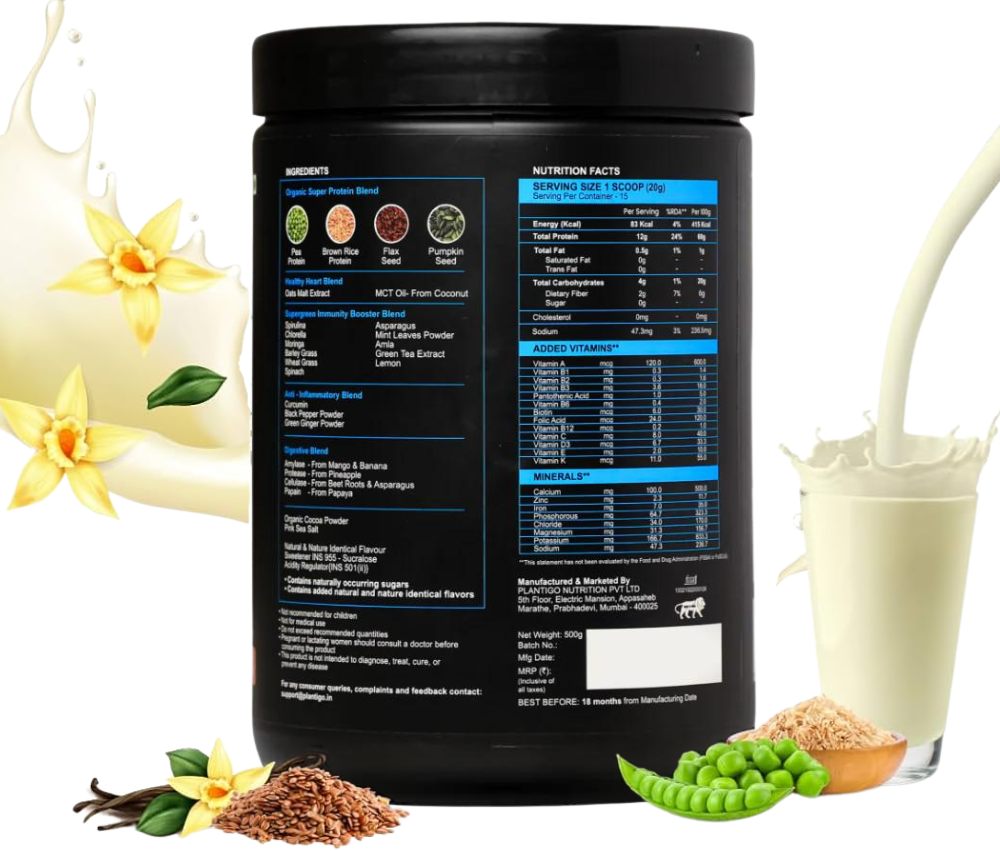
Pair sweets with balanced meals built around wholesome foods, fiber, and adequate protein. Adding reliable plant-based options like Plantigo plant protein can support better satiety and steadier energy as part of an overall smart diet.
Use this knowledge to rethink everyday sweet choices, balance your meals better, and take simple, consistent steps toward improved metabolic health.
Frequently Asked Questions
1. Is jaggery safe for people with diabetes?
Jaggery can be consumed in very small amounts, but the jaggery glycemic index is high, meaning it can raise blood sugar quickly. Portion control and balanced meals are essential.
2. Is jaggery better than white sugar for blood sugar levels?
Not significantly. Although jaggery contains trace minerals, its effect on blood glucose is similar to sugar because of its high jaggery glycemic index.
3. Does jaggery cause a blood sugar spike?
Yes, jaggery can cause a rapid rise in blood glucose due to its high glycemic impact, especially when eaten alone or in large amounts.
4. Can I reduce the sugar spike from jaggery?
Pairing jaggery with fiber, healthy fats, or protein-rich foods may slow absorption slightly, but it does not change the jaggery glycemic index itself.
5. How often can someone with diabetes eat jaggery?
It should be occasional, not daily. Monitoring portion size and overall carbohydrate intake helps manage its effect on blood sugar.