
It’s bright red, tastes like pure sugar, and feels like a dessert — so it must be terrible for blood sugar… right?
That’s exactly why the watermelon glycemic index gets misunderstood. This sweet fruit is judged by one number, but that number tells only part of the story.
Sweet, juicy, and refreshing, watermelon feels like a treat. For anyone watching their glucose levels, that sweetness raises suspicion — and puts the watermelon glycemic index in the spotlight.
But nutrition doesn’t always work the way our taste buds think. Once you see how portion size, hydration, and balanced meals that include fiber and plant protein change the picture, watermelon starts to look very different.
Let’s explore seven surprising ways it can fit into a blood-sugar-friendly lifestyle.
Why the Watermelon Glycemic Index Doesn’t Tell the Whole Story
The number attached to the watermelon glycemic index is considered high. That sounds alarming — until you understand what glycemic index really measures.
Glycemic index (GI) tells us how fast carbohydrates raise blood sugar, not how much carbohydrate is in a normal serving. Watermelon is more than 90% water, which means a typical portion contains relatively few carbs compared to dense foods like rice or bread.
So while the watermelon glycemic index suggests a quick glucose rise, the glycemic load (which accounts for portion size) remains low. This distinction is crucial and explains why watermelon behaves differently from refined sweets. In fact, clinical research examining watermelon intake has shown that its impact on post-meal blood glucose and insulin response is not as extreme as many people assume, reinforcing the importance of portion size and overall dietary context rather than relying on GI alone.
7 Surprising Benefits About Watermelon Glycemic Index

1. Boosts Hydration
Hydration affects glucose regulation more than most people realize. When you’re dehydrated, blood sugar becomes more concentrated.
Because watermelon is water-rich, it contributes to fluid intake while providing a small amount of natural sugar. In this context, the watermelon glycemic index becomes less concerning, since hydration may actually support smoother metabolic function.
Instead of acting like a sugary snack, watermelon often behaves more like a hydrating food with mild carbohydrate content.
2. Improves Insulin Response
Watermelon contains L-citrulline, an amino acid linked to improved blood flow. Better circulation supports nutrient and hormone delivery, including insulin.
Although research is still emerging, these natural compounds may help the body use glucose more efficiently. This means the watermelon glycemic index number alone cannot predict how your body will respond in real life.
Whole foods bring a combination of nutrients that interact in ways isolated numbers cannot capture.
3. Controls Sweet Cravings
Cravings for sweets often lead to mithai, pastries, or packaged desserts. Compared to these, watermelon delivers sweetness along with water, fiber, and antioxidants.
Swapping processed sweets for fruit changes the nutritional quality of what you eat. Even though the watermelon glycemic index is higher than some fruits, its overall effect is gentler than refined sugar desserts.
This simple substitution can reduce total sugar load while still satisfying the desire for something sweet.
4. Boosts Heart Health
Blood sugar health and heart health are deeply connected. Watermelon is rich in lycopene, a powerful antioxidant that supports cardiovascular function.
It belongs to the group of antioxidant rich foods in india that help reduce oxidative stress and inflammation — both linked to metabolic disorders. When you look beyond the watermelon glycemic index, its role in supporting heart health becomes another surprising advantage.
Healthy circulation and reduced inflammation contribute to better long-term glucose regulation.
5. Improves Fullness
Satiety helps prevent overeating, which is key to avoiding large glucose spikes. Watermelon provides bulk because of its high water content, helping you feel full with fewer calories.
This makes it very different from dense carb foods. For example, someone comparing fruit to grains might look at 1 wheat roti protein and assume roti is the better option, but that same roti often carries a higher glycemic load than a serving of watermelon.
The watermelon glycemic index alone doesn’t show how filling it can be relative to its carb content.
6. Boosts Metabolism
Watermelon offers more than natural sugars. It provides potassium, vitamin A, and belongs to the group of vitamin c fruits, which help reduce oxidative stress.
Vitamin C plays a role in protecting cells from damage caused by high glucose levels. When you only focus on the watermelon glycemic index, you miss the protective nutrients that come packaged with its sweetness.
Whole fruits deliver vitamins that refined sweets simply do not.
7. Encourages Healthier Choices
Sometimes a food’s biggest benefit lies in what it replaces. Choosing watermelon instead of fried snacks or sugary desserts naturally improves diet quality.
When combined with traditional protein foods in india like lentils, beans, or curd, fruit sugars are absorbed more gradually. In this balanced setting, the watermelon glycemic index becomes far less important than the overall meal composition.
Better food swaps lead to better long-term metabolic outcomes.
Portion Size Changes Everything
A cup of diced watermelon contains about 11 grams of carbohydrates. That’s far less than many staple foods.
For comparison, grains and pseudo-grains often contain much higher carbohydrate density. Looking at quinoa nutrition per 100g shows significantly more carbs than watermelon in an equivalent weight.
Understanding portions helps you see why the watermelon glycemic index number doesn’t automatically mean “avoid.”
Pairing Makes a Difference
Combining watermelon with protein or fat slows glucose absorption. A handful of nuts, some seeds, or yogurt alongside fruit creates a more balanced snack.
People tracking their diet using a protein intake calculator can easily include watermelon while keeping blood sugar steady when it’s paired wisely.
Athletes sometimes mix fruit with recovery nutrition containing plant protein for this very reason — the fruit provides quick energy while protein stabilizes absorption.
Comparing With Other “Healthy” Foods
Some foods considered healthy actually raise blood sugar more per serving than watermelon. White rice, potatoes, and even some whole grains can have a higher glycemic load.
This doesn’t make those foods bad, but it highlights how the watermelon glycemic index can be misunderstood when viewed without context. Balance and serving size matter more than labels.
Even smoothies made with a plant based protein powder often include fruit because whole fruit sugars behave differently from refined sweeteners when paired with protein.
The Role of Dietary Patterns
Blood sugar control depends on overall eating patterns, not single foods. A balanced plate with vegetables, legumes, healthy fats, and protein allows the body to manage fruit sugars efficiently.

For instance, someone adding a small serving of watermelon after a meal that includes dal and vegetables will experience a different response than eating sugary desserts alone. In that context, the watermelon glycemic index plays a minor role compared to the total nutritional picture.
Even adding a small amount of pea protein powder to a meal for satiety can slow glucose absorption without making fruit the enemy.
Final Thoughts
The biggest takeaway is this: numbers in nutrition only make sense when you look at the full context. Yes, the watermelon glycemic index is considered high, but its high water content, low carbohydrate density, antioxidants, and micronutrients make it far more blood-sugar-friendly than most people think.
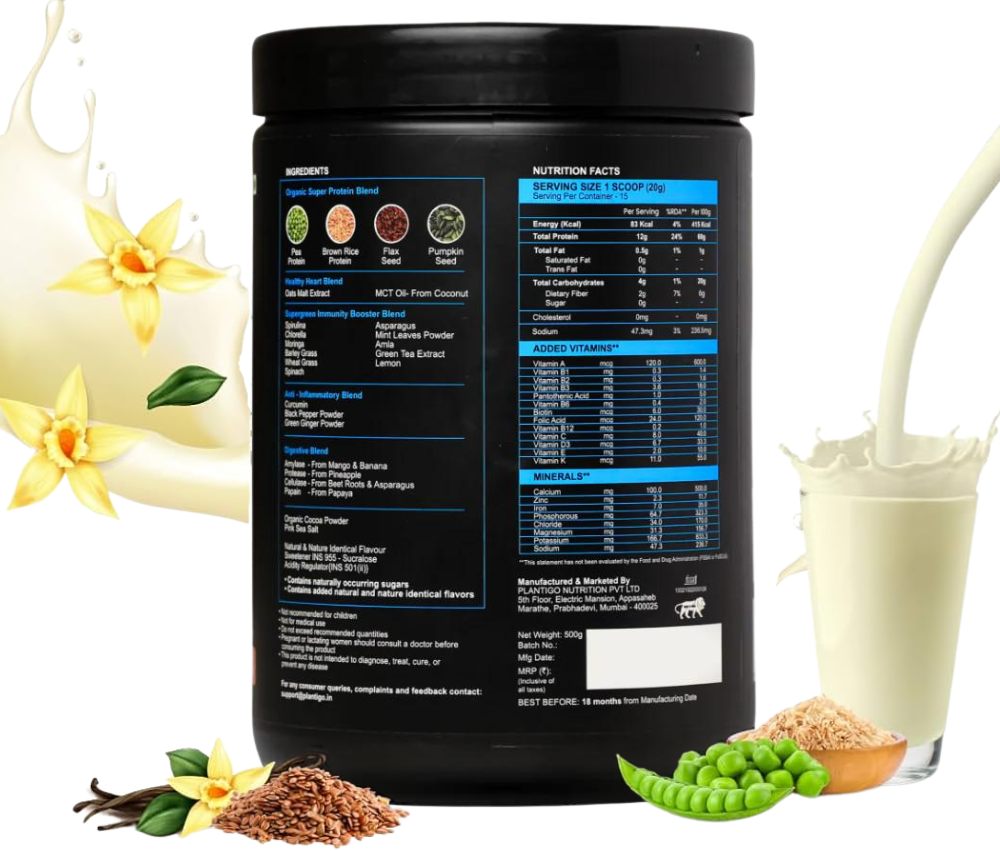
Instead of cutting it out, start making smarter choices. Watch your portions, pair fruit with fiber or healthy fats, and include quality protein in your meals. Adding a clean source like Plantigo plant protein alongside fruit-based snacks or meals can help slow glucose absorption and keep you feeling fuller for longer.
Now it’s your turn to take action.
Try pairing a small bowl of watermelon with nuts, seeds, or yogurt this week. Notice how your energy feels. Pay attention to how balanced meals affect your cravings. Small shifts like these build better blood sugar control over time.
When you understand the watermelon glycemic index the right way, you stop fearing foods and start building a smarter, more sustainable way of eating — one balanced plate at a time.
Frequently Asked Questions
1. Is watermelon bad for blood sugar?
Not necessarily. Although the watermelon glycemic index is high, watermelon has a low glycemic load due to its high water content and lower carbohydrate density per serving.
2. Can people with diabetes eat watermelon?
Yes, in moderation. Portion size and food pairings matter more than the watermelon glycemic index alone. Eating watermelon with protein or healthy fats can help reduce blood sugar spikes.
3. Why is the watermelon glycemic index high but still considered safe?
The watermelon glycemic index measures how fast sugar enters the bloodstream, but not how much sugar you consume in a normal portion. Its glycemic load is low, which makes it more blood-sugar-friendly.
4. How much watermelon is safe to eat at one time?
About one cup (150–160g) of diced watermelon is a reasonable portion. This amount contains roughly 11 grams of carbs and fits well into a balanced meal plan.
5. How can I eat watermelon without raising blood sugar too much?
Pair watermelon with nuts, seeds, yogurt, or other protein sources. Balanced meals reduce how quickly sugar enters the bloodstream, making the watermelon glycemic index less impactful.