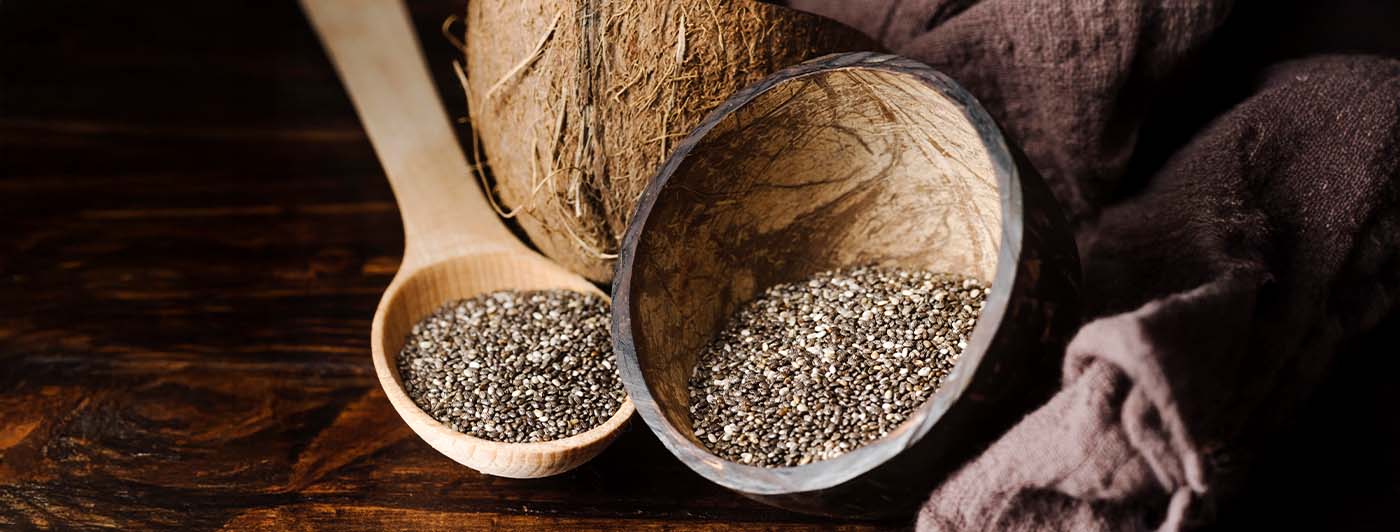
Chia seeds support healthy weight gain with 140 calories and 5g protein per 2 tablespoon serving. Soak and add to smoothies, oatmeal or pudding alongside protein sources. Ideal intake is 2 to 4 tablespoons daily, distributed across meals with resistance training.
What if the very food most people use to lose weight could actually help you gain it — the right way?
When most people hear about chia seeds, they immediately think of detox water, diet bowls, or weight loss smoothies. But here’s the twist: chia seeds for weight gain can be just as powerful — and in many cases, even more strategic.
Yes, those tiny black seeds can help you build lean muscle, improve recovery, and increase calorie intake in a clean and sustainable way — especially when combined with quality plant protein sources.
The difference lies not in the seed itself… but in how you use it.
This guide will show you exactly how to use chia seeds intelligently for healthy weight gain — without resorting to junk calories, processed mass gainers, or empty carbs. Stay with me, because what you’re about to discover may completely change how you look at this so-called “weight-loss” food forever.
Why Chia Seeds Work for Healthy Weight Gain
Before learning how to use chia seeds for weight gain, we need to understand what makes them special.
Chia seeds are nutrient-dense powerhouses containing:
-
Healthy fats (especially omega-3 fatty acids)
-
High-quality plant protein
-
Fiber
-
Calcium, magnesium, and iron
-
Antioxidants
Two tablespoons (about 28g) provide approximately 140–150 calories. That might not sound dramatic — but here’s the key: these calories are compact, nutrient-rich, and easy to add to existing meals.
Scientific studies support this nutrient richness. Research found that chia seeds contain high levels of polyunsaturated fatty acids (especially α-linolenic acid, an omega-3), appreciable amounts of dietary protein, and valuable amino acids that contribute both to energy density and metabolic support. These bioactive compounds are linked to improved antioxidant and anti-inflammatory effects that can support overall health and recovery when increasing calories for weight gain.
Unlike empty calories, chia supports:
-
Sustained energy release
-
Muscle recovery
-
Hormonal balance
-
Reduced exercise inflammation
They also absorb up to 10–12 times their weight in liquid, forming a gel that supports digestive health — important when increasing overall calorie intake.
And here’s the interesting part: steady energy means better workouts. Better workouts mean more muscle stimulus. And that’s where real weight gain begins.
How to Use Chia Seeds for Weight Gain Effectively
If you want real results from chia seeds for weight gain, sprinkling a teaspoon occasionally won’t do much. You need a structured approach.
Let’s break it down.
1. Increase Caloric Density Without Feeling Overstuffed
One of the biggest struggles in gaining weight is eating large volumes of food.
Chia helps increase calories without increasing portion size dramatically.
Add:
-
1–2 tablespoons to smoothies
-
1 tablespoon to oatmeal
-
1 tablespoon to curd or yogurt
For example, pairing chia with 50g oats protein in your breakfast bowl creates a powerful carb + fat + protein combination that supports muscle growth.
Instead of eating more plates of food, you upgrade the one already in front of you.
2. Pair Chia with Strong Protein Sources
Calories alone won’t build muscle. Protein is essential.
While chia contains protein, combining it with other sources amplifies its effectiveness.
Blend chia with:
-
Greek yogurt
-
Nut butter smoothies
-
Lentil shakes
-
A smoothie containing pea protein powder
The combination of fats from chia and amino acids from protein supports recovery and muscle repair.

If you follow a vegetarian diet, combining chia with plant based protein powder ensures a more complete amino acid profile. The synergy between healthy fats and protein enhances nutrient absorption and muscle recovery.
3. Create a Strategic High-Calorie Smoothie
Smoothies are one of the easiest ways to use chia seeds for weight gain.
Here’s a simple formula:
-
2 tablespoons chia seeds
-
Banana
-
Dates
-
Peanut butter
-
Oats
-
Almond milk
This combination can easily cross 600 calories in one serving.
You may have read about maltodextrin uses in commercial mass gainers — often included to spike calorie content quickly. But chia provides calorie density without relying on processed carbohydrates.
It’s a smarter, more sustainable approach.
4. Support Recovery with Nighttime Chia Intake
Muscle growth doesn’t happen in the gym — it happens during recovery.
Soaking chia overnight in milk (or plant milk) creates a pudding rich in slow-digesting fats and protein. Consuming this before bed provides steady nutrients throughout the night.
If you’re following a structured six day workout plan, this recovery strategy becomes even more important. Reduced inflammation and improved nutrient timing can support consistent training performance.
5. Multiply Meals Without Overhauling Your Diet
Here’s a powerful trick.
Instead of changing your entire diet, enhance what you already eat.
Add chia to:
-
Paratha dough
-
Pancake batter
-
Energy balls
-
Rice bowls
-
Salads
Over time, even an extra 150 calories daily can lead to healthy weight gain. Consistency beats dramatic changes.
How Much Chia Seeds Should You Eat?
Start slow.
-
Begin with 1 tablespoon daily
-
Increase to 2–3 tablespoons as tolerated
Because chia is high in fiber, sudden overconsumption may cause bloating.
A practical range for chia seeds for weight gain is 2–4 tablespoons daily, depending on your total calorie needs.
Not sure how much protein you need overall? Using a protein intake calculator can help determine the ideal intake based on body weight and training level.
Best Time to Eat Chia Seeds for Weight Gain
|
Time |
Method |
Benefit |
|
Morning |
Smoothie or oatmeal with 2 tbsp chia |
Sustained energy and appetite for the day |
|
Pre-workout |
Chia water or yogurt 30-45 mins before |
Slow-release energy for training |
|
Post-workout |
Chia pudding with protein powder |
Recovery and muscle repair |
|
Before bed |
Overnight chia pudding in plant milk |
Slow-digesting nutrients during sleep |
The most impactful time for weight gain — before bed. Overnight chia pudding provides steady amino acids and healthy fats during the overnight fasting window when muscle repair is most active.
5 High-Calorie Chia Seed Recipes for Weight Gain
1. Recipe 1
Power Smoothie (approx 600 calories) 2 tbsp chia seeds + 1 banana + 2 dates + 1 tbsp peanut butter + 1 cup oats + 300ml almond milk + 1 scoop plant protein. Blend and drink immediately.
2. Recipe 2
Overnight Chia Pudding (approx 400 calories) 3 tbsp chia seeds + 300ml full-fat coconut milk + 1 tsp honey + mixed nuts on top. Soak overnight, eat cold in the morning.
3. Recipe 3
Chia Paratha (approx 350 calories per 2 parathas) Add 2 tbsp ground chia seeds to whole wheat dough. Cook with ghee. Serve with curd and pickle for a calorie-dense traditional meal.
4. Recipe 4
Chia Energy Balls (approx 200 calories per 3 balls) 2 tbsp chia + oats + dates + peanut butter + dark chocolate chips. Roll into balls and refrigerate. Perfect pre-workout snack.
5. Recipe 5
Chia Rice Bowl (approx 500 calories) Cooked rice + dal + 1 tbsp chia sprinkled on top + ghee + roasted vegetables. A complete calorie-dense Indian meal that adds chia seamlessly.
Chia Compared to Other Plant Proteins
Let’s compare.
-
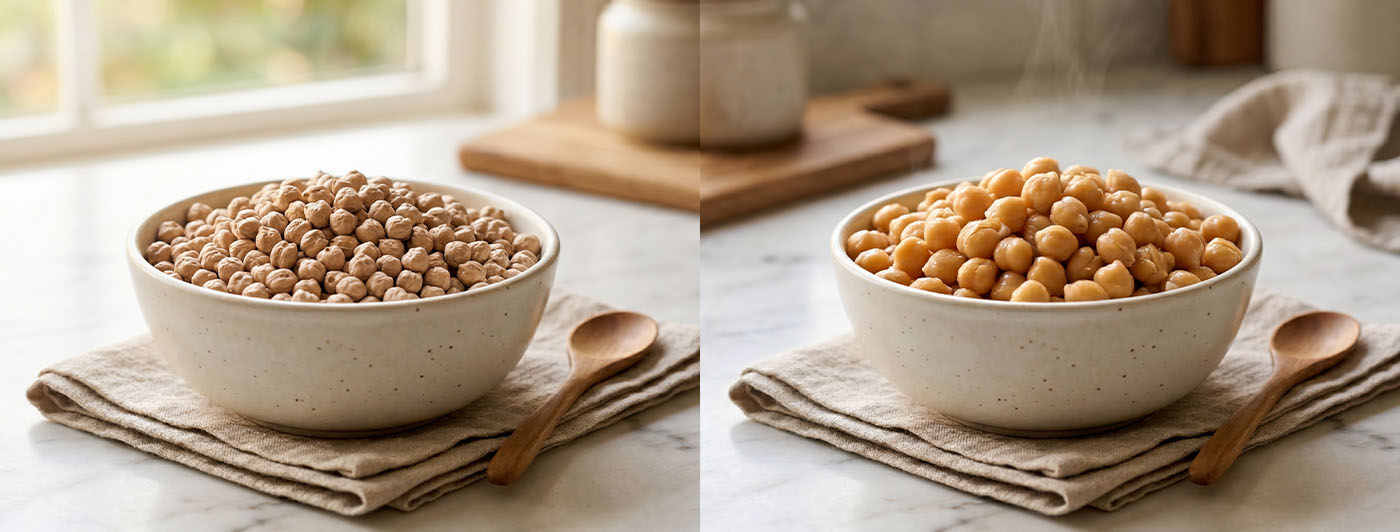
Chana protein per 100g is approximately 19g
-
Chia provides around 17g per 100g
However, chia offers higher omega-3 content and healthy fats.
That’s what makes it unique.
While many focus only on protein numbers, healthy weight gain also requires energy density and recovery support — something chia naturally provides.
Common Mistakes to Avoid

1. Eating Chia Dry
Always soak chia before consuming.
2. Skipping Strength Training
Extra calories without resistance training may lead to fat gain instead of muscle.
Structured programs, such as a progressive six day workout plan, ensure surplus calories are directed toward muscle growth.
3. Confusing Weight Gain and Weight Loss Strategies
If you’re familiar with the best fruits for weight loss, remember that weight gain requires calorie-dense fruits like bananas, mangoes, and dates instead of only low-calorie berries.
Chia Seeds for Weight Gain for Women: PCOS and Hormonal Health
Women face unique challenges when trying to gain healthy weight — hormonal imbalances, PCOS, and irregular cycles can make it harder to build lean mass and maintain energy.
Chia seeds address several of these challenges directly:
- PCOS support — the omega-3 fatty acids in chia seeds reduce systemic inflammation linked to insulin resistance, a core issue in PCOS. Lower inflammation supports more stable hormonal signaling and better metabolic function
- Hormonal balance — ALA from chia supports prostaglandin production, which influences cycle regularity and hormonal stability
- Bone density — calcium and magnesium in chia support bone strength, particularly important for women with hormonal disruptions that affect bone health
- Steady energy — the low glycemic impact of chia prevents blood sugar spikes that worsen PCOS symptoms and energy crashes
For women using protein powder for women alongside chia — this combination supports lean muscle gain without excess caloric load, making it ideal for hormonal weight management.
Sample One-Day Chia-Based Weight Gain Plan
Breakfast
Oats + milk + 2 tbsp chia + banana + nuts
Mid-Morning
Smoothie with chia + peanut butter + dates
Lunch
Rice + dal + vegetables + chia sprinkled on salad
Evening Snack
Chia pudding + almonds
Dinner
Roti + paneer + vegetables
Notice how chia seeds for weight gain are distributed across meals instead of consumed all at once.
Balanced distribution improves digestion and nutrient absorption.
The Bigger Picture: Recovery, Inflammation & Growth
Chia contains alpha-linolenic acid (ALA), an omega-3 fat.
Why does this matter?
-
Lower inflammation = better recovery
-
Better recovery = consistent training
-
Consistent training = muscle growth
Combine chia with adequate plant protein, progressive overload training, and calorie surplus — and you create a powerful environment for growth.
What Happens If You Eat Chia Seeds for 30 Days?
Here's what consistent daily chia consumption — 2 to 4 tablespoons combined with a calorie surplus and resistance training — typically produces:
Week 1-2:
-
Improved digestion and reduced bloating as gut adjusts to fiber increase
-
More stable energy levels throughout the day
-
Easier to hit daily calorie targets without feeling overfull
Week 3-4:
-
Visible improvement in workout recovery — less soreness between sessions
-
Gradual weight increase of 0.5 to 1 kg depending on overall calorie surplus
-
Better sleep quality from magnesium and tryptophan content
Week 5-8:
-
Lean mass gains become visible with consistent resistance training
-
Sustained energy improvements throughout the day
-
Improved skin and hair quality from omega-3 fatty acids
Important: Chia seeds alone don't cause weight gain — they support a calorie surplus strategy. Results depend on total daily calorie intake, protein consumption and training consistency.
Key Takeaways: How to Use Chia Seeds for Weight Gain Successfully
Let’s simplify everything into actionable insights:
-
Chia seeds for weight gain work best when used daily and consistently.
-
They increase calorie density without requiring huge meals.
-
Pair them with quality protein sources for optimal muscle growth.
-
Distribute intake across meals instead of consuming them all at once.
-
Combine them with structured resistance training for lean mass gains.
-
Focus on nutrient quality rather than processed mass gainers.
-
Monitor total protein needs using tools like a protein intake calculator.
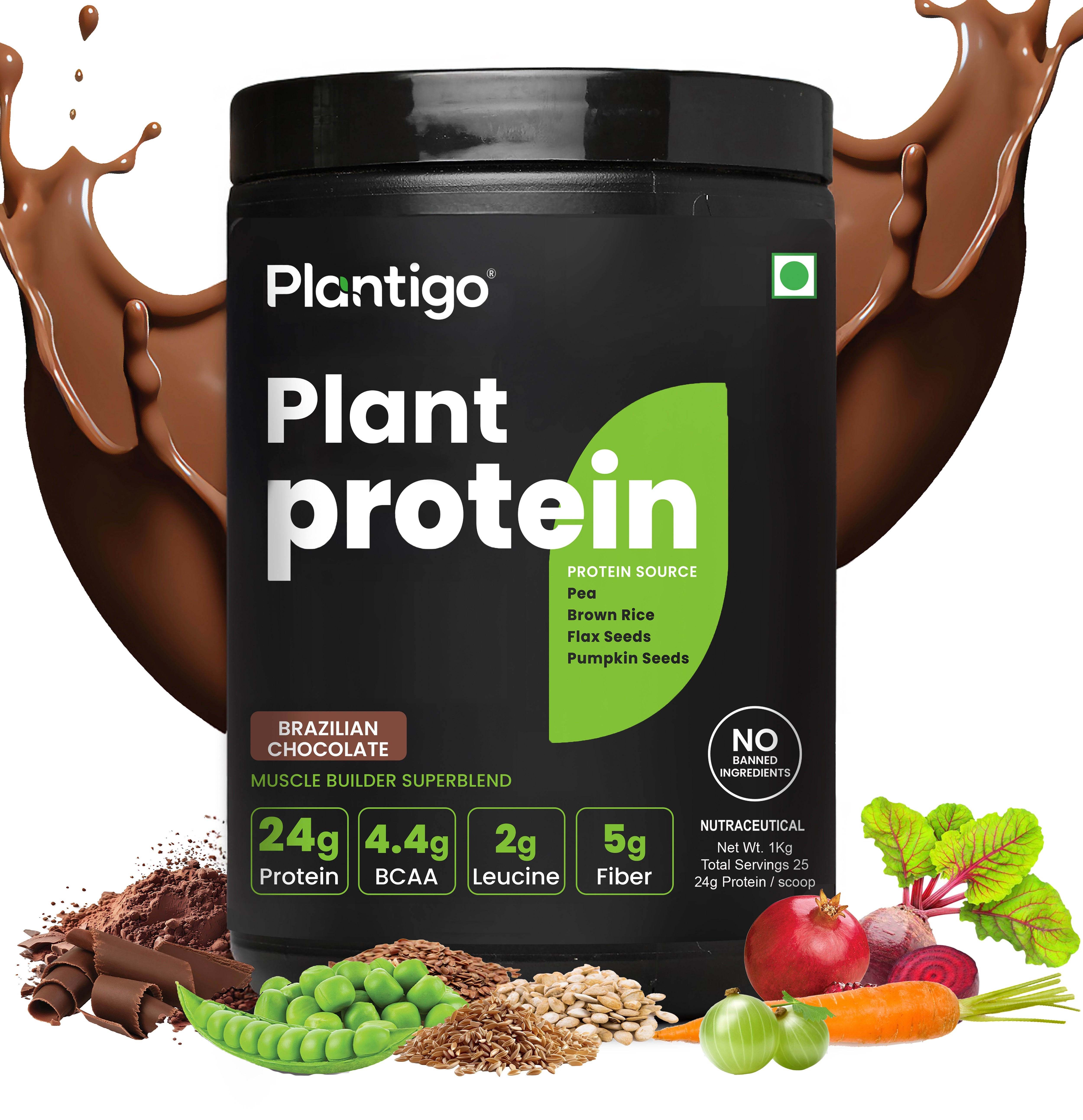
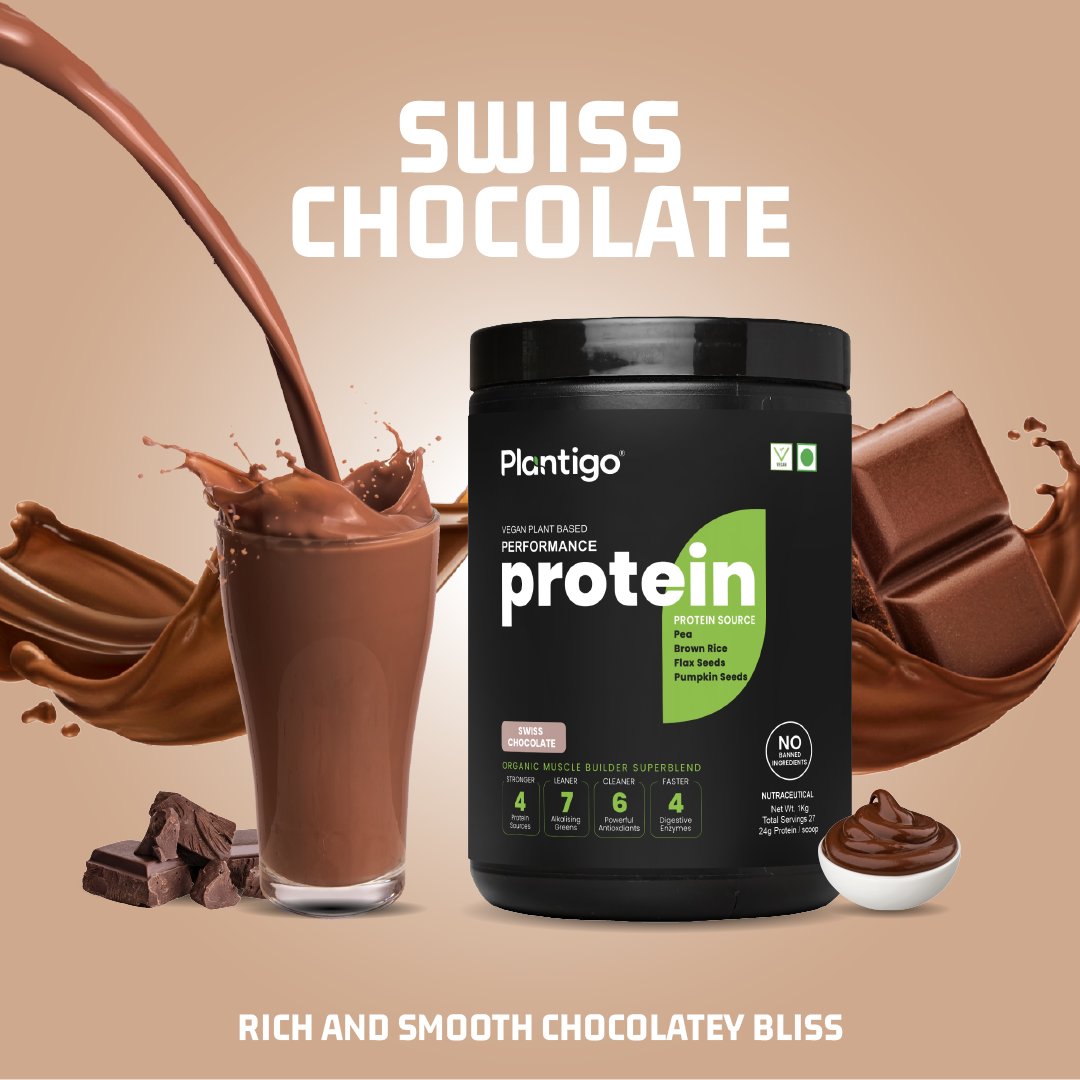
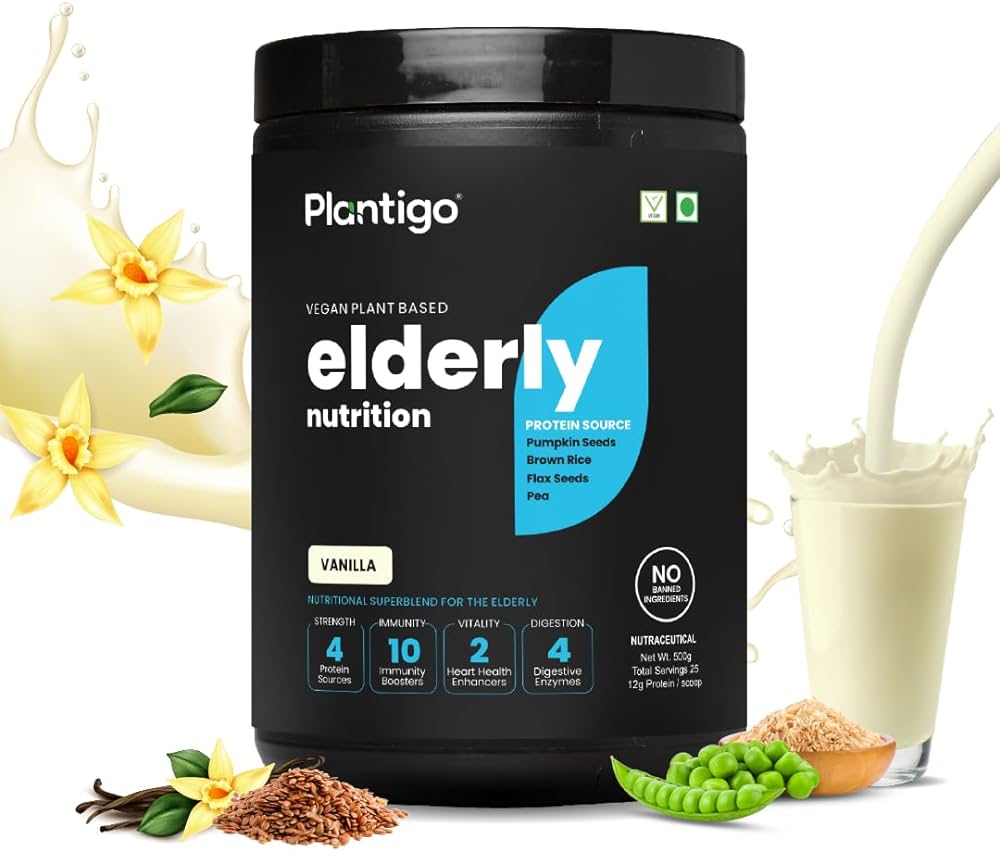
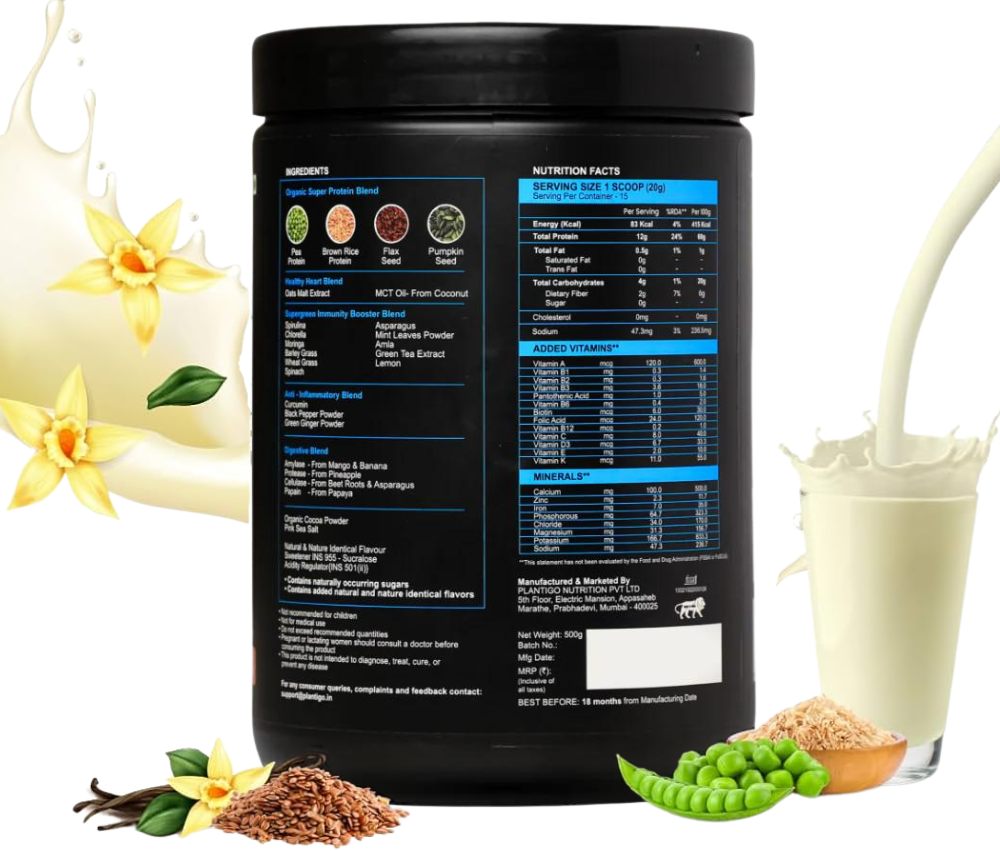
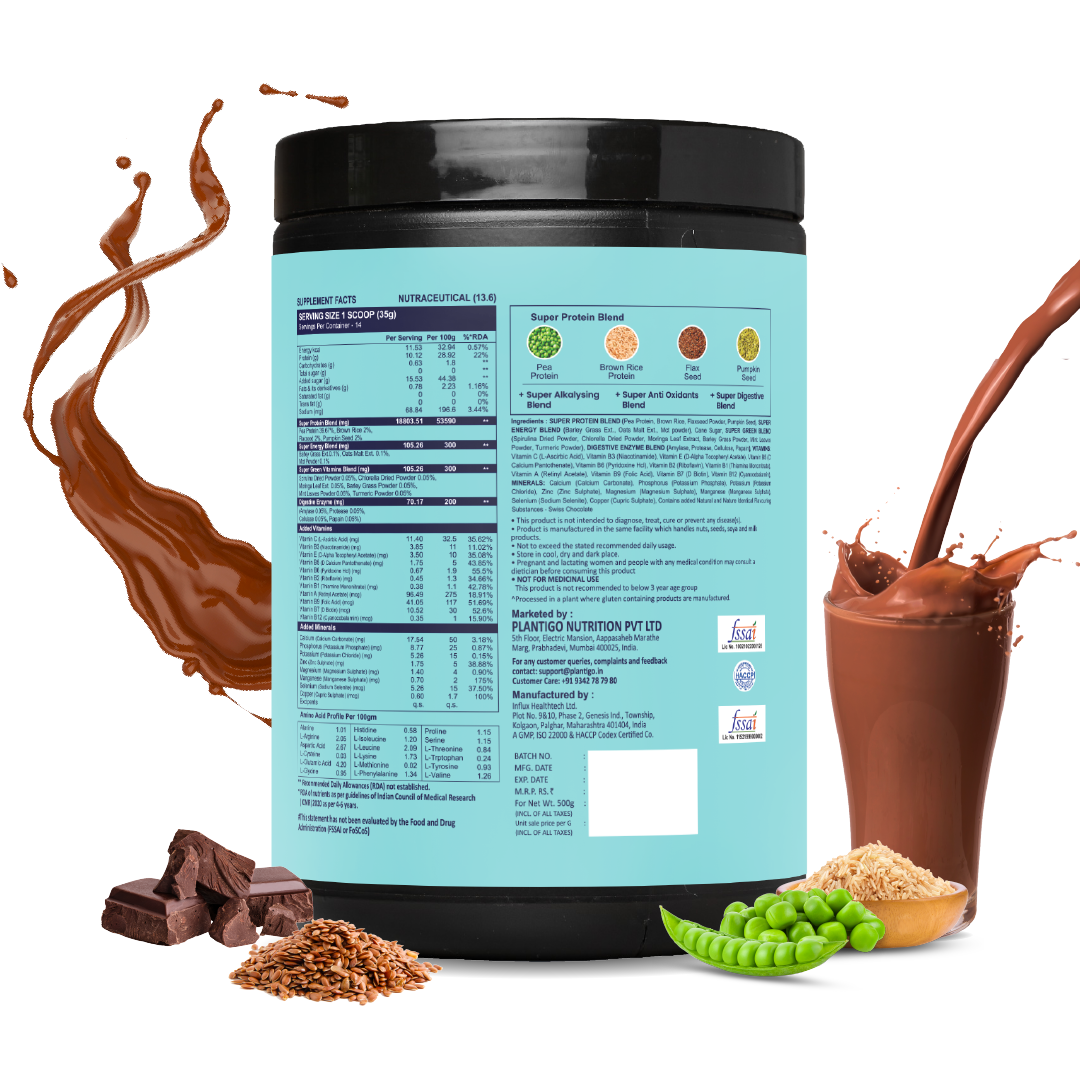
If you’re serious about building healthy weight naturally, combine chia seeds with balanced nutrition and clean protein sources. Many people are now shifting toward high-quality options like Plantigo plant protein to support their fitness goals without unnecessary additives.
The real transformation begins when strategy meets consistency.
So here’s your next step:
- Start small.
- Add 1 tablespoon of chia to your breakfast tomorrow.
- Increase gradually.
- Train smart.
- Track your progress.
Healthy weight gain isn’t about eating more junk — it’s about eating more intelligently.
And sometimes, real growth begins with something as small as chia seeds for weight gain.
Are you ready to use them strategically?
FAQs
Q1: Are chia seeds helpful for weight gain?
Yes — chia seeds support healthy weight gain by providing 140 calories, 5g protein and high omega-3 fatty acids per 2 tablespoon serving. They work best when consumed in a calorie surplus alongside resistance training and quality protein sources.
Q2: Can skinny people eat chia seeds?
Yes — chia seeds are particularly beneficial for skinny people looking to gain weight as they increase calorie density without requiring large meal volumes. Add 2 to 4 tablespoons daily to smoothies, oatmeal or pudding for consistent calorie surplus.
Q3: What seeds are best for weight gain?
Chia seeds, flax seeds and sabja seeds are among the best for weight gain due to their high calorie density, healthy fats and protein content. Chia seeds stand out for their omega-3 content and ability to absorb liquid, making them easy to add to multiple meals daily.
Q4: Is chia seed good for muscle gain?
Yes — when combined with resistance training and adequate protein intake, chia seeds support muscle gain through their omega-3 anti-inflammatory properties, protein content and sustained energy release. Pair them with a quality plant protein source for best results.
Q5: What is the best time to eat chia seeds for weight gain?
Morning in a smoothie or oatmeal is ideal for sustained energy throughout the day. Overnight as a chia pudding before bed provides slow-digesting nutrients during recovery. Distributing intake across 2 to 3 meals daily produces the best results.