
Bananas are one of the most widely consumed fruits in the world. From breakfast bowls and smoothies to quick snacks between meals, this humble fruit appears in countless diets across cultures. Yet one question frequently arises among health-conscious individuals and fitness enthusiasts: how much protein in 1 banana?
At first glance, bananas are usually associated with potassium and natural energy rather than protein. However, as more people begin paying closer attention to their daily protein intake—especially those following vegetarian or plant-focused diets—understanding the protein content of a banana has become increasingly relevant.
A medium banana contains about 1.3 grams of protein. While that might seem small compared to protein-rich foods like eggs or lentils, bananas still provide valuable nutrients. They are rich in potassium, fiber, vitamin B6, and natural carbohydrates that support energy production and metabolism. When combined with other foods that provide plant protein, bananas can easily become part of balanced and nutritious meals.
Understanding how much protein in 1 banana helps clarify how this fruit fits into a balanced diet. Rather than serving as a primary protein source, bananas work best as an energy-rich fruit that complements protein-rich foods.
In this article, we’ll explore the protein content of bananas, look at several surprising facts about banana nutrition, and explain why this fruit continues to be a valuable part of healthy diets around the world.
Key Takeaways
Before diving deeper into how much protein in 1 banana, here are the most important insights to remember:
• A medium banana contains around 1.3 grams of protein
• Bananas are primarily a carbohydrate-rich fruit that provides energy
• They are rich in potassium, fiber, and vitamin B6
• Knowing how much protein in 1 banana helps plan balanced meals
• Bananas work best when combined with other protein-rich foods
How Much Protein in 1 Banana?
The direct answer to how much protein in 1 banana depends slightly on the size of the fruit. Larger bananas contain slightly more nutrients overall, which means they also contain slightly more protein.
|
Banana Size |
Weight |
Protein |
|
Small banana |
~100 g |
1.1 g |
|
Medium banana |
~118 g |
1.3 g |
|
Large banana |
~136 g |
1.6 g |
So when someone asks how much protein in 1 banana, the most accurate response is about 1.3 grams of protein in a medium banana.
Compared with protein-rich foods such as eggs, legumes, or dairy products, bananas contain relatively small amounts of protein. Understanding how much protein in 1 banana therefore helps clarify the fruit’s role in nutrition.
Bananas are better known as an energy-providing fruit rather than a protein-dense food.
Banana Nutrition Facts
To fully understand how much protein in 1 banana, it helps to examine the fruit’s complete nutritional profile.
|
Nutrient |
Amount (Medium Banana) |
|
Calories |
105 kcal |
|
Protein |
1.3 g |
|
Carbohydrates |
27 g |
|
Fiber |
3 g |
|
Potassium |
422 mg |
|
Vitamin B6 |
0.4 mg |
Although people often search how much protein in 1 banana, the fruit’s real strength lies in its potassium and carbohydrate content.
Potassium helps maintain healthy muscle contractions and nerve signals, while carbohydrates provide quick energy for daily activities.
Bananas also contain valuable nutrients such as fiber, vitamin B6, and several bioactive compounds that contribute to overall metabolic health. Research highlights that bananas provide important micronutrients and phytochemicals that support digestion, cardiovascular health, and energy metabolism.
Top 5 Surprising Facts ABout Bananas
1. Bananas Are Not a High-Protein Food
One of the first realizations people have after learning how much protein in 1 banana is that bananas are not considered high-protein foods.
To understand this better, compare bananas with other foods:
|
Food |
Protein per Serving |
|
Banana |
1.3 g |
|
Egg |
6 g |
|
Lentils |
9 g |
|
Greek yogurt |
10 g |
Clearly, bananas contribute far less protein than foods specifically known for protein content.
However, understanding how much protein in 1 banana helps prevent unrealistic expectations about fruit protein levels. Bananas still contribute to balanced meals when paired with other foods.
2. Bananas Are Excellent Natural Energy Foods
Even though how much protein in 1 banana may seem modest, bananas are among the best natural energy foods available.
They contain easily digestible carbohydrates that help fuel the body quickly. This is one reason bananas are commonly included in anti inflammatory breakfast foods and post-workout snacks.
Athletes often rely on bananas to restore energy after exercise because they help replenish glycogen stores in muscles.
So while the answer to how much protein in 1 banana may not impress those seeking protein sources, bananas remain extremely valuable for energy and recovery.
3. Bananas Pair Well With Protein Foods
Although how much protein in 1 banana shows that bananas themselves contain little protein, they combine extremely well with protein-rich foods.
Popular combinations include:
• banana with peanut butter
• banana with yogurt
• banana smoothie with oats
• banana blended with plant based protein powder
These combinations create balanced meals that include carbohydrates, protein, and healthy fats.

Some individuals also explore whether protein powder without exercise can help increase daily protein intake.
When bananas are combined with protein foods, they become part of meals that support energy, recovery, and overall nutrition.
4. Bananas Support Vegetarian Diets
People following vegetarian or plant-focused diets often research how much protein in 1 banana to understand how fruits contribute to their daily nutrition.
Although bananas provide only small amounts of protein, they complement foods rich in plant protein such as:
• lentils
• chickpeas
• tofu
• nuts
• seeds
Vegetarian diets also often include healthy fats from foods like flaxseeds and walnuts, which are excellent omega 3 foods vegetarian.
Understanding how much protein in 1 banana therefore helps vegetarians plan balanced meals that combine carbohydrates with protein-rich foods.
5. Bananas Provide Many Other Nutrients
Even though how much protein in 1 banana may appear small, bananas offer several nutrients that support overall health.
Bananas contain:
• potassium for heart health
• fiber for digestive health
• vitamin B6 for metabolism
Many balanced diets also include foods rich in other nutrients. For example, diets that include biotin rich foods may support hair and skin health.
Comparing fruits can also be interesting. For instance, the calories in one big guava are lower than those in a banana, yet guava contains more protein.
Similarly, people often explore lychee fruit benefits, which include antioxidants and vitamin C.
These comparisons highlight how different fruits provide unique nutritional advantages.
Protein in Banana vs Other Fruits
When discussing how much protein in 1 banana, it can also be helpful to compare bananas with other commonly eaten fruits. Many fruits contain only small amounts of protein, but some contain slightly more than others.
|
Fruit |
Protein per 100g |
|
Banana |
1.1 g |
|
Apple |
0.3 g |
|
Orange |
0.9 g |
|
Guava |
2.6 g |
|
Lychee |
0.8 g |
This comparison shows that bananas actually contain more protein than many popular fruits, although they still fall short of foods specifically known for protein content.
For example, guava is one of the few fruits that naturally contains a higher level of protein. If you compare banana nutrition with the calories in one big guava, you will notice that guava contains slightly fewer calories but significantly more protein.
That said, bananas remain one of the most practical fruits for everyday nutrition because they are easy to carry, easy to digest, and widely available.
Looking at fruit comparisons also helps explain why people often search how much protein in 1 banana. Many individuals assume fruits provide meaningful protein levels, but most fruits actually contain relatively small amounts.
Still, fruits like bananas offer a variety of other nutritional benefits that make them an excellent addition to balanced diets.
Why Athletes and Active People Eat Bananas
Another interesting reason people ask how much protein in 1 banana is because bananas are frequently associated with fitness and athletic performance.
If you have ever watched a marathon, cycling race, or tennis match, you may have noticed athletes eating bananas between events. This is not because bananas contain large amounts of protein. Instead, bananas provide quick, easily digestible carbohydrates that replenish energy stores. Research comparing bananas with carbohydrate drinks during endurance cycling has even found that bananas can effectively provide carbohydrates for exercise energy and recovery.
During exercise, muscles rely heavily on glycogen, which is a stored form of carbohydrates. When glycogen levels drop, energy levels fall as well. Bananas help replenish these glycogen stores quickly.
Even though the answer to how much protein in 1 banana shows that bananas are not protein-dense foods, they still play a valuable role in recovery meals when combined with other protein sources.
For example, a smoothie containing banana, oats, and yogurt creates a balanced combination of carbohydrates and protein. Similarly, bananas blended with nuts or seeds can help support recovery after workouts.
Athletes who follow vegetarian diets often pair bananas with foods rich in plant protein to create more balanced meals.
Understanding how much protein in 1 banana therefore highlights an important point: bananas are not meant to replace protein foods, but they complement them extremely well.
How Bananas Fit Into Daily Protein Needs
Adults typically require around 50–60 grams of protein per day depending on body weight and activity level.
When evaluating how much protein in 1 banana, it becomes clear that bananas alone cannot meet daily protein needs.
However, bananas still contribute to overall nutrition when paired with protein-rich foods. People who track their diet carefully often use a protein intake calculator to determine the right daily protein intake.
Understanding how much protein in 1 banana helps individuals combine bananas with other ingredients to create balanced meals.
Bananas in Plant-Based Nutrition
Bananas are extremely popular in plant-focused diets because they are versatile and easy to combine with other ingredients.

Although how much protein in 1 banana confirms bananas are not protein-dense foods, they work extremely well in meals that include protein-rich ingredients.
Some nutritionists describe certain foods as the best plant based protein, especially when they contain essential amino acids needed by the body.
Understanding how much protein in 1 banana helps explain why bananas are often used alongside these foods in smoothies and balanced meals.
Final Thoughts
Now that you understand how much protein in 1 banana, it becomes clear that bananas are not primarily a protein source. A medium banana contains around 1.3 grams of protein, which represents only a small portion of daily protein needs.
However, bananas remain one of the most nutritious and convenient fruits available. Their natural carbohydrates provide energy, their potassium supports heart health, and their fiber promotes digestive wellness.
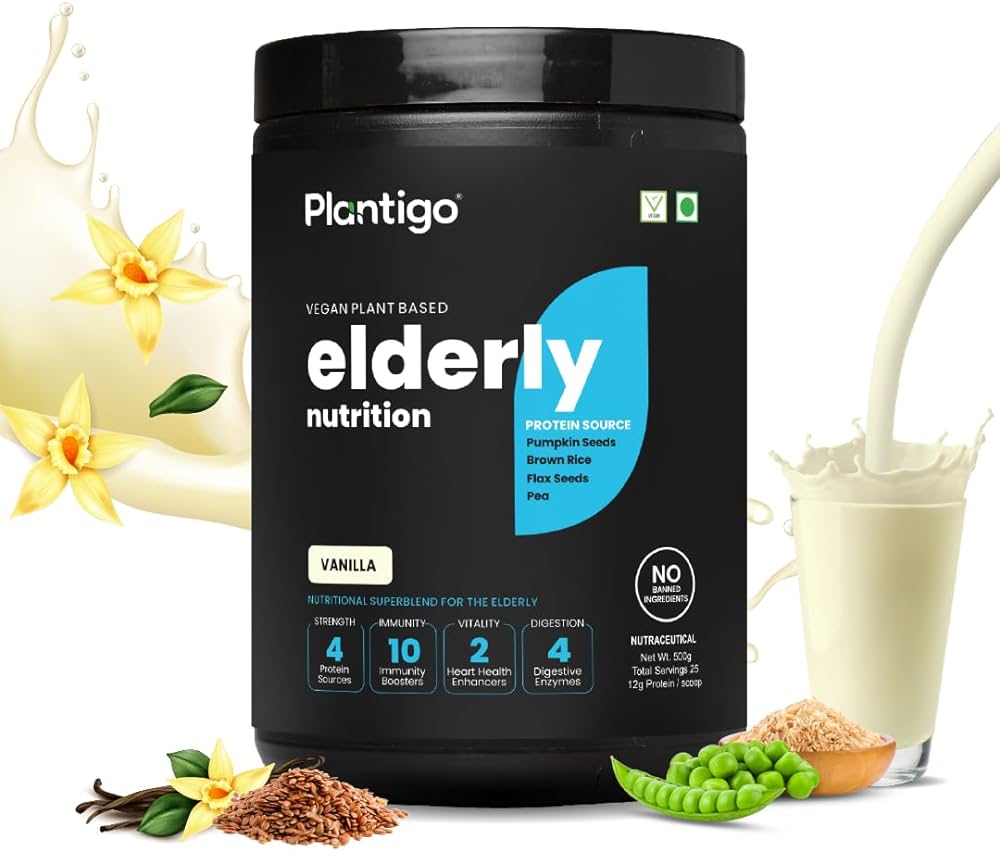
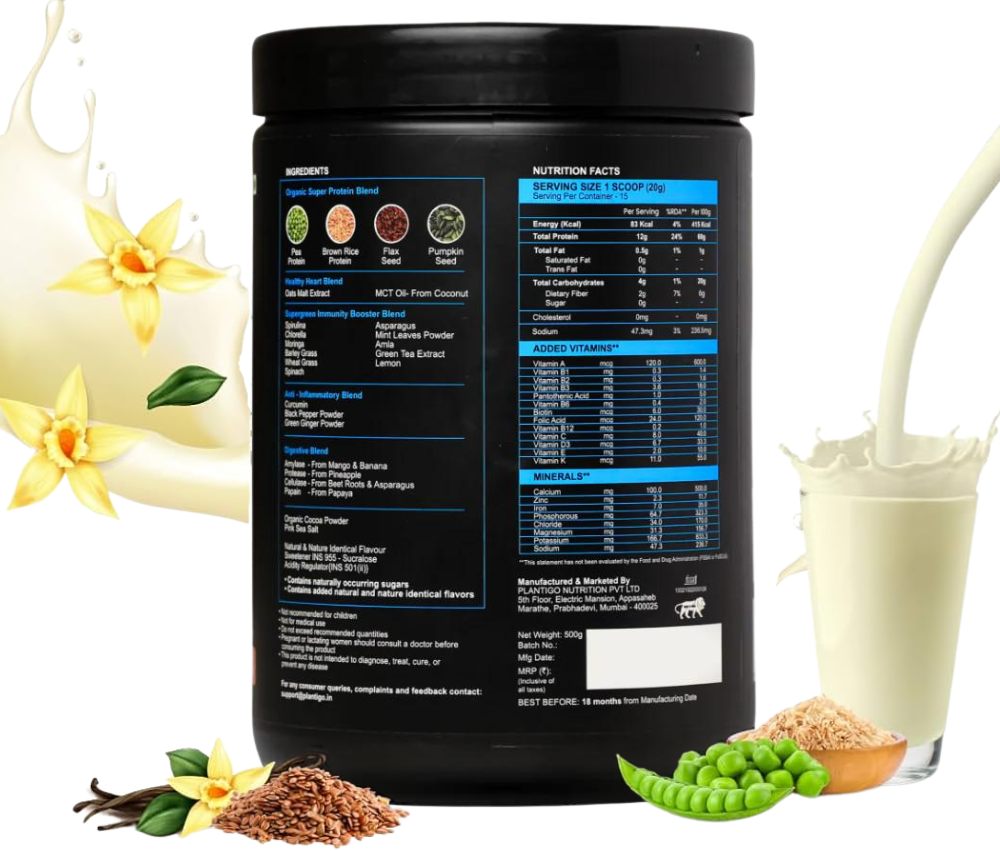
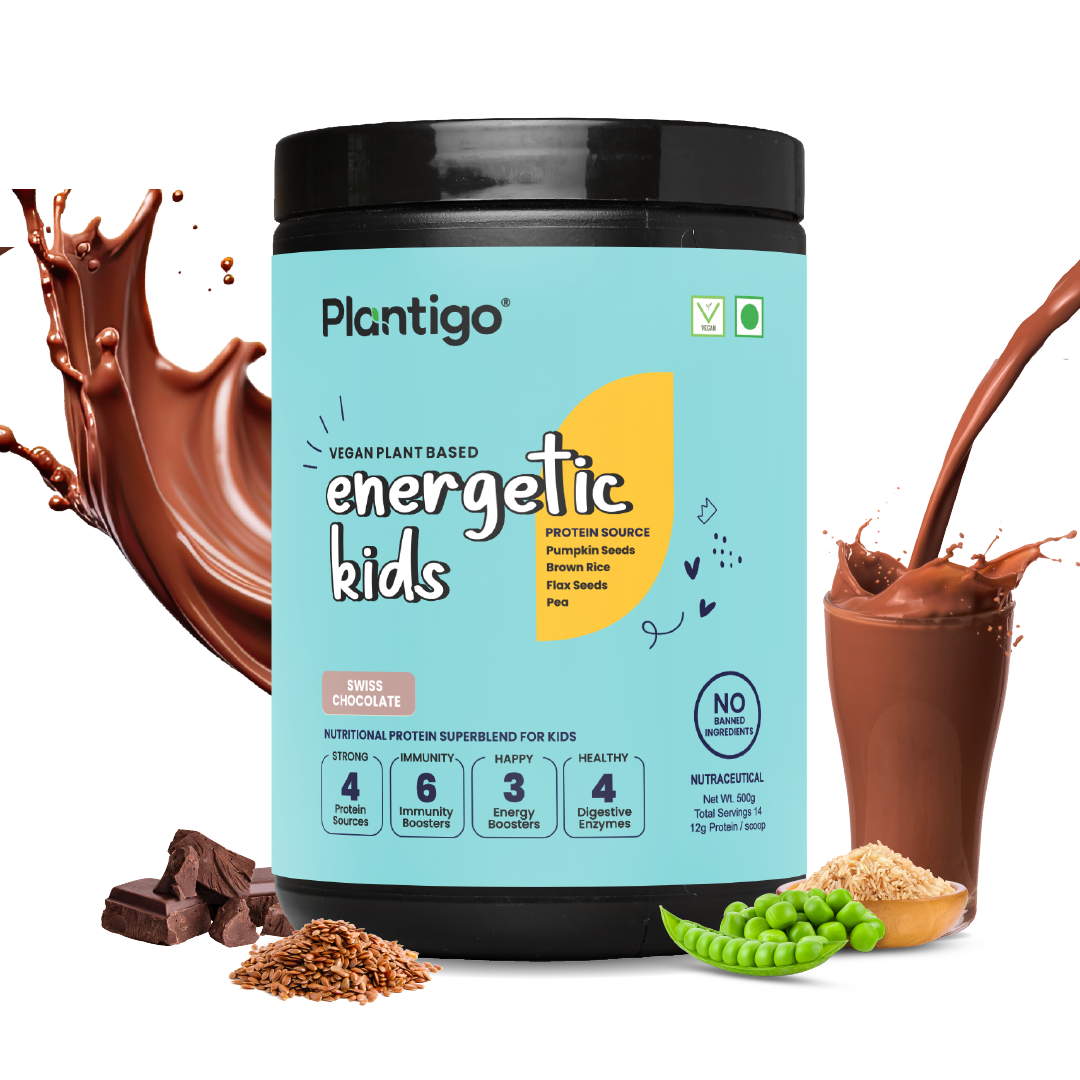
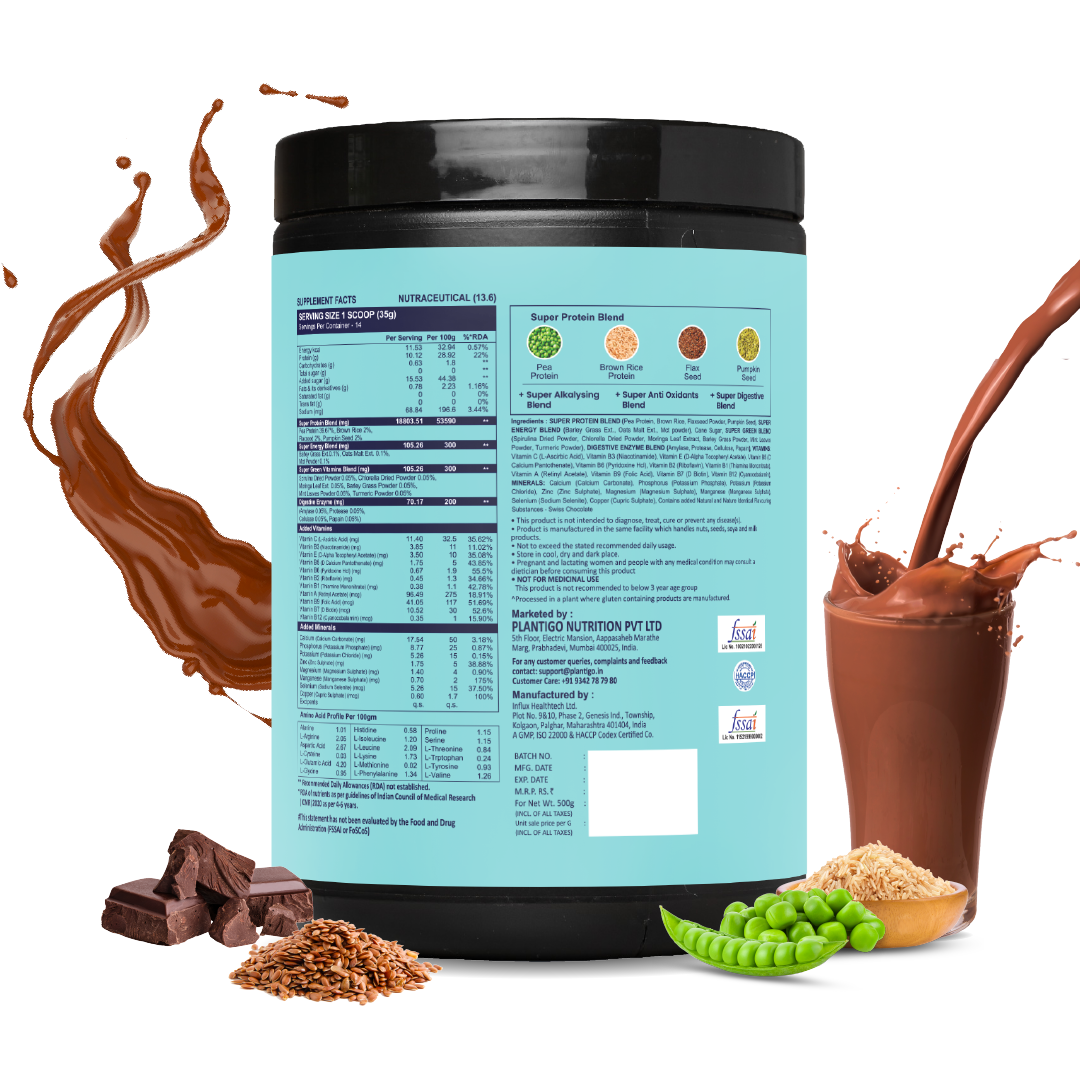
For those looking to increase protein intake, bananas can be paired with other foods rich in plant protein. For example, smoothies that combine bananas with nuts, seeds, or a clean plant-based supplement such as Plantigo plant protein can help create a more balanced and nutritious meal.
The next time someone asks how much protein in 1 banana, remember that while the protein content is modest, bananas still play an important role in a balanced and healthy diet when combined with other wholesome ingredients.
Frequently Asked Questions
1. How much protein in 1 banana?
A medium banana contains about 1.3 grams of protein. While bananas are not a high-protein food, they provide important nutrients like potassium, fiber, and vitamin B6 that support overall health.
2. Can bananas help build muscle?
Bananas alone do not provide enough protein to build muscle. However, they supply carbohydrates that fuel workouts and support muscle recovery when combined with protein-rich foods.
3. Are bananas good after workouts?
Yes. Bananas help replenish glycogen stores and provide potassium, which supports muscle function and helps reduce cramps after exercise.
4. How many bananas equal 10 grams of protein?
Since one banana contains about 1.3 grams of protein, you would need roughly 7–8 bananas to reach 10 grams of protein.
5. Are bananas healthy overall?
Yes. Bananas are rich in fiber, potassium, and vitamins that support digestion, heart health, and steady energy levels.