
A high protein vegetarian diet focuses on plant foods that naturally provide substantial protein, including lentils, chickpeas, paneer, quinoa, nuts, and seeds. These foods help maintain muscle strength, support metabolism, and promote overall health while keeping meals entirely vegetarian. By including a diverse range of plant protein foods across the day, it becomes much easier to meet daily nutritional needs.
Why a High Protein Vegetarian Diet Matters for Modern Nutrition
A high protein vegetarian diet has gained remarkable popularity in recent years. As people become more aware of the benefits of plant-forward eating patterns, many are discovering that vegetarian diets can deliver both nutritional adequacy and long-term health benefits. Research has shown that well-planned plant-based diets can support muscle health and improve lean body mass when adequate protein intake is maintained.
Protein plays an essential role in the body. It helps repair tissues, build muscles, regulate enzymes and hormones, and maintain immune function. While meat and fish are often associated with protein intake, many plant foods also contain significant amounts of protein.
For individuals who prefer vegetarian eating patterns, understanding how to structure protein-rich meals can make a tremendous difference in energy levels, muscle recovery, and overall wellbeing.
One fascinating aspect of vegetarian nutrition is how traditional diets already incorporate many protein-rich foods. Lentils, legumes, seeds, grains, and dairy products have been central to Indian cooking for centuries. When these foods are combined thoughtfully, they form the foundation of a sustainable high protein vegetarian diet.
Beyond muscle health, protein is also crucial for hair growth, skin repair, hormone balance, and metabolic stability. This means a well-planned vegetarian protein-focused eating pattern benefits nearly every system in the body.
Key Points to Remember About Vegetarian Protein Nutrition
-
A high protein vegetarian diet can meet daily protein requirements when meals include diverse plant foods.
-
Lentils, chickpeas, paneer, and nuts are among the most efficient vegetarian protein sources.
-
Combining grains and legumes improves amino acid balance.
-
Protein supports muscle repair, metabolism, and hormone function.
-
Traditional Indian foods already provide excellent vegan protein sources.
-
Including nuts, seeds, and dairy helps increase protein density in meals.
Best High Protein Vegetarian Foods (Quick Protein Chart)
Below is a quick overview of some of the best foods for building a high protein vegetarian diet, along with their approximate protein content per 100 grams.
|
Food |
Protein per 100g |
Why It’s Good |
|
Lentils |
24g |
Rich in fiber and iron |
|
Chickpeas |
19g |
Great for curries and hummus |
|
Paneer |
18g |
High-quality dairy protein |
|
Peanuts |
26g |
One of the highest plant proteins |
|
Pumpkin Seeds |
19g |
Rich in magnesium |
|
Quinoa |
14g |
Complete plant protein |
|
Oats |
13g |
Good breakfast protein |
|
Rajma |
24g |
Filling and nutritious |
|
Moong Dal |
24g |
Easy to digest |
|
Roasted Chana |
20g |
Excellent protein snack |
Understanding Protein Requirements in a High Protein Vegetarian Diet
Before discussing the best foods, it is helpful to understand how much protein the body actually requires.
The general recommendation for adults is about 0.8 grams of protein per kilogram of body weight per day, though active individuals may need more.
Many people estimate their daily needs using a protein intake calculator, which considers body weight, physical activity level, and health goals.
For example:
-
A moderately active adult weighing 70 kg may require about 56 grams of protein per day.
-
Athletes or strength trainers may require 1.2–1.6 grams per kilogram.
A balanced high protein vegetarian diet spreads protein intake across meals rather than concentrating it in one large serving. This improves digestion and absorption while maintaining stable energy levels.
The Nutritional Power of Plant Proteins
Many people assume plant foods cannot provide sufficient protein. In reality, plant-based diets contain a wide spectrum of protein-rich ingredients.
Legumes such as lentils and chickpeas are among the most concentrated vegetarian protein sources. Nuts and seeds provide both protein and healthy fats, while grains contribute additional amino acids.
Another benefit is the diversity of plant protein foods available. A single day of meals might include lentils at lunch, yogurt at breakfast, nuts as snacks, and paneer or beans at dinner.
This variety ensures that a high protein vegetarian diet supplies the essential amino acids required for muscle repair, immune function, and cellular health. Scientific reviews also show that plant proteins can effectively stimulate muscle protein synthesis and support muscle mass when diverse plant foods are combined in the diet.
High Protein Vegetarian Diet: 17 Best Plant Protein Foods
Below are some of the most effective foods for building a nutritious high protein vegetarian diet.
1. Lentils (Masoor Dal)
Lentils are one of the most powerful staples in vegetarian nutrition. They contain approximately 24 grams of protein per 100 grams (dry weight), along with fiber, iron, and folate.
Lentils cook quickly and are extremely versatile. They can be prepared as traditional dal, added to soups, or included in salads. Because lentils pair well with grains like rice or roti, they help create balanced meals that support sustained energy and muscle recovery.
2. Chickpeas (Chana)
Chickpeas provide roughly 19 grams of protein per 100 grams and are widely used in vegetarian cooking.
They can be roasted for snacks, blended into hummus, or cooked into hearty curries. Chickpeas are also rich in fiber, which helps maintain digestive health and keeps you full for longer.
3. Paneer
Paneer offers about 18 grams of protein per 100 grams, making it one of the most convenient protein-rich vegetarian foods.
Because it is rich in calcium and healthy fats, paneer works well in stir-fries, salads, and curries. It also provides slow-digesting protein, which helps maintain steady energy levels.
4. Greek Yogurt
Greek yogurt contains significantly more protein than regular yogurt, often delivering 10 grams or more per serving.
It also provides beneficial probiotics that support gut health. Adding Greek yogurt to breakfast bowls or smoothies can improve the protein density of daily meals.
5. Quinoa
Quinoa stands out among grains because it contains all nine essential amino acids. With about 14 grams of protein per 100 grams, it is considered a complete protein source.
Quinoa works well in grain bowls, salads, and warm breakfast porridges, making it a valuable ingredient for balanced meals.
6. Almonds
Almonds deliver about 21 grams of protein per 100 grams along with healthy fats and vitamin E.
A small handful of almonds as a snack or topping for oatmeal can significantly increase daily protein intake.
7. Peanuts
Peanuts contain roughly 26 grams of protein per 100 grams, making them one of the most concentrated vegetarian protein foods.
They can be eaten roasted, blended into peanut butter, or used in sauces and chutneys. Their combination of protein and healthy fats helps sustain energy for longer periods.
8. Pumpkin Seeds
Pumpkin seeds provide around 19 grams of protein per 100 grams and are also rich in magnesium and zinc.
Adding pumpkin seeds to salads, yogurt bowls, or smoothies enhances both nutrition and texture.
9. Kidney Beans (Rajma)
Rajma contains approximately 24 grams of protein per 100 grams and is widely used in Indian cooking.
When paired with rice or whole grains, kidney beans provide a balanced combination of protein and carbohydrates that supports sustained energy.
10. Moong Dal
Moong dal is easy to digest and rich in nutrients. Looking at overall dal protein content, many lentils provide between 22–25 grams of protein per 100 grams.
Moong dal can be used in soups, dals, and even savory pancakes like moong chilla.
11. Sattu
Sattu, made from roasted gram flour, has long been a traditional protein source.
Many people wonder how much protein in sattu, and the answer is roughly 20 grams per 100 grams. It can be mixed into drinks or used in savory preparations.
12. Black Chana
Black chickpeas are rich in protein, fiber, and iron. They provide sustained energy and support digestion.
They can be used in salads, curries, or eaten as boiled snacks with spices.
13. Oats
Oats contain about 13 grams of protein per 100 grams and are commonly consumed as breakfast.
They also provide soluble fiber, which supports heart health and helps maintain stable blood sugar levels.
14. Amaranth (Rajgira)
Amaranth contains roughly 13–14 grams of protein per 100 grams and has been used in traditional Indian diets for centuries.
It can be consumed as porridge, laddoos, or flour for flatbreads.
15. Roasted Chana
Roasted chana is a simple and nutritious snack. Examining protein in 100 gm chana dal highlights why roasted gram is such a valuable protein food.
It is portable, affordable, and rich in both protein and fiber.
16. Sunflower Seeds
Sunflower seeds provide protein, healthy fats, and vitamin E. They work well as toppings for salads, yogurt bowls, or breakfast cereals.
17. Protein-Rich Smoothie Ingredients
Some individuals occasionally complement their meals with smoothies made from nuts, seeds, grains, or a small serving of plant based protein powder when increasing protein intake.

Protein Comparison Table
|
Food |
Protein per 100g |
|
Lentils |
24g |
|
Chickpeas |
19g |
|
Paneer |
18g |
|
Peanuts |
26g |
|
Pumpkin Seeds |
19g |
|
Quinoa |
14g |
|
Oats |
13g |
Practical Ways to Follow a High Protein Vegetarian Diet
Maintaining a balanced high protein vegetarian diet becomes easier when protein-rich foods appear in every meal.

1. Breakfast Ideas
-
Oats with nuts and seeds
-
Greek yogurt with fruit
-
Sattu drink
2. Lunch Ideas
-
Rajma with brown rice
-
Lentil soup with whole grain roti
-
Chickpea salad
3. Snack Ideas
-
Roasted chana
-
Peanut chikki
-
Almonds and seeds mix
4. Dinner Ideas
-
Paneer vegetable stir fry
-
Quinoa bowl with vegetables
-
Moong dal with salad
Planning meals this way helps maintain steady energy levels while following a high protein vegetarian diet.
High Protein Vegetarian Diet and Hair Health
Protein forms the building block of keratin, which strengthens hair structure. Nutritionists often recommend increasing intake of protein rich food for hair growth such as lentils, yogurt, nuts, and seeds.
A balanced high protein vegetarian diet therefore supports not only muscle health but also stronger hair and improved skin repair.
High Protein Vegetarian Diet for Healthy Weight Gain
People trying to gain healthy weight can benefit from a vegetarian diet plan for weight gain that emphasizes calorie-dense protein foods.
Meals containing paneer, lentils, nuts, seeds, and whole grains provide both energy and protein. This approach allows individuals to build muscle while maintaining a balanced high protein vegetarian diet.
Final Thoughts
A thoughtfully planned high protein vegetarian diet can provide all the protein needed for muscle strength, metabolic balance, and long-term wellness. By including lentils, legumes, dairy, nuts, seeds, and grains in daily meals, vegetarians can create satisfying and nutritious menus without relying on animal products.
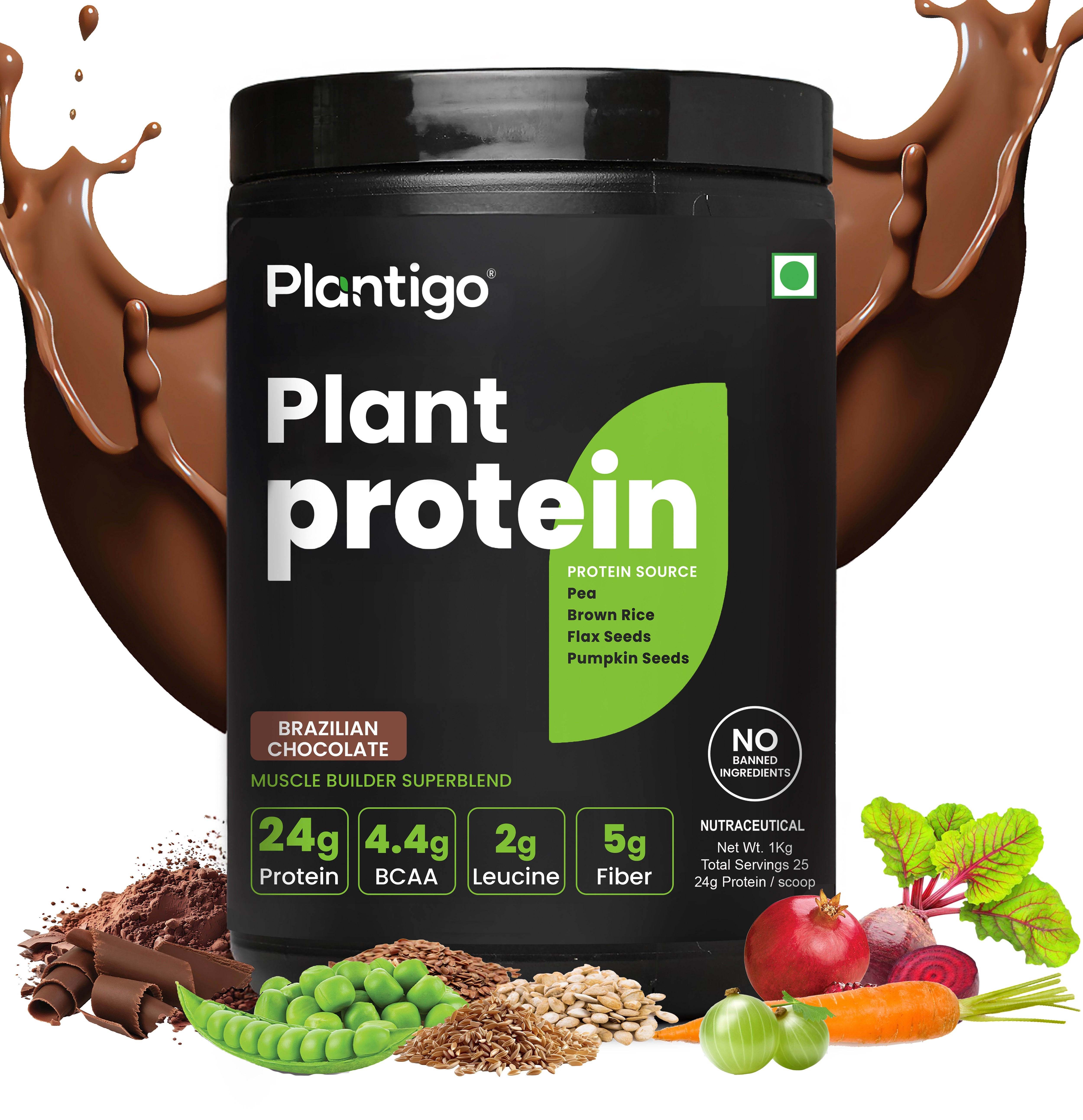
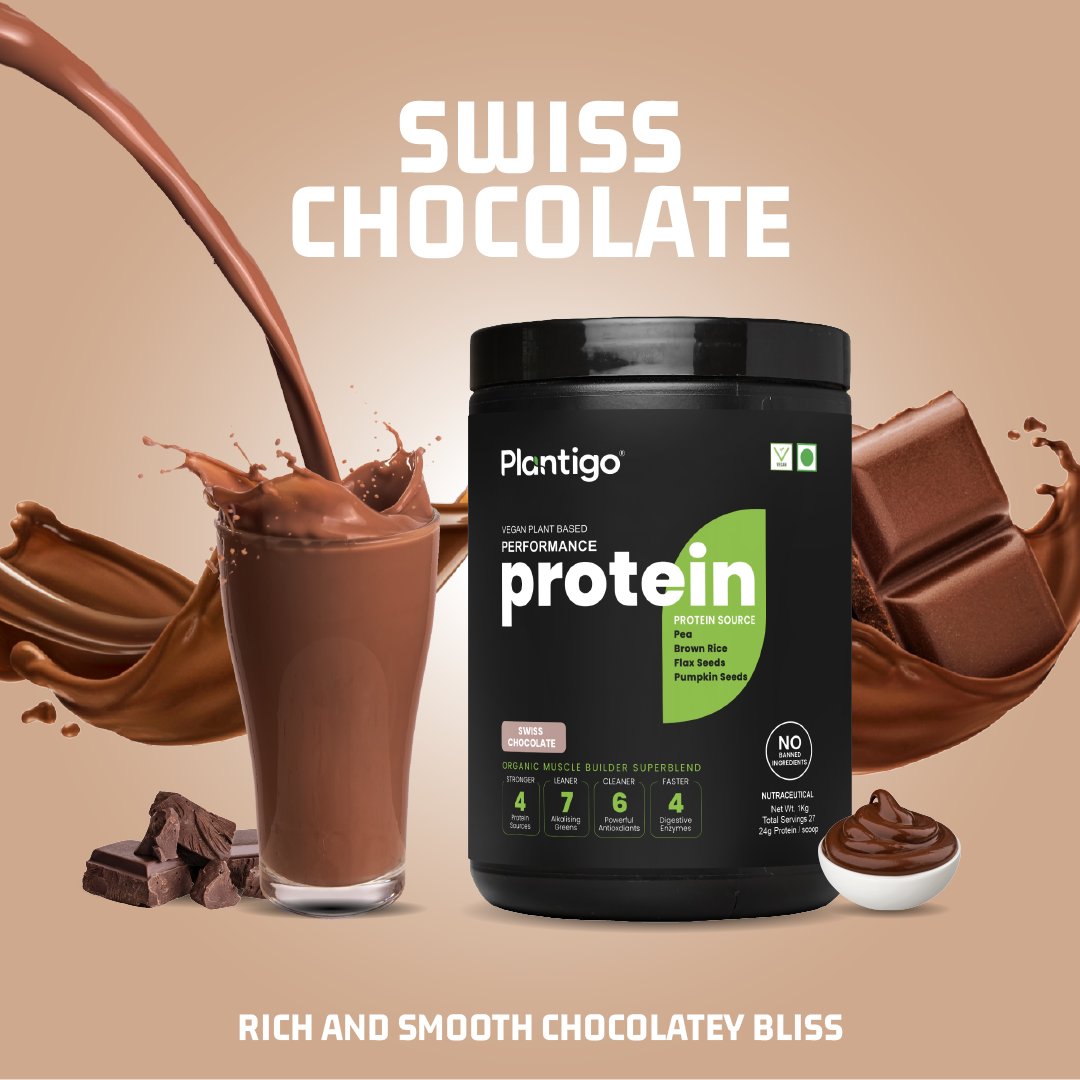
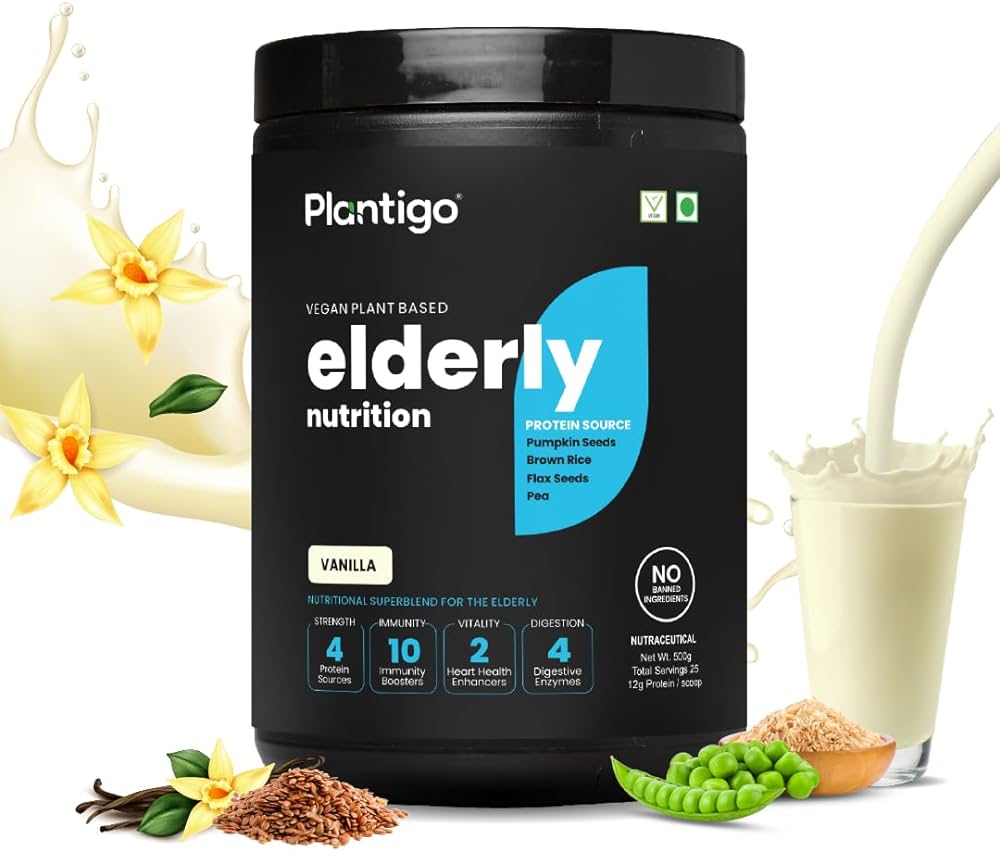
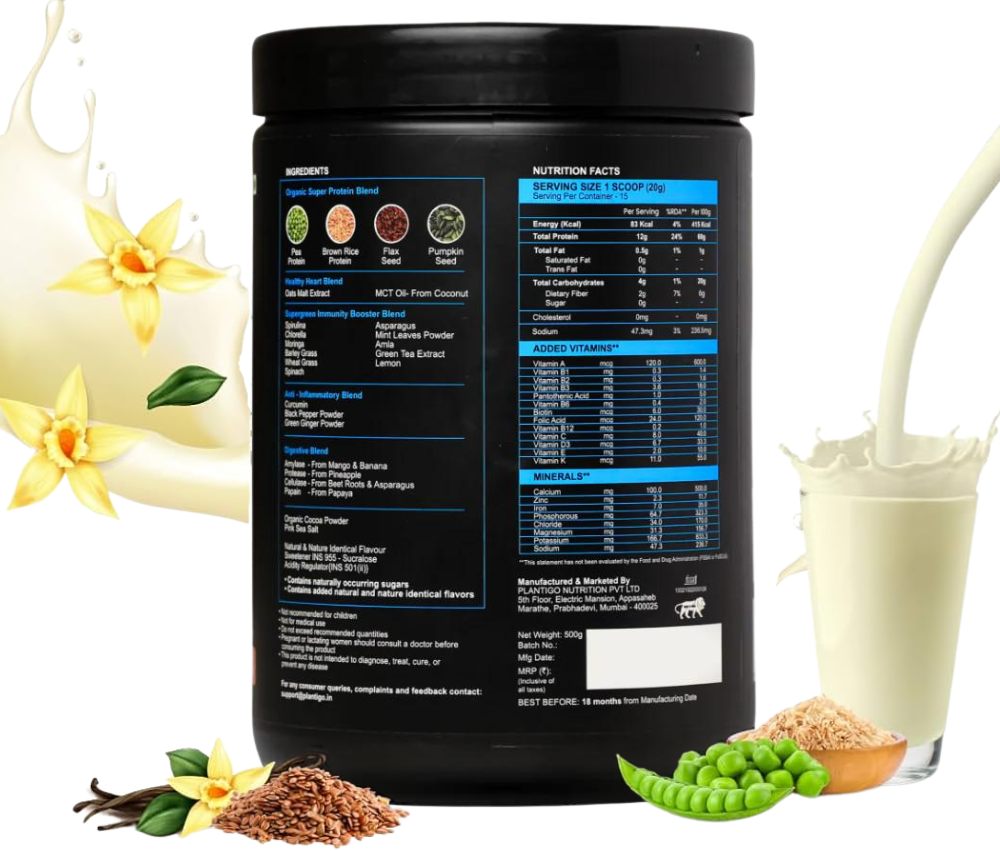
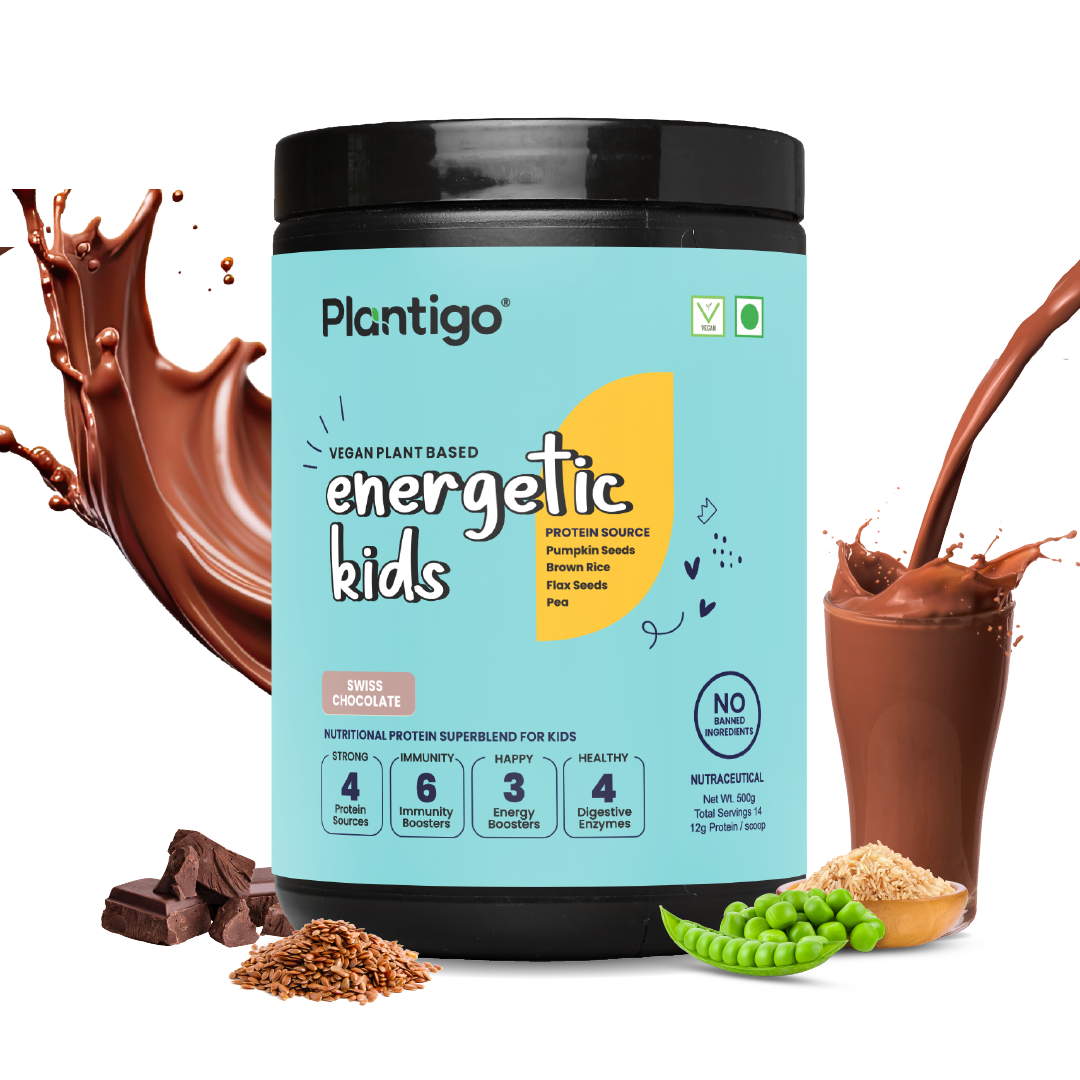
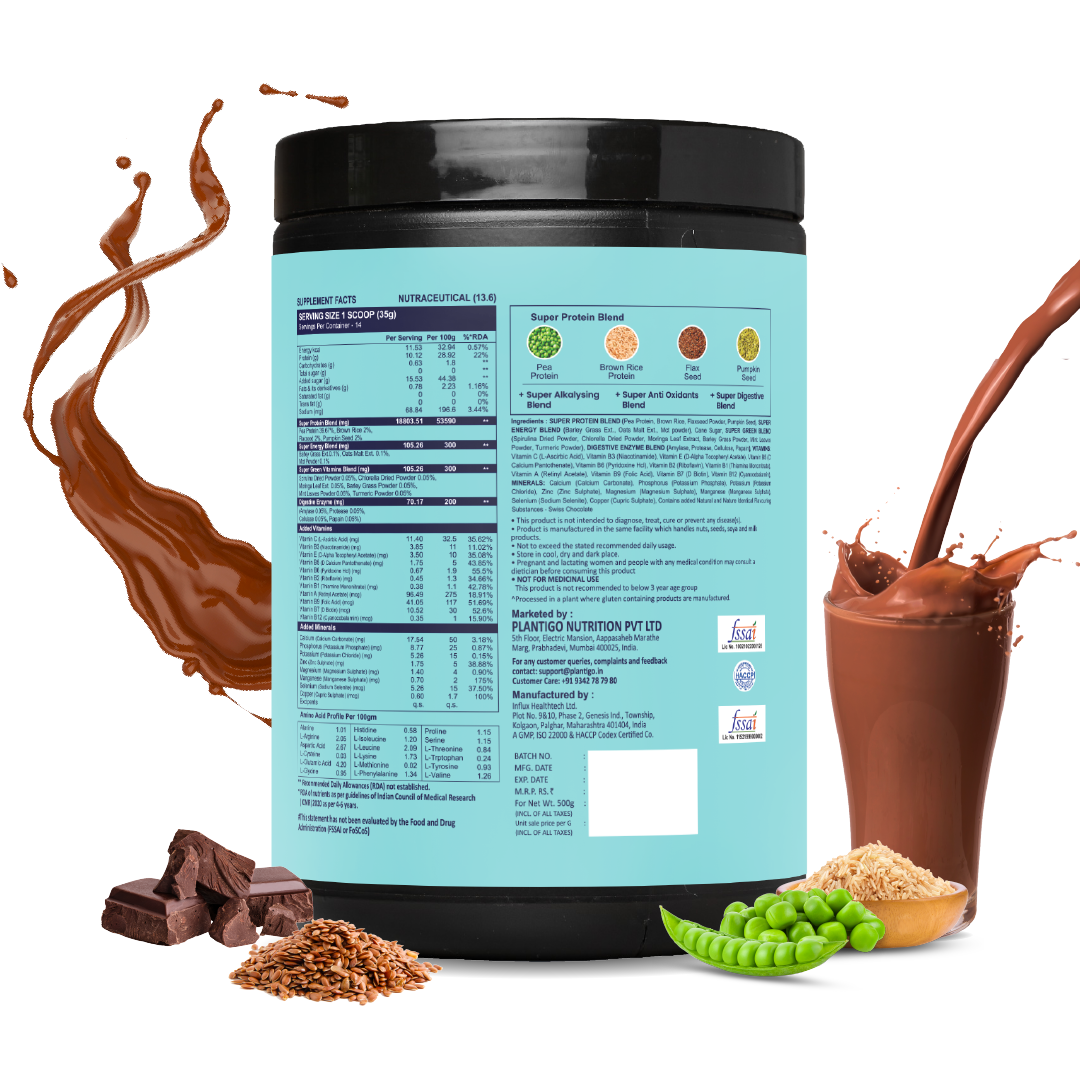
Some people may also complement their meals with convenient options like Plantigo plant protein, especially on busy days when preparing protein-rich foods becomes difficult.
With the wide variety of foods available today, following a high protein vegetarian diet is not only achievable but also enjoyable and deeply nourishing.
Frequently Asked Questions
1. Can vegetarians get enough protein?
Yes. With foods like lentils, chickpeas, paneer, nuts, seeds, and dairy products, a well-planned high protein vegetarian diet can easily meet daily protein requirements.
2. Which dal contains the most protein?
Urad dal and chana dal are among the highest, providing roughly 24–25 grams of protein per 100 grams.
3. Is sattu a good protein source?
Yes. Sattu contains around 20 grams of protein per 100 grams, making it a valuable ingredient in vegetarian diets.
4. What are quick vegetarian protein snacks?
Roasted chana, peanuts, yogurt, almonds, and seeds are convenient snacks that support a high protein vegetarian diet.
5. Do vegetarians need protein supplements?
Most people can meet their needs through food alone. Supplements are sometimes used when dietary intake is insufficient.