
What if one of the most misunderstood vegetables on your plate is actually supporting your metabolism?
Beetroot has long carried a reputation problem. Its deep red color suggests sugar. Its natural sweetness raises eyebrows. And if you are mindful of blood sugar levels, you may have hesitated before adding it to your plate.
But here’s the twist: the beetroot glycemic index is not the villain most people imagine.
When eaten as part of a balanced meal — especially alongside fiber and plant protein sources like lentils or beans — its effect on glucose is far more controlled than the number alone suggests.
Once you understand how glycemic index works and how beetroot behaves inside the body, you may start seeing this humble root vegetable very differently.
What Is the Beetroot Glycemic Index and Why Does It Matter?
The beetroot glycemic index refers to how quickly beetroot raises blood sugar levels compared to pure glucose (which has a GI of 100).
Raw beetroot typically has a glycemic index ranging between 60–65, which technically falls in the moderate category. That number alone, however, does not tell the full story.
Here’s what most people miss:
-
Glycemic index measures speed, not total impact.
-
Glycemic load considers portion size and carbohydrate quantity.
-
Fiber, polyphenols, and plant compounds alter glucose response.
Scientific evidence supports this broader perspective. A study found that beetroot juice rich in betalains was associated with a significantly lower early-phase glycemic and insulin response compared to a control beverage, suggesting that beetroot’s bioactive compounds may positively influence post-meal blood sugar dynamics.
When we look at the beetroot glycemic index in isolation, we ignore the fact that beetroot is naturally rich in fiber, nitrates, antioxidants, and phytonutrients that slow digestion and improve metabolic efficiency.
And this is where things start getting interesting.
1. Fiber Balances Blood Sugar
Despite its moderate beetroot glycemic index, beetroot contains soluble and insoluble fiber that slows carbohydrate absorption.
Fiber forms a gel-like matrix in the gut, reducing how quickly glucose enters the bloodstream. This is similar to how other high fiber foods in India such as lentils, chickpeas, and millets help regulate blood sugar levels.
When eaten whole rather than juiced, beetroot behaves differently from simple carbohydrates.
Here’s the key distinction:
-
Beetroot juice → faster glucose spike.
-
Whole beetroot → moderated glucose response.
Fiber changes the story.
And once fiber enters the conversation, the beetroot glycemic index becomes far less alarming.
2. Nitrates Improve Insulin Sensitivity
Beetroot is rich in natural nitrates that convert into nitric oxide inside the body. Nitric oxide improves blood flow and enhances insulin signaling.
Improved circulation means glucose is transported efficiently to muscle cells rather than lingering in the bloodstream.
Studies show that dietary nitrates may improve endothelial function and insulin sensitivity. This means that even though the beetroot glycemic index is moderate, its metabolic impact may actually support glucose regulation.
This is one reason athletes often consume beetroot as a natural pre workout option. Better blood flow equals better oxygen delivery and improved performance.
And better insulin sensitivity equals better glucose management.
3. Antioxidants Reduce Glucose Spikes
Beetroot contains betalains, powerful antioxidants responsible for its deep crimson color.
Oxidative stress is closely linked with insulin resistance. Diets rich in antioxidant-containing plant foods may help improve metabolic flexibility.
When we re-evaluate the beetroot glycemic index within this context, we realize something important:
-
It is not just about sugar content.
-
It is about metabolic resilience.
Compare that to refined carbs with similar GI values but zero antioxidants, zero fiber, and zero micronutrients.
The comparison is not even close.
4. Glycemic Load of Beetroot Is Low
Here is the overlooked fact that changes everything:
Although the beetroot glycemic index is moderate, the glycemic load of beetroot is low because it contains relatively small amounts of digestible carbohydrates per serving.
A typical serving of 100 grams of beetroot contains about 8–10 grams of carbohydrates.
This means the actual blood sugar impact of normal portions is modest.
It is similar to how some alkaline fruits may have natural sugars but do not significantly disrupt glucose balance when eaten in controlled portions.
So while the beetroot glycemic index number might initially look concerning, the glycemic load tells a more reassuring story.
5. Sustained Energy Without Spikes
Beetroot is often included in endurance nutrition plans because of its ability to enhance stamina.
Athletes sometimes pair beetroot with plant protein sources to improve recovery and performance. In balanced meals, beetroot combined with plant protein slows carbohydrate digestion even further.
For example:
-
Beetroot + lentils
-
Beetroot + chickpea salad
-
Beetroot + a smoothie containing pea protein powder

The protein component reduces the overall glycemic response of the meal.
This is why the beetroot glycemic index should always be evaluated in the context of a complete meal, not as a standalone number.
Balanced macronutrients change glucose behavior.
6. Supports Weight Goals Naturally
Here is where things get even more fascinating.
Beetroot can be included in a 10 kg weight gain diet chart as a natural carbohydrate source because it provides energy along with micronutrients. At the same time, it is low in calories and high in fiber, making it suitable for calorie-controlled plans.
Its natural sweetness satisfies cravings without relying on processed sugar.
When used intelligently:
-
It supports muscle glycogen replenishment.
-
It provides sustained energy.
-
It prevents erratic glucose spikes.
People who track macros using a protein intake calculator often forget to factor in vegetable-based carbohydrate quality. Whole plant foods behave differently from refined carbs.
The beetroot glycemic index alone cannot determine whether it fits your goal. Context does.
How Preparation Changes the Beetroot Glycemic Index
Cooking methods influence glycemic response.
-
Raw beetroot → slower digestion.
-
Lightly steamed → moderate response.
-
Juiced and strained → faster absorption.
Removing fiber increases the effective glycemic impact.
This is similar to how processing affects plant based protein powder versus whole plant protein sources. The more refined the food, the quicker it is absorbed.
So if blood sugar stability is your goal, keep the fiber intact.
Beetroot Compared to Other Plant Foods
Let’s place the beetroot glycemic index into perspective.
Many high fiber foods in India such as brown rice, chapati, and even certain millets have moderate glycemic index values. Yet they are dietary staples.
The difference lies in:
-
Fiber content
-
Micronutrient density
-
Antioxidant capacity
-
Portion size
Beetroot also contains potassium, folate, and phytonutrients that contribute to overall metabolic health.
And if you compare it to refined white bread with a similar GI value, beetroot offers significantly more nutritional value.
The comparison is not just about numbers.
It is about nutrient density.
The Role of Pairing: The Smart Plant-Based Strategy
One of the most effective strategies to neutralize concerns about the beetroot glycemic index is food pairing.
Combine beetroot with:
-
Nuts and seeds like moringa seeds
-
Leafy greens
-
Legumes
-
Fermented foods
This improves satiety and reduces rapid glucose spikes.
Pairing beetroot with a source of plant protein or healthy fats transforms its metabolic effect.
And this is the secret many glycemic index charts fail to explain.
Does Beetroot Cause Blood Sugar Spikes?
In healthy individuals, whole beetroot eaten in moderate portions rarely causes dramatic blood sugar spikes.

For individuals with diabetes or insulin resistance, portion control and pairing are important. Monitoring response using a glucometer provides personalized insight.
But again, the beetroot glycemic index is not inherently dangerous.
What matters more:
-
Total carbohydrate intake
-
Meal composition
-
Physical activity levels
-
Overall dietary pattern
-
Beetroot in isolation is rarely the problem.
The Bigger Picture: Plant Foods and Metabolic Health
Plant-based diets consistently show improved markers of metabolic health.
Plant protein sources, fiber-rich vegetables, seeds, legumes, and whole grains contribute to insulin sensitivity and stable glucose levels.
Beetroot fits naturally within this pattern.
-
Its nitrates support circulation.
-
Its fiber supports gut health.
-
Its antioxidants reduce inflammation.
-
Its natural carbohydrates provide clean energy.
And when evaluated properly, the beetroot glycemic index becomes just one small metric in a much larger nutritional framework.
Final Thoughts: Should You Fear Beetroot?
The short answer: no.
The beetroot glycemic index may be moderate, but its glycemic load is low and its nutrient density is high — and that changes the narrative completely.
Beetroot supports:
-
Healthy circulation
-
Exercise performance
-
Antioxidant protection
-
Digestive health
-
Steady energy release
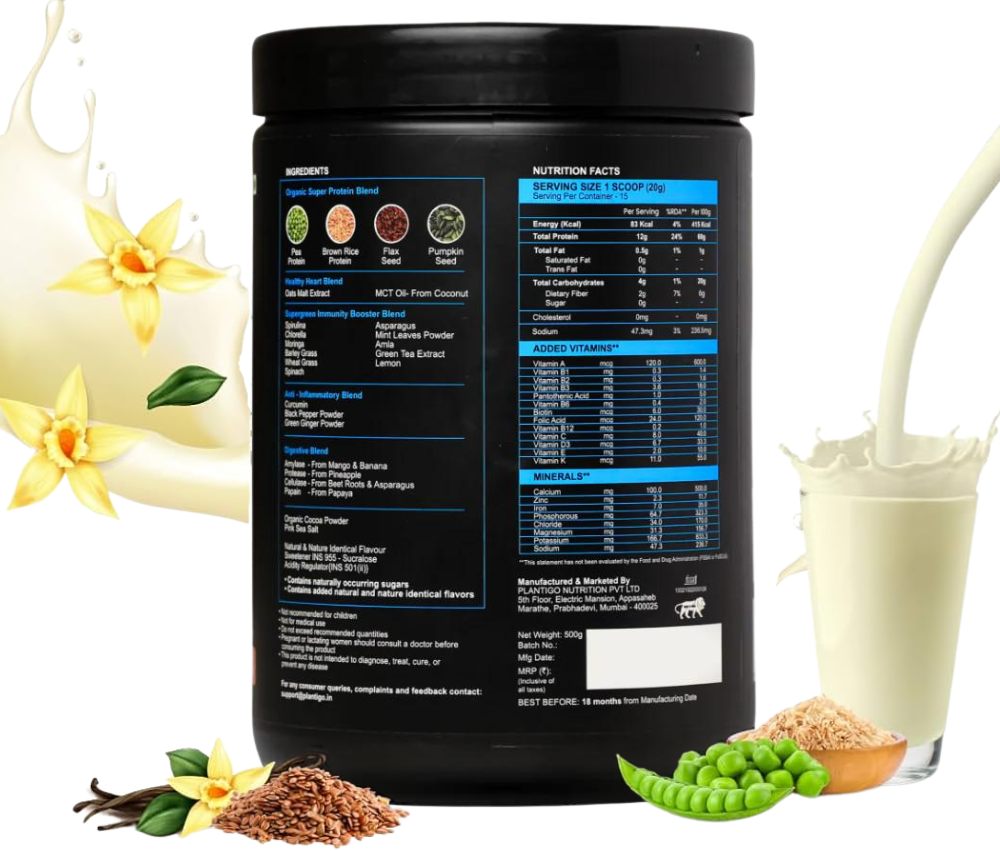
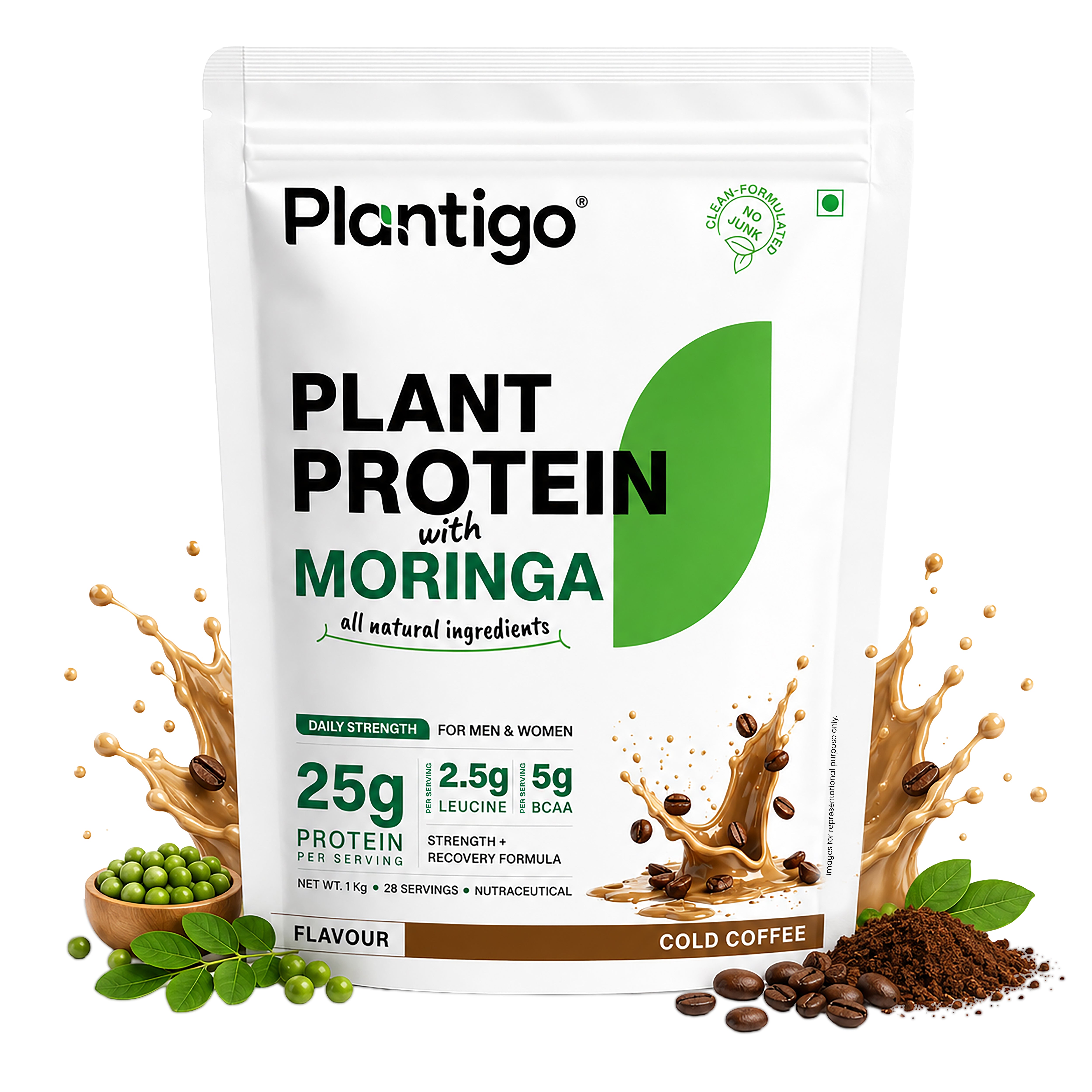
When eaten whole and paired with protein, it becomes even more blood-sugar friendly. Combining beetroot with lentils, beans, or even a clean option like Plantigo plant protein helps slow glucose absorption and improve satiety.
The real takeaway? Glycemic index numbers do not act alone. Fiber, antioxidants, meal composition, and portion size all matter.
So the next time you see beetroot on your plate, remember — context matters more than numbers.
And the story of the beetroot glycemic index is far more reassuring than it first appears.
FAQs
1. Is the beetroot glycemic index high?
The beetroot glycemic index is considered moderate (around 60–65). However, its glycemic load is low due to its small carbohydrate content per serving, meaning it typically does not cause major blood sugar spikes when eaten whole.
2. Can people with diabetes eat beetroot?
Yes, people with diabetes can eat beetroot in moderate portions. Pairing it with fiber or plant protein helps reduce the overall glucose response. Monitoring individual response is recommended.
3. Does beetroot cause blood sugar spikes?
Whole beetroot rarely causes dramatic blood sugar spikes in healthy individuals. The beetroot glycemic index alone does not determine blood sugar impact — portion size and meal composition matter more.
4. Is beetroot good for weight loss?
Yes, beetroot can support weight goals. It is low in calories, rich in fiber, and provides sustained energy, making it suitable for balanced weight loss or maintenance plans.
5. How can I lower the blood sugar impact of beetroot?
To reduce the glucose response, eat beetroot whole instead of juiced and pair it with plant protein, healthy fats, or high-fiber foods. This slows digestion and stabilizes blood sugar levels.