
Class 2 preservatives are synthetic chemicals used to extend the shelf life of food products by preventing the growth of bacteria, molds, and yeasts. Common examples include sodium benzoate, sorbic acid, and sulfur dioxide, which are frequently found in processed foods like soft drinks, jams, and sauces. While their usage helps maintain the freshness of foods for longer periods, the health implications of long-term exposure to these preservatives remain a subject of ongoing research.

1. What Are Class 2 Preservatives?
Class 2 preservatives are artificial compounds added to food to inhibit microbial growth and spoilage. Examples include sodium benzoate, commonly used in acidic foods and beverages, and sulfur dioxide, which helps preserve the color and texture of dried fruits. These preservatives are effective in maintaining food quality, but their health impacts, particularly with prolonged consumption, have raised concerns. For instance, sodium benzoate has been linked to potential allergic reactions and can cause inflammation in sensitive individuals.
2. Effects on Food Quality
The use of class 2 preservatives not only extends the shelf life of food products but can also impact their nutritional value. For example, sulfur dioxide used in dried fruits preserves their appearance but depletes essential vitamins such as B1 (thiamine). Over-reliance on preserved and processed foods may contribute to nutritional deficiencies, such as protein deficiency, especially in individuals whose diets are heavily dependent on convenience foods. Introducing Plant Based vegan protein powder for Muscle gain into the diet can help replenish lost nutrients, ensuring proper protein intake despite the potential nutrient depletion caused by preservatives.
3. Health Risks of Class 2 Preservatives
There is growing evidence that excessive consumption of foods containing class 2 preservatives can have adverse health effects. Some studies have shown that sorbic acid, a common preservative in baked goods and cheese, can cause allergic reactions in sensitive individuals, leading to skin rashes and digestive issues. Similarly, sodium benzoate can form benzene when combined with ascorbic acid (vitamin C), which is a known carcinogen. These risks are particularly concerning when preservatives are consumed in large quantities over long periods.
For those looking to avoid preservatives, choosing more natural, minimally processed foods, such as natural protein powder, offers a healthier alternative. This way, essential nutrients like protein can be maintained without exposing the body to artificial additives.
4. Natural Protein Sources as a Safer Alternative
The potential health risks associated with class 2 preservatives have led many individuals to seek healthier, natural alternatives. When selecting a protein supplement, it’s essential to choose one free from thickeners, fillers, or artificial ingredients. Many products contain unnecessary additives, which can compromise nutritional value.

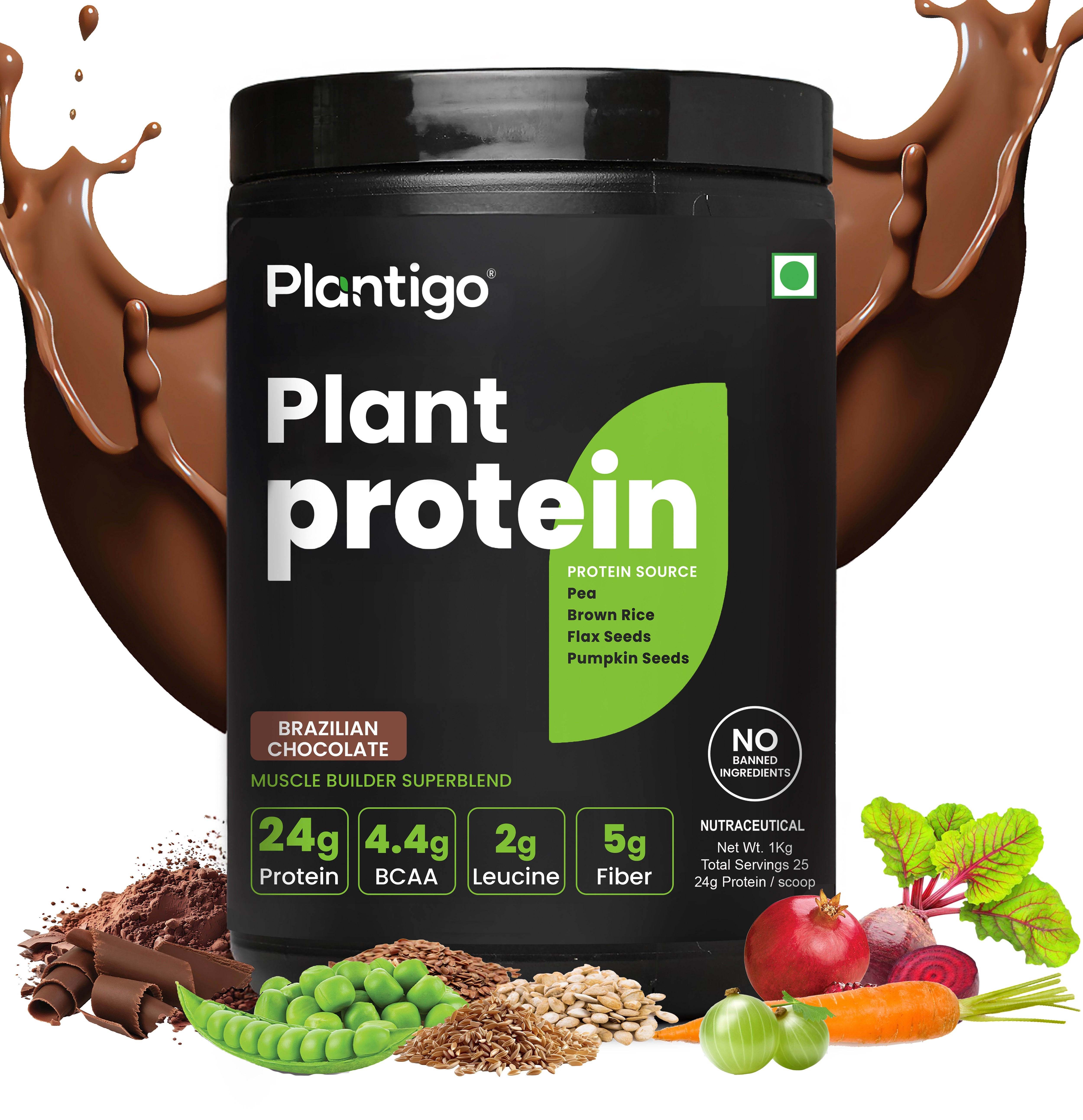
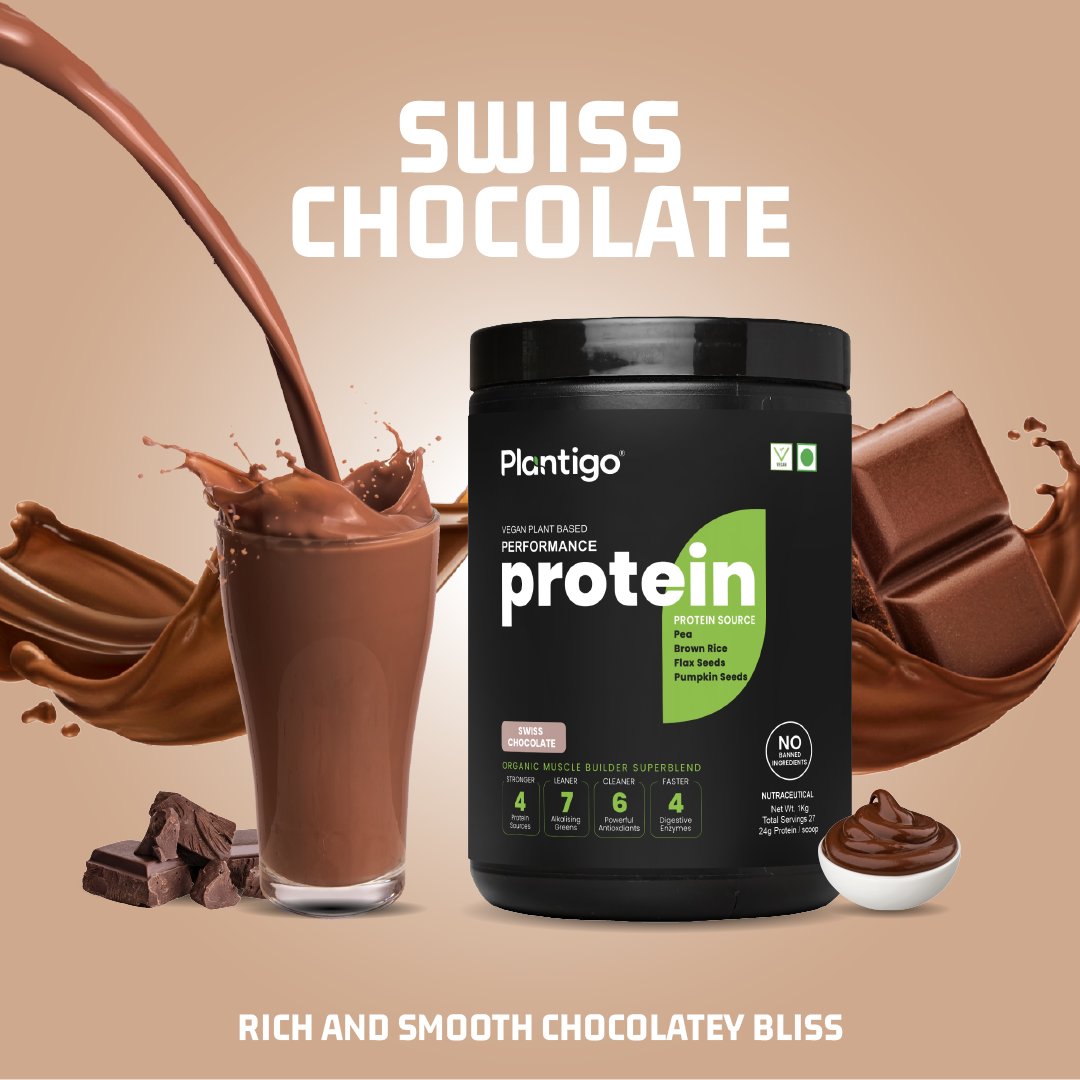
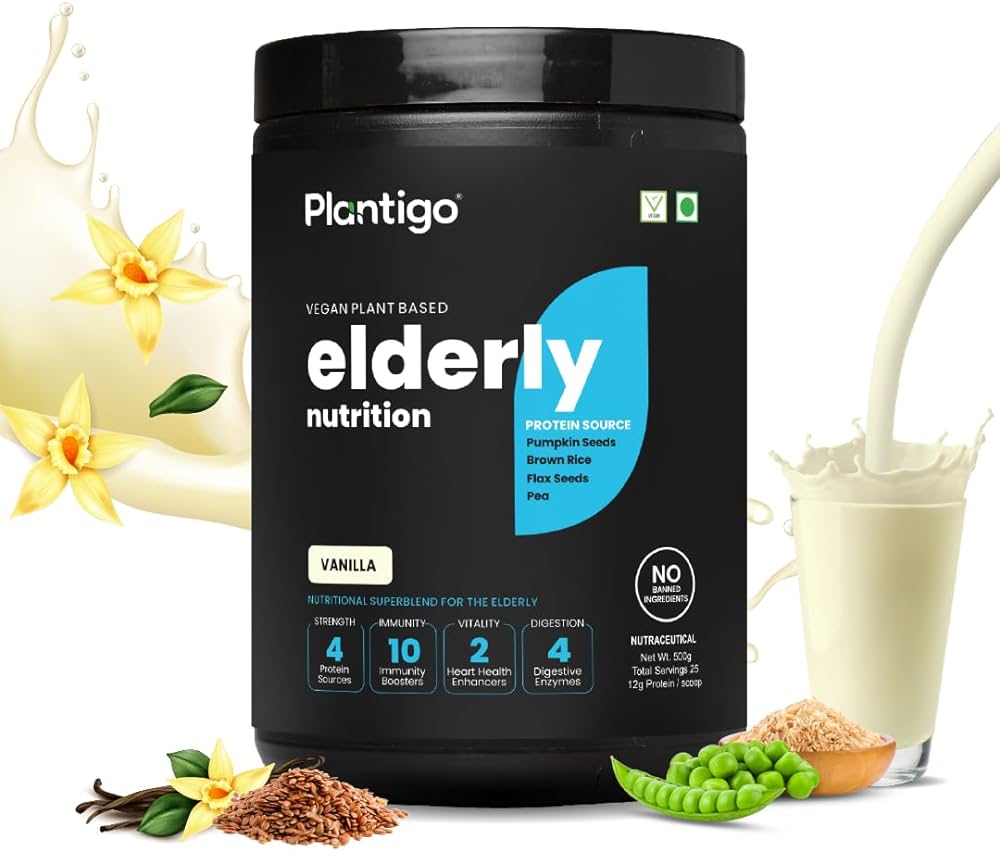
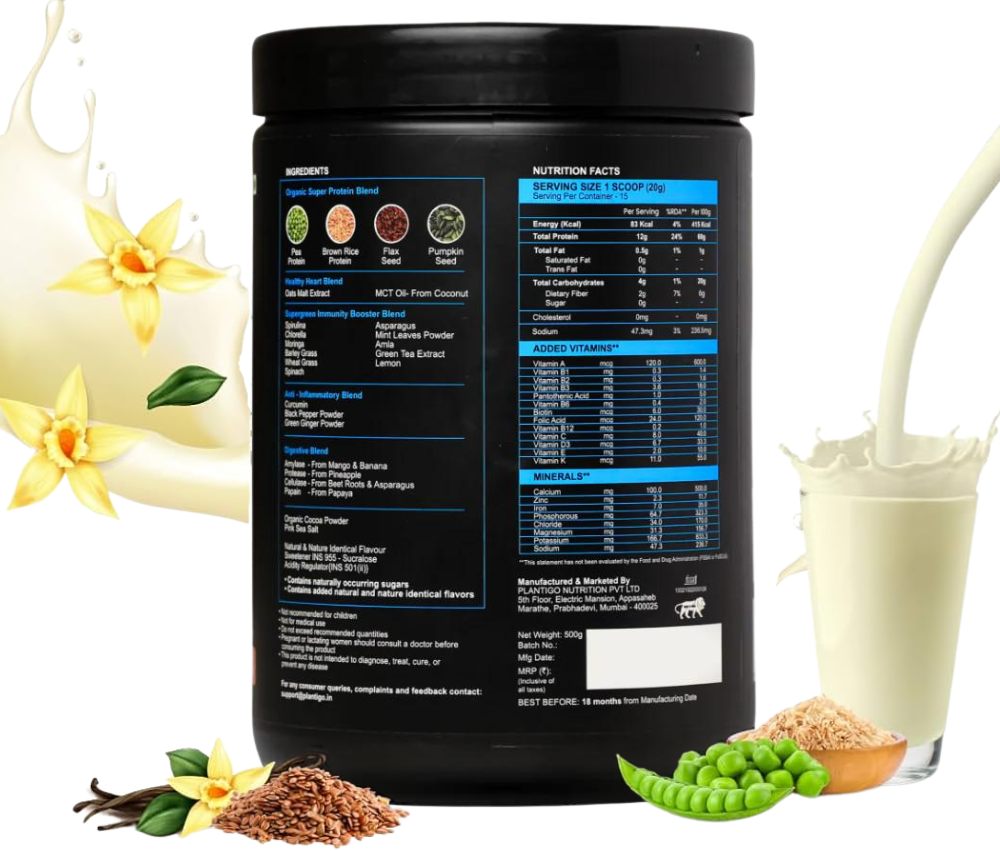
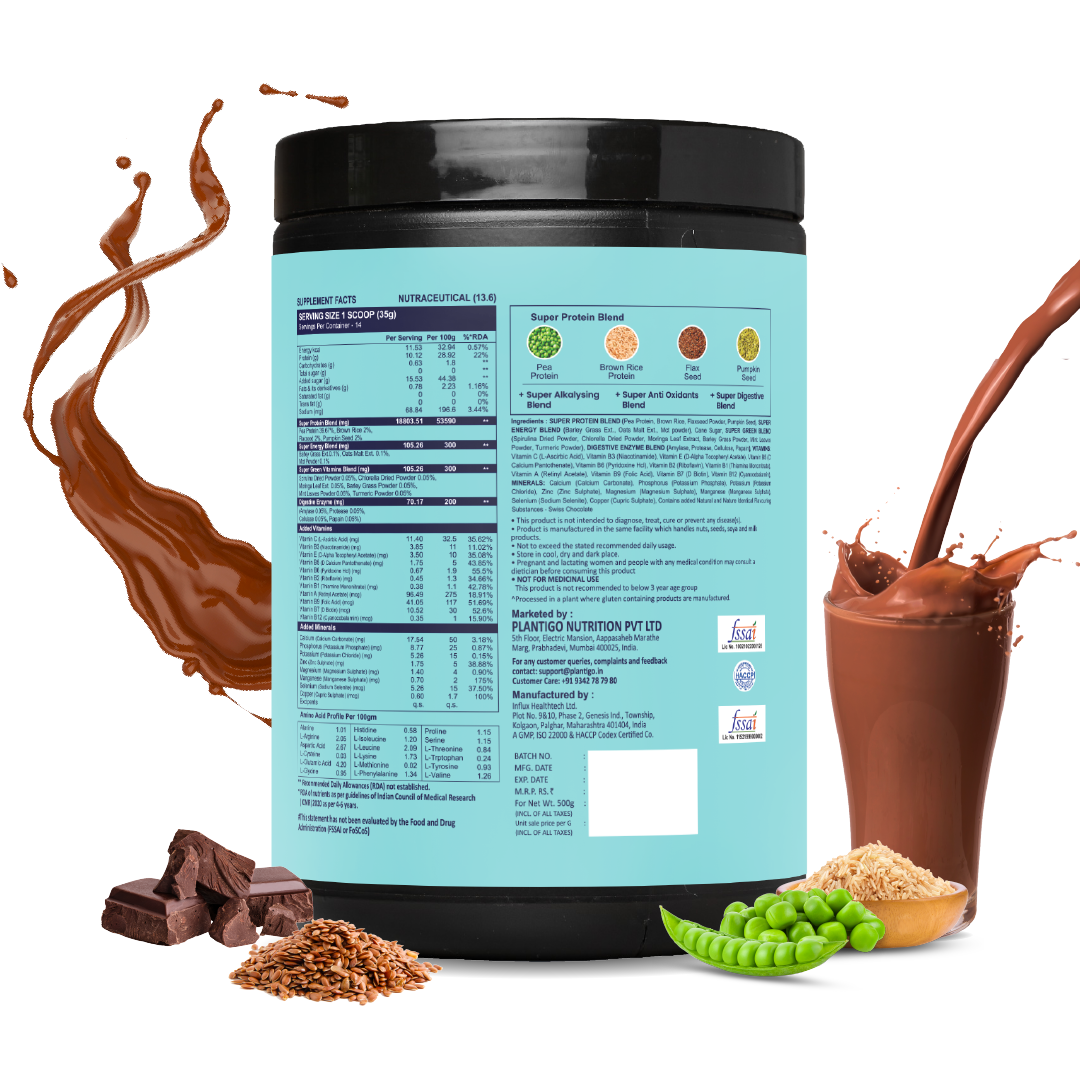
Plantigo plant protein contains zero Class 2 preservatives — no sodium benzoate, no sorbic acid, no sulfur dioxide. Made from pea protein and brown rice protein, it delivers a complete amino acid profile for muscle repair and growth without artificial additives. Plant-based proteins are also easier to digest, supporting gut health and minimising the impact of synthetic chemicals on your system. Check the label.
5. Regulatory Concerns and Public Health
The use of class 2 preservatives is regulated by food safety authorities including FSSAI in India, the FDA in the US and the EFSA in Europe. These agencies set limits on the amount of preservatives allowed in food products to minimize health risks. However, public concern over long-term exposure to these chemicals remains significant. Consumers are increasingly seeking products free from synthetic additives, leading to a rise in demand for preservative-free or naturally preserved foods.
Incorporating natural, minimally processed products, such as natural protein powder, into one’s diet can help reduce exposure to potentially harmful preservatives. For athletes and health-conscious individuals, protein supplementation without synthetic additives can enhance health outcomes while ensuring optimal nutrition.
Conclusion
Class 2 preservatives play a critical role in preventing food spoilage, but their potential health risks should not be ignored. From nutrient depletion to allergic reactions and carcinogenic compounds, the overconsumption of heavily preserved foods may lead to long-term health concerns.
The smarter choice is reading labels carefully and choosing products with clean, minimal ingredients. Plantigo plant protein is completely free from Class 2 preservatives — providing complete amino acids from pea and brown rice protein with nothing artificial added.
FAQs
Q1: Is class 2 preservative safe?
Safe within regulated limits but long term excessive consumption has been linked to allergic reactions, nutrient depletion and potential benzene formation when sodium benzoate combines with vitamin C.
Q2: What is the difference between Class I and Class II preservatives?
Class 1 are natural — salt, sugar, vinegar. Class 2 are synthetic compounds like sodium benzoate, sorbic acid and sulfur dioxide. Class 1 are generally safer for long term consumption.
Q3: Are class 2 preservatives regulated?
Yes — FSSAI in India, FDA in the US and EFSA in Europe all set maximum permitted levels. Products must declare preservatives on labels using E numbers.
Q4: What is food preservation class 2?
Using synthetic chemical additives to prevent microbial growth. Common examples include sodium benzoate in soft drinks, sorbic acid in baked goods and sulfur dioxide in dried fruits.
Q5: Is class 2 preservatives harmful to humans?
In small regulated quantities generally safe. Long term high consumption is linked to allergic reactions, gut disruption and potential carcinogenic risk. Choosing preservative-free foods reduces exposure significantly.