
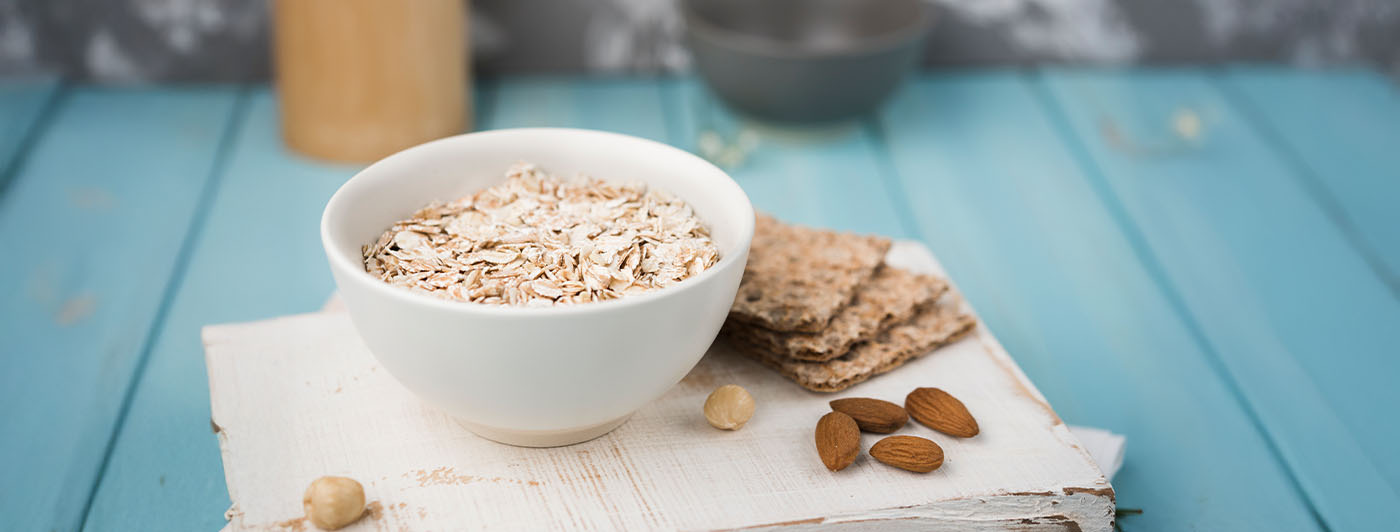
50 gm oats protein provides approximately 8–8.5 grams of protein per serving.
Oats are one of the highest-protein grains and also contain essential amino acids, fiber (beta-glucan), and slow-digesting carbohydrates.
When prepared correctly (soaked or cooked at low heat), oats support sustained energy, muscle maintenance, and better blood sugar control.
Key Takeaways
-
50 gm oats protein delivers approximately 8.5g of complete protein per serving
-
Oats contain all essential amino acids — rare for a grain-based food
-
Preparation method directly affects protein bioavailability and glycemic response
-
Oats pair powerfully with other protein sources to build a complete morning nutrition stack
-
The beta-glucan fiber in oats creates unique metabolic benefits beyond basic nutrition
-
Consistency over 3–4 weeks produces measurable changes in energy, satiety, and body composition
Introduction
For a grain that most Indians eat daily, oats are dramatically underrated as a protein source — delivering more per serving than brown rice, wheat upma, or cornflakes, with a more complete amino acid profile than any of them.
But protein quantity is only half the story. How you prepare oats determines whether you absorb 40% or 90% of that nutritional value from the same 50g serving.
This guide covers the complete nutritional breakdown, the preparation method that maximises protein absorption, and the best combinations to build a high-protein Indian breakfast around oats—where pairing them with complementary plant protein sources can further enhance both total protein intake and amino acid balance.
What Is 50 Gm Oats Protein?
A standard 50g serving of rolled oats contains:
-
Protein: 8.5g
-
Carbohydrates: 27g
-
Fiber: 5g
-
Fat: 3.5g
-
Calories: ~190
The protein quality matters as much as quantity. 50 gm oats protein contains meaningful amounts of lysine, threonine, and tryptophan — amino acids typically deficient in grain-based foods.
This makes oats significantly more valuable as a protein source than most people realise.
How much protein is in 50 gm oats?
A 50 gm serving of oats contains approximately 8–8.5 grams of protein.
This makes oats one of the highest-protein grains and a strong plant-based option for daily nutrition.
Understanding the Protein Composition
Oats don't just deliver protein — they deliver it in a form your body uses efficiently.
The primary protein in oats is avenin — accounting for 80% of total oat protein. Unlike gluten in wheat, avenin has a broader amino acid spread that more closely resembles a complete protein profile.
Key amino acids in 50 gm oats protein:
-
Lysine — supports collagen production and calcium absorption
-
Threonine — critical for immune function and gut lining integrity
-
Tryptophan — precursor to serotonin, supporting mood and sleep
-
Leucine — the primary trigger for muscle protein synthesis
One serving covers meaningful ground across all four. That's rare for a grain.
Protein Quality and Digestibility
Not all protein is absorbed equally. Oats score well on digestibility — but preparation determines the final outcome.
Raw oats contain phytic acid, which binds to protein and minerals, reducing absorption. Soaking breaks this down.
Digestibility improves with:
-
Overnight soaking — activates phytase, breaks down phytic acid
-
Adding acid — yoghurt or lemon juice during soaking accelerates breakdown
-
Lower cooking temperature — preserves heat-sensitive amino acids
-
Combining with vitamin C — significantly improves iron absorption
Bottom line: soaked oats deliver meaningfully more nutrition than instantly cooked oats from the same 50g serving.
50 Gm Oats Protein: Top 7 Health Benefits
Top benefits of 50 gm oats protein:
-
Provides 8–8.5g protein for muscle maintenance
-
Supports sustained energy for 3–4 hours
-
Helps regulate blood sugar levels
-
Reduces hunger and cravings
-
Supports gut health and digestion
-
Helps lower cholesterol
-
Improves metabolism and satiety
1. Sustained Energy Without a Crash
The beta-glucan fiber in oats forms a viscous gel in the digestive tract, slowing glucose absorption and producing sustained energy for 3–4 hours.
The 50 gm oats protein amplifies this further — protein slows gastric emptying independently of fiber, creating two simultaneous mechanisms moderating energy release.
Benefits:
-
No mid-morning energy crash
-
Reduced brain fog after breakfast
-
Stable focus for 3–4 hours post-consumption
Oats consistently outperform almost every breakfast alternative at the same caloric load.
2. Muscle Support and Repair
8.5g of protein at breakfast is a meaningful contribution — particularly in a semi-fasted morning state when muscle protein synthesis is primed.
The leucine content (~0.6g per serving) directly triggers muscle protein synthesis. Combined with lysine and threonine, oats provide a solid amino acid foundation for recovery.
Benefits:
-
Triggers muscle protein synthesis via leucine
-
Supports overnight muscle repair
-
Contributes meaningfully to daily protein targets
For anyone tracking targets, a protein intake calculator often reveals most people are consuming 20–30% less protein than their body actually requires.
3. Blood Sugar Regulation
Beta-glucan has been validated in multiple clinical studies [1] for reducing post-meal blood glucose response.
Compared to the glycemic index of wheat — sitting at 70+ for refined products — rolled oats score approximately 55, and steel-cut oats as low as 42.
Benefits:
-
Lower, flatter blood sugar curve after eating
-
Reduced insulin secretion
-
Improved insulin receptor sensitivity over time
For anyone managing insulin resistance or stubborn belly fat — this benefit alone justifies daily oat consumption.
4. Cholesterol Reduction
Beta-glucan binds to bile acids in the digestive tract, a mechanism supported by clinical research [2] on LDL cholesterol reduction. The liver compensates by pulling LDL cholesterol from the bloodstream to produce more bile — measurably reducing circulating LDL.
Benefits:
-
Clinically proven LDL reduction
-
FDA-approved heart health claim
-
50g delivers the 3g beta-glucan threshold shown to produce results
One of the few whole foods with a formal FDA heart health designation based on clinical evidence.
5. Weight Management and Satiety
50 gm oats protein creates satiety through three simultaneous mechanisms — making it one of the most effective appetite-control breakfast foods available.
Benefits:
-
Beta-glucan expands in stomach, triggering stretch receptors
-
Protein stimulates peptide YY and GLP-1 — satiety hormones
-
Slow glucose release prevents mid-morning hunger and cravings
Most people report staying full for 3–4 hours after a 50g oat serving — without caloric excess.
6. Gut Health and Microbiome Support
The prebiotic beta-glucan in oats selectively feeds Lactobacillus and Bifidobacterium — the bacterial strains most associated with reduced inflammation and better nutrient absorption.
Benefits:
-
Improves protein bioavailability with consistent use
-
Reduces systemic gut inflammation
-
Supports skin clarity, mood stability, and immune resilience
A healthier gut microbiome makes every gram of 50 gm oats protein work harder over time.
7. Bone and Immune Support
Beyond protein and fiber, oats deliver a meaningful micronutrient stack.
A 50g serving provides:
-
Zinc: ~2mg — immune function, wound healing, sebum regulation
-
Magnesium: ~56mg — energy production, muscle function, protein synthesis
-
Iron: ~2mg — oxygen transport, energy metabolism
For plant-based eaters, oats are one of the most accessible zinc rich foods for vegetarians — a critical consideration since zinc from plant sources absorbs less efficiently than from animal sources.
How to Prepare Oats for Maximum Protein Absorption
This is where most people leave significant nutrition on the table.
Raw oats contain phytic acid — an antinutrient that binds protein and minerals, reducing absorption meaningfully. Your preparation method determines the actual nutritional return from your 50g serving.
Best preparation methods ranked:
-
Overnight soaking (best) — activates phytase, maximises bioavailability
-
Soaking with acid (excellent) — yoghurt or lemon juice accelerates phytic acid breakdown
-
Low-temperature cooking (good) — preserves heat-sensitive amino acids
-
Instant cooking (least effective) — fastest but lowest bioavailability
Absorption tip: Add guava nutritional value to your morning oat bowl — guava delivers 228mg of vitamin C per 100g, one of the most powerful iron-absorption enhancers available from whole food.
One small change in preparation. Meaningfully more nutrition from the same 50g.
Best Protein Combinations With Oats
50 gm oats protein at 8.5g is a strong foundation. Combining with complementary sources creates a far more complete nutritional profile.
Top combinations:
-
Greek yoghurt — adds 10–12g casein protein, extends satiety window
-
Eggs — adds 12g complete protein, improves fat-soluble vitamin absorption
-
Hemp seeds — adds 3g complete protein plus omega-3s
-
Banana — protein in 2 bananas sits at approximately 2.6g combined, plus potassium for electrolyte support
-
Berries — high protein fruits like guava add vitamin C and meaningful micronutrients

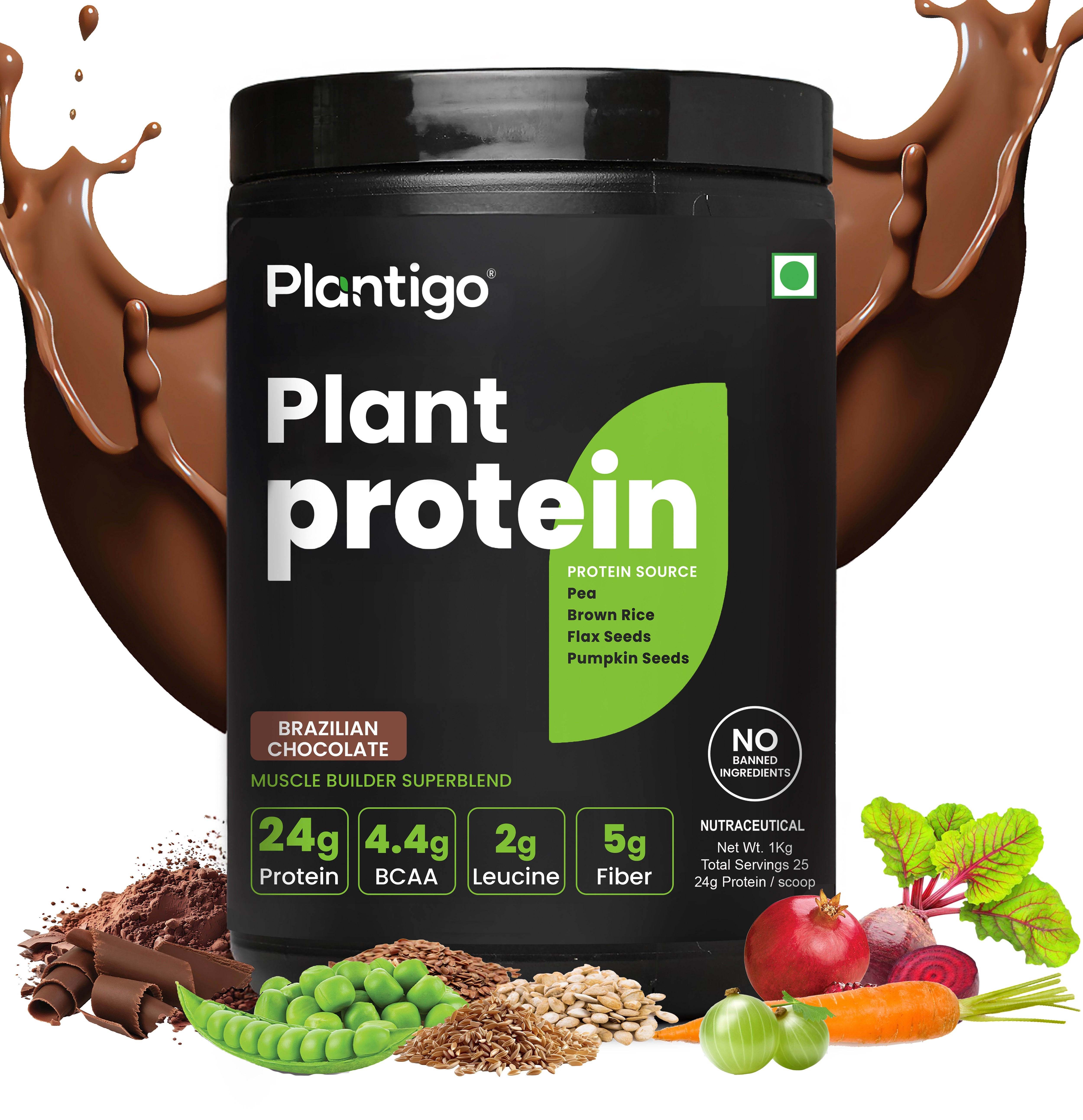
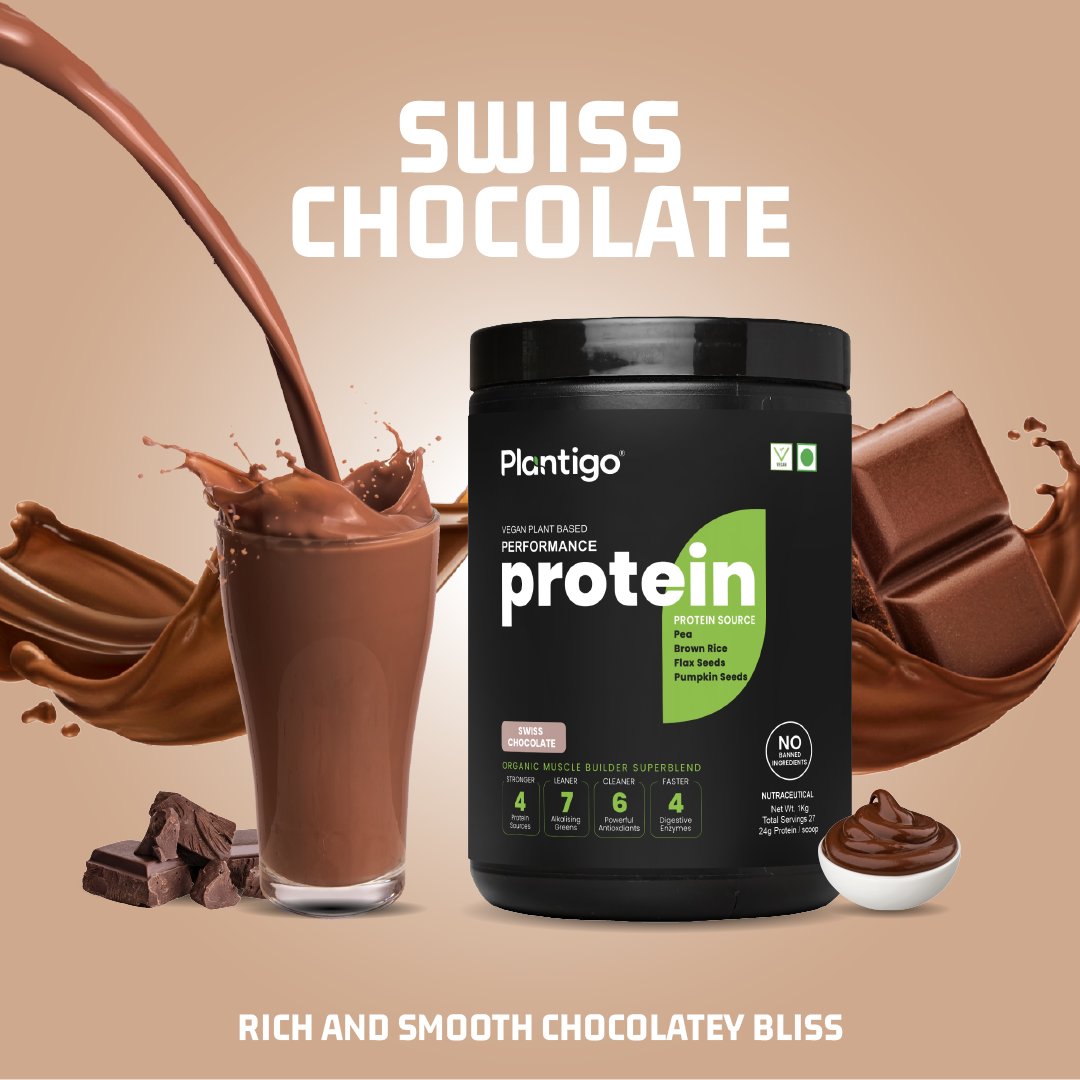
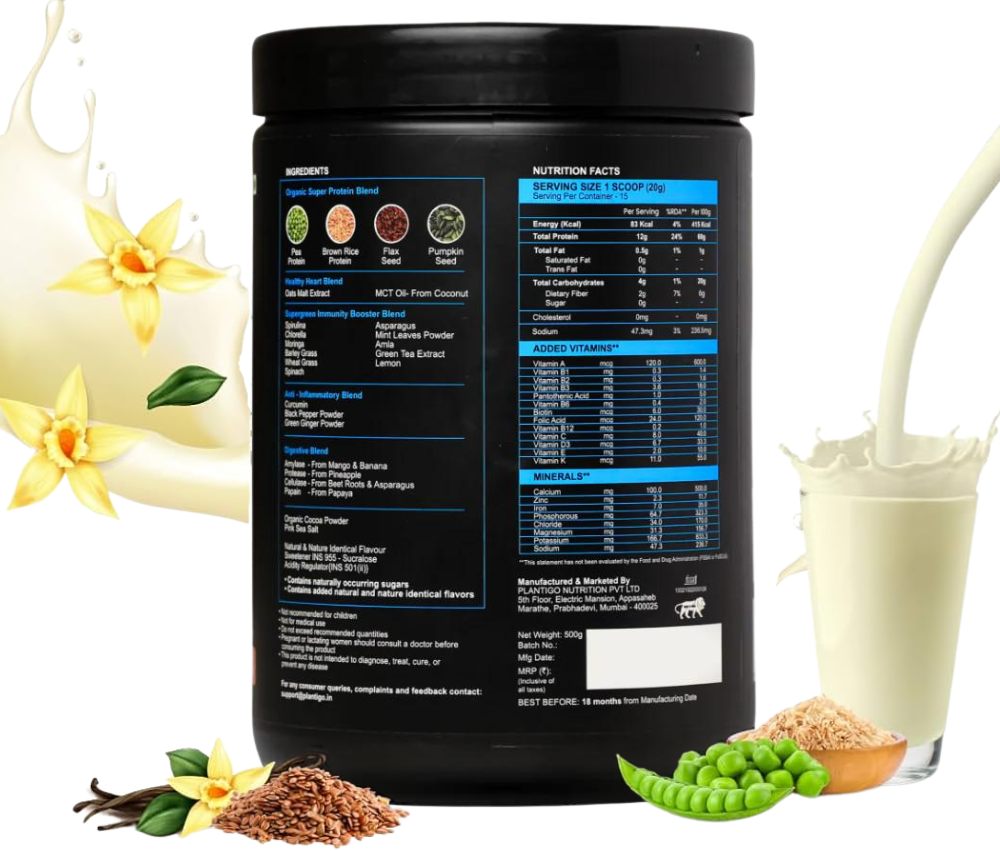
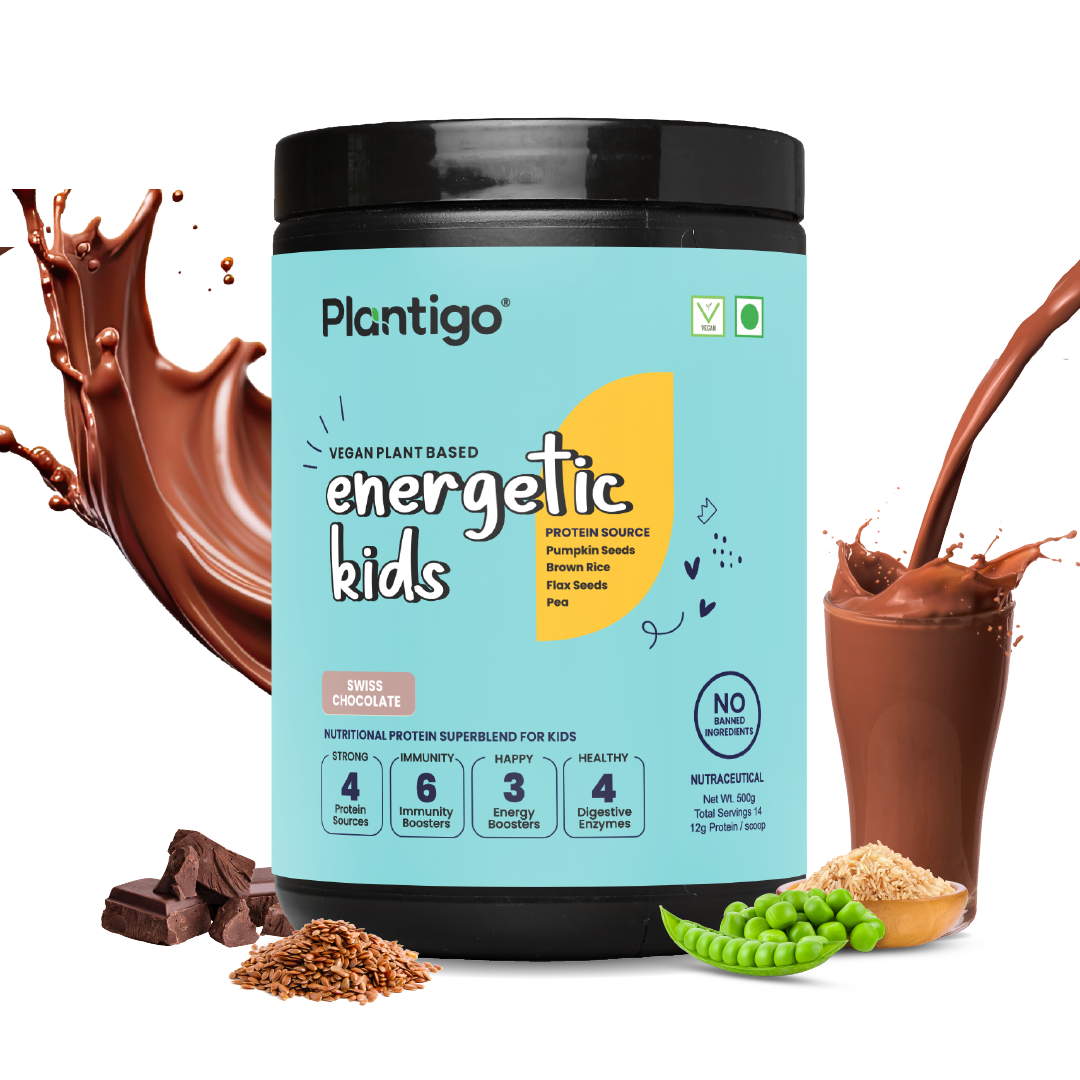
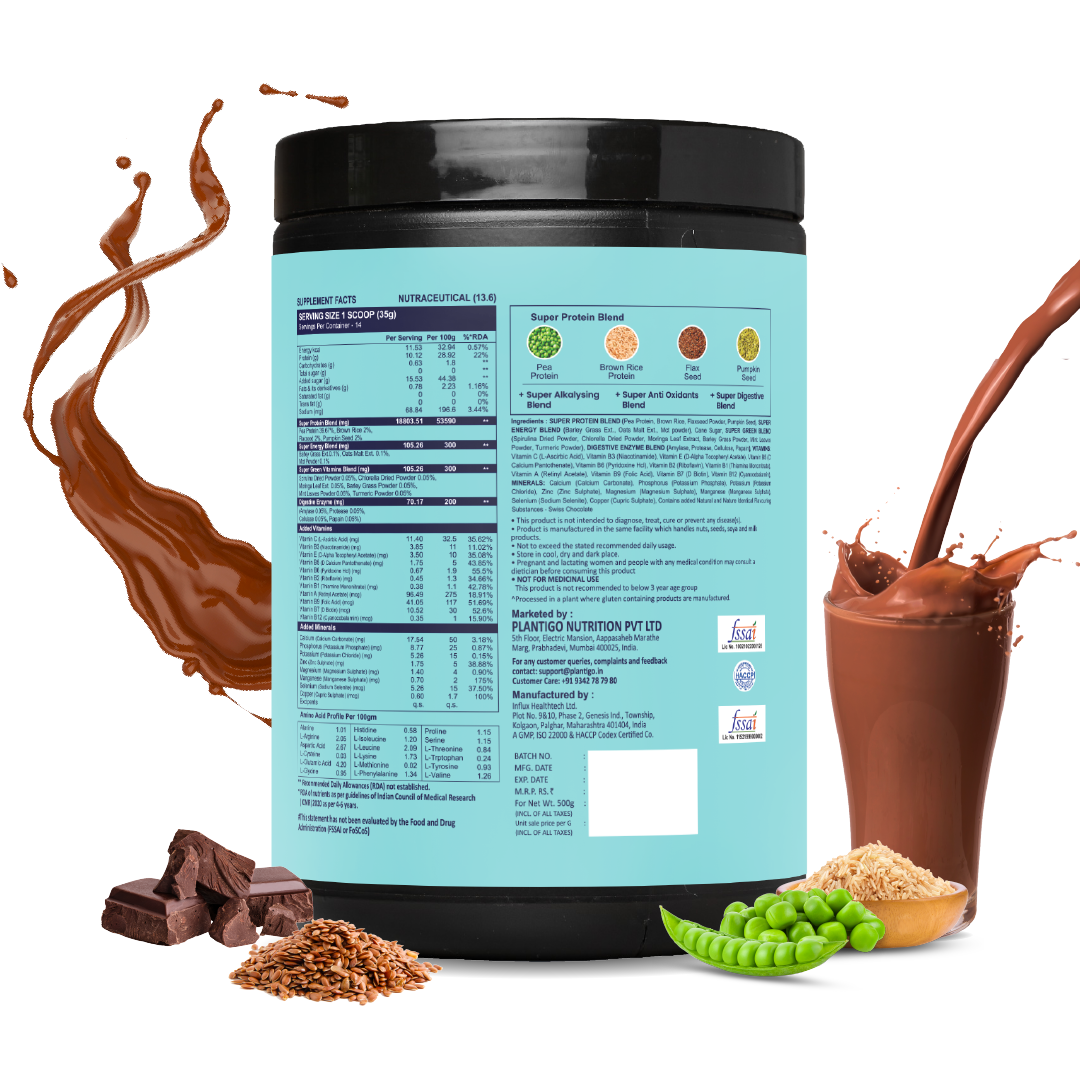
For plant-based eaters, adding a scoop of Plantigo plant based protein powder to overnight oats efficiently pushes total breakfast protein toward 20–25g — supporting muscle maintenance without significantly increasing caloric load.
Oats for Different Health Goals
50 gm oats protein serves different goals depending on preparation and combination.
Fat loss:
-
Overnight oats + berries + chia seeds
-
Low GI, high fiber, appetite-suppressing
-
Muscle gain:
-
Oats + Greek yoghurt + banana + hemp seeds
-
25–30g protein, calorie-dense for building phases
Add high calorie vegetables like sweet potato or corn for additional caloric density in savory oat bowls
Blood sugar management:
-
Steel-cut oats soaked overnight + cinnamon + nuts
-
Lowest GI preparation, maximum beta-glucan intact
General health:
-
Rolled oats + mixed seeds + fruit + nut butter
-
Simple, balanced, sustainable daily habit
Plant Protein Strategy With Oats
Oats fit naturally into a broader plant protein strategy — a foundation that complements other plant sources effectively across the day.
A complete plant-based protein day built around oats:

-
Breakfast: 50 gm oats protein (8.5g) + hemp seeds + yoghurt
-
Lunch: Moong dal — moong dal protein per 100g delivers approximately 24g dry weight
-
Dinner: Mixed grain and legume bowl
Each source covers amino acids the others lack. Oats and legumes are particularly complementary — oats are rich in the amino acids legumes lack, and vice versa.
Quick Comparison: Oats vs Other Common Breakfast Proteins
|
Food (50g serving) |
Protein (g) |
Fiber (g) |
GI |
Key Benefit |
|
Rolled Oats |
8.5 |
5 |
55 |
Beta-glucan + complete amino acids |
|
White Bread (2 slices) |
5.5 |
1.5 |
70+ |
Convenience only |
|
Brown Rice |
3.5 |
1.5 |
50 |
Lower GI than white rice |
|
Quinoa |
7 |
2.5 |
53 |
Complete protein |
|
Cornflakes |
3.5 |
0.5 |
81 |
Fast energy only |
|
Wheat Upma |
5 |
2 |
67 |
Familiar taste |
The 50 gm oats protein advantage is clear across every metric that matters for sustained energy and body composition.
Your Daily Oat Routine
Rotating preparation keeps the routine sustainable and covers different micronutrient profiles across the week:
-
Mon / Wed / Fri: Overnight oats + Greek yoghurt + berries + hemp seeds
-
Tue / Thu: Warm oats + banana + cinnamon + almond butter
-
Saturday: Savory oats + eggs + spinach + seeds
-
Sunday: Simple oats + mixed fruit — light, gut-reset day
Consistency over 30 days produces results. Perfection is not required.
Conclusion
The story of 50 gm oats protein is not just about 8.5 grams of protein.
It's beta-glucan regulating blood sugar and cholesterol. It's amino acids supporting muscle repair. It's prebiotic fiber feeding your gut microbiome. It's minerals most people are quietly deficient in.
All from a food that costs a fraction of any supplement.
If you're building a plant-based routine around oats, protein stacking is the key. Plantigo plant protein blends seamlessly into overnight oats — adding a complete amino acid profile that complements oats' natural protein content, without unnecessary fillers or artificial ingredients.
Soak them overnight. Combine them strategically. Stay consistent for 30 days.
The results will follow.
Frequently Asked Questions
Q1: How much protein is in 50 gm oats?
50 gm oats protein delivers approximately 8.5g per serving — making oats one of the highest protein grains with a more complete amino acid profile than wheat or rice.
Q2: Is 50g of oats enough for breakfast?
For most adults, yes — when combined with a protein source like yoghurt, eggs, or nuts. Active individuals may benefit from 75–100g with additional protein additions.
Q3: Are oats a complete protein?
Oats are closer to complete than most grains — containing meaningful amounts of all essential amino acids. Combining with dairy, eggs, or legumes creates a fully complete profile.
Q4: What is the best way to prepare oats for maximum protein?
Overnight soaking. It activates phytase, breaks down phytic acid, and measurably increases protein and mineral bioavailability compared to rapid cooking.
Q5: Can oats help with weight loss?
Yes. Beta-glucan fiber, protein, and low GI work together to suppress appetite for 3–4 hours — making oats one of the most effective breakfast foods for calorie management.
References

,%20and%20slow-diges...)