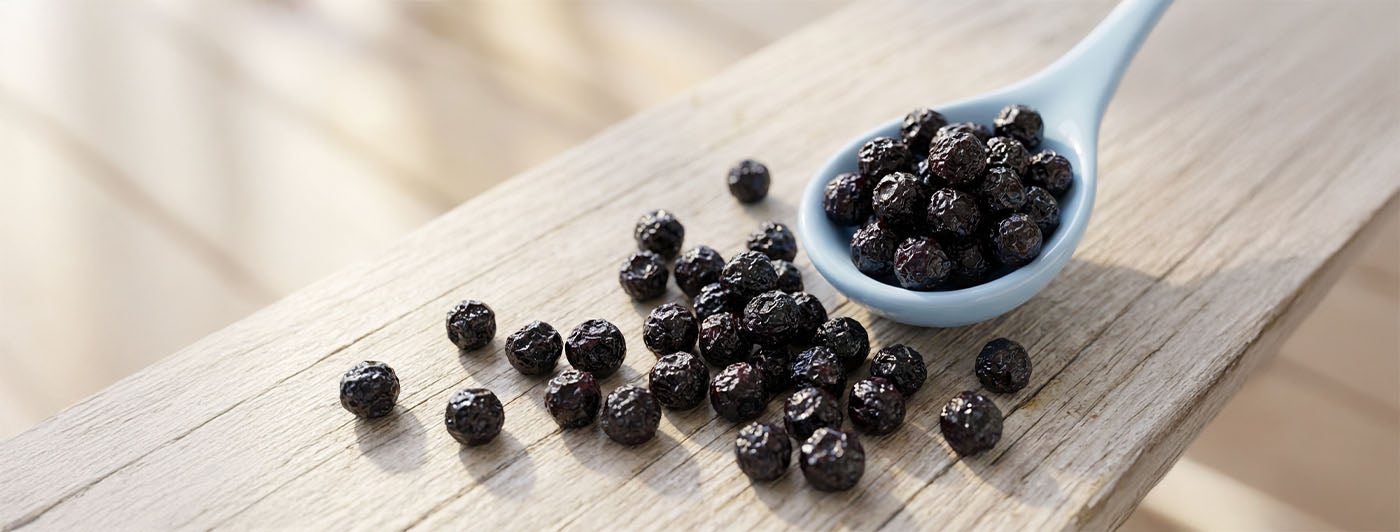
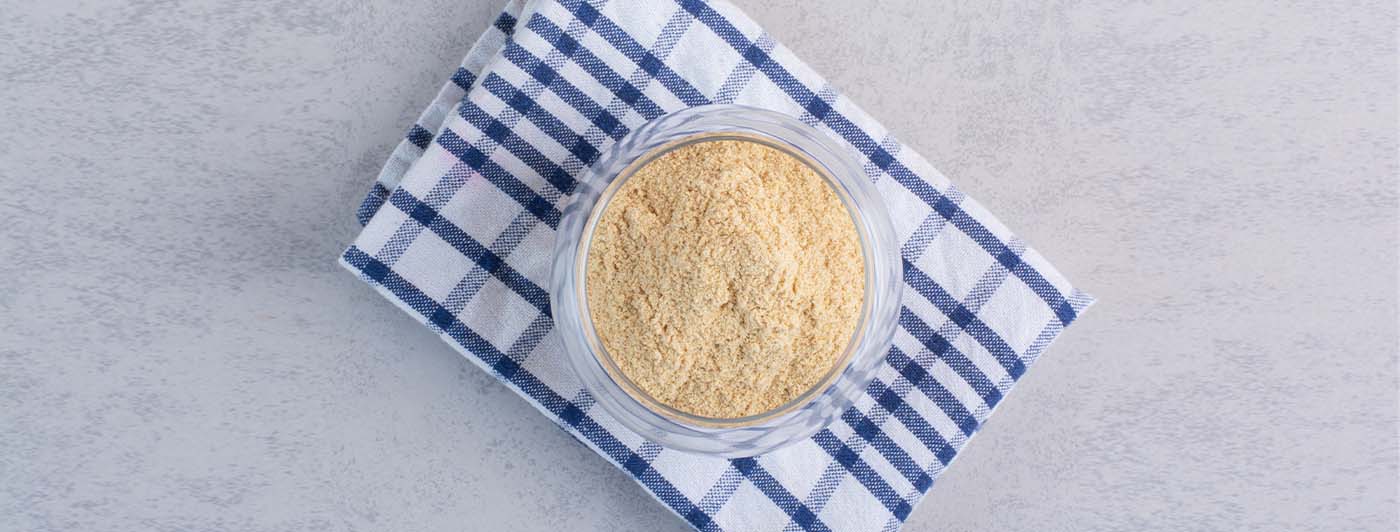
Sattu is roasted Bengal gram ground into flour — one of the oldest protein concentrates in Indian food culture. Farmers and labourers in Bihar and UP have relied on it for centuries for stamina, not because it was trendy, but because it works. Sattu protein per 100g at 20–22g with 80.6% digestibility makes it one of the most bioavailable traditional Indian protein sources — and at ₹3–6 per gram of protein, nothing else comes close for affordability.
1. What Is Sattu Protein per 100g?
Sattu protein per 100g is approximately 20–22g of plant-based protein — confirmed by theICMR-NIN IFCT 2017. Sattu is made by dry-roasting Bengal gram (chana) and grinding it into a fine powder. Roasting is the key step — it reduces antinutritional factors like phytic acid and trypsin inhibitors, improving protein digestibility to 80.6%, per asattu digestibility study (PMC). A 2024 review confirmed that sattu is considered a supplement in rural India due to its high protein content, shelf stability, and easy digestibility, per thesattu gut health review (PMC 2024).
2. Sattu Protein per 100g — Full Nutritional Profile
|
Nutrient |
Sattu (per 100g) |
|
Protein |
20–22g |
|
Carbohydrates |
65g |
|
Fibre |
7–8g |
|
Fat |
6–7g |
|
Calories |
406 kcal |
|
Iron |
9–10mg |
|
Magnesium |
160–170mg |
|
Calcium |
60–70mg |
|
Phosphorus |
350mg |
|
GI |
~40–55 (low-moderate) |
Source: ICMR-NIN IFCT 2017
3. Protein in Sattu by Serving and Preparation
This is the practical number most articles miss. Sattu protein per 100g is the raw figure — here is what you actually get per serving:
|
Preparation |
Sattu Used |
Protein |
Calories |
|
Sattu drink (1 glass) |
30g |
6–6.5g |
122 kcal |
|
Sattu cheela (2 pieces) |
60g |
12–13g |
244 kcal |
|
Sattu porridge (1 bowl) |
50g |
10–11g |
203 kcal |
|
Sattu paratha (1 piece, filling) |
40g |
8–9g |
165 kcal |
|
Sattu laddoo (1 piece) |
25g |
5–5.5g |
102 kcal |
Cheela delivers the most protein per preparation. A sattu drink is the most convenient — 2 minutes, zero cooking. Add 1 scoop Plantigo to the drink to push it to 31g protein.
4. Muscle Benefits of Sattu Protein per 100g
Sattu protein per 100g is light on the stomach and alkaline in nature — making it one of the easiest plant proteins for the body to absorb and utilise for muscle repair. At 80.6% digestibility, more protein reaches the muscles per gram eaten than from most whole legumes.
-
Best used 30–60 minutes before or after training as a sattu drink or cheela
-
Provides sustained energy from complex carbohydrates without a blood sugar crash

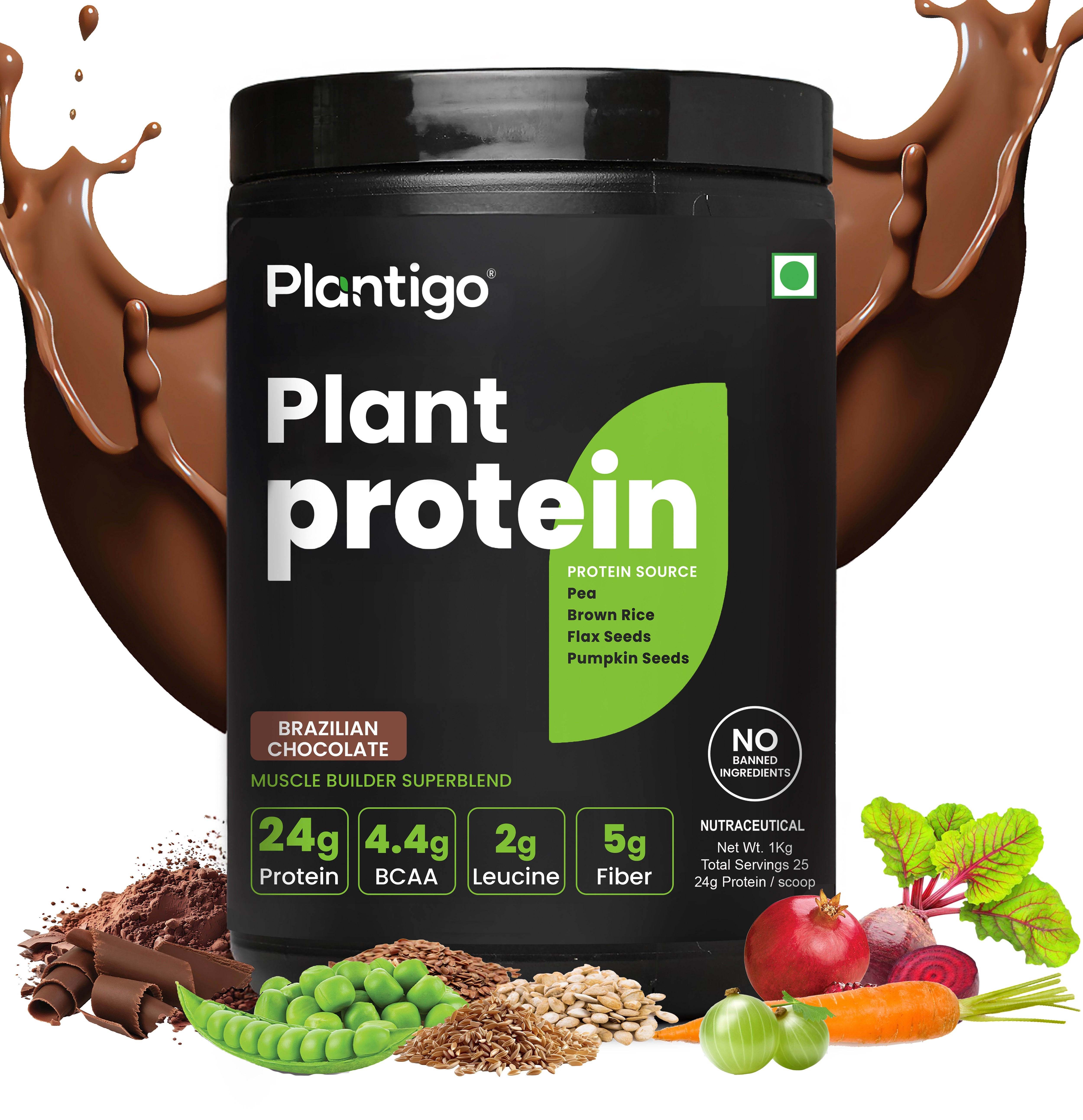
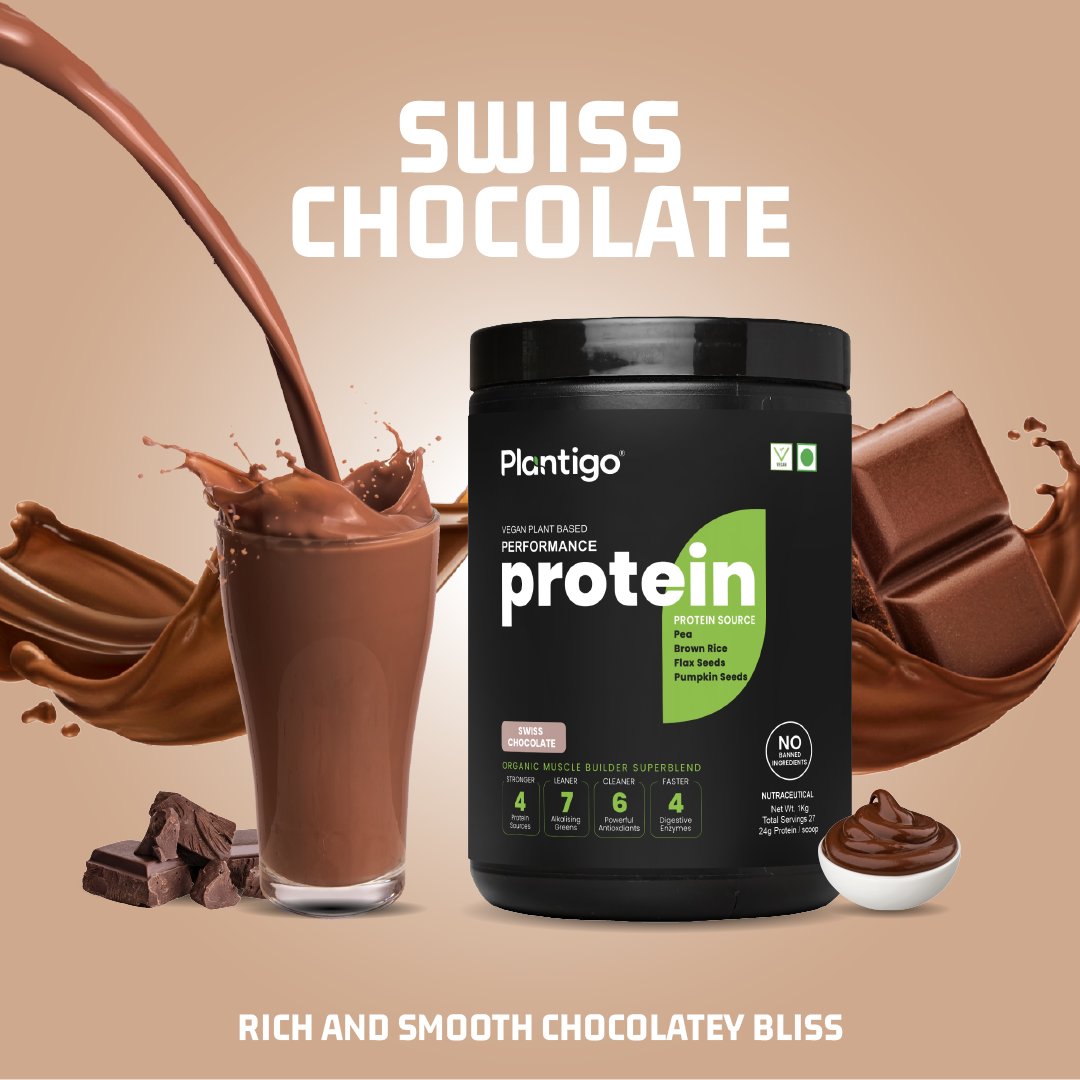
If sattu alone isn't closing your daily protein gap, Plantigo bridges it — a complete pea, rice, pumpkin seed, and flaxseed blend with all 9 essential amino acids, zero Class 2 preservatives, Eurofins-tested, and a 30-day guarantee.View Plantigo Plant-Based Protein
5. Energy and Blood Sugar Benefits
Sattu protein per 100g comes with a low-moderate GI of ~40–55, which means it releases energy gradually rather than spiking blood glucose. The protein and fibre together slow gastric emptying significantly.
-
Suitable for diabetics and obese populations per peer-reviewed research
-
Traditional sattu drink with lemon and black salt has been used for centuries as a summer energy drink for sustained stamina
6. Gut Benefits
The fibre in sattu protein per 100g (7–8g) acts as a prebiotic — feeding beneficial gut bacteria and supporting healthy bowel movements. Compared to heavier legumes like rajma or chole, sattu causes significantly less bloating because roasting reduces the oligosaccharides responsible for gas.
-
Suitable for sensitive stomachs and elderly adults
-
Gentler on digestion than cooked dal at equivalent protein servings
7. Sattu Protein per 100g vs Other Indian Proteins
|
Food |
Protein per 100g |
Cost per gram protein |
Notes |
|
Sattu |
20–22g |
₹3–6/g |
Most affordable, no cooking needed |
|
Roasted chana |
~25g |
₹3–6/g |
Slightly higher — sattu is its ground form |
|
Moong dal (raw) |
24g |
₹5–8/g |
Needs cooking |
|
Rajma (raw) |
22–23g |
₹5–10/g |
Needs soaking and cooking |
|
Paneer |
18–20g |
₹20–35/g |
Higher fat, needs refrigeration |
For how sattu compares to roasted chana — the whole grain form of the same ingredient — read ourroasted chana protein guide. For a full dal ranking, see ourdal protein per 100g guide.
8. Key Nutrients Beyond Protein
Sattu protein per 100g also delivers:
-
Iron: 9–10mg — one of the highest among Indian plant foods, covering 55–65% of a woman's daily 15mg requirement
-
Magnesium: 160–170mg — supports blood sugar regulation, muscle function, and nerve transmission
-
Phosphorus: 350mg — bone health and energy metabolism
-
Fibre: 7–8g — prebiotic, gut-friendly, weight management support
Pair sattu with lemon juice before consuming — Vitamin C boosts non-haem iron absorption significantly.
9. Weight Loss Support
Sattu protein per 100g creates satiety at only 122 kcal per 30g serving — one of the lowest calorie-to-protein ratios of any Indian food. Protein and fibre together slow digestion, reduce hunger cravings, and prevent overeating between meals.
-
A morning sattu drink keeps hunger controlled until lunch more effectively than poha or upma at equivalent calories
-
Replacing a packaged snack with 30g sattu saves 50–80 kcal while adding 6g protein
10. How to Use Sattu Protein per 100g Daily

Sattu drink (morning): 30g sattu + 250ml water + lemon + black salt + optional jaggery. 6–6.5g protein, ready in 2 minutes. Add 1 scoop Plantigo to push to 31g protein.
Sattu cheela (breakfast): 60g sattu batter = 12–13g protein. Higher protein than poha or upma at equivalent calories. See ourpoha protein guide for comparison.
Sattu paratha (lunch): 40g sattu filling per paratha = 8–9g protein from filling alone. Wheat roti adds methionine to complement sattu's lysine — a complete protein combination. See ourroti protein guide.
Sattu porridge (anytime): 50g sattu in milk or water = 10–11g protein + 6g from milk = 16–17g complete protein per bowl.
Sattu laddoo (snack): 25g sattu + ghee + jaggery = 5–5.5g protein. High-energy snack for active adults and children.
The Bottom Line
Sattu protein per 100g is 20–22g with 80.6% digestibility — more bioavailable than most whole legumes, lower GI than most Indian breakfast foods, and available at ₹3–6 per gram of protein with zero cooking time. It is not the highest-protein Indian food, but it is the most convenient, most affordable, and one of the most digestible. Used daily as a drink, cheela, or paratha filling, sattu is the simplest protein upgrade available in any Indian kitchen.
Frequently Asked Questions
1. How much protein is in 100g of sattu?
20–22g per 100g with 80.6% protein digestibility, per ICMR-NIN IFCT 2017 — one of the most bioavailable traditional Indian protein sources.
2. Is sattu better than whey protein?
No — whey has 70–80g protein per 100g vs sattu's 20–22g. Sattu wins on iron, fibre, and zero processing — it is a whole food, not a supplement.
3. Can I eat sattu every day?
Yes — 30–60g daily is safe and beneficial for most adults; it supports digestion, stable blood sugar, and steady plant protein without heaviness.
4. Is sattu good for weight loss?
Yes — high protein and fibre at only 122 kcal per 30g serving reduces between-meal hunger effectively and replaces empty-calorie snacks.
5. Can diabetics eat sattu?
Yes — low-moderate GI of ~40–55 and peer-reviewed confirmation of suitability for diabetic populations make sattu a safe daily choice for blood sugar management.
6. What is the best time to have sattu?
Morning on an empty stomach as a drink for energy and digestion; pre-workout (30 minutes before) for sustained energy; post-workout in porridge or cheela for protein recovery.
External Sources
-
ICMR-NIN —IFCT 2017
Disclaimer: This article is for educational purposes only. If you have diabetes, kidney disease, digestive issues, are pregnant, or are on medication, consult your doctor or dietitian before making major dietary changes.