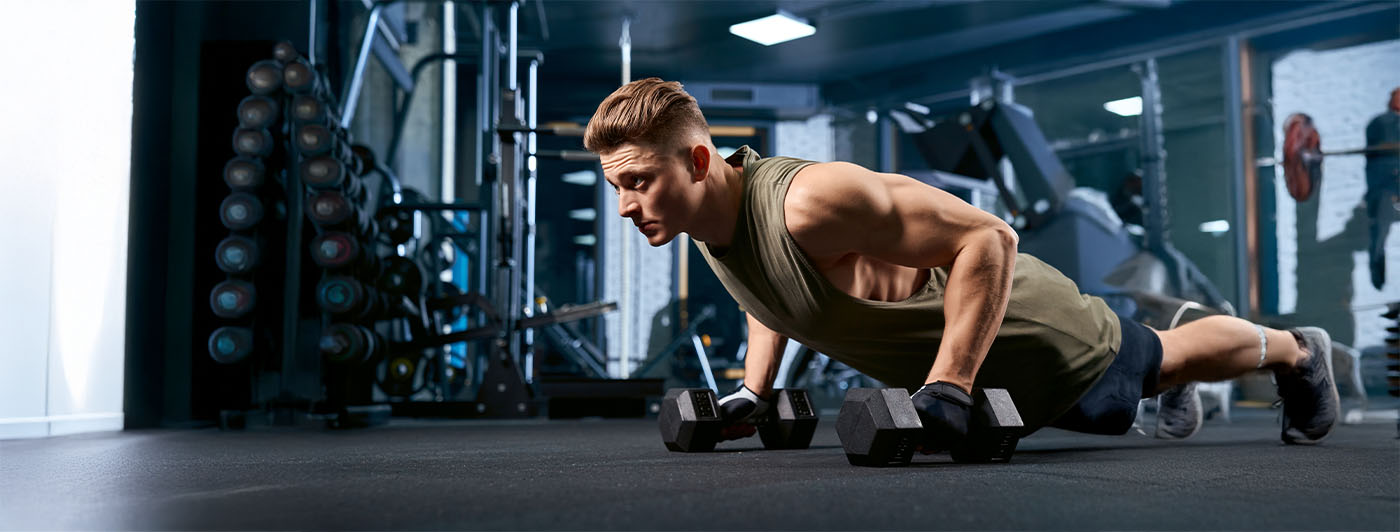
What if cutting fat didn’t have to cost you muscle?
What if the best physiques weren’t built by extreme dieting, but by understanding exactly how the body decides what to burn—and what to protect?
Cutting is the phase where many physiques are made—or ruined.
Anyone can lose weight. But losing fat while holding onto hard-earned muscle is where bodybuilding becomes a science. Done wrong, weeks of calorie restriction can flatten muscles, drain strength, and undo months (or years) of progress.
This guide breaks down how to cut bodybuilding the right way—using proven physiology, smart training, and precise nutrition. Along the way, you’ll see why experienced lifters balance performance, recovery, and nutrition—sometimes including both traditional sources and plant protein—to stay lean without losing size.
Let’s begin where most people go wrong.
What Does “Cutting” Really Mean in Bodybuilding?
Understanding how to cut bodybuilding without muscle loss
Before diving into tactics, it’s critical to clarify one thing: cutting is not starvation.
At its core, how to cut bodybuilding effectively means creating a controlled caloric deficit while sending powerful signals to your body to retain muscle tissue. Muscle is metabolically expensive—if your body thinks it’s unnecessary, it will gladly burn it for fuel.
Scientific evidence supports this distinction. Research shows that a calorie deficit without adequate resistance training and sufficient protein intake leads to significantly greater lean mass loss. In contrast, structured resistance exercise performed in a hypocaloric state helps preserve muscle tissue even during weight loss, by maintaining anabolic signaling and muscle protein synthesis.
Your goal during a cut is to:
-
Preserve muscle protein synthesis
-
Maintain training performance
-
Reduce body fat gradually
-
Control stress hormones
Now let’s walk step-by-step through how to do exactly that.

1. Control Your Calorie Deficit
The biggest mistake during a cut is going too aggressive, too fast.
A deficit of 300–500 calories per day is ideal for most lifters. This allows steady fat loss without triggering muscle breakdown.
Instead of guessing, use a protein intake calculator to determine your daily protein needs based on body weight and training volume—this becomes your foundation for muscle retention.
Fat loss should feel controlled, not desperate.
2. Prioritize Protein Intake
Protein is your muscle’s insurance policy during a cut.
Spacing protein evenly across meals improves muscle protein synthesis throughout the day. While animal proteins are common in bodybuilding, many athletes now integrate plant options strategically.
For example, pea protein powder can fit seamlessly into a mixed dietary pattern when used as a functional protein source rather than a supplement crutch.
What matters most is total protein intake, amino acid availability, and consistency.
3. Lift Heavy While Cutting
One of the most overlooked principles of how to cut bodybuilding properly is this:
Your training should look almost identical to your bulking phase.
Heavy compound lifts send a clear signal: “This muscle is needed.”
Reduce volume slightly if recovery dips, but do not significantly reduce intensity. Strength loss often precedes muscle loss—monitor it closely.
4. Use Cardio Wisely
Cardio supports fat loss—but excessive cardio competes with muscle recovery.
Use:
-
Low-intensity steady state (LISS) for recovery days
-
Short HIIT sessions sparingly
Hydration and electrolyte balance matter here, especially when people add drinks to reduce belly fat such as infused waters or herbal blends—these may help digestion and water balance, but fat loss still comes from caloric control.
5. Manage Creatine Intake
Creatine remains one of the most researched performance aids—but confusion persists during cuts.
Understanding creatine before and after phases matters. Creatine helps maintain strength and cell hydration, which can protect muscle fullness even in a deficit. Some transient water shifts may occur, but muscle tissue itself is preserved.
For most lifters, continuing creatine during a cut is beneficial.
6. Focus on Key Micronutrients
Micronutrients play a subtle but powerful role in energy metabolism and insulin sensitivity.
Focus on foods rich in chromium and magnesium, which support glucose metabolism, muscle contraction, and recovery—especially important when calories are reduced.
Neglecting micronutrients is a silent reason many cuts feel exhausting.
7. Eat for Satiety
Hunger—not lack of willpower—is what breaks most cuts.
High-volume, nutrient-dense foods help:
-
Fibrous vegetables
-
Low-calorie fruits (for example, knowing 1 guava calories can help you plan sweet cravings intelligently)
-
Seeds and whole foods
For women especially, chia seeds benefits for females include satiety, digestive health, and omega-3 intake—valuable during long cutting phases.
8. Support Hormones & Recovery
Extended calorie deficits can affect hormones and even skin quality.
Including melanin rich foods such as deeply pigmented fruits and vegetables supports antioxidant intake, which helps counter oxidative stress from intense training and reduced calories.
A cut should sharpen your physique—not dull your vitality.
9. Use Plant Protein Strategically
Modern bodybuilding nutrition has evolved.
While animal protein dominates traditional cutting diets, intelligent use of plant protein sources can improve digestion, diversify amino acid intake, and reduce inflammatory load.

A well-formulated plant based protein powder can fit into a cutting plan when combined with whole-food protein sources—what matters is total amino acid delivery over the day.
10. Track More Than Weight
The scale alone is a poor indicator of cutting success.
When mastering how to cut bodybuilding, track:
-
Strength levels
-
Waist measurements
-
Visual muscle separation
-
Recovery and sleep quality
Photos and training logs often reveal progress long before the scale does.
Fat loss is not linear—but muscle loss doesn’t have to happen at all.
The Psychological Side of Cutting
Cutting is as mental as it is physical.
Irritability, impatience, and self-doubt creep in when calories drop. Having structure—planned meals, scheduled training, and realistic timelines—reduces decision fatigue.
Scientific evidence supports this reality. Research on competitive bodybuilders shows that intense dietary restriction during cutting phases can negatively affect psychological well-being. A cross-sectional study found links between strict caloric restriction and increased anxiety, mood disturbances, and reduced concentration—especially in the final weeks of a cut. These findings underscore the mental strain of severe dieting and the importance of moderation and structure.
Successful cuts are rarely dramatic. They are methodical.
This is why understanding how to cut bodybuilding as a process—not a punishment—separates sustainable results from short-term crashes.
Final Thoughts
Anyone can lose weight quickly. Few can cut with precision.
When done correctly, how to cut bodybuilding becomes a repeatable skill—one you can apply year after year without sacrificing muscle, strength, or long-term health. It’s built on controlled calorie deficits, heavy training that signals muscle retention, consistent protein intake, micronutrient support, and disciplined recovery.
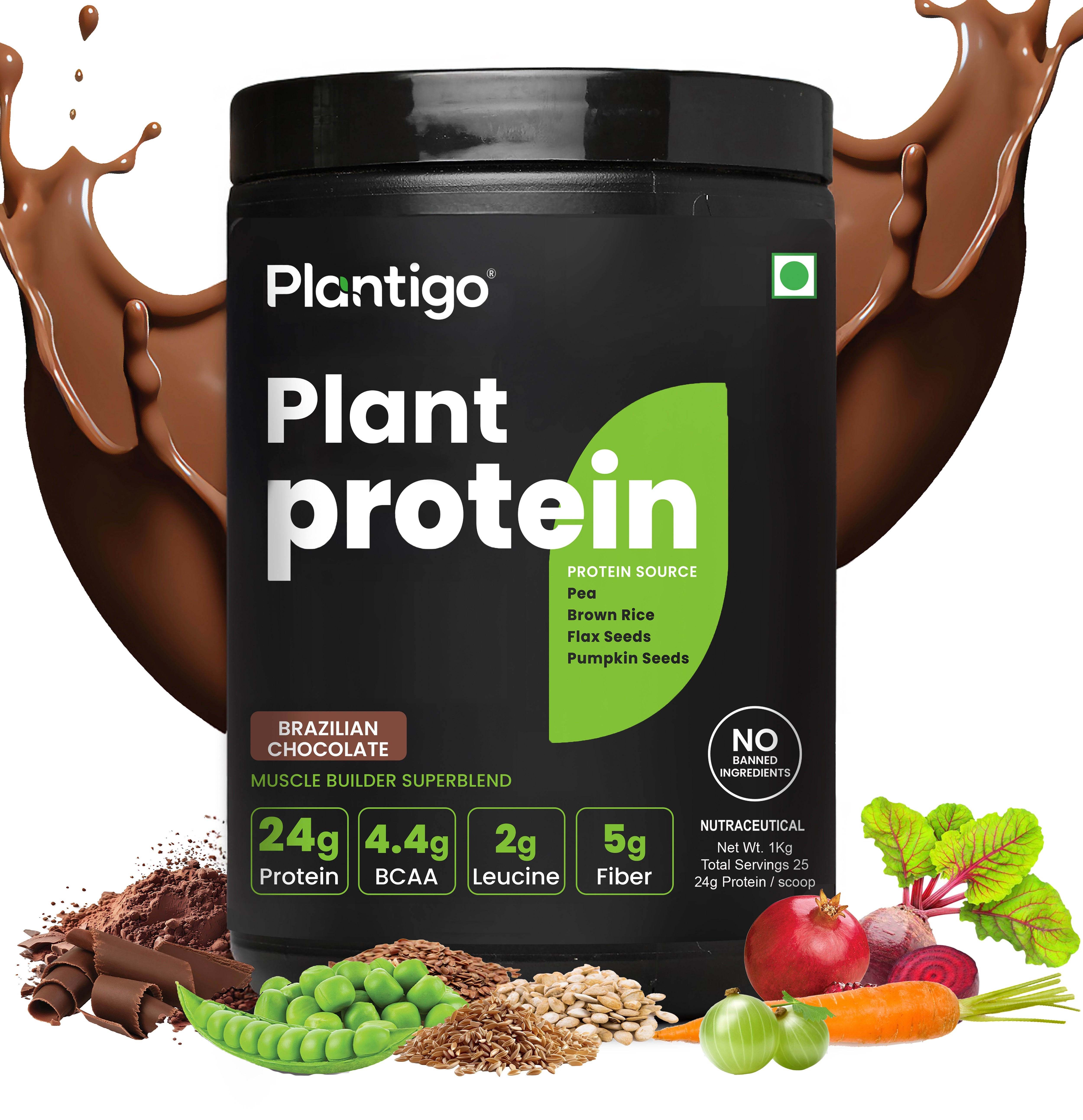
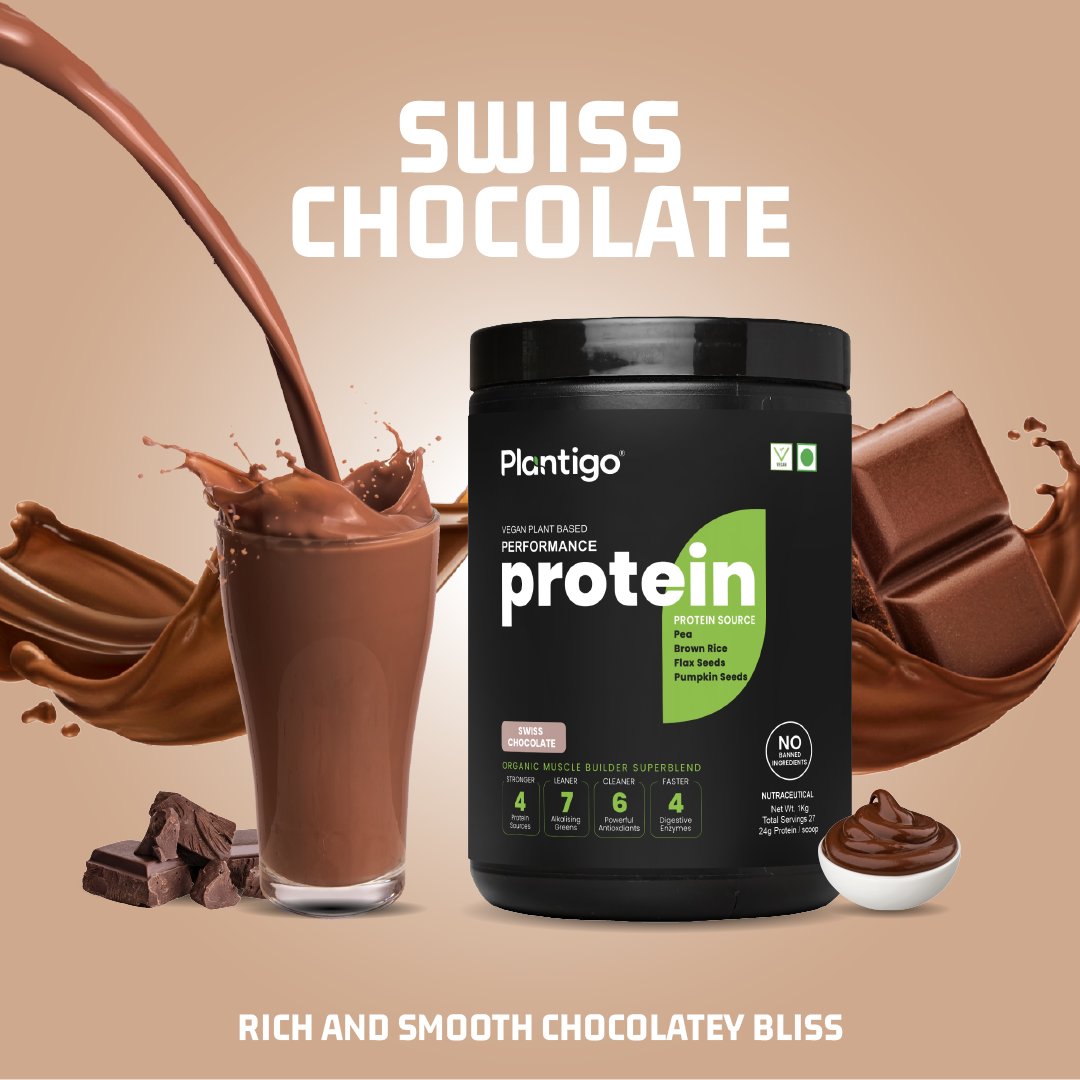
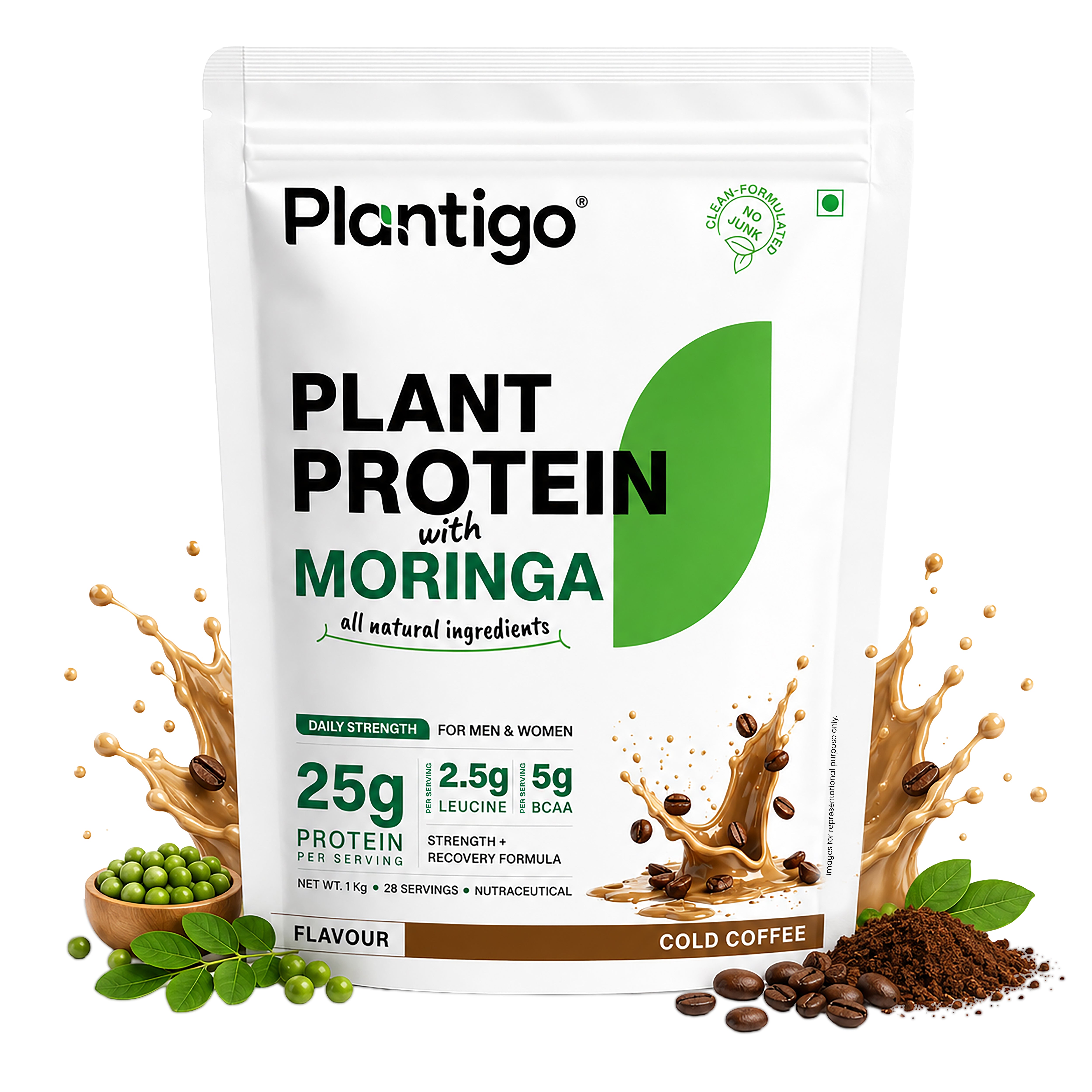
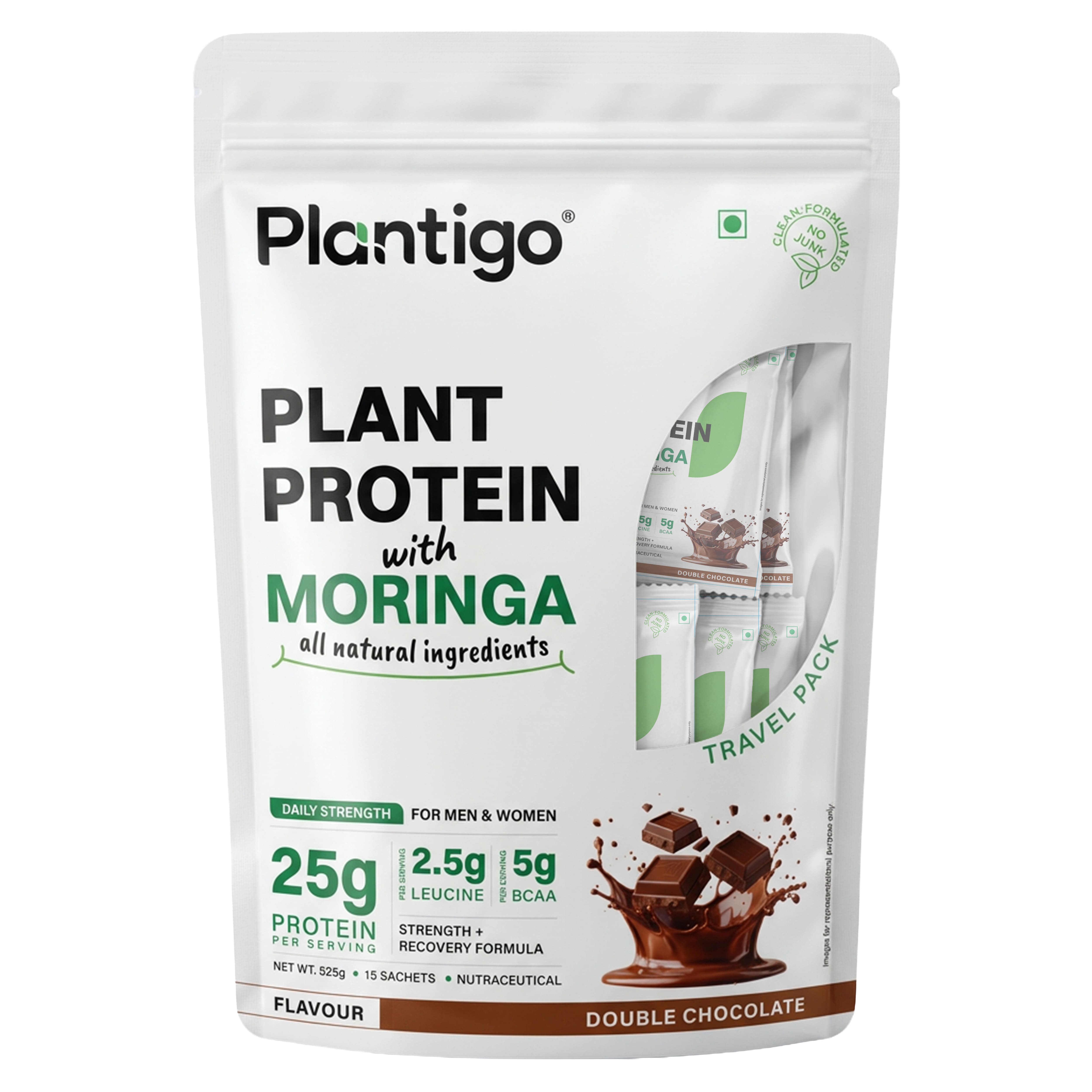
Many experienced lifters eventually realize that precision matters more than extremes—choosing nutrition they can rely on daily, whether that comes from whole foods or clean options like Plantigo plant protein, without disrupting digestion or performance during a cut.
Do this right, and your cut won’t just make you leaner—it will make you stronger, sharper, and more confident in your process.
Ready to cut with intention instead of guesswork?
Apply these principles consistently, track what matters, and turn cutting into a skill you control—season after season.
Frequently Asked Questions
1. How long does cutting take?
Most people begin to notice visible fat loss within 2–3 weeks. Muscle definition improves steadily over time when calorie deficits are controlled and training remains consistent.
2. Can beginners cut safely?
Yes, beginners can cut safely by maintaining a moderate calorie deficit, continuing resistance training, and avoiding extreme dieting that leads to muscle loss.
3. How much protein is needed?
During a cut, most lifters need around 1.6–2.2 grams of protein per kilogram of body weight to preserve muscle and support recovery.
4. Is daily cardio required?
No, daily cardio is not necessary. Combining strength training with moderate cardio is more effective for fat loss while protecting muscle mass.
5. Can strength be maintained while cutting?
Yes, strength can often be maintained if training intensity stays high, protein intake is sufficient, and recovery factors like sleep are prioritized.