
1 guava calories count sits at just 37–45 calories for a medium fruit — making it one of the most nutrient-dense, low-calorie foods available. But the calorie count is the least interesting thing about guava. What's inside those calories is where the real story begins.
Key Takeaways
-
1 guava calories average 37–45 depending on size and variety
-
Guava delivers more vitamin C per serving than an orange — by a significant margin
-
The fiber content makes guava exceptionally filling relative to its calorie load
-
Guava supports blood sugar regulation, skin health, immunity, and digestion simultaneously
-
It's one of the few fruits that contributes meaningfully to daily protein targets
-
Consistency matters — guava's benefits compound with regular daily consumption
Introduction
Most people pick up a guava, eat it, and move on. They have no idea what just happened inside their body.
A single medium guava contains more vitamin C than an orange, more fiber than most breakfast cereals, and a micronutrient profile that reads like a premium supplement label — all for under 45 calories.
But here's what makes guava genuinely fascinating: it's not just a low-calorie fruit. It's a metabolically active food — one that influences blood sugar, gut health, skin repair, immune function, and even fat metabolism in ways that most people completely overlook.
What makes it even more effective is how well it fits into a balanced nutrition routine. When paired with a clean plant protein source, guava’s vitamin C enhances nutrient absorption while the protein supports muscle repair, satiety, and overall metabolic function — turning a simple fruit into a more complete, functional meal component.
In this guide, we're going beyond the basic nutrition label. We're unpacking 6 nutritional secrets hidden inside 1 guava calories that most health articles never mention — and explaining exactly why this fruit deserves a permanent place in your daily routine.
Stay with this — because secret number 4 is one that nutritionists have only recently started paying attention to. And it changes how you think about fruit entirely.
What Does 1 Guava Calories Actually Mean?
Before diving into the secrets, let's establish the baseline — because the numbers themselves tell an interesting story.
A medium guava (approximately 100g) contains roughly 68 calories in full. But most people consume half a guava at a time — bringing 1 guava calories for a typical serving to 37–45. For context, that's less than half a banana, a third of an apple with peanut butter, and a fraction of any processed snack delivering comparable satiety.
What makes this number remarkable isn't its smallness — it's what accompanies it. Those 37–45 calories come packaged with 2.6g of dietary fiber, 228mg of vitamin C (over 250% of daily recommended intake), meaningful amounts of potassium, folate, and magnesium, and a surprising 2.6g of protein per 100g serving.
Guava is consistently ranked among the most nutrient-dense high protein fruits available — a category most people don't even know exists. The protein content per calorie ratio in guava outperforms most other fruits by a significant margin.
That's the foundation. Now let's get into the secrets.
1 Guava Calories and Nutrition: The 6 Secrets
1. Extremely High in Vitamin C
This is the secret most people have heard — but consistently underestimate.
One medium guava contains approximately 228mg of vitamin C. The recommended daily intake for an adult is 65–90mg. A single guava delivers 2.5–3x that amount in one sitting, for under 45 calories.
For comparison, a medium orange contains about 70mg of vitamin C. Guava delivers more than three times as much — in a smaller, lower-calorie package.
Why does this matter beyond immunity? Vitamin C is a critical co-factor in collagen synthesis — the structural protein that keeps skin firm, joints functional, and blood vessels healthy. It’s also a potent antioxidant that neutralises free radicals responsible for cellular ageing and chronic disease progression, as supported by research on vitamin C’s role in collagen production and antioxidant function.
Understanding 1 guava calories in context means recognising that you're getting one of the most powerful antioxidant doses available from whole food — at a caloric cost so low it barely registers in a daily intake.
2. Powerful Fiber Benefits
Most people know guava has fiber. Very few people know what kind of fiber — and why it matters.
Guava contains both soluble and insoluble fiber in a ratio that is genuinely unusual for a fruit. The soluble fiber — primarily pectin — forms a gel-like substance in the digestive tract that slows glucose absorption, reduces cholesterol, and feeds the beneficial bacteria that regulate gut health and immunity.
The insoluble fiber accelerates bowel transit time, reduces constipation, and physically sweeps the digestive lining — reducing the contact time between potential carcinogens and intestinal cells.
This dual-fiber profile is why 1 guava calories delivers a satiety effect far disproportionate to its energy content. The pectin expands in the stomach, triggers stretch receptors, and signals fullness to the brain — suppressing appetite for 2–3 hours after consumption.
For anyone using how to take chia seeds for weight loss protocols — where fiber-based appetite suppression is the core mechanism — guava works through an almost identical pathway and pairs exceptionally well with chia as a combined morning fiber strategy.
3. Low Glycemic Index
Here's the secret that surprises people most — especially those managing blood sugar or trying to lose fat.
Despite being a sweet fruit, guava has a glycemic index (GI) of approximately 12–24 depending on ripeness — placing it firmly in the low GI category, as highlighted in research on how glycemic index influences blood sugar regulation and metabolic response.
The reason is that dual-fiber profile. Pectin slows gastric emptying so significantly that glucose enters the bloodstream gradually — producing a gentle, sustained blood sugar rise rather than a spike. This keeps insulin levels stable, prevents the fat-storage cascade that follows insulin surges, and maintains consistent energy without a crash.
This makes guava one of the safest fruits for diabetics, one of the most effective for fat loss, and one of the few fruits you can consume without worrying about disrupting a fasted metabolic state. Understanding the full picture of 1 guava calories means understanding that the quality of those calories is as important as the quantity.
4. Nutrient-Rich Skin
This is the secret almost nobody talks about — and it changes how you should eat guava entirely.
Most people peel guava or eat around the skin. This is a significant nutritional mistake. The skin of guava contains higher concentrations of vitamin C, antioxidants, and biotin rich foods compounds than the flesh itself. Biotin — the B vitamin critical for hair growth, nail strength, and fat metabolism — is concentrated in the outer layers of guava, not the interior pulp.
Biotin deficiency is more common than most people realise, particularly in individuals following restrictive diets. Symptoms include hair thinning, brittle nails, and fatigue — all of which respond well to increased biotin intake from whole food sources.
Eating the skin also preserves the full fiber content of the fruit. Peeling removes a significant portion of the insoluble fiber that provides guava's distinctive satiety and digestive benefits.
The practical takeaway: wash guava thoroughly and eat it whole — skin included. You're getting meaningfully more nutritional value from the same 1 guava calories count.
5. One of the Highest Protein Fruits
This is where guava genuinely surprises people — including nutritionists seeing the numbers for the first time.
Guava contains approximately 2.6g of protein per 100g serving. That places it among the highest high protein fruits in the produce aisle — outperforming bananas (1.1g), apples (0.3g), and mangoes (0.8g) by a significant margin.
For context: protein in one chapati sits at approximately 3–4g. A medium guava delivers roughly 60–70% of that protein — from a fruit, at a fraction of the calories.
This matters particularly for plant-based eaters who are building protein intake from multiple small sources throughout the day. Every gram counts when you're not relying on animal protein. Guava fits naturally into a plant-based protein strategy alongside legumes — and speaking of which, many people don't realise that which dal contains more protein is a question with a clear answer: urad dal and moong dal both exceed 22–24g per 100g dry weight, making them powerful complements to a guava-inclusive diet.

For those following a fully plant-based routine and supplementing with plant based protein powder to hit daily targets, guava works as a natural food-first protein contributor that reduces the supplementation gap without adding significant calories.
6. Supports Fat Metabolism
This final secret ties everything together — and it's particularly relevant for anyone with active fat loss or fitness goals.
Guava contains approximately 417mg of potassium per 100g — more than a banana, which is typically celebrated as the gold standard for potassium content. Potassium is essential for muscle function, nerve signalling, and critically, sodium balance. Most people consume dramatically more sodium than potassium — a ratio imbalance that drives water retention, elevated blood pressure, and impaired cellular metabolism.
Magnesium — present at approximately 22mg per 100g in guava — is a co-factor in over 300 enzymatic reactions, including those governing fat oxidation, insulin signalling, and energy production at the mitochondrial level.
Together, potassium and magnesium make 1 guava calories one of the most metabolically active caloric investments you can make in your diet. These minerals don't just support health passively — they actively improve the efficiency of systems responsible for burning fat and maintaining lean muscle mass.
For anyone tracking their macros and using a protein intake calculator to optimise body composition, adding guava to the daily food log is a genuine win: high micronutrient density, meaningful protein contribution, and a caloric cost that barely moves the needle.
How Guava Fits Into a Weight Loss Diet
Guava's role in weight management goes beyond its low calorie count — though that matters too.
The combination of low GI, high fiber, meaningful protein, and potassium-driven water balance makes guava one of the most complete single-food weight management tools available. It suppresses appetite, stabilises blood sugar, supports fat metabolism, and reduces water retention — simultaneously.
For morning routines built around metabolic priming, guava works particularly well as a pre-breakfast food. Eaten 20–30 minutes before your main meal, the pectin fiber begins expanding in the stomach before breakfast arrives — reducing the volume you comfortably eat and lowering the glycemic impact of whatever follows.
Plant protein sources like pea protein, hemp seeds, or lentils pair exceptionally well with guava in a morning nutrition stack. The fruit handles micronutrients, fiber, and appetite control. The protein source handles satiety, muscle preservation, and thermogenesis. Together, they create a breakfast foundation that outperforms most commercial diet plans in both simplicity and effectiveness.
Guava vs Other Common Fruits: Nutritional Comparison
|
Fruit |
Calories (100g) |
Vitamin C (mg) |
Fiber (g) |
Protein (g) |
GI |
|
Guava |
68 |
228 |
5.4 |
2.6 |
12–24 |
|
Apple |
52 |
4.6 |
2.4 |
0.3 |
36 |
|
Banana |
89 |
8.7 |
2.6 |
1.1 |
51 |
|
Orange |
47 |
53 |
2.4 |
0.9 |
40 |
|
Mango |
60 |
36 |
1.6 |
0.8 |
51 |
|
Papaya |
43 |
62 |
1.7 |
0.5 |
60 |
The numbers speak for themselves. Across vitamin C, fiber, protein, and glycemic index simultaneously — guava wins comprehensively. Understanding 1 guava calories in this comparative context makes the choice clear.
How to Eat Guava for Maximum Benefit
Getting the most from 1 guava calories comes down to a few simple but important practices.
Eat it whole — skin and seeds included. The skin concentrates biotin and antioxidants. The seeds contain additional fiber and trace minerals. Removing either reduces the nutritional return significantly.
Eat it in the morning — ideally in a fasted or semi-fasted state before breakfast. This maximises fiber-driven appetite suppression and allows the low-GI carbohydrates to prime blood sugar stability for the entire morning.
Pair it with fat or protein — beta-carotene and other fat-soluble compounds in guava absorb better alongside dietary fat. A small handful of nuts, a spoon of almond butter, or a protein smoothie alongside guava meaningfully improves micronutrient absorption.
Choose slightly underripe over overripe — riper guava has a higher GI and lower pectin content. Slightly firm guava delivers more fiber, lower sugar impact, and stronger appetite suppression.
Your Daily Guava Routine
Here's a simple, practical way to build 1 guava calories into a structured daily nutrition approach:

-
Morning: 1 whole guava (skin on) 20 minutes before breakfast
-
Mid-morning: Follow with a protein-rich meal to complement guava's fiber base
-
Post-workout: Guava's potassium and vitamin C support muscle recovery and oxidative stress reduction after training
-
Consistency: Daily consumption for 2–3 weeks to see measurable changes in digestion, skin, and energy
Conclusion
The story of 1 guava calories is not really about the number 37–45. It's about what those calories are carrying.
Vitamin C at three times the daily requirement. Fiber that genuinely suppresses appetite. A glycemic index lower than most vegetables. Biotin concentrated in the skin. Protein that rivals other whole foods. Potassium that outperforms bananas.
Six nutritional secrets, one small fruit, under 45 calories.
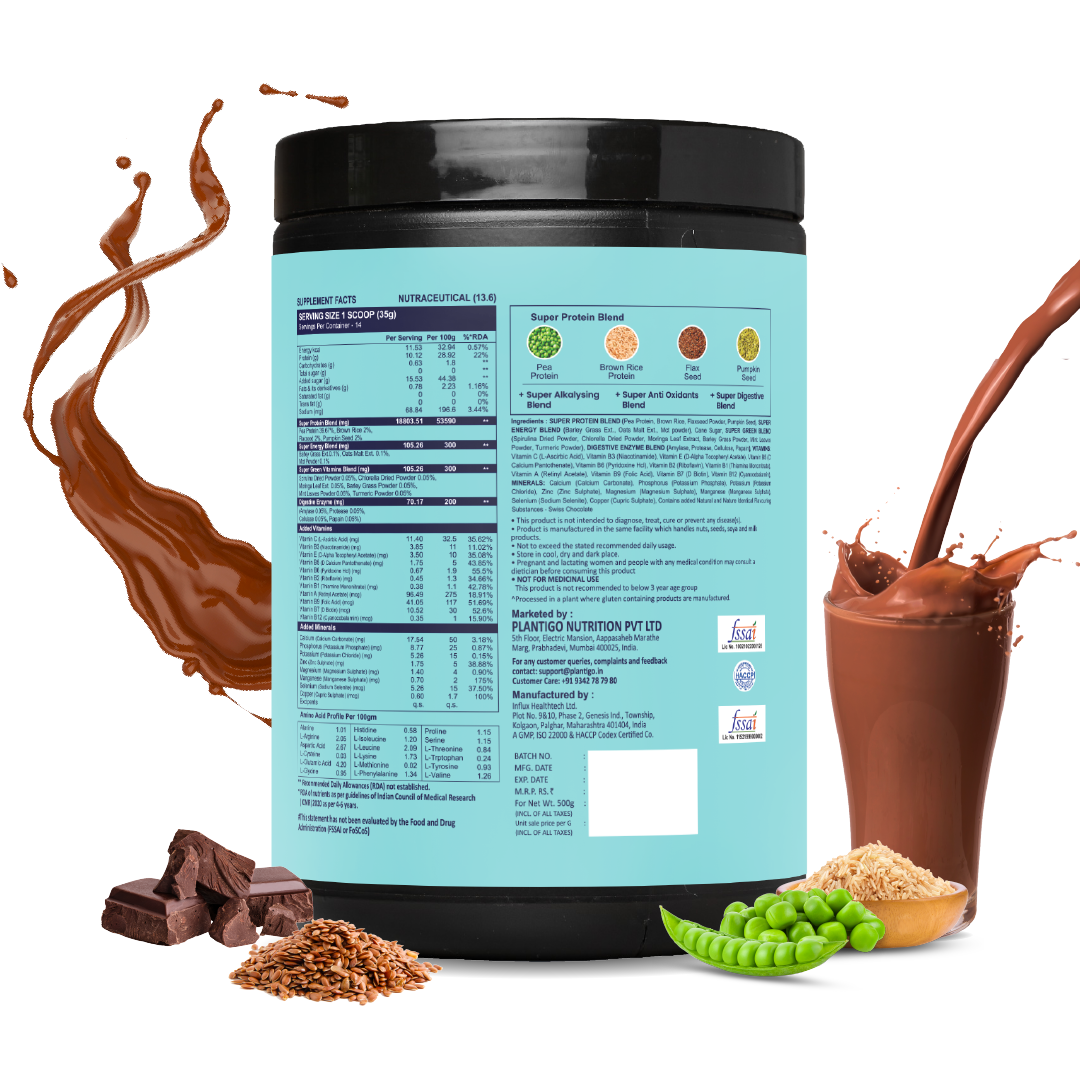
If you're building a plant-based morning routine, guava pairs naturally with clean protein sources. Plantigo plant protein blends well alongside a guava-based breakfast — providing the amino acid foundation that complements everything guava does for skin, metabolism, and recovery, without unnecessary additives.
Add it daily. Eat the skin. Stay consistent. The results will follow.
Frequently Asked Questions
Q1: How many calories are in 1 guava?
A medium guava (100g) contains approximately 68 calories in full. For a typical half-guava serving, 1 guava calories sit at 37–45 — making it one of the lowest-calorie, highest-nutrient fruits available.
Q2: Is guava good for weight loss?
Yes — its combination of low GI, high fiber, and appetite-suppressing pectin makes it one of the most effective fruits for weight management. It stabilises blood sugar, reduces hunger, and supports fat metabolism simultaneously.
Q3: Can diabetics eat guava?
Yes. Guava's GI of 12–24 is among the lowest of any fruit. The high fiber content slows glucose absorption significantly, making it one of the safest fruits for blood sugar management.
Q4: Should I eat guava skin?
Absolutely. The skin contains higher concentrations of vitamin C, biotin, and antioxidants than the flesh. Peeling guava discards a significant portion of its nutritional value.
Q5: When is the best time to eat guava?
Morning on an empty or semi-fasted stomach is optimal. The fiber begins working before your first meal, suppressing appetite and stabilising blood sugar for the entire morning.