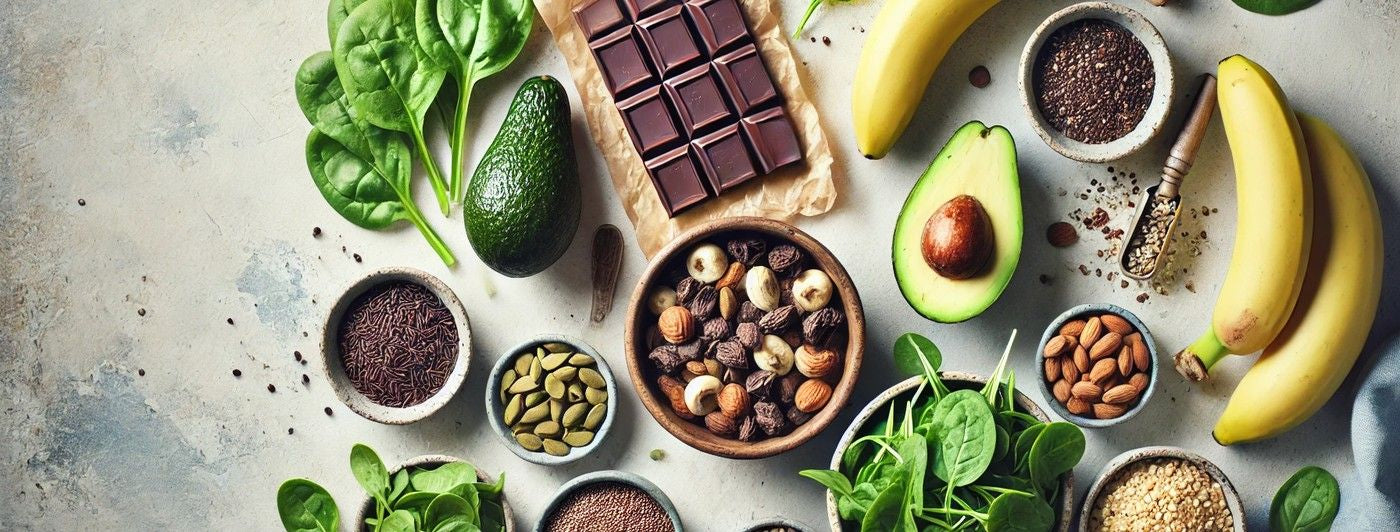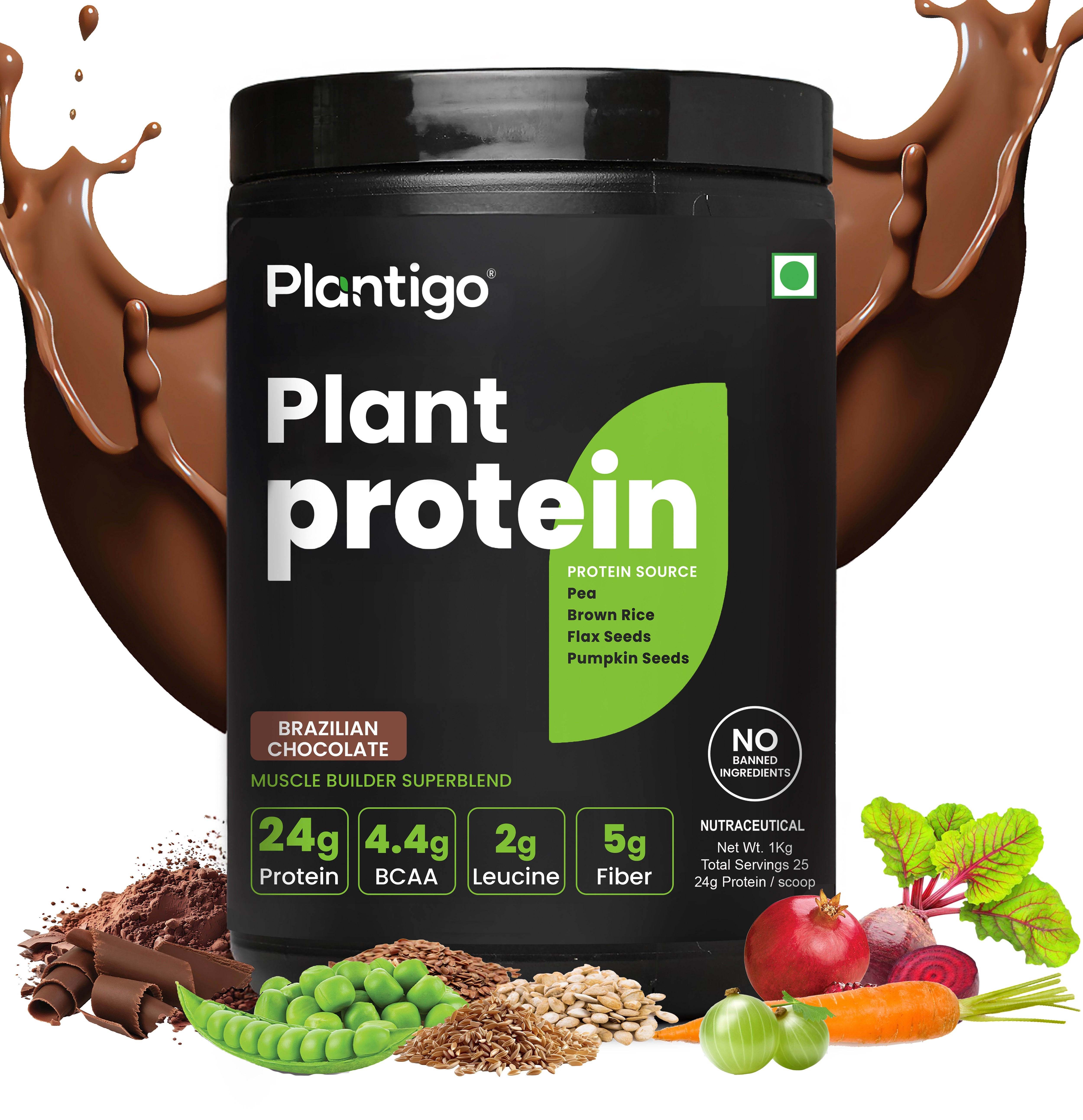
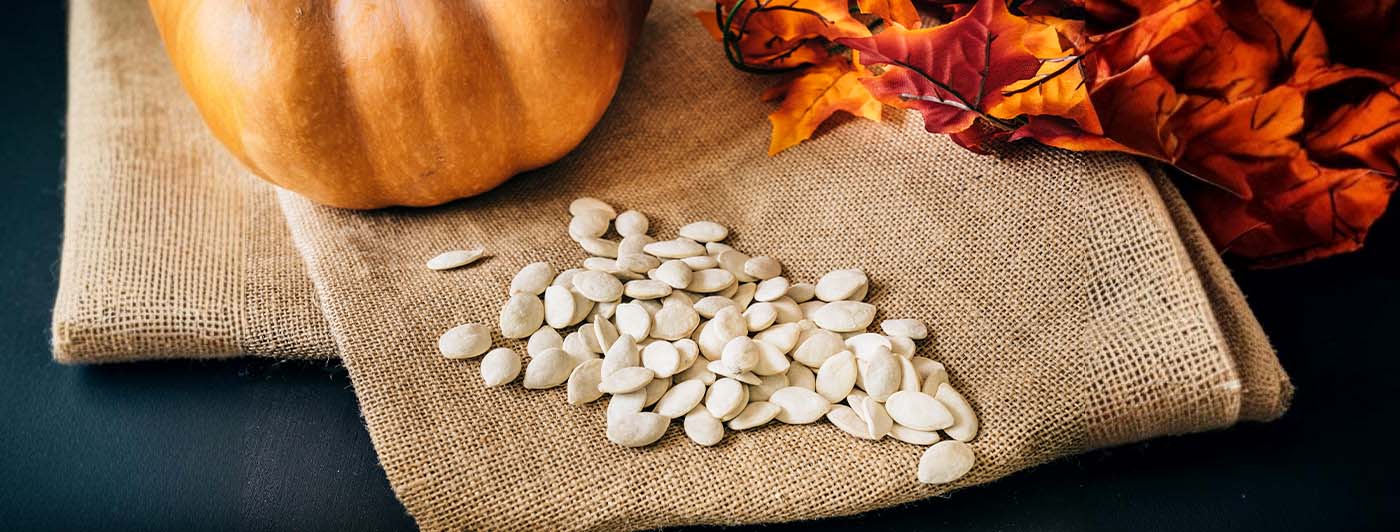
Pumpkin seeds benefit hair by providing zinc, iron, magnesium, omega-3 fatty acids and plant protein that support hair growth, reduce thinning and strengthen strands. Pumpkin seed oil has been clinically shown to block DHT — the hormone responsible for hair loss. Eat a small handful daily for best results.
Have you ever wondered why your hair isn’t growing as fast, looking as thick, or feeling as strong as you’d like—despite using the best shampoos, oils, and treatments? The truth is, healthy, vibrant hair doesn’t just come from what you put on it; it starts with what you put in your body.
The missing piece in your hair care routine might not be another expensive product but rather a simple, natural superfood—pumpkin seeds. Packed with essential nutrients that support hair growth, prevent thinning, and nourish the scalp, these tiny seeds can make a big difference. Keep reading to discover how pumpkin seeds benefits for hair can transform your locks from the inside out and why they deserve a spot in your daily diet!
8 Incredible Pumpkin Seeds Benefits for Hair

1. Packed with Hair-Friendly Nutrients
Pumpkin seeds are a nutritional powerhouse loaded with vital vitamins and minerals that support hair health. They are rich in zinc, iron, magnesium, and omega-3 fatty acids, all of which contribute to hair growth and scalp nourishment. Zinc, in particular, plays a vital role in reducing hair thinning and supporting follicle function.
Studies suggest that zinc deficiency is linked to hair loss, making pumpkin seeds benefits for hair an excellent reason to include them in your diet if you want to maintain a healthy scalp.
2. Encourages Hair Growth
One of the key pumpkin seeds benefits for hair is their ability to stimulate hair growth. These seeds contain cucurbitacin, a unique amino acid known for its ability to promote hair follicle regeneration. Additionally, the high protein content in pumpkin seeds supports keratin production, the building block of hair strands.
For those looking for protein rich food that naturally supports hair health, pumpkin seeds benefits for hair make them a fantastic addition to a balanced diet.
3. Reduces Hair Thinning and Baldness
Hair loss and thinning can be caused by hormonal imbalances, particularly due to excess dihydrotestosterone (DHT), which is known to shrink hair follicles and lead to baldness. Pumpkin seed oil has been studied for its DHT-blocking properties, making it a natural remedy for those experiencing hair loss.
In fact, a study found that men who consumed pumpkin seed oil saw a significant improvement in hair count and thickness compared to those who didn’t, further proving the pumpkin seeds benefits for hair.
4. Strengthens Hair Strands
Weak and brittle hair is a common concern, especially for those who frequently style, color, or chemically treat their hair.The omega-3 and omega-6 fatty acids in pumpkin seeds help strengthen hair strands and prevent breakage.
Regular consumption of pumpkin seeds can help maintain hair elasticity and moisture, reducing split ends and ensuring that your hair remains strong and resilient. This is another one of the many pumpkin seeds benefits for hair that makes them a must-have in your diet.
5. Improves Scalp Health
A healthy scalp is essential for optimal hair growth, and pumpkin seeds benefits for hair include promoting a nourished and irritation-free scalp. They contain antioxidants, anti-inflammatory properties, and essential fatty acids, which help soothe dryness, flakiness, and dandruff.
For vegetarians looking for vitamin B12 foods for vegetarians, pumpkin seeds can be a helpful addition, as they support healthy red blood cell production, ensuring the scalp receives adequate oxygen and nutrients.
6. Boosts Keratin Production
Keratin is the primary protein that makes up your hair, and its production depends on essential nutrients like protein, zinc, and biotin. Including biotin-rich foods like pumpkin seeds in your diet is a great natural way to support hair health.
Adding pumpkin seeds benefits for hair to your daily meals can significantly improve hair texture, thickness, and strength over time.
7. Supports Hair Growth in a Calorie-Conscious Diet
For those following a calorie deficit diet while still wanting to nourish their hair, pumpkin seeds benefits for hair include being an excellent snack option. They are low in calories but packed with nutrients, making them a great addition to a balanced diet without compromising weight goals.
Pumpkin seeds offer healthy fats and plant-based proteins that keep you feeling full longer, helping curb unnecessary snacking. Their nutrient-dense profile supports sustained energy levels throughout the day, which is essential when cutting calories.
8. A Plant-Based Source of Protein for Hair Health
If you’re looking for a natural protein source to support hair growth, pumpkin seeds benefits for hair make them one of the best food for hair health. They provide all nine essential amino acids, making them a complete plant-based protein source.

For individuals who consume plant based protein powder to supplement their diet, adding pumpkin seeds benefits for hair can further enhance their protein intake naturally. Whether blended into smoothies or sprinkled over meals, they are a great way to increase daily protein consumption without relying solely on supplements.
Pumpkin Seeds for Female Hair Loss: What Women Need to Know
Female hair loss is often overlooked — yet affects 40% of women by age 50. The causes differ from men but pumpkin seeds address several of them directly:
1. PCOS and hormonal hair loss:
Women with PCOS have elevated androgens including DHT. Pumpkin seed oil's 5-alpha reductase inhibition reduces DHT conversion, directly addressing hormonal hair thinning in PCOS without pharmaceutical intervention.
2. Post-pregnancy hair loss:
Iron and zinc deficiencies are common post-delivery and directly cause hair shedding. Pumpkin seeds are rich in both — 30g provides 2.5mg iron and 2.1mg zinc, addressing the nutritional gap that drives post-partum hair loss.
3. Menopausal hair thinning:
Declining estrogen during menopause increases the relative influence of androgens on hair follicles. Pumpkin seed oil's DHT-blocking action provides a natural buffer against this hormonal shift.
4. How much for women:
25-30g of pumpkin seeds daily — slightly less than the 30-40g recommended for men — provides sufficient phytosterols and minerals for female hair health without excess caloric intake.
The DHT Science Behind Pumpkin Seeds and Hair Loss
DHT (dihydrotestosterone) is the primary hormonal driver of androgenetic alopecia — the most common form of hair loss in both men and women. Here's how it works:
-
Testosterone converts to DHT via the enzyme 5-alpha reductase
-
DHT binds to receptors in hair follicles
-
Follicles shrink progressively — producing thinner, shorter hairs
-
Eventually follicles stop producing hair entirely
Pumpkin seed oil contains phytosterols — specifically beta-sitosterol — that inhibit 5-alpha reductase activity, reducing DHT production at the follicle level. This is the same mechanism targeted by pharmaceutical DHT blockers like finasteride, but through a natural pathway.
A randomised controlled trial published found that men taking pumpkin seed oil supplement for 24 weeks saw a 40% increase in hair count compared to placebo. This is the most cited clinical evidence for pumpkin seeds and hair growth.
Key point: You need consistent daily intake for the DHT-blocking effect to accumulate. A one-time handful won't do it — 30g daily for a minimum of 12 weeks is required to see meaningful results.
Pumpkin Seeds vs Pumpkin Seed Oil: Which Is Better for Hair?
|
Pumpkin Seeds |
Pumpkin Seed Oil |
|
|
DHT blocking |
Moderate — via phytosterols |
Strong — concentrated phytosterols |
|
Zinc content |
High — 7mg per 100g |
Lower — most zinc stays in seeds |
|
Protein |
Complete — all 9 amino acids |
Negligible |
|
Omega-3 and 6 |
Good amounts |
Higher concentration |
|
How to use |
Eat daily as food |
Supplement or topical |
|
Cost |
Low |
Higher |
|
Best for |
Overall hair nutrition |
Targeted DHT blocking |
The verdict: Seeds and oil work best together. Seeds provide the zinc, protein and minerals that build hair structure. Oil provides the concentrated DHT-blocking phytosterols. If budget allows — use both. If choosing one — seeds for general hair health, oil for active hair loss.
How to Add Pumpkin Seeds to Your Diet
Now that we’ve explored the pumpkin seeds benefits for hair, you might be wondering how to incorporate them into your daily meals. Here are some easy and delicious ways to enjoy them:
-
Snacking: Eat a handful of raw or roasted pumpkin seeds as a nutritious snack.
-
Smoothies: Blend them into smoothies for an extra protein boost.
-
Salads: Sprinkle them over salads for added crunch and nutritional value.
-
Oatmeal & Yogurt: Mix them into oatmeal, yogurt, or breakfast bowls.
-
Homemade Granola: Add them to homemade granola or protein bars.
-
Soups & Curries: Use ground pumpkin seeds as a thickener in soups or curries.
How to Use Pumpkin Seed Oil Topically for Hair Growth
Beyond eating pumpkin seeds, topical application of pumpkin seed oil directly targets the scalp where hair follicles need support most.
Scalp massage method:
-
Warm 1-2 teaspoons of pumpkin seed oil between your palms
-
Part hair into sections and apply directly to the scalp
-
Massage gently in circular motions for 5-10 minutes
-
Leave on for minimum 30 minutes — overnight for best results
-
Wash out with mild shampoo
Overnight treatment: Apply to scalp before bed, cover with a shower cap, wash out in the morning. Do this 2-3 times per week for 12 weeks minimum.
Mix with carrier oils: Combine pumpkin seed oil with coconut or castor oil in a 1:3 ratio for easier application and enhanced scalp penetration.
Important: Topical application works best alongside daily dietary intake. The internal DHT-blocking effect from eating seeds combined with topical nourishment creates the strongest results.
Pumpkin Seeds for Hair: Realistic Results Timeline
Setting realistic expectations is important. Here's what consistent daily intake — 30g seeds plus pumpkin seed oil supplement — typically produces:
4 weeks:
-
Reduced scalp inflammation and itching
-
Less daily shedding noticeable in shower and brush
-
Improved scalp hydration from omega fatty acids
12 weeks:
-
Visible reduction in hair fall
-
New baby hairs appearing at hairline and temples
-
Existing hair feels thicker and stronger
-
Improved shine from omega-3 fatty acids
24 weeks:
-
Clinical studies show 40% increase in hair count at this point
-
Significant improvement in hair density and coverage
-
Sustained reduction in DHT-related thinning
-
Best time to assess full results and decide on continued use
Important: Results vary based on the cause of hair loss. DHT-related hair loss responds best. Nutritional deficiency hair loss may respond faster. Stress or hormonal hair loss requires addressing the root cause alongside pumpkin seed supplementation.
Final Thoughts
Incorporating pumpkin seeds into your diet is a simple yet effective way to improve hair health naturally. With their impressive nutrient profile, they provide a plant-based, protein-rich food source that promotes hair growth, strengthens strands, and prevents hair thinning.
For those seeking the best protein powder company, it’s always advisable to choose products with clean ingredients, but don’t forget the power of natural, whole foods like pumpkin seeds.
Make pumpkin seeds a staple in your diet and experience the amazing benefits they bring to your hair and overall health!
Frequently Asked Questions
Q1: Do pumpkin seeds help grow hair?
Yes — pumpkin seeds contain zinc, cucurbitacin and plant protein that support follicle regeneration and keratin production. Pumpkin seed oil has been clinically shown to improve hair count and thickness.
Q2: How many pumpkin seeds should I eat a day for hair?
Approximately 30g or 2 tablespoons daily provides meaningful zinc, magnesium and plant protein for hair health without excess calories.
Q3: How long does it take for pumpkin seeds to work on hair?
Clinical studies showed improvement after 24 weeks of consistent use. Visible results from dietary pumpkin seeds typically appear within 3 to 6 months.
Q4: What are the big 3 for hair regrowth?
Conventionally — DHT blockers, minoxidil and finasteride. Naturally — pumpkin seed oil acts as a DHT blocker alongside a protein rich diet and scalp care routine.
Q5: Are pumpkin seeds good for hair loss in women?
Yes — zinc, iron and omega-3 in pumpkin seeds address nutritional deficiencies that contribute to female hair loss, reducing shedding and improving hair density.