
By Aaryan | Last updated: September 2026
Biotin does not produce visible hair growth results in 1 week — research shows 2–6 months of consistent supplementation is needed, and only in people with confirmed biotin deficiency. According to aJCAD, 2017 study, measurable hair improvements appeared after 90 days, not 7. What you can do in week 1 is set up the foundation that determines whether biotin works at all: pair it with adequate protein intake (biotin builds keratin from protein), optimise absorption, and establish the daily habits that compound into visible results by month 3.
What Biotin Actually Does for Hair and Skin
Biotin (vitamin B7) is a coenzyme that supports keratin synthesis — and keratin is the structural protein that makes up 90% of your hair, nails, and outer skin layer. Without sufficient biotin, your body struggles to produce keratin efficiently, leading to brittle nails, thinning hair, and dry skin.
But here's the part most articles skip: biotin doesn't create keratin from nothing. It activates the enzyme carboxylase that converts amino acids from dietary protein into keratin. If your protein intake is inadequate, biotin has no raw material to work with — no matter how much you supplement.
This is why biotin alone rarely works for people who are also protein-deficient. According toPMC, 2019, hair loss is frequently multifactorial — combining micronutrient deficiency (biotin, zinc, iron) with inadequate protein intake. Fixing only one without the other produces limited results.
Realistic Biotin Results Timeline: What to Expect
AI Overviews and clinical research consistently agree on the timeline. Here's an honest breakdown:
|
Timeframe |
What's Happening Internally |
What You'll See |
|
Week 1 |
Biotin levels begin stabilising, carboxylase enzyme activity increases |
Nothing visible — internal metabolic changes only |
|
Weeks 2–4 |
Keratin production at the follicle level improves, nail matrix strengthens |
Nails may feel slightly stronger, skin hydration may improve subtly |
|
Months 2–3 |
New hair growth cycle (anagen phase) benefits from improved keratin quality |
Less hair shedding, reduced breakage, early texture improvement |
|
Months 3–6 |
Full hair growth cycle turnover with improved keratin infrastructure |
Visibly thicker hair, stronger nails, clearer skin |
Sources:JCAD, 2017;Wimpole Clinic, 2025;Hers, 2025. Hair grows approximately 1.25cm per month — any improvement in keratin quality takes months to become visible as hair emerges from the scalp.
The takeaway: week 1 is about setting up the system, not seeing results. What you do in week 1 determines what you see in month 3.
What to Do in Week 1 to Maximise Long-Term Biotin Results

1. Start With Adequate Protein — Biotin's Raw Material
Biotin converts amino acids into keratin. Without sufficient protein intake, this conversion has nothing to work with. Hair is 90% keratin, and keratin is built from amino acids — particularly cysteine, methionine, and lysine.
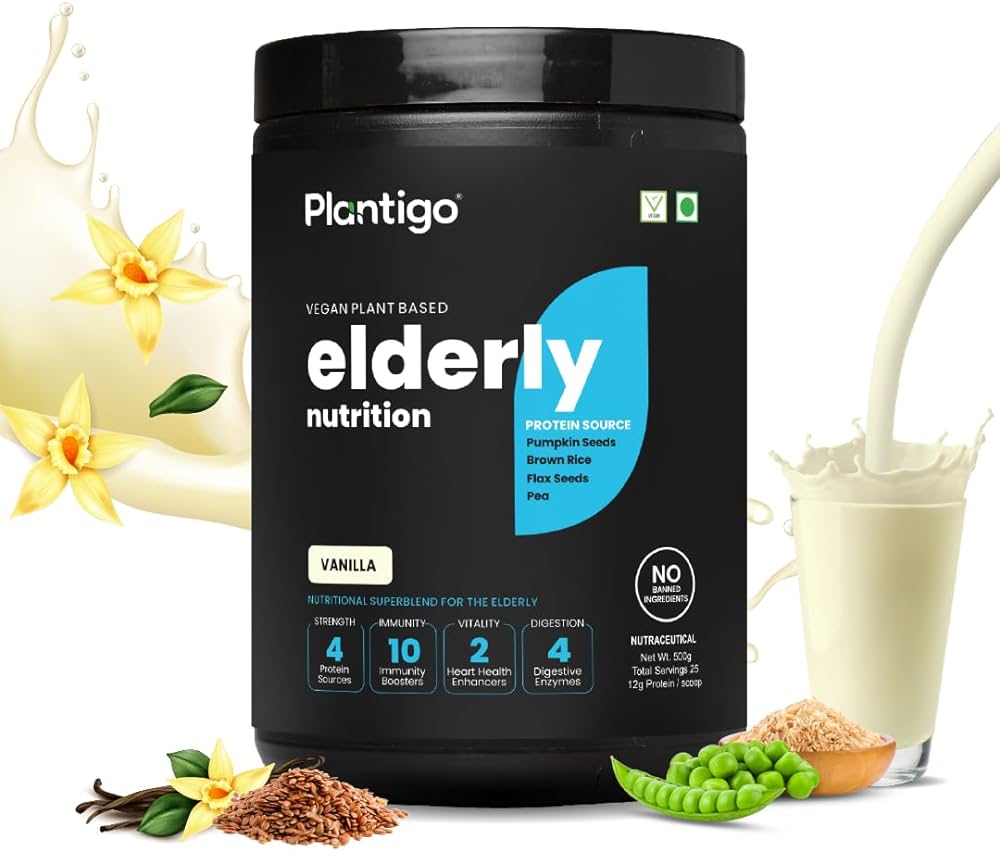
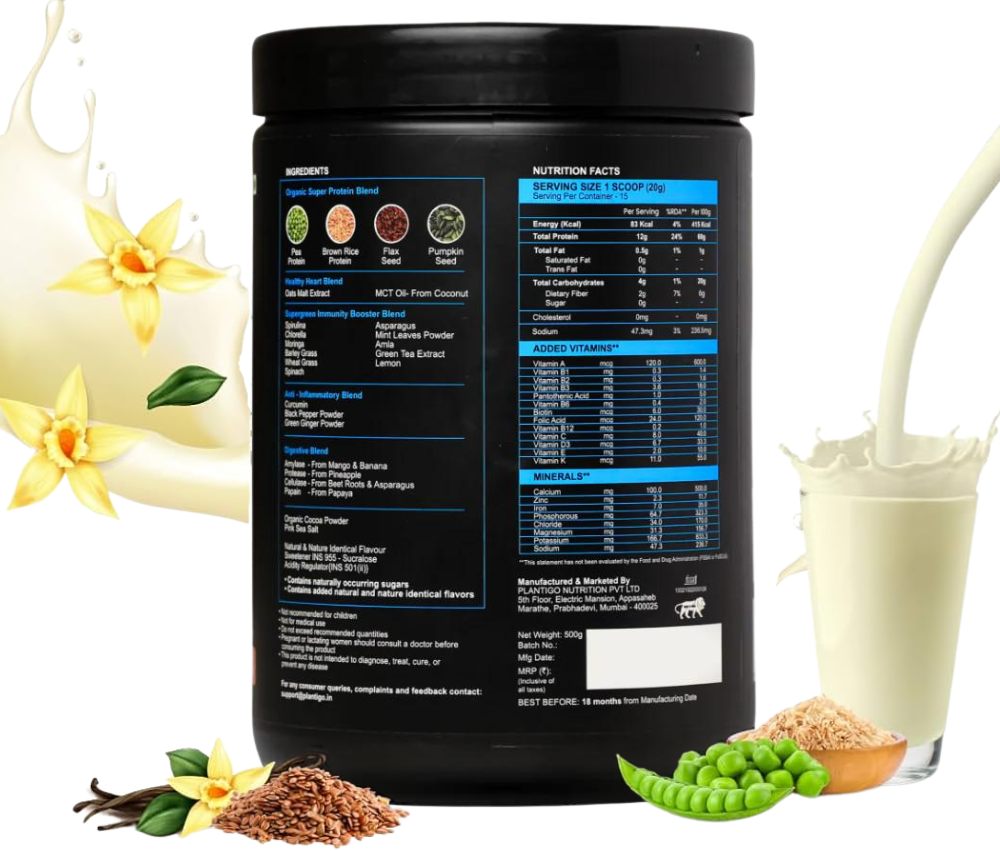
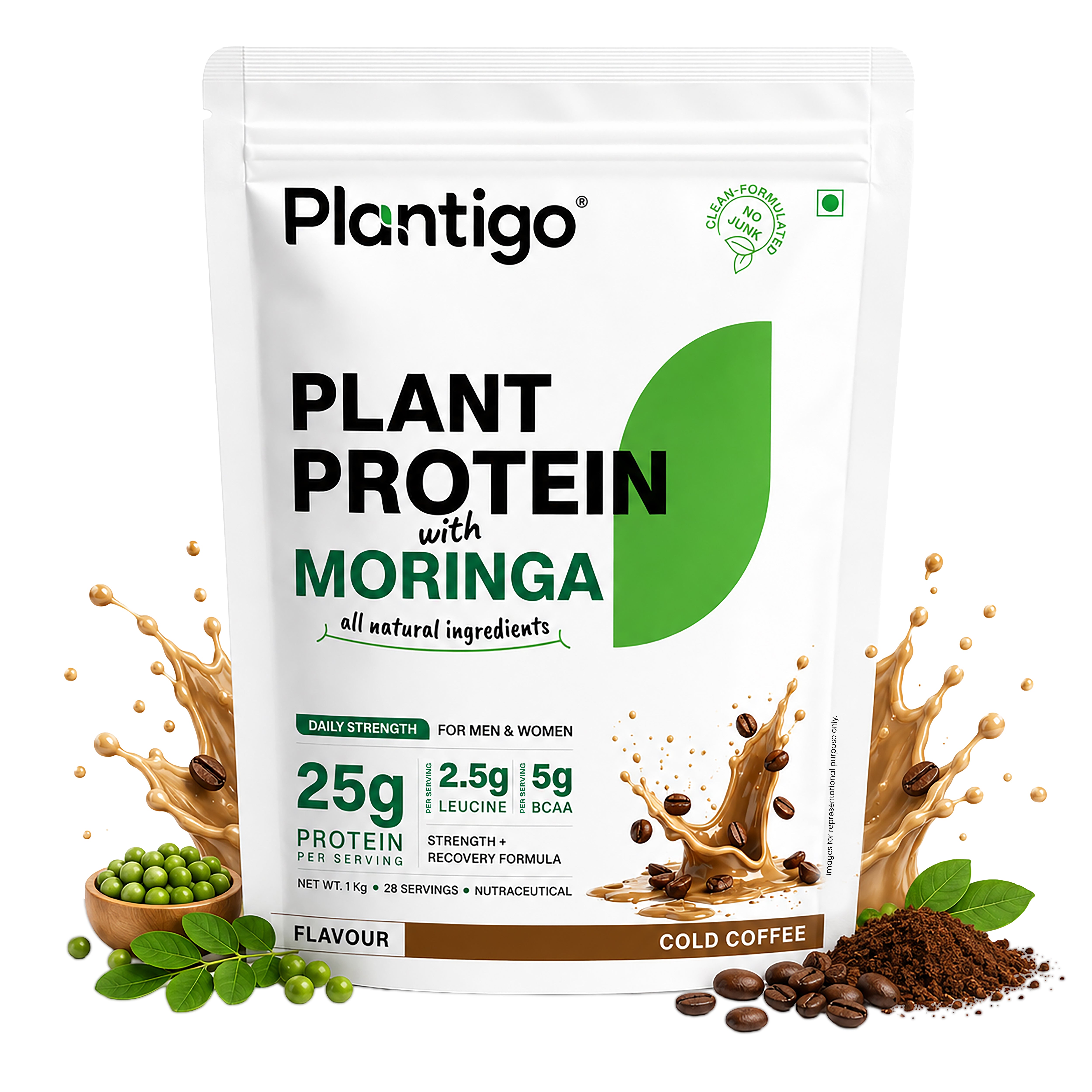
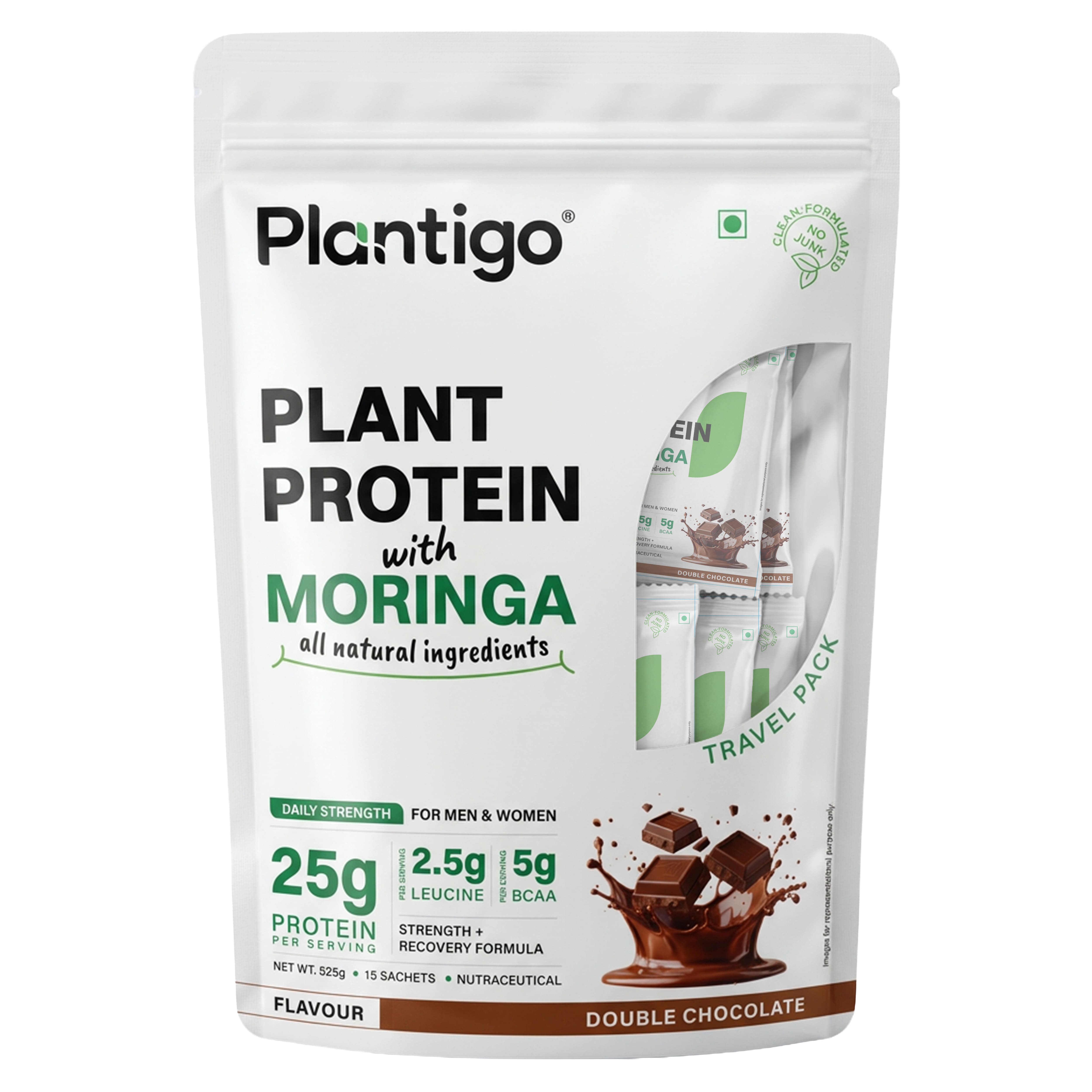
For hair-focused nutrition, aim for 1.2–1.6g of protein per kg body weight daily. Aplant protein powder delivering 24–25g per serving bridges the gap efficiently alongside whole foods. Pea protein is particularly relevant here — it's naturally high in lysine, the amino acid most commonly deficient in grain-heavy Indian diets and directly needed for keratin production.

If you've noticedsigns of protein deficiency — thinning hair, brittle nails, slow healing — fixing protein intake alongside biotin will produce significantly better results than biotin alone.
2. Eat Biotin-Rich Foods Daily
Supplementation works faster when combined with dietary biotin. The bestbiotin-rich foods include almonds (49µg/100g), sunflower seeds (66µg/100g), sweet potatoes (2.4µg/100g), spinach (6.9µg/100g), and eggs (25µg per egg). A varied diet covering 3–4 of these daily ensures consistent biotin availability beyond supplementation.
3. Optimise Biotin Absorption
Biotin is water-soluble — your body absorbs it best when taken with water on an empty stomach. Avoid taking biotin with raw egg whites (avidin in raw egg whites binds to biotin and blocks absorption). Coffee and alcohol can reduce B-vitamin absorption, so space biotin at least 30 minutes away from caffeine.
4. Pair Biotin With Supporting Nutrients
Biotin doesn't work in isolation. The nutrients that amplify its effect on hair and skin:
-
Vitamin C — supports collagen synthesis alongside keratin. See our guide tovitamin C rich foods
-
Zinc — activates hair follicle cells and supports protein synthesis. Found in pumpkin seeds, lentils, and chickpeas
-
Iron — carries oxygen to hair follicles, directly affecting growth rate. See our guide toiron-rich Indian foods
-
Omega-3 fatty acids — reduce scalp inflammation and improve hair elasticity
5. Stay Hydrated
Biotin is water-soluble and requires adequate hydration for absorption and transport to hair follicles and skin cells. Aim for 2.5–3 litres of water daily — more if you're active or in a hot climate.
6. Stop Damaging What You're Trying to Grow
Heat styling, chemical treatments, and excessive washing break keratin bonds faster than biotin can rebuild them. In week 1, reduce heat exposure and switch to gentle, sulphate-free shampoos. This preserves existing keratin while biotin works on producing new keratin at the follicle level.
7. Massage Your Scalp Daily
3–5 minutes of gentle scalp massage daily increases blood flow to follicles, improving nutrient delivery — including biotin, iron, and amino acids. A2019 study in Dermatology and Therapy found that daily scalp massage over 24 weeks increased hair thickness in participants.
Why Protein Matters More Than Most People Think for Hair
Most hair loss conversations focus on biotin, but the bigger gap is often protein.
Hair follicles are among the fastest-dividing cells in the body. They require a constant supply of amino acids — particularly cysteine (for disulphide bonds that give hair its strength), methionine (for keratin structure), and lysine (for collagen that anchors the follicle).
When protein intake drops below the body's maintenance threshold, hair is one of the first non-essential functions the body deprioritises. This is why crash diets and low-protein vegetarian diets frequently trigger hair thinning — even with adequate biotin levels.
The practical fix: ensure 50–75g of protein daily from a combination of dal, paneer, nuts, seeds, and aplant protein powder that delivers complete amino acid coverage. For a full food list, see ourhigh-protein vegetarian diet guide.
Plantigo'smoringa-powered protein adds iron, vitamin A, and antioxidants from moringa — all nutrients that directly support scalp health and hair follicle function alongside the 24g of complete protein per serving.
Biotin Dosage: How Much Should You Take?
|
Goal |
Recommended Daily Dose |
Notes |
|
General hair and skin maintenance |
2,500µg (2.5mg) |
Adequate for most adults without deficiency |
|
Active hair thinning or nail brittleness |
5,000µg (5mg) |
Most common dose in clinical studies |
|
Confirmed biotin deficiency |
10,000µg (10mg) |
Under medical supervision only |
|
From food alone (no supplement) |
30–100µg |
Sufficient for daily metabolic needs but not therapeutic |
Higher doses don't produce faster results. Biotin is water-soluble — excess is excreted in urine, not stored. Consistency matters more than dose size.
Who Benefits Most From Biotin Supplementation?
Biotin supplementation is most effective for people who are actually deficient or at risk. According toPMC, 2017, the groups most likely to benefit include:
-
People on prolonged antibiotic use (disrupts gut bacteria that synthesise biotin)
-
Pregnant and breastfeeding women (biotin requirements increase)
-
People with genetic biotinidase deficiency
-
Heavy alcohol consumers (alcohol impairs B-vitamin absorption)
-
People on crash diets or very low-calorie diets
-
Individuals withprotein deficiency hair loss — where both biotin and protein need correction
For people with adequate biotin levels and no deficiency, supplementation is unlikely to produce dramatic hair or skin changes. In these cases, optimising protein intake and overall nutrition is more impactful.
Conclusion
Biotin is not a 1-week miracle — it's a 3–6 month compound effect. What you do in week 1 sets the foundation: pair biotin with adequateprotein intake (because keratin is built from protein, not from biotin alone), eat biotin-rich foods, optimise absorption, and stop damaging your hair faster than your body can repair it. The people who see real results are the ones who treat biotin as one part of a protein-first, nutrient-complete approach — not a standalone fix.
Frequently Asked Questions
1. Can you see biotin results after 1 week?
No. Visible hair and skin results take 2–6 months of consistent use. Week 1 is about internal metabolic changes — nail strength may improve slightly within 2–4 weeks.
2. How much biotin should I take daily for hair growth?
2,500–5,000µg daily is the most common clinical range. Higher doses don't speed up results since excess biotin is excreted in urine.
3. Does biotin work without protein?
Poorly. Biotin activates keratin synthesis but keratin is built from dietary protein. Without 50–75g of daily protein, biotin has insufficient raw material to work with.
4. What foods are highest in biotin?
Sunflower seeds (66µg/100g), almonds (49µg/100g), eggs (25µg per egg), sweet potatoes, and spinach. Include 3–4 of these daily alongside supplementation.
5. Does biotin cause acne?
Some people report breakouts at doses above 5,000µg because biotin and vitamin B5 compete for absorption. Start at 2,500µg and increase gradually to reduce this risk.
6. Can biotin help with hair loss from protein deficiency?
Only when combined with adequate protein intake. A combination of biotin +plant protein + iron addresses the most common causes simultaneously.
External links used:
-
JCAD, 2017 — biotin for hair and nails clinical study
-
PMC, 2019 — micronutrients and hair loss review
-
PMC, 2017 — biotin deficiency and supplementation review
-
Dermatology and Therapy, 2019 — scalp massage and hair thickness