What if one of the most powerful health foods isn’t exotic at all—but something you’ve overlooked for years?
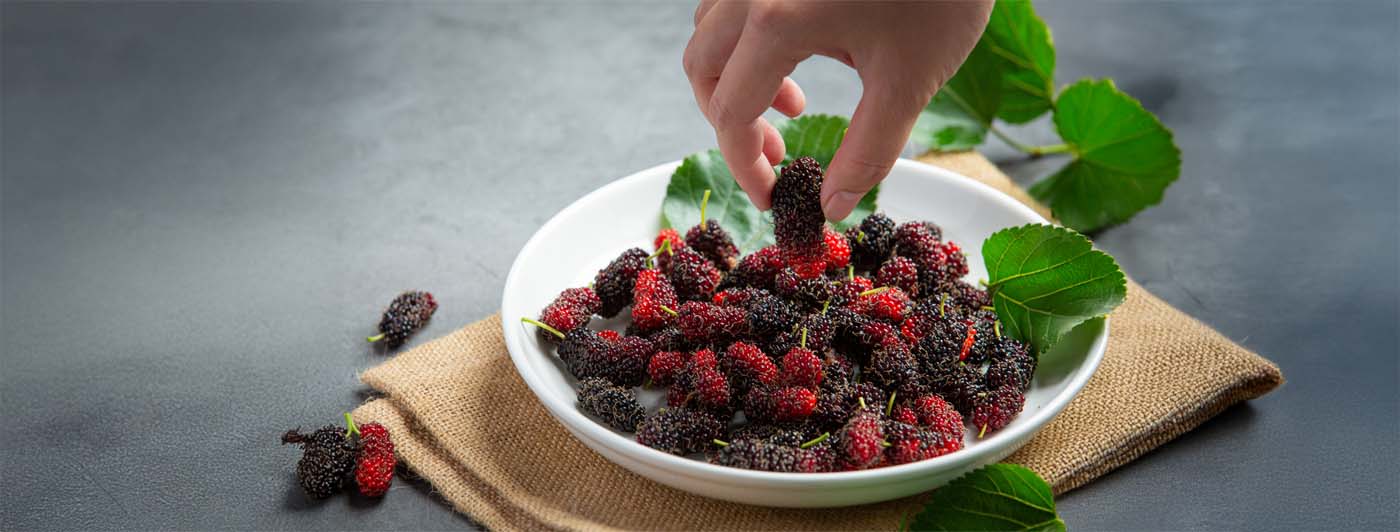
Mulberries are small, sweet, slightly tart—and usually remembered as a tasty fruit, not a functional one. But the truth is: mulberries aren’t just fruits. They’re functional nutrition.
Used for centuries in traditional wellness systems, mulberries contain rare plant compounds that may support blood sugar balance, reduce oxidative stress, and strengthen skin health from within. That’s why the buzz around mulberry benefits isn’t hype—it’s biology.
And they’re easy to use daily—especially in smoothies or bowls alongside plant protein to make your snack more balanced and filling.
Now let’s break down what makes this berry so special.
Why the Mulberry Benefits Are Gaining Attention (Not Just Another Berry)
Most fruits offer some vitamins. Some have antioxidants. A few have fiber.
Mulberry is different because it combines:
-
DNJ (1-Deoxynojirimycin) — a unique natural compound linked to blood sugar regulation
-
Anthocyanins — the dark pigments that act as powerful antioxidants
-
Vitamin C + polyphenols — for immunity and skin protection
-
Fiber — for gut health and metabolic balance
A human clinical study found that intake of a mulberry leaf extract rich in DNJ significantly suppressed the rise in blood glucose after a sucrose (sugar) challenge in healthy subjects—showing how mulberry compounds can support post-meal blood sugar control.
That’s why the mulberry benefits don’t sit in one category. They influence three major pillars together: blood sugar stability, immunity strength, and skin clarity.
Now let’s go benefit by benefit—with real explanations and practical value.
Top 12 Mulberry Benefits Explained (Blood Sugar + Immunity + Skin)
1) Supports Blood Sugar
If there’s one reason mulberry stands out, it’s this.
One of the most powerful mulberry benefits is its ability to support a healthier blood sugar response after meals. Mulberry contains DNJ, which may slow down the enzyme activity that breaks carbohydrates into glucose. That means sugar enters the bloodstream gradually, reducing sharp spikes and crashes.
This becomes especially useful if you tend to feel sleepy, hungry, or irritable after eating carb-heavy meals.
You’ll see the best results when mulberries are part of a daily lifestyle built around wholesome foods, not refined snacks.
2) Improves Insulin Response
Blood sugar isn’t only about what happens after a single meal. It’s also about how efficiently your cells respond to insulin day after day.
Another important entry in the mulberry benefits list is metabolic support. Mulberry polyphenols may help improve insulin sensitivity over time—meaning glucose can be processed more smoothly with less strain.
Think of it as creating a more “calm metabolism,” where the body doesn’t overreact to food.
3) Controls Hunger Cravings
Mulberries taste sweet—yet their fiber content makes them surprisingly filling.
This is one of the more practical mulberry benefits: appetite control without feeling deprived. Fiber slows digestion, increases satiety, and prevents sudden hunger waves that push people toward quick sugar hits.
For anyone trying to manage snacking habits, a small mulberry portion can feel like a “sweet treat” without starting a craving spiral.
4) Strengthens Immunity
Your immune system doesn’t just need “medicine when sick.” It needs daily support—especially from antioxidants.
Among the strongest mulberry benefits is immune defense support. Mulberries contain vitamin C and anthocyanins, which help reduce oxidative stress and support immune cell performance.
If you’re building stronger immunity, pairing mulberries with other nutrition staples like iron rich foods can support energy and resilience, especially for vegetarians who may sometimes fall short on iron.
5) Improves Gut Health
Most people don’t connect gut health to skin and immunity—until they experience the difference.
Mulberry fiber supports beneficial gut bacteria, improves digestion, and helps create a healthier internal environment. This makes gut support one of the most underrated mulberry benefits, because better digestion leads to better nutrient absorption.
This is particularly important if your diet relies on vegetarian protein sources, since digestion quality impacts how well you absorb amino acids, iron, zinc, and B vitamins.
6) Boosts Skin Collagen
Skin glow is not a cosmetic issue—it’s a nutrition issue.
Vitamin C supports collagen synthesis, and mulberries naturally contain vitamin C plus polyphenols that protect skin cells. So one of the most visible mulberry benefits is improved skin brightness, texture, and resilience.
If your skin looks dull, tired, or uneven, mulberries support the foundation: stronger collagen pathways and less oxidative stress.
7) Slows Skin Aging
Aging isn’t only time—it’s damage accumulation.
Pollution, UV rays, stress, lack of sleep—these all increase oxidative stress which breaks down collagen and elastin. Mulberry anthocyanins help defend the skin by reducing free-radical damage.
That’s why anti-aging is one of the long-term mulberry benefits.
This topic often appears alongside discussions like beetroot benefits for skin, since both are antioxidant-rich foods, but mulberries stand out for their polyphenols and skin-protective pigments.
8) Supports Iron & Energy
Mulberries contain iron—small amount compared to supplements, but valuable as a functional food.
For vegetarians and people who feel low energy, this becomes one of the most useful mulberry benefits: supporting hemoglobin function and oxygen delivery (which affects stamina, focus, and mood).
Mulberry becomes even more effective when combined with vitamin C foods, because vitamin C helps improve iron absorption naturally.
9) Supports Heart Health
Your heart is affected by two things daily: inflammation and oxidative stress.
Mulberries help support cardiovascular wellness through fiber (which supports healthy cholesterol levels) and antioxidants (which protect blood vessels).
So heart support becomes another meaningful item in the mulberry benefits list.
People building heart-friendly diets also monitor protein for better muscle mass and metabolism. Many compare options and track values like 100 gm paneer protein while planning balanced meals—and mulberry fits neatly into such meal planning.
10) Improves Brain Focus
Mulberries aren’t usually thought of as brain food—but they should be.
Anthocyanins are linked to brain-cell protection and reduced oxidative stress in the nervous system. That makes brain support one of the modern lifestyle-focused mulberry benefits, especially for those dealing with long working hours and high screen exposure.
If you like measuring nutrition, pairing cognitive nutrition with a protein intake calculator also helps—since low protein intake can worsen fatigue, poor concentration, and mood swings.
11) Helps Weight Control
Weight loss isn’t about starving. It’s about consistency.
Mulberries help through fiber, low calorie density, and antioxidant support, which may reduce inflammation-driven cravings. That’s why weight balance is among the most practical mulberry benefits.

People on busy schedules sometimes use a plant based protein powder to meet protein needs when meals are inconsistent. Mulberries can complement that lifestyle beautifully—because they support metabolic health without feeling like “diet food.”
12) Brightens Skin Tone
This is the benefit people notice after consistent intake.
Mulberry compounds support oxidative defense and skin cell protection, which can help with tone clarity and overall radiance. This makes glow support another exciting part of the mulberry benefits story.
And if you enjoy smoothies and functional snacks, mulberries combine well with a good nutrition routine that includes plant protein options—not because mulberry is protein-rich, but because it supports the “skin + metabolism + energy” ecosystem.
How to Eat Mulberries Daily (So You Actually Feel the Benefits)
Mulberries don’t need complicated recipes. They need consistency.
Here are simple ways to use them without boredom:
1) Mulberry breakfast bowl
Add mulberries to oats, chia pudding, muesli, or curd.
2) Smart evening snack
Dried mulberries + almonds/walnuts = sweet + filling without being junk.
3) Smoothie upgrade
Blend mulberries with banana, cinnamon, curd/milk.
If your day is protein-light, some people add pea protein powder into smoothies to make it balanced—without it feeling promotional or “gym-style.”
4) Mulberry water infusion
Soak dried mulberries in water for a naturally flavoured drink.
Mulberry + Balanced Nutrition: The Real Secret
Mulberries are powerful, but they aren’t magic alone.

The real impact happens when mulberries become part of a balanced lifestyle:
-
steady meals
-
adequate protein
-
gut-friendly fiber
-
hydration
-
sunlight and micronutrients
Many people struggle not because they lack superfoods, but because they don’t build consistent nutrition foundations—like enough protein, iron, and vitamin D.
That’s why mulberry works best as a “support system fruit.” It enhances a good routine instead of replacing it.
Final Takeaway
Mulberry isn’t just a sweet berry—it’s a functional food with real science behind it. What makes it special is how effortlessly it supports the foundations of long-term wellness: steadier post-meal blood sugar, stronger metabolic balance, deeper immune resilience, smoother digestion, and healthier, more youthful-looking skin through antioxidant and collagen support.
If your focus is feeling energetic through the day, reducing sugar crashes, strengthening immunity, and improving skin glow from within, mulberries are one of the simplest upgrades you can make—without changing your whole lifestyle.
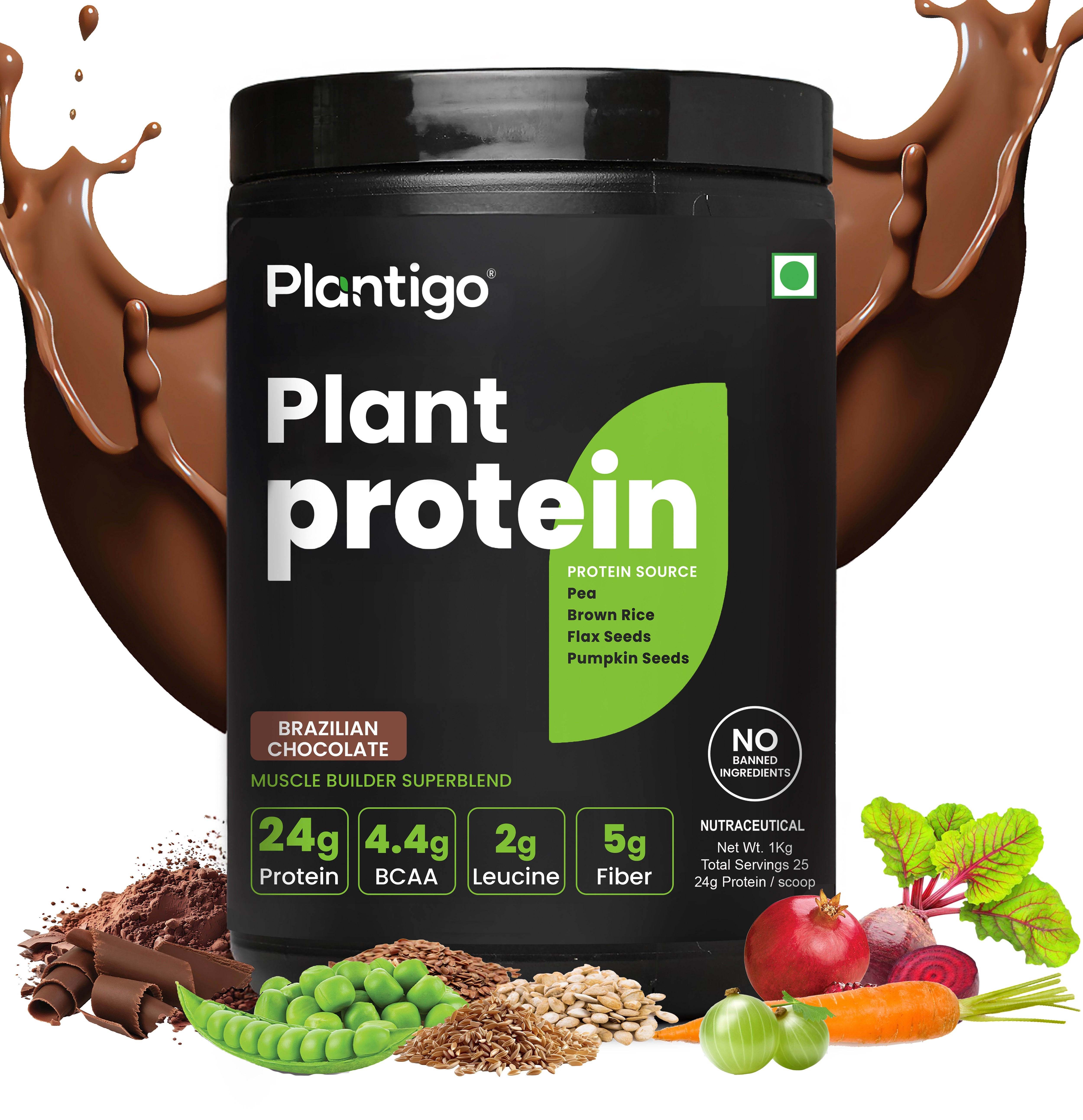
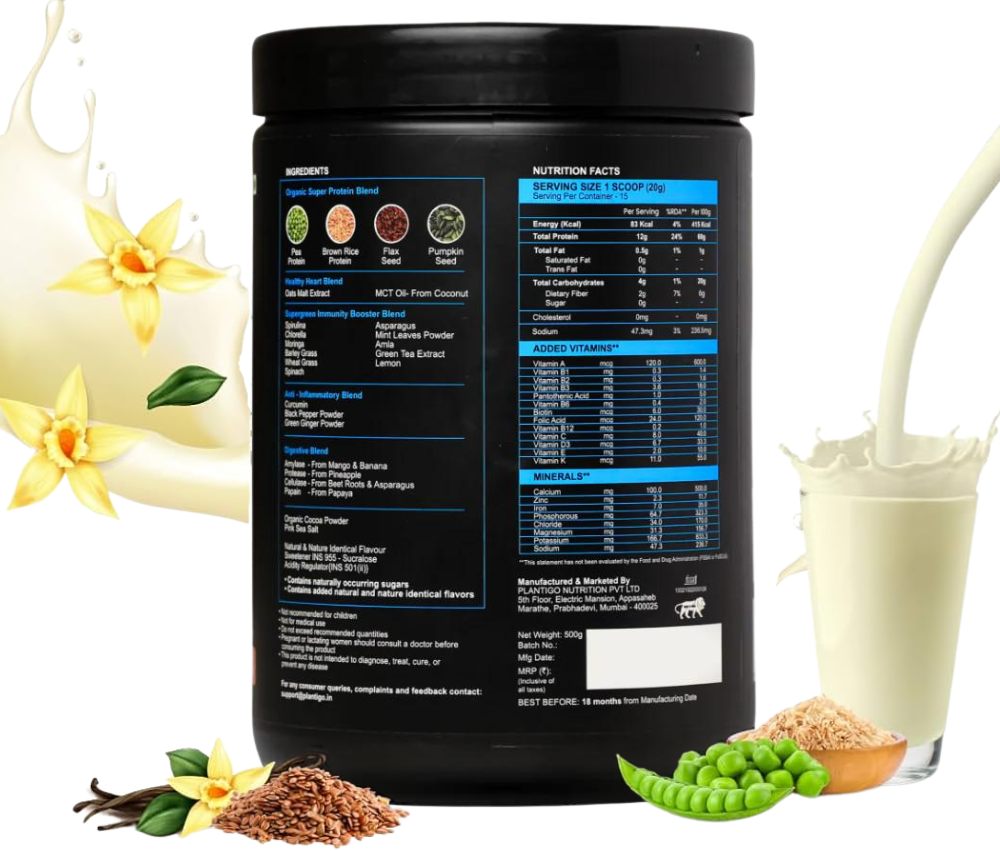
The best part? They fit easily into everyday routines. Add them to breakfast bowls, snack mixes, or smoothies—especially when paired with a balanced nutrition habit like Plantigo plant protein, which helps keep you fuller for longer and supports daily strength.
Try this for the next 14 days: include a small serving of mulberries daily and observe your energy, cravings, digestion, and skin clarity. Small changes done consistently create the biggest transformation.
Frequently Asked Questions
1. How many mulberries should I eat daily?
A healthy daily portion is about 1/4 to 1/2 cup fresh mulberries or 1–2 tablespoons dried mulberries. Start small and increase based on digestion.
2. Are mulberries good for blood sugar?
Yes. Mulberries contain natural compounds like DNJ, which may help reduce post-meal blood sugar spikes by slowing carbohydrate digestion.
3. Can diabetics eat mulberries?
In most cases, yes—in moderation. Mulberries are generally considered blood sugar-friendly, but diabetics should consult their doctor if on medication.
4. Are dried mulberries as healthy as fresh mulberries?
Yes, dried mulberries still provide antioxidants and fiber, but they are more concentrated in sugar and calories, so portion control matters.
5. What is the best time to eat mulberries?
The best time is after breakfast or lunch, or as an evening snack. Many people also add mulberries to smoothies with Plantigo plant protein for a balanced, filling option.