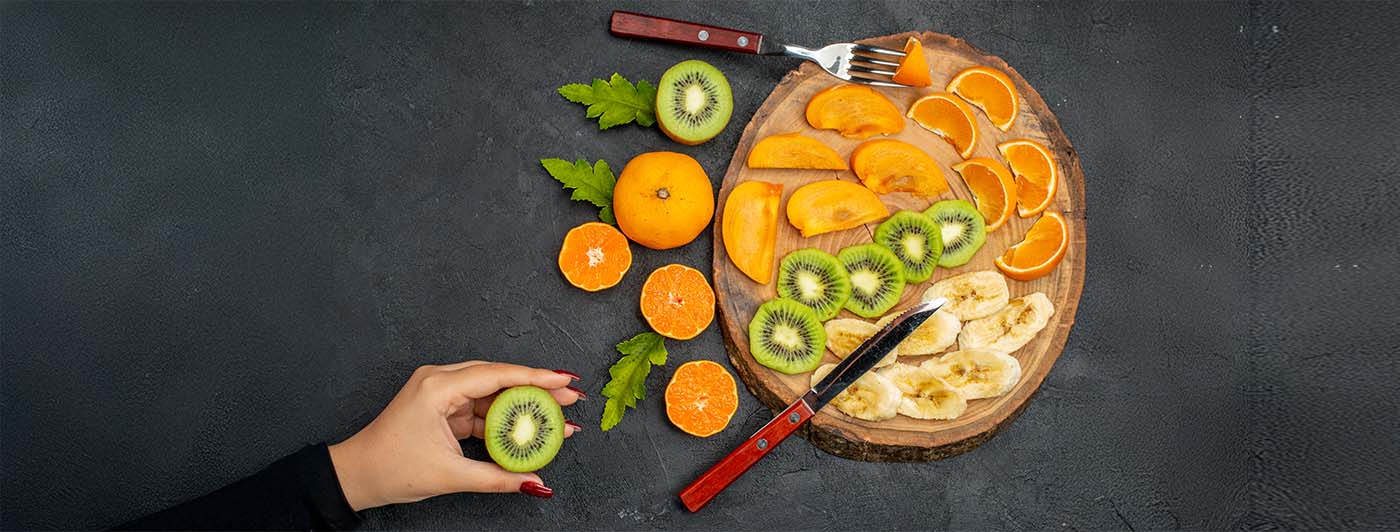
Lemons, watermelon, avocados, bananas, papaya and berries are the best alkaline fruits. They produce an alkaline effect after digestion, helping balance your body's pH, reduce inflammation and support digestion and energy levels daily.
Always feeling tired, bloated, or low on energy—even when you eat “healthy”?
You might be feeding your body more aci-forming foods than you realize.
Enter alkaline fruits—nature’s way of helping your body restore internal balance, flush toxins, and reduce inflammation. In a world filled with stress, processed foods, and pollution, these fruits support your kidneys, liver, and digestion by countering excess dietary acid.
And when combined with clean plant protein sources like lentils or pea-based powders, you create the ideal foundation for sustained energy and cellular recovery.
Let’s explore the top 12 alkaline fruits that can rebalance your system and elevate your health—naturally.
What Are Alkaline Fruits?
Alkaline fruits are foods that, despite their natural acidity, produce an alkaline effect on the body once metabolized. They help buffer excess acid produced from high-protein, processed, and refined diets. If you're already exploring balanced eating, a fruit diet for weight loss in 7 days could benefit significantly from choosing these highly alkalizing options.
When consumed consistently, alkaline fruits may contribute to improved energy levels, better bone health, and reduced bloating—without the need for extreme detox programs or restrictive diets.
In fact, a study found that diets emphasizing alkaline-forming foods (including fruits and vegetables) may help preserve muscle mass, enhance mineral absorption, and reduce chronic disease risk—especially in aging populations.
By reducing the body’s acid load, these fruits help lighten the burden on key organs like the kidneys and bones—creating a more supportive environment for long-term wellness.
The Top 12 Alkaline Fruits for pH Balance and Vitality
1. Lemons
Lemons are perhaps the most misunderstood fruit in the alkaline world. Though extremely acidic in taste, they become highly alkaline after digestion. Rich in vitamin C and antioxidants, lemons help detoxify the liver, stimulate digestive enzymes, and support the immune system. A glass of warm lemon water in the morning is one of the most effective and affordable drinks to reduce belly fat and promote hydration.
2. Avocados
Avocados are buttery, satisfying, and a powerhouse of nutrients. Besides being alkaline-forming, they provide heart-healthy monounsaturated fats, potassium (even more than bananas!), magnesium, and fiber. These nutrients help lower inflammation and support cardiovascular health. Avocados are also great in smoothies or on whole-grain toast as part of a pH-balancing breakfast.
3. Watermelon
Watermelon is not only hydrating and cooling but one of the most alkalizing fruits you can eat. With a pH nearing 9.0, it helps flush out acidic waste and supports kidney function. The high lycopene content makes it a potent anti-inflammatory food, and its low-calorie nature makes it one of the most satisfying zero calorie snacks during hot weather or post-workout hydration.
4. Bananas (Ripe)
Ripe bananas have a gentle alkalizing effect and are easy on the digestive system. Rich in potassium, vitamin B6, and natural sugars, bananas provide quick energy and are a good pre-workout snack. Their natural fiber also supports gut motility. For those transitioning to more plant-based eating, bananas blend well in smoothies with plant protein or nut butter.
5. Mangoes
Mangoes are a delicious tropical fruit that are also alkaline-forming when fully ripe. They are loaded with antioxidants like beta-carotene, vitamin A, and enzymes that aid digestion and boost skin health. Mangoes also support eye health and immunity, making them a tasty way to add diversity to your daily alkaline fruits intake.
Notably, while they aren’t a direct source of B12, they’re a great component of a diet that includes vitamin B12 fruits and vegetables —particularly when paired with fortified plant-based foods.
6. Papaya
Papaya is a fantastic gut healer. It contains papain, a powerful enzyme that improves protein digestion and reduces bloating. Its high vitamin C and beta-carotene content support immune function and skin repair. When eaten regularly, papaya promotes liver health and bowel regularity. It’s a perfect evening snack or morning addition to smoothies focused on pH balance.
7. Figs (Fresh and Dried)
Both fresh and dried figs are mineral-rich, making them excellent alkaline fruits for those with acidic dietary habits. Figs are particularly high in calcium, magnesium, and iron—supporting bone density, muscle function, and energy levels. If you’re looking for iron rich Indian foods in a plant-based format, figs deserve a spot on your plate.
Plus, their natural sweetness makes them a healthier substitute for sugary snacks or desserts.
8. Dates
Dates are naturally alkaline and packed with potassium, fiber, and essential trace minerals. They provide a quick, sustained energy boost without the crash that refined sugar causes. Thanks to their high alkaline ash content, dates help buffer excess acidity—especially after meals rich in meat or dairy.

For a balanced mini-meal, pair a few dates with a handful of nuts or blend them into a smoothie with plant based protein powder. It’s a great way to satisfy your sweet tooth while supporting muscle recovery and maintaining your body’s pH balance.
9. Apples
Crisp, juicy, and fiber-rich—apples are mildly alkaline and highly versatile. They are rich in polyphenols, which act as antioxidants and anti-inflammatories. The soluble fiber (pectin) supports digestive health and helps regulate blood sugar. Whether consumed raw or in a smoothie, apples are one of the easiest ways to eat more alkaline fruits daily.
10. Pineapple
Pineapple contains bromelain, an enzyme known for its anti-inflammatory and digestive properties. It helps break down protein more efficiently—making it an ideal pairing with pea protein powder for individuals on high-protein, plant-based diets. Pineapple supports immunity, reduces swelling, and has a mildly alkalizing effect post-digestion.
11. Cherries
Cherries are low-glycemic, antioxidant-rich, and mildly alkaline. They help regulate sleep (thanks to natural melatonin) and lower uric acid levels, which is beneficial for joint health. Whether eaten fresh or added to smoothies, cherries support liver detox and can be a delicious part of any high-antioxidant, pH-balancing meal.
12. Berries
Berries are small but mighty. Most are low in sugar, high in antioxidants, and slightly alkaline. They reduce oxidative stress, improve skin texture, and support cardiovascular health. Strawberries and raspberries are particularly helpful in reducing inflammation. Berries can also help curb sugar cravings while promoting alkalinity—especially for those following a structured fruit diet for weight loss in 7 days.
Alkaline Fruits Comparison: pH Effect, Calories and Best Use
|
Fruit |
Alkaline Effect |
Calories per 100g |
Best Time to Eat |
Indian Availability |
|
Lemon |
Very High |
29 |
Morning, empty stomach |
Year round |
|
Watermelon |
Very High |
30 |
Midday, post-workout |
Summer |
|
Avocado |
High |
160 |
Breakfast, smoothies |
Limited, urban stores |
|
Banana |
Moderate |
89 |
Pre-workout, morning |
Year round |
|
Mango |
Moderate-High |
60 |
Afternoon, ripe only |
Summer |
|
Papaya |
High |
43 |
Morning, evening |
Year round |
|
Figs |
High |
74 |
Evening, snack |
Seasonal |
|
Dates |
Moderate-High |
277 |
Pre-workout, snack |
Year round |
|
Apple |
Mild |
52 |
Anytime |
Year round |
|
Pineapple |
Mild-Moderate |
50 |
Post-meal |
Year round |
|
Cherries |
Mild |
50 |
Evening |
Seasonal |
|
Berries |
Mild |
32-57 |
Morning, smoothies |
Limited |
Alkaline Fruits in India: Best Local Options
Most alkaline fruit guides focus on Western options like avocados and blueberries — which are expensive and hard to find in India. Here are the best alkaline fruits available year round in Indian markets:
Year-round Indian alkaline fruits:
-
Lemon (Nimbu) — Most alkaline fruit available in India. Extremely affordable, available everywhere. One glass of warm nimbu pani daily is one of the simplest alkaline habits you can build
-
Banana (Kela) — Gentle alkalizing effect, available across India at Rs 20-40 per dozen. Ideal pre-workout and breakfast option
-
Papaya (Papita) — Highly alkaline, widely available and affordable. Contains papain for digestion. One of the best daily alkaline fruits for Indian diets
-
Dates (Khajoor) — Available year round in dry form. Naturally alkaline with high potassium content. 3-4 dates daily is a practical habit
-
Mango (Aam) — Seasonal but highly alkaline when fully ripe. India's most beloved fruit is also one of its most alkalizing
Seasonal Indian alkaline fruits:
-
Chikoo (Sapodilla) — mildly alkaline, rich in fiber
-
Jamun — alkaline-forming, particularly good for blood sugar regulation
-
Amla (Indian Gooseberry) — extremely high in vitamin C, alkaline-forming and one of the most powerful Ayurvedic alkalizing foods
Budget guide:
-
Most affordable: Lemon, banana, papaya — all under Rs 50 for a week's supply
-
Mid range: Mango, dates, chikoo — Rs 100-200 per week
-
Premium: Avocado, berries — Rs 300+ per week, limited availability
How Much Alkaline Fruit Should You Eat Daily?
More is not always better — eating large quantities of fruit can spike blood sugar even with alkaline varieties. Here's a practical daily portion guide:
|
Fruit |
Daily Portion |
Calories |
Notes |
|
Lemon |
Juice of 1 lemon in water |
11 |
Unlimited — use as drink |
|
Watermelon |
2 cups / 300g |
90 |
Ideal midday snack |
|
Banana |
1 medium |
89 |
Pre-workout or breakfast |
|
Papaya |
1 cup / 140g |
55 |
Morning or evening |
|
Mango |
1 cup / 165g |
99 |
Limit to 1 serving — higher sugar |
|
Dates |
3-4 dates / 30g |
83 |
Pre-workout energy |
|
Apple |
1 medium |
95 |
Anytime snack |
|
Berries |
½ cup / 75g |
35-45 |
Smoothies or breakfast |
|
Figs |
2-3 fresh / 60g |
44 |
Evening snack |
Daily target: 2-3 servings of alkaline fruits spread across the day. Avoid eating large amounts of fruit at one sitting — distribute across meals for best pH and blood sugar balance.
For weight management: Stick to lower calorie options — watermelon, papaya, berries and lemon as primary choices. Limit dates and mangoes to 1 serving daily.
Balancing Alkalinity and Protein: Can You Do Both?
Yes! You can maintain an alkaline-leaning diet and still meet your protein needs. Incorporating plant based protein powder or lentil-based dishes (like dals) ensures you're getting sufficient protein without creating excessive acid load.
For instance, many Indian households ask, "which dal has highest protein?" The answer is typically moong dal, urad dal, or masoor dal. These pair beautifully with alkaline vegetables like spinach, beetroot, and lemon juice for a wholesome, balanced meal.
Use a protein intake calculator to assess your needs based on activity level, weight, and goals—this will help you balance your alkaline fruits and protein consumption wisely.
Small Changes, Big Benefits
Here’s how to integrate alkaline fruits throughout your day:

-
Morning: Start with warm lemon water followed by a banana-avocado smoothie.
-
Midday: Snack on watermelon or apples with a handful of soaked figs.
-
Afternoon: Add mango or papaya to your salad.
-
Evening: Enjoy dates or cherries as dessert instead of processed sweets.
These fruits, when spread across meals, can elevate your energy, reduce bloating, and help you feel lighter.
Final Thoughts
Incorporating alkaline fruits into your daily routine is one of the most powerful ways to reclaim your energy, reduce inflammation, and restore balance—naturally. These fruits work in harmony with your body, helping it detox, digest, and thrive without the need for restrictive diets or quick-fix cleanses.
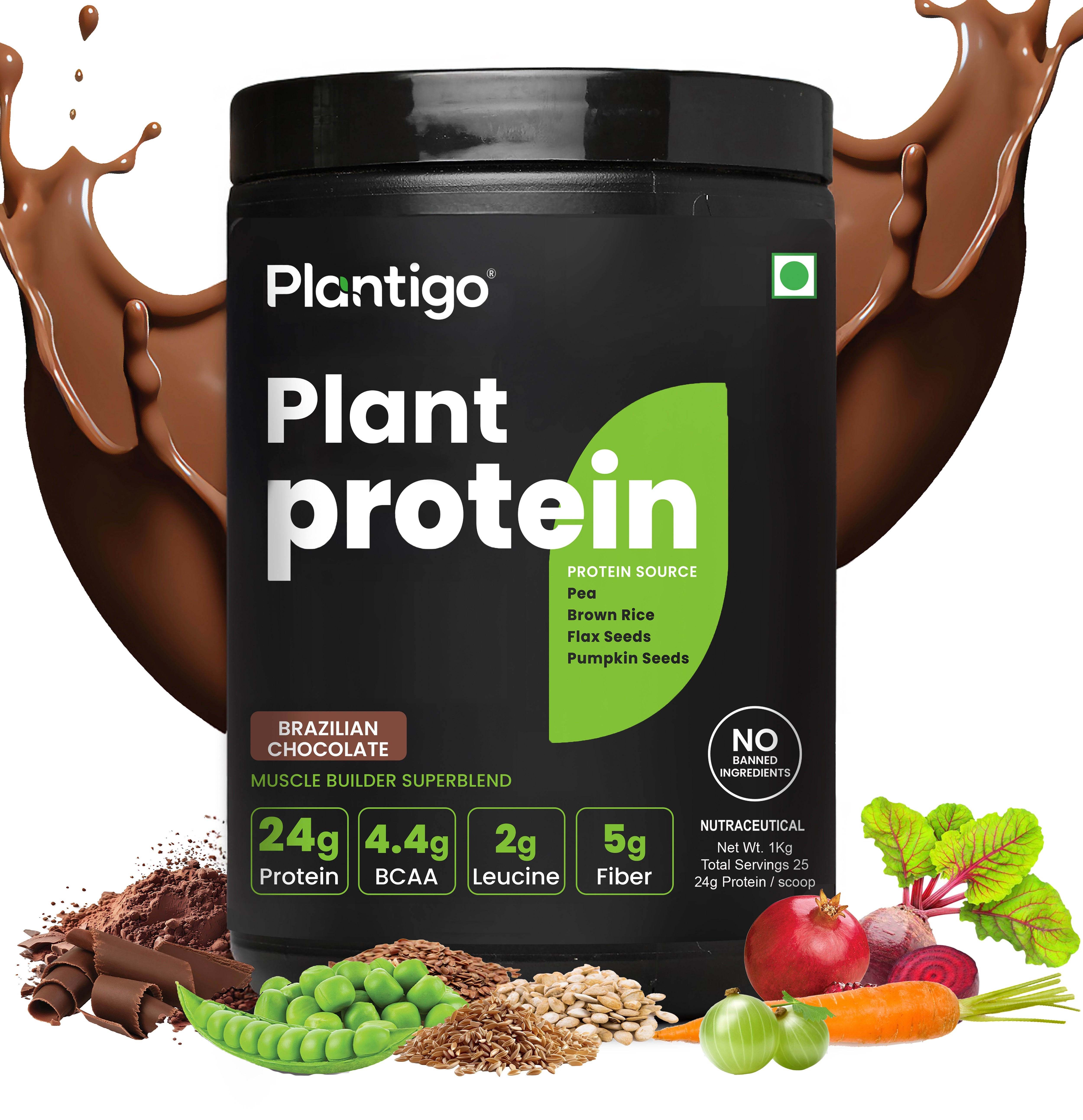
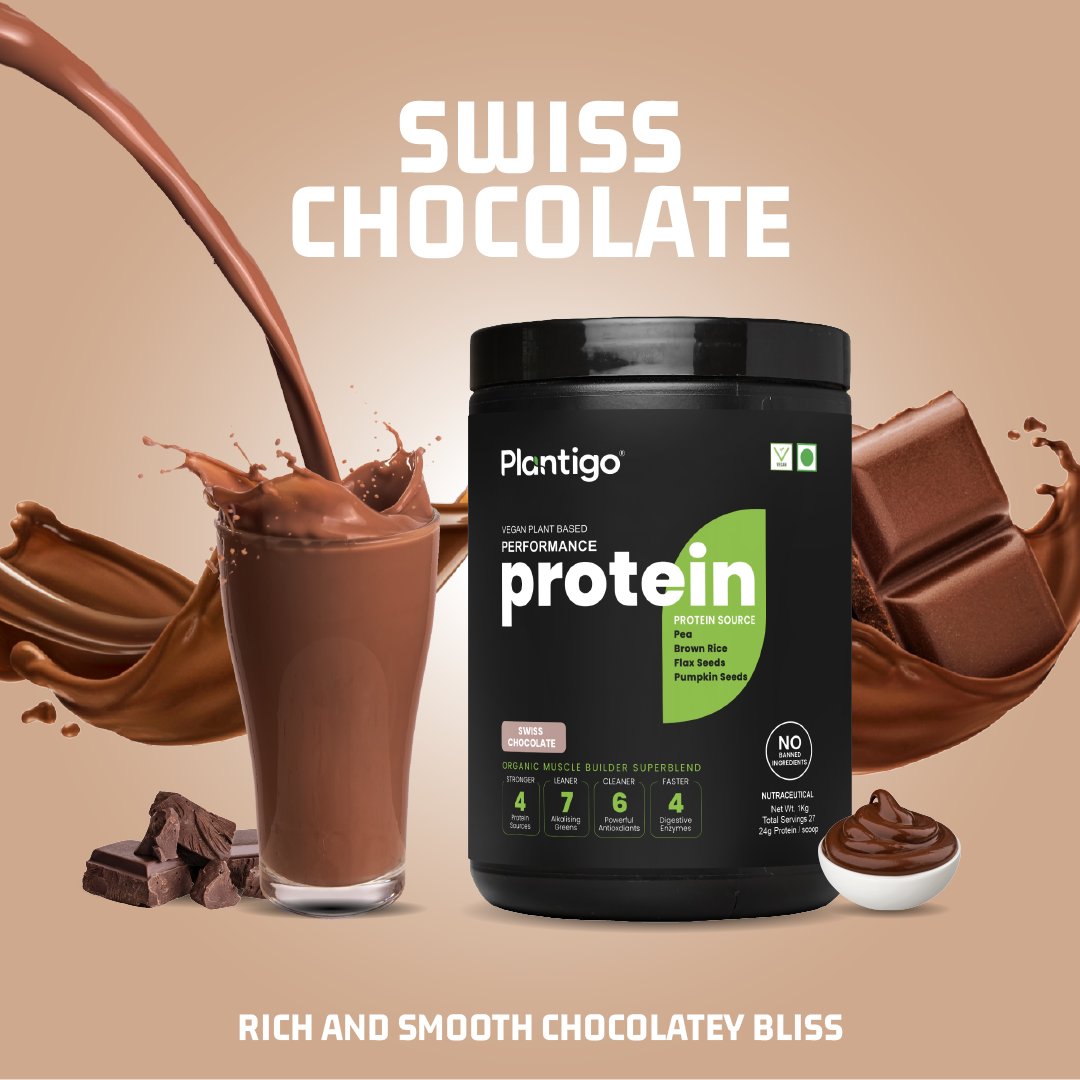
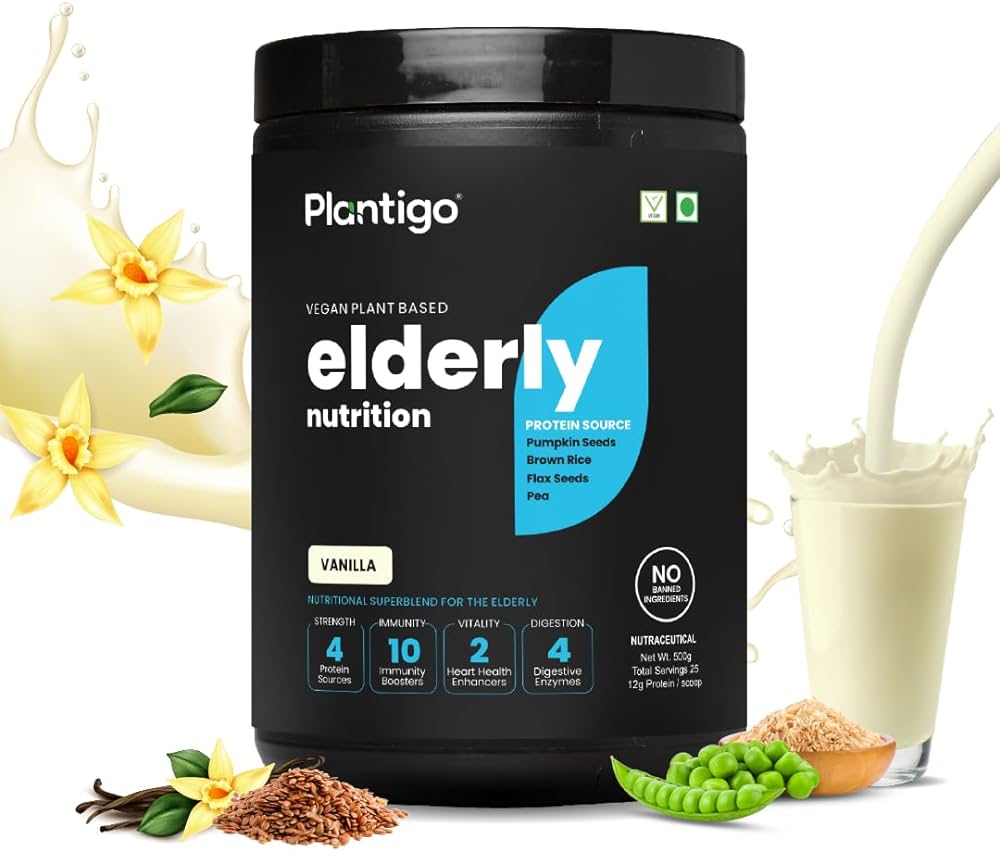
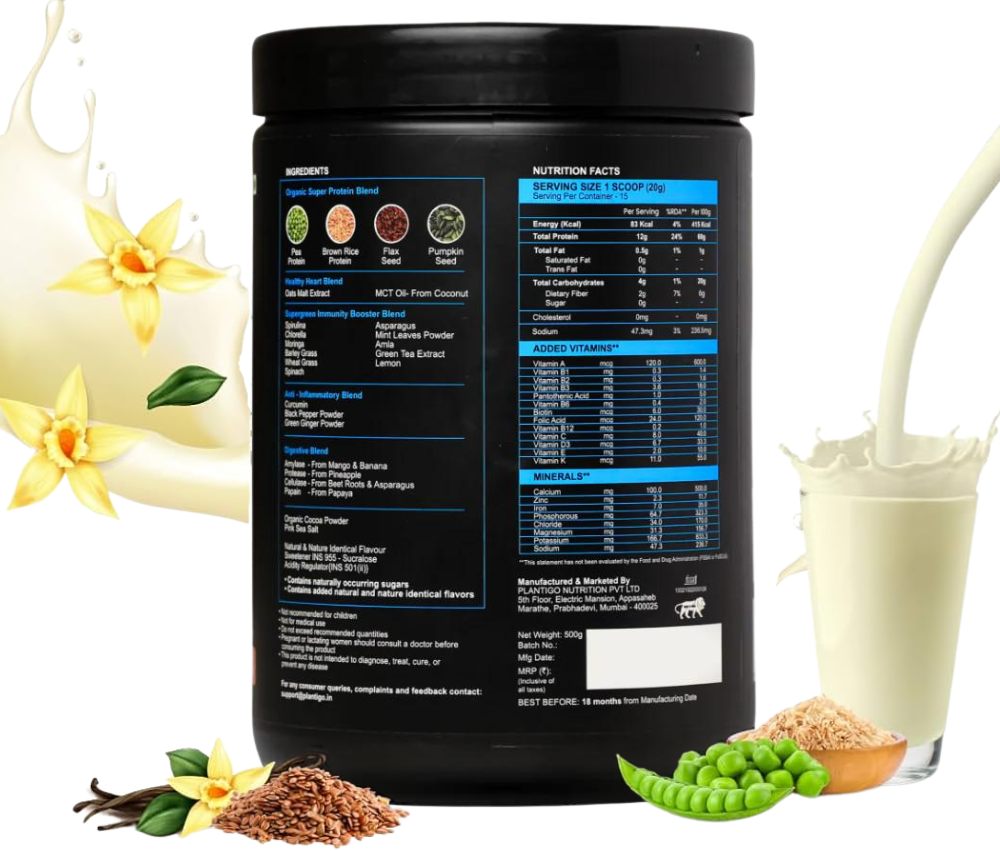
And to take your alkaline lifestyle to the next level, pair it with clean, gut-friendly protein. Plantigo plant protein blends seamlessly into your day—fueling recovery, supporting satiety, and keeping your system light and nourished.
So don’t wait.
Make your move toward better health.
Choose alkaline fruits, fuel up with Plantigo, and feel the shift from the inside out.
Frequently Asked Questions
Q1: Which fruit is highly alkaline?
Lemons, watermelon and avocados are the most alkaline fruits. Despite their acidic taste, they become highly alkaline after digestion and effectively balance body pH.
Q2: What are the 10 most alkaline foods?
Lemons, watermelon, avocados, spinach, cucumber, kale, bananas, papaya, figs and berries. All produce alkaline residue after digestion and help buffer dietary acid.
Q3: How do I make my body 100% alkaline?
The body maintains blood pH between 7.35 and 7.45 naturally. Eating more alkaline fruits and vegetables, reducing processed foods and staying hydrated supports this balance effectively.
Q4: Which Indian food is alkaline?
Lemons, bananas, mangoes, papaya, figs and dates are common Indian alkaline fruits. Dal and leafy greens like spinach and methi are also alkaline-forming after digestion.
Q5: Are alkaline fruits good for weight loss?
Yes — most are high in fiber and low in calories, reducing bloating and supporting digestion without excess calories.