
What if your body was already wired to build muscle faster and burn fat more efficiently—you just needed the right approach to unlock it?
If you’ve ever felt that your body responds quickly to workouts—muscle showing up faster than expected, fat dropping with relative ease—you might belong to a rare but powerful category: the mesomorph body type.
Often seen as the most “athletically gifted,” this body type still has a hidden challenge. Without the right training and recovery, even mesomorphs hit plateaus sooner than expected—strength stalls, fat loss slows, and progress feels frustratingly inconsistent.
In this guide, we’ll go beyond generic fitness advice. You’ll learn how your body works, why certain workouts accelerate results, and how to train smart enough to build muscle and burn fat together—without overtraining. You’ll also see how balanced nutrition, including adequate plant protein, supports sustainable performance and recovery.
Understanding the Mesomorph Body Type
The mesomorph body type sits perfectly between strength and leanness. Structurally, mesomorphs tend to have broader shoulders, narrower waists, and naturally higher muscle density.
But what truly defines the mesomorph body type is metabolic efficiency—your body converts training stimulus into muscle faster than ectomorphs and stores fat less aggressively than endomorphs.
Still, this advantage comes with a warning: because progress comes easily, many mesomorphs either train too hard or ignore recovery—both mistakes that stall long-term gains.
Understanding your mesomorph body type isn’t about ego—it’s about optimization.
How the Mesomorph Body Type Builds Muscle and Burns Fat Together
The mesomorph body type excels at recomposition—losing fat while gaining muscle simultaneously. This happens because muscle protein synthesis and fat oxidation can occur efficiently at the same time when training is structured correctly.
In fact, research on body recomposition—the process of reducing body fat while increasing or maintaining lean mass—has been studied for decades and shows that strategic combinations of resistance training and diet can make simultaneous fat loss and muscle gain possible, even without large changes in total body weight.
However, many mesomorphs sabotage this advantage by doing only heavy lifting or excessive cardio. Balance is key.
When workouts combine:
-
Mechanical tension (heavy lifts)
-
Metabolic stress (short rest periods)
-
Athletic movement patterns
…the mesomorph body type thrives.
10 Best Workouts for the Mesomorph Body Type
Below are workouts designed to maximize muscle growth and fat loss for the mesomorph body type, along with step-by-step guidance on how to perform them correctly.

1. Compound Strength Training (4–6 Rep Range)
How to do it:
-
Choose compound lifts like squats, deadlifts, bench press, and overhead press
-
Perform 4–5 sets of 4–6 reps
-
Use challenging weights while maintaining perfect form
-
Rest 2–3 minutes between sets
-
Train 3–4 compound lifts per session
This style stimulates maximum muscle fibers—something the mesomorph body type responds to exceptionally well.
2. Upper–Lower Split Training
How to do it:
-
Alternate upper-body and lower-body training days
-
Upper body days: chest, back, shoulders, arms
-
Lower body days: quads, hamstrings, glutes, calves
-
Train 4 days per week (Upper–Lower–Rest–Repeat)
-
Keep sessions under 75 minutes
This structure supports recovery without reducing weekly volume.
3. High-Intensity Interval Training (HIIT)
How to do it:
-
Choose a cardio modality (sprints, rowing, cycling)
-
Sprint at maximum effort for 20–30 seconds
-
Recover for 60–90 seconds
-
Repeat for 8–12 rounds
-
Perform 2–3 HIIT sessions weekly
HIIT enhances fat loss while preserving muscle—ideal for the mesomorph body type.
4. Push–Pull–Legs (PPL)
How to do it:
-
Push day: chest, shoulders, triceps
-
Pull day: back, biceps
-
Legs day: quads, hamstrings, glutes
-
Train 5–6 days per week if recovery allows
-
Use moderate volume with controlled tempo
This split increases training frequency while preventing overuse injuries.
5. Athletic Circuits
How to do it:
-
Combine 4–6 functional exercises (sled push, kettlebell swings, box jumps)
-
Perform each movement for 30–45 seconds
-
Rest 15–30 seconds between exercises
-
Complete 3–5 rounds
-
Focus on explosiveness and control
Athletic circuits improve power, conditioning, and fat loss together.
6. Tempo Training
How to do it:
-
Slow down the eccentric (lowering) phase to 3–4 seconds
-
Pause briefly at the bottom of the movement
-
Explode through the concentric phase
-
Use lighter weights than usual
-
Apply to key lifts like squats, presses, and rows
This increases time under tension—a major growth driver for the mesomorph body type.
7. Bodyweight Strength Training
How to do it:
-
Focus on pull-ups, dips, push-ups, lunges, and planks
-
Perform controlled reps with full range of motion
-
Add pauses or slow tempos to increase difficulty
-
Train 2–3 times per week
-
Use as finishers or standalone sessions
Bodyweight work enhances muscular control and joint health.
8. Core-Integrated Workouts
How to do it:
-
Include movements like farmer’s carries, dead bugs, Pallof presses
-
Train core 3–4 times per week
-
Focus on anti-rotation and anti-extension exercises
-
Keep reps slow and controlled
A strong core improves strength transfer and posture.
9. Active Recovery Sessions
How to do it:
-
Engage in light swimming, yoga, or mobility work
-
Keep intensity below 60% effort
-
Limit sessions to 30–45 minutes
-
Focus on breathing and joint mobility
Active recovery prevents burnout and supports longevity.
10. Periodized Deload Weeks
How to do it:
-
Reduce training volume by 40–50%
-
Maintain movement patterns but lower intensity
-
Deload every 6–8 weeks
-
Prioritize sleep and hydration
Deloads help the mesomorph body type avoid nervous system fatigue.
Nutrition Strategy That Supports the Mesomorph Body Type
While training drives adaptation, nutrition determines sustainability. The mesomorph body type performs best on a balanced intake—not extreme low-carb or high-fat approaches.
Whole-food protein sources matter. For example:
-
Protein in rajma per 100g provides a solid plant-based option alongside fiber
-
Protein in 1 roti contributes modestly but consistently to daily intake
-
Quinoa protein per 100g adds both amino acids and micronutrients
Balanced meals reduce cravings and prevent fat rebound—something even the mesomorph body type isn’t immune to.
Protein Timing and Common Myths
A frequent question is whether a protein shake without working out makes sense. For mesomorphs, protein intake supports recovery and muscle maintenance even on rest days—but it shouldn’t replace whole foods.
Some people also rely heavily on supplements while ignoring vegetables. This is a mistake. Including fiber rich vegetables improves digestion, insulin sensitivity, and nutrient absorption—critical for body recomposition.
Can Fruit-Based Diets Work for Mesomorphs?
You may have heard of a 7 day fruit diet plan. While short-term fruit-focused resets can improve hydration and digestion, the mesomorph body type needs sufficient protein and fats to maintain lean mass. Fruits can complement a diet—but shouldn’t dominate it.
How Much Protein Does a Mesomorph Really Need?
Instead of guessing, using a protein intake calculator helps tailor intake based on weight, training intensity, and goals. Mesomorphs typically do best with moderate-to-high protein spread evenly across meals.

Plant-forward eaters often ask about powders. A plant based protein powder can support intake when whole foods fall short, especially for busy schedules. Options like pea protein powder fit seamlessly when used minimally and thoughtfully.
Importantly, muscle doesn’t care whether amino acids come from animal or plant protein—it cares about adequacy, digestibility, and consistency.
Recovery: The Silent Weapon of the Mesomorph Body Type
The mesomorph body type recovers faster than most—but that doesn’t mean recovery can be ignored. Sleep quality, hydration, and stress management determine whether training builds or breaks you down.
Skipping recovery often leads to joint pain, stalled gains, and unexpected fat gain—especially when cortisol remains elevated for prolonged periods. A peer-reviewed review shows how sleep plays a critical role in physical recovery, tissue repair, and performance adaptation in active individuals and athletes.
Skipping recovery leads to joint pain, stalled gains, and unexpected fat gain—especially when cortisol stays elevated.
Training Frequency and Long-Term Progress
One overlooked truth: the mesomorph body type adapts quickly—which means workouts stop working sooner. Rotating rep ranges, exercise order, and intensity every 6–8 weeks keeps progress moving forward.
Curiosity and experimentation keep motivation high—and consistency beats perfection every time.
Final Thoughts
The mesomorph body type is a gift—but only when paired with intelligent training, balanced nutrition, and adequate recovery. Muscle gain and fat loss don’t happen by accident; they happen by design.
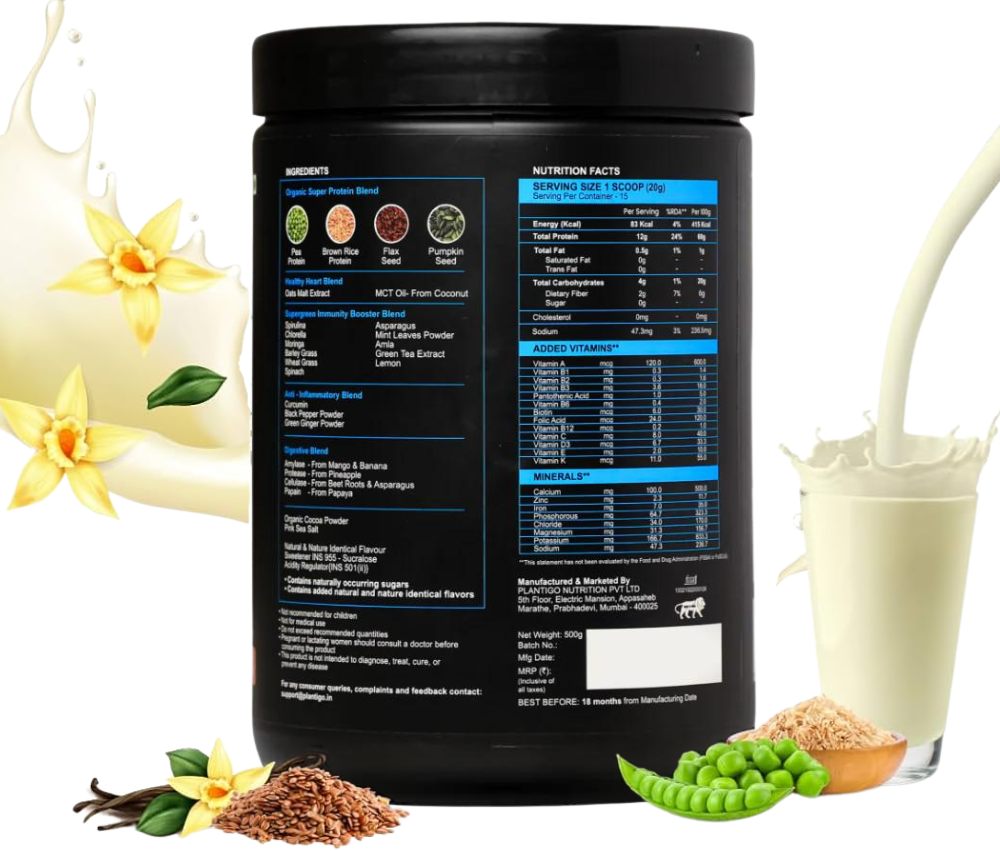
By combining structured workouts, mindful food choices, and strategic rest, the mesomorph body type can achieve what most physiques spend years chasing—strength, definition, and long-term athletic health. Nutrition plays a quiet but powerful role here, and ensuring consistent, high-quality protein intake—whether from whole foods or clean options like Plantigo plant protein —helps support recovery and muscle maintenance without complicating your routine.
Once you truly understand why your body responds the way it does, every workout becomes more intentional, every meal more purposeful, and every result more predictable.
Now it’s your move. Train with clarity, fuel your body wisely, and start designing results—rather than hoping for them.
Frequently Asked Questions
1. What is the mesomorph body type?
The mesomorph body type is characterized by a naturally athletic build, higher muscle density, broader shoulders, and efficient metabolism, making muscle gain and fat loss easier with proper training.
2. Can the mesomorph body type build muscle and lose fat at the same time?
Yes, the mesomorph body type responds well to body recomposition. With balanced resistance training, controlled cardio, and adequate protein intake, muscle gain and fat loss can happen simultaneously.
3. How often should a mesomorph train each week?
Most people with a mesomorph body type benefit from training 4–6 days per week. This allows sufficient stimulus for growth while still supporting recovery and preventing plateaus.
4. Do mesomorphs need cardio to lose fat?
Yes, but in moderation. Short sessions of HIIT or athletic conditioning work best for the mesomorph body type, as excessive steady-state cardio can interfere with muscle gains.
5. Is recovery really important for the mesomorph body type?
Absolutely. Even though the mesomorph body type recovers faster than others, poor sleep and high stress can raise cortisol levels, slowing muscle growth and increasing fat storage.