A 10 kg weight gain diet chart built around high-calorie Indian foods requires a daily caloric surplus of 500–750 calories above maintenance, with protein targets of 1.6–2.2g per kg of body weight. The right foods, meal timing, and consistency over 8–12 weeks produce sustainable, muscle-focused weight gain — not just fat accumulation.
Understanding the 10 kg Weight Gain Diet Chart
Before diving into the 7-day plan, it’s important to understand why a structured 10 kg weight gain diet chart works. Weight gain requires 7000–7700 surplus calories for every 1 kg, so gaining 10 kg means creating a surplus of about 70,000 calories over time.
Scientific research clearly supports this: controlled overfeeding studies show that when individuals consistently consume calories above maintenance, both body weight and lean mass increase significantly—especially when paired with resistance training.
This is also where tools like a protein intake calculator become useful, helping you identify exactly how much protein your body requires based on weight and activity level. While calorie surplus drives weight gain, quality protein ensures the gained weight is mostly lean mass.
High-Calorie Indian Foods That Support Weight Gain
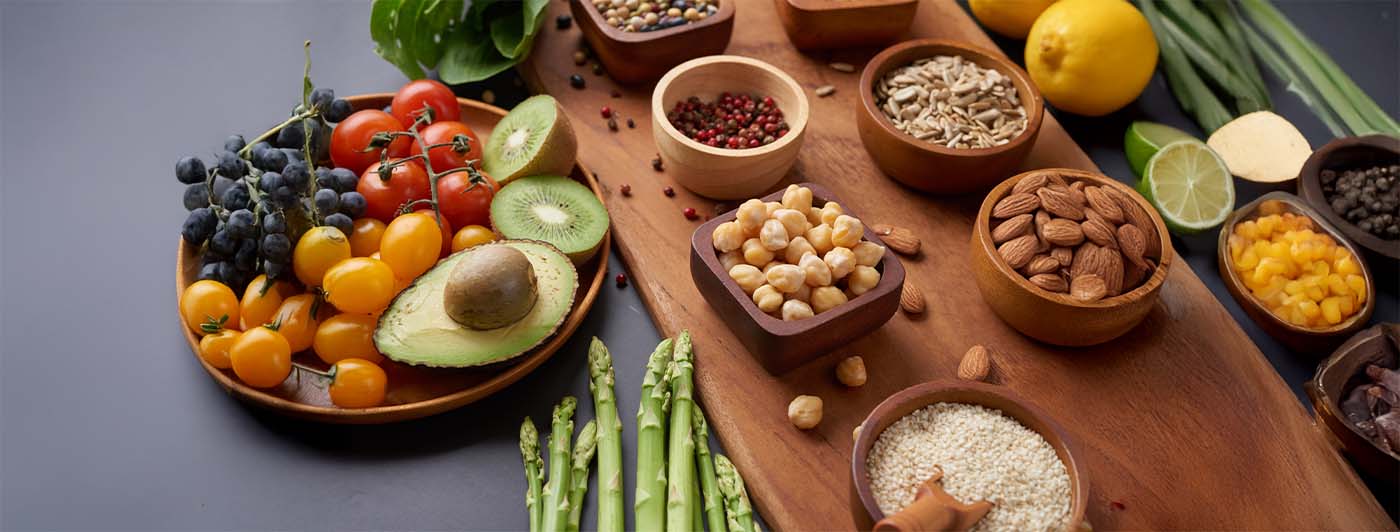
Indian cuisine naturally includes some of the world’s best foods for healthy weight gain—rich dals, ghee, paneer, nuts, seeds, and wholesome grains. For instance, understanding which dal has highest protein helps you pick lentils that build muscle faster. Similarly, adding calorie boosters like bananas, dates, jaggery, parathas with ghee, and nut butters can significantly increase your daily intake.

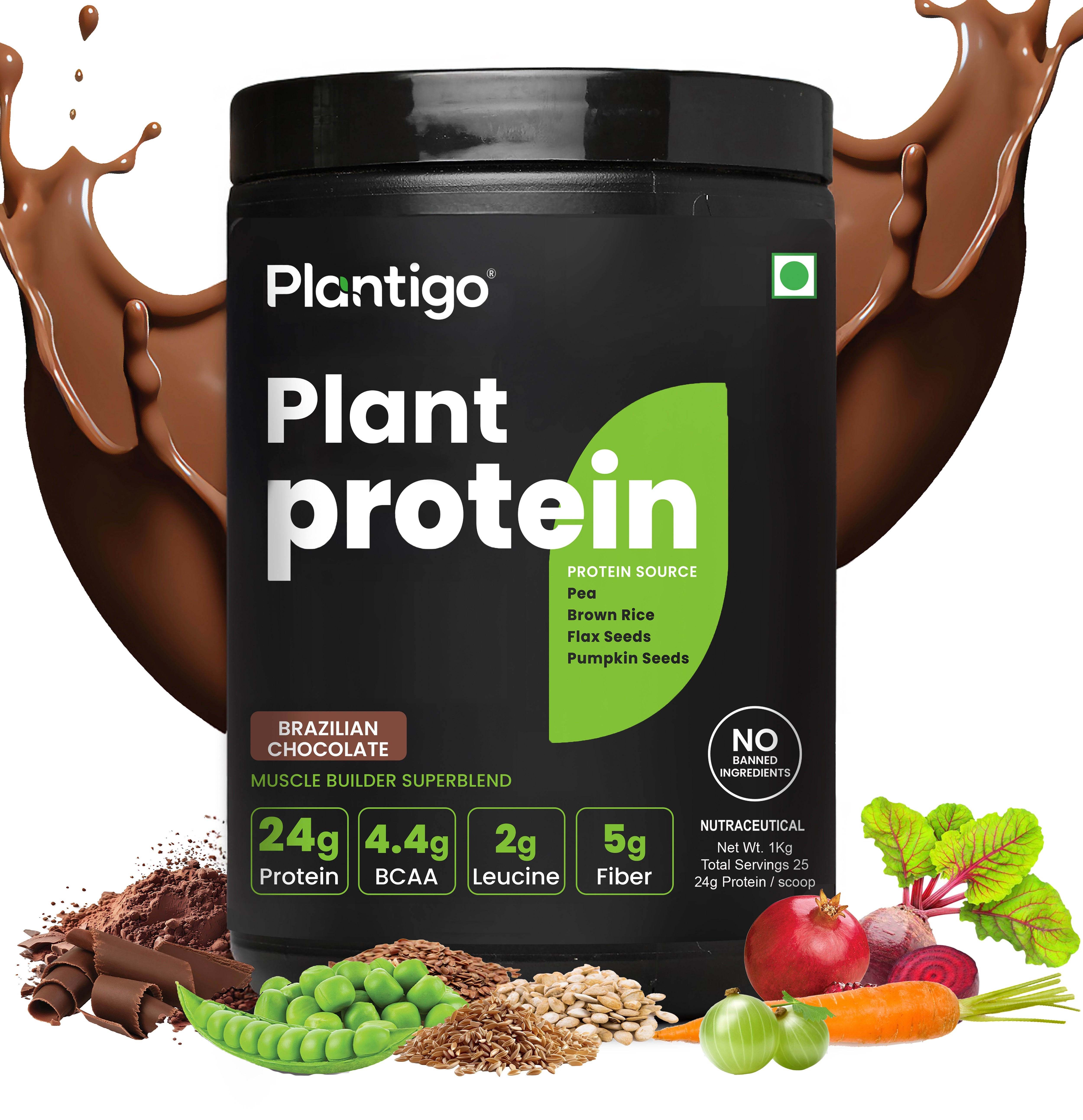
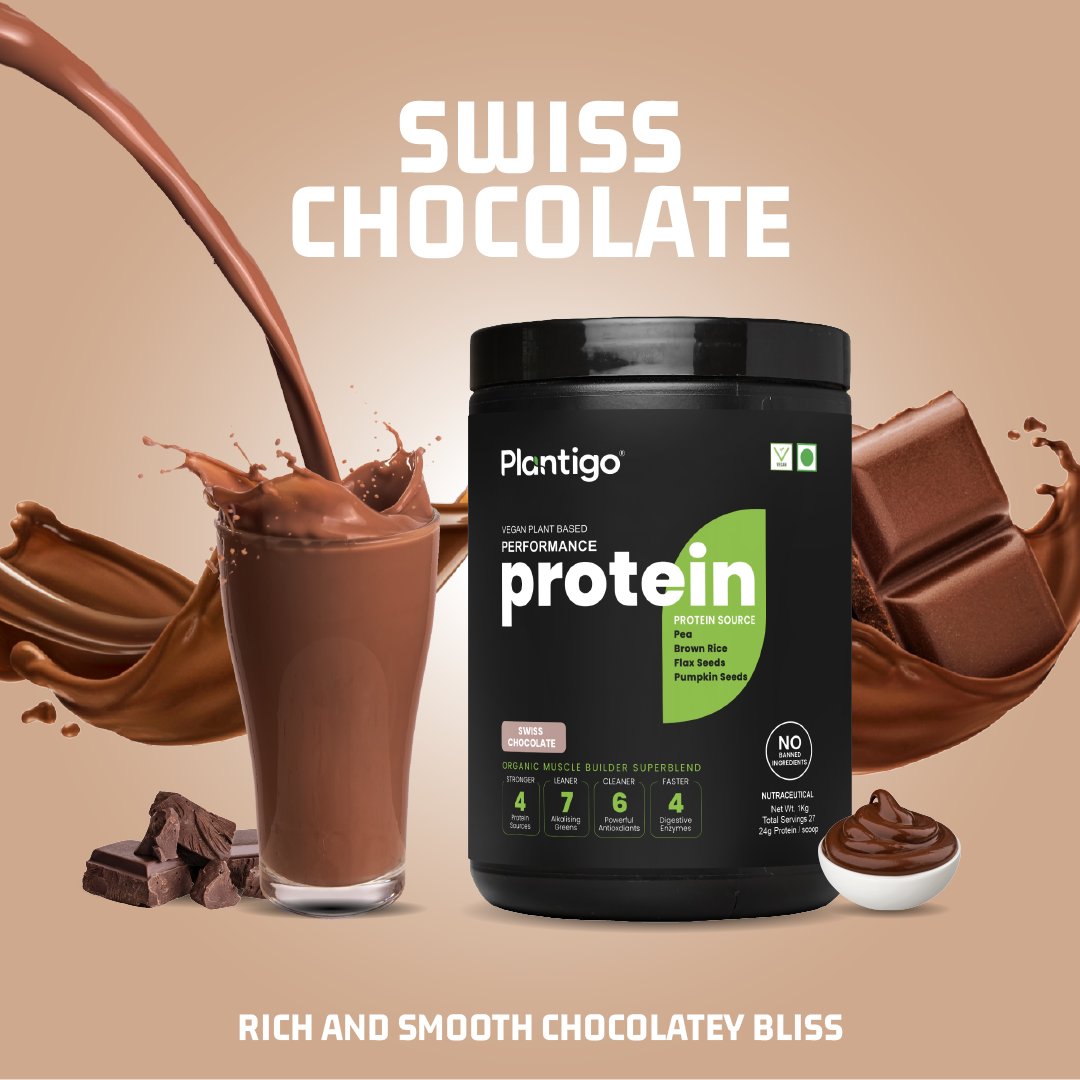
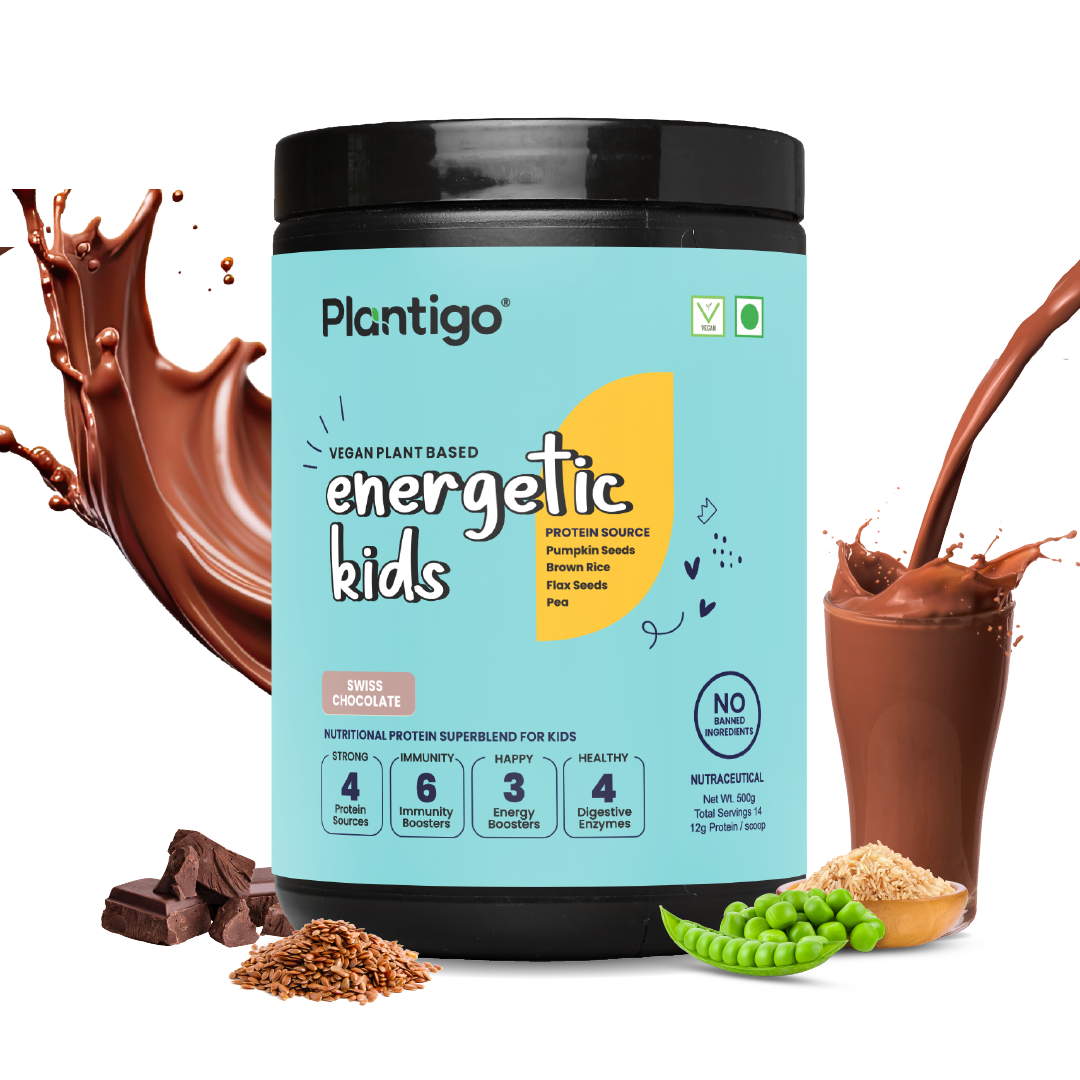
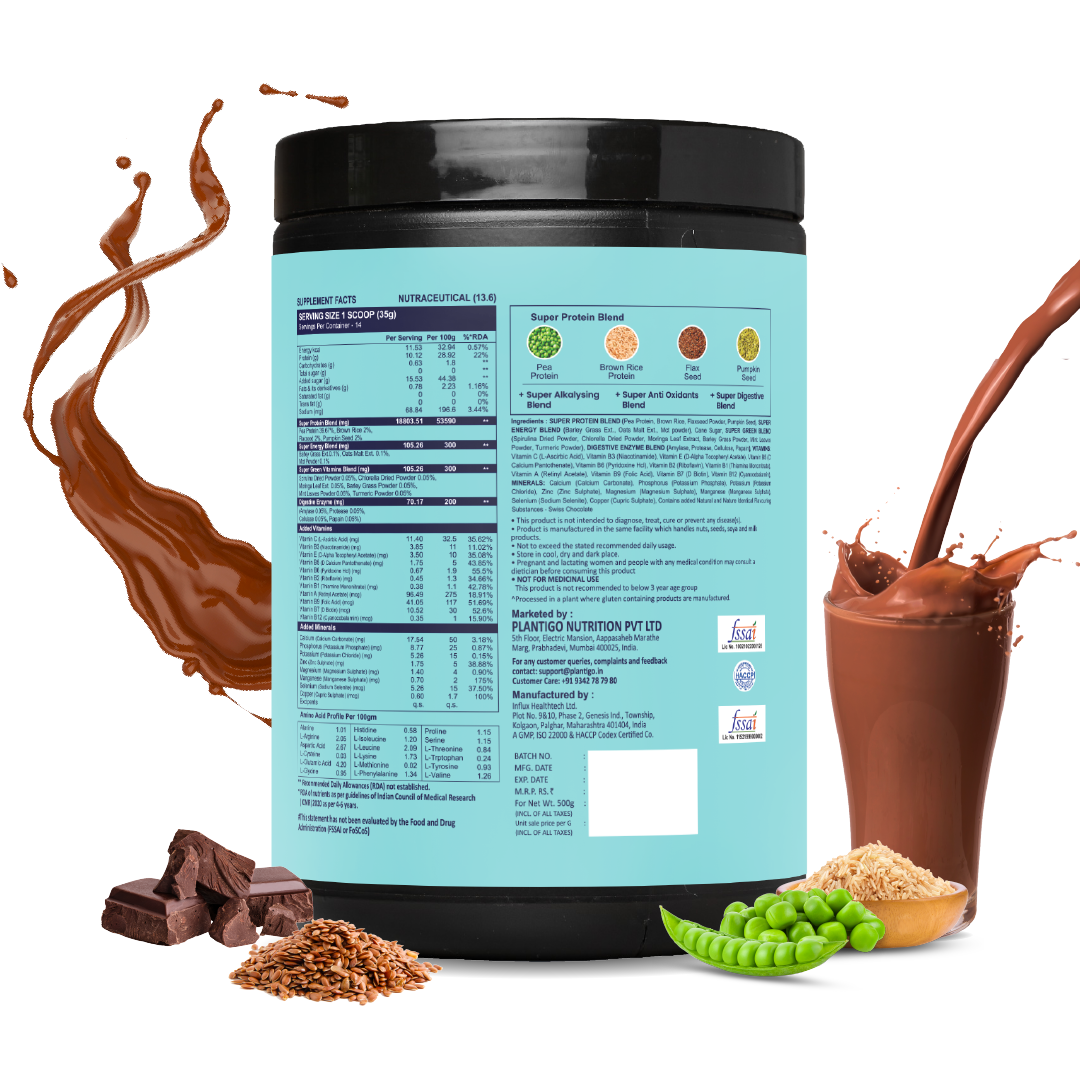
Plant-based eaters can diversify proteins using legumes, seeds, and moderate supplementation like pea protein powder, which is easy to digest and suitable for daily use.
As you follow the 10 kg weight gain diet chart, the focus remains on increasing calories while keeping digestion smooth and meals enjoyable.
7-Day 10 kg Weight Gain Diet Chart (Indian Meal Plan)
This chart is built for a 60–65kg individual targeting a 500–700 calorie daily surplus. Adjust portions based on your TDEE.
Day 1
|
Meal |
Food |
Calories |
Protein |
|
Early Morning (7am) |
Full-fat milk + honey + 5 soaked almonds |
~220 |
~9g |
|
Breakfast (8:30am) |
2 besan chilla with paneer stuffing + lassi |
~450 |
~22g |
|
Mid-Morning (11am) |
1 banana + mixed nuts |
~300 |
~6g |
|
Lunch (1:30pm) |
3 rotis + kala chana masala + raita + salad |
~550 |
~28g |
|
Evening Snack (4:30pm) |
Peanut butter on 2 multigrain toast + milk |
~400 |
~16g |
|
Dinner (7:30pm) |
2 cups rice + rajma curry + sabzi + ghee |
~600 |
~24g |
|
Post-Dinner (9pm) |
Warm full-fat milk with turmeric and honey |
~180 |
~8g |
|
Daily Total |
~2,700 |
~113g |
Day 2
|
Meal |
Food |
Calories |
Protein |
|
Early Morning (7am) |
Banana milkshake — full-fat milk + banana + honey |
~280 |
~9g |
|
Breakfast (8:30am) |
Oats porridge with full-fat milk + dry fruits + 2 boiled eggs |
~500 |
~26g |
|
Mid-Morning (11am) |
Chana chaat — 100g sprouted chana with lemon |
~200 |
~22g |
|
Lunch (1:30pm) |
2 cups rice + moong dal + paneer sabzi + ghee |
~620 |
~30g |
|
Evening Snack (4:30pm) |
Til chikki + 1 glass full-fat milk |
~380 |
~12g |
|
Dinner (7:30pm) |
3 rotis + dal makhani + raita |
~580 |
~26g |
|
Post-Dinner (9pm) |
10 soaked cashews + warm milk |
~220 |
~8g |
|
Daily Total |
~2,780 |
~133g |
Day 3
|
Meal |
Food |
Calories |
Protein |
|
Early Morning (7am) |
Full-fat milk + 5 almonds + 3 dates |
~240 |
~8g |
|
Breakfast (8:30am) |
2 aloo paratha with butter + curd |
~520 |
~14g |
|
Mid-Morning (11am) |
Peanut butter smoothie — milk + banana + peanut butter |
~380 |
~14g |
|
Lunch (1:30pm) |
2 cups rice + chana dal + egg curry (2 eggs) + salad |
~650 |
~32g |
|
Evening Snack (4:30pm) |
Roasted chana + handful of dry fruits |
~320 |
~18g |
|
Dinner (7:30pm) |
3 rotis + palak paneer + raita |
~600 |
~28g |
|
Post-Dinner (9pm) |
Warm milk with ashwagandha |
~160 |
~8g |
|
Daily Total |
~2,870 |
~122g |
Day 4
|
Meal |
Food |
Calories |
Protein |
|
Early Morning (7am) |
Dry fruit milkshake — milk + cashews + almonds + dates |
~320 |
~10g |
|
Breakfast (8:30am) |
Upma with peanuts + 2 boiled eggs + milk |
~480 |
~24g |
|
Mid-Morning (11am) |
Greek yoghurt with honey and mixed nuts |
~280 |
~14g |
|
Lunch (1:30pm) |
3 rotis + rajma + paneer bhurji + salad |
~680 |
~34g |
|
Evening Snack (4:30pm) |
Besan ladoo (2) + 1 glass milk |
~420 |
~12g |
|
Dinner (7:30pm) |
2 cups rice + dal tadka + mixed vegetable sabzi + ghee |
~560 |
~22g |
|
Post-Dinner (9pm) |
Warm turmeric milk |
~160 |
~8g |
|
Daily Total |
~2,900 |
~124g |
Day 5
|
Meal |
Food |
Calories |
Protein |
|
Early Morning (7am) |
Full-fat milk + soaked almonds and walnuts |
~220 |
~8g |
|
Breakfast (8:30am) |
3 moong dal cheela with paneer filling + lassi |
~500 |
~28g |
|
Mid-Morning (11am) |
Banana + peanut butter (2 tbsp) |
~300 |
~8g |
|
Lunch (1:30pm) |
2 cups rice + chole masala + curd + salad |
~640 |
~28g |
|
Evening Snack (4:30pm) |
Oats energy balls with dry fruits and honey |
~360 |
~10g |
|
Dinner (7:30pm) |
3 rotis + paneer butter masala + dal |
~650 |
~30g |
|
Post-Dinner (9pm) |
Warm milk with dates |
~200 |
~8g |
|
Daily Total |
~2,870 |
~120g |
Day 6
|
Meal |
Food |
Calories |
Protein |
|
Early Morning (7am) |
Mango milkshake — full-fat milk + mango + honey |
~300 |
~8g |
|
Breakfast (8:30am) |
Poha with peanuts and coconut + 2 scrambled eggs + milk |
~520 |
~24g |
|
Mid-Morning (11am) |
Mixed dry fruits — cashews, almonds, pistachios, raisins (50g) |
~280 |
~8g |
|
Lunch (1:30pm) |
3 rotis + kala chana curry + raita + ghee |
~660 |
~30g |
|
Evening Snack (4:30pm) |
Peanut chikki + 1 glass full-fat milk |
~380 |
~12g |
|
Dinner (7:30pm) |
2 cups rice + egg curry + dal + sabzi |
~620 |
~28g |
|
Post-Dinner (9pm) |
Warm milk with ashwagandha and honey |
~180 |
~8g |
|
Daily Total |
~2,940 |
~118g |
Day 7
|
Meal |
Food |
Calories |
Protein |
|
Early Morning (7am) |
Full-fat milk + banana smoothie with chia seeds |
~300 |
~9g |
|
Breakfast (8:30am) |
Masala oats with full-fat milk + paneer cubes + nuts |
~520 |
~26g |
|
Mid-Morning (11am) |
Sprouted moong chaat with lemon and spices |
~200 |
~14g |
|
Lunch (1:30pm) |
3 rotis + dal makhani + paneer sabzi + raita |
~680 |
~34g |
|
Evening Snack (4:30pm) |
Besan halwa with ghee and dry fruits |
~400 |
~10g |
|
Dinner (7:30pm) |
2 cups rice + rajma + mixed sabzi + ghee |
~600 |
~26g |
|
Post-Dinner (9pm) |
Warm turmeric milk with honey |
~180 |
~8g |
|
Daily Total |
~2,880 |
~127g |
Why This 7-Day 10 kg Weight Gain Diet Chart Works
Now that you’ve understood the structure, let’s explore why this 10 kg weight gain diet chart is effective, sustainable, and nutritionally balanced.
1. Calorie-Dense Meals Without Junk Food
Instead of oils and sugary snacks, the chart uses whole foods like dals, nuts, seeds, paneer, milk, ghee, and grains.
2. High-Quality Protein Support
Whether you follow a mixed diet or vegetarian lifestyle, combining legumes, paneer, dals, milk, nuts, and plant protein ensures lean muscle gain.
3. Strong Gut Health Foundation
Fermented foods, curd, buttermilk, and soft-cooked grains help support smooth digestion—critical for consistent eating.
4. Nutrient-Diverse Additions
The diet includes natural boosters such as antioxidant fruits, foods essential for melanin production, and skin-supporting nutrients.
5. Smart Supplementation
Those who need additional support can take a measured serving of natural plant protein powder or moderate amounts of complementary proteins.
Each of these elements strengthens your progress and keeps the 10 kg weight gain diet chart both enjoyable and effective.
Additional Tips to Maximize the 10 kg Weight Gain Diet Chart

To ensure your efforts deliver meaningful results, follow these evidence-based tips:
1. Train for Strength, Not Cardio
Your workouts directly influence how your body uses those extra calories. Prioritize resistance training—squats, deadlifts, push-ups, and dumbbell work—to convert calories into muscle mass.
2. Eat Every 2–3 Hours
Small but frequent meals help prevent fullness and maintain a consistent calorie surplus.
3. Add Ghee and Healthy Oils
A single tablespoon of ghee adds ~120 calories with zero digestive load.
4. Sleep 7–8 Hours Daily
Weight gain is heavily dependent on hormonal balance and recovery.
5. Include Energy-Dense Snacks
Think peanut chikki, dates, banana shakes, laddus, and dry fruit mixes. You can also combine these with high fiber foods in India —like bananas, figs, nuts, and oats—to keep digestion smooth while ensuring each snack remains calorie-dense and nutritious.
These principles reinforce and accelerate the results of your 10 kg weight gain diet chart.
Final Thoughts
A well-structured nutrition plan makes the journey predictable and sustainable. By following this 10 kg weight gain diet chart consistently—and gradually increasing your portions—you can see real improvements in muscle mass, strength, digestion, and overall energy.
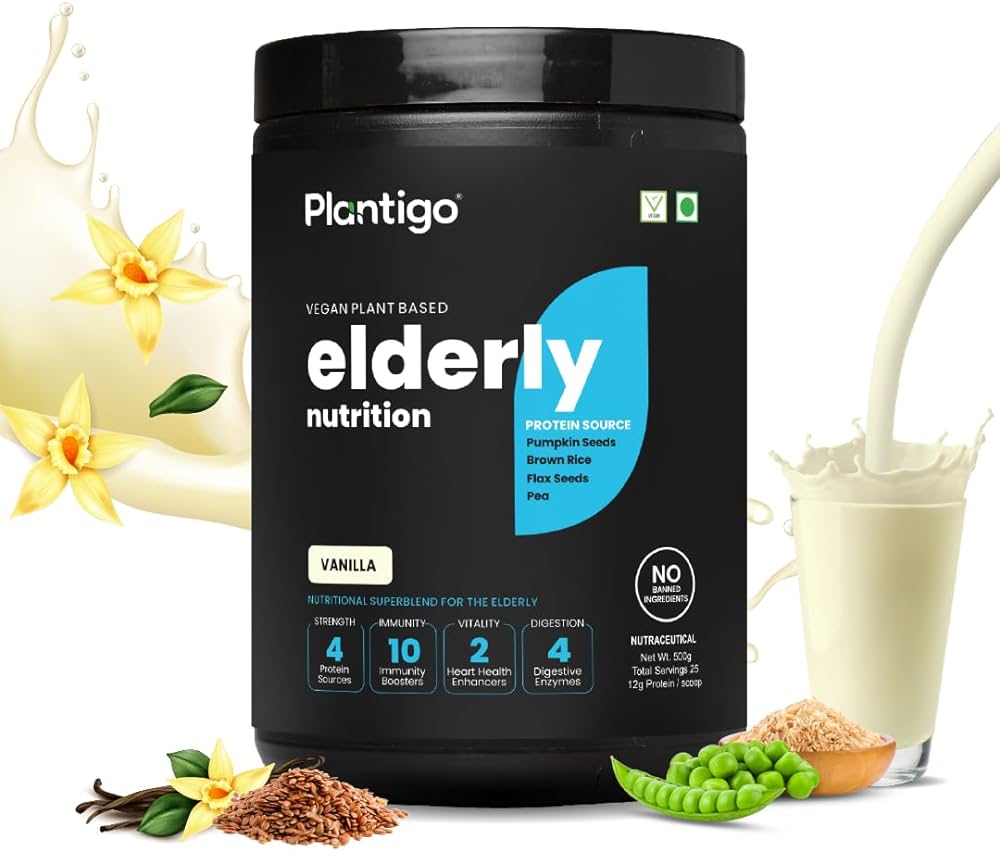
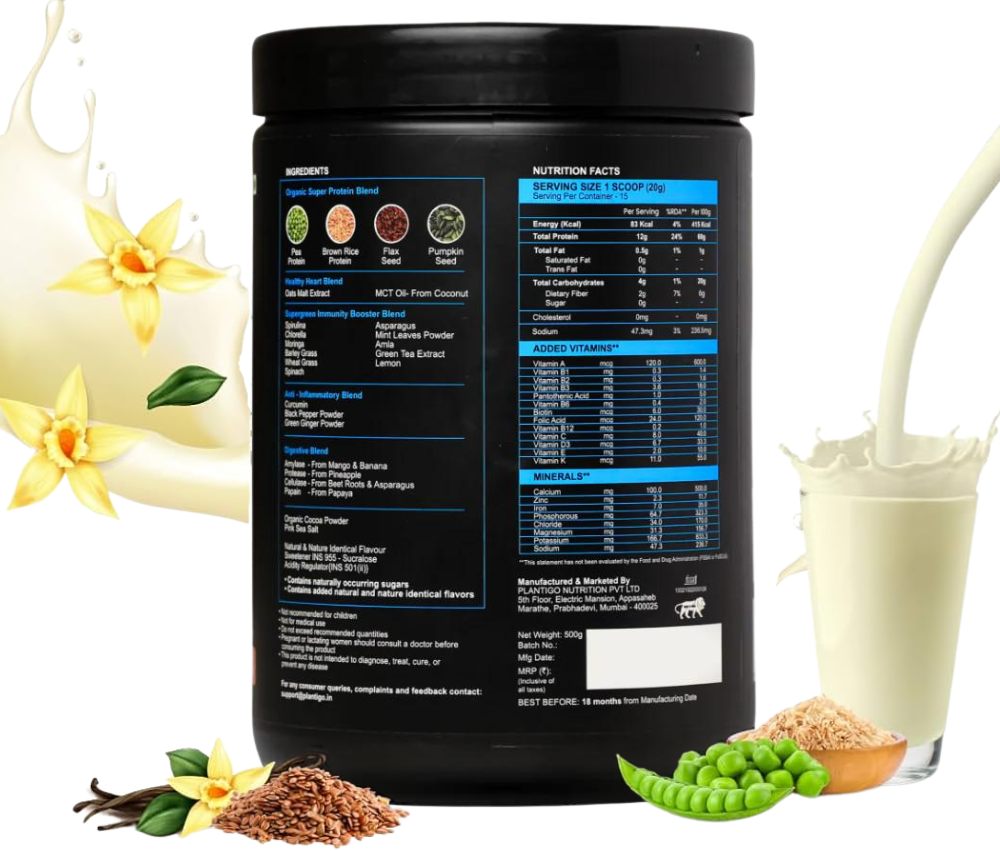
Keep tracking your protein intake, include nutrient-dense foods, and stay consistent. Adding simple supports like nuts, seeds, and occasionally Plantigo plant protein can make healthy weight gain smoother and more effective.
Ready to Start Your Transformation?
Begin today—follow the chart, stay consistent, and fuel your body right. If you’d like a personalized calorie or protein plan, just tell me.
Frequently Asked Questions
Q1: How long does it take to gain 10kg?
With a consistent 500–750 calorie daily surplus and adequate protein, 10kg of quality mass takes approximately 13–20 weeks. Faster gains typically involve more fat accumulation.
Q2: What is the best Indian food for weight gain?
Full-fat dairy, paneer, ghee, dry fruits, chana, rajma, and peanut butter are the most calorie and protein-dense Indian foods. Combined strategically, they cover both caloric surplus and protein targets.
Q3: Can vegetarians gain 10kg without supplements?
Yes — a well-structured vegetarian diet with adequate dal, paneer, curd, chana, and full-fat dairy can cover most requirements. Supplements become useful when food-based protein targets are consistently difficult to meet.
Q4: How many meals per day for weight gain?
5–6 meals spread across the day maintains positive nitrogen balance and prevents the body entering a catabolic state. The 10 kg weight gain diet chart in this guide is built around this frequency.
Q5: Is this diet chart suitable for beginners?
Yes — the foods are familiar, accessible, and affordable. Beginners should focus on consistency for the first 4 weeks before adjusting portions based on actual weight progress.