
What if one of the most underestimated fruits was quietly supporting gut health, metabolism, and cellular repair—without anyone really noticing?
Dragon fruit often gets attention for its dramatic pink skin and speckled flesh. But beneath that striking appearance lies a nutritional profile that behaves very differently from most fruits. Dragon fruit benefits go far beyond looks, influencing digestion, metabolic balance, skin health, and long-term wellness without the sugar spikes commonly linked to fruit.
In a time when diets are moving toward whole foods and plant protein -focused nutrition, dragon fruit fits in naturally—adding fiber, antioxidants, and micronutrients without complicating the diet.
This article goes beyond hype and trends. We’ll explore why this tropical fruit is gaining scientific interest, how it supports the body at a cellular level, and where it fits into modern nutrition strategies. Each section builds on the last, revealing a new layer of insight.
Why Dragon Fruit Benefits Deserve Scientific Attention
Unlike trendy superfoods that come and go, dragon fruit benefits are supported by solid nutritional logic. Dragon fruit (pitaya) is low in calories yet dense in micronutrients, fiber, and bioactive compounds. Researchers are increasingly interested in its antioxidant profile, prebiotic fibers, and metabolic effects—especially relevant in today’s lifestyle-driven health challenges.
For example, research highlights that bioactive compounds in dragon fruit (such as vitamins, polyphenols, and betalains) exhibit antioxidant, anti-inflammatory, and potential cardio-metabolic protective effects in conditions like diabetes, cardiovascular disease, and metabolic syndrome.
Before we dive into the individual advantages, it helps to understand why this fruit behaves differently from many others.
Top 11 Powerful Dragon Fruit Benefits
1. Low-Calorie Nutrition
One of the most practical dragon fruit benefits is its impressive nutrient density without caloric overload. A typical serving delivers vitamin C, iron, magnesium, and small amounts of B-vitamins—all while staying light on calories.
This makes dragon fruit especially valuable for people aiming to improve nutrition quality without increasing energy intake. It’s an elegant example of how “eating less” doesn’t have to mean “getting less.”
2. Rich in Antioxidants
Another standout among dragon fruit benefits is its antioxidant spectrum. Dragon fruit contains betalains, flavonoids, and phenolic acids—compounds known to neutralize free radicals that damage cells and accelerate aging.
Including such foods regularly supports an antioxidant rich diet, which is associated with lower inflammation, improved vascular health, and reduced oxidative stress over time.
3. Gut Health Support
Gut health is foundational to overall wellness, and this is where dragon fruit benefits truly shine. The fruit contains oligosaccharides—prebiotic fibers that selectively feed beneficial gut bacteria.
Unlike harsh laxatives or isolated fiber supplements, dragon fruit gently supports digestion while improving nutrient absorption and immune signaling through a healthier microbiome.
4. Helps Maintain Blood Sugar Levels
Among the more clinically relevant dragon fruit benefits is its effect on glycemic control. Dragon fruit has a low glycemic load and contains fiber that slows carbohydrate absorption.
Some studies suggest that regular intake may help improve insulin sensitivity—making it a smart fruit choice for individuals managing blood sugar volatility.
5. Promotes Heart Health
Heart health is not about a single nutrient—it’s about synergy. One of the lesser-known dragon fruit benefits is its potential to improve lipid profiles.
The seeds contain healthy fats, while the flesh provides fiber that can help reduce LDL cholesterol absorption. Together, these effects support long-term cardiovascular health without drastic dietary changes.
6. Promotes Skin Health
Nutrition plays a central role in skin health, and dragon fruit benefits extend well beyond topical skincare. Its vitamin C content supports collagen synthesis, while antioxidants help protect skin cells from UV-induced oxidative damage.
In many ways, dragon fruit complements discussions around beetroot benefits for skin, as both work systemically to enhance glow, elasticity, and cellular repair.
7. Supports Immune System
Immune health isn’t built overnight, and dragon fruit benefits support it subtly but consistently. Vitamin C, iron, and antioxidant compounds together enhance immune cell function and reduce inflammatory burden.
Unlike high-dose supplements that spike and crash, nutrient-dense fruits like dragon fruit help build resilience gradually—exactly how the immune system prefers to function.
8. High-Fiber Benefits
While fruit isn’t typically associated with protein, one surprising aspect of dragon fruit benefits is how well it complements high protein high fiber foods in balanced meals.
It pairs seamlessly with legumes, seeds, and grains, enhancing fiber diversity and micronutrient coverage without disrupting macronutrient goals.
9. Promotes Weight Management
Weight management is less about restriction and more about satiety and consistency. One of the most practical dragon fruit benefits is its ability to satisfy sweetness cravings with minimal caloric impact.
For individuals following structured plans—such as a 7 day vegetarian meal plan indian —dragon fruit offers variety, hydration, and fiber without derailing nutritional intent.
10. Supports Muscle Recovery
Although not a primary protein source, dragon fruit benefits extend to physically active individuals when used strategically.

It contains magnesium for muscle function and antioxidants that may reduce exercise-induced oxidative stress. When combined with reliable protein sources—whether whole foods or a thoughtfully chosen pea protein powder—it contributes to more balanced recovery nutrition.
11. Complements Plant-Based Nutrition
As interest in sustainable eating grows, dragon fruit benefits align beautifully with plant-centric diets. It adds diversity to discussions around fruits that contain protein, micronutrient density, and functional carbohydrates.
Dragon fruit integrates smoothly with broader plant-based strategies that emphasize whole foods alongside targeted options like a plant based protein powder, supporting overall intake without reliance on ultra-processed products.
Where Dragon Fruit Fits in the Bigger Nutrition Picture
Understanding dragon fruit benefits becomes even more powerful when viewed in context. For example, those exploring best protein sources in india often focus on legumes, dairy, and grains—dragon fruit doesn’t replace them, but it enhances dietary quality around them.
Similarly, individuals tracking macros using a protein intake calculator may not count dragon fruit toward protein targets, yet its fiber, antioxidants, and micronutrients improve how efficiently the body uses those proteins.
Even traditional foods like oats for weight gain benefit from thoughtful pairings—adding dragon fruit improves mineral absorption and digestive comfort, making calorie-dense meals easier to tolerate.
How to Include Dragon Fruit in Your Diet

-
Eat fresh by slicing and scooping the flesh as a light snack
-
Blend into smoothies for a fiber- and antioxidant-rich drink
-
Add to breakfast bowls with oats, yogurt, or chia seeds
-
Mix into fruit or green salads for natural sweetness
-
Pair with balanced meals for improved nutrient intake
-
Freeze cubes for smoothies, sorbets, or cooling summer treats
Final Thoughts
When you step back, the true value of dragon fruit benefits lies in how seamlessly they fit into real-world eating patterns. This isn’t a miracle food or a nutritional shortcut. It’s a functional, evidence-backed fruit that supports digestion, metabolism, immunity, and cellular health—quietly and consistently.
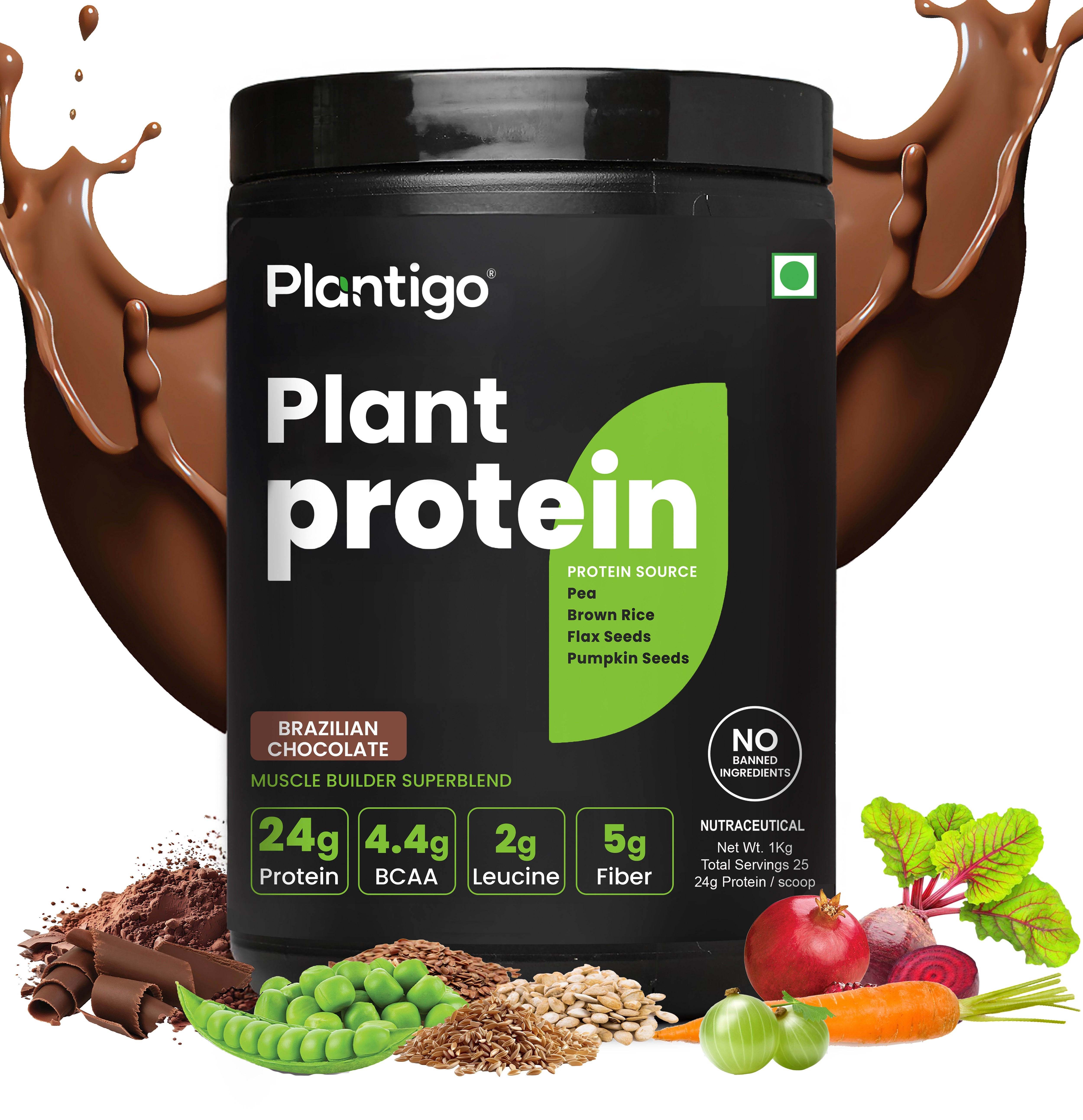
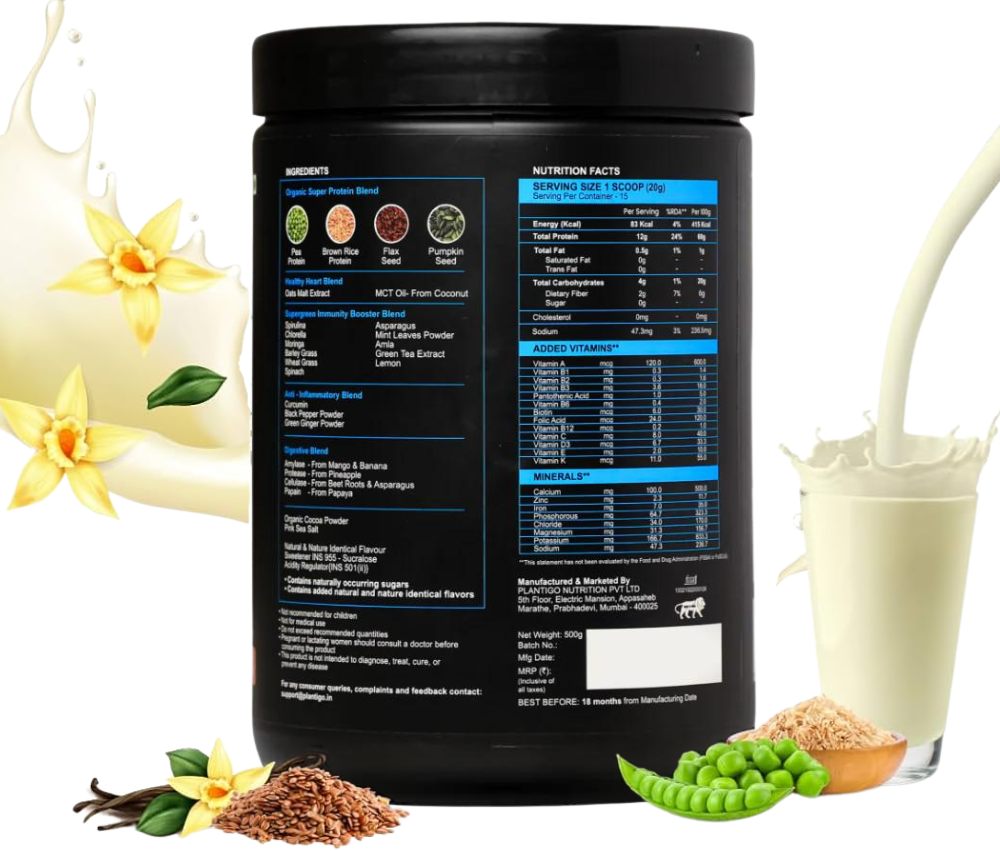
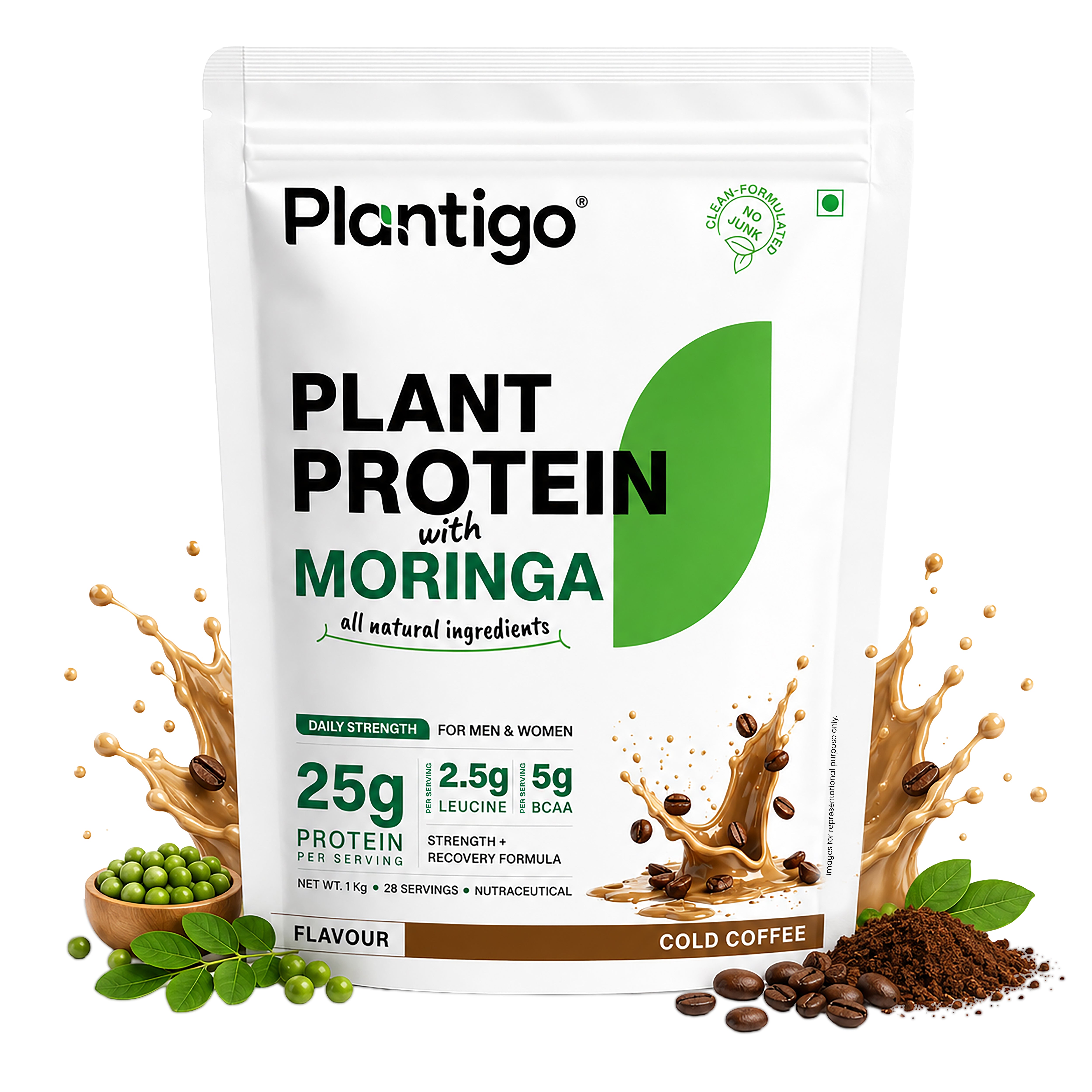
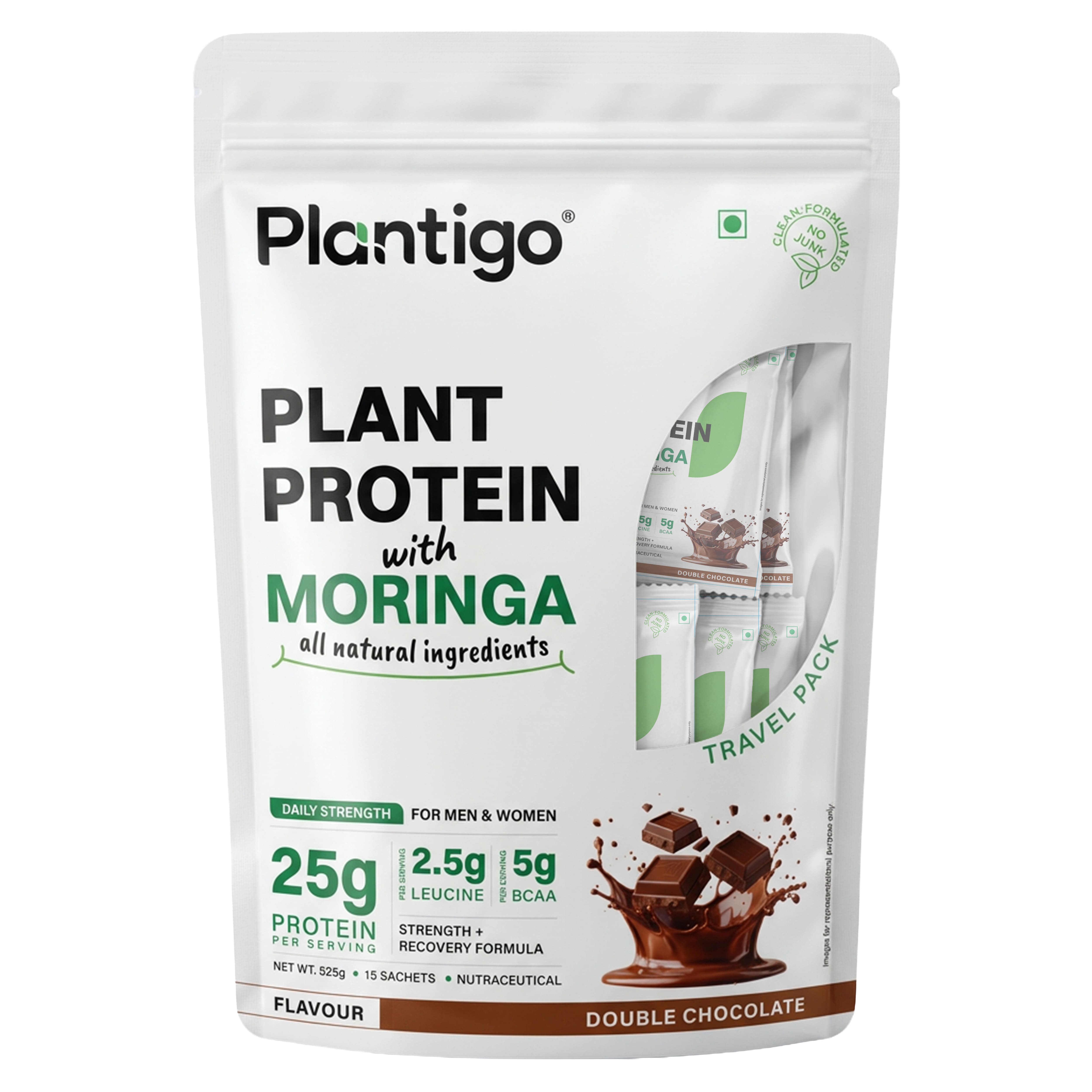
In a world overloaded with extremes, dragon fruit represents balance: visually striking, nutritionally intelligent, and scientifically sound. That same philosophy applies to how we build everyday nutrition—pairing whole foods like dragon fruit with clean, thoughtfully formulated options such as Plantigo’s plant protein, designed to complement natural diets rather than replace them.
Start small. Add dragon fruit to your meals. Build consistency, not complexity.
Because long-term health isn’t built overnight—it’s built daily, one balanced choice at a time.
Frequently Asked Questions
1. What are the main dragon fruit benefits?
Dragon fruit benefits include improved digestion, antioxidant protection, better gut health, blood sugar balance, and support for skin, immunity, and metabolism.
2. Can I eat dragon fruit every day?
Yes, dragon fruit can be eaten daily in moderate portions. Its fiber, vitamins, and antioxidants make it a safe and nutritious addition to a balanced diet.
3. Is dragon fruit good for gut health?
Yes, dragon fruit supports gut health due to its prebiotic fibers, which help nourish beneficial gut bacteria and improve digestion.
4. Does dragon fruit spike blood sugar?
No, dragon fruit has a low glycemic load and contains fiber that slows sugar absorption, making it suitable for people managing blood sugar levels.
5. Is dragon fruit suitable for plant-based diets?
Yes, dragon fruit fits well into plant-based diets. While not high in protein, it complements plant protein foods by adding fiber, antioxidants, and micronutrients.